Tetramorium
Tetramorium lanuginosum
Nuptial Flight Calendar
Flight months: Mar, Apr, May, Jun, Jul, Aug, Sep, Oct
Care Guide
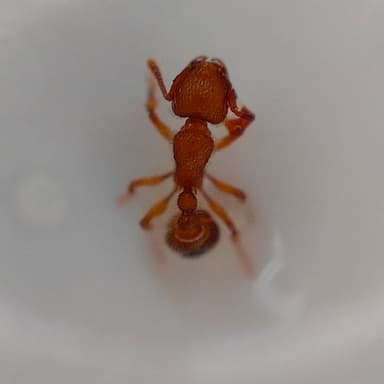
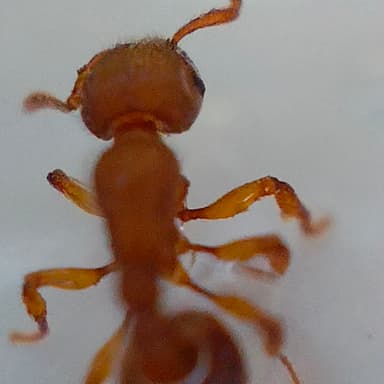
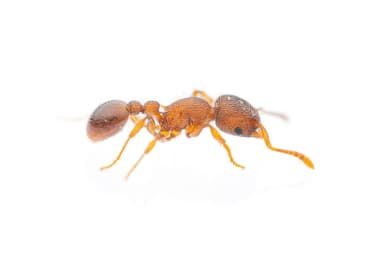
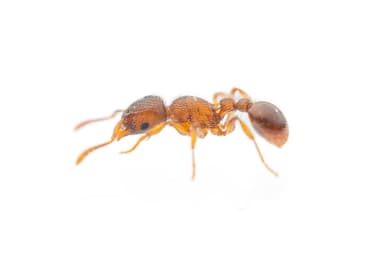
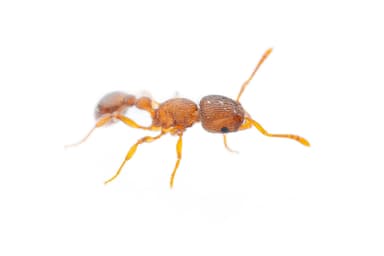
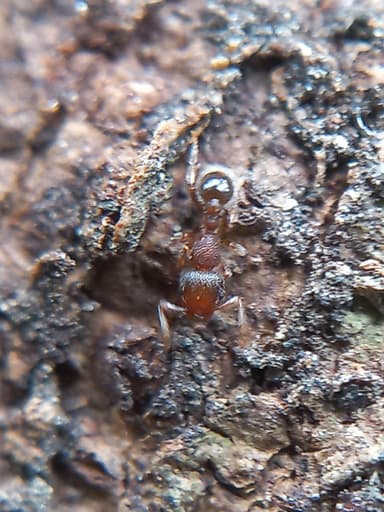
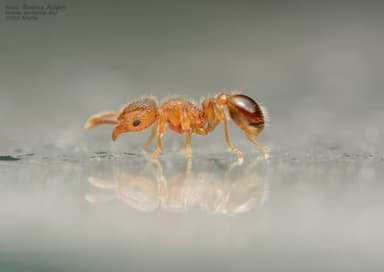
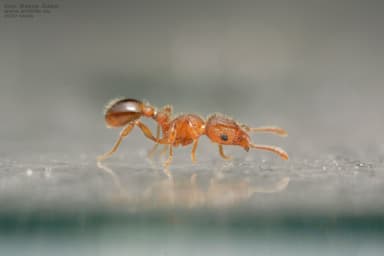
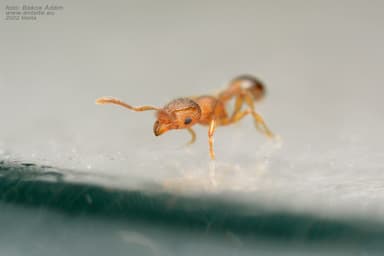
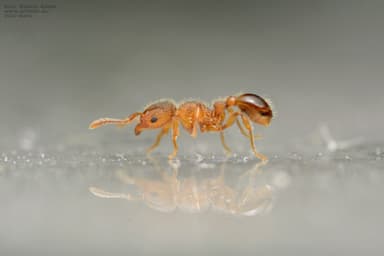
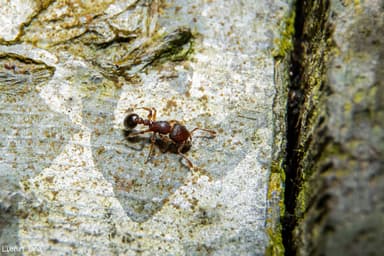
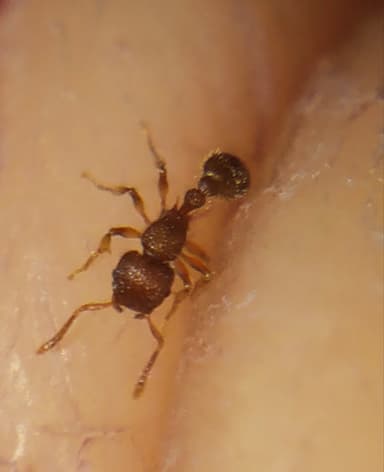
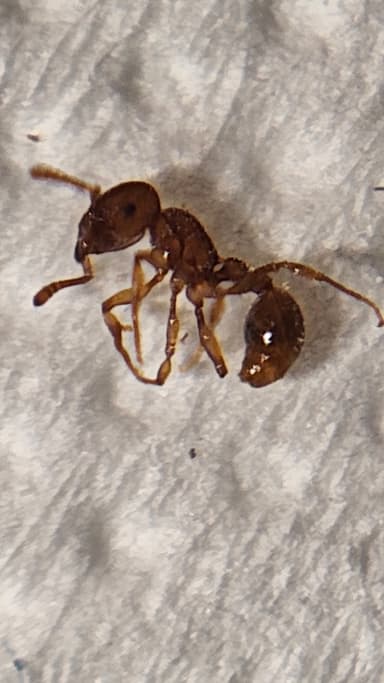
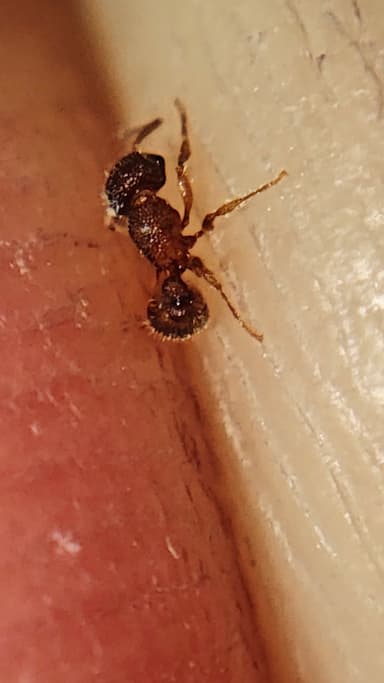
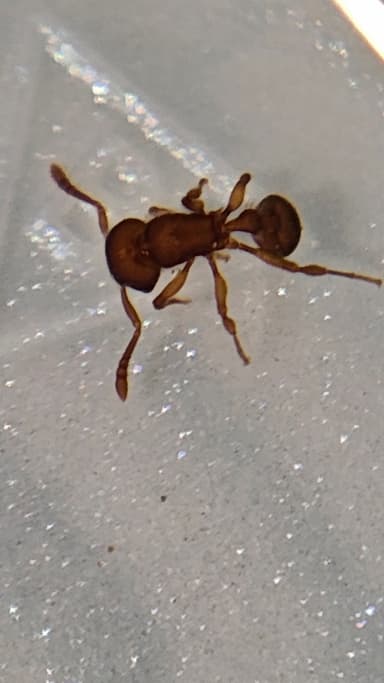
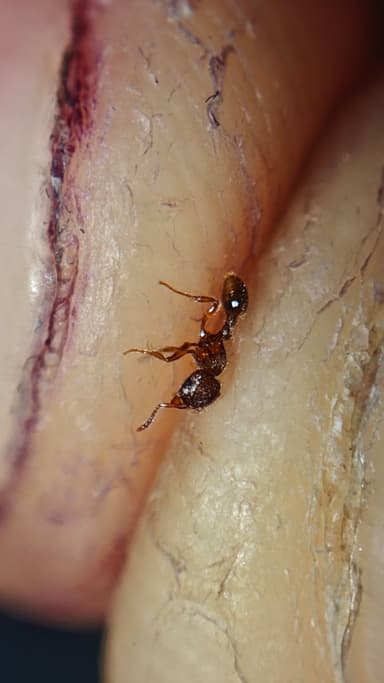
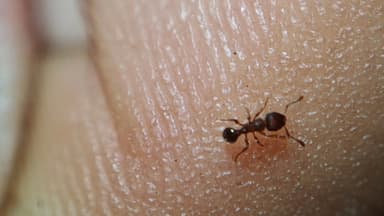
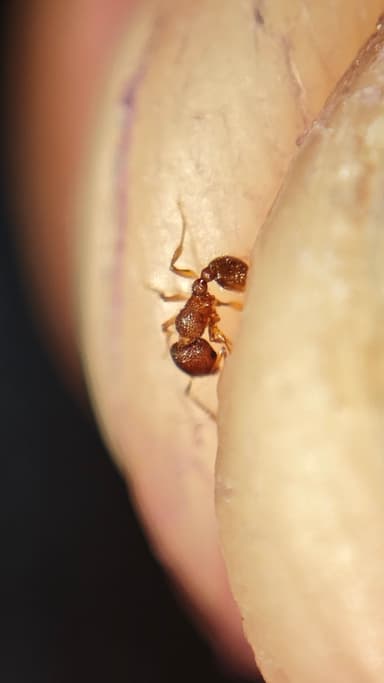
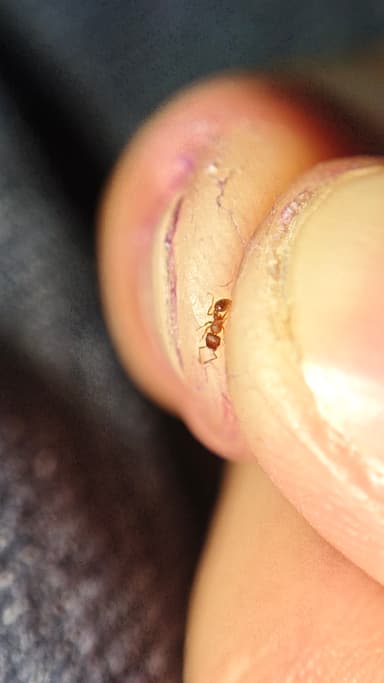
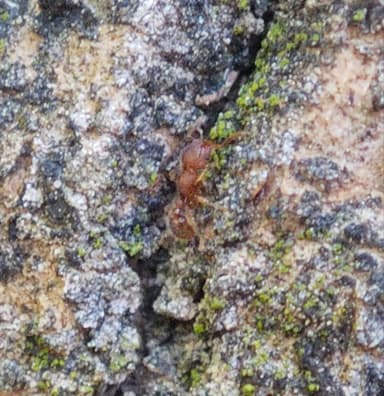
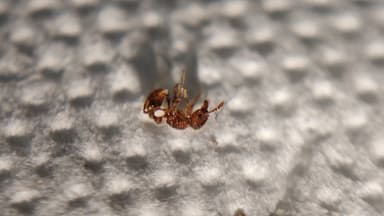
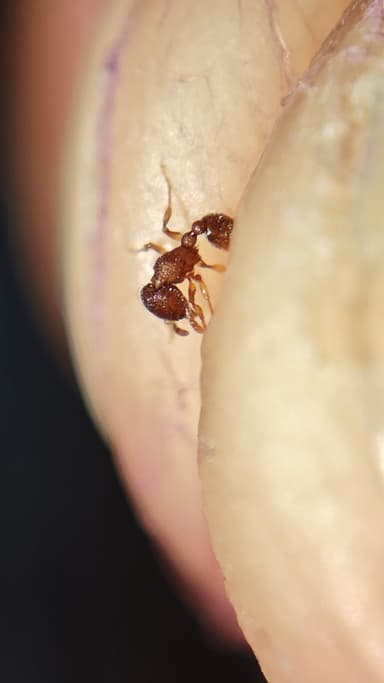
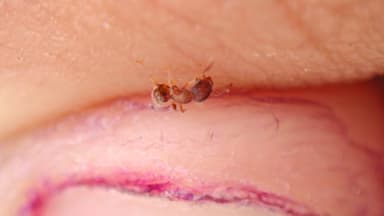
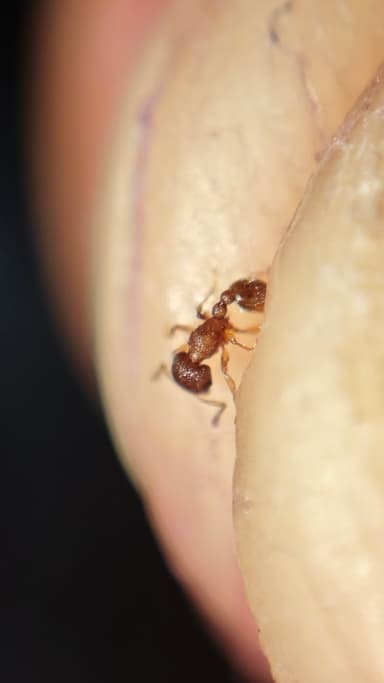
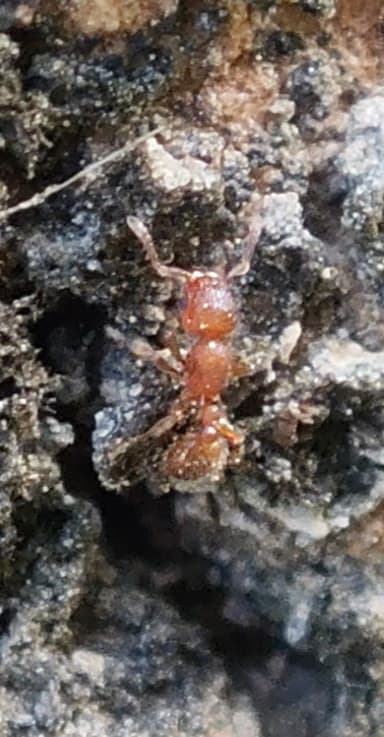
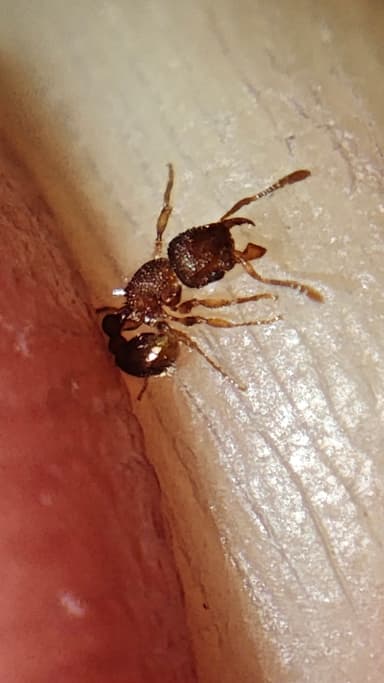
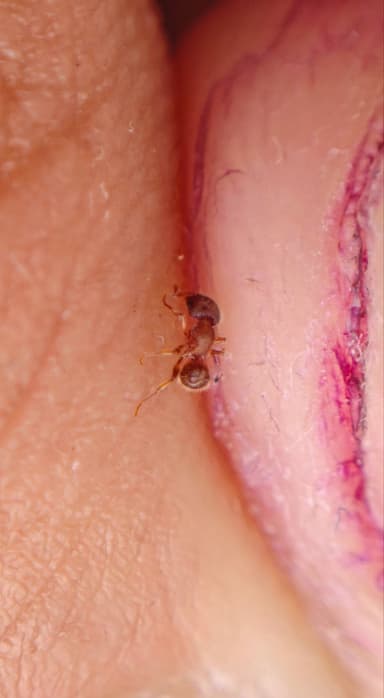
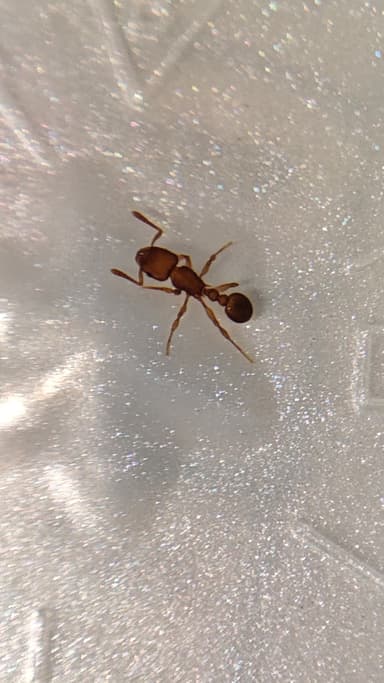
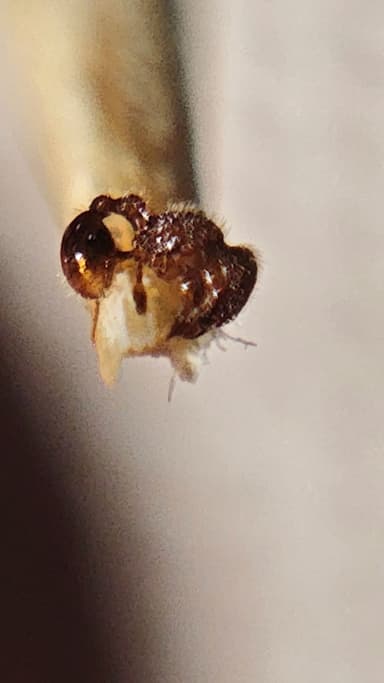
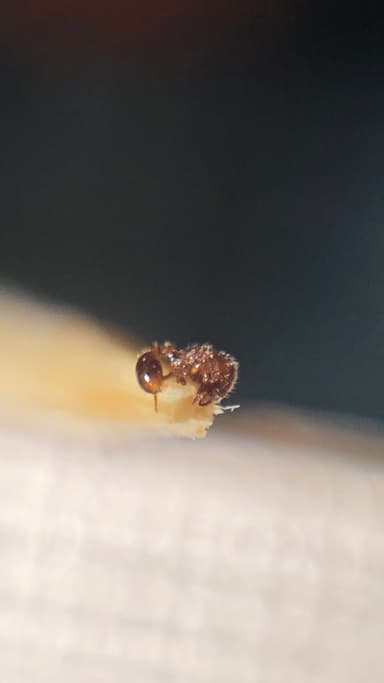
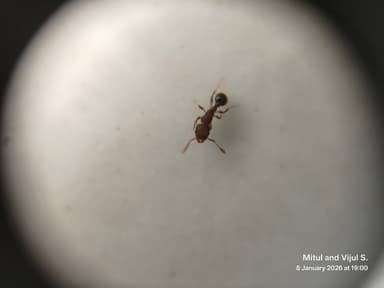
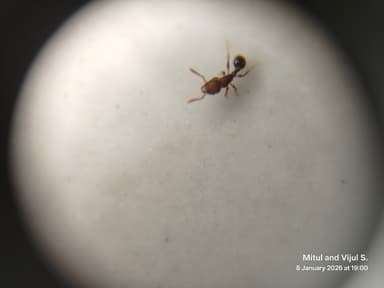
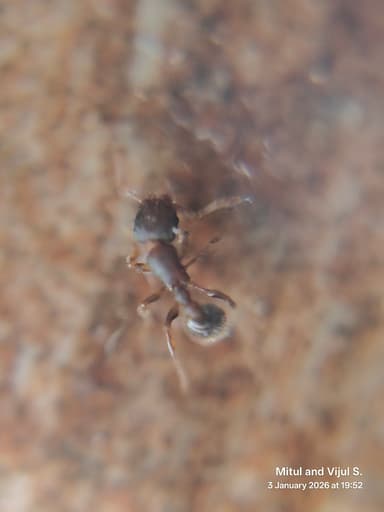
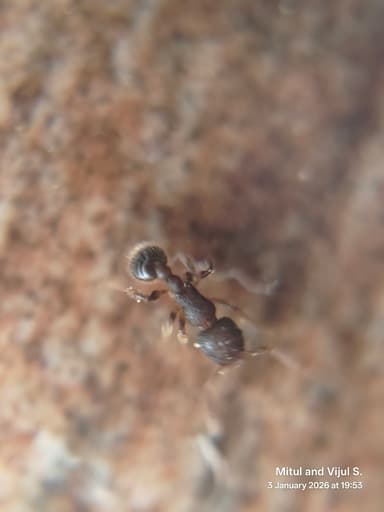
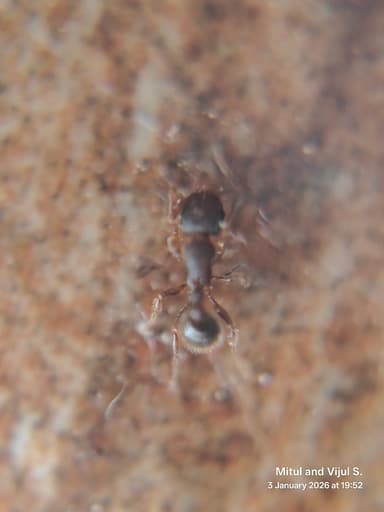
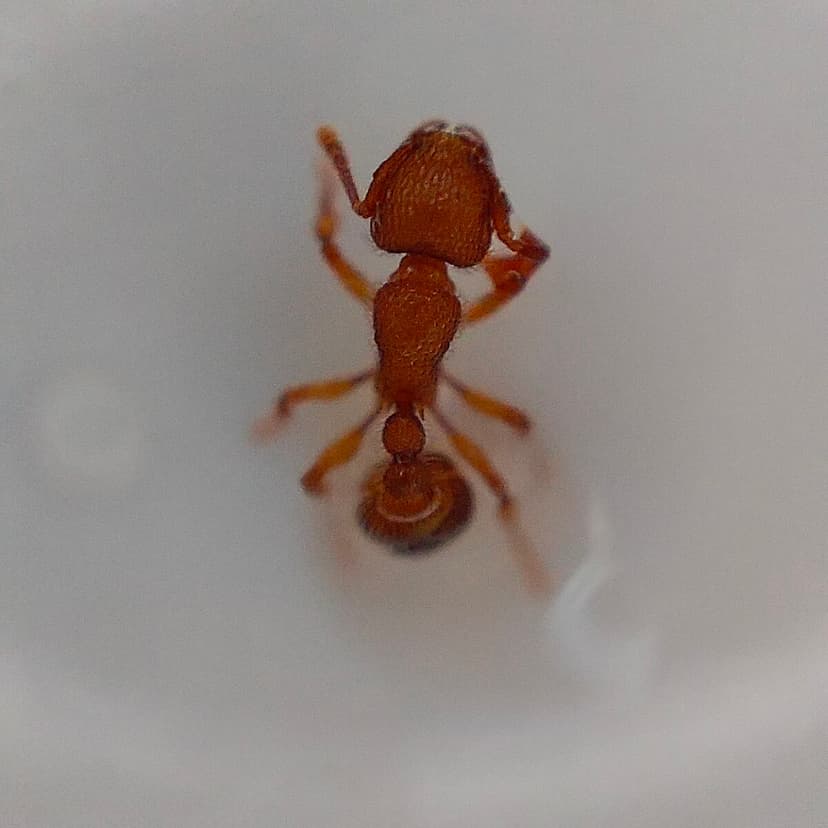
Among the many tramp ants that have quietly colonized the tropics and subtropics, Tetramorium lanuginosum stands out for its remarkable adaptability and the dense, silky pilosity that gives it the common name woolly ant. Workers are tiny, measuring just 2.2 to 2.8 millimeters, while queens are noticeably larger at 4 to 5 millimeters. Their entire body—head, mesosoma, waist, and gaster—bears a thick coat of fine, whitish hairs that catch the light and lend them a soft, velvety appearance not seen in most other small myrmicines. Colonies are monogynous and monomorphic, meaning all workers are the same size and shape, and they can swell to an impressive 10,000 individuals under good conditions. What really captures the imagination of keepers, though, is how this species has exploded across the globe. Originally native to the tropical Indo‑Pacific, it has spread throughout Asia, Africa, the Pacific islands, and into the warmer parts of the Americas and Europe, often turning up in greenhouses and urban settings (Wetterer 2010). In captivity, their claustral founding and rapid brood development make them a fascinating, fast‑moving spectacle that rewards careful observation.
When it comes to keeping difficulty, Tetramorium lanuginosum is solidly in the beginner category, and it’s hard to think of a more forgiving species for those new to the hobby. They tolerate a wide band of temperature and humidity, have no need for a seasonal diapause, and will enthusiastically accept both insect protein and sugary liquids from day one. The colony’s modest size ceiling means they won’t outgrow a manageable setup too quickly, yet their active foraging and rapid recruitment to food sources provide endless entertainment for keepers of any experience level. Because they are such successful opportunistic nesters, even small mistakes in moisture or feeding are quickly shrugged off, making them ideal for someone who wants to build confidence before moving to more demanding species. More advanced keepers often enjoy them as a reliable display colony that maintains constant above‑ground activity when housed in a well‑designed formicarium.
Housing this woolly ant begins with understanding its tropical preferences. A temperature gradient of 22 to 30 degrees Celsius keeps the colony thriving; a gentle heat mat applied to one side of the nest will allow workers and brood to self‑regulate, and you’ll often see the queen and larvae clustered in the warmest zone. Humidity should be maintained between 50 and 80 percent, with higher moisture near the nest chambers. Many keepers succeed with a simple plaster or ytong nest block that permits a moisture gradient, while others add a thin layer of fine coco‑coir or sandy loam to the outworld to simulate the leaf litter and soil they favor in the wild—this also gives minor workers a familiar texture to explore. Escape prevention is critical; these ants are tiny, and workers will climb glass and escape through the smallest gap. A tight‑fitting lid, a PTFE‑based fluon barrier, or a moat system around the foraging arena are all effective. They adapt well to acrylic, 3D‑printed, or even classic grout nests, as long as ventilation is adequate to prevent stagnant air and mold. In all cases, provide a dark cover for the nest area when first settling in, as light stress can cause a colony to delay foraging.
Feeding Tetramorium lanuginosum couldn’t be more straightforward. In the wild they are omnivorous opportunists, scavenging on dead insects and collecting nectar or honeydew from hemipterans. In captivity, a steady supply of small protein sources—freshly killed fruit flies, pinhead crickets, chopped mealworms, or even tiny pieces of cooked egg—will keep brood production churning. Carbohydrates should be offered as a shallow dish of sugar water, diluted honey, or commercial ant nectar, and you’ll quickly learn that a foraging worker will eagerly drink and share with nestmates via trophallaxis within minutes. Because these ants are so active, they benefit from having food available daily, though you can safely feed protein every other day and replace the carbohydrate source as it is consumed. A watering tube or moist cotton wick must always be present in the outworld, not only to drink but also to help them regulate nest humidity. They are not picky, but avoid oversized prey items that could injure a worker, and always remove uneaten remains to prevent mites.
One of the greatest appeals of this species for keepers in temperate regions is the complete absence of a hibernation requirement. Tetramorium lanuginosum evolved in warm climates without a cold season, and its biology reflects that: the colony never enters a diapause state, and brood rearing continues year‑round as long as temperatures stay above about 22 degrees Celsius. Keep them at a steady warm room temperature through the winter, and you’ll enjoy the same level of activity in December as you do in July. This not only simplifies long‑term care but also eliminates the common anxiety of “hibernation failure” that can plague keepers of ants from temperate zones. The only seasonal cue they seem to respond to is the mating flight, which in their expansive tramp range can occur almost any month from March through October when warm, humid evenings follow rainfall, though in captivity these flights are rarely an issue beyond occasional winged alates appearing in the outworld.
The first few days after your new queen or small founding colony arrives are a critical window that needs only a light touch. If you’ve purchased a newly mated queen in a test tube, simply place her in a dark, quiet cabinet at around 25 degrees Celsius and resist the urge to check more than once a week. She carries all the energy she needs to raise her first tiny nanitic workers from body reserves, so no feeding is required until the first foragers emerge. If you instead receive a small colony with a few workers, connect the tube directly to a prepared foraging arena, add a water tube, and leave them undisturbed for 24 to 48 hours to recover from shipping stress. Offer a minuscule droplet of sugar water near the tube entrance after that settling period; they will usually find it and hydrate eagerly. Wait another day before introducing the first tiny protein, such as a single pre‑killed fruit fly. Watch for signs of normal behaviour: workers should carry food back to the queen, brood should become visible near her, and foraging activity will slowly increase over the following week. Any prolonged refusal to leave the tube, excessive huddling, or abandonment of brood may indicate stress from light or vibration—reduce disturbance and ensure darkness, and almost always the colony will bounce back with its signature resilience.