Pheidole
Pheidole morrisii
Nuptial Flight Calendar
Flight months: May, Jun, Jul, Aug
Care Guide
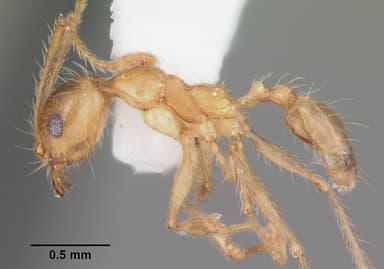
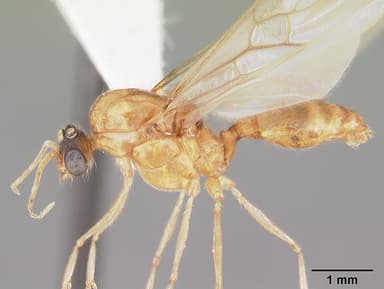
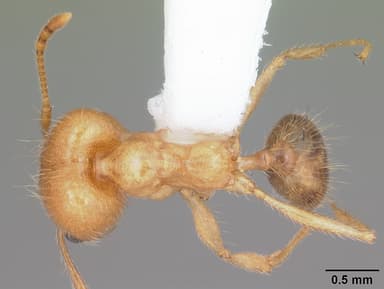
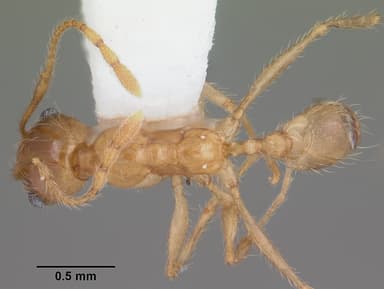
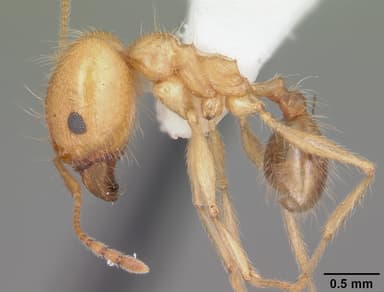
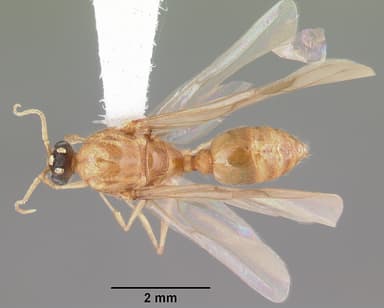
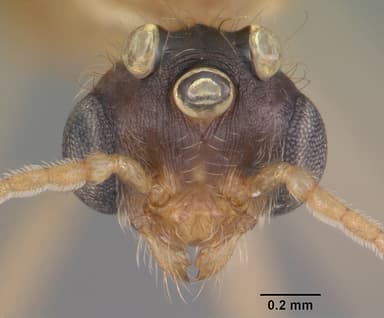
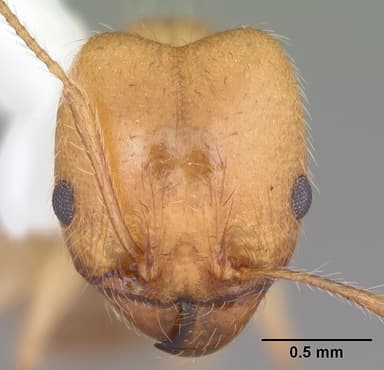
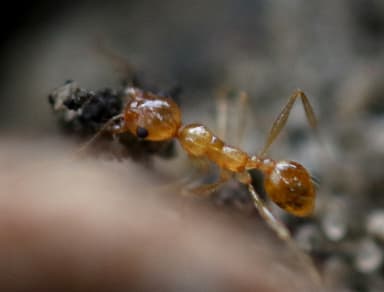
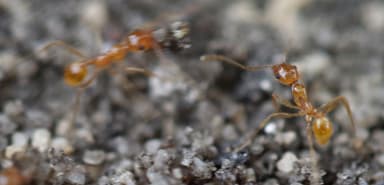
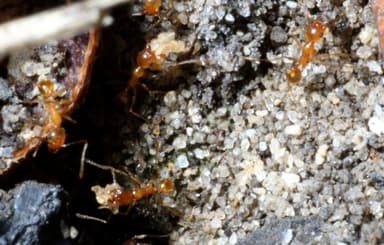
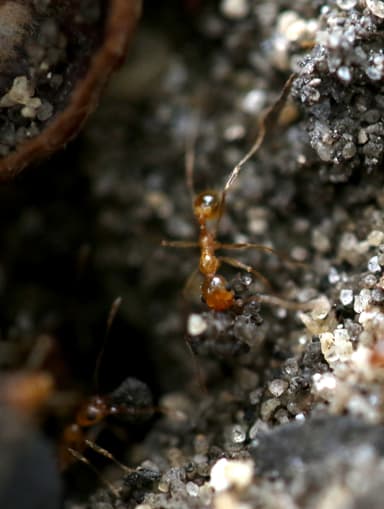
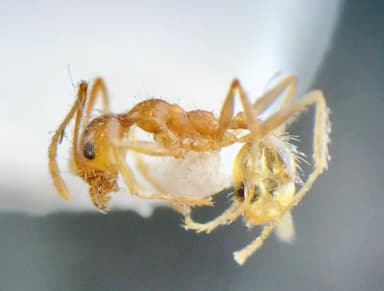
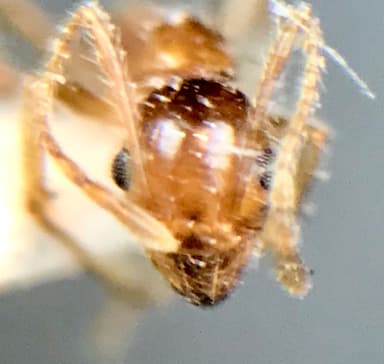
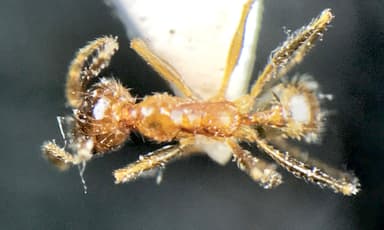
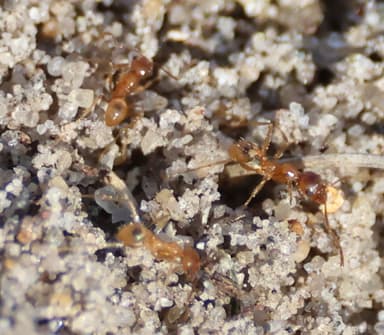
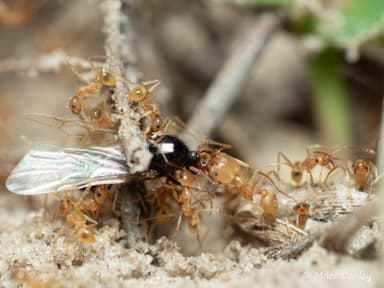
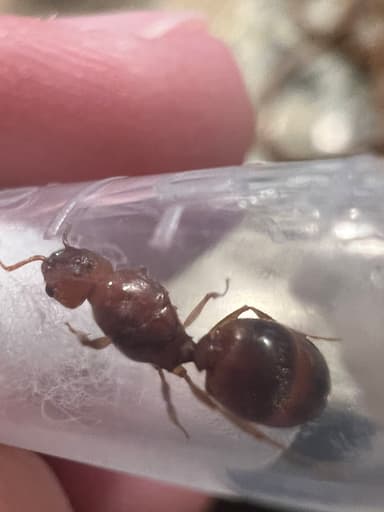
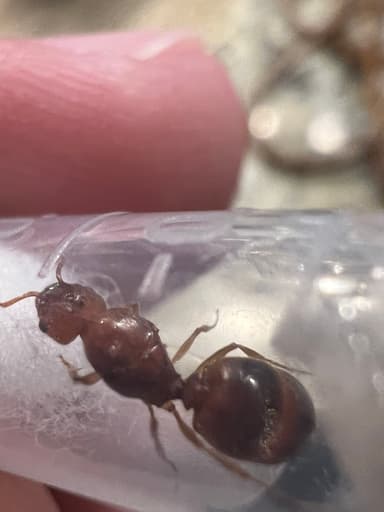
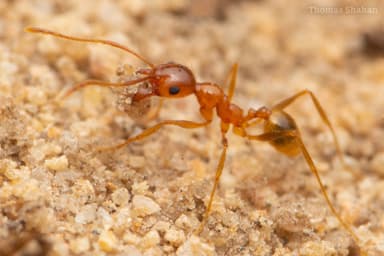
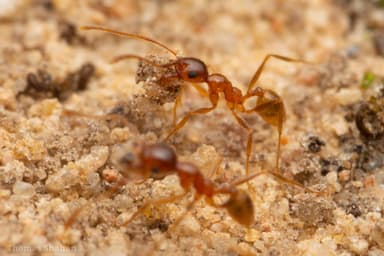
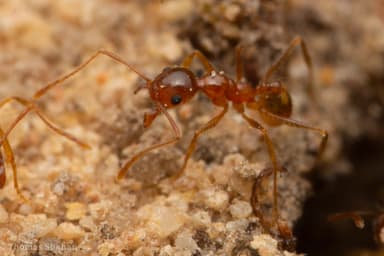
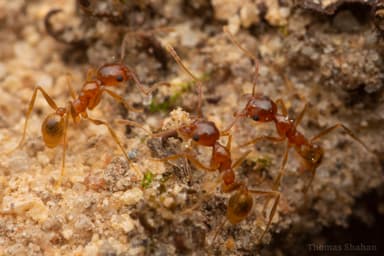
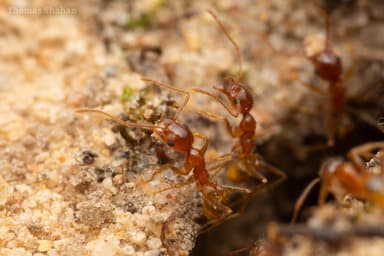
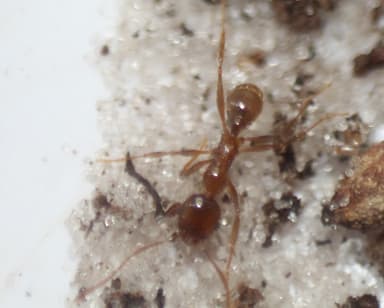
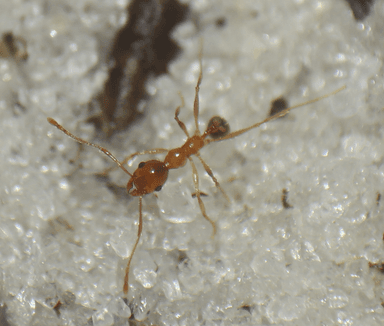
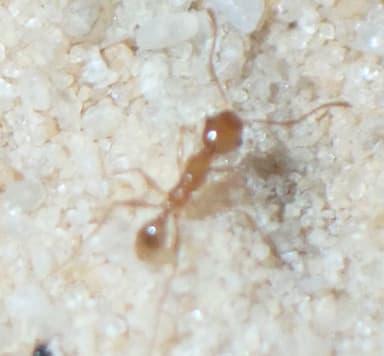
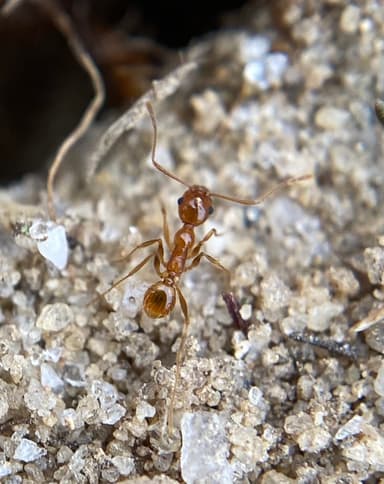
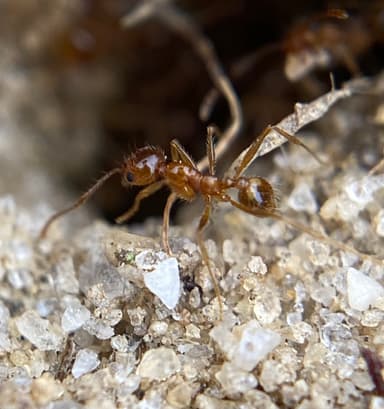
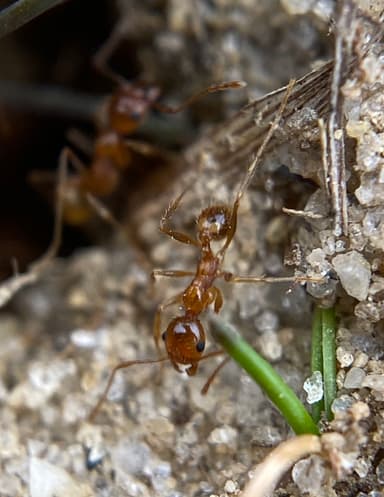
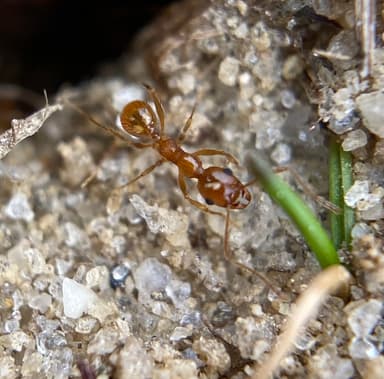
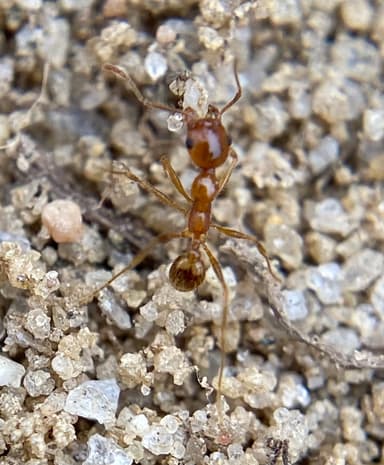
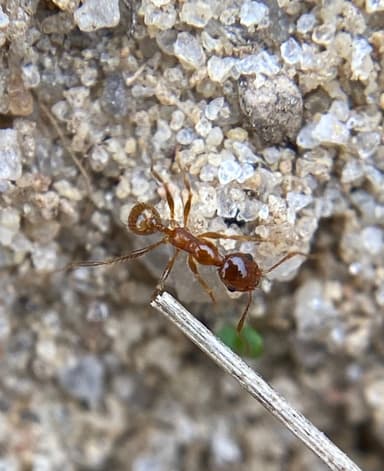
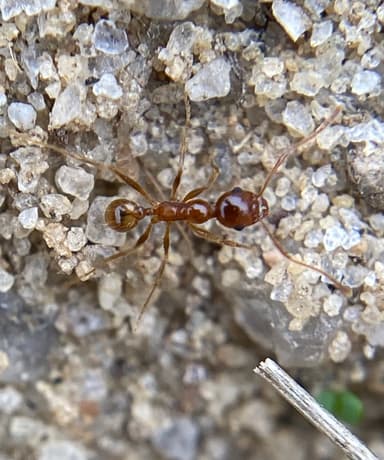
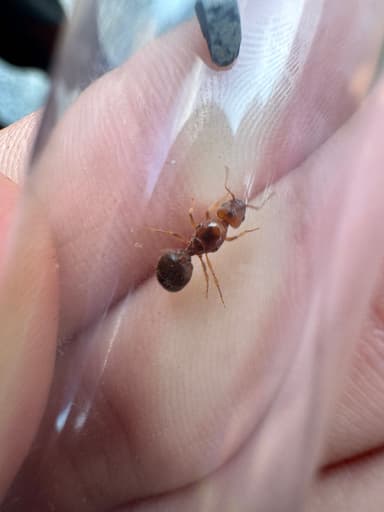
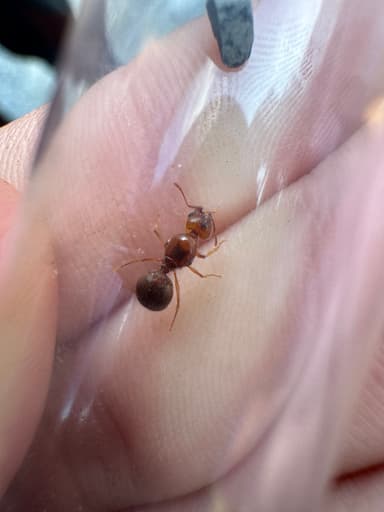
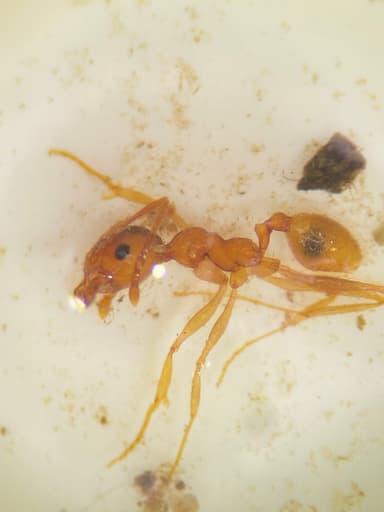
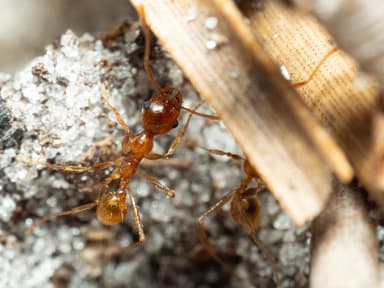
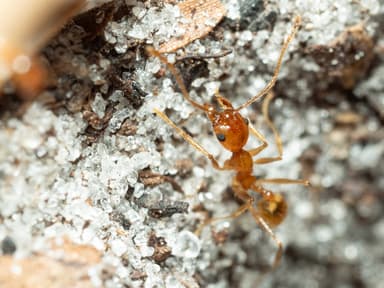
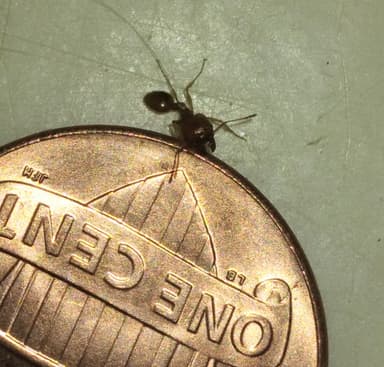
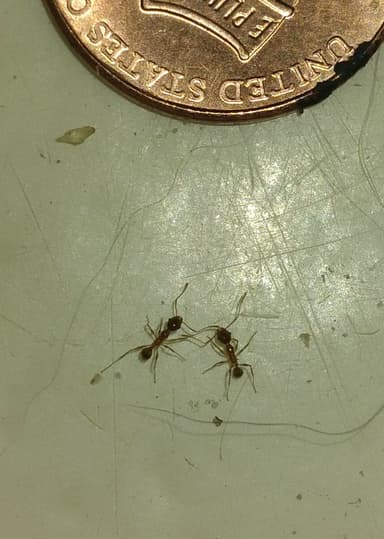
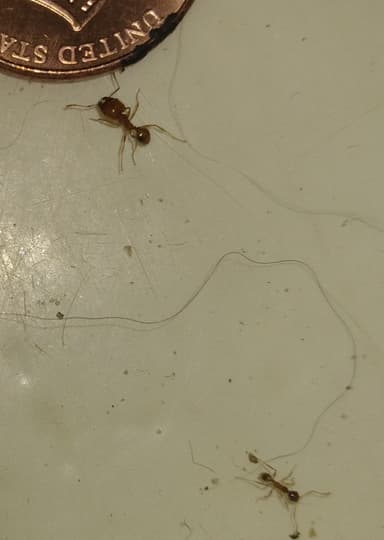
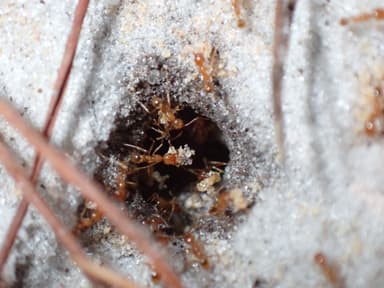
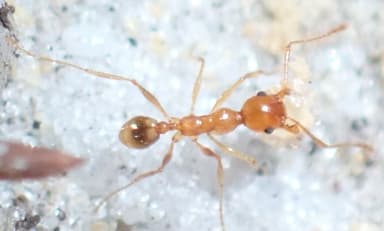
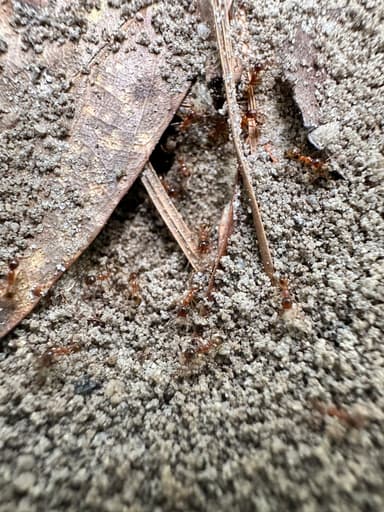
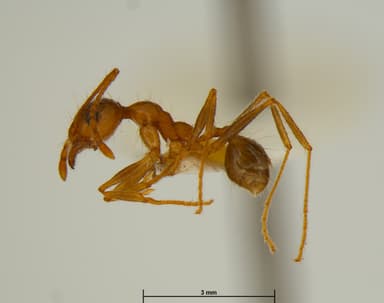
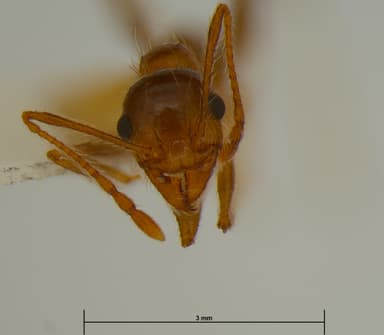
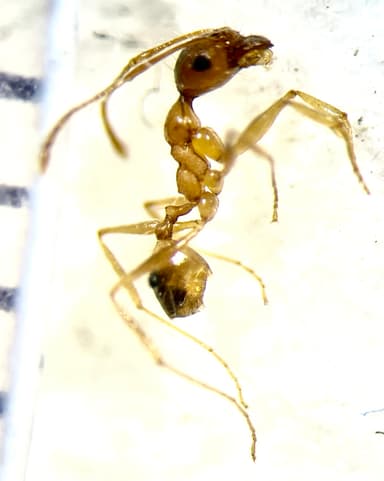
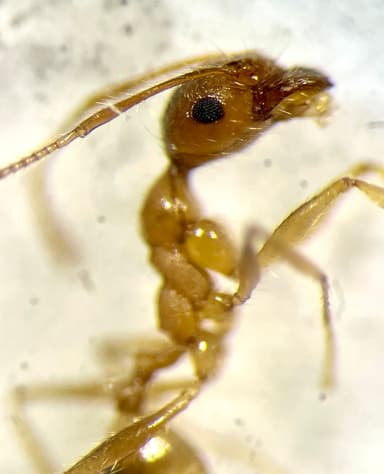
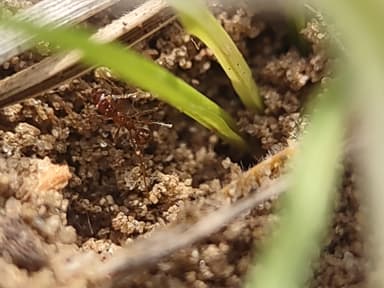
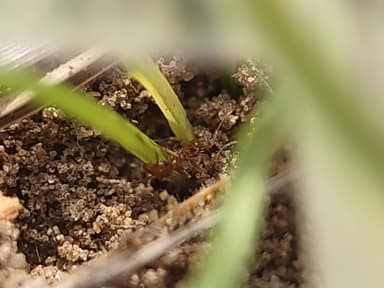
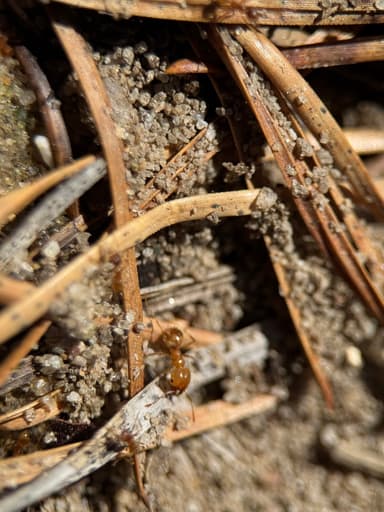
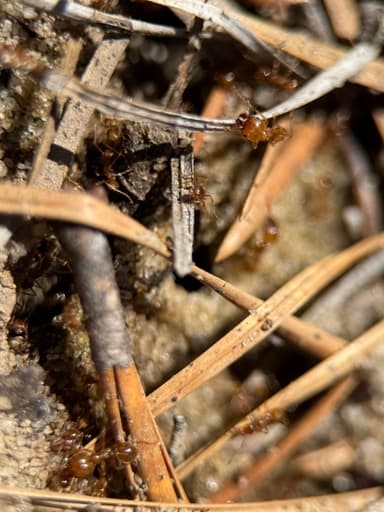
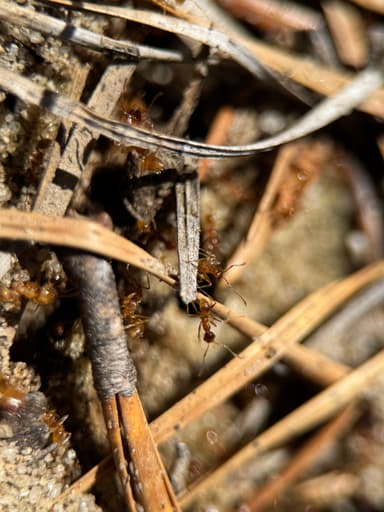
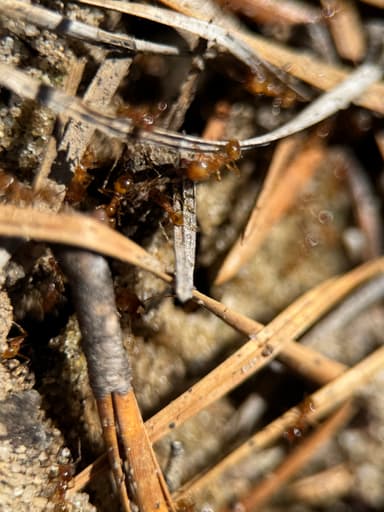
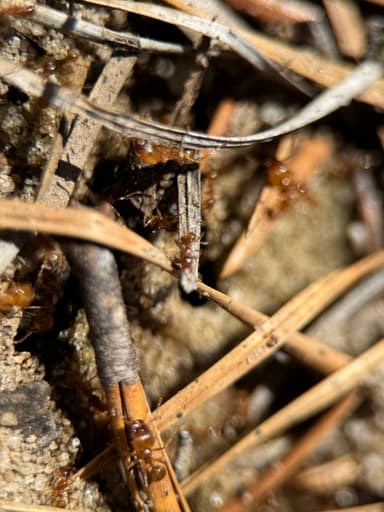
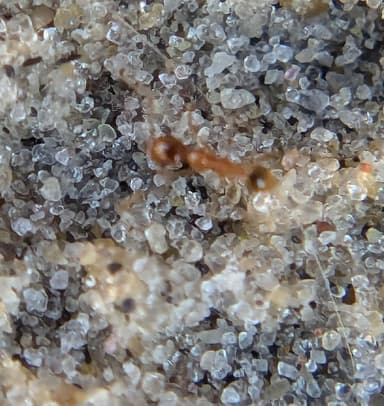
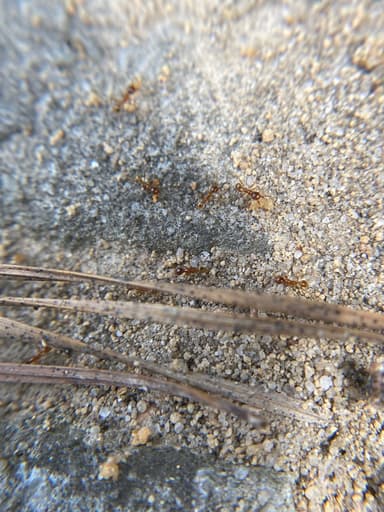
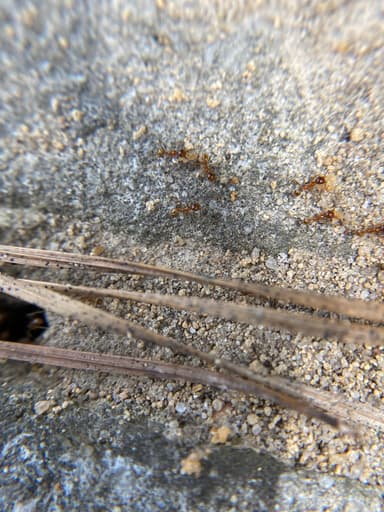
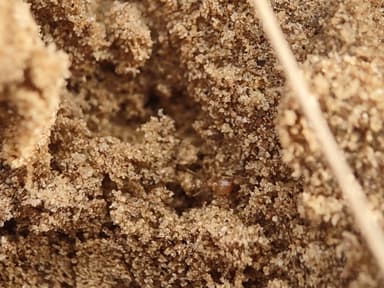
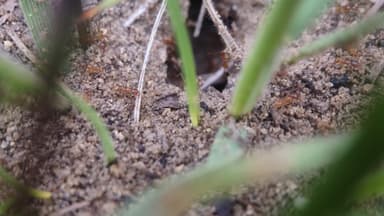
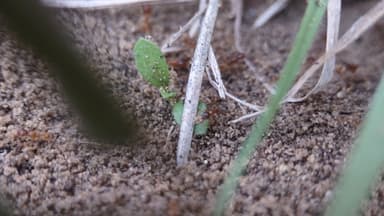
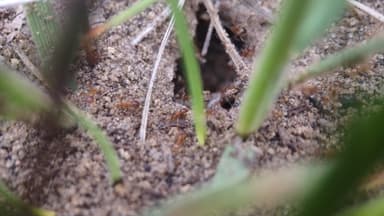
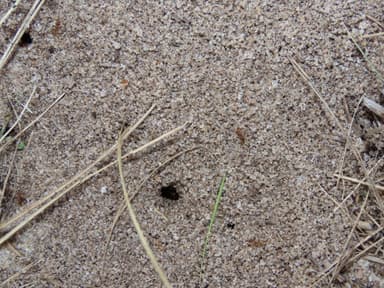
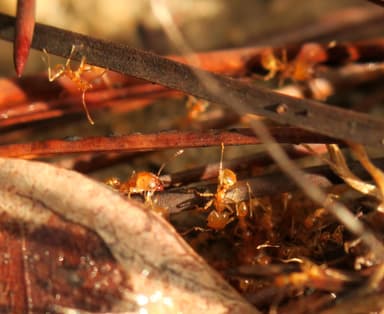
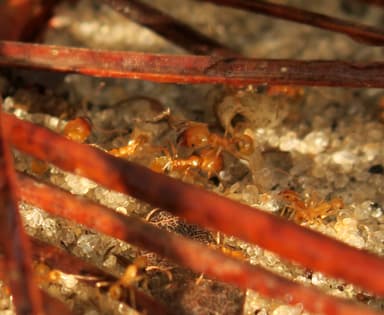
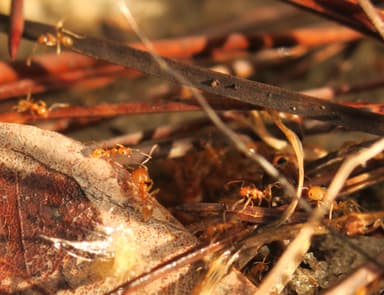
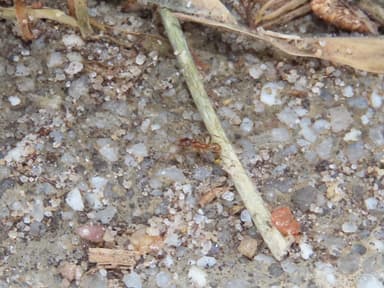
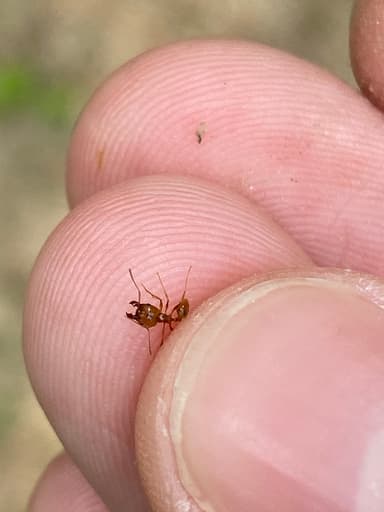
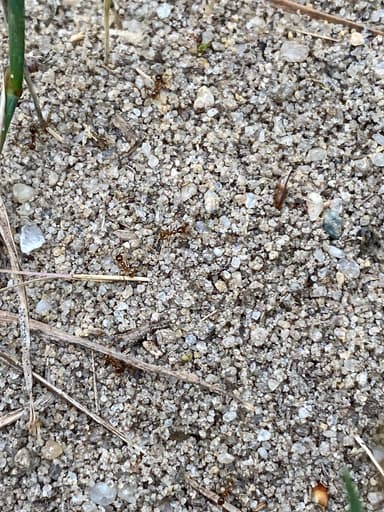
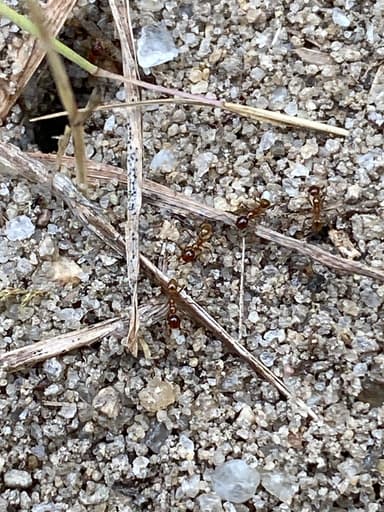
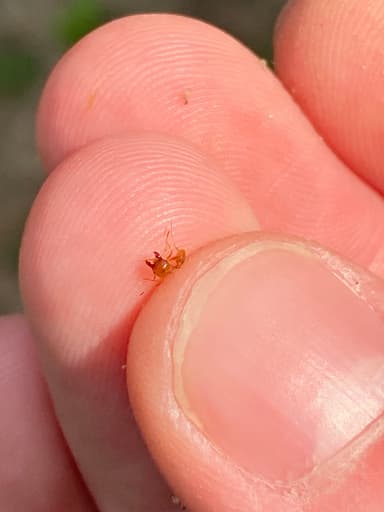
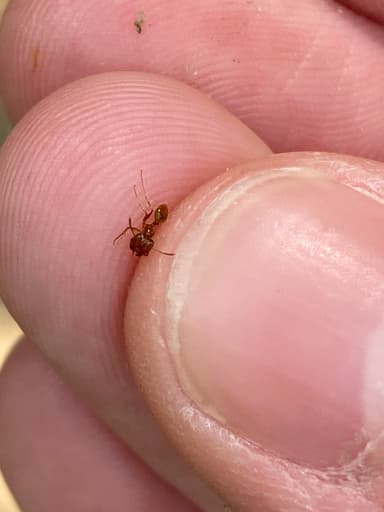
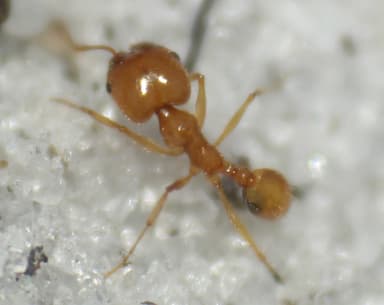
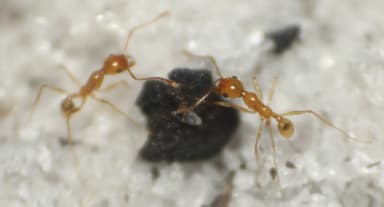
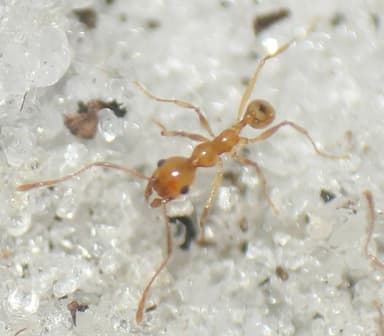
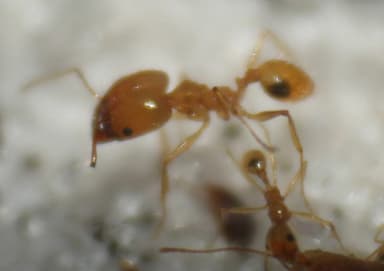
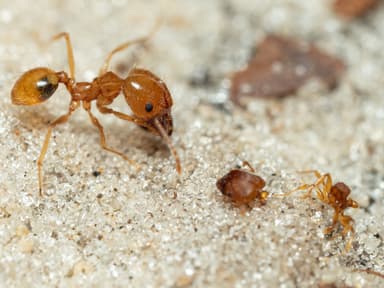
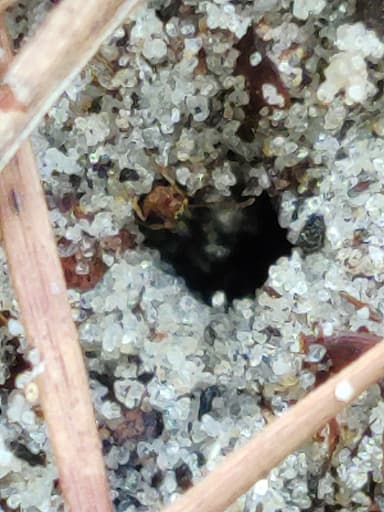
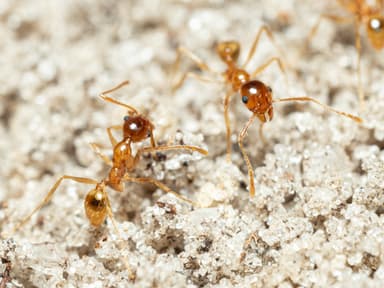
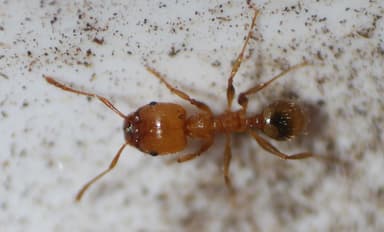
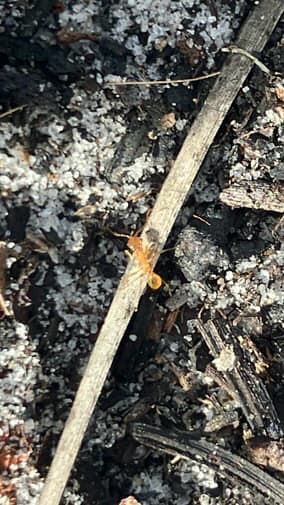
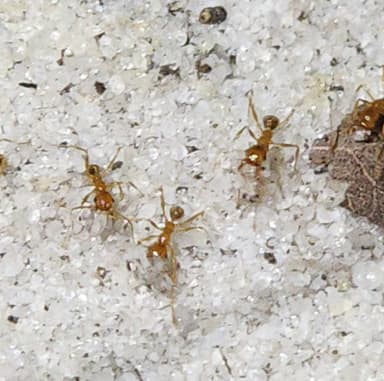
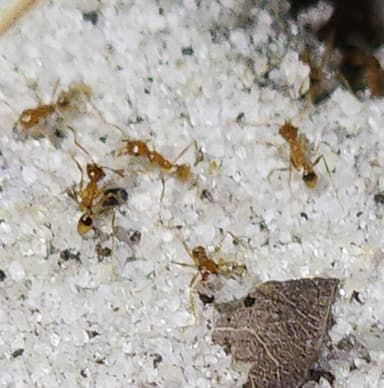
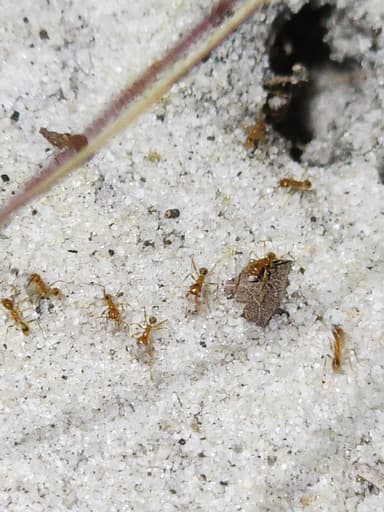
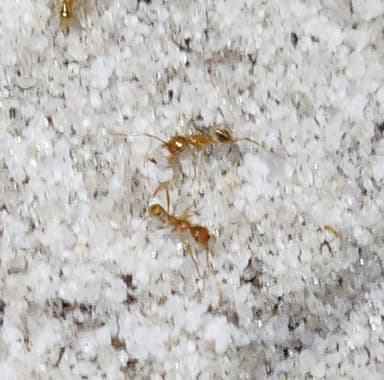
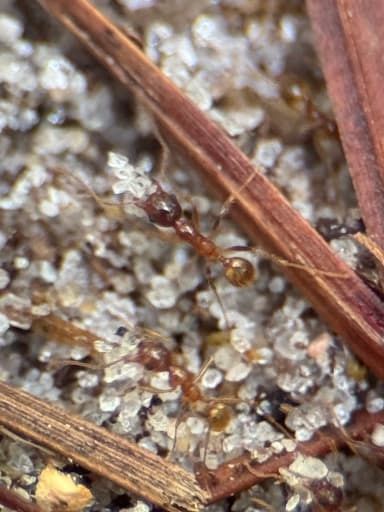
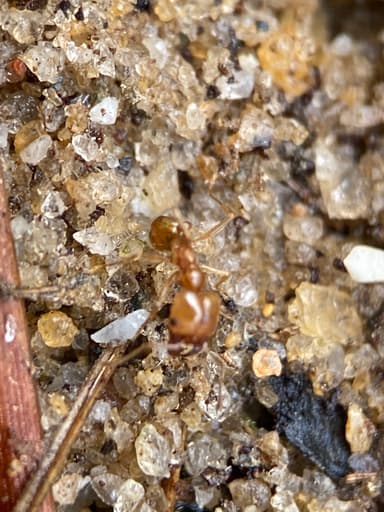
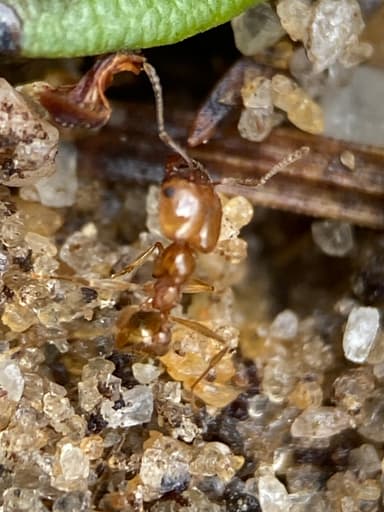
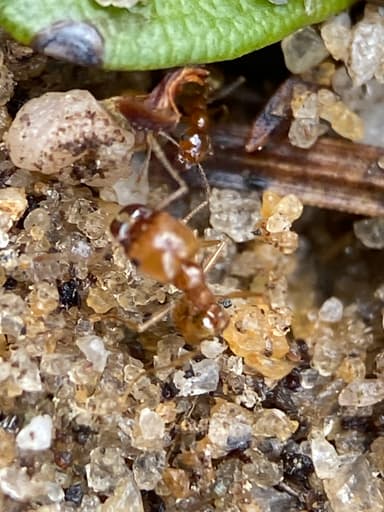
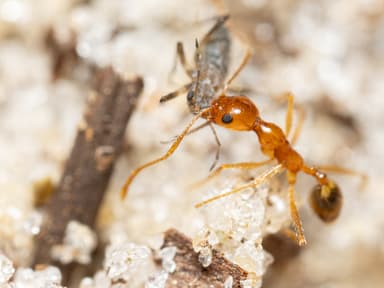
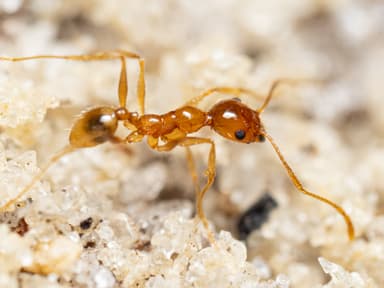
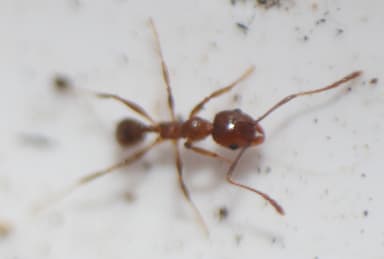
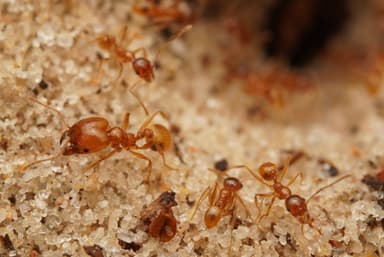
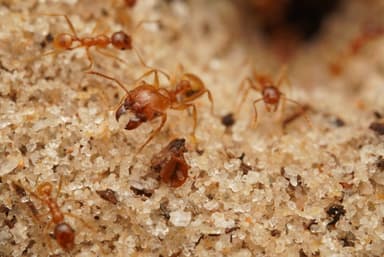
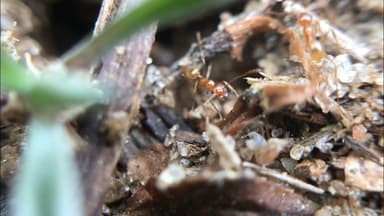
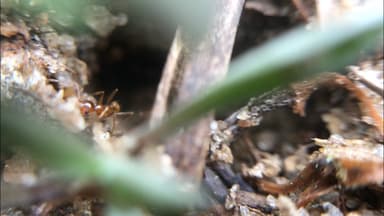
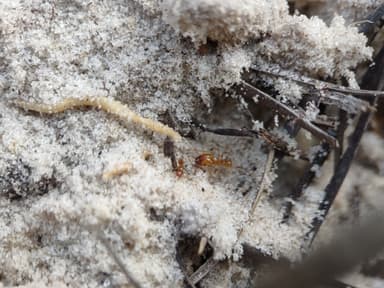
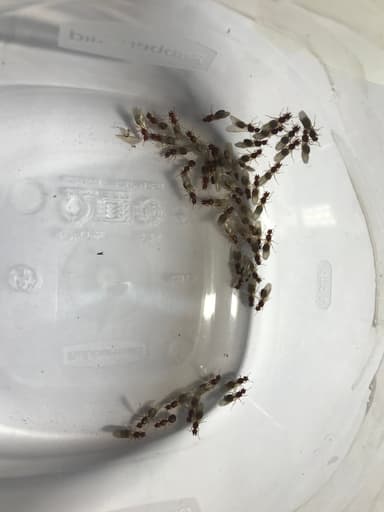
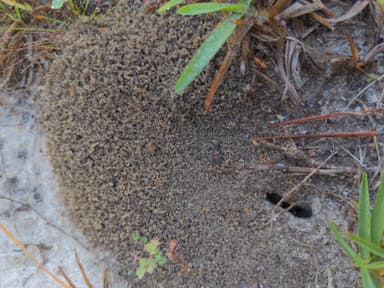
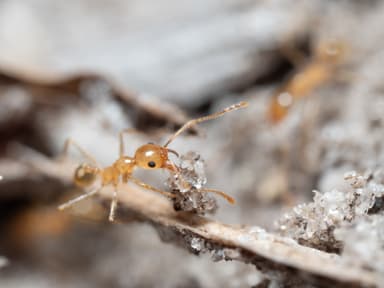
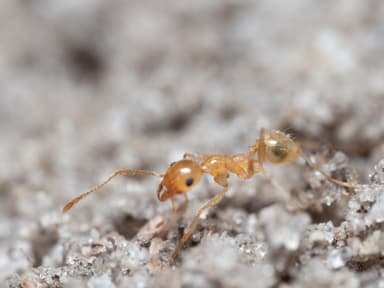
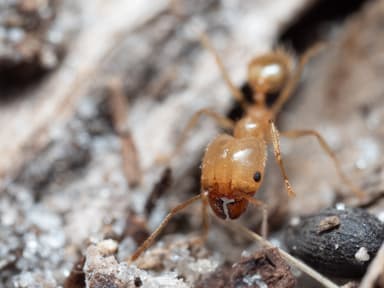
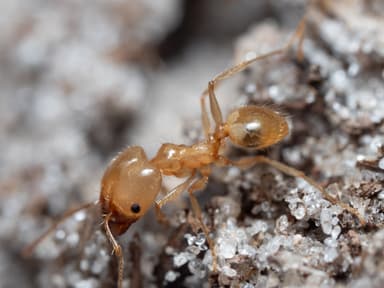
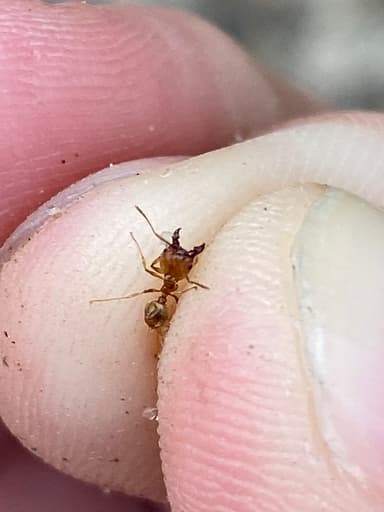
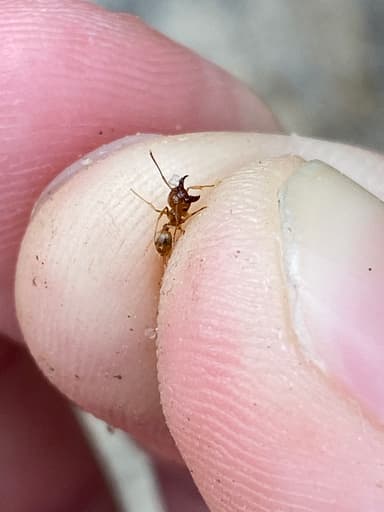
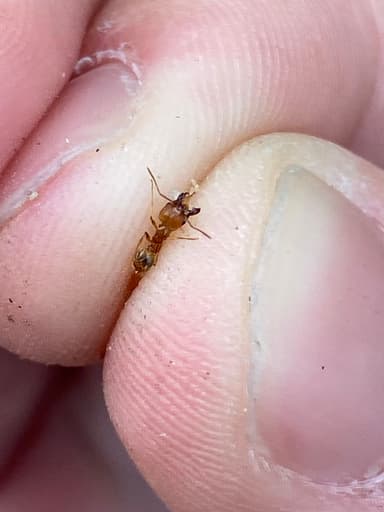
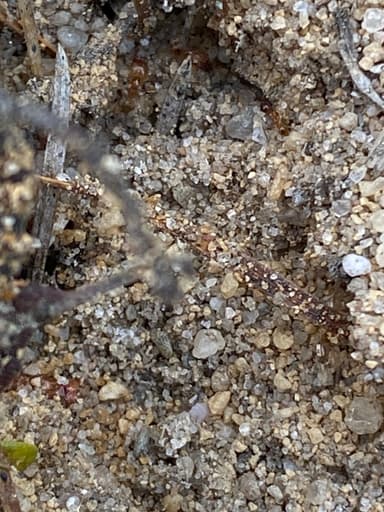
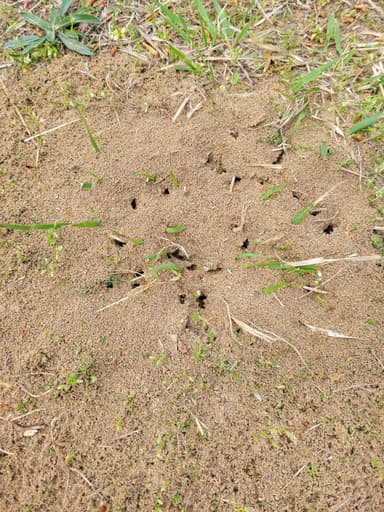
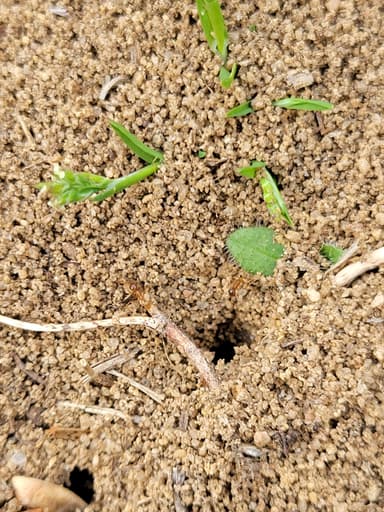
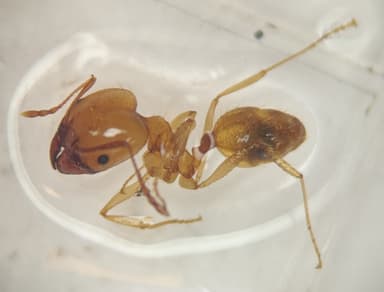
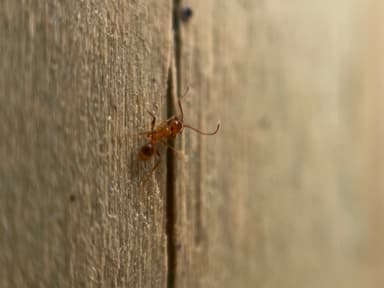
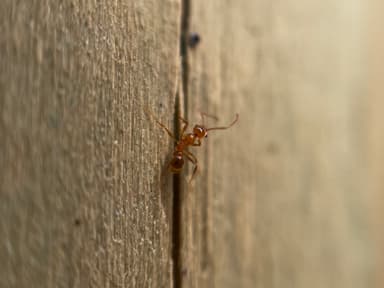
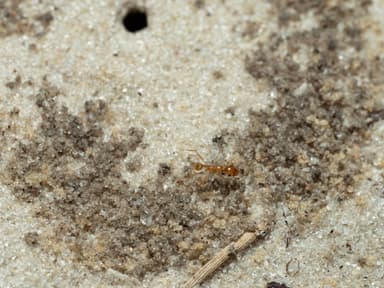
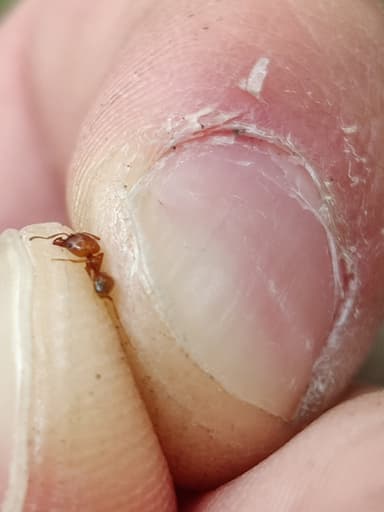
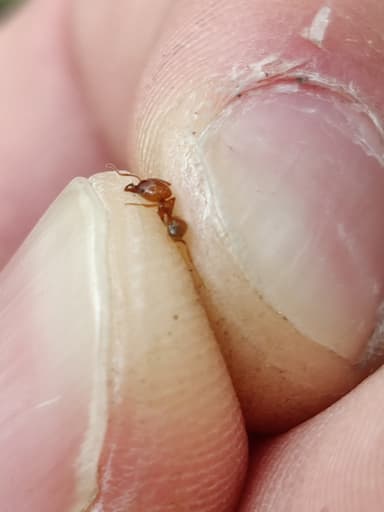
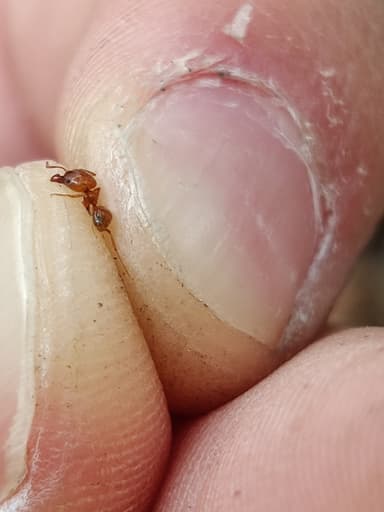
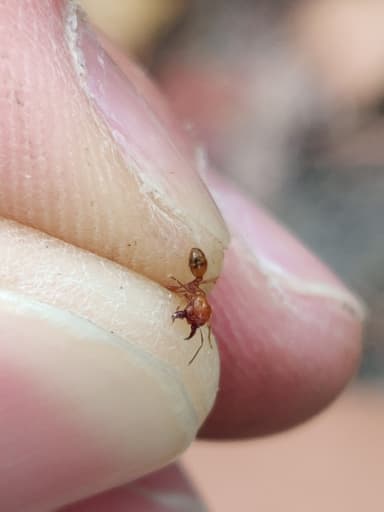
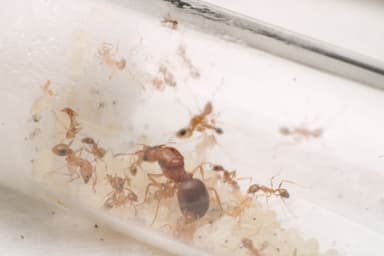
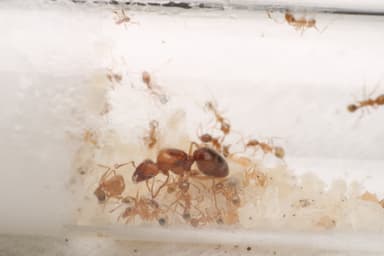
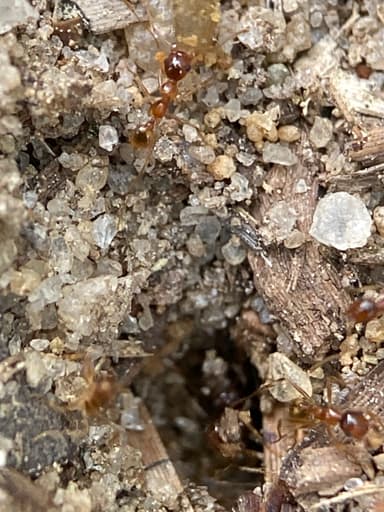
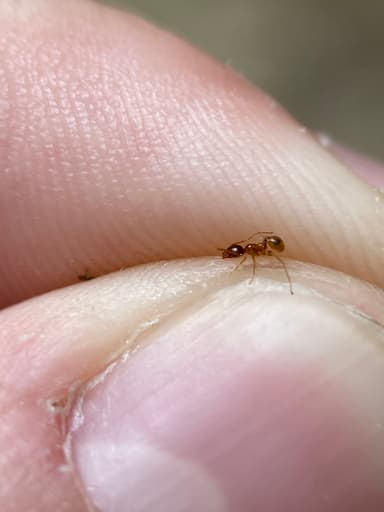
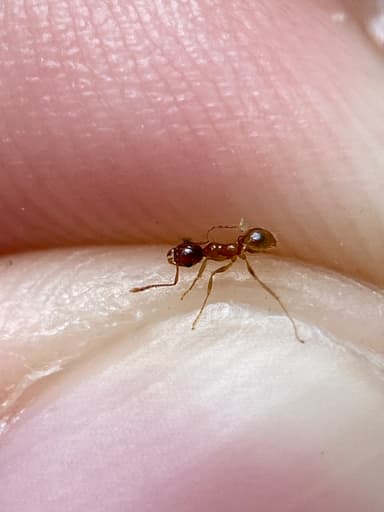
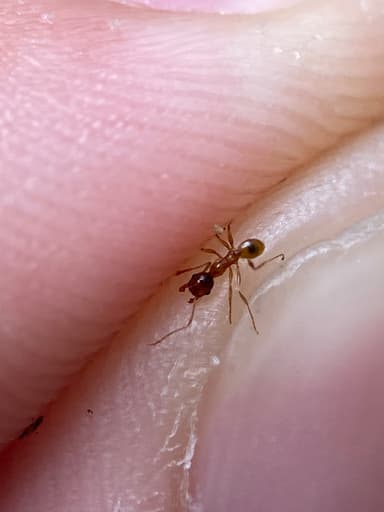
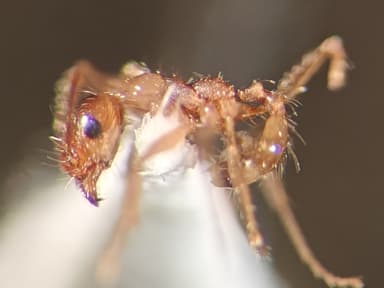
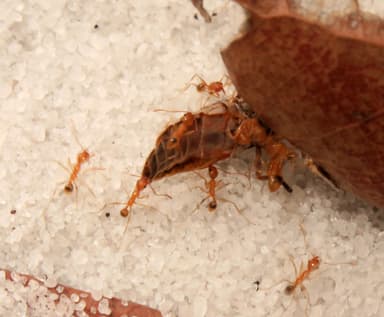
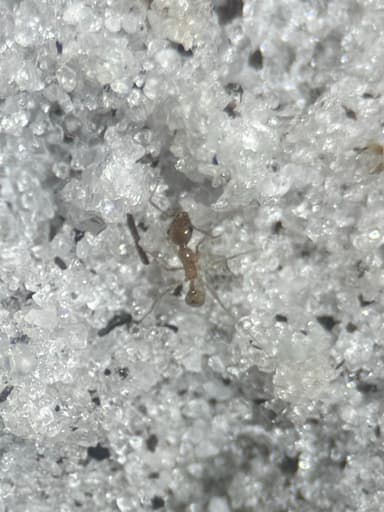
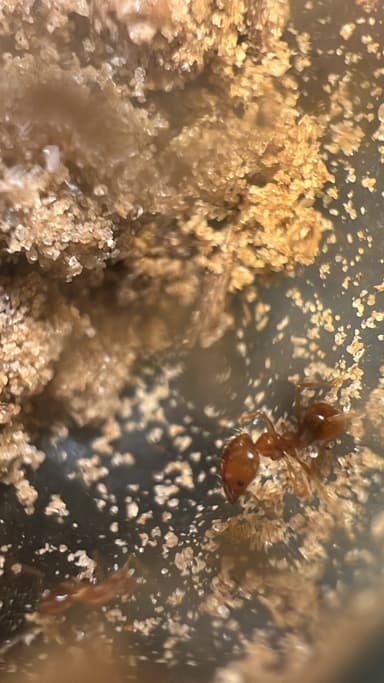
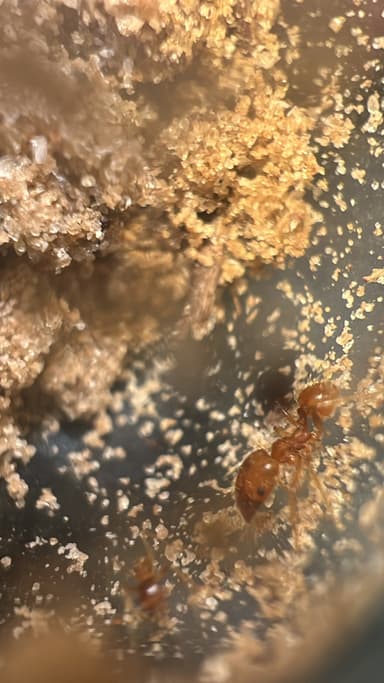
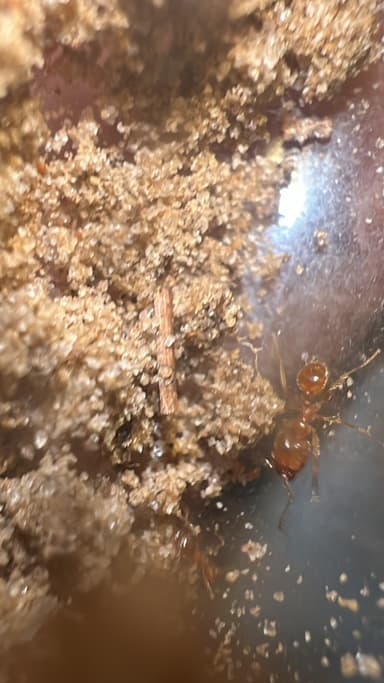
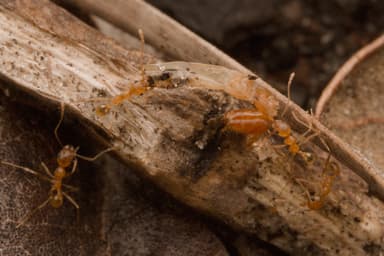
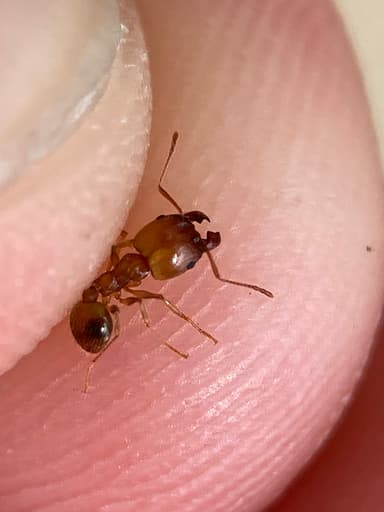
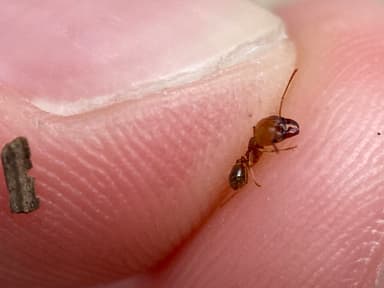
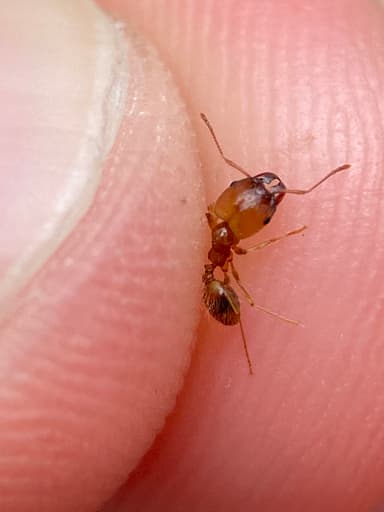
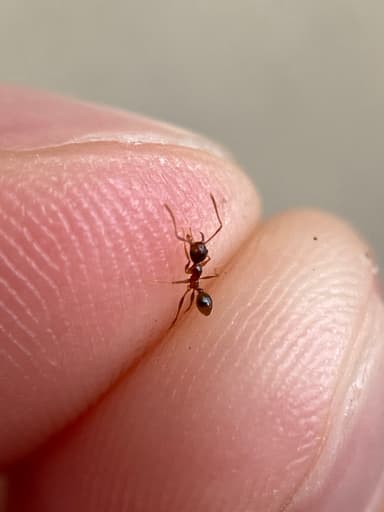
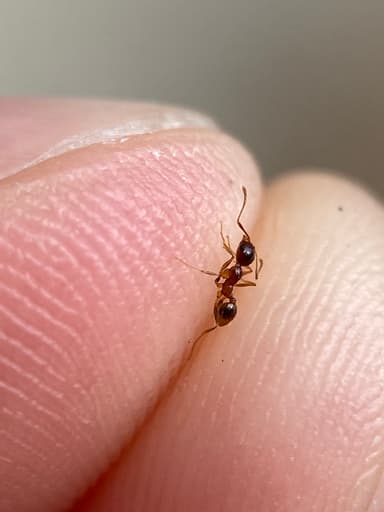
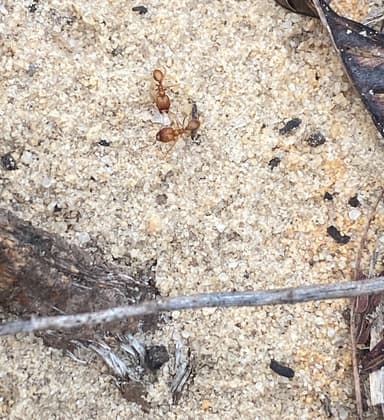
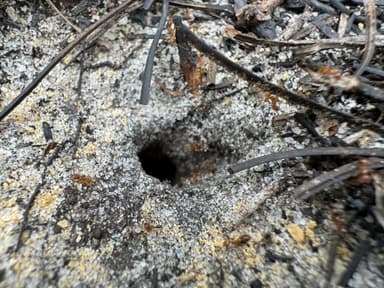
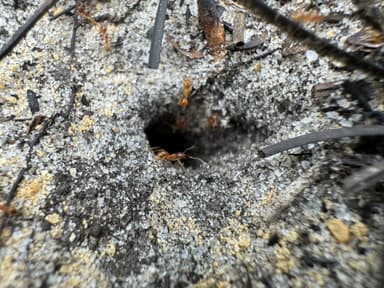
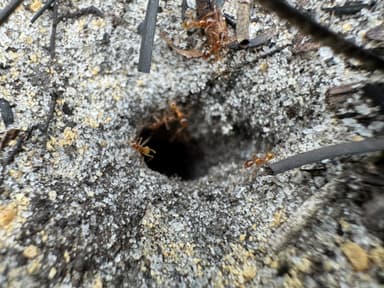
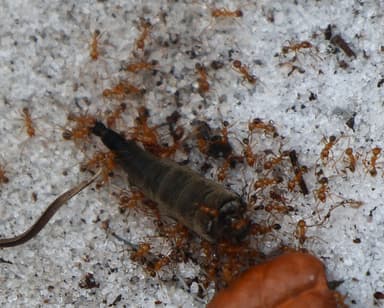
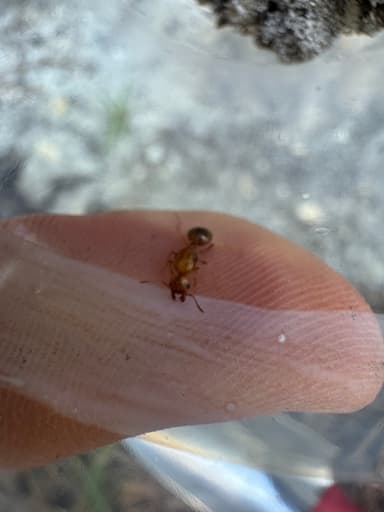
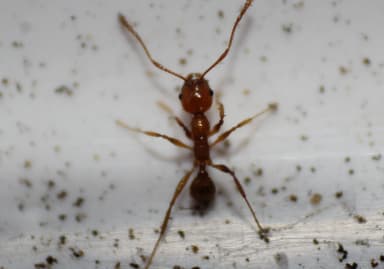
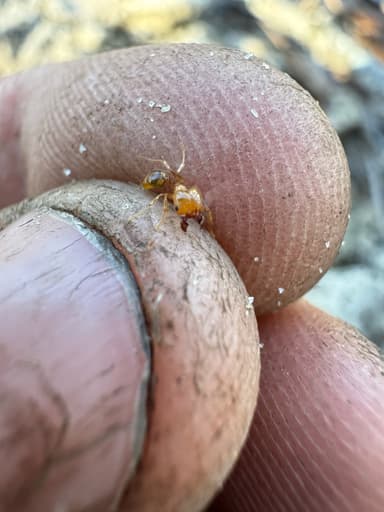
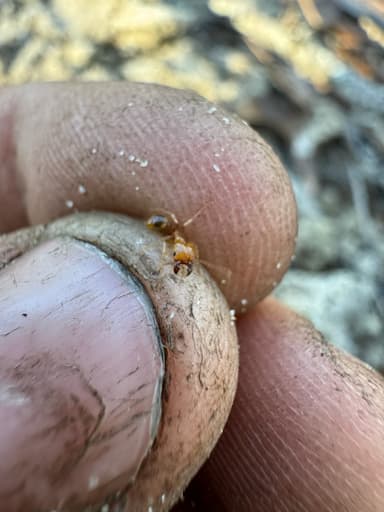
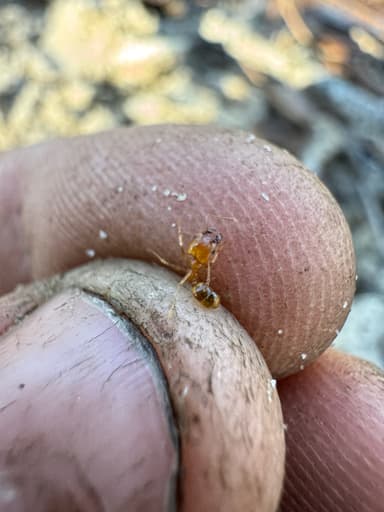
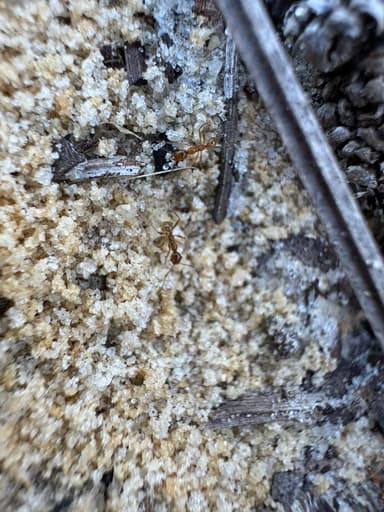
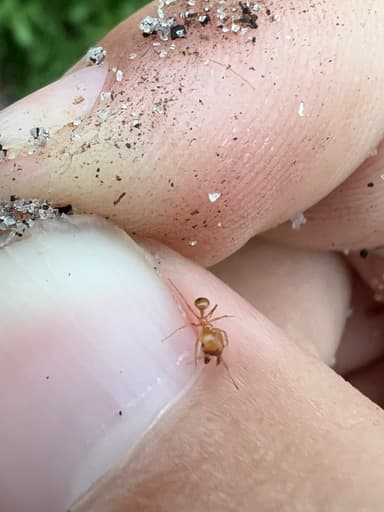
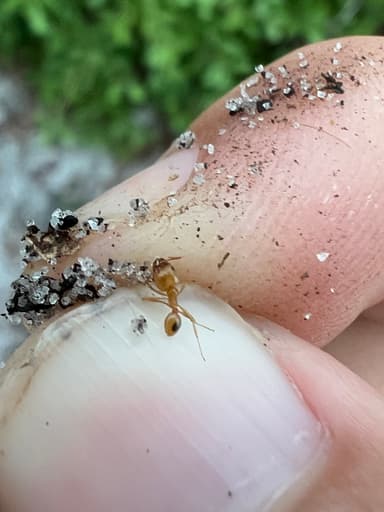
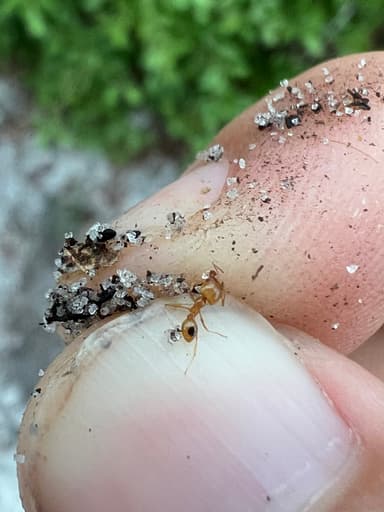
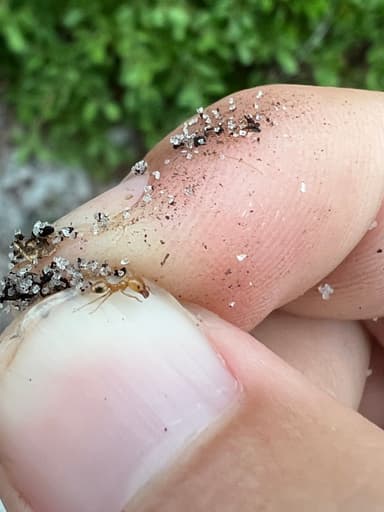
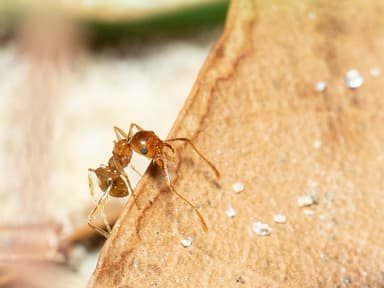
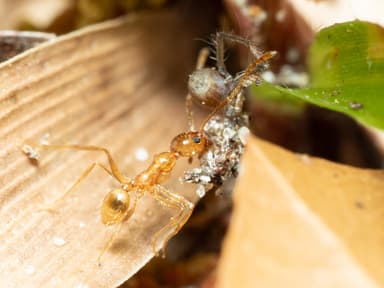
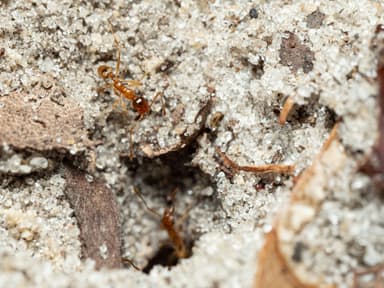
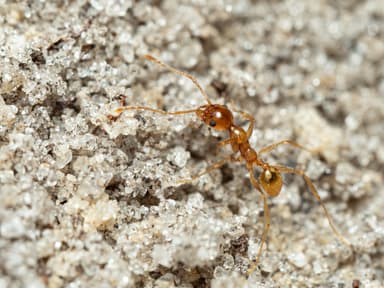
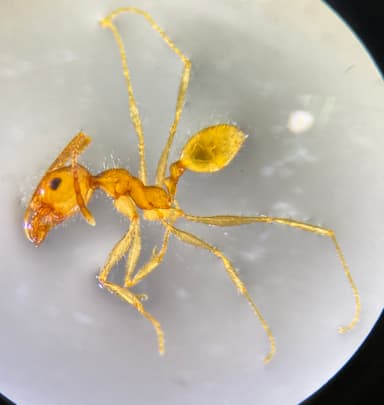
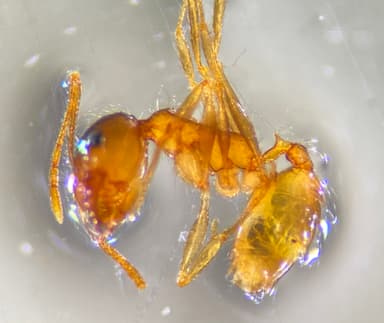
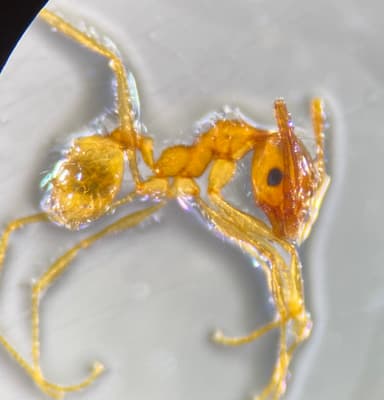
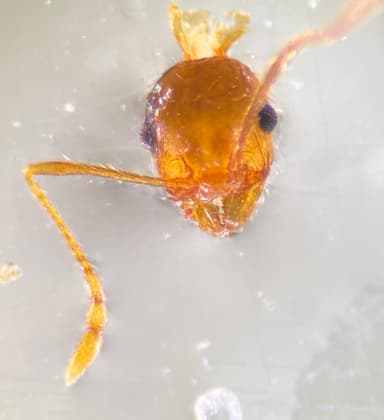
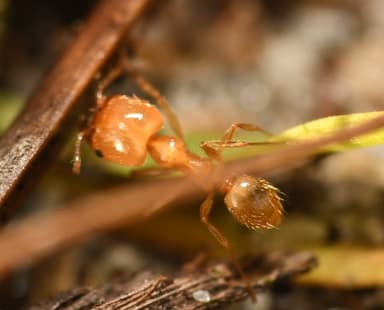
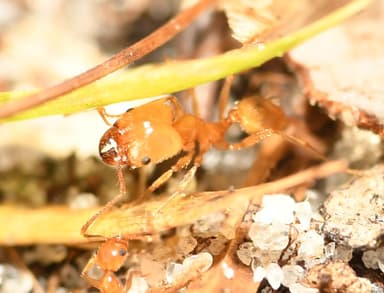
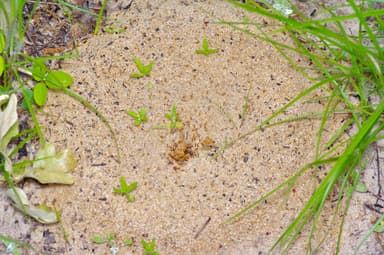
Pheidole morrisii is a charming and highly rewarding species for the ant keeper seeking a glimpse into the complex social structure of a hyperdiverse genus. Queens measure a robust 7.5 to 9 mm, while adult colonies exhibit true worker polymorphism with two distinct castes: the diminutive, sprightly minors (2.5 mm) and the impressively big-headed majors that can reach 5 mm. These majors, with their disproportionately large, muscular heads, serve as living tools for seed milling and defense, and their presence in a mature colony offers endless fascination. In the wild, P. morrisii ranges across the eastern United States from the Great Plains to the Atlantic coast, roughly between latitudes 25°N and 43°N, where the nuptial flights take place on warm, humid afternoons following summer rains in June through August. Colonies are fully claustral in founding and can grow to a bustling fifteen thousand individuals, a scale that is manageable yet still allows the keeper to observe the full arc of colony development. The species belongs to a genus that the myrmecologist E.O. Wilson (2003) famously described as “a dominant, hyperdiverse ant genus,” and indeed P. morrisii embodies much of what makes Pheidole so successful and behaviorally rich.
Unsurprisingly, this ant is perfectly suited to the beginner. Its care difficulty is low, as the colony is exceptionally hardy, tolerant of a fairly broad range of husbandry parameters, and quick to recover from minor mistakes. The rapid brood production and robust foraging activity provide immediate gratification, while the manageable maximum colony size ensures that housing does not spiral out of control within the first year. Even so, the presence of two worker castes introduces a level of behavioral complexity often absent in other beginner species, making P. morrisii an excellent stepping stone to more demanding polymorphic ants. A new keeper will benefit from the species’ forgiving nature while learning the fundamentals of ant care, but should plan for a larger nest as the colony matures beyond a few thousand workers.
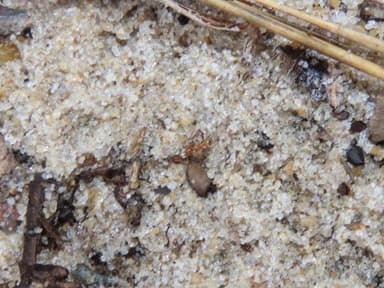
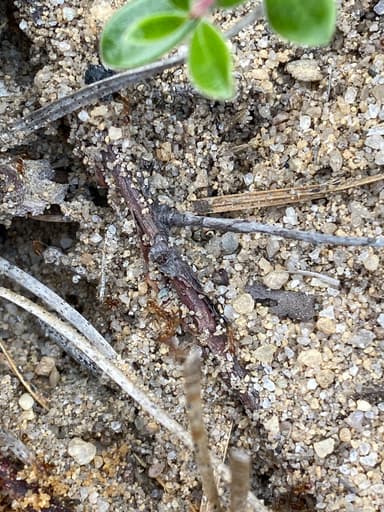
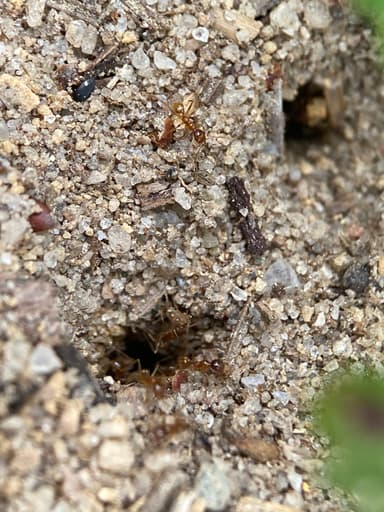
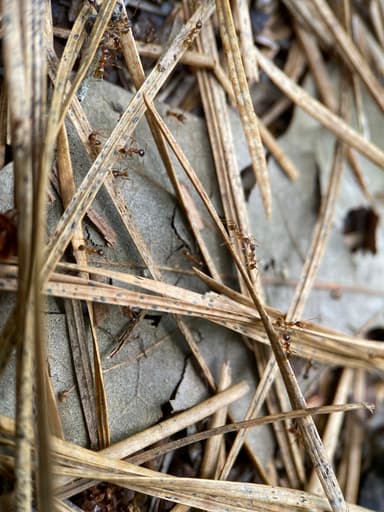
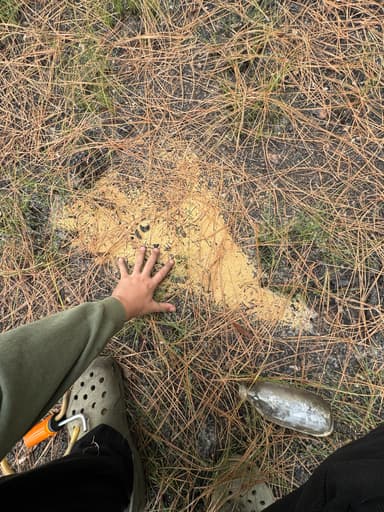
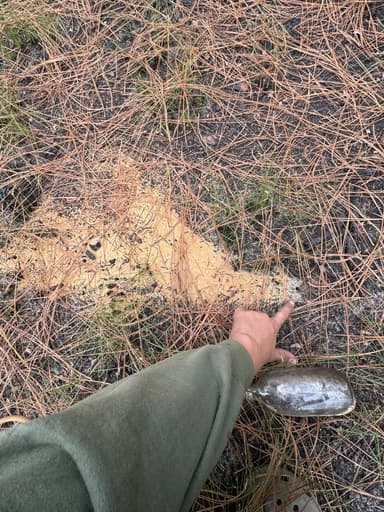
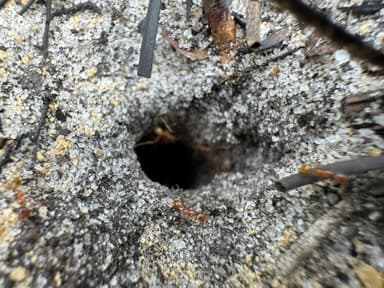
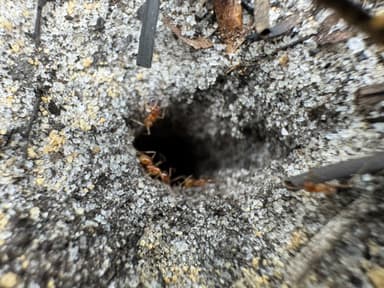
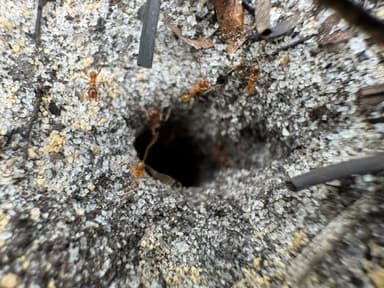
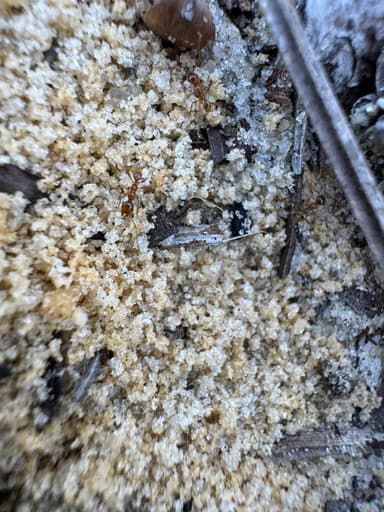
Housing can begin with something as simple as a test tube setup, but once the first minor workers appear, a well-ventilated formicarium becomes necessary. The ideal temperature band lies between 22°C and 30°C, a range easily maintained with a small heat mat placed at one end of the nest, allowing the ants to thermoregulate. Humidity should be kept moderate, spanning 40% to 60%, and is readily achieved with a water tower or a regularly dampened nest substrate. Although P. morrisii can thrive in a plaster or acrylic nest, they do appreciate a more naturalistic environment. Creighton (1950) noted that these ants commonly nest in soil under stones and in open woodlands, so a layer of sand-clay mix as a digging medium within a formicarium can promote natural behaviors. Crucially, any housing must be thoroughly escape-proofed; the minute minors can exploit the smallest gaps, and a tight-fitting lid combined with a fluon or talc barrier is mandatory. Good air circulation is equally important, as stagnant conditions invite mold, to which this species shows some sensitivity.
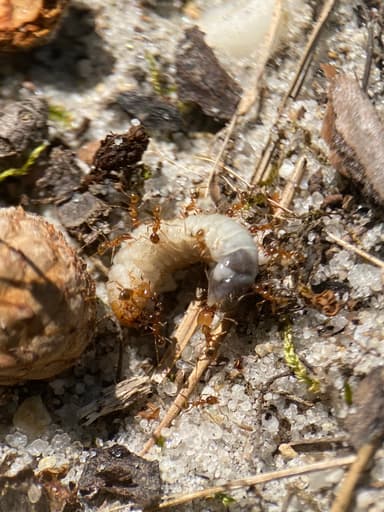
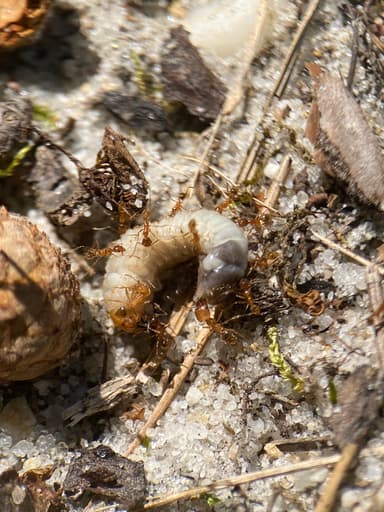
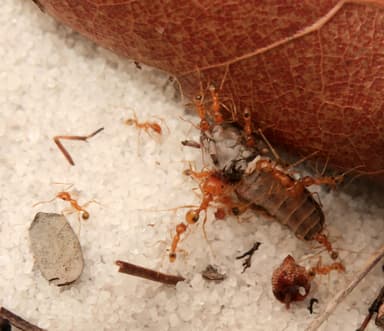
Diet for P. morrisii mirrors that of most generalist Pheidole. A steady supply of insect protein fuels the growth of larvae, and small prey items such as fruit flies, pinhead crickets, or cut-up mealworms are taken eagerly by both minors and majors. The major workers use their powerful mandibles to process tougher morsels, a sight that never loses its appeal. Sugars are accepted in the form of honey water, maple syrup diluted in water, or plain sugar water, and should be offered in a small, shallow feeder to prevent drowning. AntWiki notes that this species may also collect and store seeds in the wild, so offering a few crushed grass or chia seeds can provide enrichment and a supplementary food source. A constant source of fresh, clean water is non-negotiable; a test tube or a dedicated water tower works perfectly. Remove any uneaten food after a day or two to prevent spoilages, as P. morrisii is a prodigious garbage-producer that will readily accumulate debris if not kept tidy.
A period of hibernation is physiologically required for the long-term health of the colony. In their native range, the ants experience a distinct cooling off, and without this rest phase the queen may prematurely cease egg production and the workers may die sooner. The target hibernation temperature is a steady 15°C, which can be maintained in an unheated room, a cool basement, or a wine cooler. The transition should be gradual: in late autumn, reduce feeding and slowly lower the nest temperature over the course of a couple of weeks before settling at the final chill. The colony will cluster together and activity will cease almost entirely. Maintain darkness and ensure they have a water source, as desiccation remains a risk. After three to four months, reverse the process, warming them gradually to their normal range. Spring feeding should begin with a small drop of sugar water before offering solid proteins.
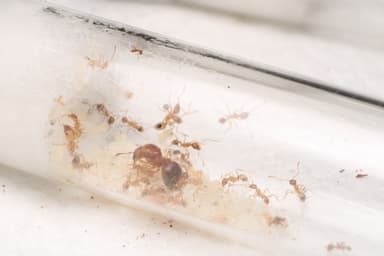
The first days after receiving your P. morrisii colony are a delicate time. Whether you have a founding queen in a test tube or a small queen-right starter colony, resist the urge to disturb them for the first 48 hours. Keep the tube or formicarium covered and in a quiet, dimly lit area. For a queen with her first workers, offer a minute droplet of sugar water on a slip of parchment paper right at the entrance after a day, and if they venture out to drink, you can follow up the next day with a freshly killed fruit fly. Check the setup daily for any sign of mold, but do not jostle the nest. If the colony is still in its original shipping tube, refill the water reservoir carefully if needed, but avoid shining bright light directly onto the ants. A healthy queen will be upright, responsive, and surrounded by brood; a drop in appetite or listlessness can often be attributed to stress rather than illness. Once the workers are confidently foraging and brood is visible, you can gradually move them to a larger, permanent nest. With patience and gentle care, your P. morrisii colony will soon become a bustling, ever-expanding marvel of ant society.