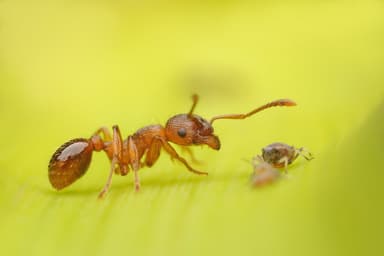
Myrmica
Myrmica rugulosa
Nuptial Flight Calendar
Flight months: Jul, Aug, Sep
Care Guide
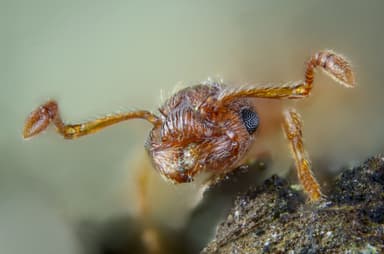
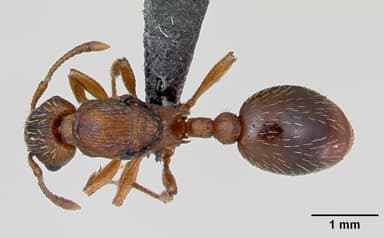
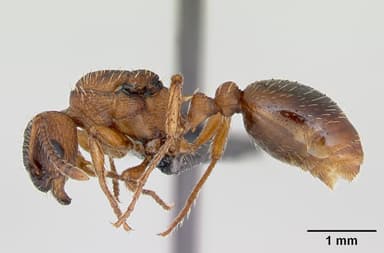
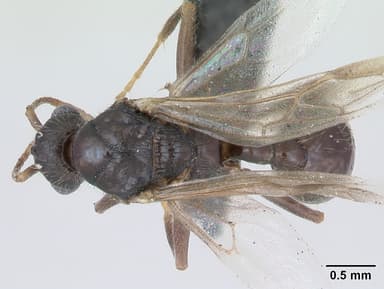
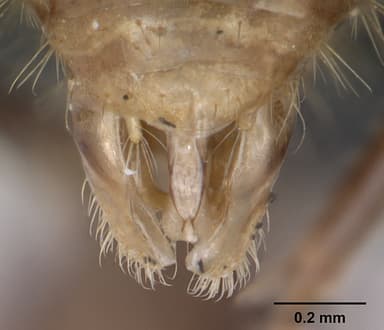
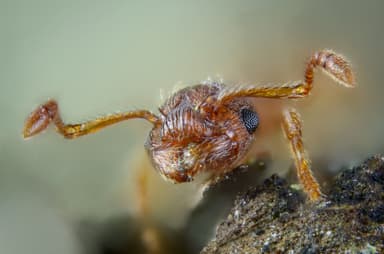
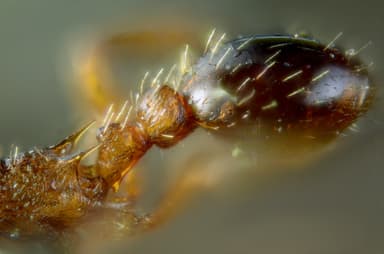
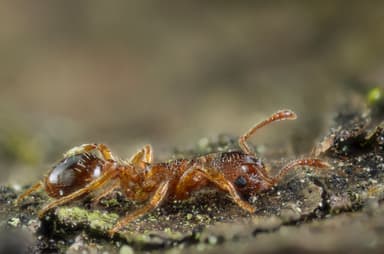
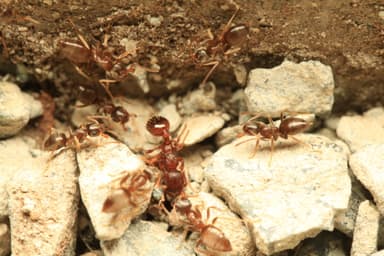
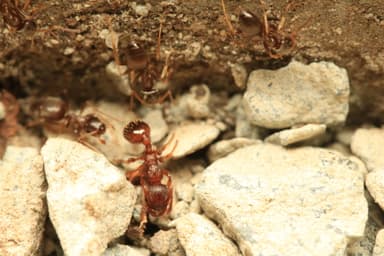
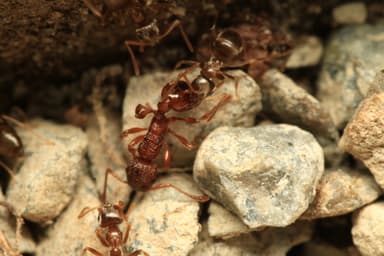
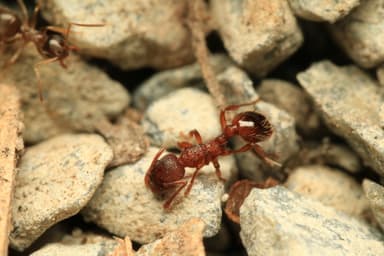
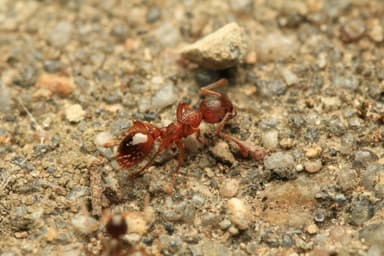
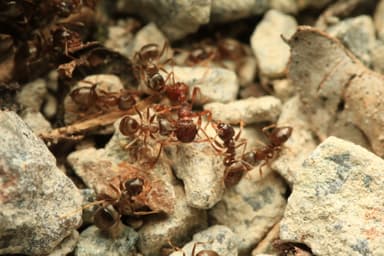
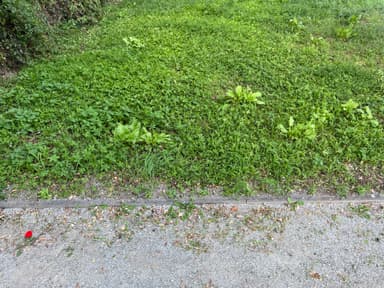
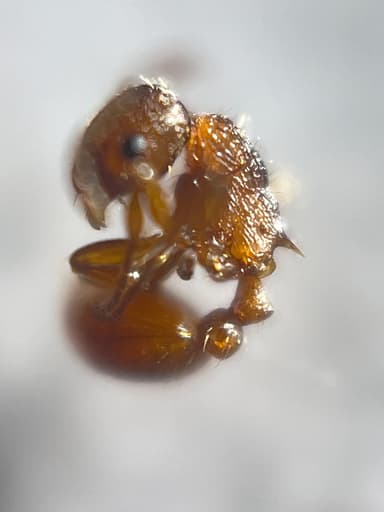
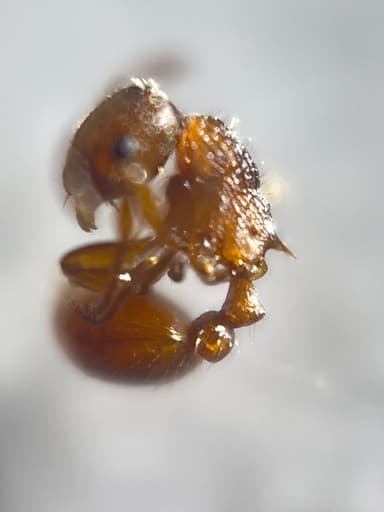
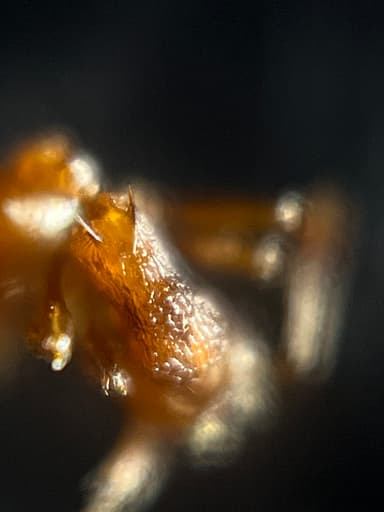
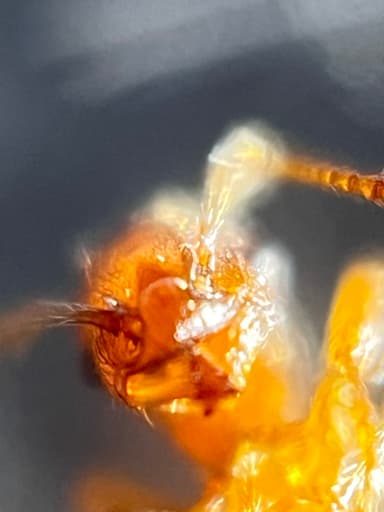
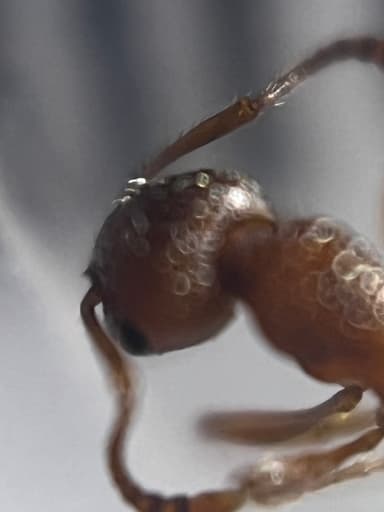
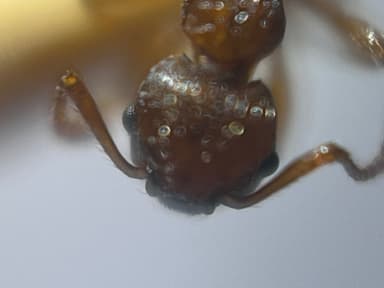
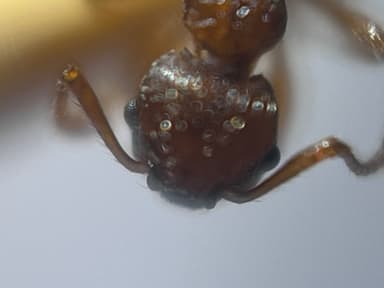
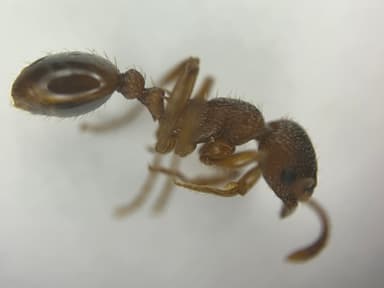
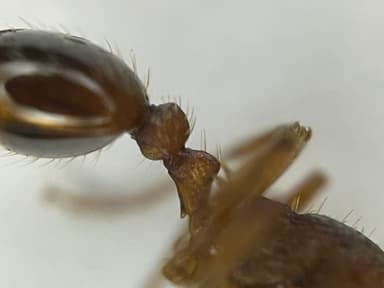
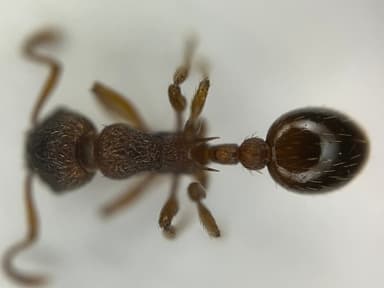
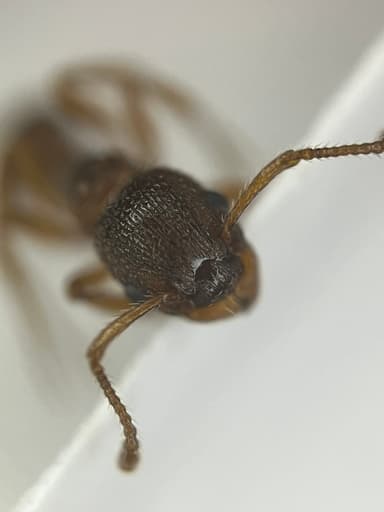
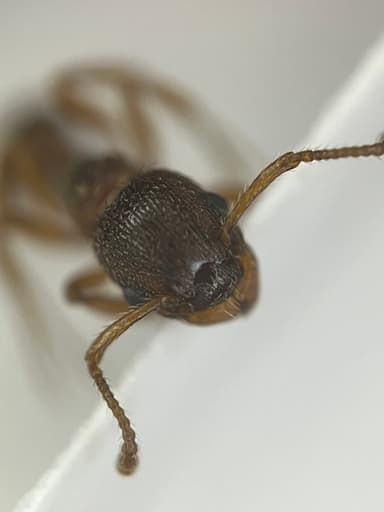
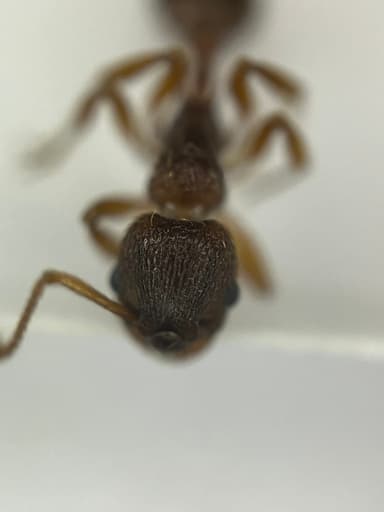
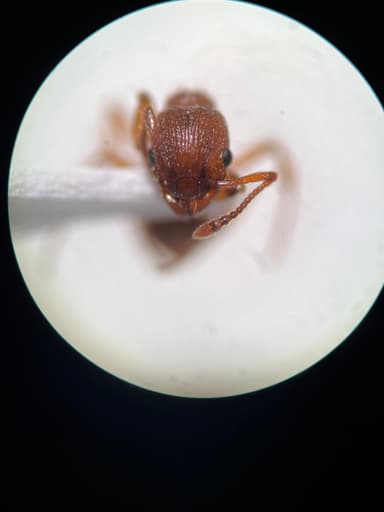
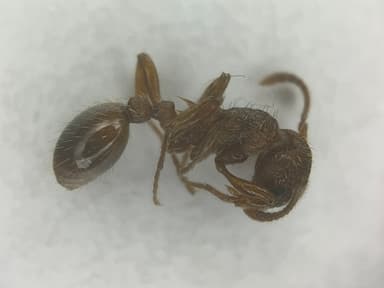
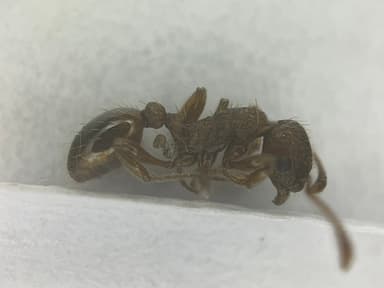
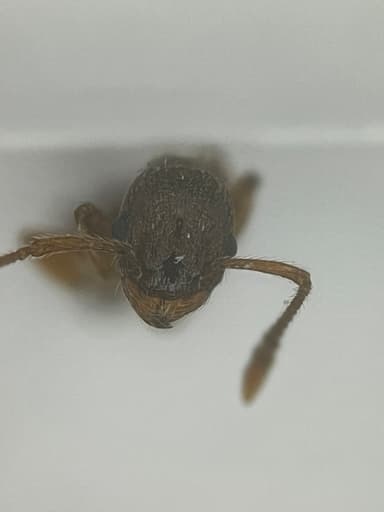
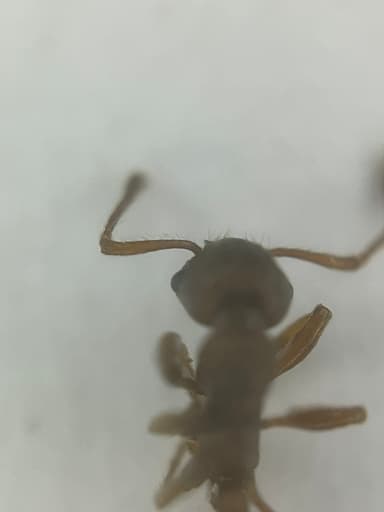
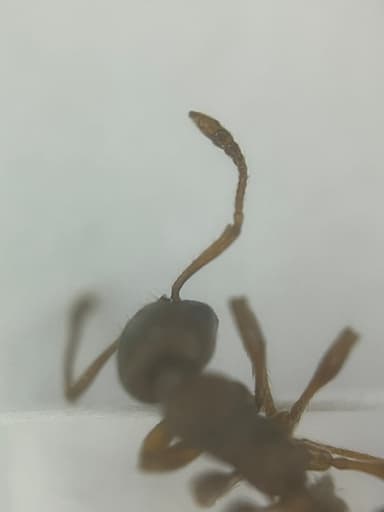
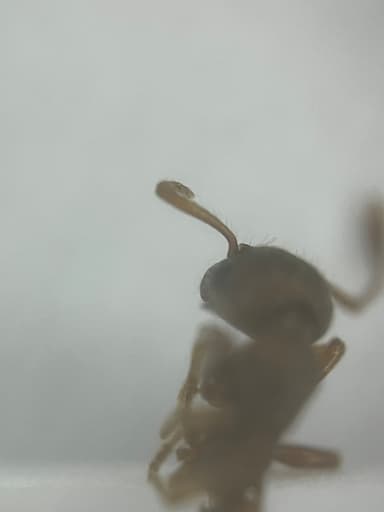
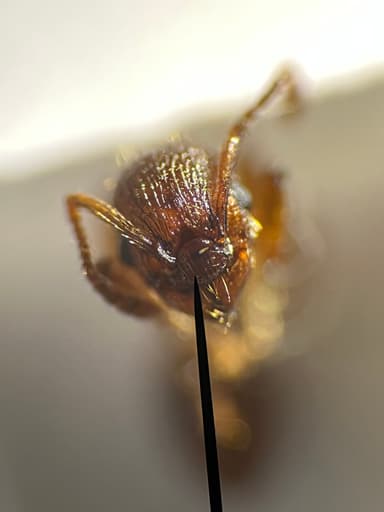
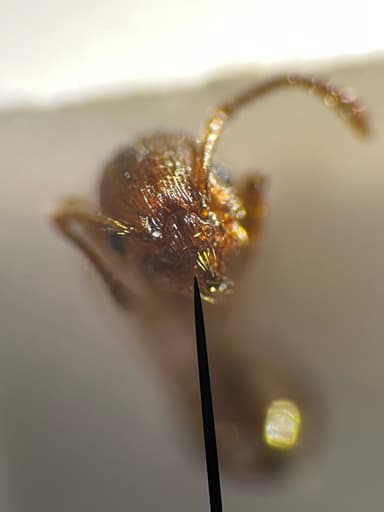
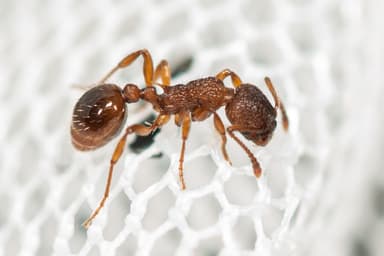
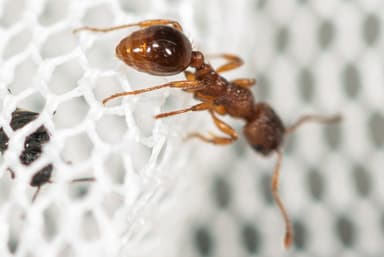
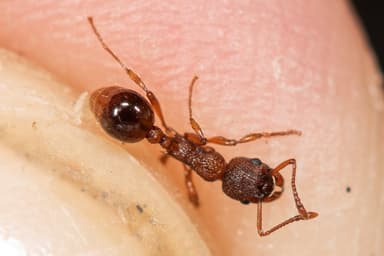
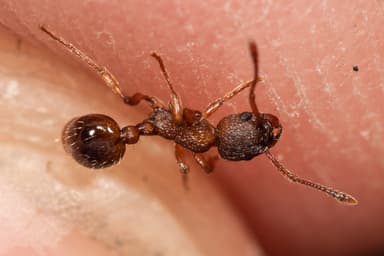
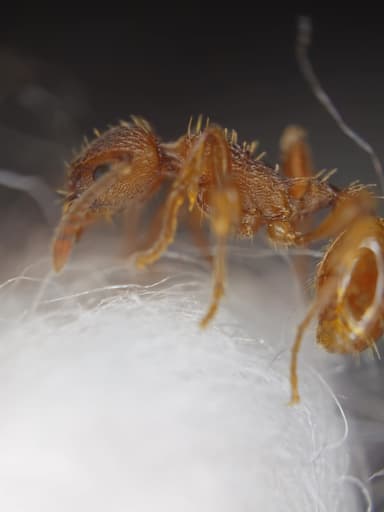
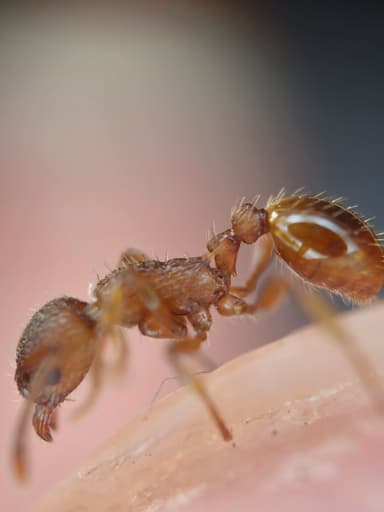
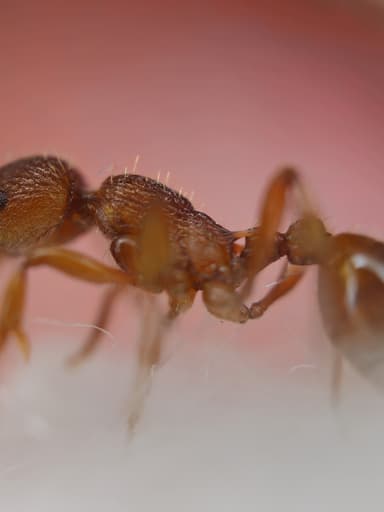
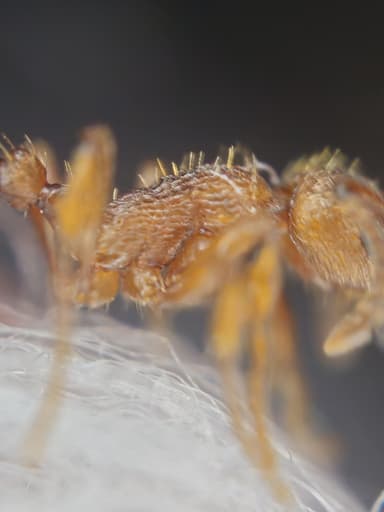
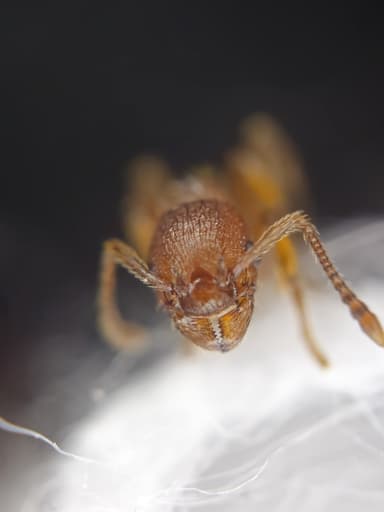
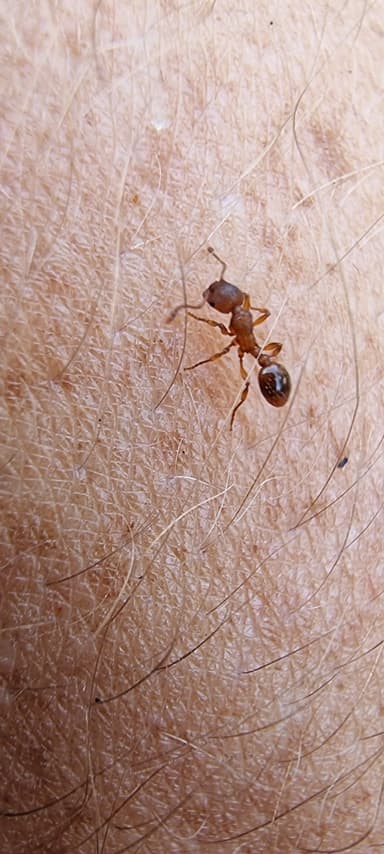
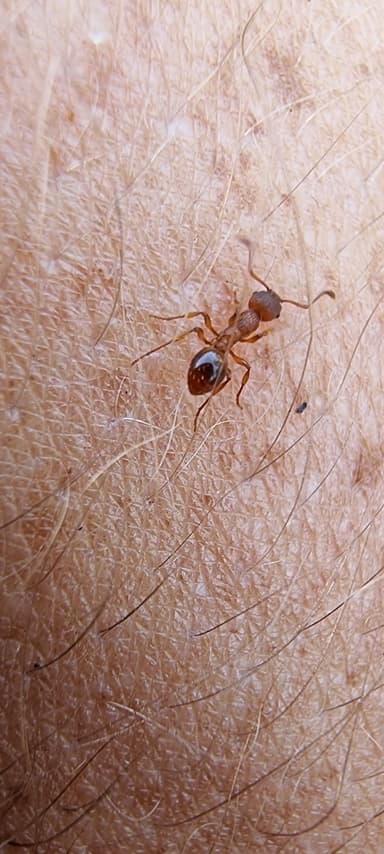
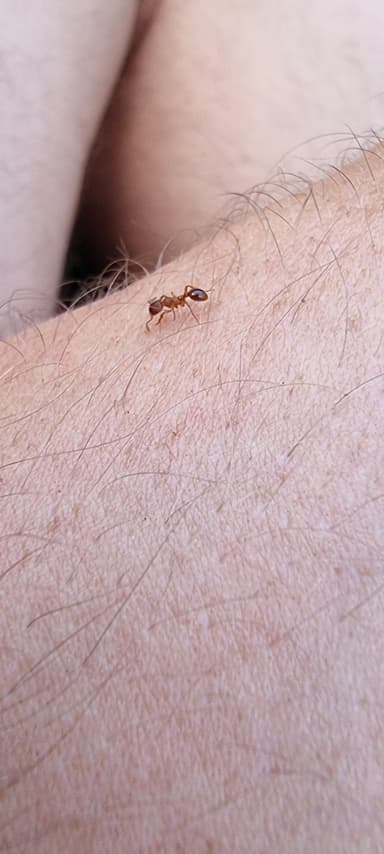
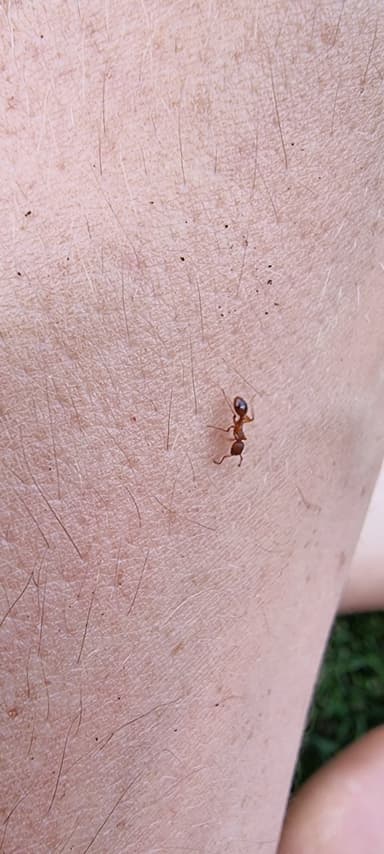
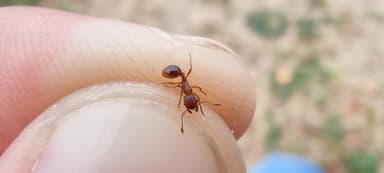
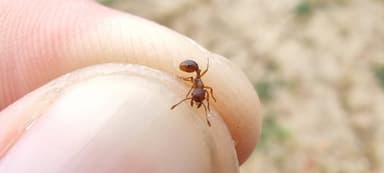
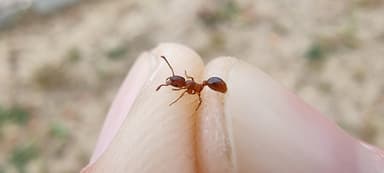
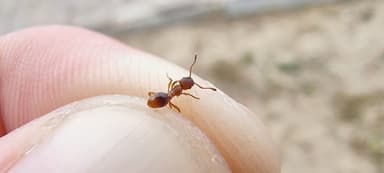
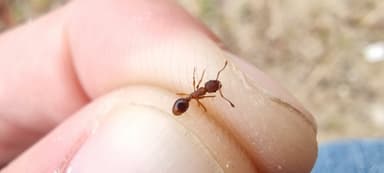
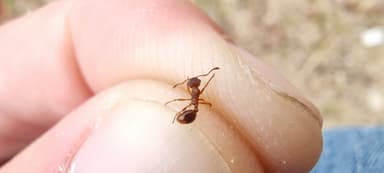
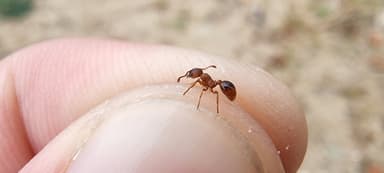
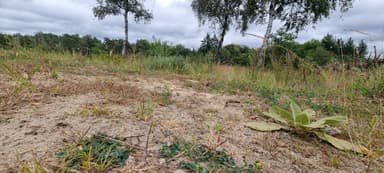
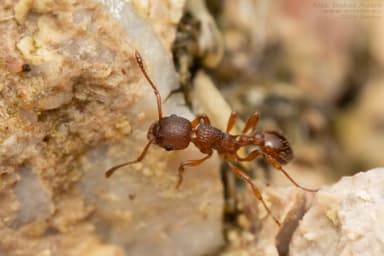
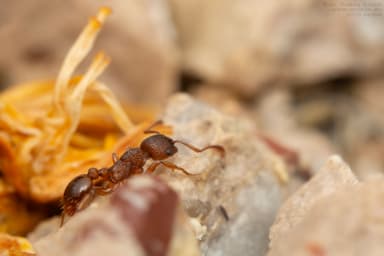
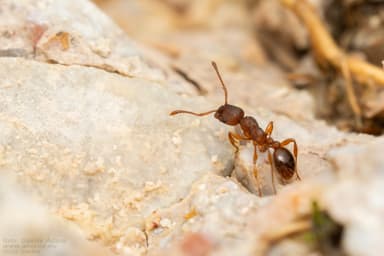
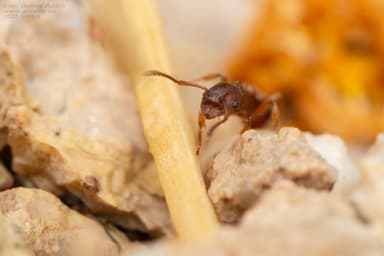
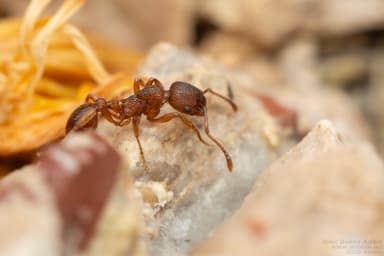
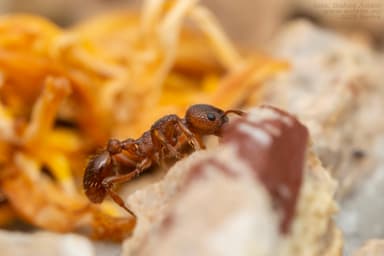
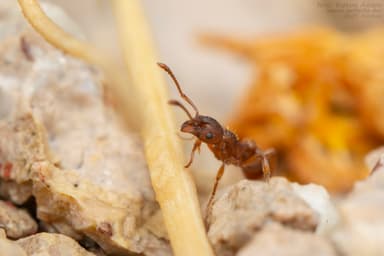
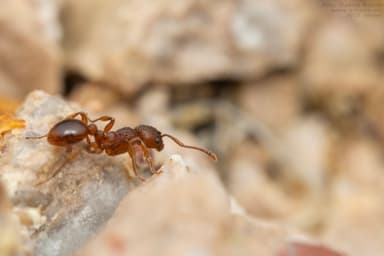
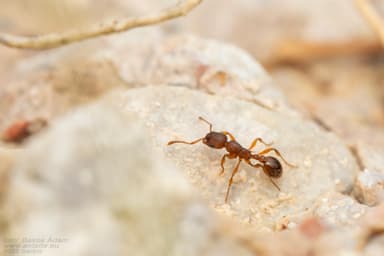
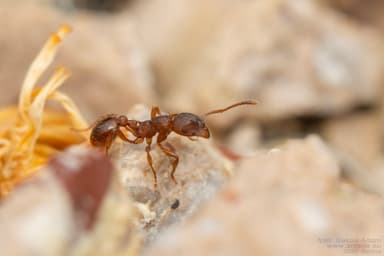
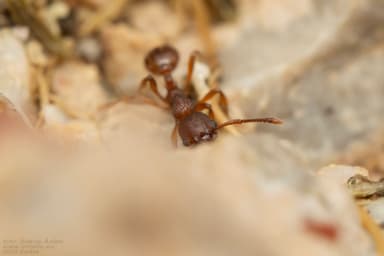
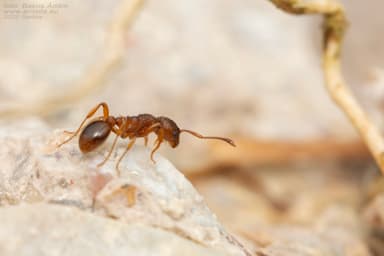
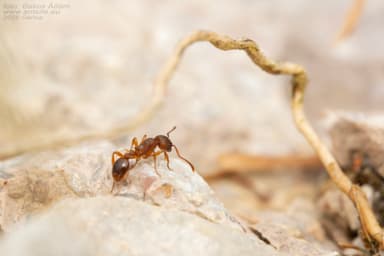
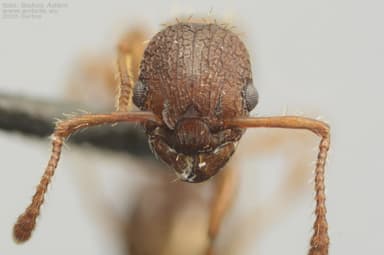
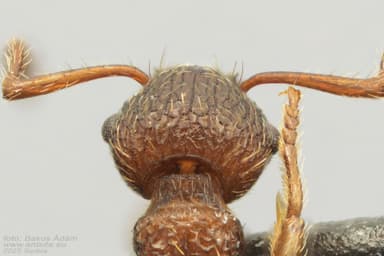
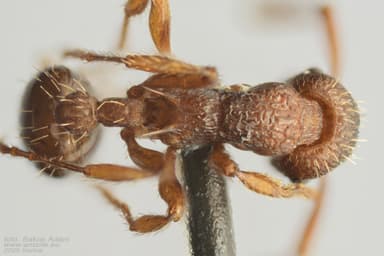
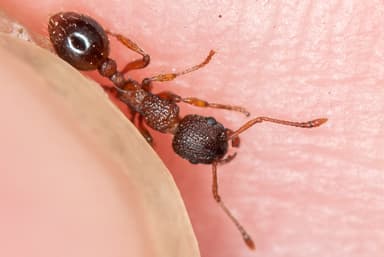
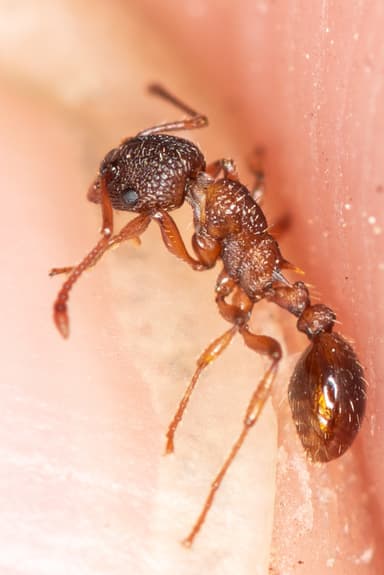
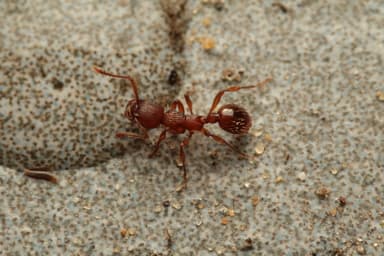
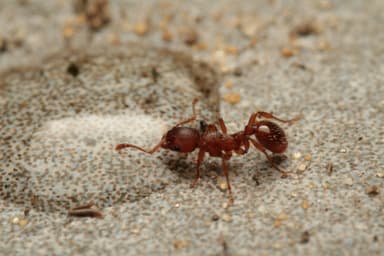
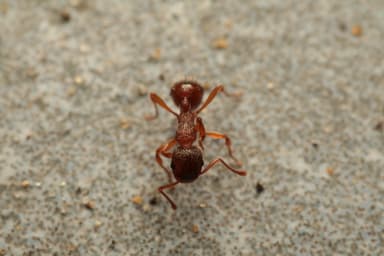
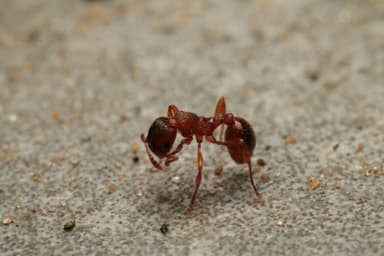
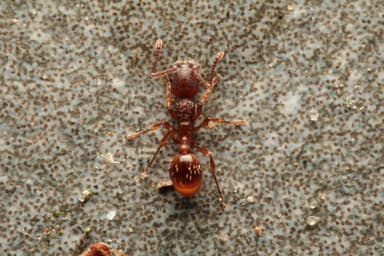
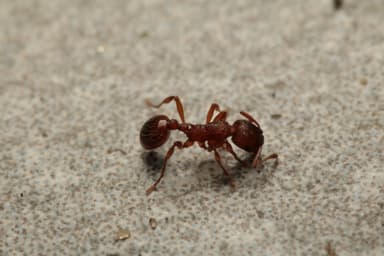
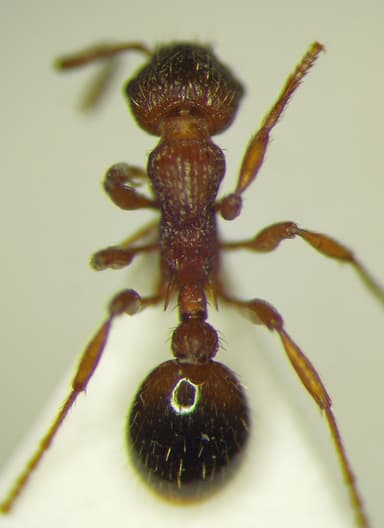
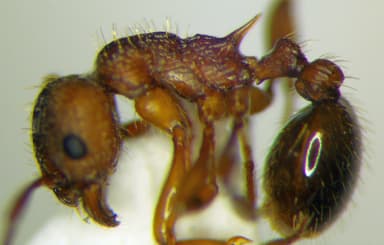
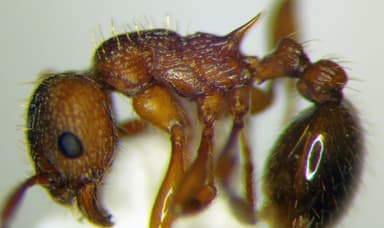
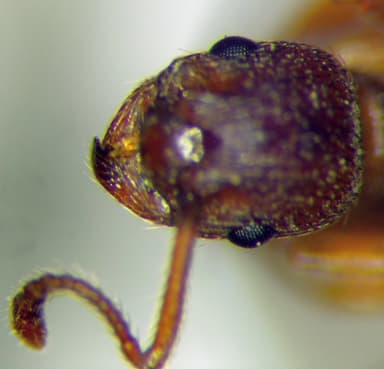
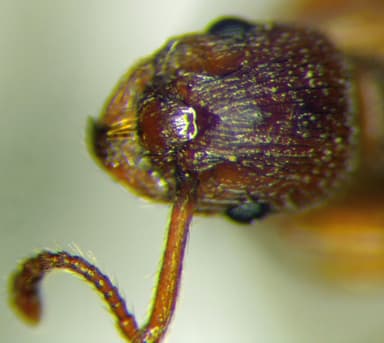
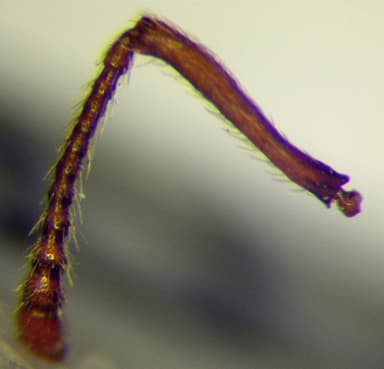
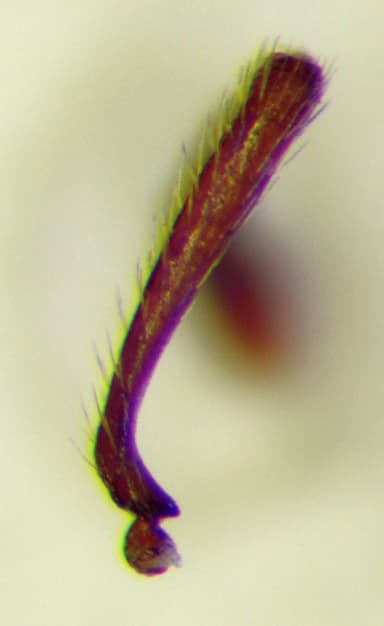
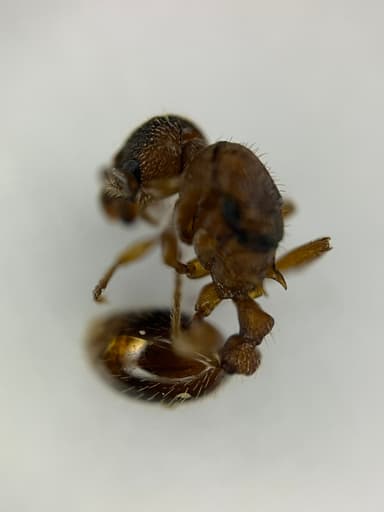
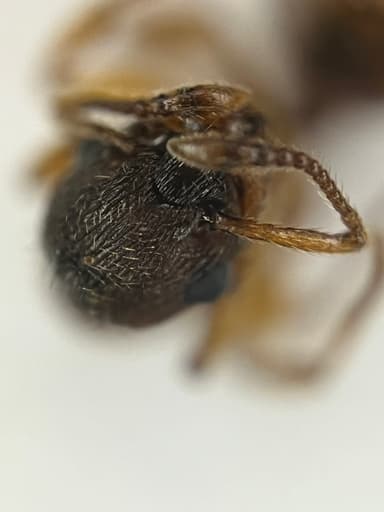
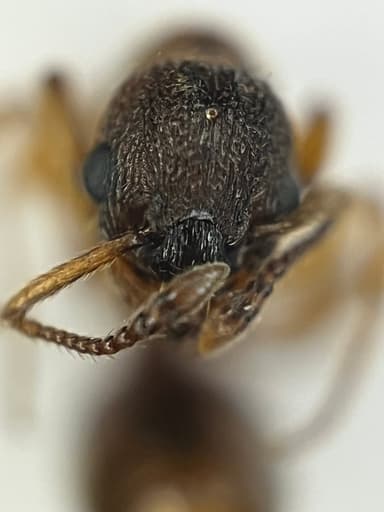
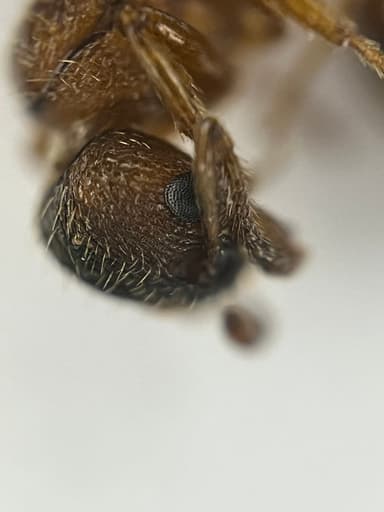
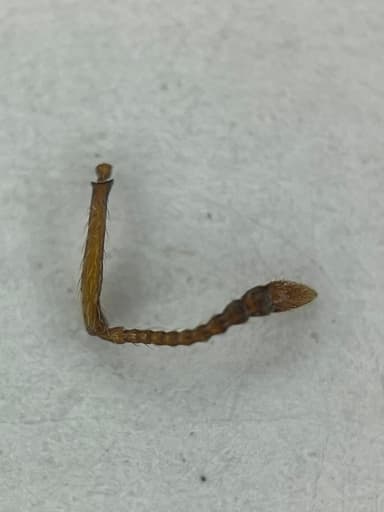
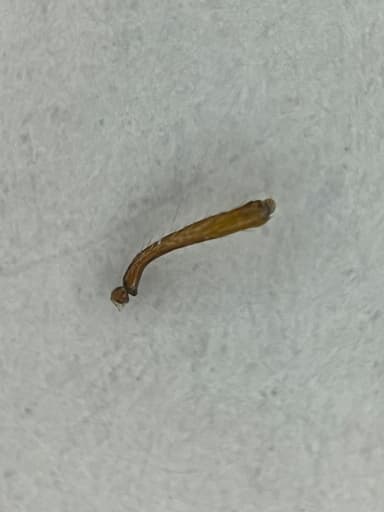
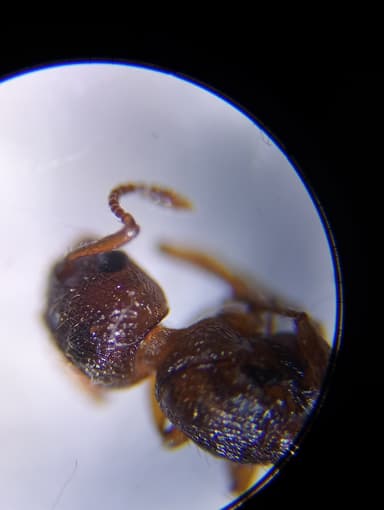
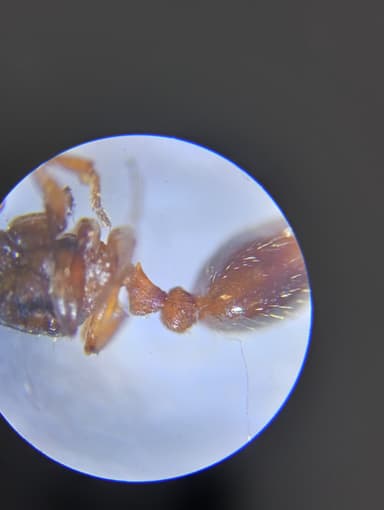
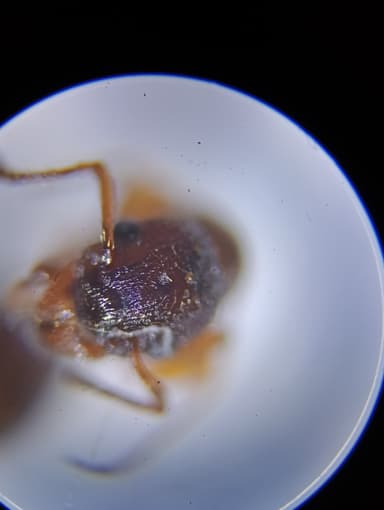
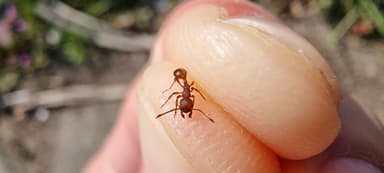
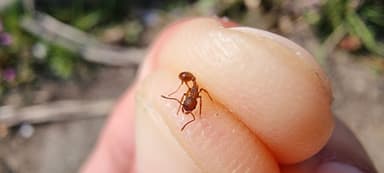
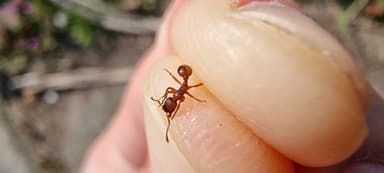
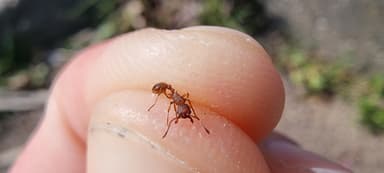
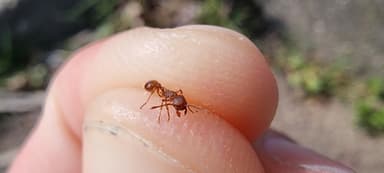
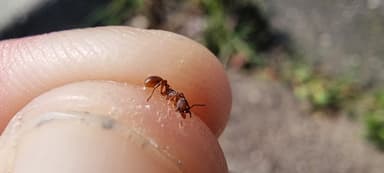
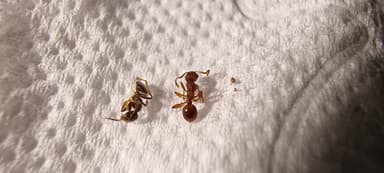
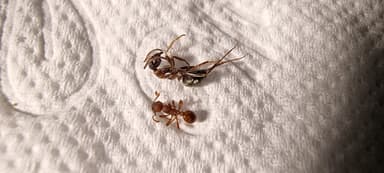
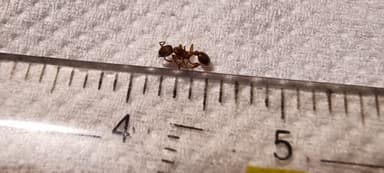
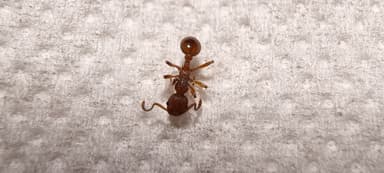
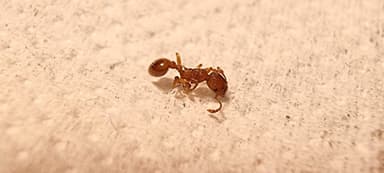
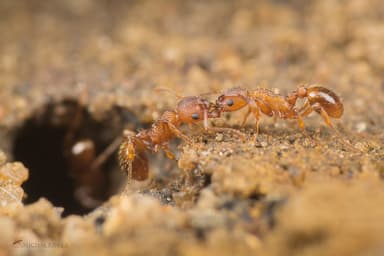
Myrmica rugulosa is a modestly sized but captivating ant species that deserves far more attention from the hobbyist community. Workers measure a petite 3.5 to 4.5 mm, while the queen is noticeably larger at 5.5 to 7 mm, both sharing a warm reddish-brown hue that darkens slightly with age. Unlike some of its more famous cousins, this species is strictly monomorphic, producing only a single minor worker caste, yet a mature colony can still swell to an impressive 10,000 individuals (Seifert 2018). Across its vast range, which sweeps from the Atlantic edge of Europe at 10°W all the way to 140°E and from the Mediterranean northwards to the 60th parallel, it typically nests in the soil beneath stones or in mossy banks, often on the periphery of woodland clearings. What makes Myrmica rugulosa particularly interesting is its possession of a functional sting, wielded with surprising gusto for such a small ant, and its semi-claustral founding strategy. Newly mated queens actively hunt and forage while raising their first brood, offering the keeper a rare window into the full behavioural repertoire of an ant’s life from the very start. Nuptial flights occur during the warm, humid afternoons of July through September, frequently triggered by rainfall, a detail recorded across Central European populations (Czechowski et al. 2012).
With an intermediate care difficulty rating, this species is best suited to keepers who have already mastered the basics with hardier claustral founders and are ready to engage more actively with their colony’s daily needs. The challenge lies primarily in the founding stage: the queen cannot be left to her own devices in a sealed test tube. She demands regular, careful feeding, a task that requires patience and a steady hand. Later, the colony’s need for a meticulously managed hibernation period adds another layer of responsibility. Nevertheless, for those willing to invest the effort, Myrmica rugulosa offers tremendous rewards. It is neither shy nor excessively sensitive, grows at a satisfying pace once the first workers eclose, and exhibits a bold, active foraging behaviour that makes observation a genuine pleasure. If you have successfully kept Lasius or Camponotus species and are curious about the more hands-on world of semi-claustral ants, this could be your perfect next step.
Housing a Myrmica rugulosa colony correctly revolves around their strong preference for a soil-like nest environment with ample moisture. A plaster or Ytong nest, with a carved chamber network and a water reservoir, works beautifully, providing the necessary humidity gradient that these ants will fine-tune themselves by shifting brood between drier and wetter chambers. The ideal ambient conditions sit within a temperature range of 18 to 26°C and relative humidity of 50 to 70%. A gentle warmth applied to one side of the nest using a heat cable or mat will create a thermal gradient that the workers will fully exploit, clustering the brood at their preferred spot. The foraging arena should be furnished with a substrate of sand and loam, which not only mimics their natural habitat but also helps maintain local humidity. They are not accomplished escape artists but will explore every crevice, so a well-fitted lid with a PTFE or fluon barrier is essential. Good ventilation is non-negotiable to prevent stagnant air and mould, common pitfalls in the nest’s moist zones.
Dietary provision must acknowledge the queen’s semi-claustral lifestyle. A founding queen requires weekly drops of sugar water or diluted honey, plus tiny pieces of pre-killed fruit fly or cricket, offered directly in her small outworld from day one. Once a worker force is established, the colony will consume both protein-rich insects and carbohydrates eagerly. Offer fruit flies, small crickets, mealworm segments, or other soft-bodied prey twice a week, always pre-killed for small colonies to avoid injury. Sugar water, honey, or pieces of fresh fruit should be available at all times, renewed regularly to prevent fermentation. Water is supplied both through the nest’s hydration system and a test tube plugged with cotton in the outworld. Watch their foraging activity: when workers crowd the sugar source, it’s time to top up; when they ignore a protein item, remove it after 24 hours to keep the habitat clean.
Hibernation is an absolute requirement, not a choice. As a denizen of temperate Europe, Myrmica rugulosa needs a prolonged cold dormancy of three to four months at a steady 5°C (Seifert 2018). Without this, the queen will gradually cease egg-laying and the colony’s biological rhythm will collapse. Begin the process in late October or early November by gradually reducing the temperature over a week or two to avoid shock. The nest should be kept moderately moist but not saturated, and a small reserve of sugar water can be left in the arena, though feeding will essentially cease. Many keepers use a dedicated mini-fridge or a cold cellar; check on the ants every few weeks to ensure they have not dried out and that no mould is spreading. As spring warmth returns, slowly bring them back to their active range, and you will soon see the queen resume egg-laying with renewed vigour.
The first days after acquiring a queen or colony are delicate and set the tone for future success. For a single queen, prepare a small founding arena attached to a water-filled test tube sealed with cotton. Place her gently inside, offer a droplet of sugar water immediately, and then introduce a minuscule piece of fresh-killed insect the following day. She may initially appear restless, pacing the walls, but with dim lighting and quiet, she will settle and begin to explore the food source. Do not force her into the tube; she will retreat there when ready. For a small colony, connect their existing tube or nest to a simple outworld, provide sugar water and a small insect piece, and cover the setup with a dark cloth for the first 24 hours. Watch for signs of distress—queen refusing to eat after the first day, workers dragging dead brood, or persistent attempts to escape. A healthy colony will swiftly discover the food, gently move their brood toward the optimal humidity zone, and begin to establish a regular foraging rhythm. With attentive yet unobtrusive care from the very start, Myrmica rugulosa will develop into a busy, mesmerizing miniature kingdom on your desk.