Lasius
Lasius neoniger
Nuptial Flight Calendar
Flight months: Aug, Sep
Care Guide
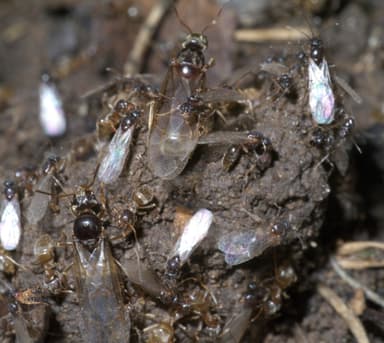
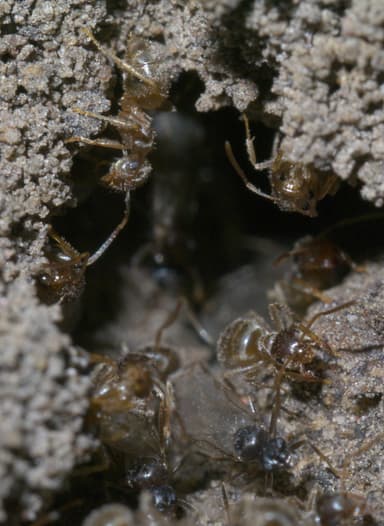
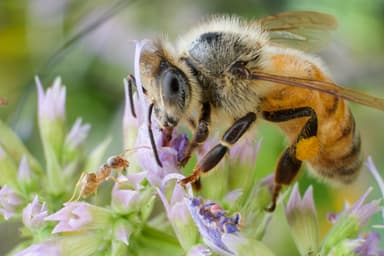
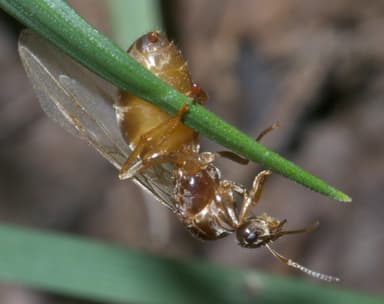
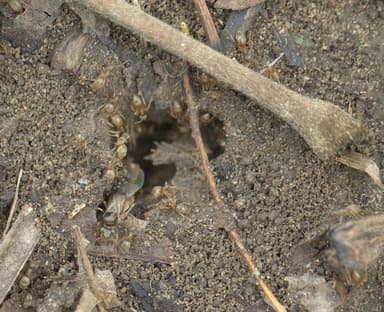
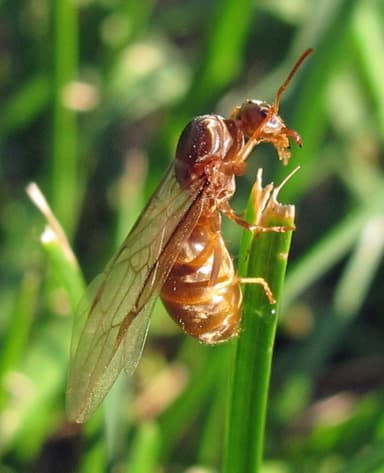
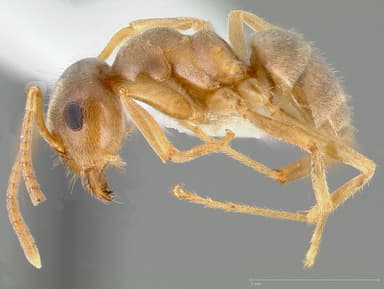
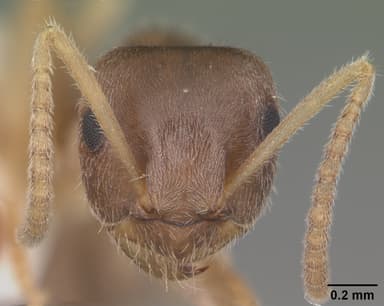
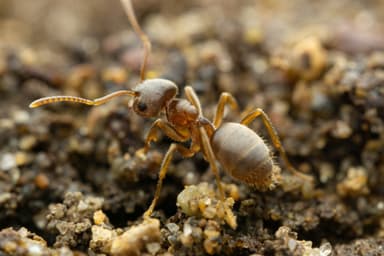
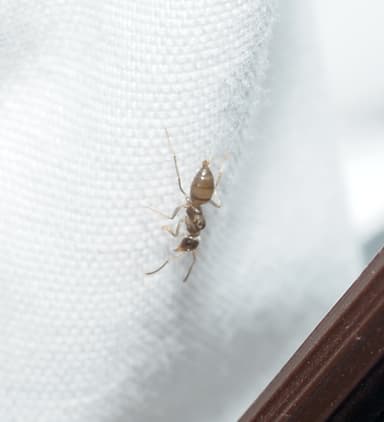
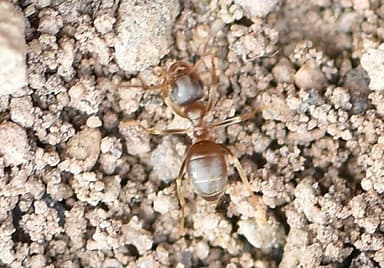
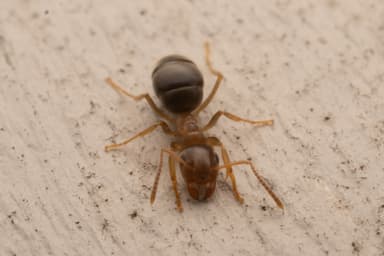
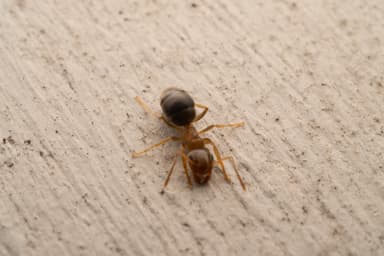
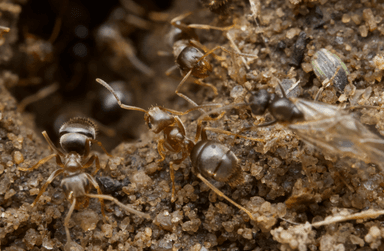
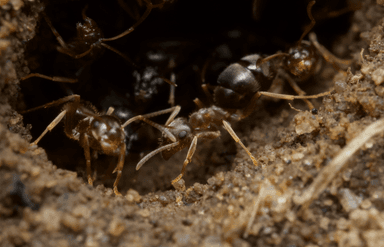
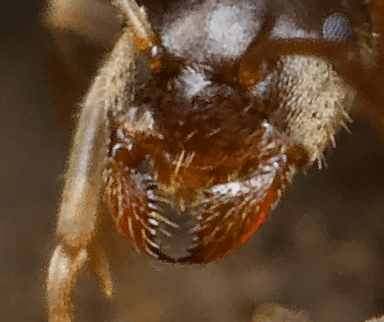
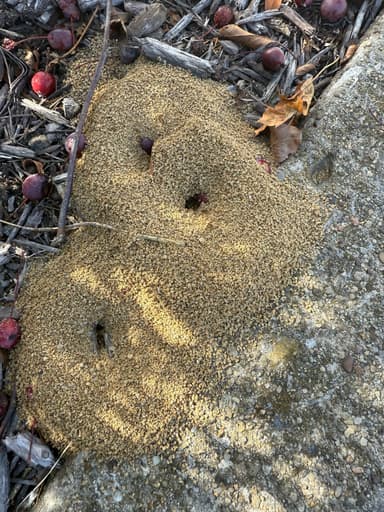
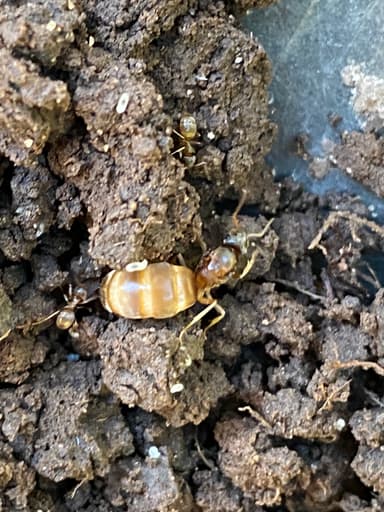
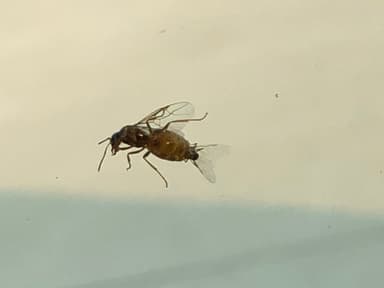
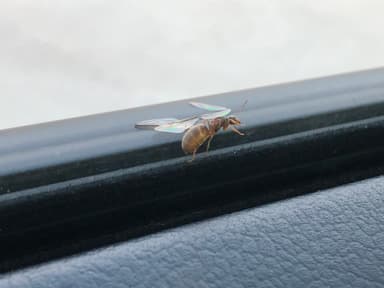
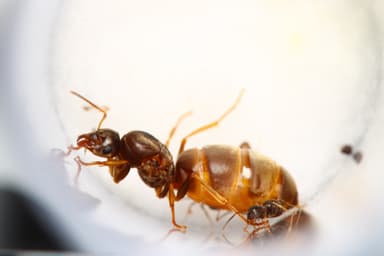
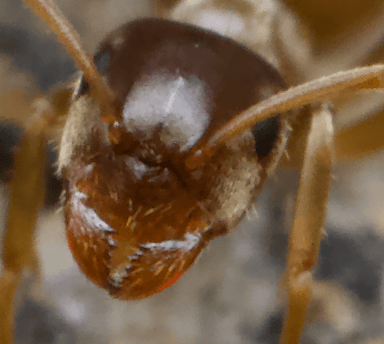
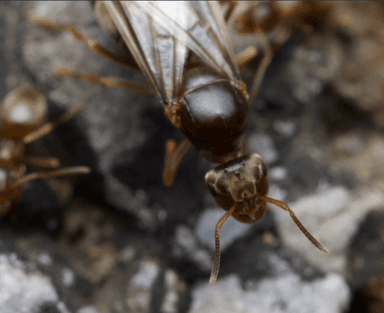
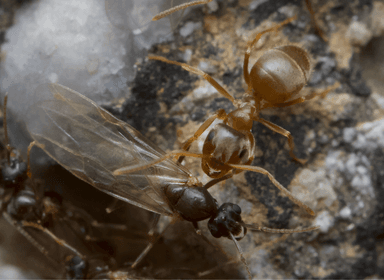
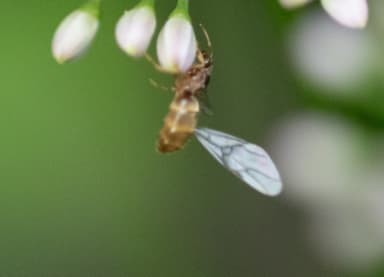
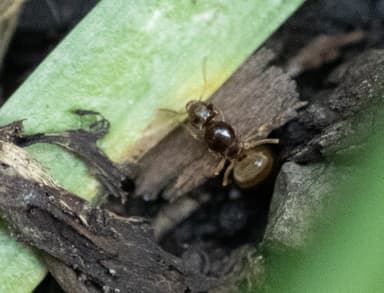
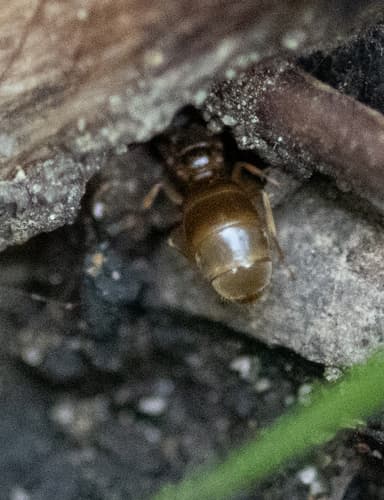
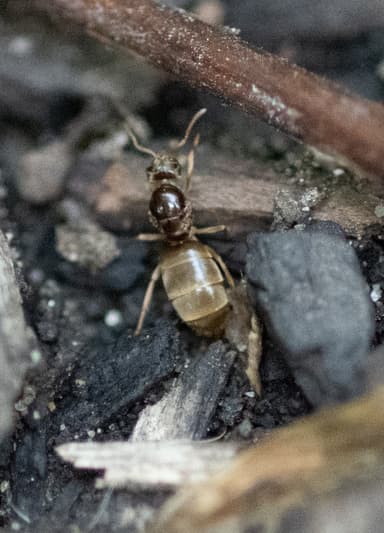
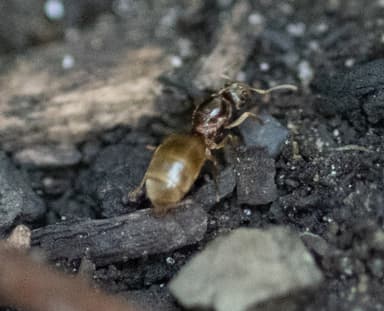
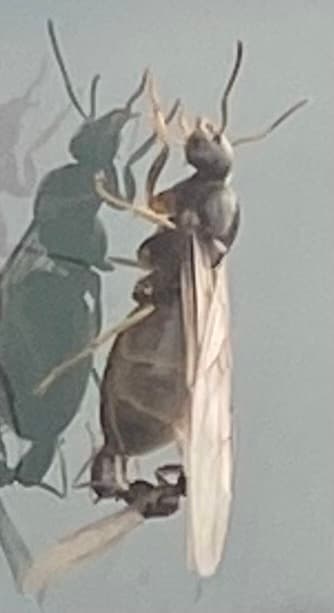
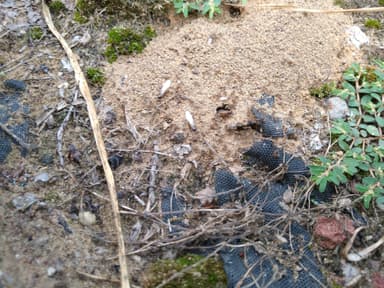
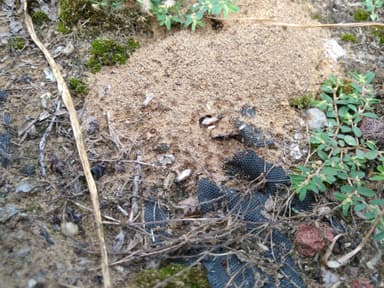
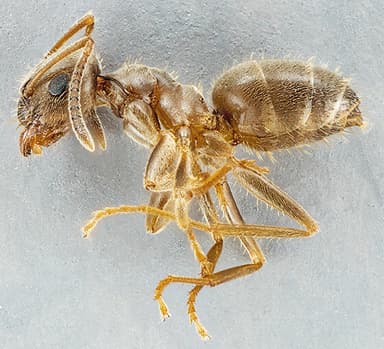
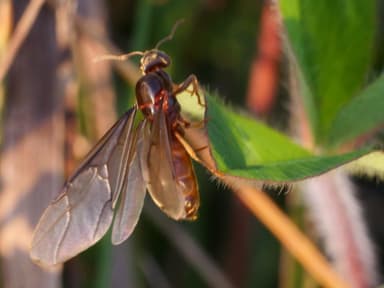
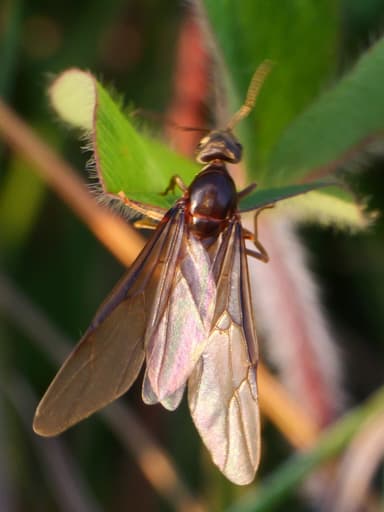
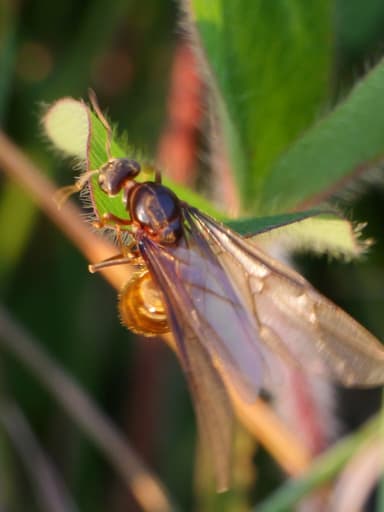
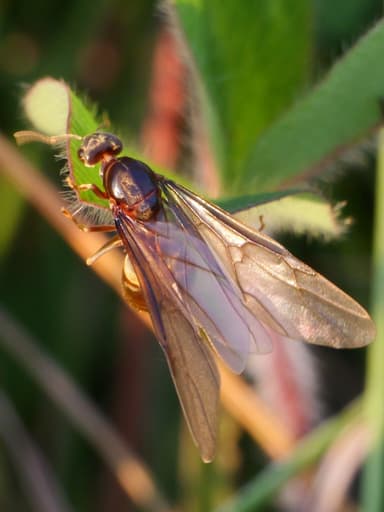
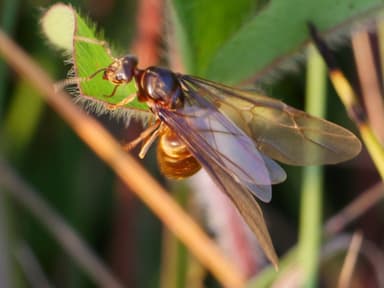
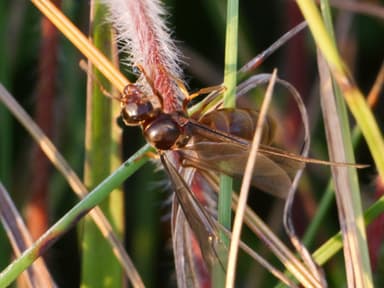
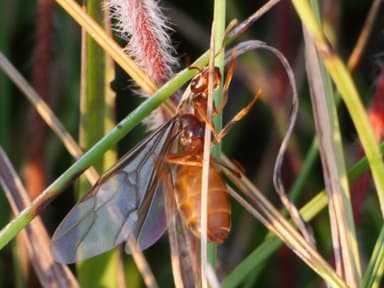
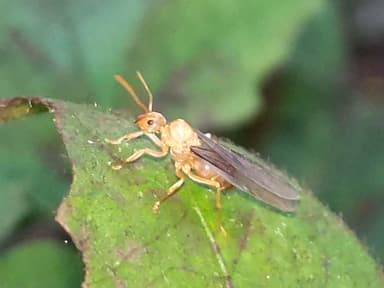
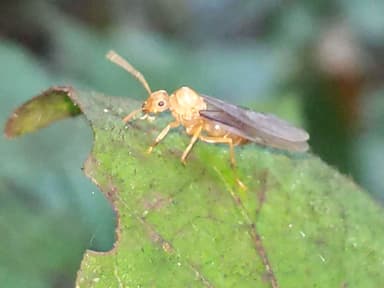
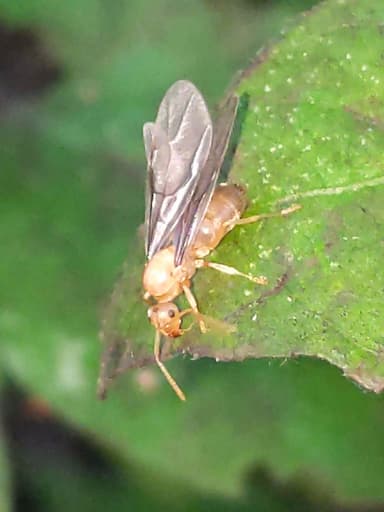
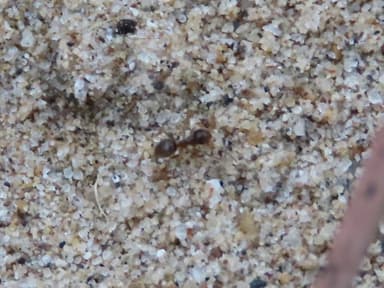
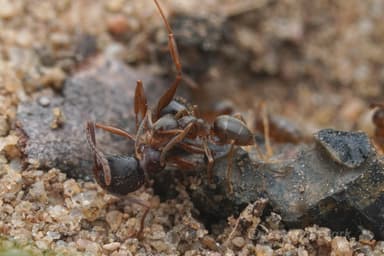
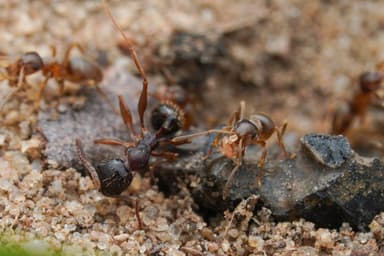
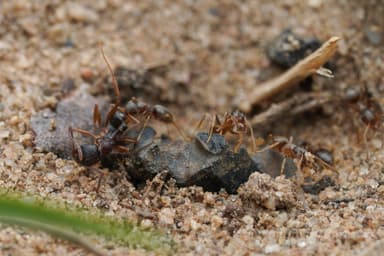
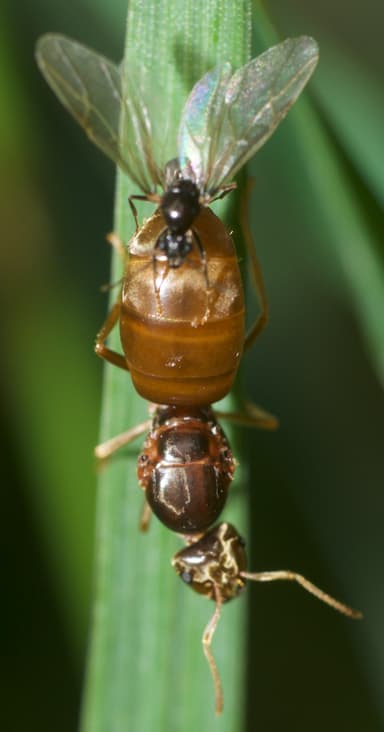
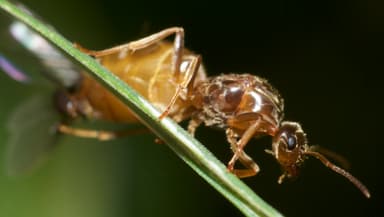
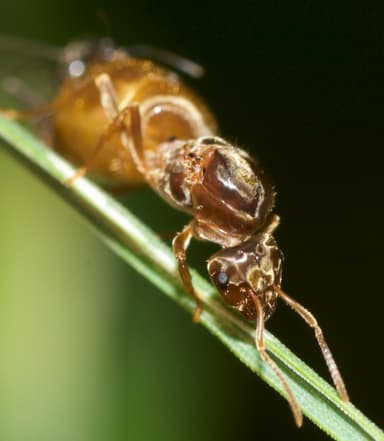
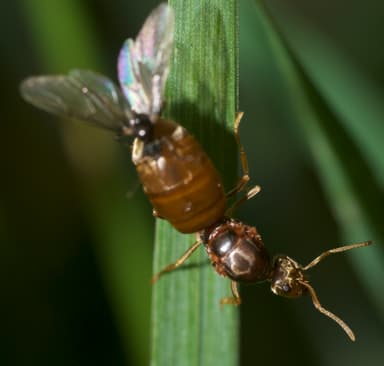
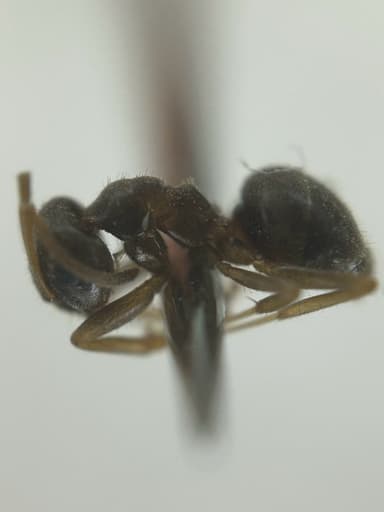
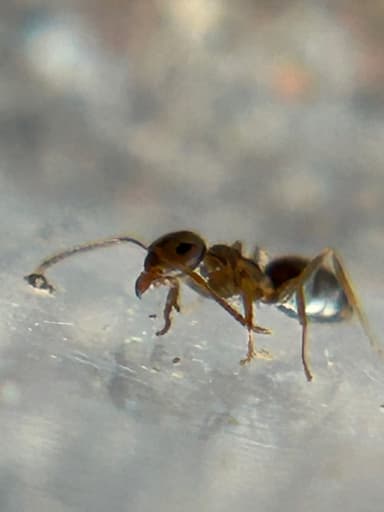
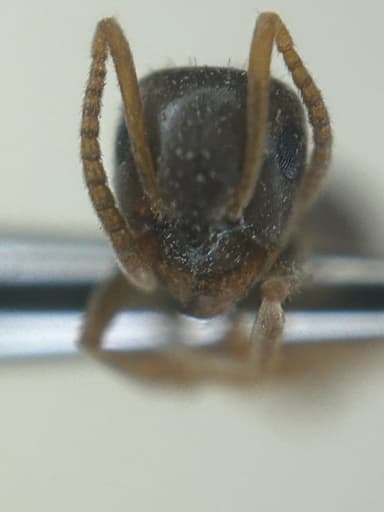
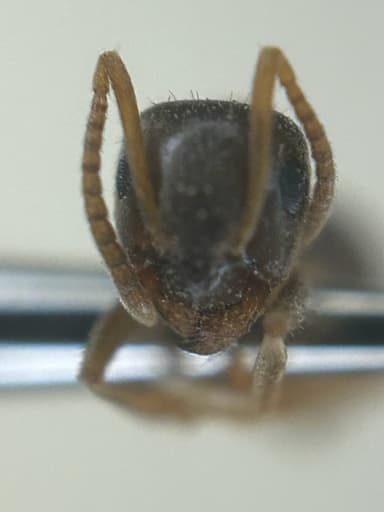
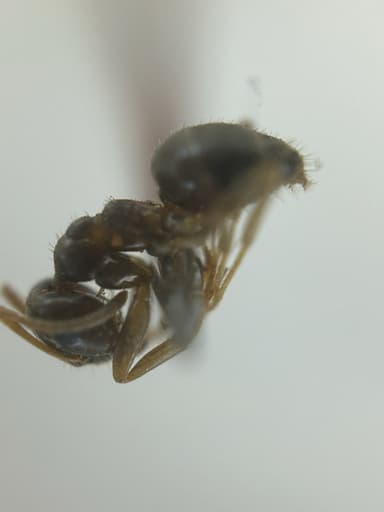
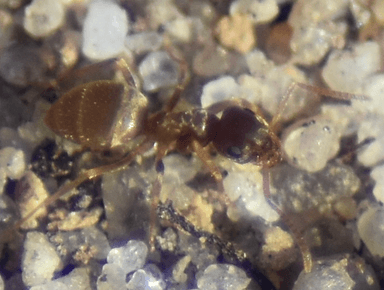
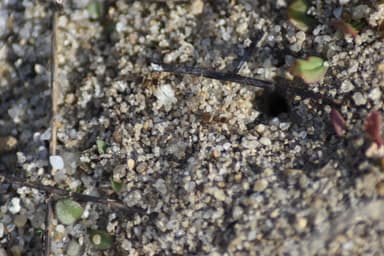
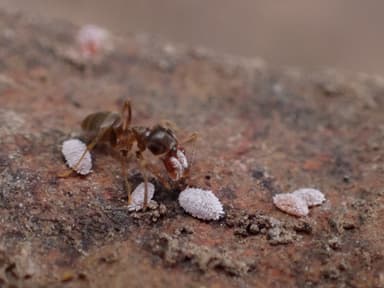
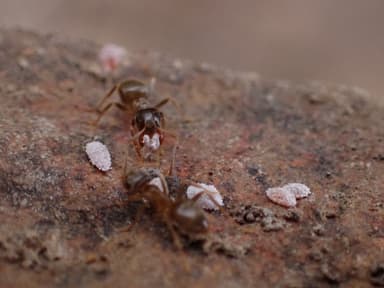
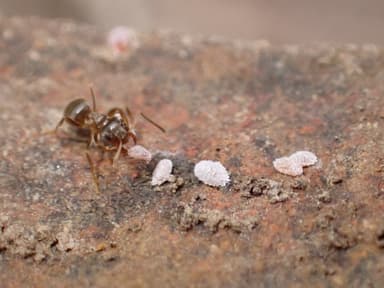
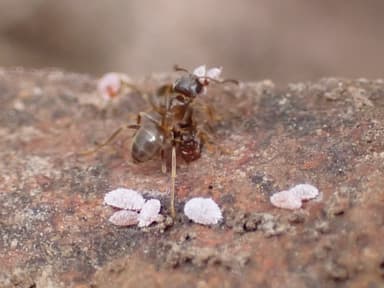
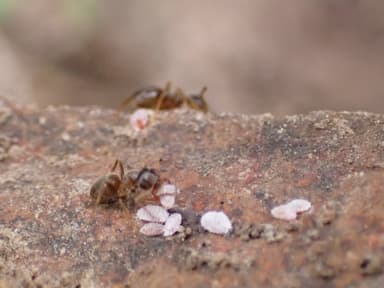
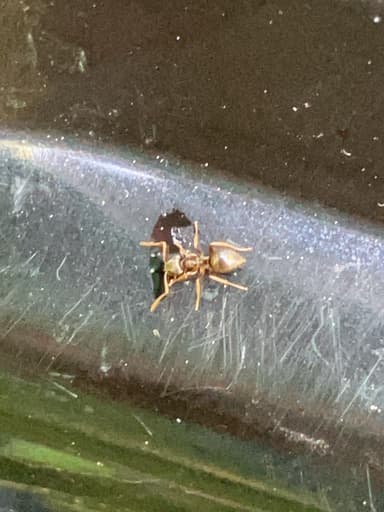
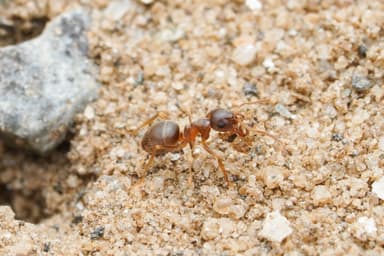
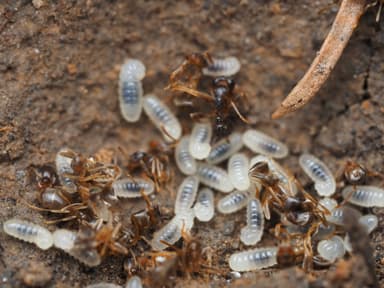
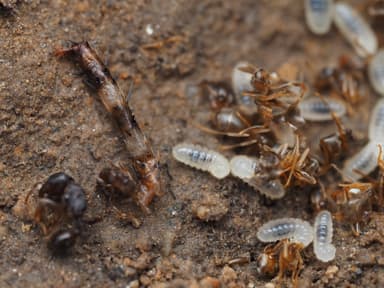
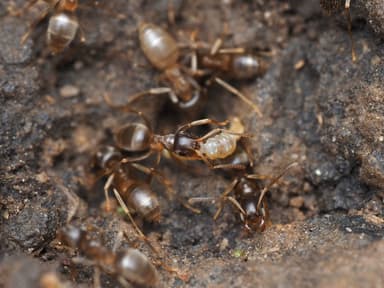
Lasius neoniger, affectionately known as the cornfield ant, is one of the most widespread and familiar soil-nesting ants across eastern and central North America. Its range stretches from southern Canada down to the Gulf states, thriving in open, sun-exposed habitats like fields, lawns, and roadsides. Workers are small and monomorphic, measuring just 2.5 to 4 millimeters, with a uniform yellowish-brown to dark brown coloration that helps them blend into their earthy surroundings. Queens are considerably larger at 7 to 9 millimeters, robust and fully capable of founding new colonies on their own through claustral founding, sealing themselves in a chamber and relying on internal fat stores to raise their first brood. Mature colonies can swell to impressive numbers, often exceeding 10,000 workers, yet they retain a gentle and unobtrusive demeanor. What makes this species particularly fascinating is its intimate mutualism with root-feeding aphids; workers tend these subterranean herds for honeydew, a behavior that echoes the agricultural tendencies of their larger cousins. The pioneering myrmecologist E.O. Wilson provided a foundational taxonomic treatment of the genus Lasius (Wilson 1955), and subsequent studies have revealed intricate patterns of nest spacing and population dynamics (Traniello & Levings 1986, Headley 1943). For hobbyists, Lasius neoniger offers a front-row seat to classic ant social structure and foraging strategies without many of the challenges posed by more demanding species.
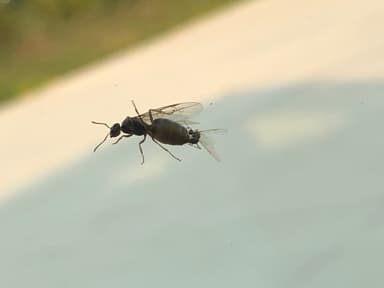
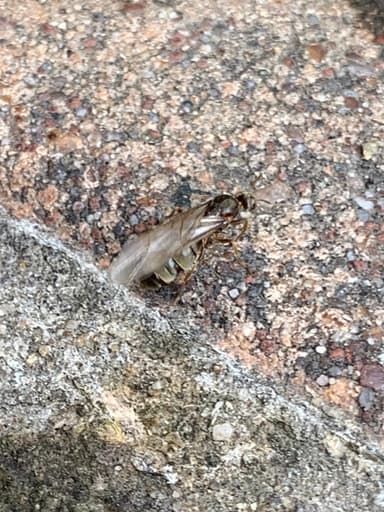
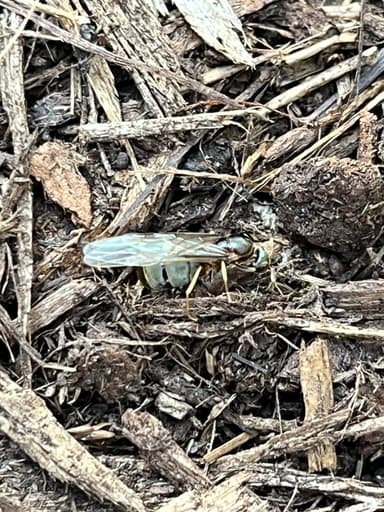
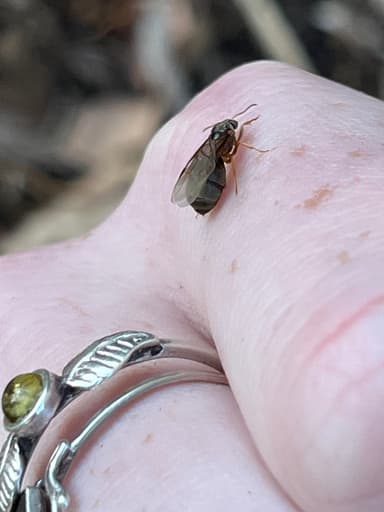
This ant is an exemplary choice for beginners and remains enduringly rewarding for experienced keepers alike. Its tolerance for a broad range of conditions and undemanding nature place its care difficulty squarely in the beginner category. New enthusiasts will appreciate that the colony grows at a steady, manageable pace, allowing ample time to learn and adjust setups before populations boom. While individual workers are escape artists due to their small size, a well-sealed formicarium with a fine mesh or tightly fitted lid easily contains them. Their resilience and adaptability also make them ideal for classroom settings or as a first pet insect for younger naturalists, provided an adult oversees the hibernation process. Because Lasius neoniger is native to temperate regions with cold winters, acquiring a queen is typically possible during late August and September when nuptial flights occur on warm, humid afternoons after rainfall. Always ensure any queen or colony is obtained legally from a reputable source, as wild collection must respect local regulations.
Housing this species happily replicates the stable underground world they naturally inhabit. A variety of nest types work well, but those that hold humidity are preferred — plaster, ytong, or a soil-filled vivarium all excel. The key is maintaining a moisture gradient: a part of the nest should be kept moderately humid (50–70% relative humidity) while a drier area allows workers to choose their preferred microclimate. Temperature should be kept within 20 to 28°C for the brood chamber, with a gentle heat mat or cable placed against one side of the nest, never underneath the entire floor, to avoid overheating. Ambient room temperature is usually sufficient when combined with a localized warm spot; this encourages natural brood development and foraging activity. A substrate is not strictly necessary in an artificial nest, but a thin layer of sand or loam in the outworld gives workers a familiar footing and facilitates their grooming behaviors. If using a naturalistic soil setup, ensure it is free of pesticides and kept slightly tamped down to mimic the compacted ground of their preferred open habitats. Always include a dependable water source, such as a test tube waterer, because stable hydration is the linchpin of colony health.
A balanced diet fuels the colony’s growth and the queen’s prolific egg-laying. In the wild, Lasius neoniger workers are generalist scavengers and avid tenders of root aphids, obtaining most of their carbohydrates from honeydew. In captivity, this translates into a ready acceptance of sugar water, honey, maple syrup, or commercially available ant nectar. Offer carbohydrates on a small piece of wax paper or a dedicated feeding dish to keep the outworld clean. Protein is equally critical, especially for brood production; provide small, pre-killed insects such as flightless fruit flies, mealworm segments, crickets, or freshly frozen and thawed houseflies. Feed protein sources two to three times a week for a growing colony, removing any uneaten remains within a day to prevent mold. Always have fresh water available via a water tube or a piece of moist cotton. A drop of sugar water left near the nest entrance in the first weeks after workers emerge can greatly accelerate colony confidence and growth.
Hibernation is not a suggestion but a biological necessity for Lasius neoniger. Colonies that are denied a cold winter diapause typically decline, with the queen slowing her egg production and workers dying prematurely. Mimic nature by providing a period of 3 to 4 months at around 5°C (roughly standard refrigerator temperature). Begin the process in late October or November once you notice reduced brood and sluggish behavior. Slowly lower the temperature over a week to avoid shock, then place the entire formicarium — with the queen and workers, but preferably with minimal stored food — into a fridge, wine cooler, or unheated garage that reliably stays within that chilly range. Check bi-weekly for condensation and to ensure the water supply remains liquid (do not let it freeze). When spring arrives, warm them gradually back to room temperature, and within days the queen will resume laying, signaling the start of a new season of activity.
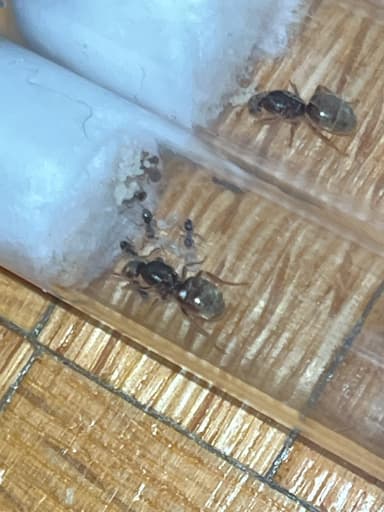
Receiving a newly acquired Lasius neoniger queen or young colony is a delicate but straightforward moment. A freshly mated queen, housed in a standard test tube with a water reservoir and cotton plug, should be placed in a dark, quiet spot at room temperature and left completely undisturbed for at least two to four weeks. She has all the internal reserves needed to raise her first tiny nanitic workers, and checking on her can cause stress that may lead to consuming her eggs. After the first workers appear and begin cautiously exploring the cotton, you can offer a minuscule drop of sugar water or diluted honey just outside the tube. Once a handful of workers are present, introduce a tiny piece of pre-killed fruit fly. Watch for telltale signs of a thriving colony: the queen steadily surrounded by a growing brood pile, workers actively accepting food and transporting it back to the nest, and the gentle, almost timid foraging lines that characterize this endearing species. With patience and adherence to these basics, your Lasius neoniger colony will reward you with countless hours of observation and a deepening appreciation for the hidden lives of ants.