Formica
Formica forsslundi
Nuptial Flight Calendar
Flight months: Jul, Aug
Care Guide
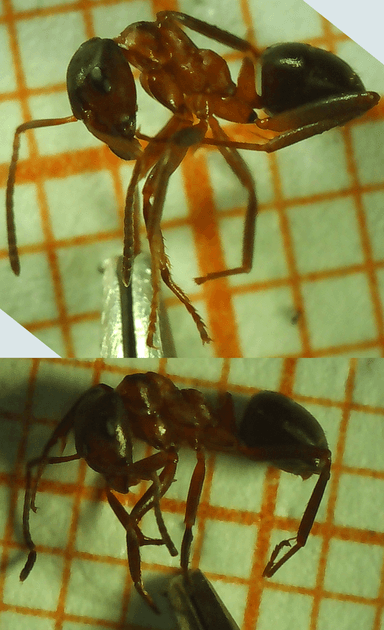
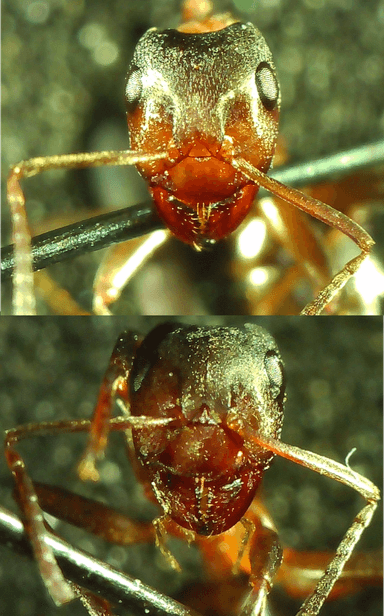
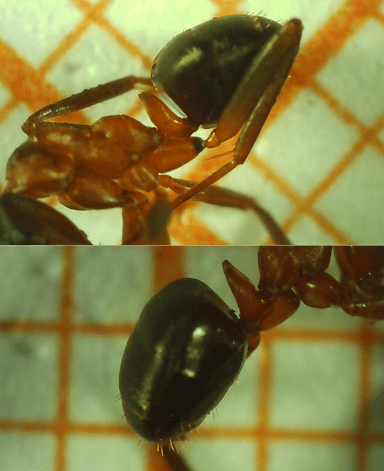
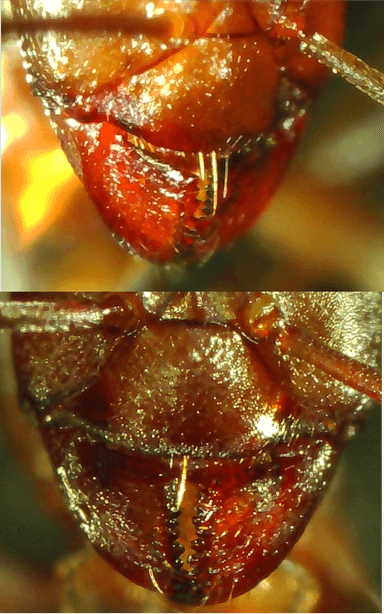
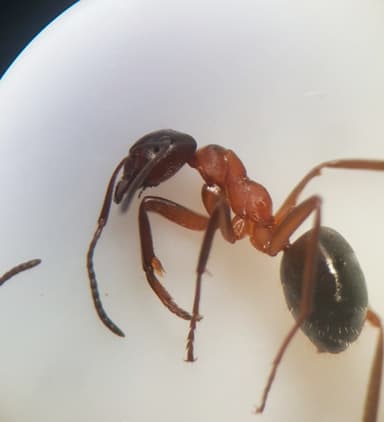
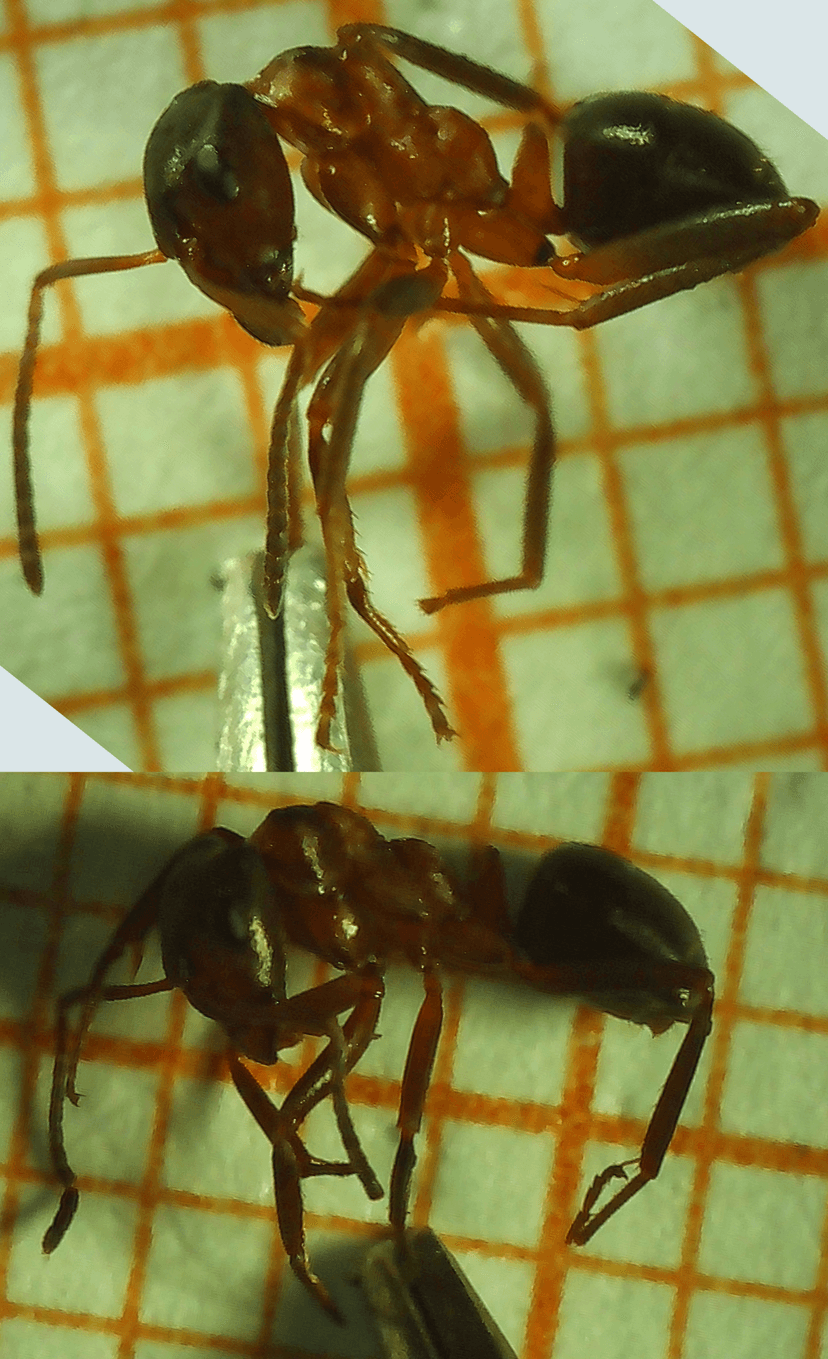
Formica forsslundi is a remarkable yet rarely kept species that captivates experienced ant enthusiasts with its secretive social-parasitic lifestyle. This ant, native to the damp forests and boggy heathlands of Northern and Central Europe, exhibits a slender, bicolored appearance: workers range from 4 to 7 mm and are predominantly dark brown to black, often with a faint reddish sheen on the mesosoma, while queens are notably larger at 7 to 9 mm, more robust, and similarly colored. Colonies in the wild can swell to impressive sizes of up to 50,000 workers, yet they are monomorphic, consisting solely of a single minor-worker caste. What sets F. forsslundi apart is its mode of reproduction: a freshly mated queen must invade the nest of a host species, typically from the Formica fusca group, assassinate the resident queen, and usurp the worker force through chemical trickery. This reliance on another species to rear her first brood makes observing a mature, thriving colony a true privilege for the dedicated keeper and mirrors the intricate interspecies dramas described by Collingwood (1979) in Fennoscandian mires.
Given its founding requirements, Formica forsslundi is unequivocally an expert-level species. It is wholly unsuitable for beginners or intermediate keepers who lack experience with socially parasitic ants. Obtaining a colony itself is a challenge; queens are rarely offered, and most successful attempts start with a founding queen already in the company of a small group of host workers, typically F. fusca or F. lemani. The keeper must be prepared to maintain a delicate social balance, as host workers will gradually die off without renewal, and the colony must be grown until the F. forsslundi workers themselves take over brood care. This species demands not only patience but also a deep understanding of nest climate control and the subtle signs of stress in ants. If you have successfully reared other temporary social parasites like Lasius fuliginosus or had long-term success with slave-maker Formica, you are ready to consider F. forsslundi. Those who thrive on meticulous observation and enjoy recreating precise microhabitats will find the challenge profoundly rewarding.
Housing a thriving F. forsslundi colony means designing a setup that closely mimics the cool, humid conditions of its native boreal range. A naturalistic formicarium with a separate foraging arena works best, as it allows you to manage microclimates while giving the colony distinct territory. The nest chamber itself should maintain a steady temperature between 18 and 26°C, with an ideal sweet spot around 22°C, as excessive heat dries out the delicate brood and stresses the ants. Humidity is critical and should be kept between 50 and 70 percent; many keepers achieve this with a ytong or plaster nest block that can be periodically moistened, combined with a substrate layer of sand, loam, and peat moss in the foraging container. The ants appreciate a loose, diggable medium where they can construct shallow galleries, so a deep sand-clay mix is recommended. Provide a small heat mat on one side of the nest only to create a gentle gradient, and ensure abundant ventilation to prevent mold without compromising humidity. As Seifert (2018) notes, this species is adapted to damp, cool microsites, so avoid bright, desiccating light sources and keep the nest in dim, indirect illumination.
Diet for F. forsslundi follows the pattern typical of large, active Formica: they are voracious hunters and avid collectors of sugary secretions. In the wild, they tend aphids and scale insects, particularly on bog plants, and actively scavenge or predate on other invertebrates. Replicate this with a steady supply of small insect protein, such as chopped mealworms, crickets, or fruit flies, with a preference for freshly killed prey to avoid putting undue stress on a young colony. Carbohydrates are equally important; offer a shallow droplet of honey-water, maple syrup solution, or a commercially prepared ant nectar, refreshing it every few days to prevent fermentation. Always provide a test tube or small water tower filled with fresh water, as this species drinks frequently, especially when humidity drops slightly. During the brood-rearing season, worker larvae will signal their hunger by extending their mouthparts, so increase protein frequency during these phases. Avoid overfeeding: uneaten food must be removed within a day or two, as decaying matter invites mites and fungi, to which F. forsslundi can be susceptible.
A strict hibernation period is not optional—it is essential for the long-term health and rhythmicity of the colony. Formica forsslundi endures harsh northern winters and requires a three- to four-month diapause at a stable 4°C. In nature, the ants retreat deep into rotting wood or soil below the frost line, so you can replicate this by moving the formicarium into a dedicated refrigerator or a temperature-controlled cool room from late November through February. Before hibernation, gradually reduce the nest temperature over several weeks while tapering off feeding, allowing the colony to clear its digestive tracts. Check the nest periodically to ensure it does not desiccate; the dormant ants should still have access to a slightly moistened corner and a small water source. A successful hibernation triggers the queen’s egg-laying in spring, often marked by a sudden surge in activity as temperatures slowly rise back to the normal range. Collingwood (1979) observed that in Scandinavia, colonies sometimes remain under snow cover for five months, so err on the side of a longer, stable cold period rather than a truncated one.
The first days after acquiring a founder colony can determine its fate. Whether you have received a lone founding queen with host workers or a small starter colony of perhaps a dozen F. forsslundi workers, the priority is to minimize disturbance. Introduce the entire test tube setup into a darkened, small nest module pre-adjusted to around 20°C and 60% humidity. Offer a minuscule drop of sugar water on a piece of foil and a pre-killed fruit fly, placed at the entrance of the foraging area. Do not be alarmed if the ants seem lethargic or hide for the first 24 to 36 hours; they are acclimating. Watch closely for signs of host-worker rejection: if the queen is being constantly harassed rather than groomed and fed, you may need to intervene by removing aggressive individuals or introducing additional host pupae from a donor colony to calm the atmosphere. Over the coming week, you will see the queen resume egg-laying if conditions are right, with workers beginning to care for the tiny white larvae. Resist the urge to peer in too often, but ensure the nest does not dry out. A smooth, quiet start with precise environmental control will set your Formica forsslundi colony on the path to becoming a vigorous, fascinating exhibit of one of Europe’s most enigmatic ants.