Formica
Formica clara
Nuptial Flight Calendar
Flight months: Jun, Jul, Aug
Care Guide
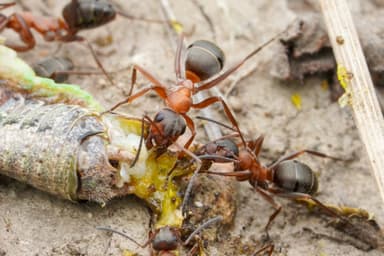
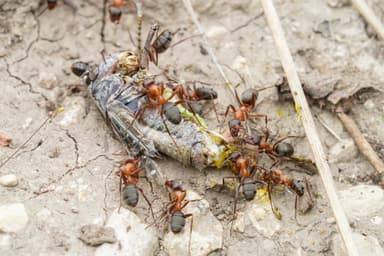
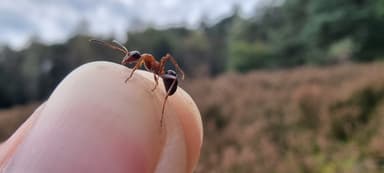
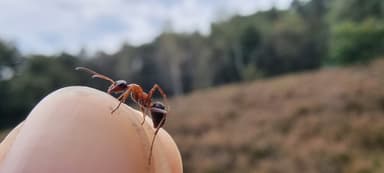
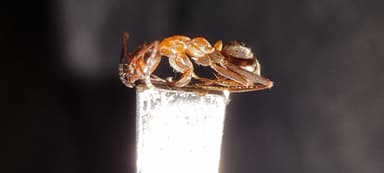
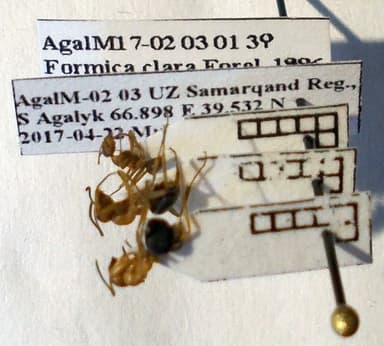
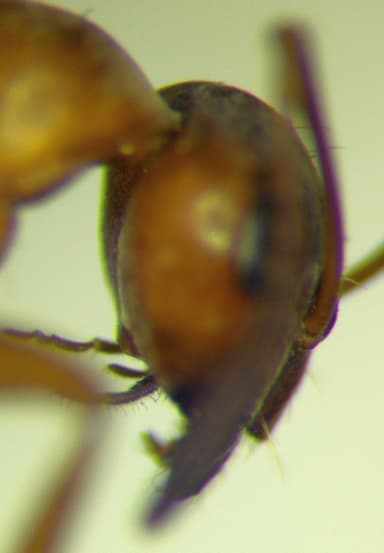
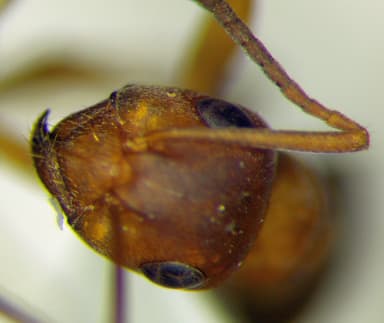
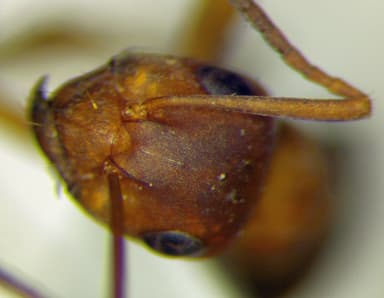
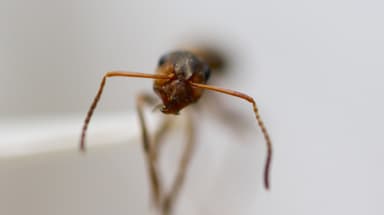
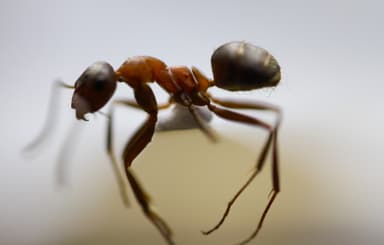
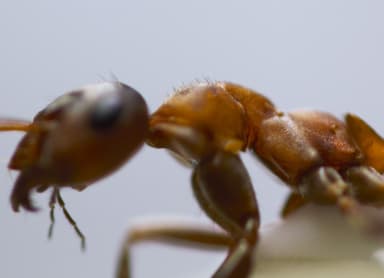
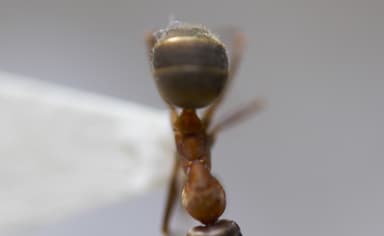
Formica clara is a graceful ant with a polished, bicolored appearance and a dynamic colony life. Queens measure 9–11 mm, while workers exhibit true polymorphism: minor workers range from 4.5 to 5.5 mm and robust majors can reach 7.5 mm. This dimorphic workforce, coupled with colony sizes that swell to 50,000, creates a visually and behaviorally rich display. As a member of the cinerea group (Seifert 2002), the species bears a dark, shining head and gaster sharply contrasted by a reddish or amber mesosoma, and it is notorious for its speed and its readiness to spray formic acid when disturbed. In the wild, these ants colonize sun‑baked, sandy soils across a vast range from the Mediterranean north to southern Scandinavia and east into Asia, as evidenced by GBIF and AntWeb occurrence records. Their nuptial flights, witnessed on warm, humid afternoons after summer rain in Central Europe (AntWiki), add a fascinating seasonal rhythm that many keepers admire.
Rated as beginner‑friendly, F. clara is an excellent choice for keepers who can consistently offer a cool winter. Because founding is claustral, the single queen needs no feeding during the initial weeks, and her environmental demands are forgiving: a temperature band of 20–28°C and relatively low humidity between 40% and 60%. The one non‑negotiable requirement is a proper hibernation at around 5°C, so access to a refrigerator, wine cooler, or reliably cold basement is necessary. If you can satisfy this need, you will be rewarded with a hardy, fast‑growing colony that displays all the quintessential Formica behaviors — bold foraging, strong recruitment trails, and a palpable sense of collective purpose. This ant suits committed beginners as well as experienced enthusiasts who enjoy watching a large, polymorphic society thrive.
Housing F. clara should be planned with its natural digging impulse in mind. A soil‑based setup — a mix of sand and loam in a glass terrarium — allows workers to excavate crater‑like chambers, closely mirroring their wild nests. Alternatively, a plaster or Ytong nest with a hydration reservoir works perfectly, provided you keep the internal humidity between 40% and 60% and never let it become sodden. Furnish a dry foraging arena with a tight, escape‑proof lid and a barrier of PTFE or petroleum jelly. Place a heat mat on one side of the outworld to create a gentle thermal gradient within the 20–28°C range, while keeping the nest slightly cooler and the substrate just barely moist to the touch. Add cork bark, small stones, and a shallow water source to enrich the landscape. The ants will quickly establish refuse piles and foraging zones, and you will witness their impressive excavation skills as the colony expands.
A varied diet fuels this active species and supports its rapid growth. Offer freshly killed insects — crickets, small dubia roach nymphs, mealworm segments, or fruit flies — two to three times a week, scaling up as the worker population rises. For carbohydrates, supply diluted honey, maple syrup, or a commercial ant nectar in a small dish, replacing it daily to prevent fermentation. F. clara’s natural habit of tending aphids means they eagerly lap up honeydew and readily accept honeydew‑substitute liquids; you can even offer a quarantined aphid‑hosting plant for a naturalistic treat. Always provide clean water through a cotton‑plugged test tube or a gel hydration station. Remove uneaten protein after 24 hours, and monitor for mold, as these ants can be messy with liquid sugars if feeding stations are not managed.
A true seasonal cycle is essential: Formica clara requires hibernation at a stable 5°C. Begin gradually lowering the temperature around late October, moving the colony to a calibrated refrigerator or wine cooler that does not freeze. Keep the nest faintly moist, and offer no food during the 3‑ to 4‑month rest. The ants will cluster together in a sluggish state; check them every few weeks only for signs of desiccation or disturbance. In late winter, slowly warm them back to room temperature. This cold period resets the queen’s egg‑laying cycle and is critical for long‑term health — skipping it inevitably leads to colony decline, as observed in many Formica species (Seifert 2002, AntWiki). When warmth returns, egg production surges and the colony bursts into another year of energetic growth.
The first days after receiving your queen are a lesson in patience. She will arrive in a test tube with a water reservoir, likely already tending a small pile of brood. Place the tube in a dark, quiet cupboard at around 24°C and resist the urge to check on her more than once a week. Once the first tiny minor workers appear, connect the tube to a small foraging arena. Offer a tiny droplet of sugar water on a piece of waxed paper near the tube entrance, and a day later add a single, freshly killed fruit fly. Watch as scouts tentatively emerge, feed, and lay pheromone trails back to the nest — a charming and pivotal moment. Avoid large, struggling prey that might frighten the young colony. In the following weeks, you will see the brood pile swell and the first major workers emerge, their enlarged heads and powerful mandibles signaling a thriving, balanced society. With gentle, consistent care, your Formica clara colony will transform into a bustling miniature metropolis, full of fascinating interactions and constant activity.