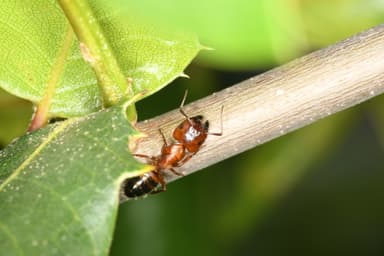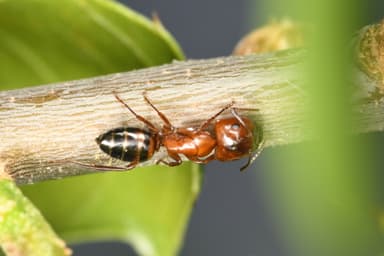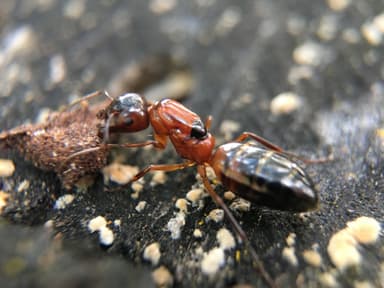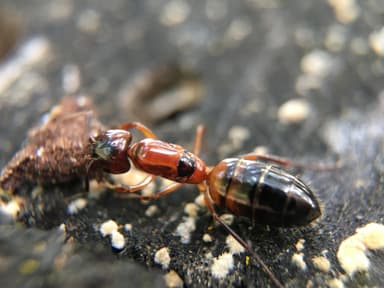
Camponotus
Camponotus essigi
Nuptial Flight Calendar
Flight months: May, Jun, Jul
Care Guide
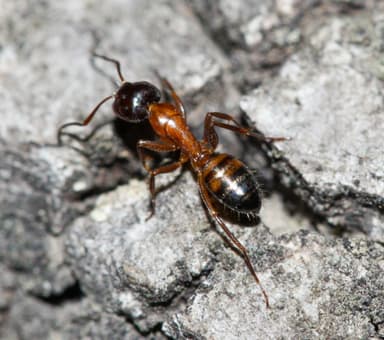
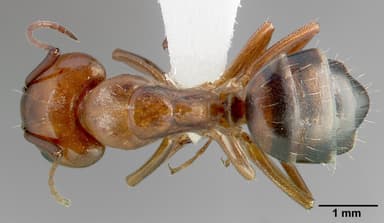
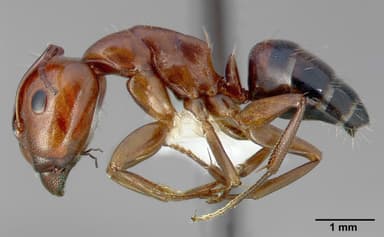
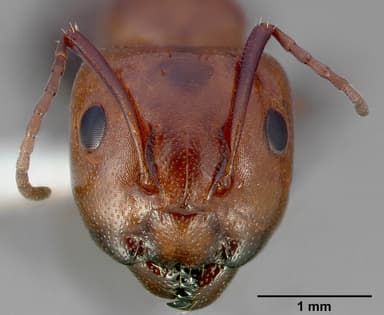
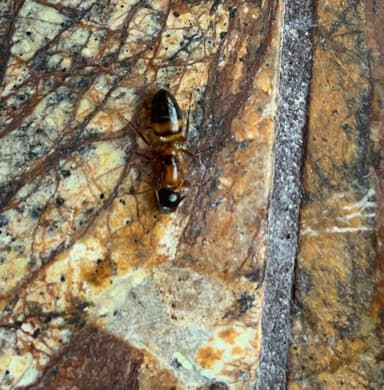
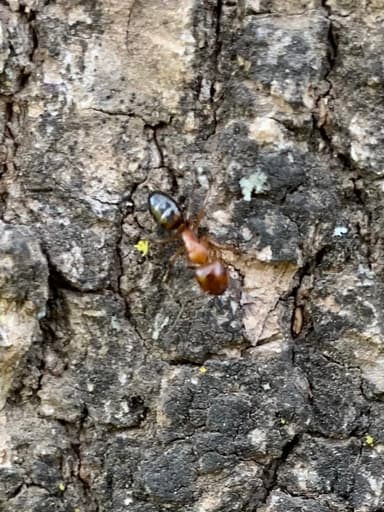
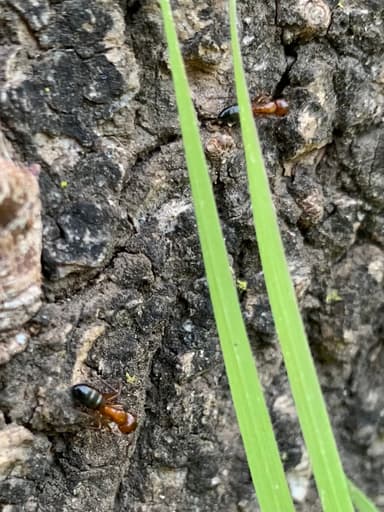
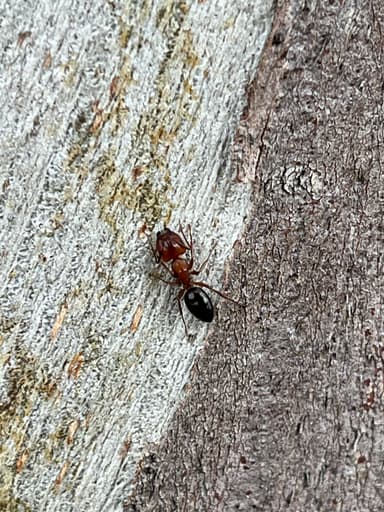
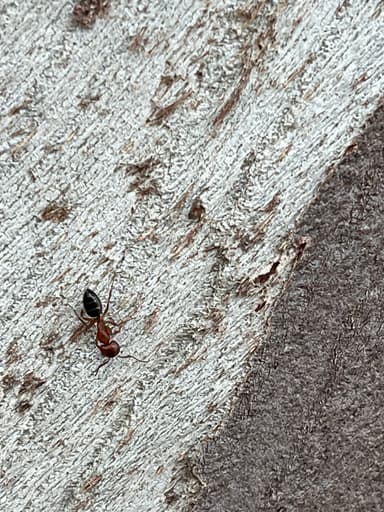
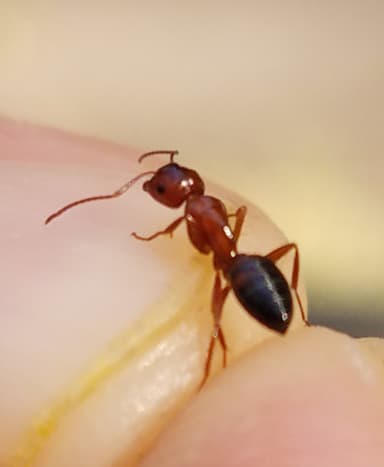
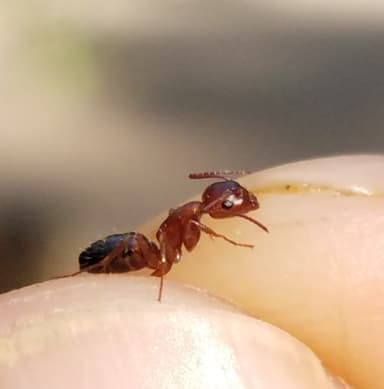
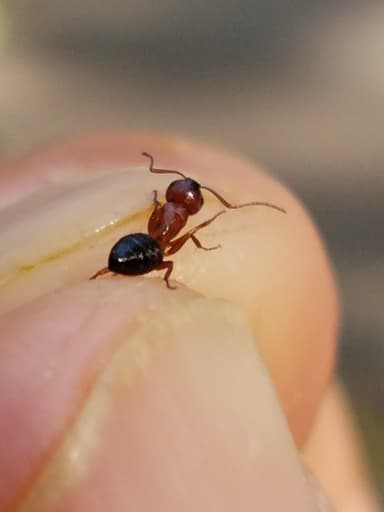
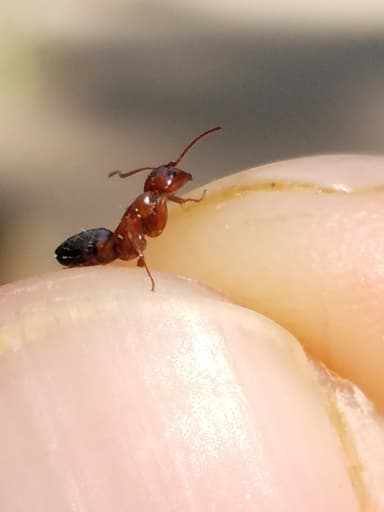
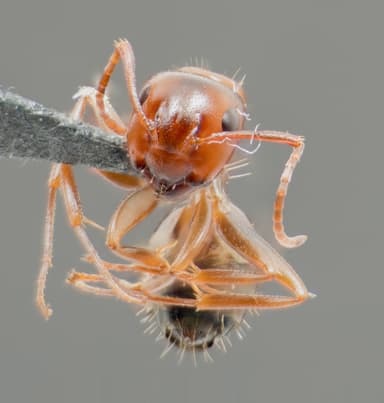
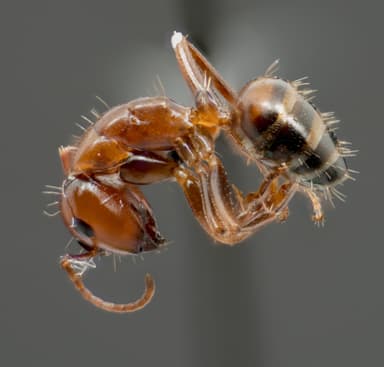
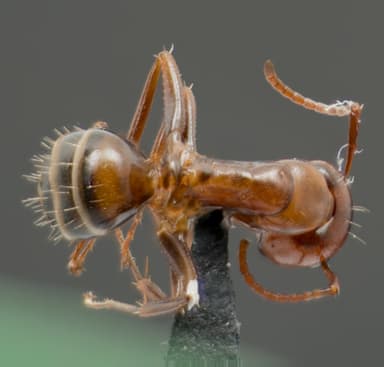
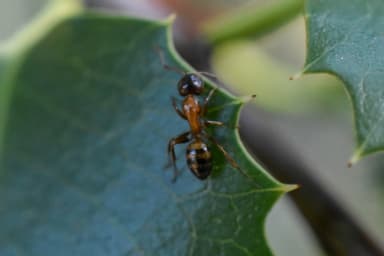
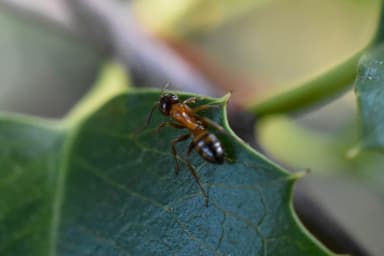
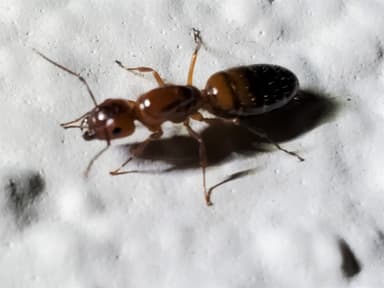
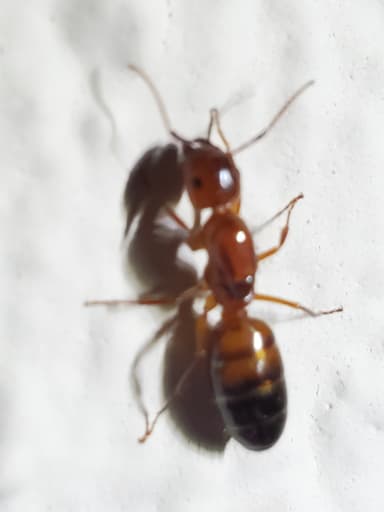
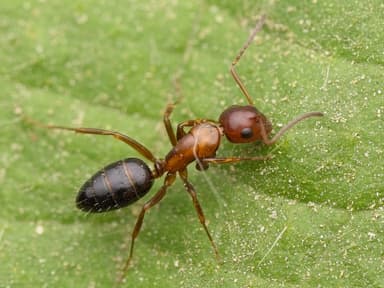
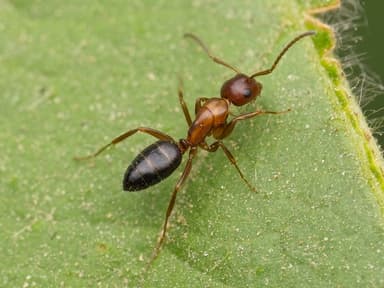
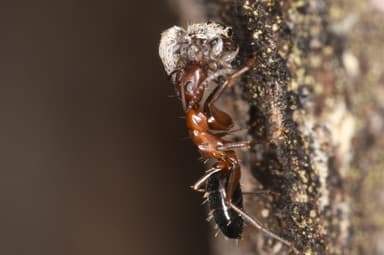
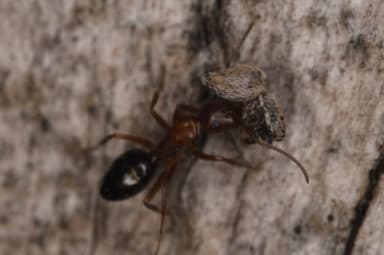
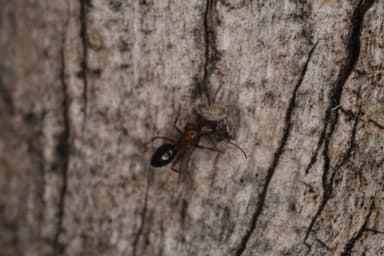
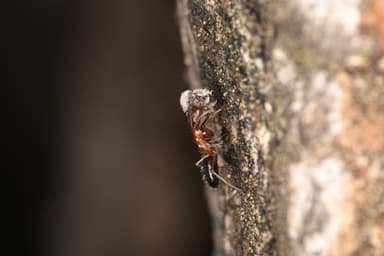
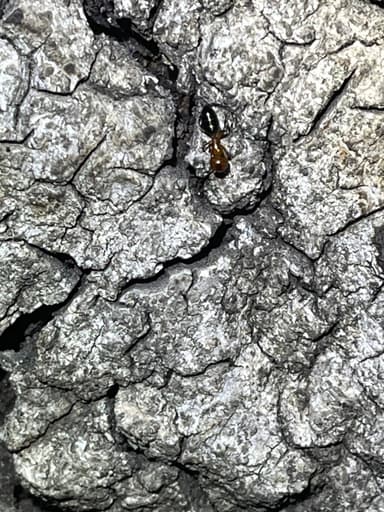
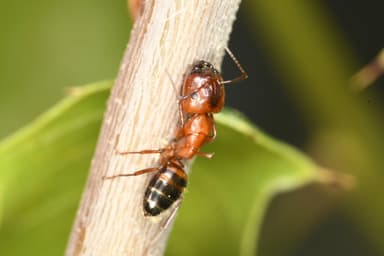
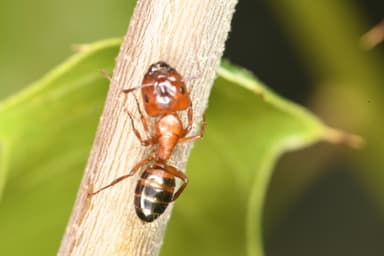
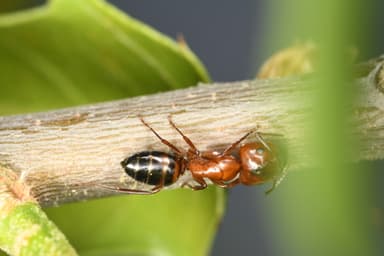
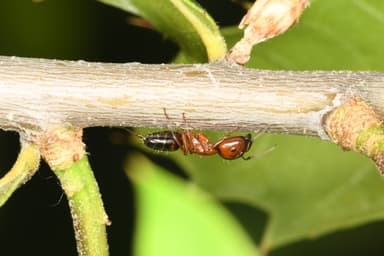
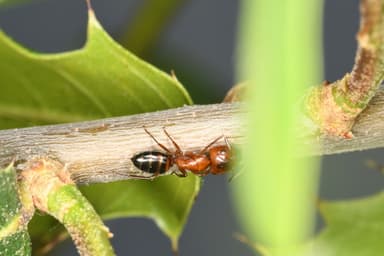
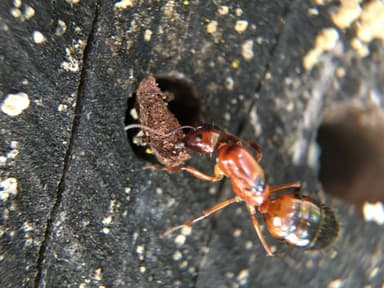
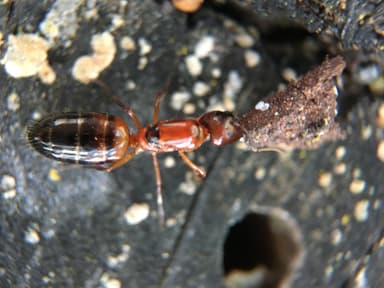
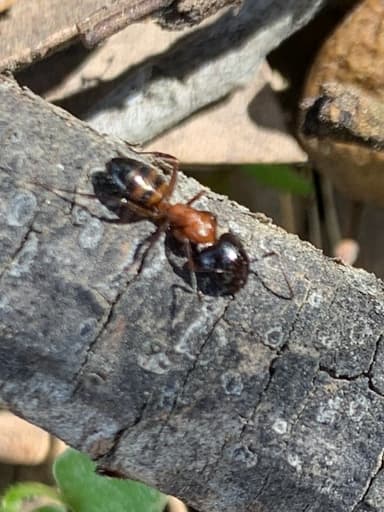
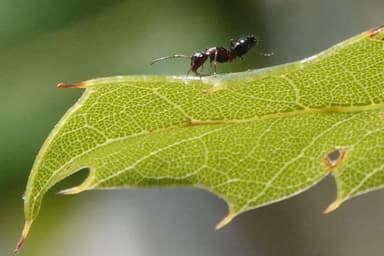
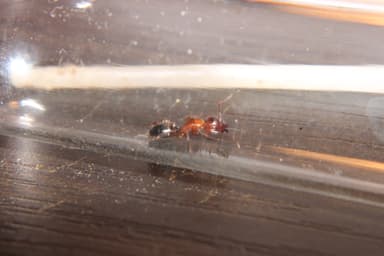
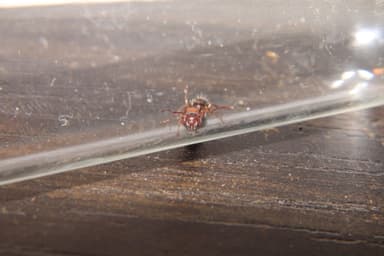
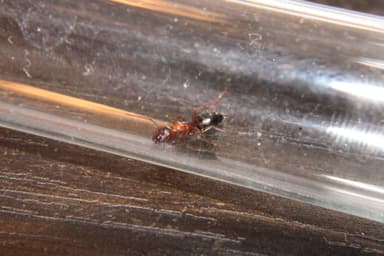
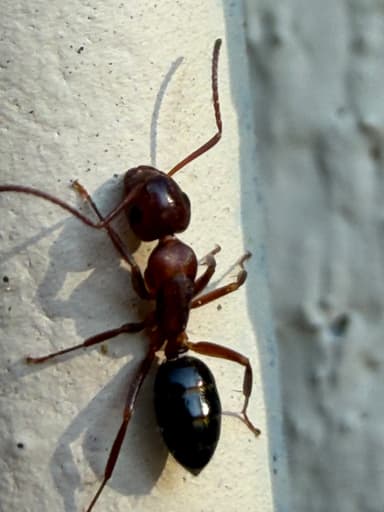
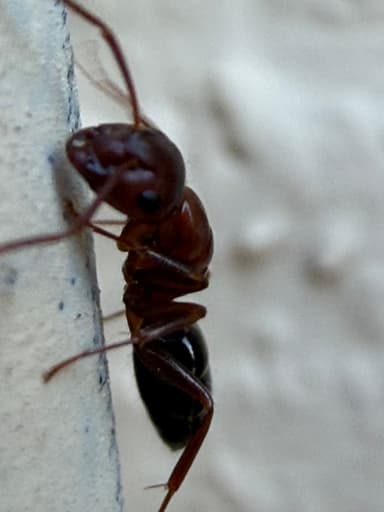
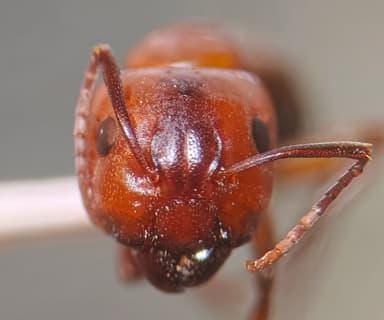
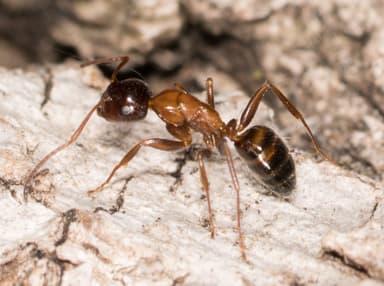
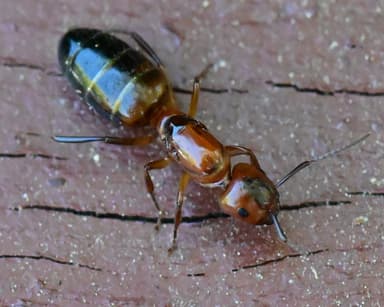
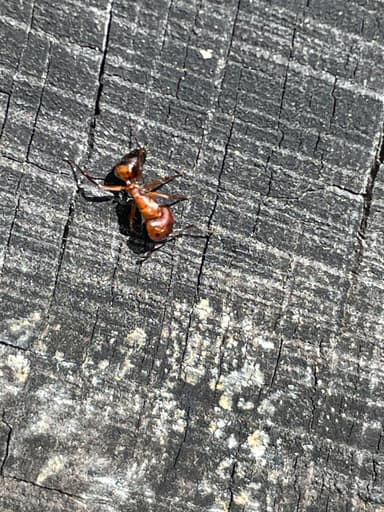
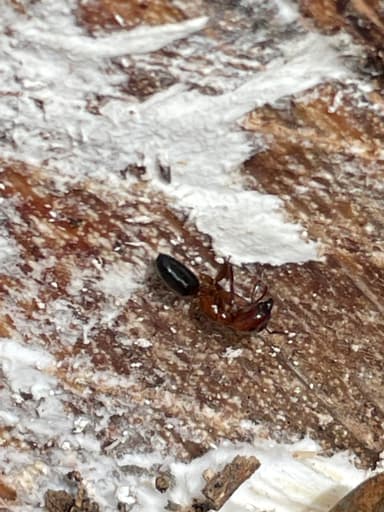
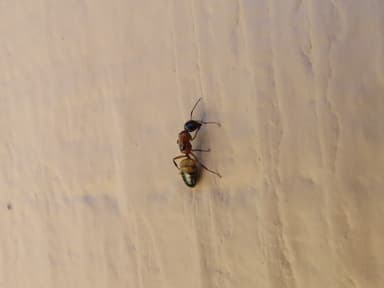
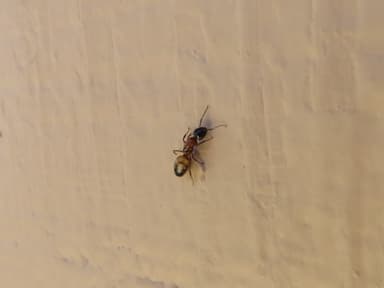
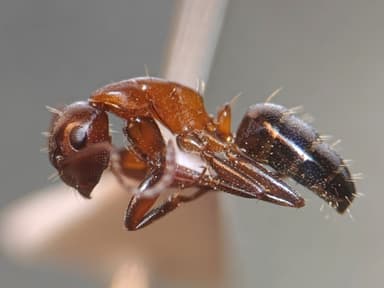
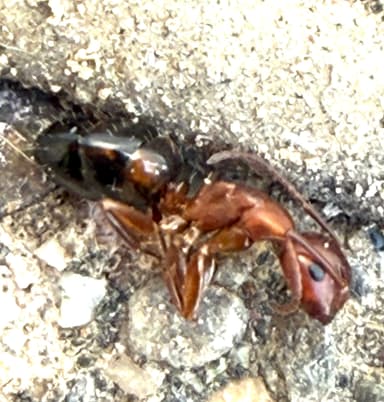
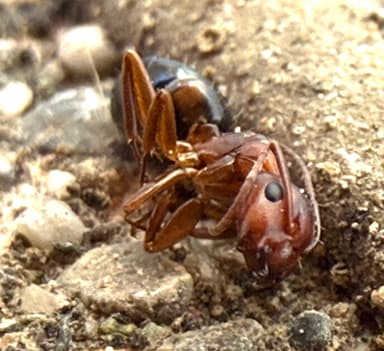
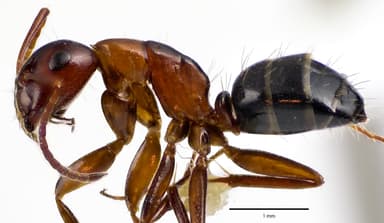
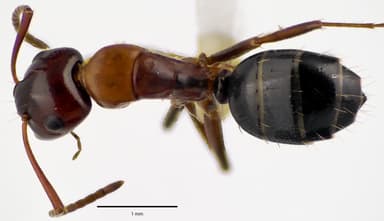
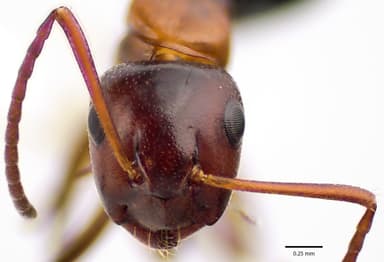
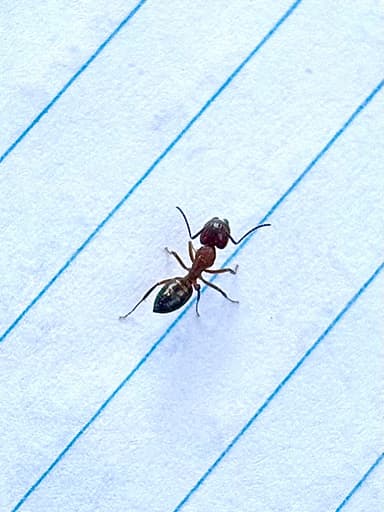
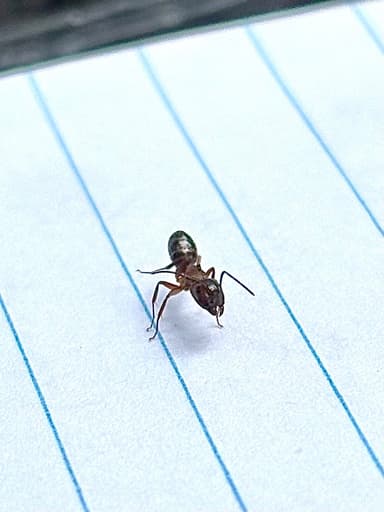
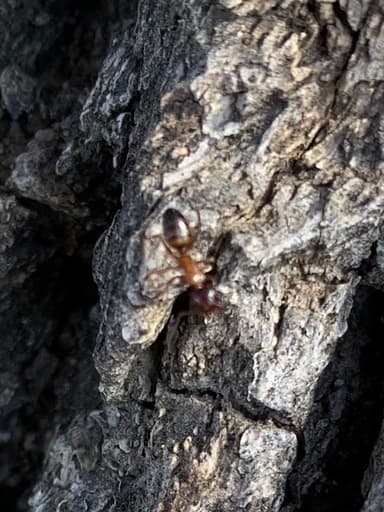
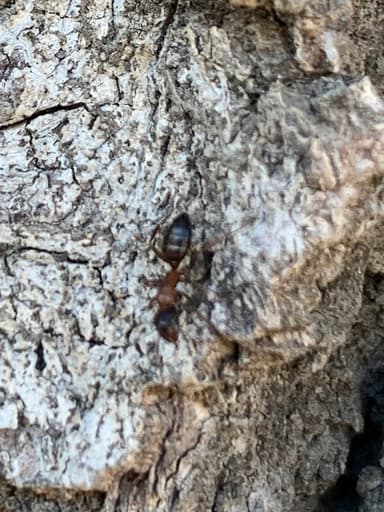
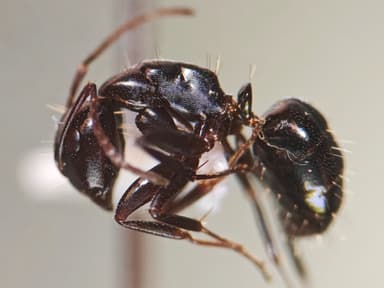
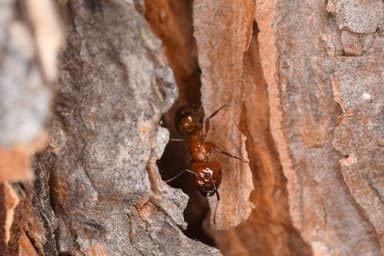
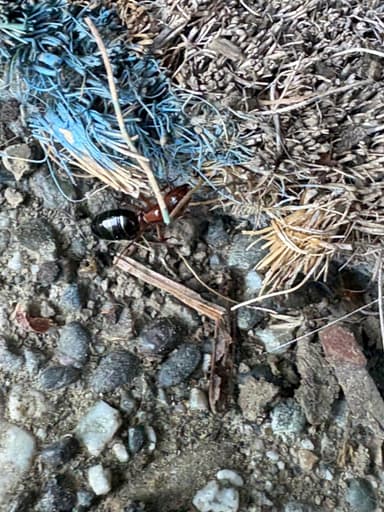
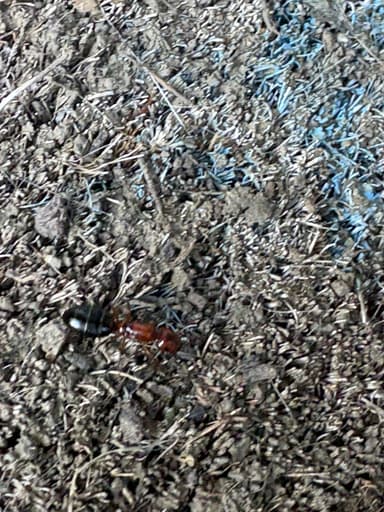
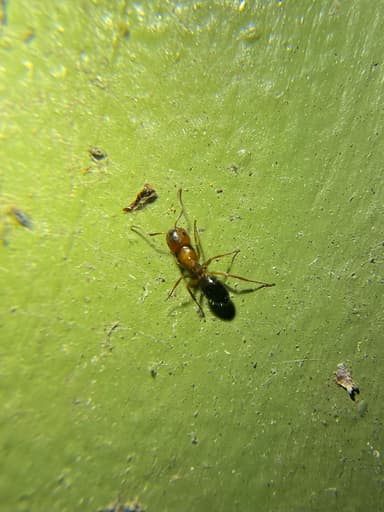
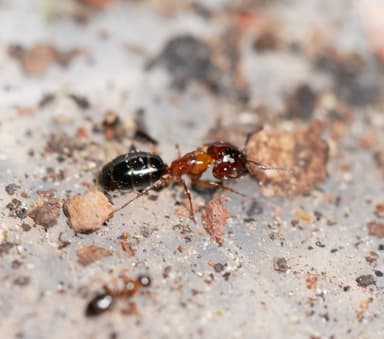
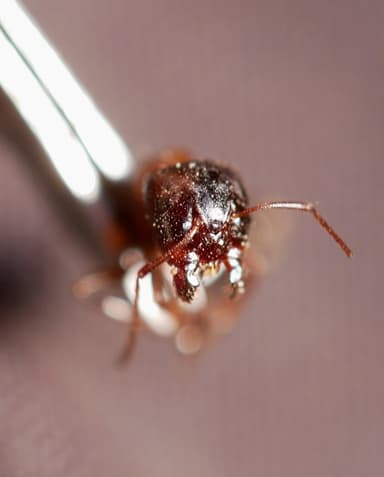
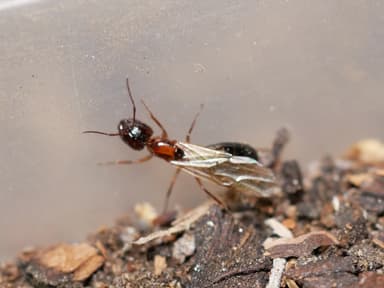
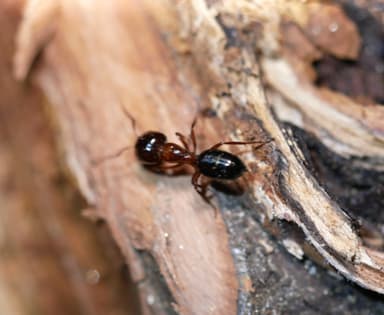
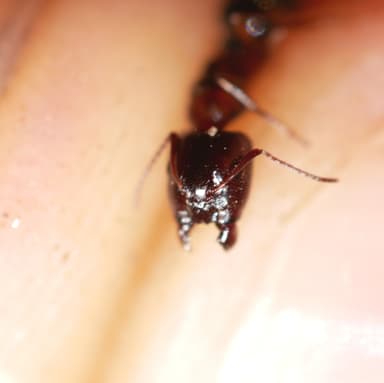
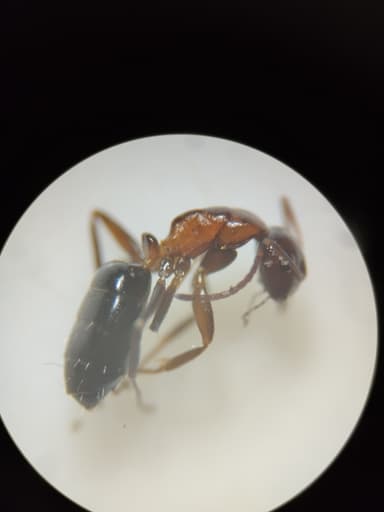
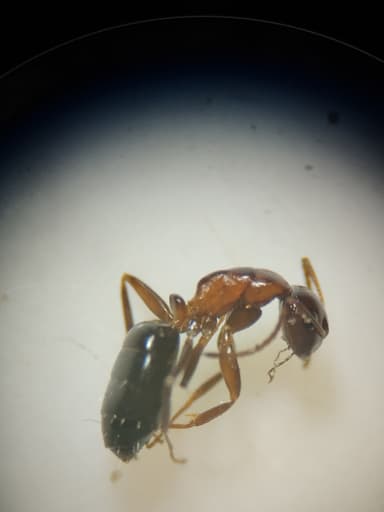
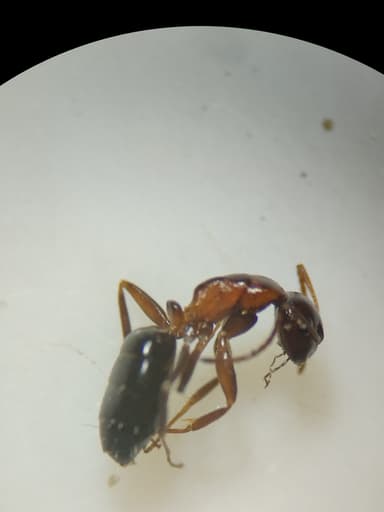
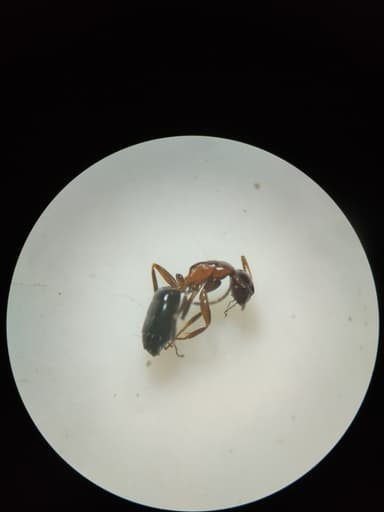
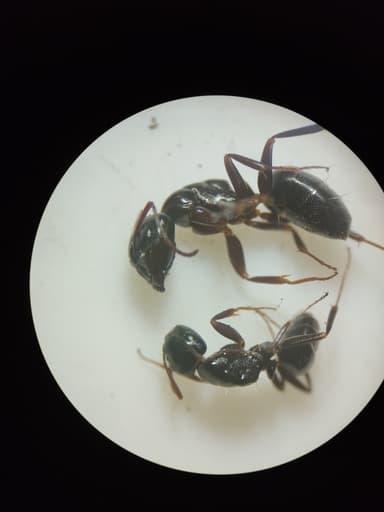
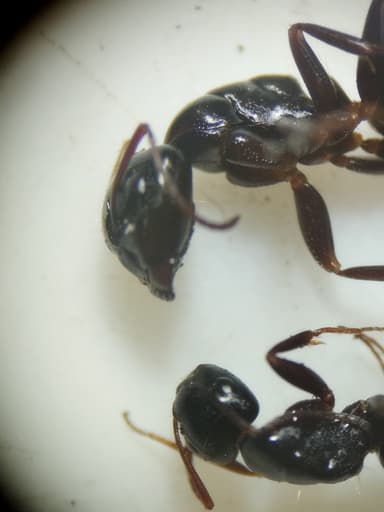
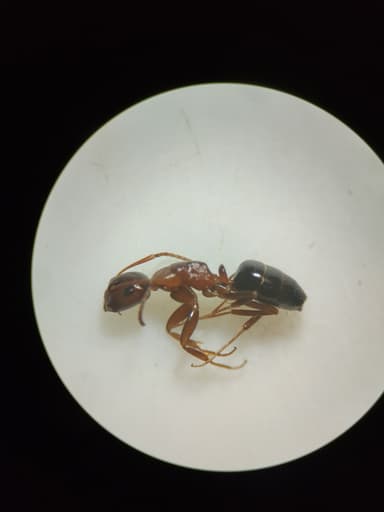
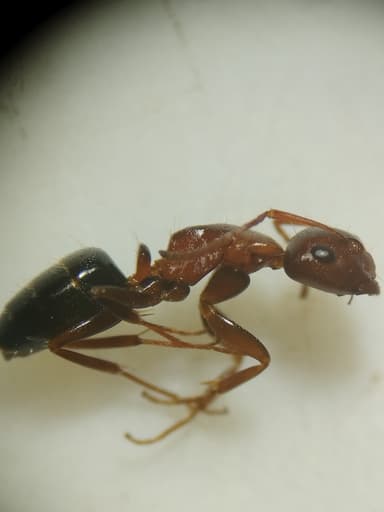
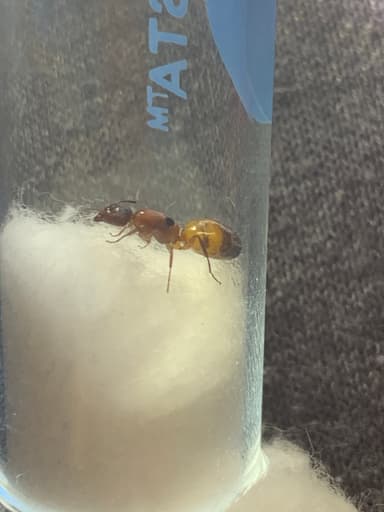
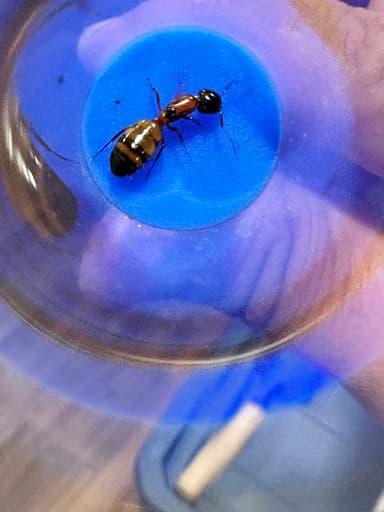
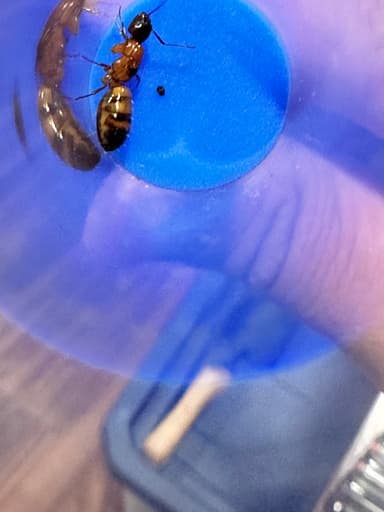
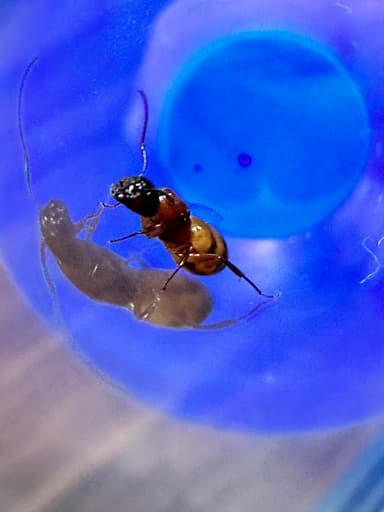
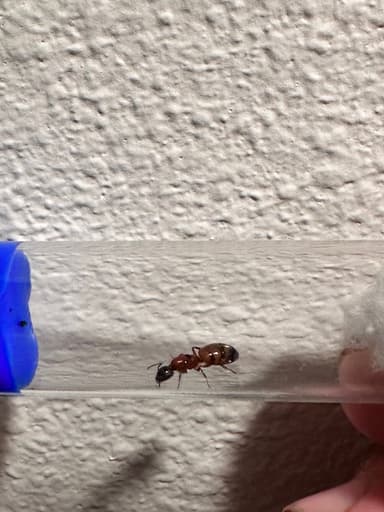
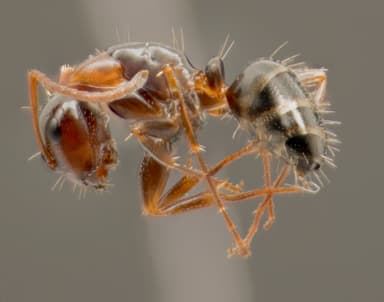
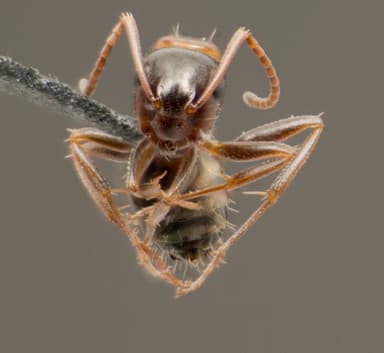
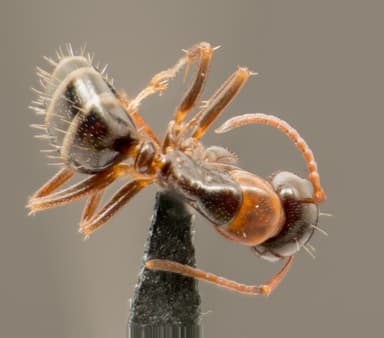
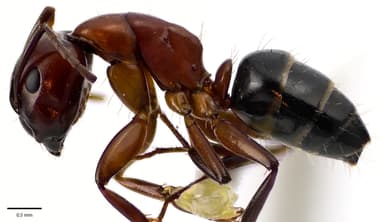
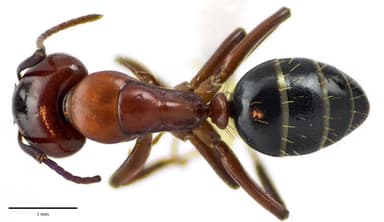
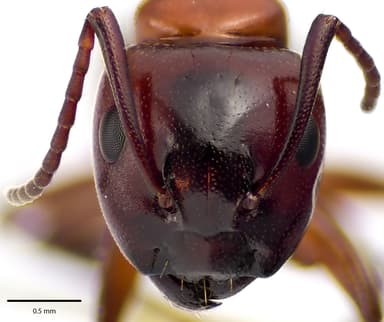
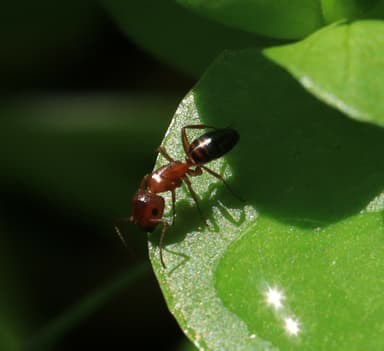
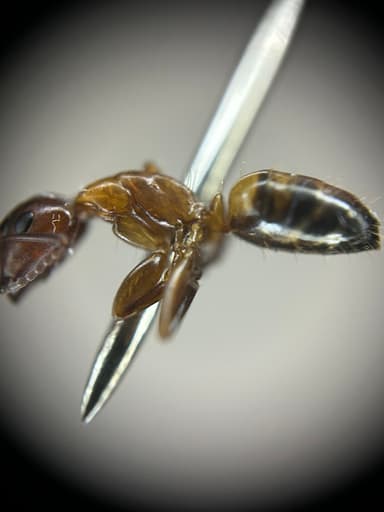
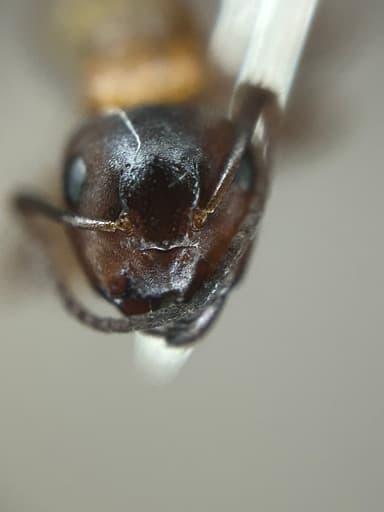
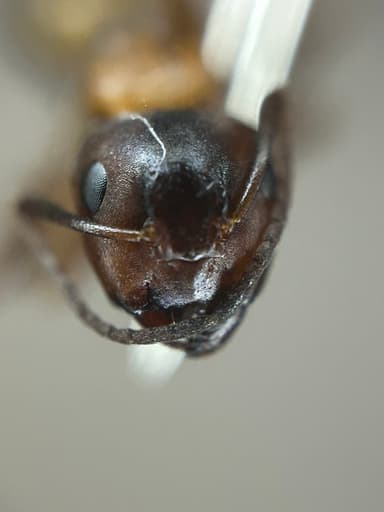
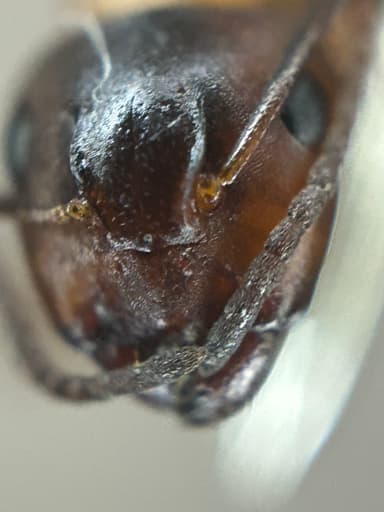
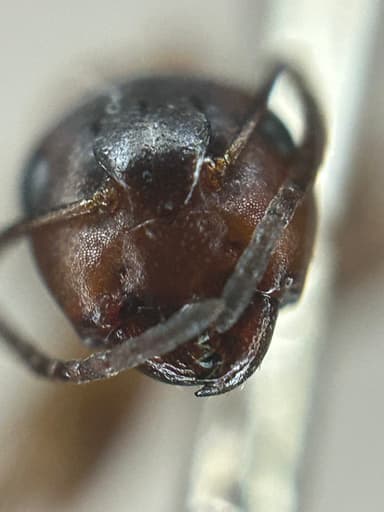
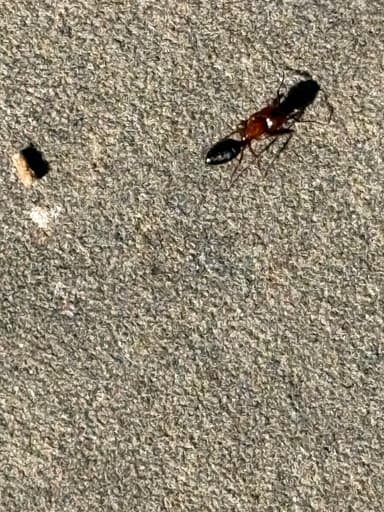
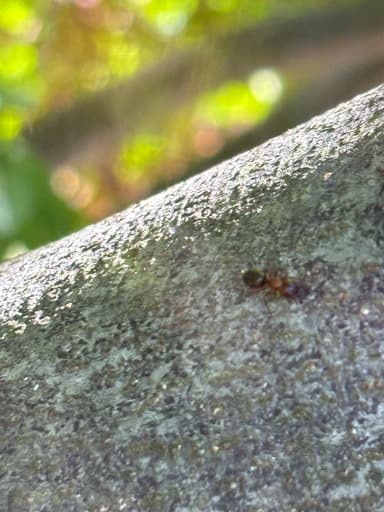
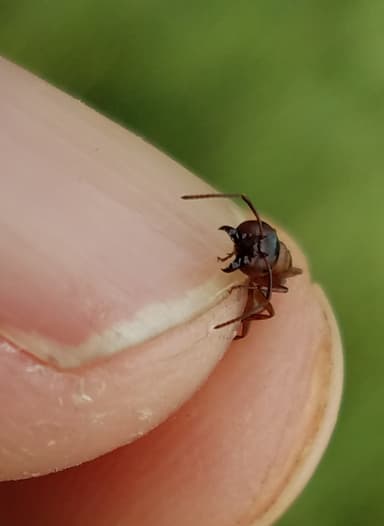
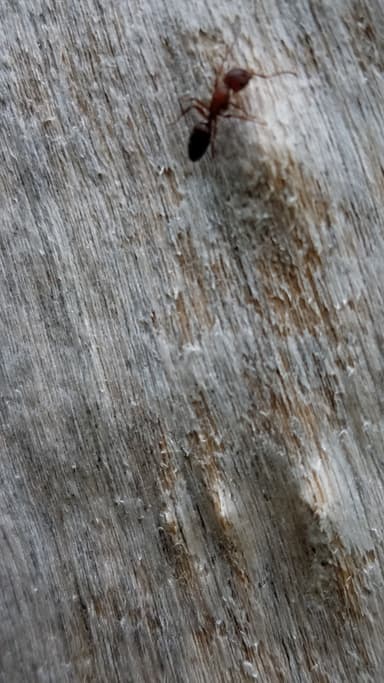
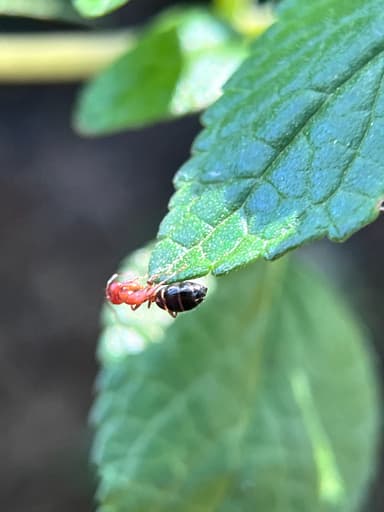
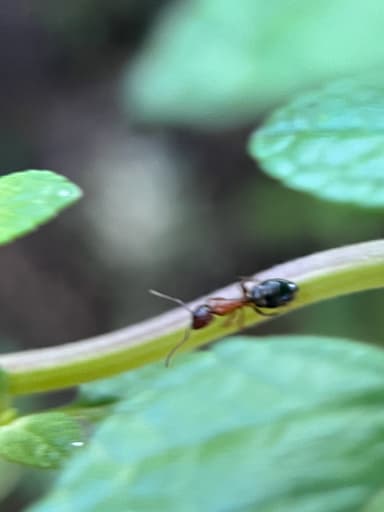
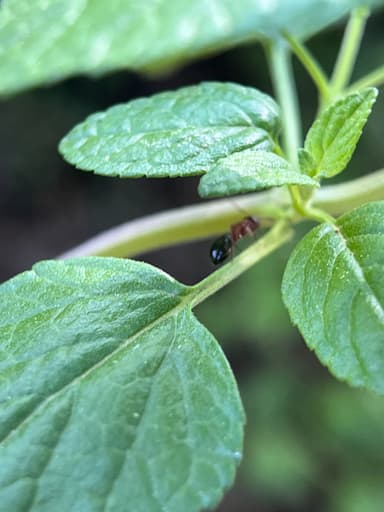
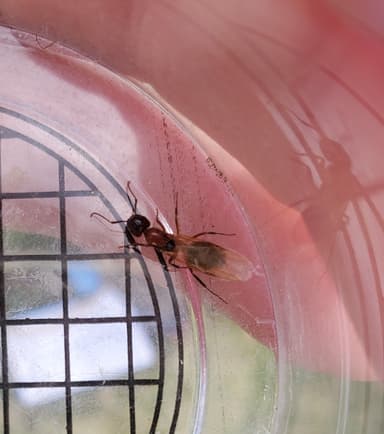
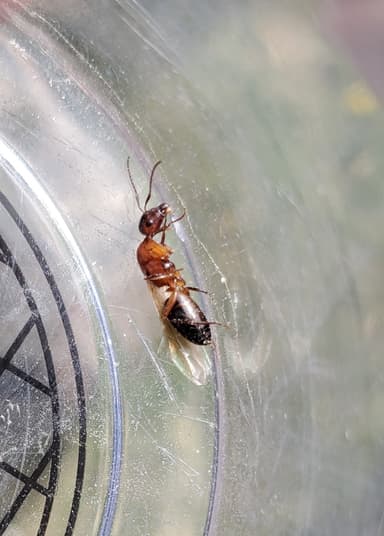
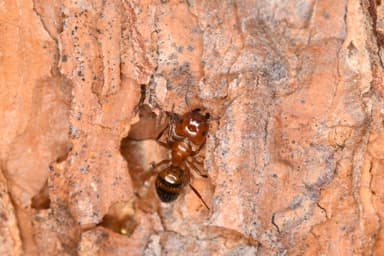
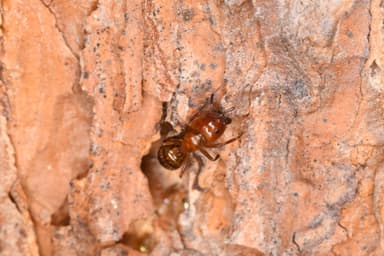
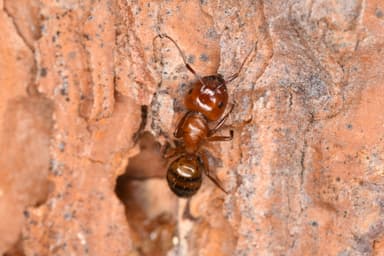
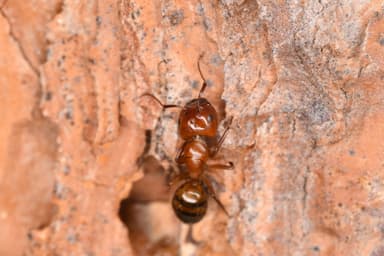
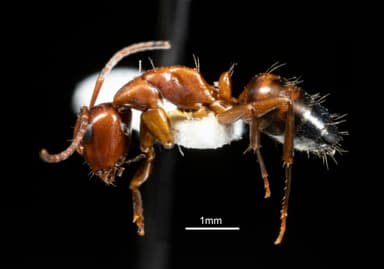
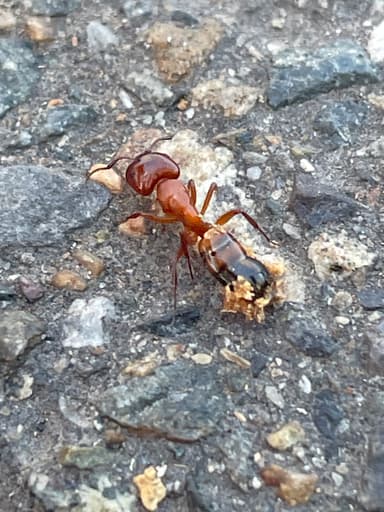
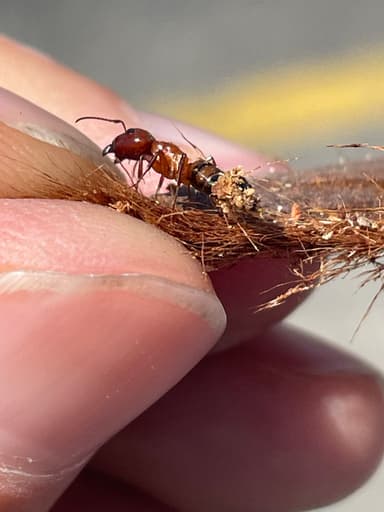
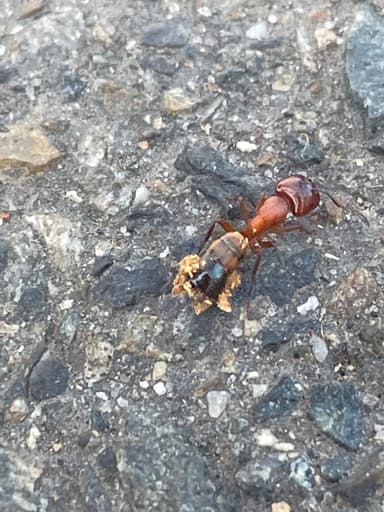
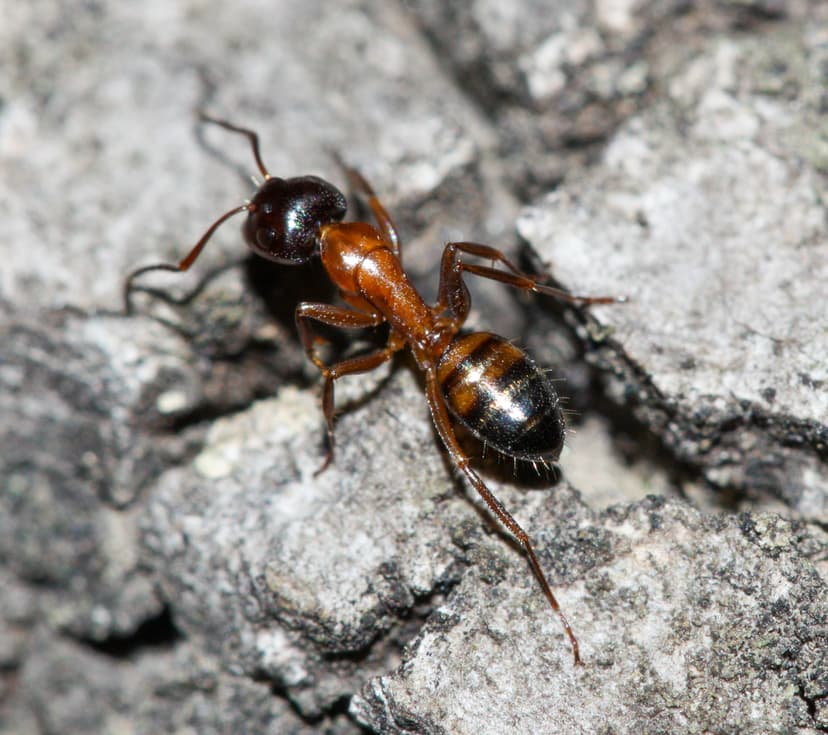
Camponotus essigi, a carpenter ant native to the dry foothills and coastal woodlands of California and adjacent western states (ranging from roughly 32.5°N to 42°N latitude), is a rewarding species for the keeper who appreciates understated elegance and a calm, slow-growing colony. Queens measure a robust 9–11 mm, while the polymorphic workers span 4–8 mm, with two distinct physical castes: slender, agile minors and noticeably larger, broad-headed majors that serve as living food stores and defenders. A mature colony can number up to around 3,000 individuals, a modest size by Camponotus standards, yet still impressive in a display setup. What makes C. essigi particularly interesting is its adaptation to California’s Mediterranean climate — enduring wet winters and long, dry summers — reflected in a lifecycle tightly coupled to seasonal rhythms, including obligate hibernation and nuptial flights that take place on warm, dry afternoons following spring rains, likely between May and July (though documented observations remain sparse; Snelling 1988, AntWiki). This species is fully claustral, meaning a newly mated queen requires no food until her first workers emerge, simplifying the founding stage enormously.
As an intermediate-level species, Camponotus essigi is best suited to keepers who have successfully maintained simpler ants and are ready to manage seasonal temperature shifts. It is not particularly fragile, but its requirement for a cool, sustained hibernation and its potential for chewing through softer barrier materials demand a setup with escape‑proof containment and a reliable cooling method. Beginners may find the hibernation logistics daunting, while advanced keepers will appreciate the colony’s predictable annual cycle and the subtle beauty of its workers. The colony grows steadily rather than explosively, so patience is a virtue; major workers typically appear only once the colony has reached a few hundred individuals, and the full spectacle of polymorphism takes time to develop.
Proper housing for C. essigi balances warmth with adequate ventilation and the slightly dry conditions they favour. A temperature gradient spanning 18–28°C during the active season works well — room temperature is often sufficient, but a gentle heat source in one corner of the nest encourages brood development without overheating. Humidity should be maintained between 40 and 60%, which is lower than many tropical ants require; this can be achieved with a water source in the outworld and periodic light misting of a portion of the nest, while avoiding persistent dampness that may promote fungal growth. Like all carpenter ants, they naturally excavate rotting wood, so a nest with wood chips, a ytong or plaster nest with cork inserts, or a wooden nest block will all be readily accepted as long as the humidity gradient is stable. A minimal sand or soil substrate in the foraging arena helps mimic their natural surroundings and facilitates waste disposal. Adequate ventilation is critical to prevent condensation, especially in plastic setups.
A varied diet is central to colony health. Camponotus essigi workers avidly collect both protein and sugars. Provide small live or freshly frozen insects — fruit flies, small crickets, mealworm pieces — at least two to three times a week, removing uneaten remains promptly to avoid mold. Carbohydrates should be offered as dilute honey water or sugar water (around 1:3 sugar to water) in a small, spill-proof feeder; these ants will also appreciate occasional slices of ripe fruit. Fresh water must always be available, ideally in a test tube setup within the outworld, as these ants can drown easily in open pools. The diet directly influences brood production and the physical size of worker castes, so a high-quality protein supply is especially important during the spring pulse of growth after hibernation.
An unskippable aspect of C. essigi husbandry is winter dormancy. In the wild, the species experiences cool temperatures across its range; without a proper hibernation at around 10°C for at least two to three months, the queen’s egg‑laying rate declines, workers may become restless, and overall colony longevity suffers (Mackay & Mackay 2002). The transition should be gradual: as autumn approaches, reduce food offerings and lower the temperature over a couple of weeks until the nest holds steady at the target 10°C. During this period, the ants will cluster and remain largely inactive. Provide a small water source to prevent desiccation, but do not feed them. When spring arrives, warm them back up slowly over a week, and offer a first tiny sip of sugar water to revive the colony before resuming normal feeding. This seasonal rhythm fortifies the colony and triggers the queen’s renewed egg production.
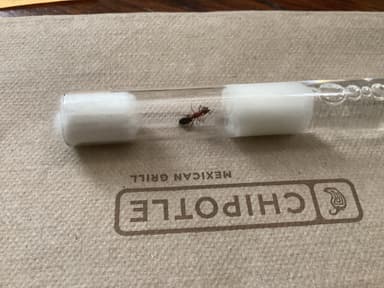
When your Camponotus essigi colony first arrives, minimal intervention is the rule. Place the test tube or nest in a quiet, darkened area within the recommended temperature range and resist the urge to check for at least 24 hours, allowing them to recover from transit stress. If you receive a founding queen, she does not need food; simply ensure her water supply is intact and leave her undisturbed until the first nanitic workers appear, which may take six to eight weeks. For a small colony with workers, offer a tiny drop of sugar water after a day, and a single small insect piece after two days. Watch closely for signs of escape — these ants are skilled climbers and testers of boundaries, so verify that all barrier fluids or tight‑fitting lids are secure. Do not move them into a larger nest until they number at least 20–30 workers, as too much space can overwhelm a young colony. A quiet start builds the foundation for a flourishing, long‑lived display that will reward careful observation with glimpses into the fascinating social life of a California native carpenter ant.