Camponotus
Camponotus dalmaticus
Nuptial Flight Calendar
Flight months: Apr, May, Jun, Jul, Aug
Care Guide
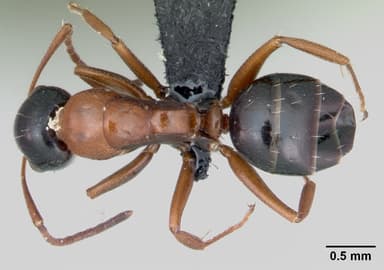
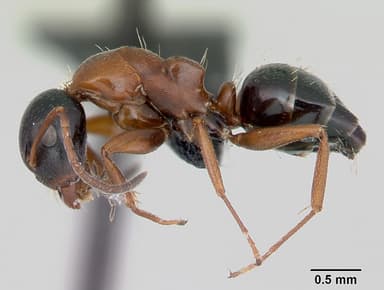
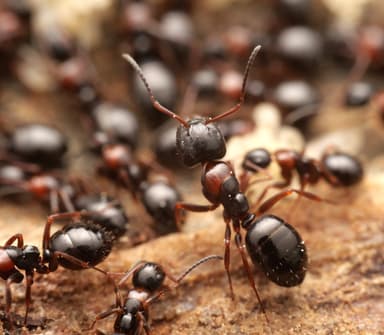
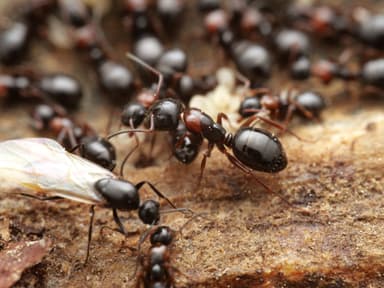
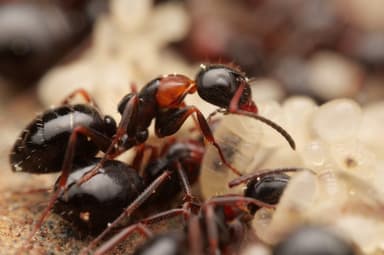
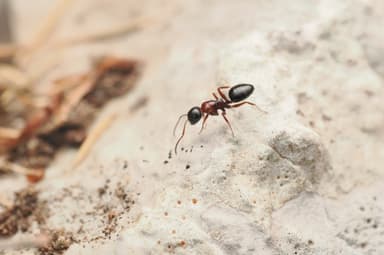
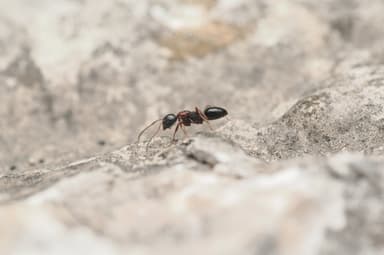
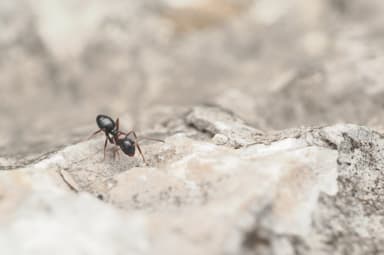
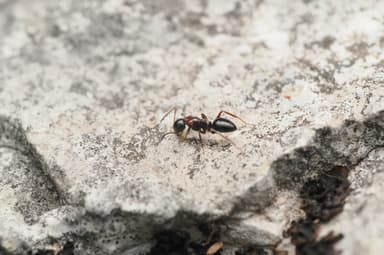
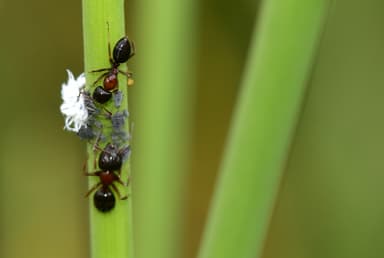
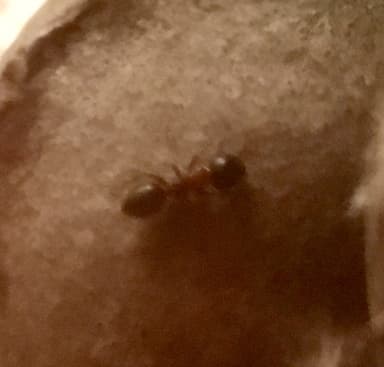
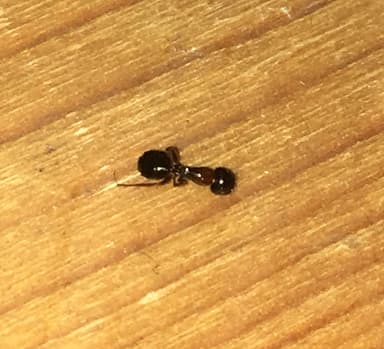
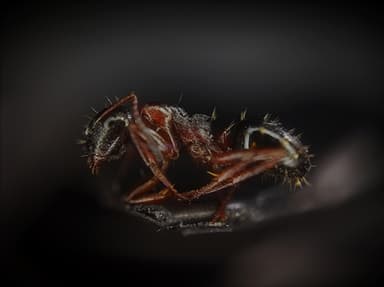
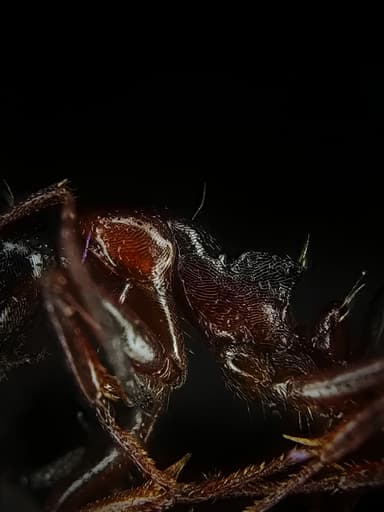
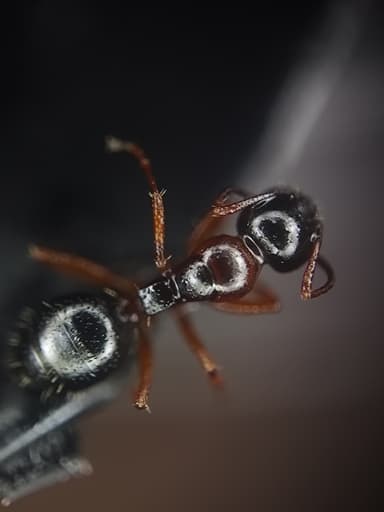
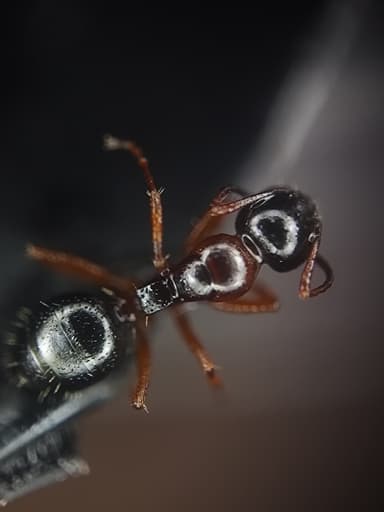
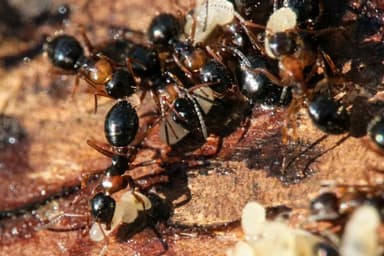
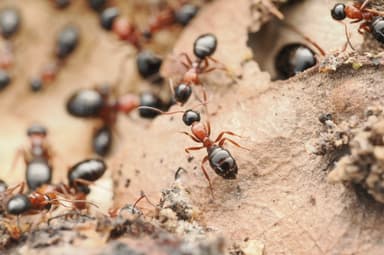
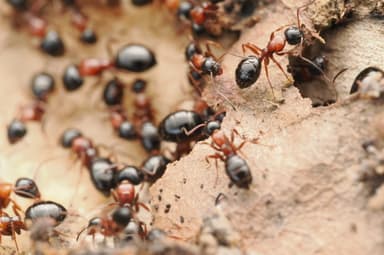
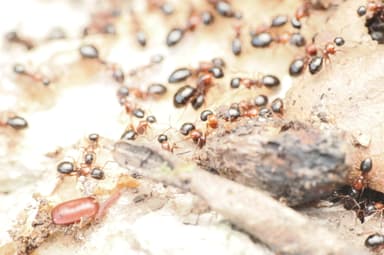
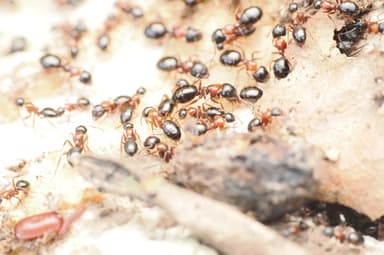
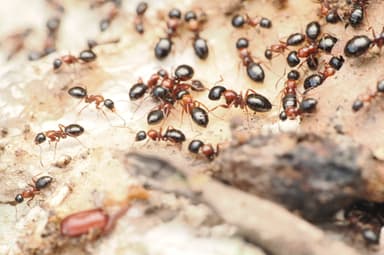
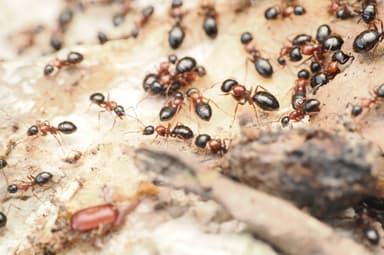
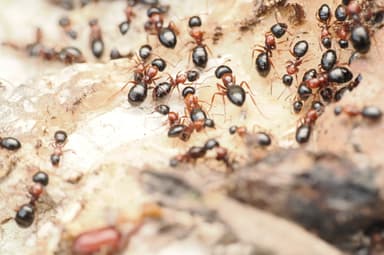
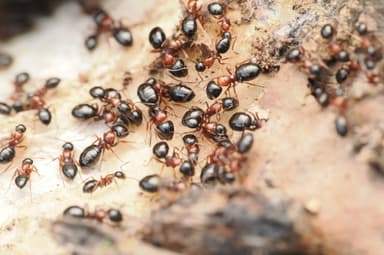
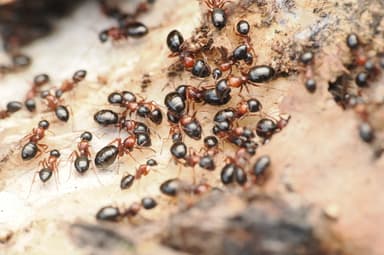
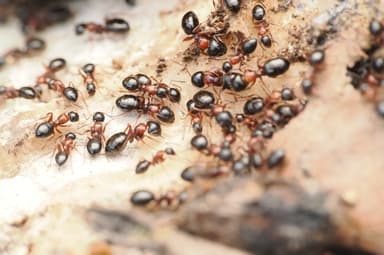
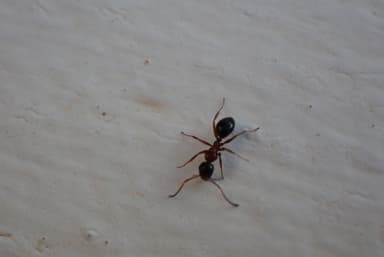
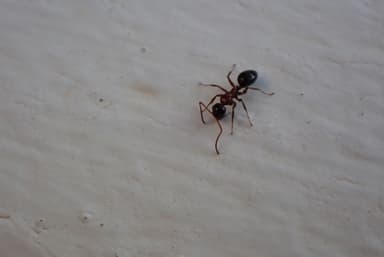
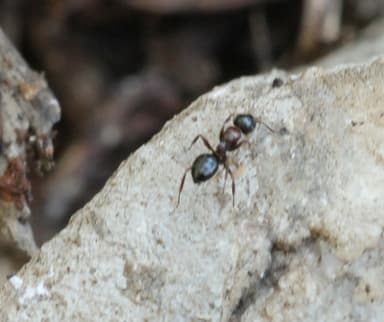
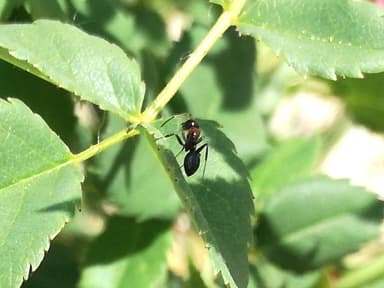
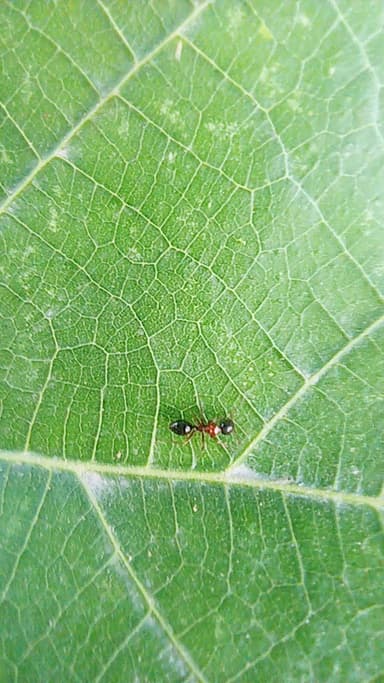
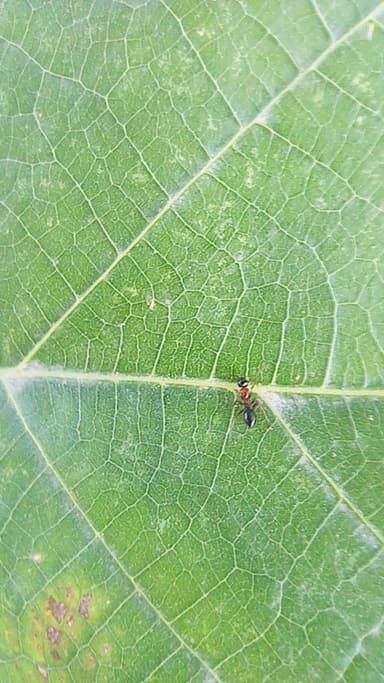
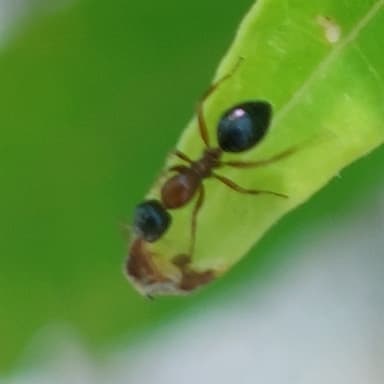
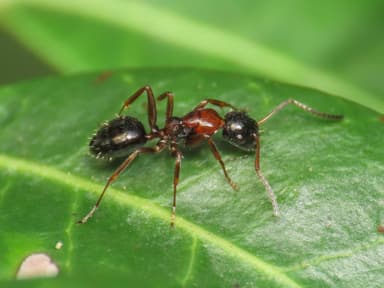
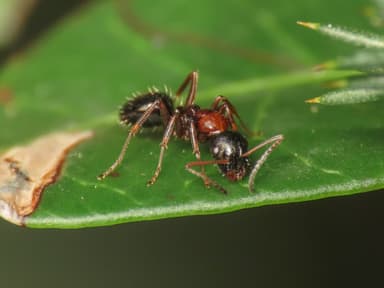
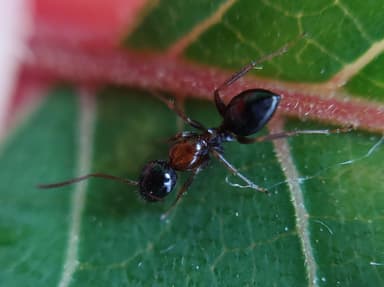
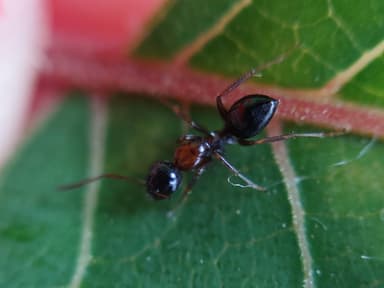
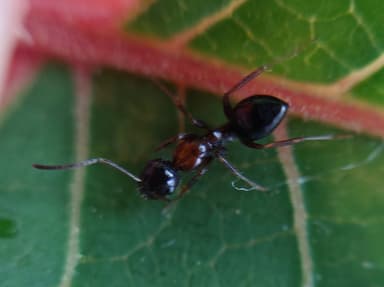
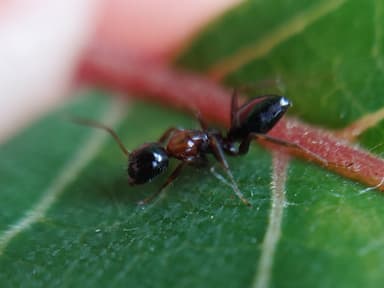
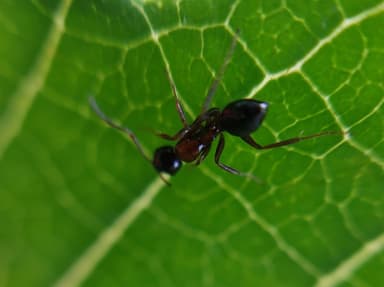
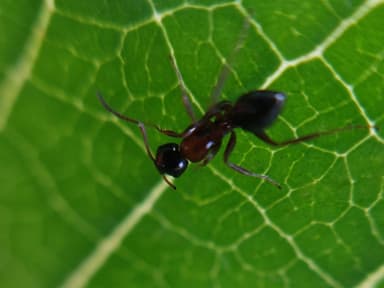
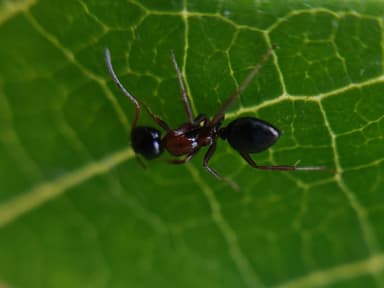
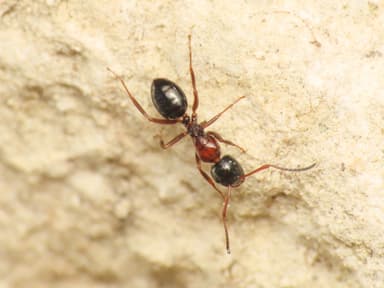
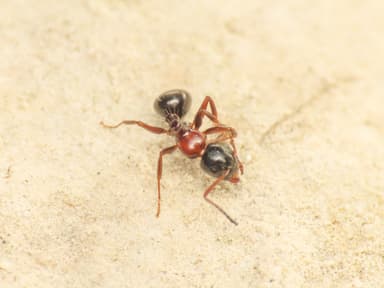
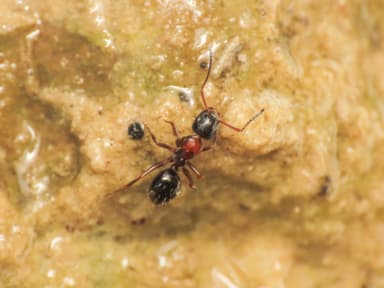
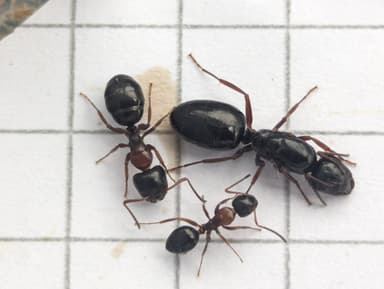
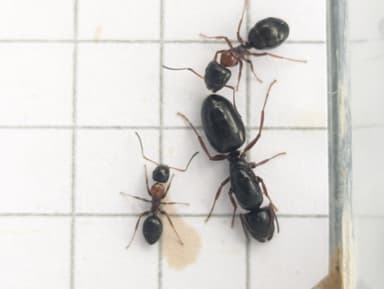
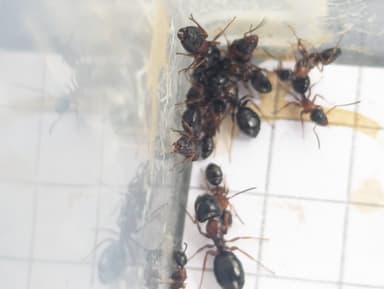
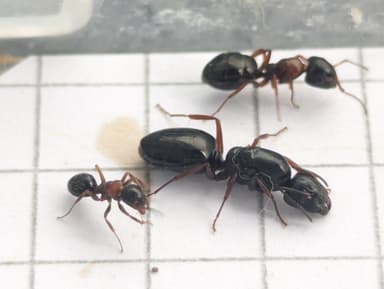
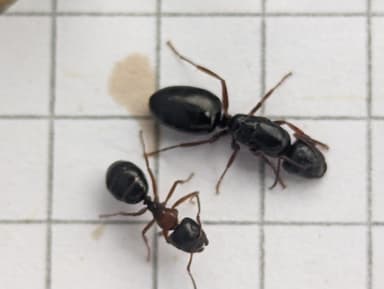
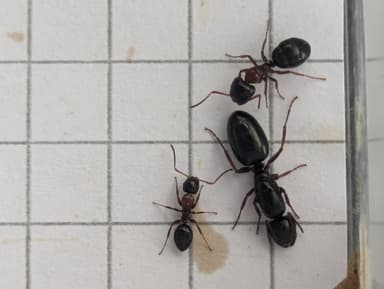
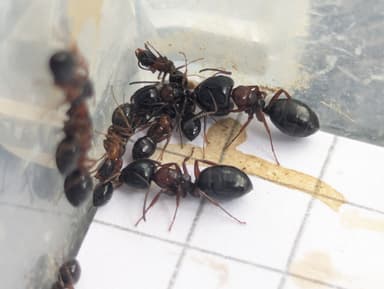
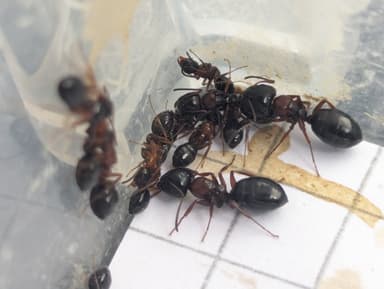
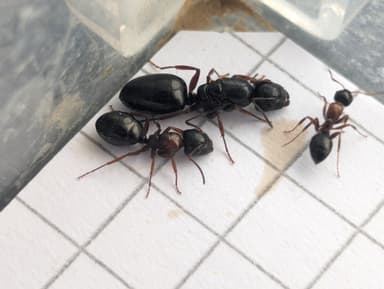
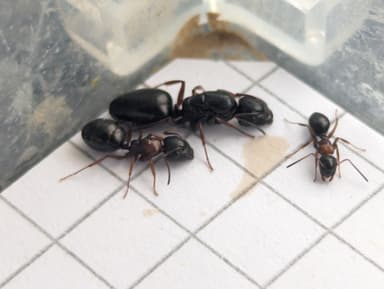
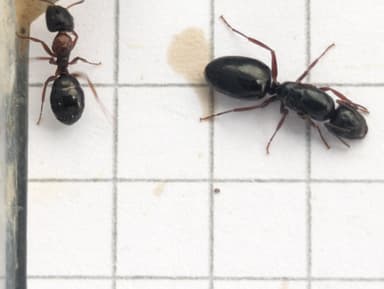
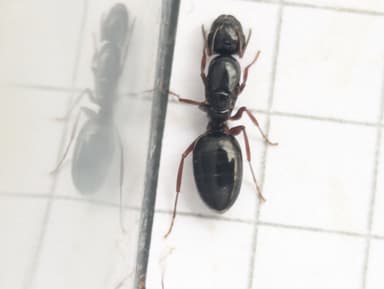
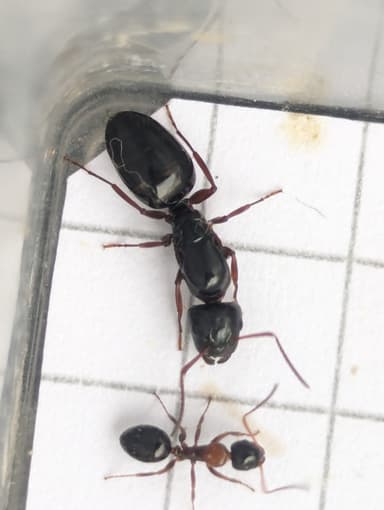
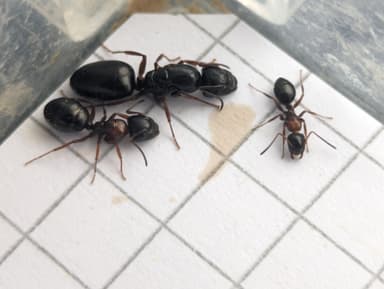
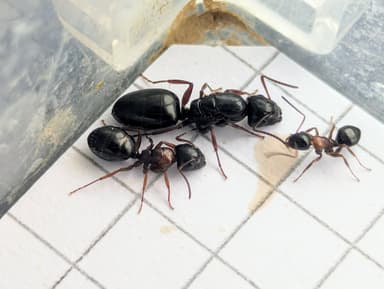
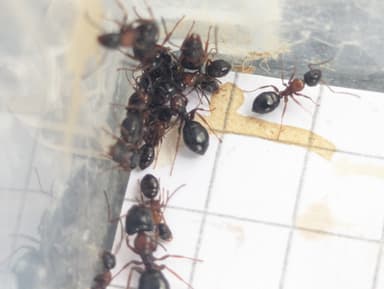
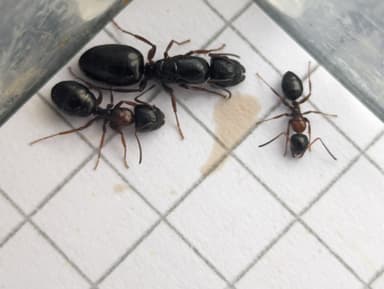
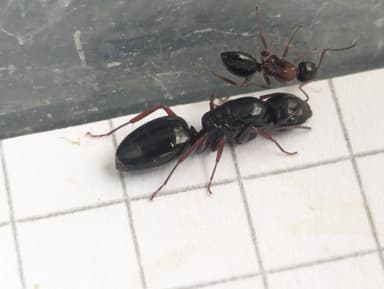
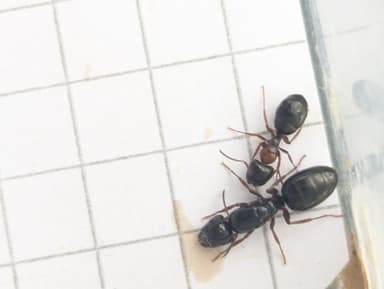
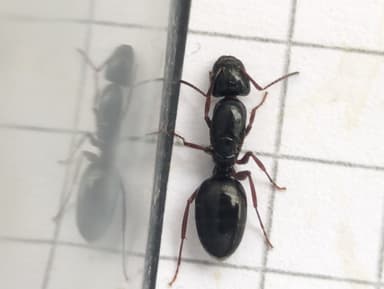
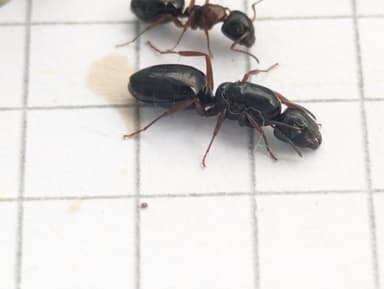
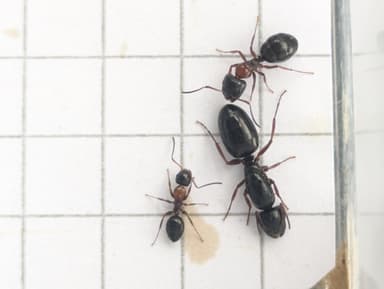
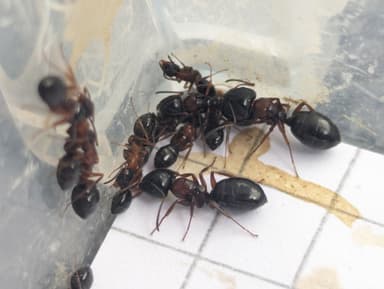
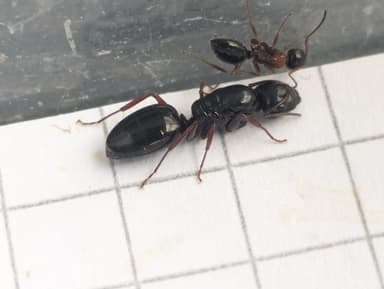
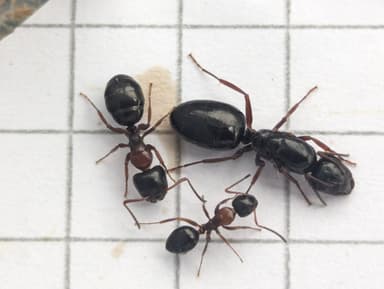
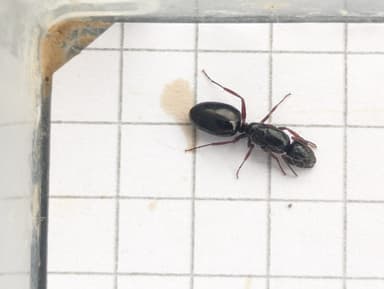
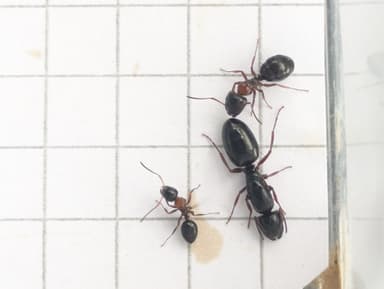
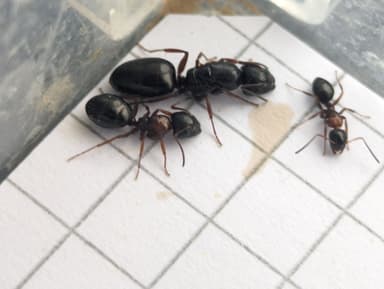
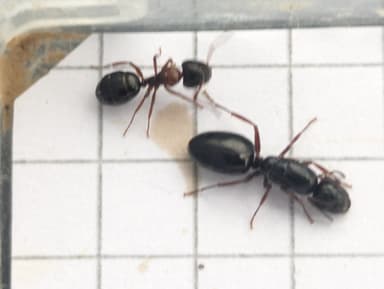
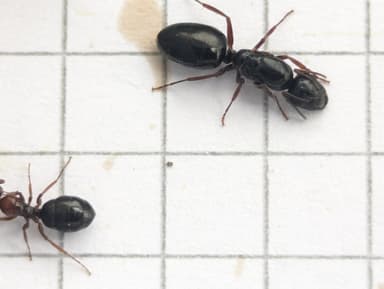
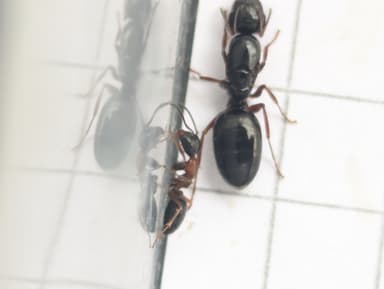
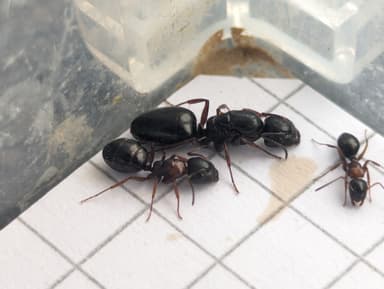
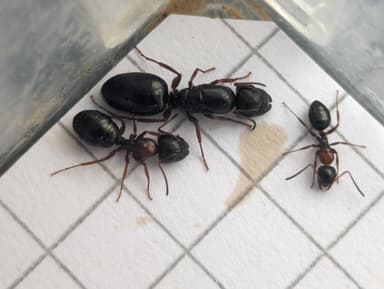
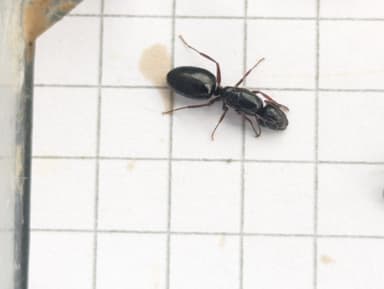
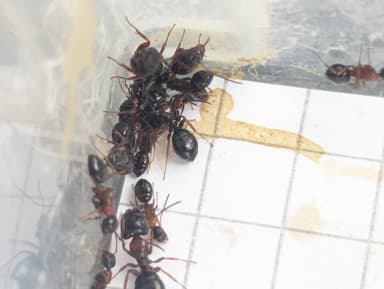
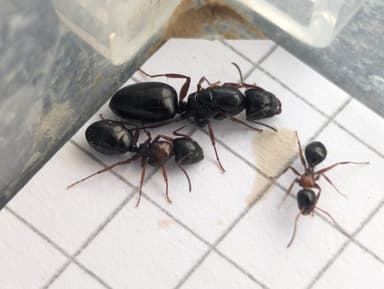
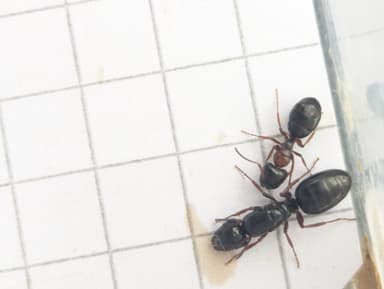
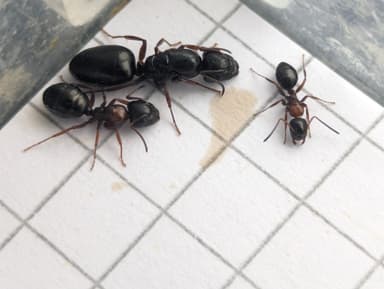
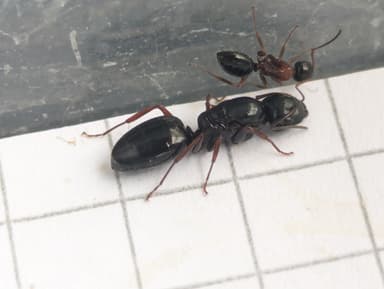
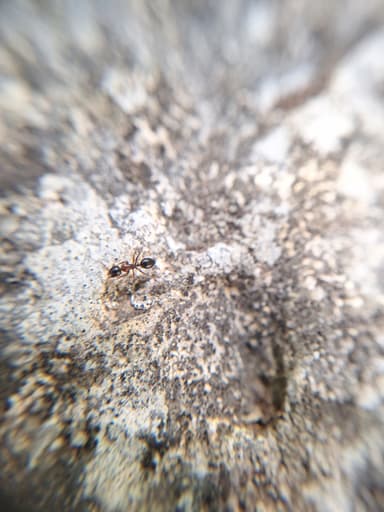
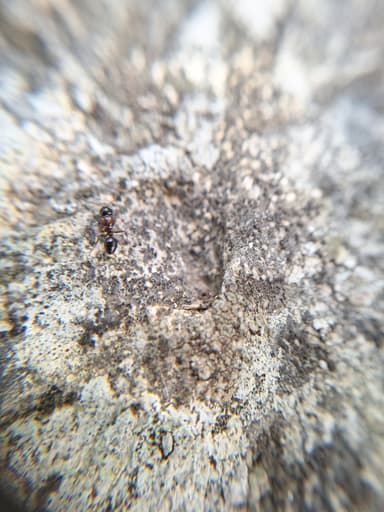
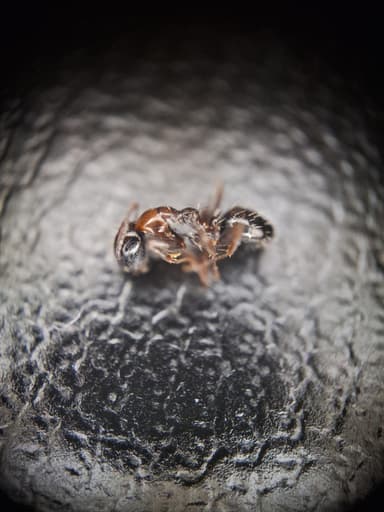
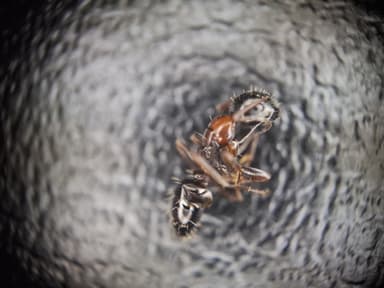
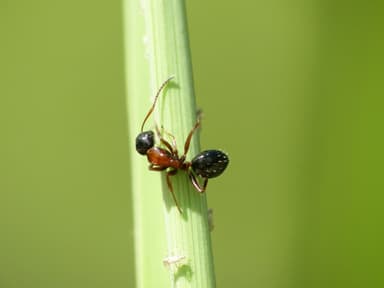
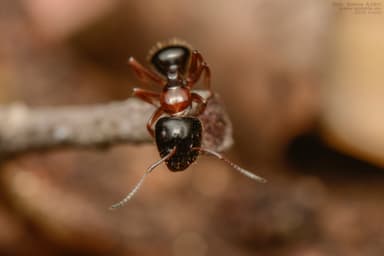
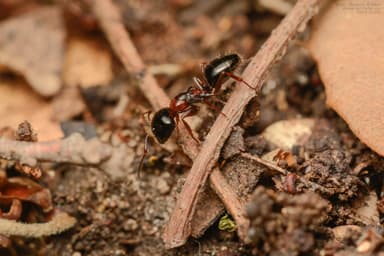
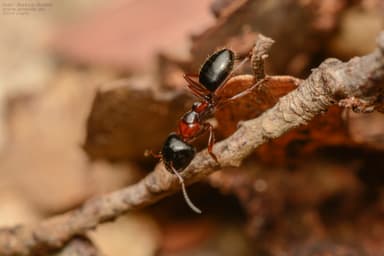
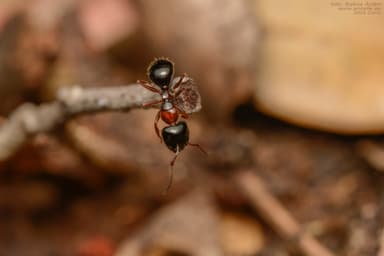
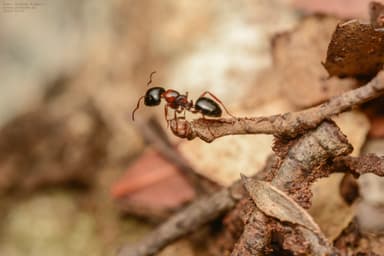
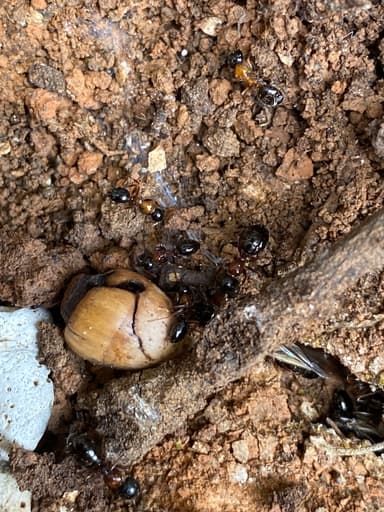
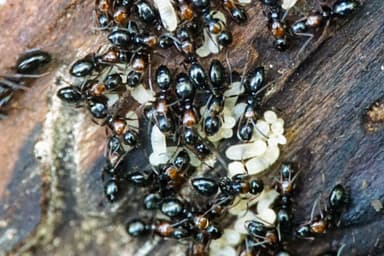
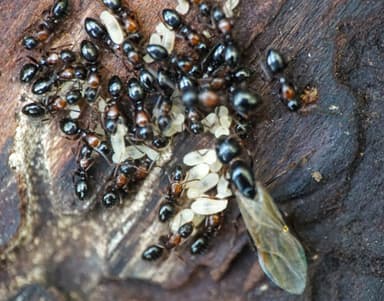
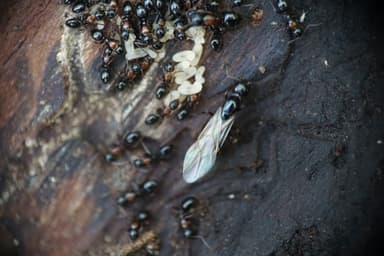
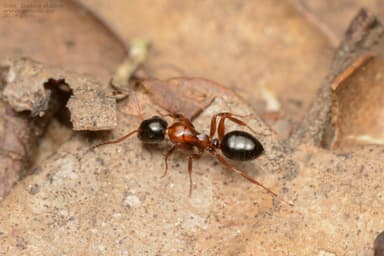
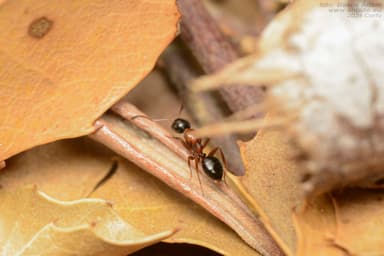
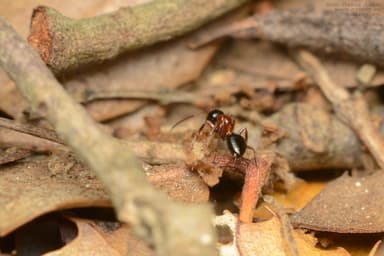
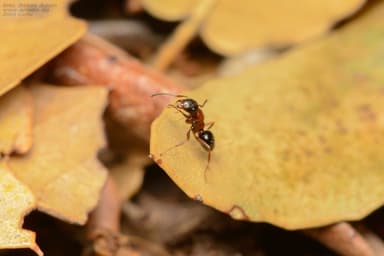
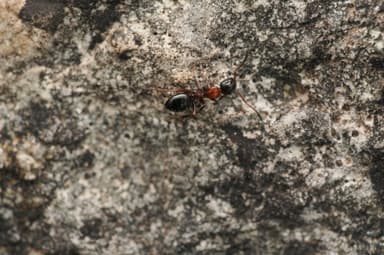
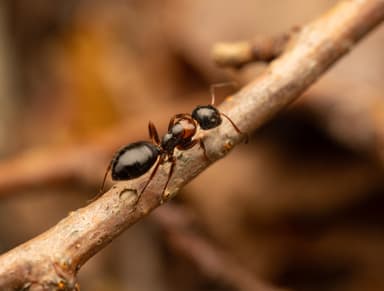
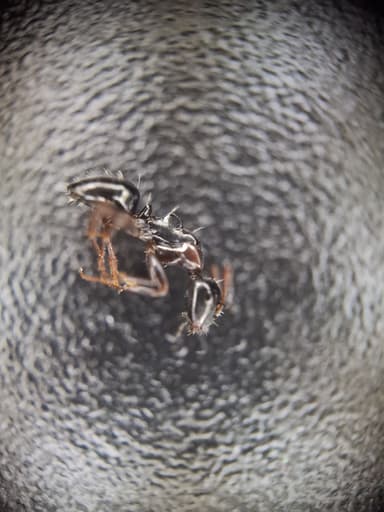
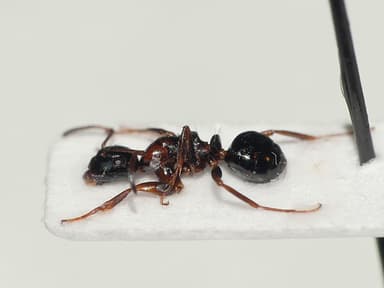
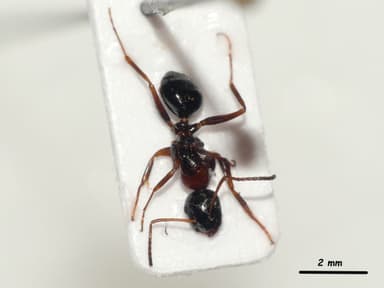
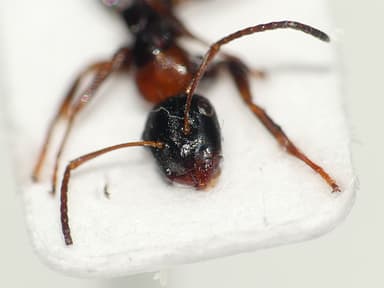
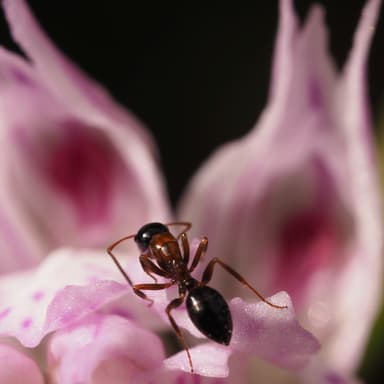
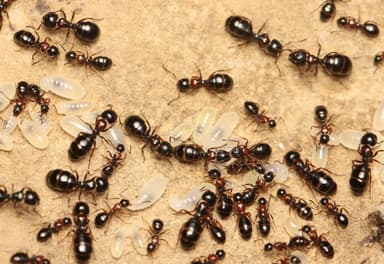
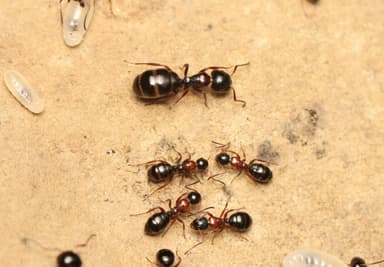
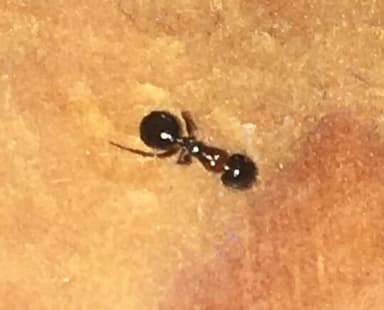
Camponotus dalmaticus is a distinctive carpenter ant of the Mediterranean basin, found from the coastal Balkans across to Italy and the Adriatic islands, with isolated records as far north as the Alps. Queens measure a robust 12–14 mm, while the polymorphic workers range from a delicate 5 mm in the minor caste to a formidable 11 mm for the large, broad-headed majors, a trait that immediately signals the species’ division of labor. The colony is monogynous and populations can swell to around 10,000 individuals at maturity, a manageable but lively community that rewards the keeper with a visible gradient of worker sizes. Their coloration is elegant: a deep, glossy black body is often accented by a subtle brownish tinge on the gaster and legs, and the majors’ oversized mandibles and squared heads give them a guard-like presence. Founding is fully claustral, meaning the queen seals herself away and raises her first brood solely from her own metabolic reserves, a process that demands patience but is deeply satisfying to observe once the nanitics appear. What makes C. dalmaticus particularly interesting is its combination of a relatively compact colony size for a Camponotus species and its adaptability to the warm, dry summers and cool winters of its native range, a rhythm that the keeper must replicate faithfully (Seifert 2018).
With a care rating of intermediate, this ant is best suited to keepers who have already gained experience with a resilient beginner species and are ready to respect seasonal cycles. The challenge lies not in any demanding day-to-day routine but in the absolute requirement for a strict hibernation period and a consistently warm foraging arena during the active months. Novices might underestimate the importance of a cool winter rest, and failure to provide it will lead to a gradual decline in colony health and brood production. Someone who enjoys the Mediterranean biome and can maintain temperatures in the 22–30 °C range during spring and summer, with a corresponding drop to 12 °C for three to four months, will find this ant a resilient and long-lived companion. The colony’s moderate size and reluctance to sting make them safe to house in a dedicated ant room or a well-secured living space, provided escapes are guarded against, as the workers are adept climbers with a strong exploratory drive.
Housing should mimic the species’ natural nesting preferences for dry, warm microhabitats within rotting wood or under stones. A ytong, plaster, or grouted nest with a flat, modular design works excellently, as it allows humidity to be concentrated in one or two chambers while leaving the rest notably drier, a gradient that C. dalmaticus will actively use to move brood between zones. Nest humidity should hover around 40–60 %, with the lower end preferred for the main living quarters, while a test tube water source or a small external waterer can be provided for drinking. Temperature is critical: the outworld should be heated to 25–28 °C locally, with a cooler corner available, and the nest itself can be kept a few degrees cooler, as ants will relocate brood to their preferred thermal spots. The bounding box of occurrence data (GBIF) shows populations from 35° to 46° latitude, confirming that this ant experiences hot summers and cold, though not freezing, winters, so under-tank heating mats or a heat lamp in the foraging area are necessary tools, and a thermometer at nest level is essential for monitoring.
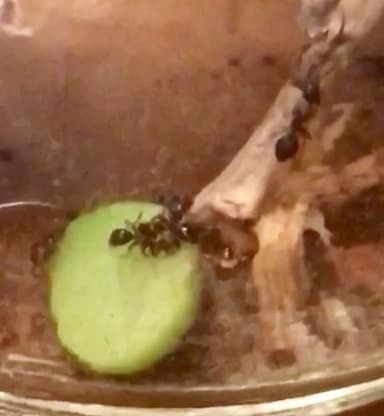
Diet follows the standard carpenter ant regimen with a leaning toward insect protein and sugary liquid carbohydrates. Workers eagerly accept small crickets, fruit flies, and mealworm pieces, with protein demand spiking when larvae are present; a colony with ample brood may consume several prey items daily. Carbohydrates can be offered as honey water, organic maple syrup, or sliced fresh fruit, but always in small, easily cleaned dishes to prevent drowning and mold. The majors, with their powerful mandibles, are often the first to dismember large prey, and watching them work is a highlight of husbandry. Water is vital and must be available at all times, either through a test tube setup or a moist cotton pad in the outworld. During the active season, feed the colony two to three times a week, removing uneaten leftovers within 24 hours to maintain hygiene.
Hibernation is non-negotiable. From late October to early March, the colony must be cooled gradually to a steady 12 °C, ideally in a dedicated wine cooler, a cold basement, or a carefully monitored garage. The queen will stop laying eggs, and the workers will cluster tightly; they should be kept in darkness and checked only occasionally for mold or extreme condensation. A small water source must remain available, but no food is needed during this rest phase. Failing to hibernate at the correct temperature can cause a steady attrition of workers or a queen that never resumes full egg-laying vigor. When spring arrives, warm the ants slowly over a week or two, and they will resume foraging and brood production with renewed energy, often initiating the largest brood pile of the year shortly after waking (Seifert 2018).
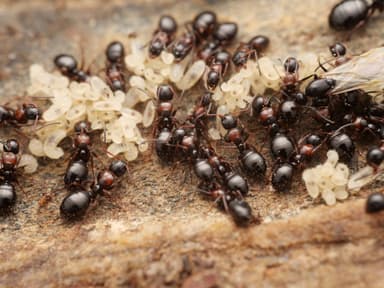
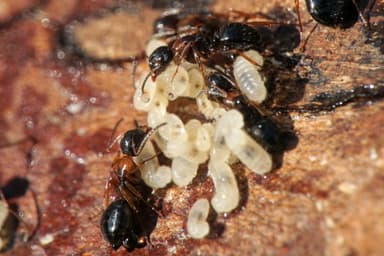
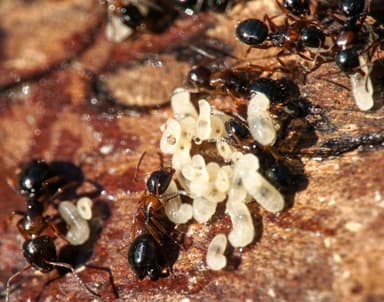
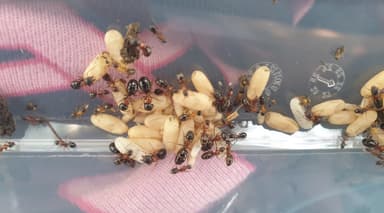
When your C. dalmaticus queen first arrives, she should be transferred as gently as possible into a standard test tube setup with a water reservoir and a slightly moist cotton plug, then placed in a dark, quiet space at around 24–26 °C. Do not disturb her for at least two to three weeks, as claustral queens are highly sensitive to vibrations and light exposure, which can cause stress and failure to lay. Once the first workers — tiny, pale nanitics — appear, you can move the tube into a small founding nest or connect it to a tiny outworld. The first feeding should be a minuscule drop of honey water placed on aluminium foil and a pre-killed fruit fly, offered at the entrance of the tube. Watch for the workers to venture out; if they ignore the food, remove it after a few hours and try again the next day. Early signs of a healthy colony include the queen calmly grooming her brood and workers methodically foraging. Caution: avoid the temptation to overfeed or to upgrade the nest too soon, as a small colony feels safest in tight quarters. With gentle, steady care, this elegant Mediterranean ant will establish itself and soon display the full splendor of its size polymorphism and intricate social rhythms.