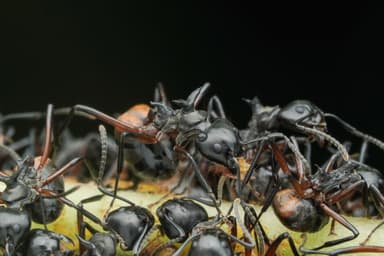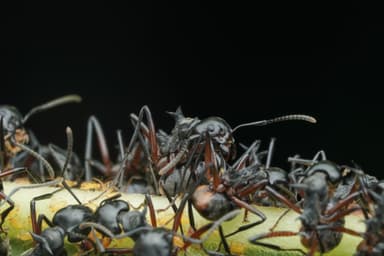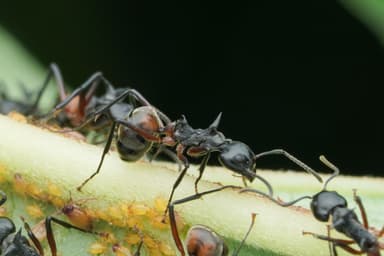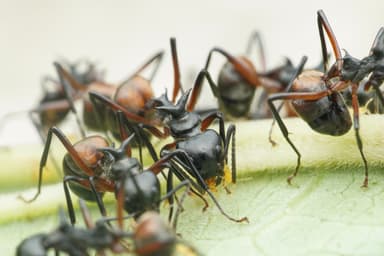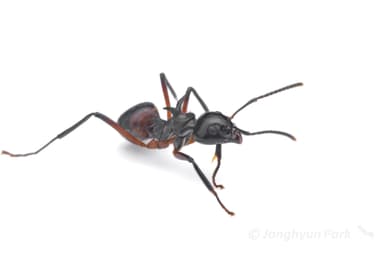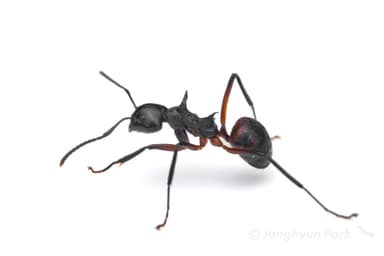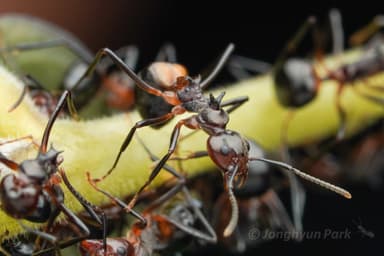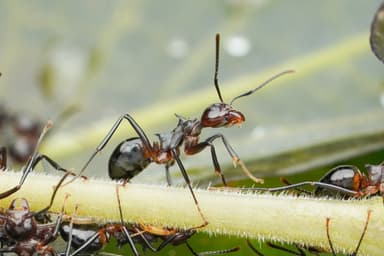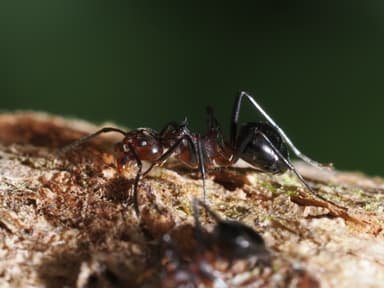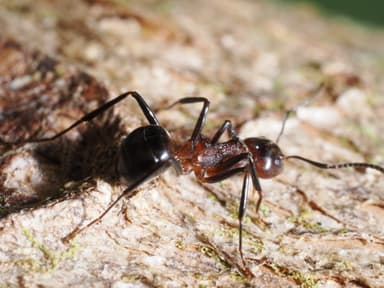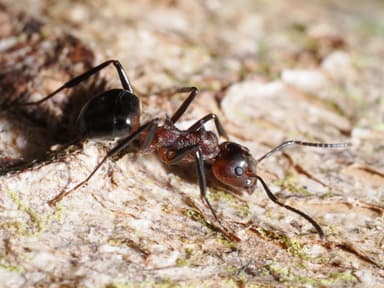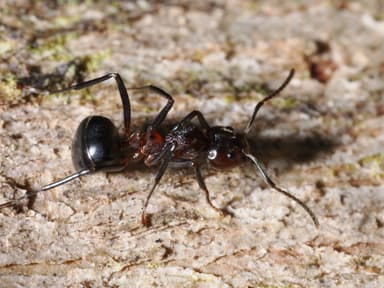
Dolichoderus
Dolichoderus cuspidatus
Care Guide
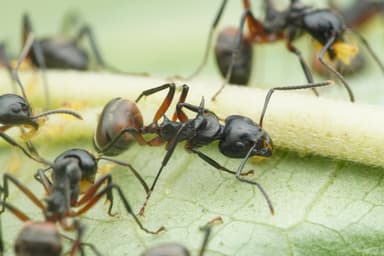
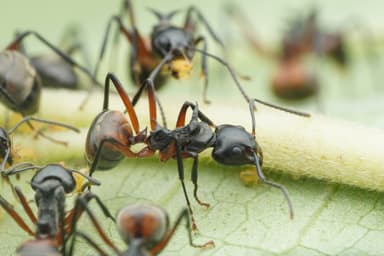
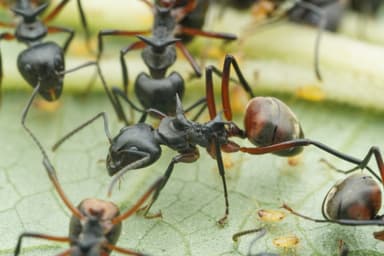
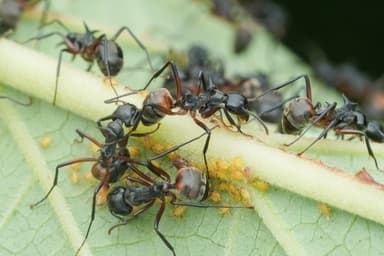
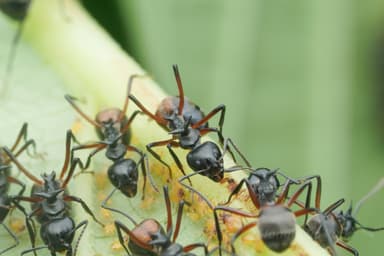
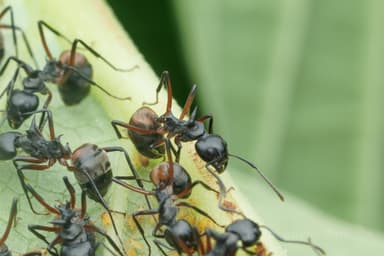
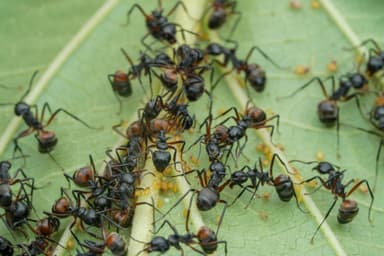
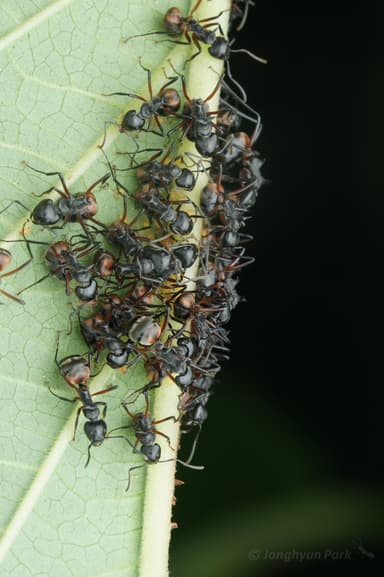
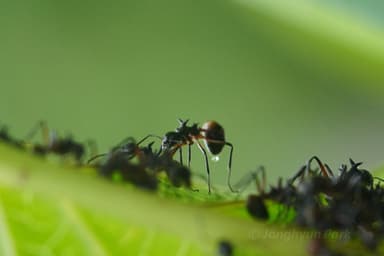
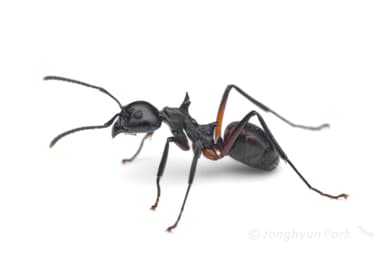
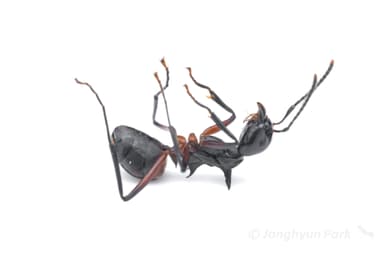
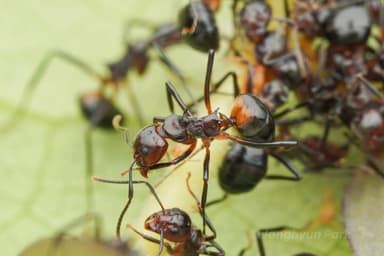
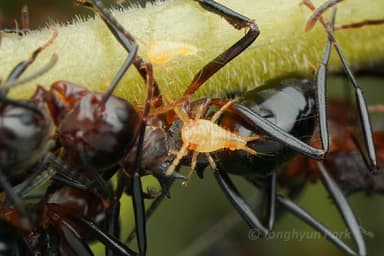
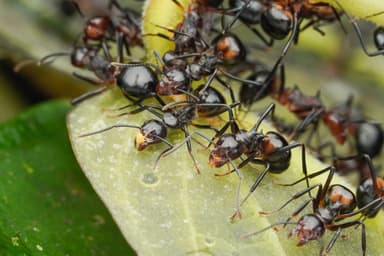
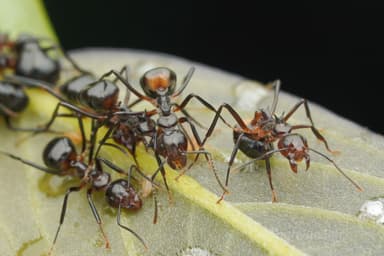
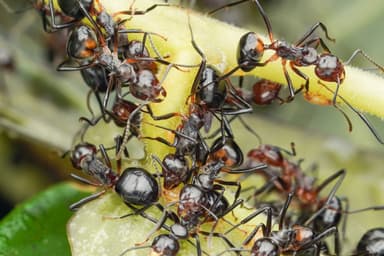
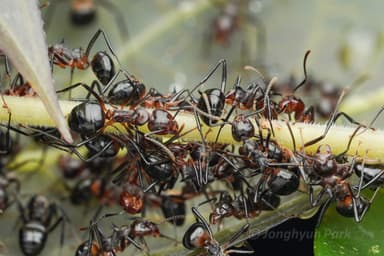
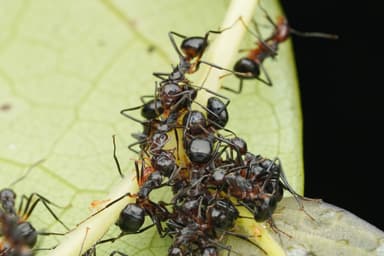
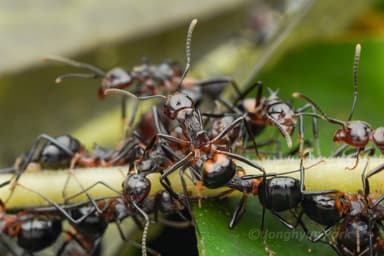
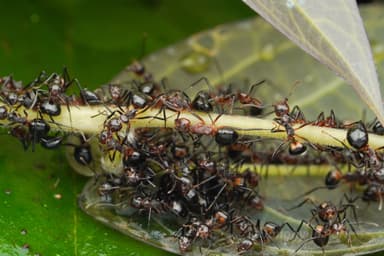
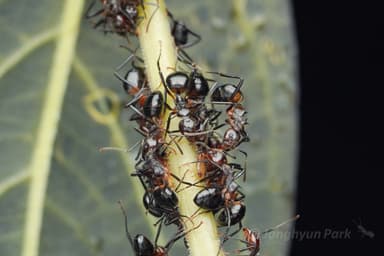
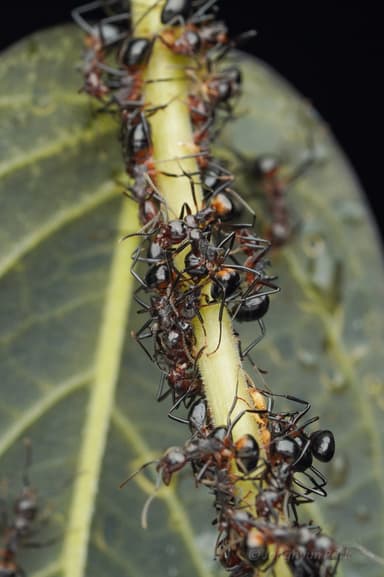
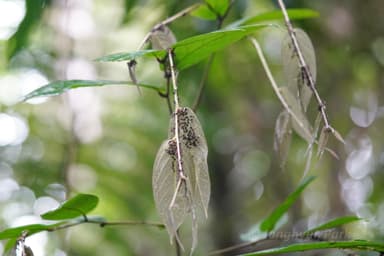
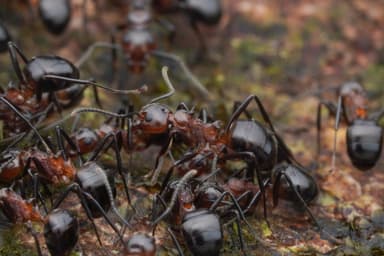
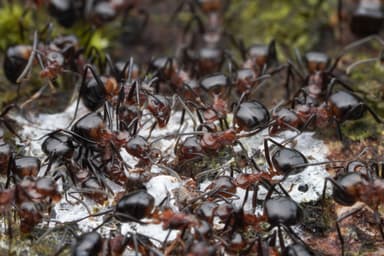
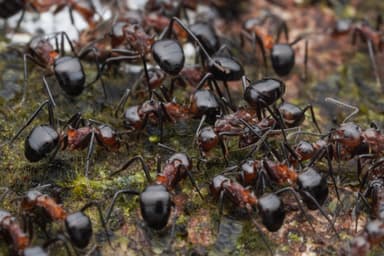
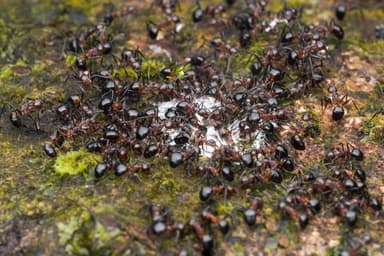
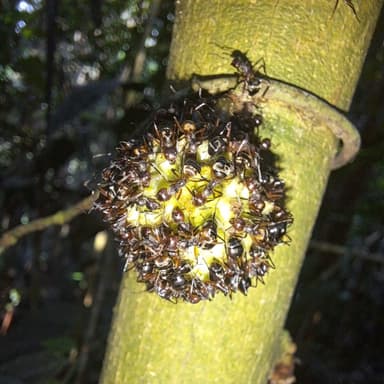
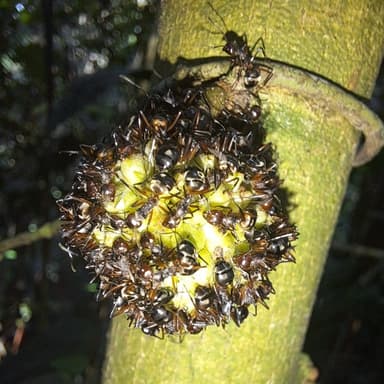
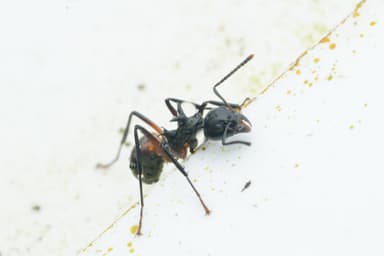
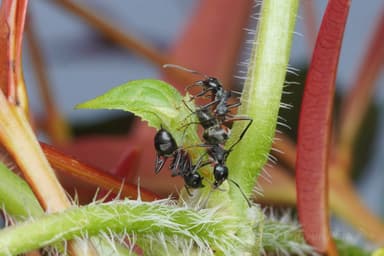
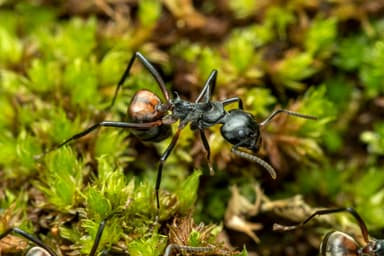
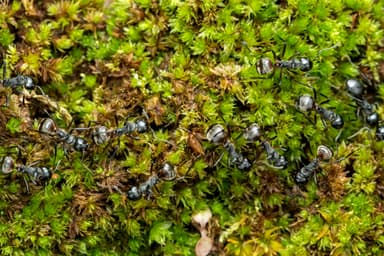
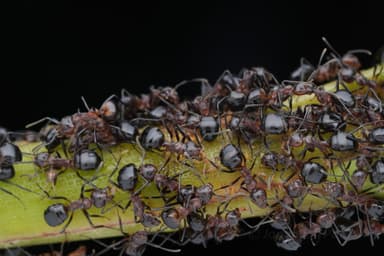
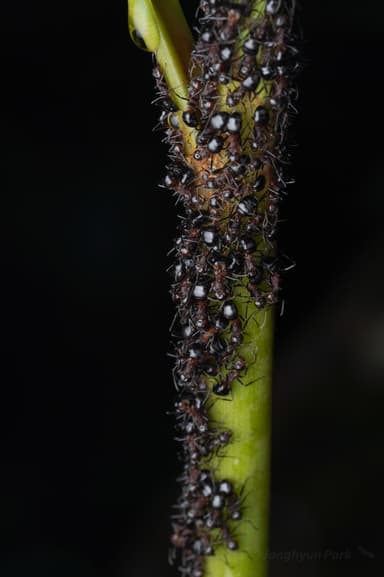
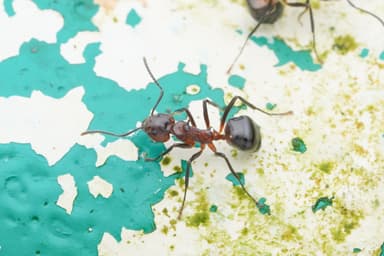
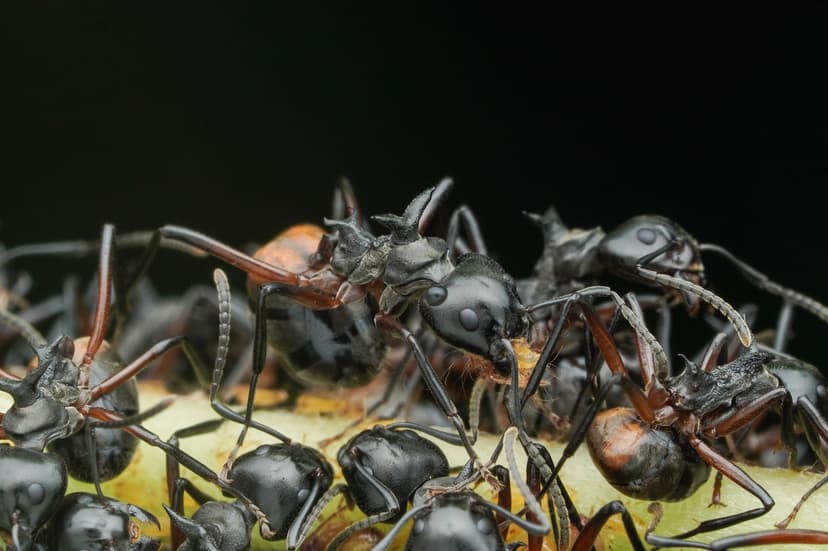
Dolichoderus cuspidatus is a medium-sized, graceful ant that forms moderate colonies of up to two thousand workers. The queen measures roughly four to five and a half millimeters, while the workers are slightly smaller, ranging from two to three and a half millimeters. The colony does not exhibit pronounced polymorphism – all workers are similarly sized, which makes for a tidy, uniform appearance in the nest. These ants are active and fast-moving, with a slender, glossy body and a reputation for being attentive to their brood and queen. Like many members of the genus, they thrive in warm, humid environments and are known to construct silk-reinforced nests in the wild, using larval silk to bind leaves together.
Care difficulty
Keeping Dolichoderus cuspidatus is rated at an intermediate level. The main challenges are providing consistently high humidity and maintaining the correct temperature range. They are not suited for beginners who prefer a low‑maintenance, drought‑tolerant species. However, for an enthusiast willing to monitor moisture and heat, they are immensely rewarding. Their claustral founding makes the early stage straightforward – the newly mated queen does not need feeding until the first workers emerge. Once the colony grows, feeding a varied diet of insects and sugar water keeps them healthy and active.
Housing
A formicarium for Dolichoderus cuspidatus must be kept warm – between 25 and 30°C year‑round – and very humid, ideally between 70 and 80 percent. This is best achieved with a well‑sealed nest area that can be periodically moistened, such as a plaster or clay nest, or a substrate that retains water. The outworld should be dry but with access to a water source. Because these ants do not hibernate, your colony will remain active all year, which means you must be prepared to maintain heat and humidity even during the colder months. Provide a nesting chamber that is dark, tight, and sheltered – Dolichoderus species appreciate snug, narrow spaces. Their diet consists of protein‑rich insects (such as fruit flies, crickets, or mealworms) and carbohydrate‑rich sugar water (honey water or a commercial ant nectar). Offer both regularly, and remove uneaten prey to prevent mold.
First days after purchase
When your Dolichoderus cuspidatus colony arrives, give them immediate peace. Place the test tube or formicarium in a quiet, dark spot and let the ants settle for at least 24 to 48 hours. Avoid bright light and vibrations. Check that the humidity inside the nest is already high – if the cotton plug or substrate feels dry, add a few drops of water to one side. Do not disturb the queen or attempt to move the colony for at least a week. Offer a small drop of sugar water and a single, tiny insect (like a pinhead cricket) near the entrance. Watch from a distance to confirm they are feeding. Over the next days, your colony will adjust to your home environment. With patient observation, you will soon see the first foragers exploring the outworld – a sure sign that your new ants feel at home.