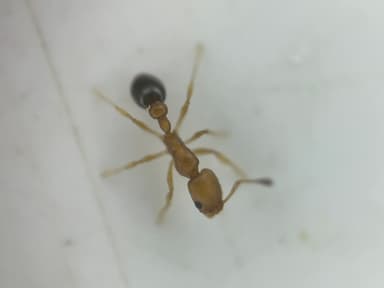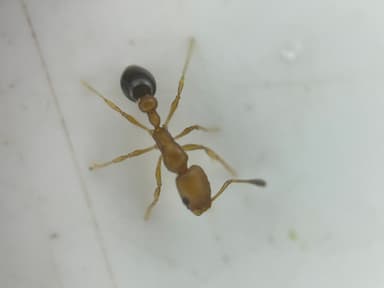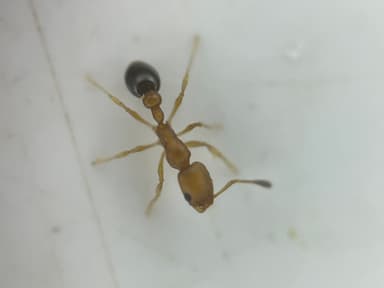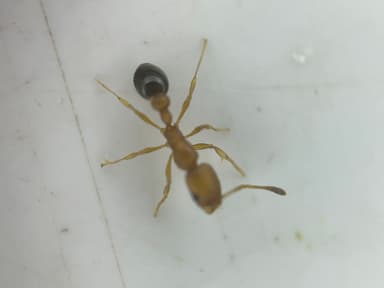
Cardiocondyla
Cardiocondyla obscurior
Care Guide
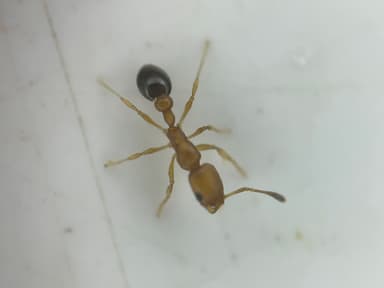
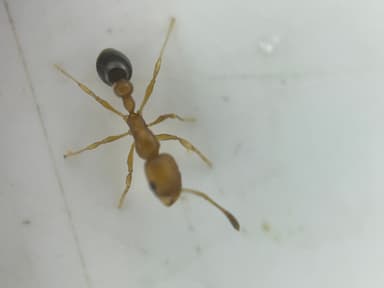
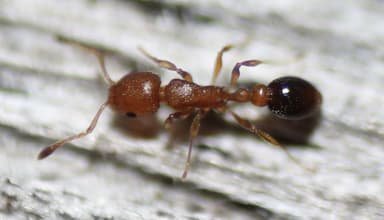
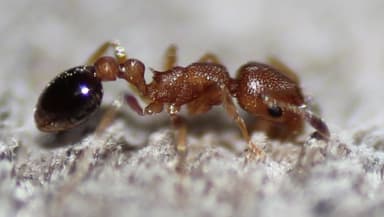
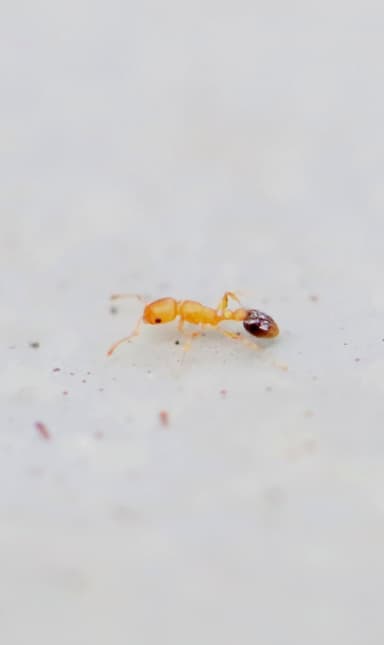
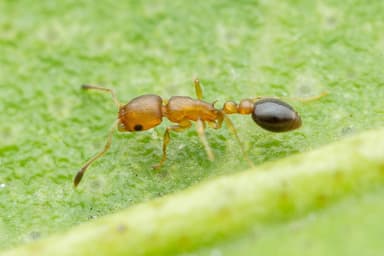
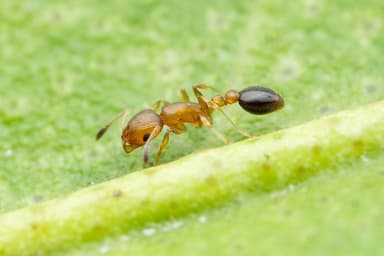
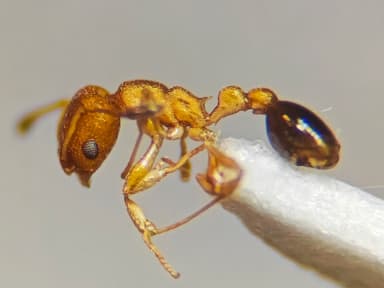
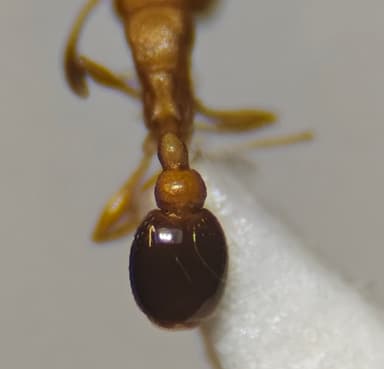
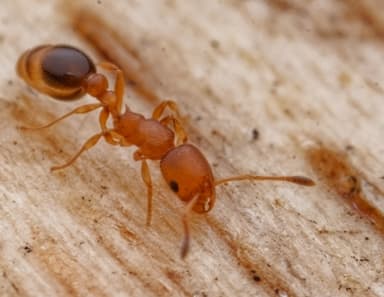
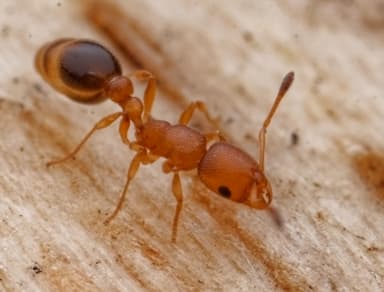
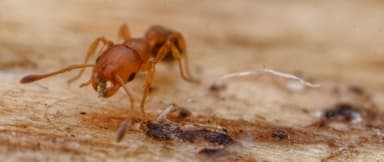
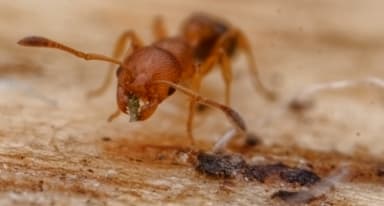
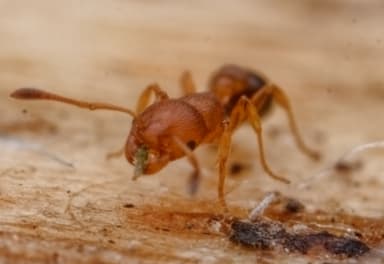
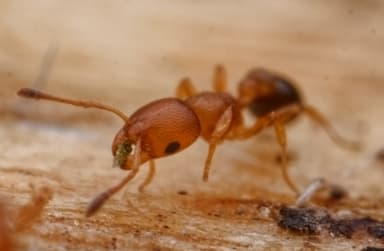
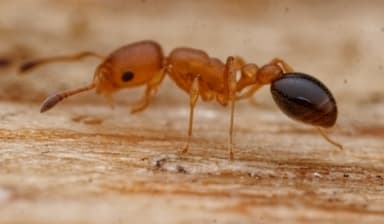
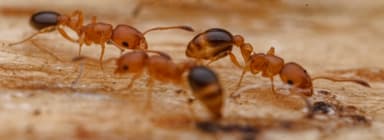
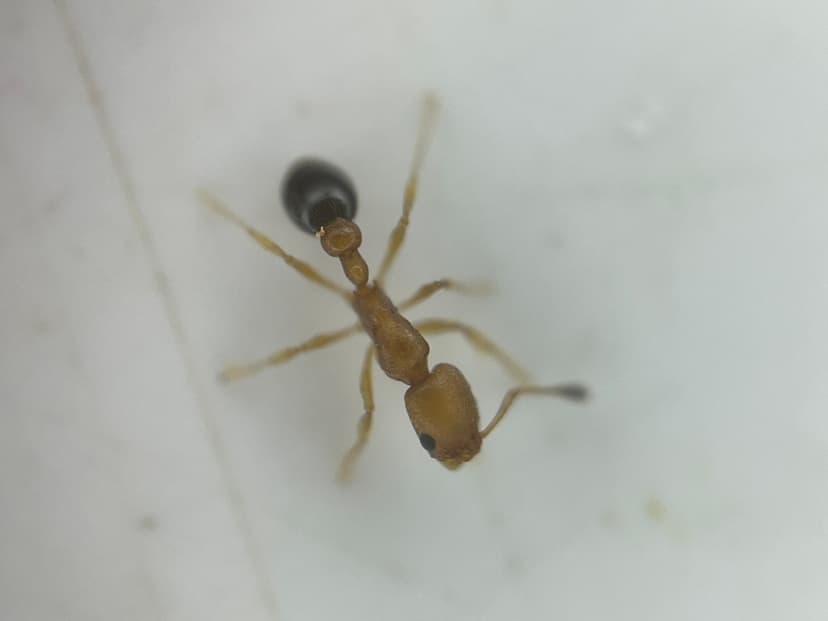
Cardiocondyla obscurior is a delightful miniature species that proves great things really do come in small packages. Native to tropical and subtropical regions, these ants are true cosmopolitans, easily adapting to life in captivity. The queen measures a modest 2.5 to 3 mm, while workers are even smaller at 1.5 to 2 mm, making them some of the tiniest ants you can keep. Despite their size, they are remarkably active and quick to explore, with colonies that can range from 50 to 500 workers at maturity. One of the most charming aspects of this species is its claustral founding — the queen seals herself into a small chamber and raises her first brood without needing any food, relying entirely on her own reserves. Combined with the fact that they require no hibernation, Cardiocondyla obscurior is an ideal choice for keepers who want a low-maintenance, fast-growing colony that offers endless fascination through its bustling daily life.
Care difficulty
Caring for Cardiocondyla obscurior is exceptionally straightforward, making them a perfect entry point for beginners and a rewarding species for experienced keepers looking for a compact colony. Their diet is simple and forgiving: they thrive on a mix of protein from small insects like fruit flies or tiny mealworms, and carbohydrates from sugar water or honeydew. Because they are so small, they do not require large prey — a single crushed cricket can feed dozens of workers. No hibernation is needed, so you can enjoy their activity year-round as long as temperatures are kept consistently warm. They are resilient and adaptable, rarely showing the stress behaviors common in more sensitive species.
Housing
Providing a suitable home for Cardiocondyla obscurior means focusing on warmth and humidity rather than space — a small formicarium or even a test tube setup works beautifully for the early stages. Keep the temperature between 24 and 30°C, ideally on the warmer side to encourage brood development. Humidity should stay around 50 to 70%, which you can maintain by regularly moistening the nesting area or using a water reservoir. Their tiny size means they can escape through the smallest gaps, so ensure your setup is tightly sealed with fine mesh or fluon barriers. An outworld with a shallow layer of fine sand or plaster provides excellent foraging ground. Because these ants are not destructive and do not require deep substrate, a compact acrylic or plaster nest with multiple small chambers will be perfectly suited to their needs.
First days after purchase
When your Cardiocondyla obscurior colony arrives, place the container in a quiet, dimly lit location and allow them a full day to settle. Avoid handling or opening the nest during this period, as the queen and her first nanitic workers need calm to establish themselves. Provide a small drop of sugar water on a cotton ball and a tiny piece of insect protein — they will quickly accept both. Keep the nest slightly moist and warm, and observe from a distance. Within a few days, you should see workers actively foraging and tending the brood. If you notice the queen has not yet started laying eggs, simply maintain stable conditions; claustral queens can take a week or two to begin production. Patience is key, but with such an easygoing species, you will soon be rewarded with a thriving mini-colony.