Camponotus
Camponotus sylvaticus
Care Guide
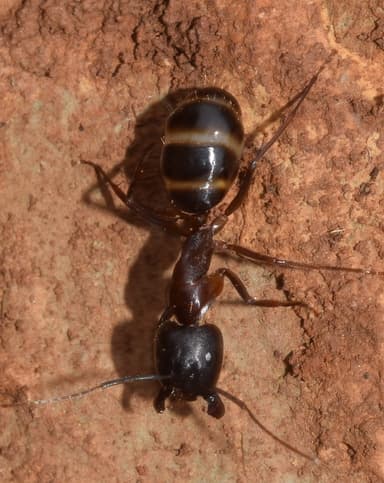
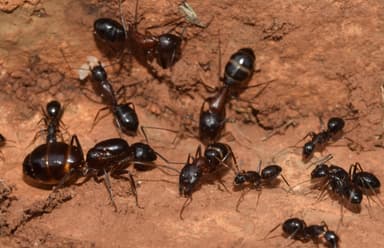
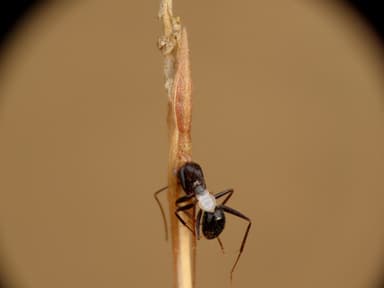
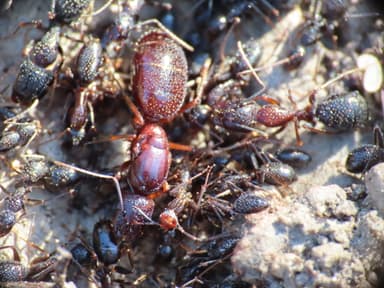
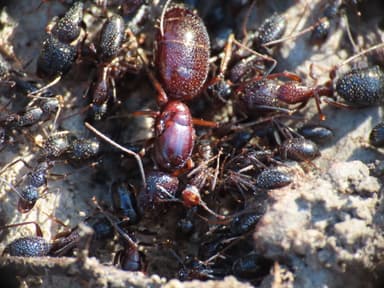
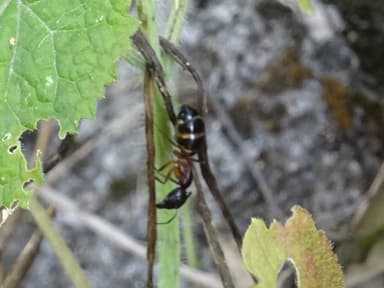
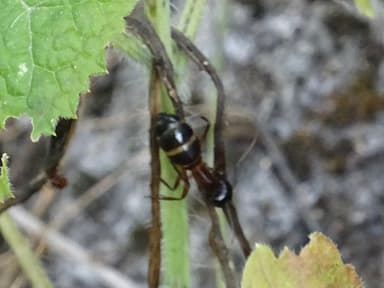
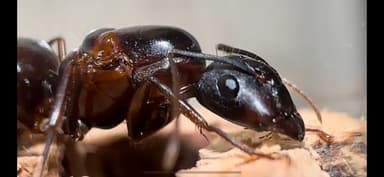
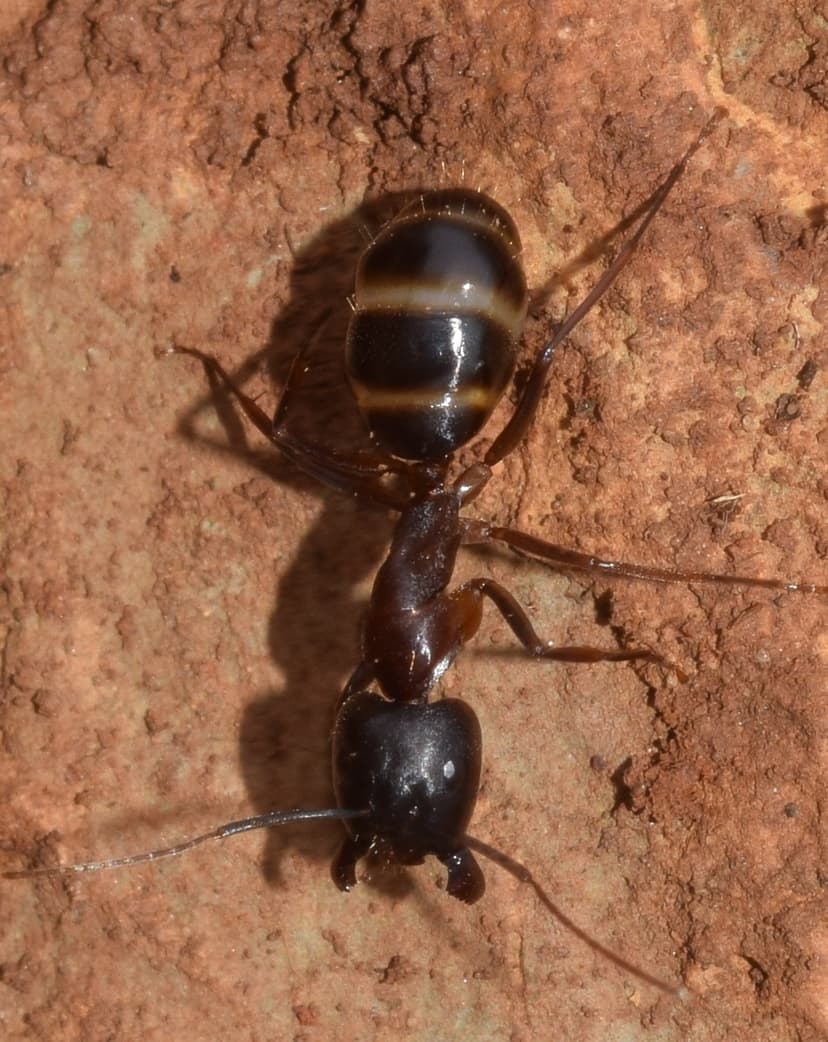
Camponotus sylvaticus, a Mediterranean carpenter ant, displays a subtle but noticeable polymorphism. The queen, which measures between 12 and 15 mm, is the largest member of the colony, though the size difference between her and the largest workers is less extreme than in some other Camponotus species. Workers range from 4 to 12 mm, with smaller minors handling brood care and inner-nest duties while larger majors (sometimes called soldiers) take on foraging and defense. This size variation gives the colony a dynamic, almost hierarchical feel as it grows.
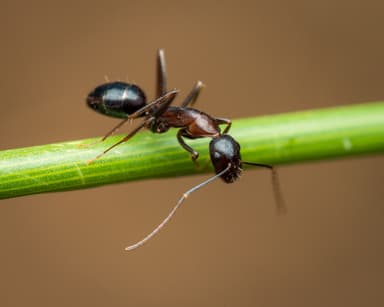
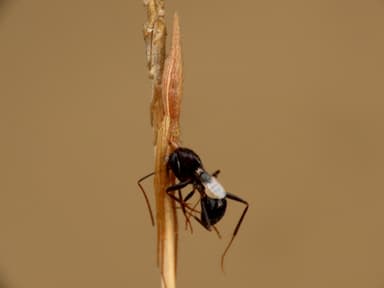
What truly sets Camponotus sylvaticus apart is its feeding ecology. These ants are opportunistic omnivores with a strong preference for sugary foods. In nature, they tend aphids for honeydew and forage for overripe fruit, but they also eagerly hunt small insects to provide the protein needed for larval development. In captivity, a balanced diet of sugar water or diluted honey alongside feeder insects like fruit flies, crickets, or mealworms will keep them thriving. They are also known to accept soft fruits such as banana or apple in small amounts. Interestingly, Camponotus sylvaticus is partially nocturnal and especially active during the evening and night, making them a fascinating species to observe under red light.
Care difficulty
Keeping Camponotus sylvaticus is considered intermediate. While their claustral founding makes the initial stages relatively straightforward—the queen does not need feeding until the first workers hatch—the colony’s sensitivity to environmental conditions and its need for a proper hibernation period require a bit more attention. Beginners with some experience will find them rewarding, but complete novices may struggle with maintaining the temperature and humidity ranges and the overwintering process.
Housing
A formicarium with moderate space works well for this species. Because Camponotus sylvaticus does not grow into massive colonies—usually topping out at around 2,000 workers—a medium-sized nest with connected foraging arena is sufficient. The nest should be kept at 22–26°C, with a slightly cooler area for the ants to retreat to if needed. Humidity in the nest should stay between 40 and 60%, which can be achieved by moistening the substrate in the hydration chamber regularly. The foraging arena should be well-ventilated and offer a constant supply of water and food. During winter, a hibernation period of several months at around 8°C is essential for the colony’s long-term health and future reproduction. Without this cooling phase, the queen may stop laying eggs and the colony can decline.
First days after purchase
Upon receiving your Camponotus sylvaticus colony, place the formicarium in a quiet, dimly lit spot and allow the ants to settle for at least 24–48 hours. Avoid unnecessary vibrations and bright lights. Check that the nest has adequate moisture and that the queen is not stressed. Offer a small drop of sugar water and a tiny piece of insect within the first day, but remove any uneaten food after 24 hours to prevent mold. Observe from a distance—these ants can be skittish at first, but once they feel secure, their confident foraging and lively nighttime activity will quickly win you over.