Pogonomyrmex
Pogonomyrmex subdentatus
Nuptial Flight Calendar
Flight months: Mar, Apr, May, Jun, Jul, Aug, Sep
Care Guide
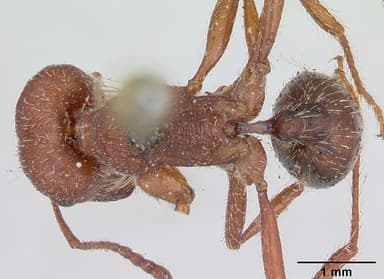
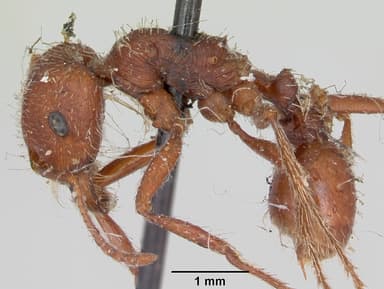
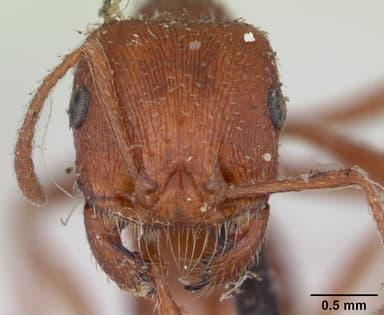
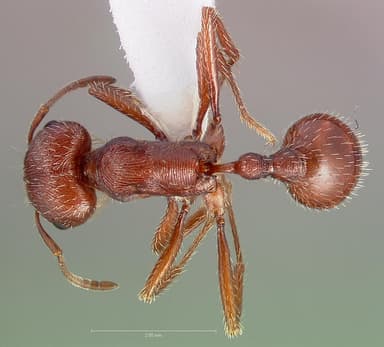
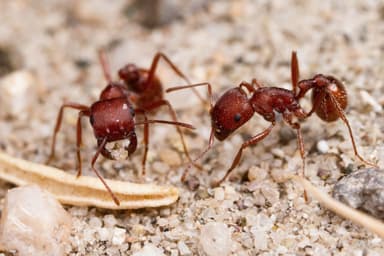
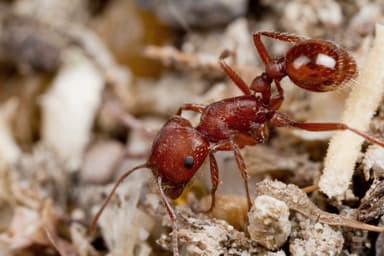
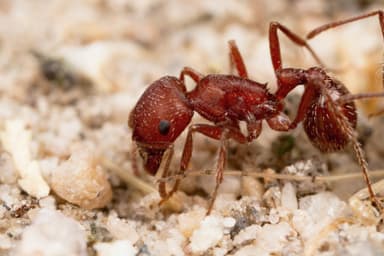
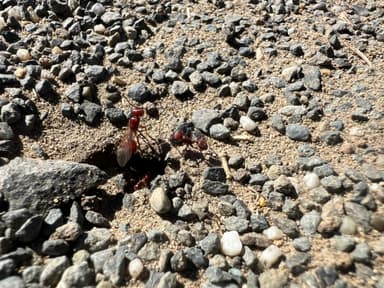
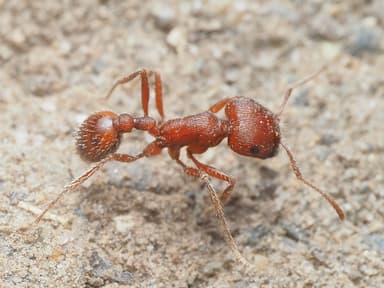
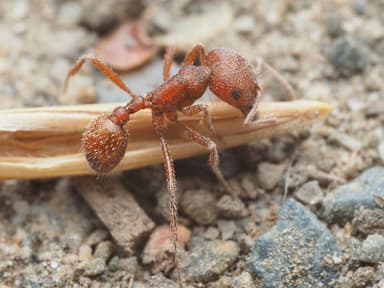
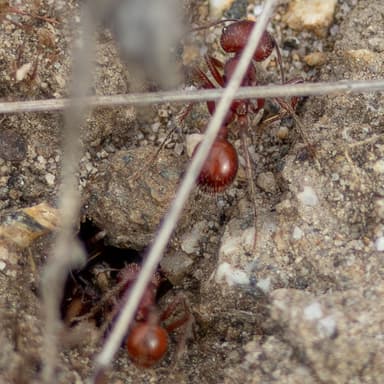
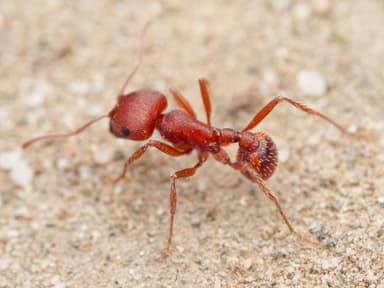
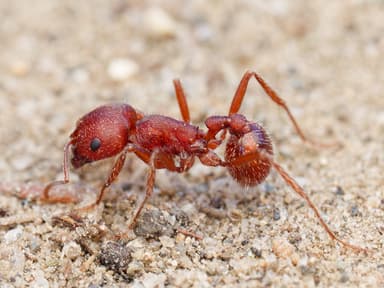
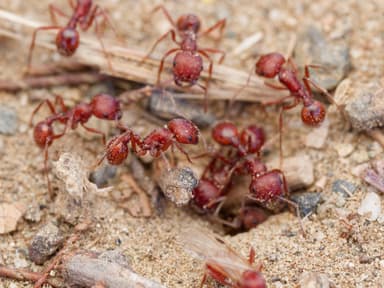
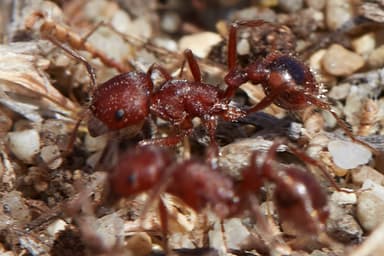
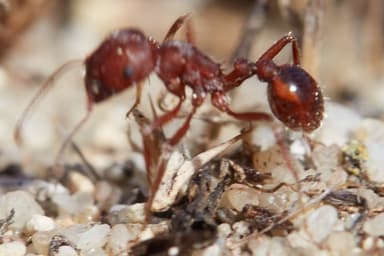
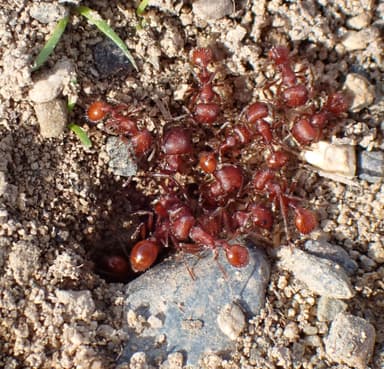
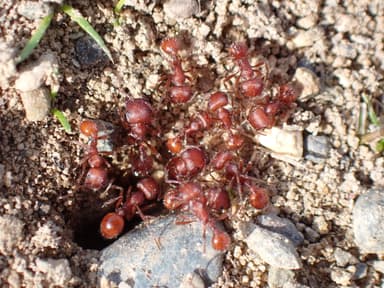
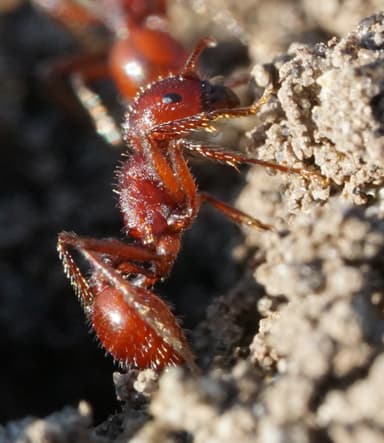
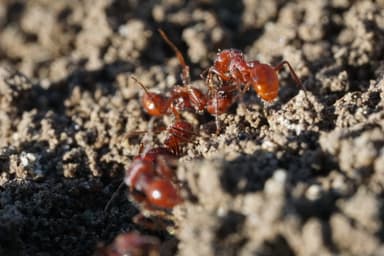
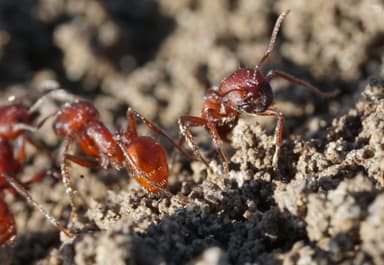
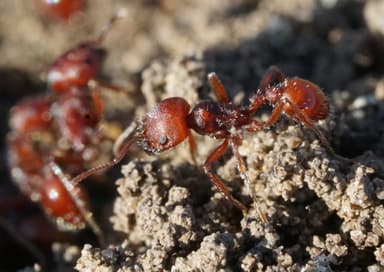
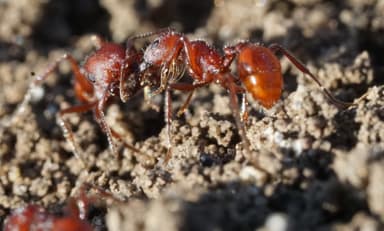
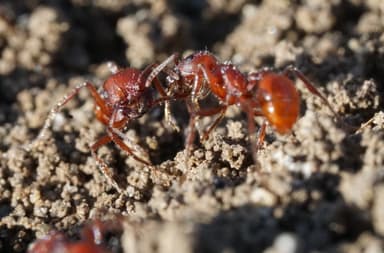
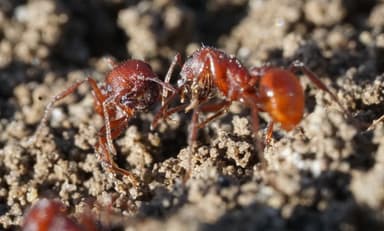
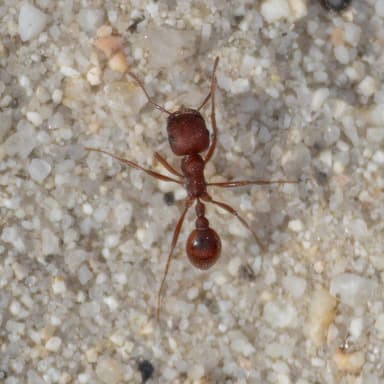
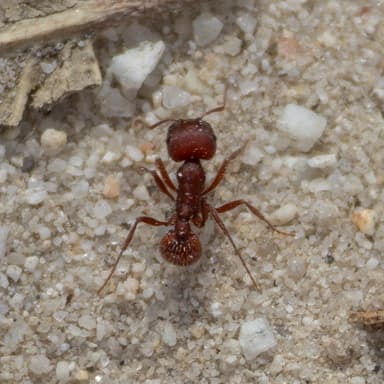
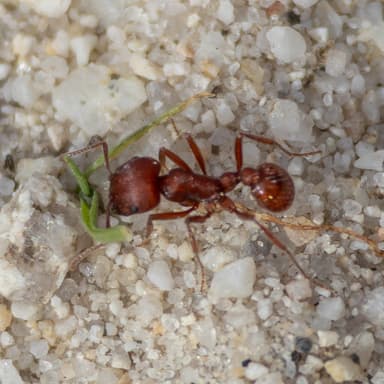
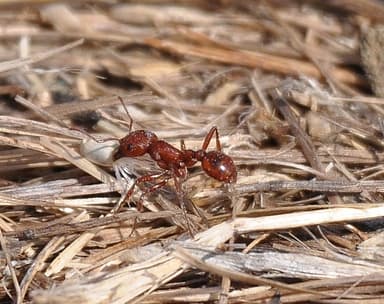
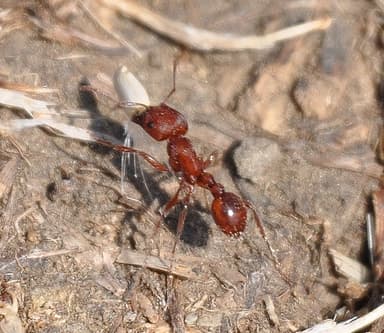
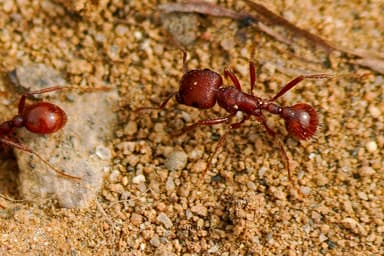
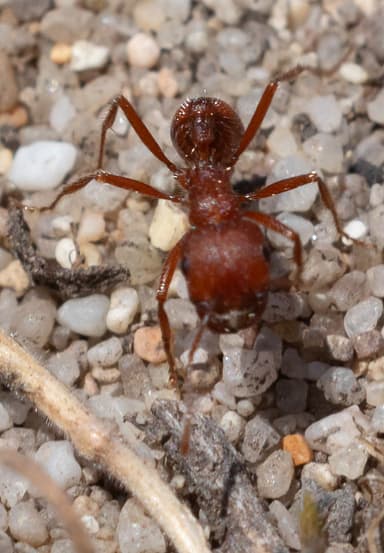
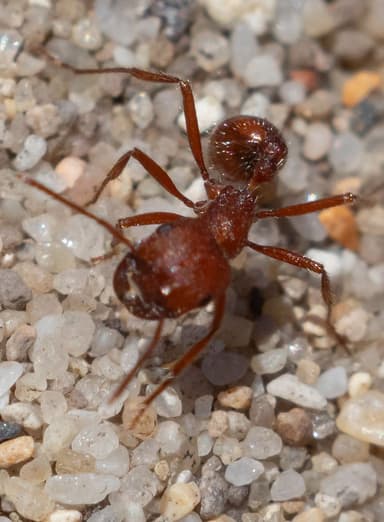
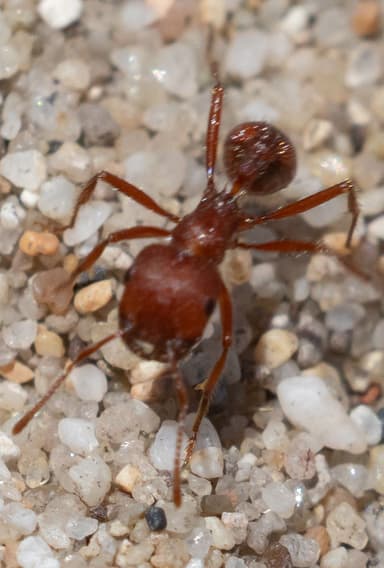
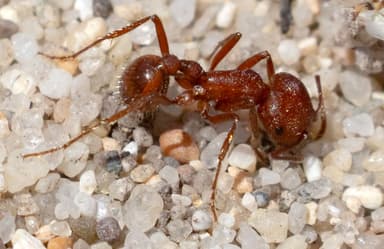
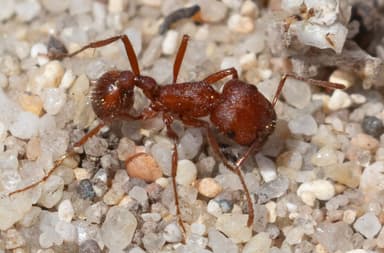
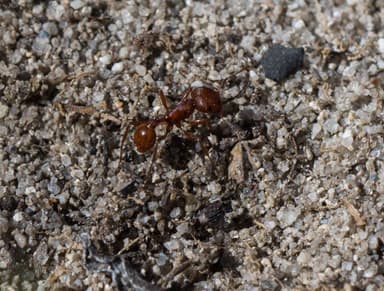
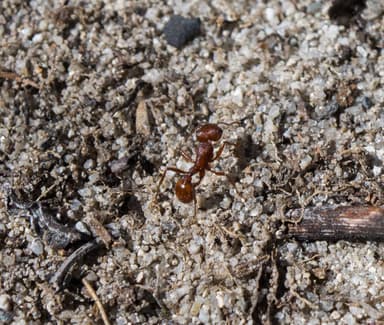
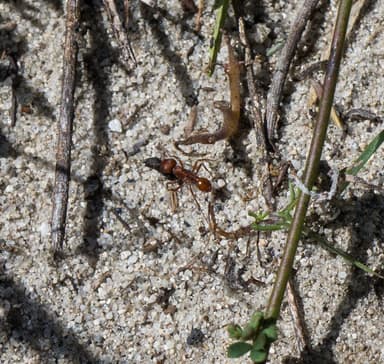
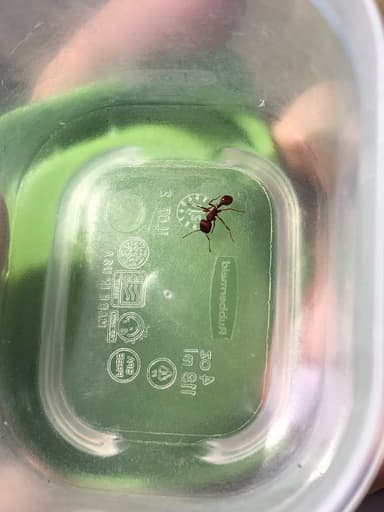
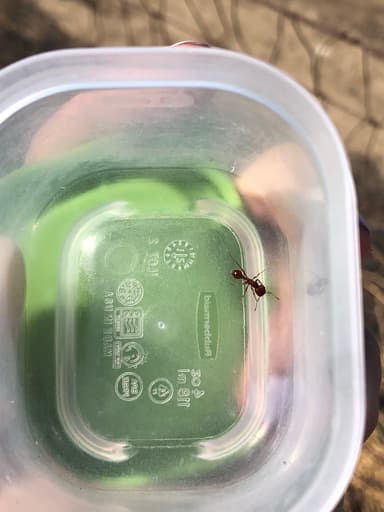
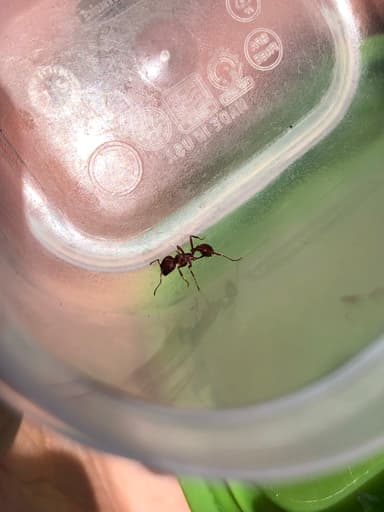
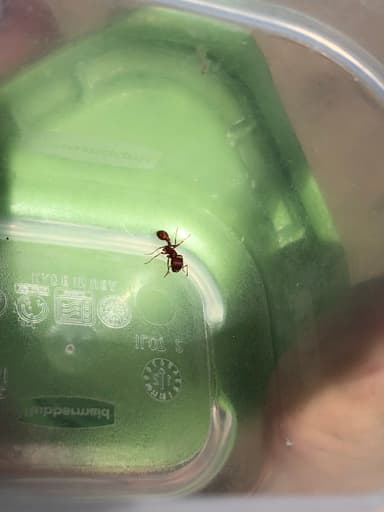
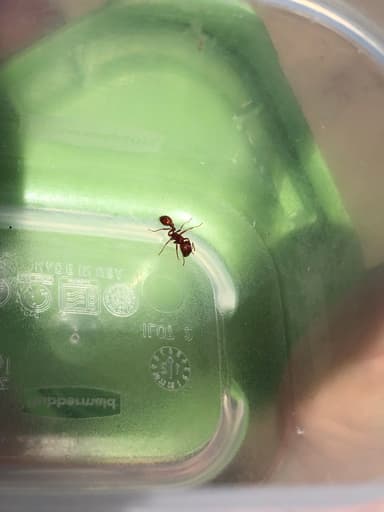
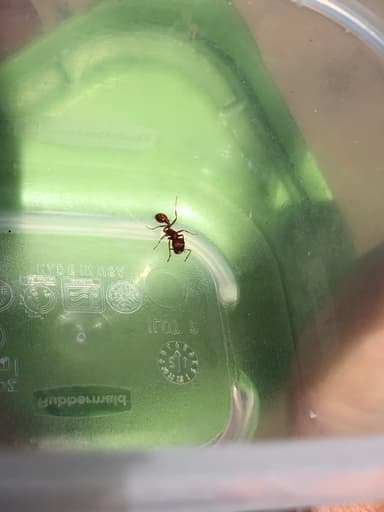
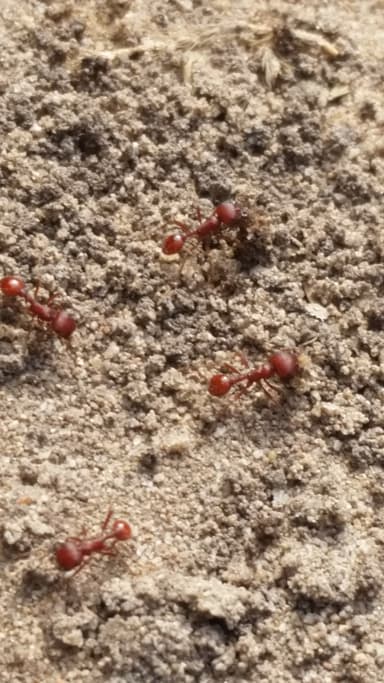
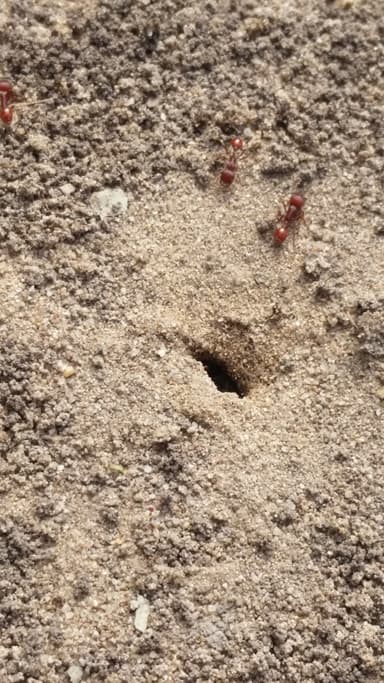
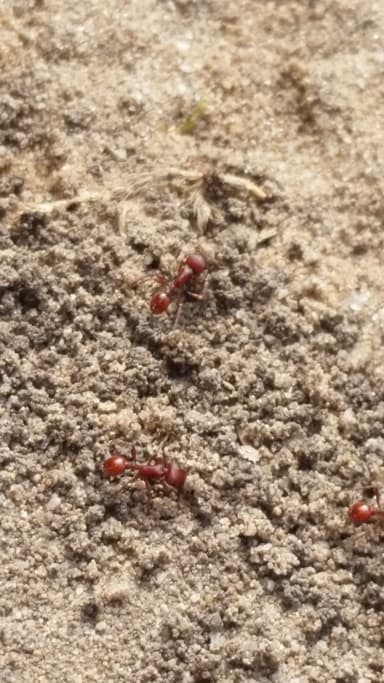
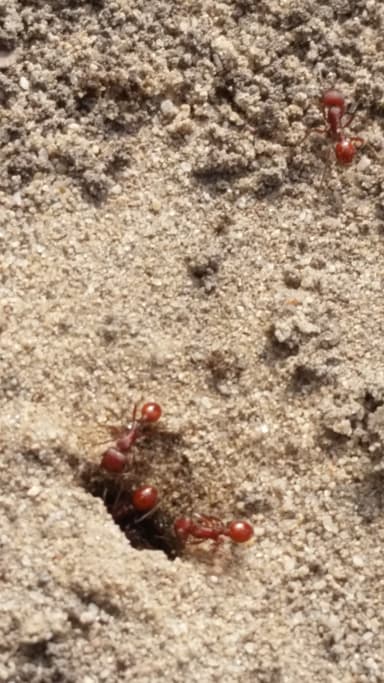
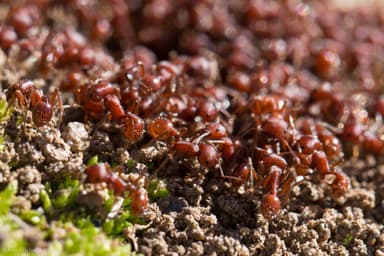
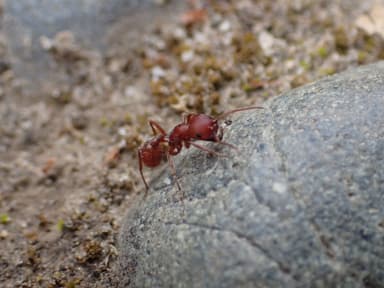
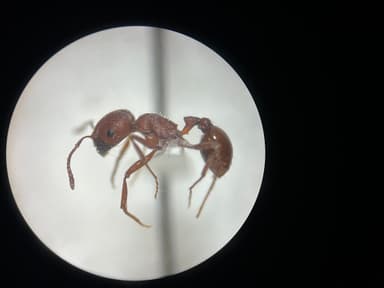
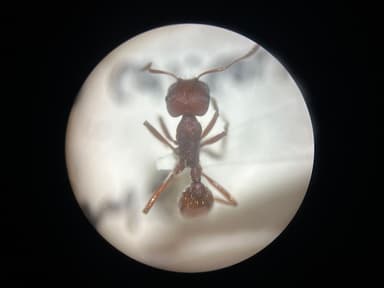
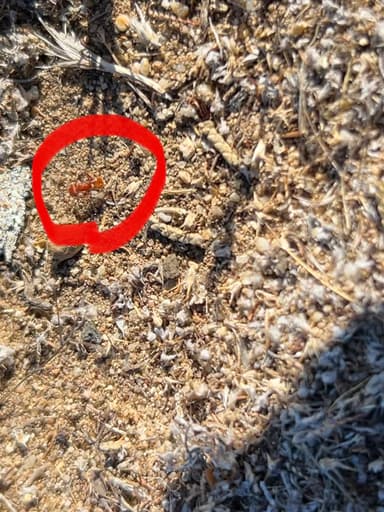
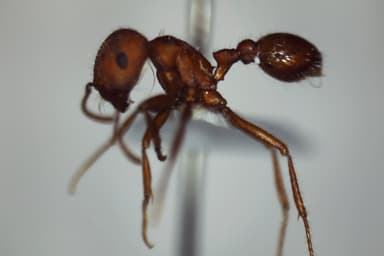
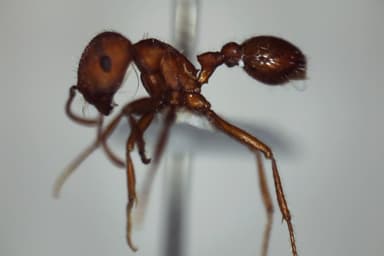
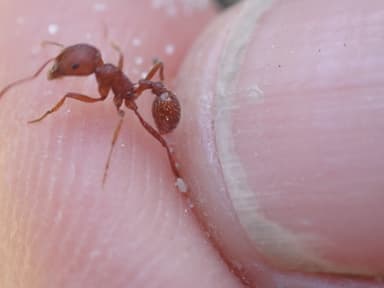
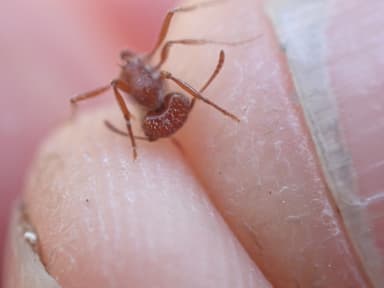
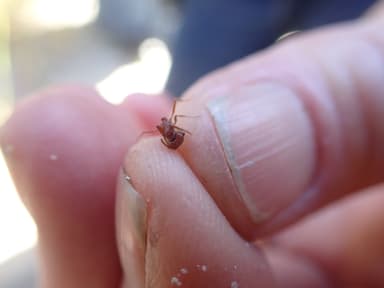
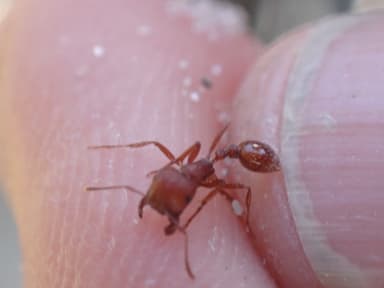
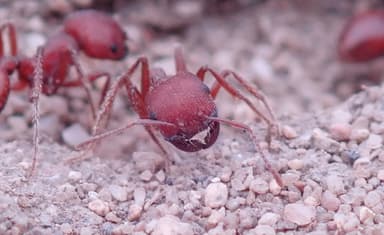
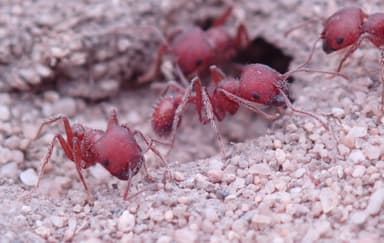
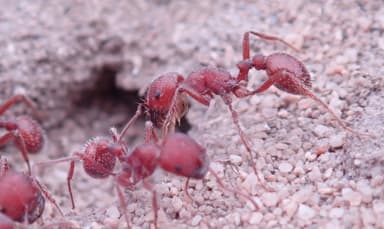
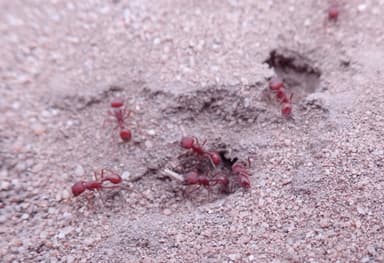
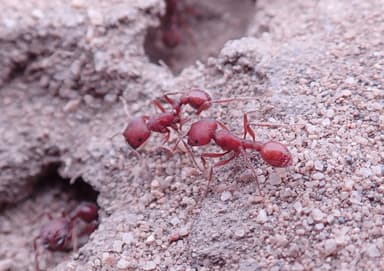
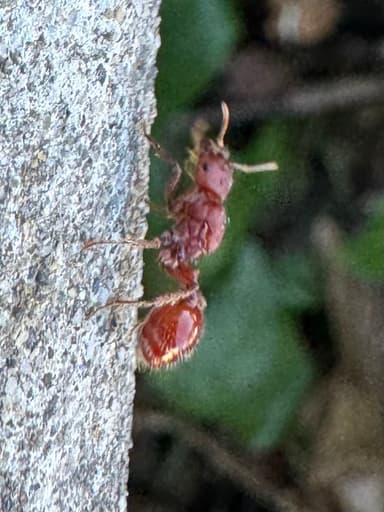
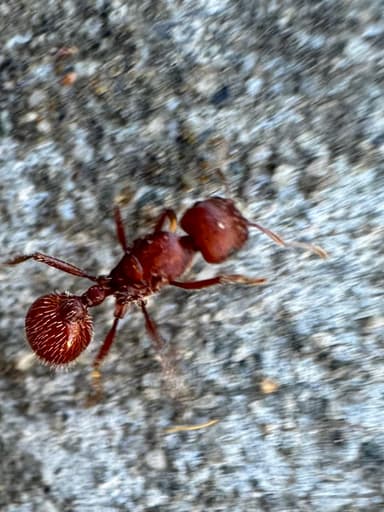
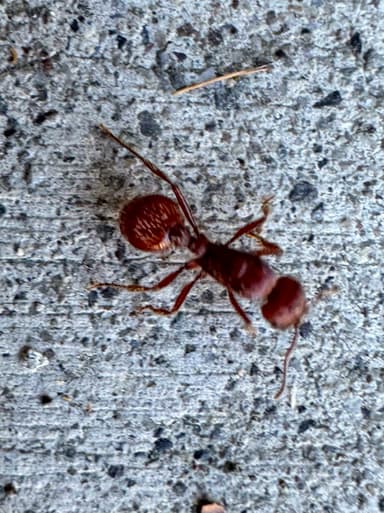
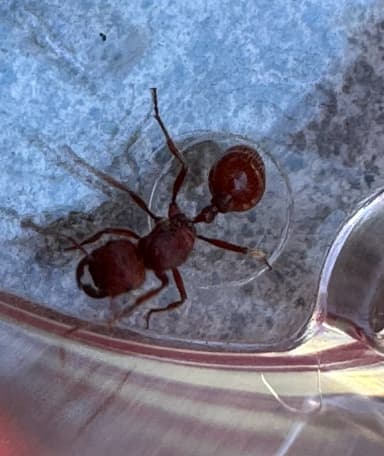
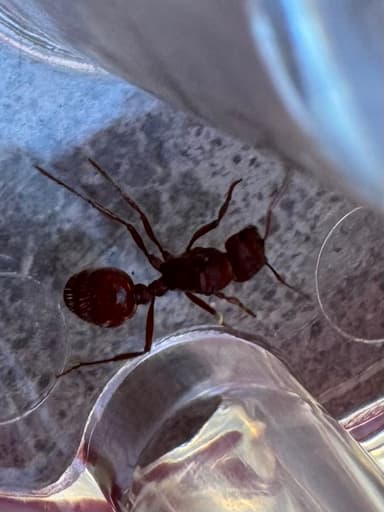
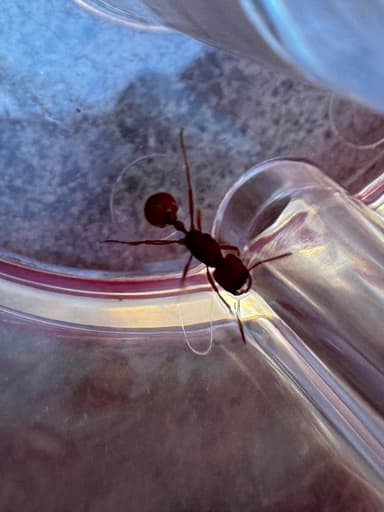
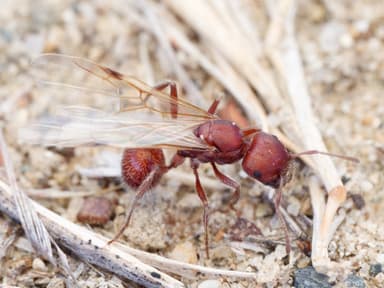
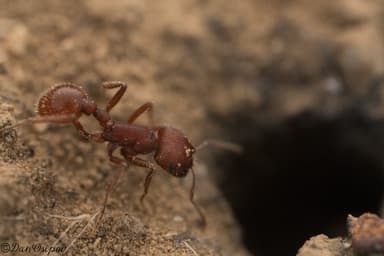
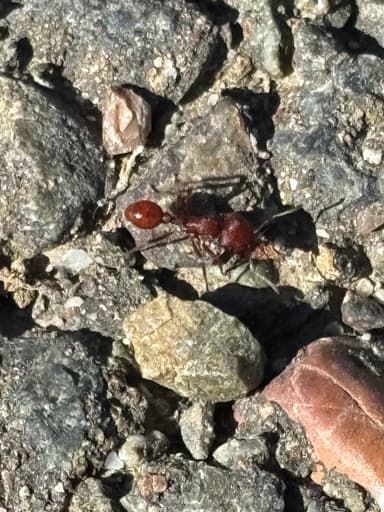
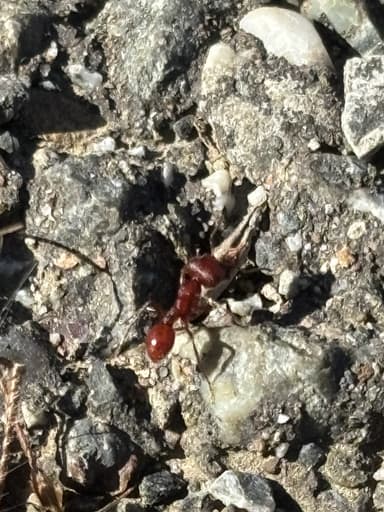
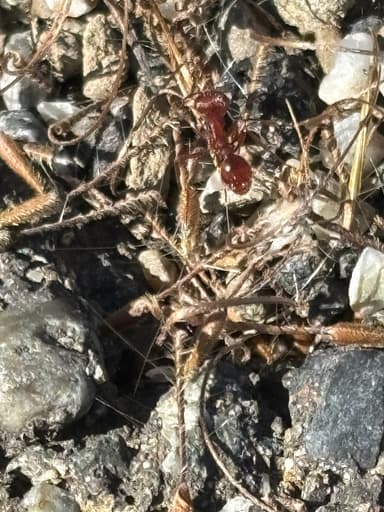
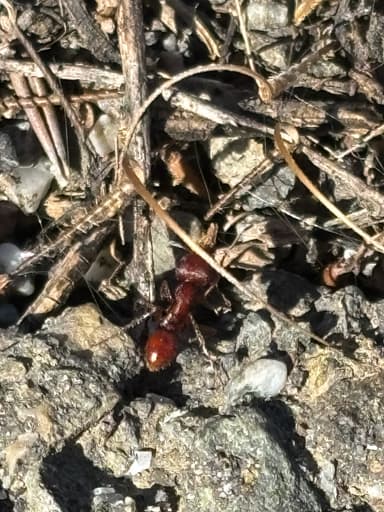
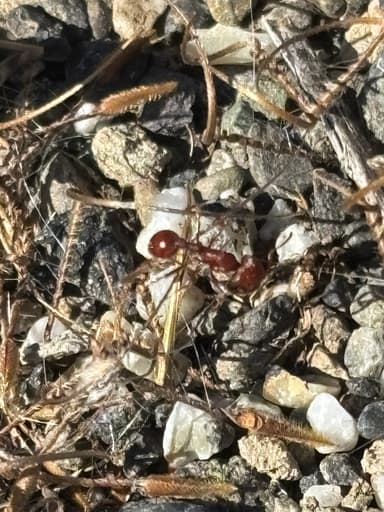
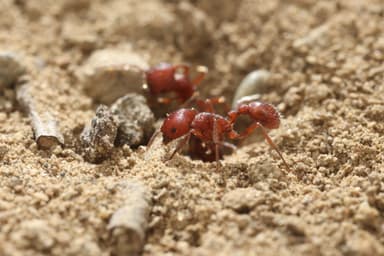
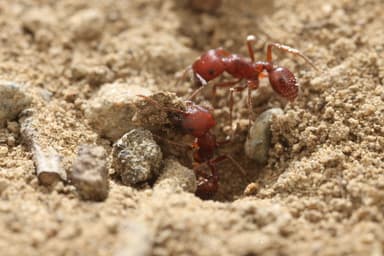
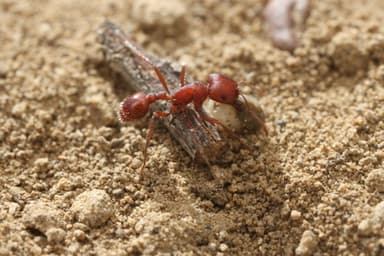
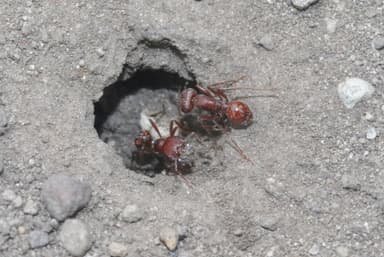
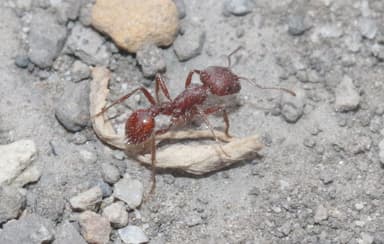
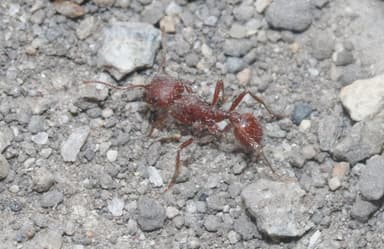
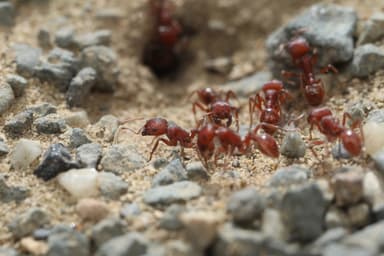
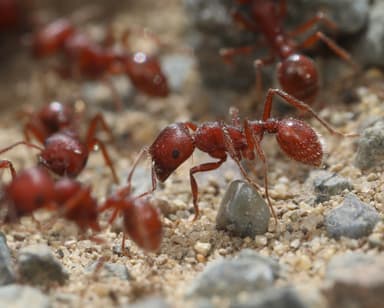
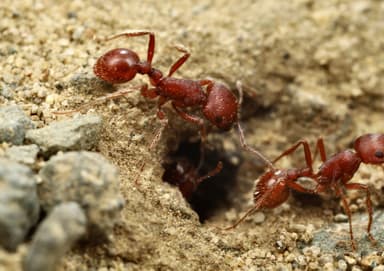
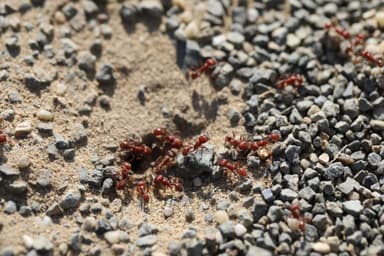
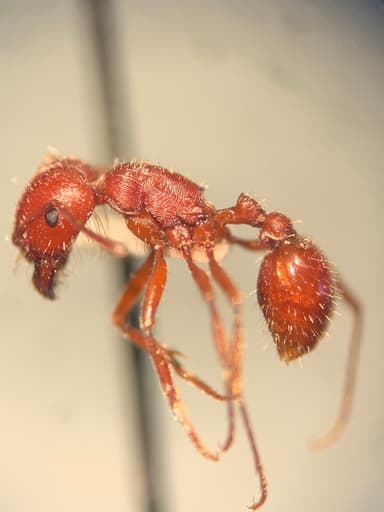
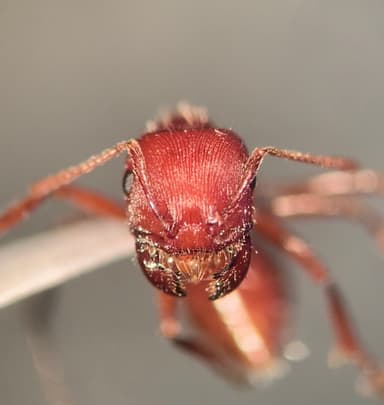
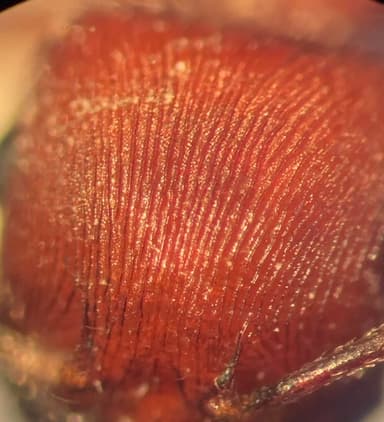
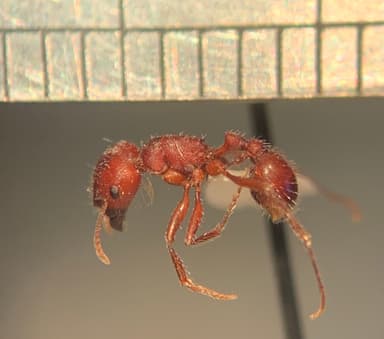
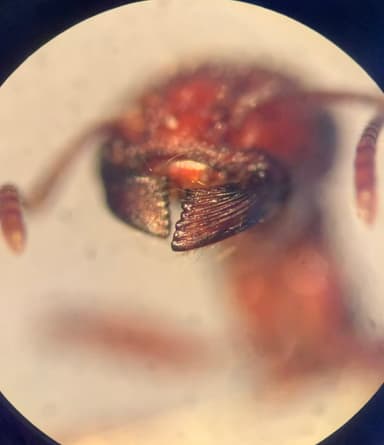
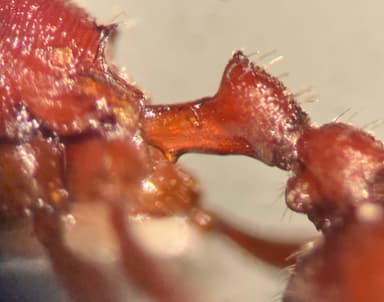
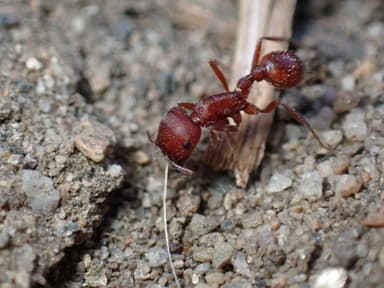
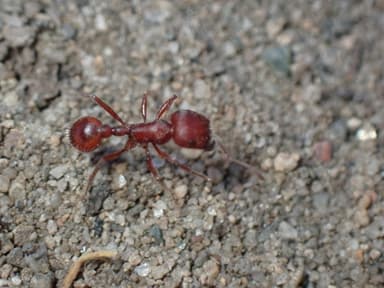
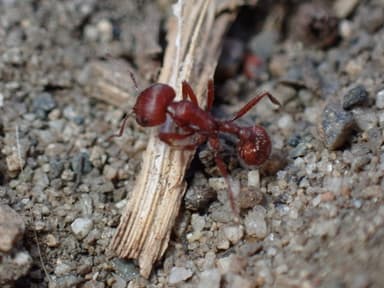
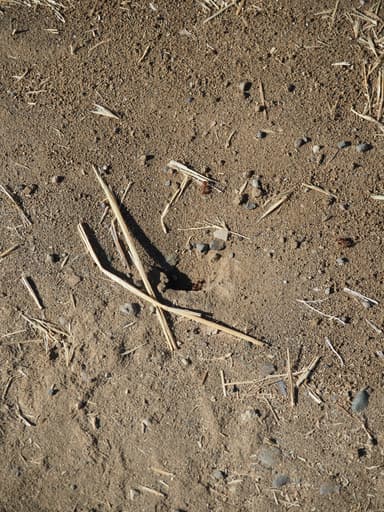
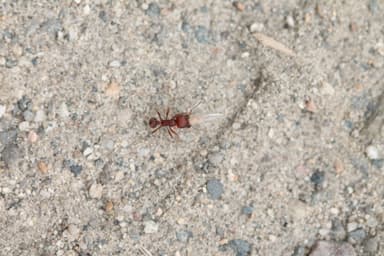
Pogonomyrmex subdentatus is a robust harvester ant native to the arid southwestern United States, its range stretching from central California through the Mojave Desert into southern Nevada and central Arizona (AntWiki). Queens are impressively large, measuring 9 to 11 millimeters, while the monomorphic workers range from 6 to 8 millimeters. Colonies eventually mature to populations of several thousand, often housing up to 5,000 individuals. The species’ allure for the ant-keeper lies in its classic harvester ant lifestyle: workers are dedicated seed collectors, creating subterranean granaries and processing harvested seeds with a characteristic, methodical calm that contrasts with the frenetic pace of some other seed-eating genera. Their deep reddish-brown to almost black bodies, adorned with dense sculpturing, give them a rugged, desert-adapted beauty. Another fascinating behavioral trait, documented by Cole (1968), is their construction of large, crater-like nest mounds in the wild, which can be partially replicated in a well-designed formicarium.
With a care difficulty rated as intermediate, P. subdentatus is best suited for hobbyists who have successfully kept a few other claustral species and are now looking to explore the specialized seed-harvesting guild. The ants are not particularly aggressive, but they possess a potent sting that, while not life-threatening, delivers a sharp, lasting pain. This, combined with their ability to climb smooth surfaces and their tendency to test every barrier, requires an escape-proof setup. First-time ant keepers might find their arid environmental needs and obligate hibernation daunting, but for the enthusiast ready to provide these conditions, the reward is a display of complete seed-foraging behavior, from collecting and storing to milling the seeds into ant-bread. The claustral founding mode means a new queen can be raised in a simple test tube setup without feeding until her first workers eclose, making the initial stages straightforward.
Housing these ants successfully hinges on replicating their hot, dry natural microclimate. The nest should maintain a temperature gradient between 22°C and 32°C, with a warmth-loving zone near the heat source. Humidity must stay low, typically between 30% and 50%; higher moisture levels invite mold—a deadly threat to a seed-storing species. A naturalistic setup works best: use a formicarium filled with a mixture of sand and fine clay, deep enough to allow the ants to excavate their own granaries and brood chambers. A separate foraging arena is essential, because they will carry seeds outside the nest to discard chaff. A heat mat or lamp positioned at one end permits the ants to regulate their preferred microclimate. Ensure excellent ventilation to prevent stagnant humid air, and never spray water directly into the nest. The outworld should also be arid, with a small water source like a test tube drinker plugged with cotton—this satisfies their drinking needs without raising ambient humidity.
As granivorous specialists, Pogonomyrmex subdentatus has a diet centered on small, hard-shelled seeds. Offer a variety such as dandelion, orchard grass, poppy, and clover seeds; these are readily collected and stored. The ants will actively husk and mill the seeds, transforming them into a fine paste (Cole 1968). Supplement their diet with protein from freshly killed insects—small crickets, fruit flies, or mealworm pieces—once or twice a week, especially during peak brood production. Interestingly, workers generally ignore sugary liquids like honey water or sugar water, so such offerings are unnecessary and may only attract pests or mold. Always provide fresh water via a cotton-plugged tube in the outworld. Remove any uneaten insect matter promptly to keep the dry environment clean, and avoid overfeeding seeds to prevent them from sprouting or rotting in forgotten chambers.
A proper winter dormancy period is not optional for this species; it is a biological requirement. In the wild, lower temperatures and shortened days signal the queens to cease egg-laying and the colony to enter a metabolic slowdown. To simulate this, gradually reduce the nest temperature to around 12°C over a week or two, and maintain it there for three to four months. A wine cooler or a dedicated hibernation fridge works well. Ensure the ants still have access to water and a minimal seed cache during this time, but they will be largely inactive. Johnson (2000) highlighted that successful reproduction in Pogonomyrmex is tightly linked to a well-executed diapause. Skipping hibernation usually results in a queen that stops laying, a dwindling colony, and ultimately failure to thrive.
When your queen or small founding colony arrives, the first days are critical. Place the test tube or small founding nest in a dark, vibration-free area at room temperature (around 24–25°C). Resist the urge to check on her for at least three days, allowing her to acclimate and, for a solitary queen, continue tending her first egg batch. Once the first nanitic workers eclose, you can offer a pinch of finely crushed seeds and a tiny pre-killed fruit fly. Observe from a distance: healthy activity includes workers exploring the outworld to collect seeds and carrying them back to the nest. Warning signs to watch for are persistent escape attempts along the barrier, huddling near the water source (indicating dehydration), or a queen who constantly paces rather than settling in a brood pile. With patience, minimal disturbance, and strict adherence to their arid, seed-based regime, P. subdentatus will develop into a thriving, fascinating display colony.