Lasius
Lasius subumbratus
Nuptial Flight Calendar
Flight months: Jul, Aug, Sep
Care Guide
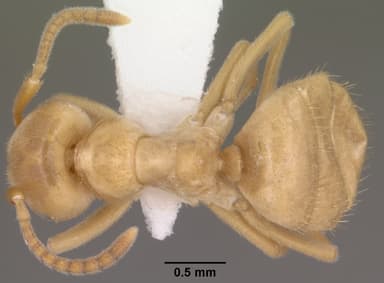
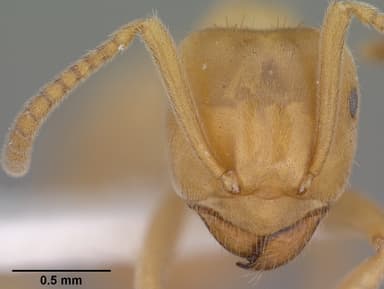
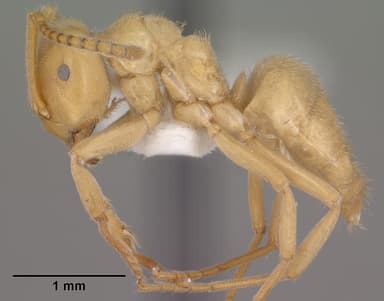
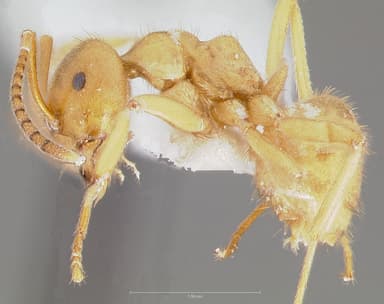
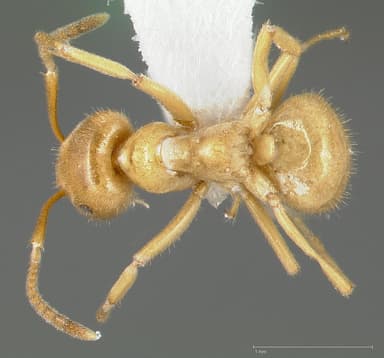
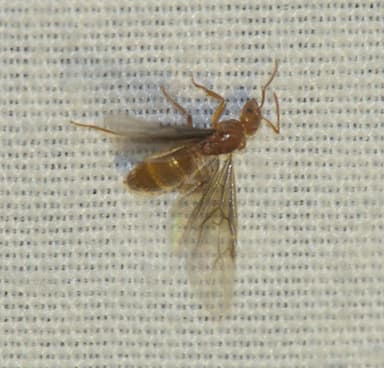
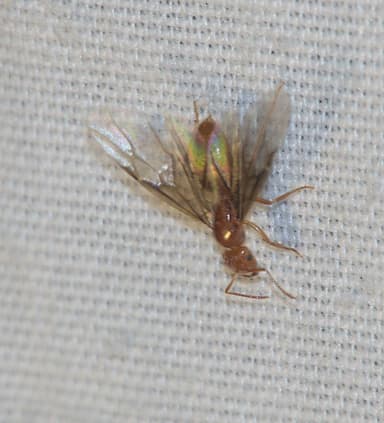
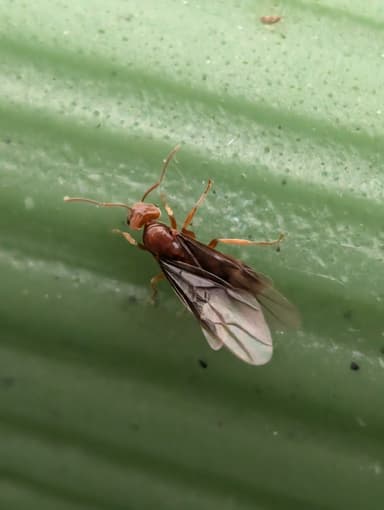
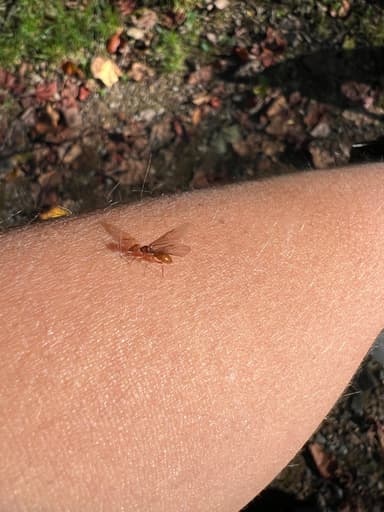
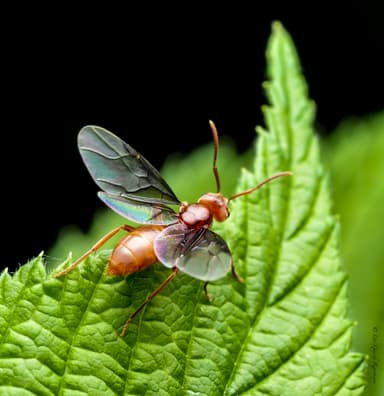
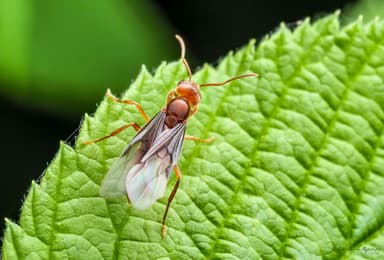
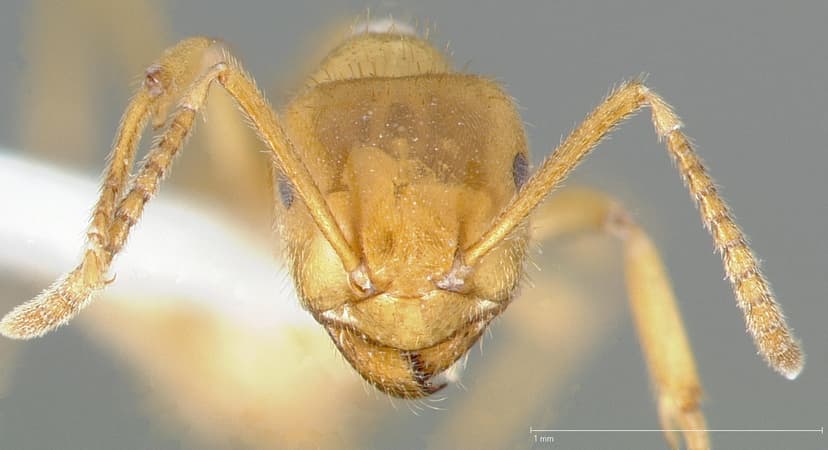
Lasius subumbratus is a charming subterranean ant that belongs to the notorious umbratus group, a clade of temporary social parasites whose queens rely on hijacking the colonies of other Lasius species to start their own families. The queen is moderately sized at 6 to 8 mm, while the monomorphic workers range from 3 to 4.5 mm, both typically shining in warm amber to yellowish-brown tones that help them stay inconspicuous in their soil-bound world. Mature colonies can swell to around 10,000 individuals, a robust workforce that harvests honeydew from root aphids and tends hidden brood chambers. What makes this species truly fascinating for the myrmecologist is its parasitic founding strategy: a newly mated queen invades a host colony, eliminates or subdues the resident queen, and co-opts the orphaned workers to raise her own offspring. Over time, the host workers die off and are replaced by pure L. subumbratus workers, allowing the colony to grow independently. The natural range of this Nearctic ant stretches across much of North America, from the humid forests of the southeast to the boreal edges of southern Canada (Wilson 1955; Wing 1968). Nuptial flights are thought to occur in August and September during warm, humid afternoons following rainfall, though observations remain scarce.
Given its parasitic founding, L. subumbratus is unequivocally a species for the expert keeper. It is not merely a question of providing a nest; successfully establishing a colony demands an intimate understanding of host specificity and a willingness to accept that initial attempts may fail. Most keepers acquire a foundress already accepted by a small group of host workers—often from the Lasius niger group like L. neoniger or L. americanus—as the critical introductory phase is fraught with stress. Once the colony has transitioned to its own worker force, daily care becomes much more straightforward, but the early months require patience, gentle humidity gradients, and minimal disturbance. This ant rewards the dedicated observer with a glimpse into one of evolution’s most cunning strategies, but it is not forgiving, making it suitable only for those who have mastered more forgiving claustral founders.
Housing L. subumbratus demands a stable microclimate that mimics the cool, moist soils they inhabit beneath stones and logs. A naturalistic setup with a clay or sand-loam substrate where they can excavate is ideal, though a ytong or plaster formicarium with a dark, slightly moist nest chamber also works well. Temperature should be kept between 18 and 25°C; the lower end is preferable to avoid overheating, as these ants are adapted to temperate forest floors where thermal buffering reigns. Humidity in the nest needs to sit consistently between 50 and 70%, achieved via a water tower or regular misting, but never allow condensation to become so heavy that water pools—soggy nests invite fungal infections. Provide a moisture gradient so the workers can move brood to their preferred micro-site. A small outworld with a foraging area should be connected, with tight-fitting lids because Lasius workers are notorious escape artists.
In the wild, L. subumbratus is a generalist that feeds on insect prey and the carbohydrate-rich secretions of subterranean hemipterans. In captivity, offer a diet of small protein sources such as fruit flies, tiny crickets, or cut-up mealworms, always frozen or pre-killed to prevent injury to the ants. Carbohydrates can be supplied as diluted honey, maple syrup, or sugar water on a small feeding tray. These ants tend trophobionts eagerly, so some keepers even introduce a potted plant with root aphids into a larger terrarium, though that is an advanced option. Fresh water must be available at all times via a test tube or moist cotton, as dehydration is a major threat during stress or acclimation.
As a high-latitude species, L. subumbratus has a deeply ingrained annual rhythm that mandates a true hibernation. Without a winter rest period of at least three to four months at a stable 5°C, the queen’s egg-laying cycle will falter and colony health will decline over successive years. In late autumn, gradually reduce the temperature over a couple of weeks until you reach the targeted 5°C, perhaps by moving the formicarium to a refrigerator or a cool cellar. The ants must still have access to moisture during this diapause—a slightly damp cotton plug in the water reservoir suffices—but feeding is unnecessary. As temperatures rise again in early spring, the workers become active, the queen resumes oviposition, and the colony bursts into renewed vigor, usually synchronizing with the abundance of spring prey.
The first days after bringing home your L. subumbratus colony are pivotal. If you have received a queen with host workers in a transport tube, prepare their permanent nest in advance with the correct temperature and humidity, then gently introduce the small colony by connecting the tube to a portal and allowing them to explore at their own pace. Do not force them out; a cloth cover over the nest will reduce stress. Place a droplet of sugar water just outside the tube and a tiny piece of soft-bodied insect after 24 hours. Watch quietly for signs that the host workers are tending the queen—she should be groomed and fed, not avoided or attacked. Keep disturbances to an absolute minimum for the first week. Often, the queen will remain hidden and motionless, conserving energy as her first batch of parasitic brood develops. Once you see the unmistakable pale callow workers of L. subumbratus themselves, you will know the critical transition is underway and the colony is on the path to independence.