Camponotus
Camponotus planatus
Nuptial Flight Calendar
Flight months: Jan, Apr, May, Jun, Jul, Aug
Care Guide
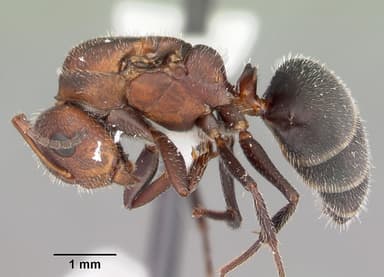
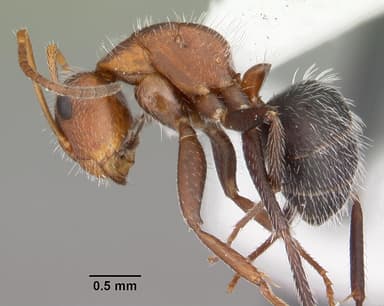
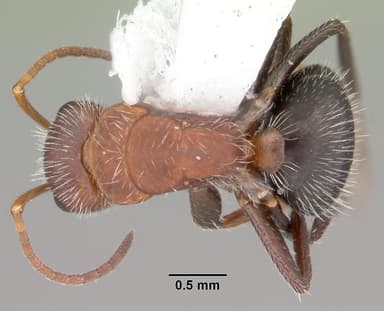
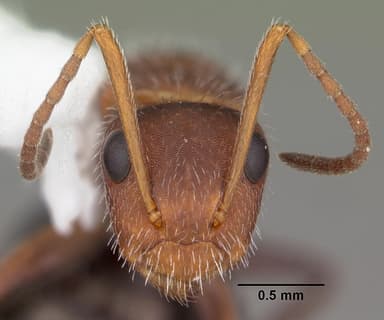
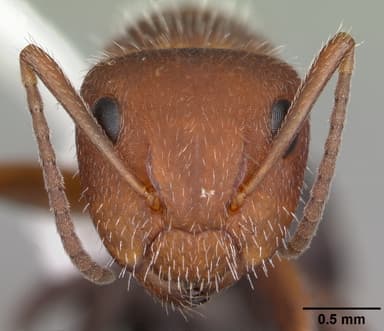
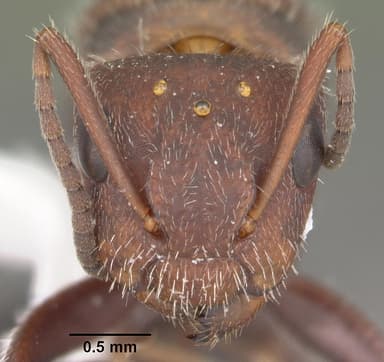
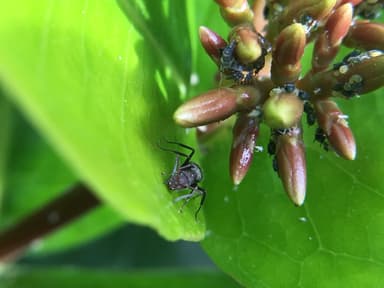
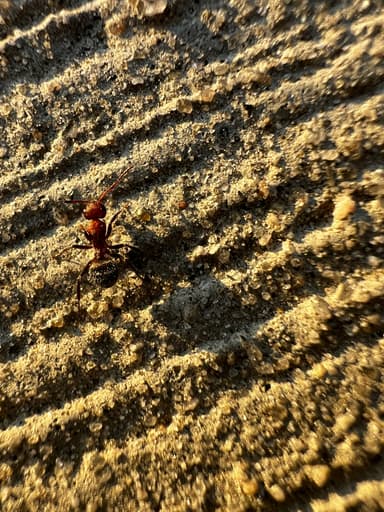
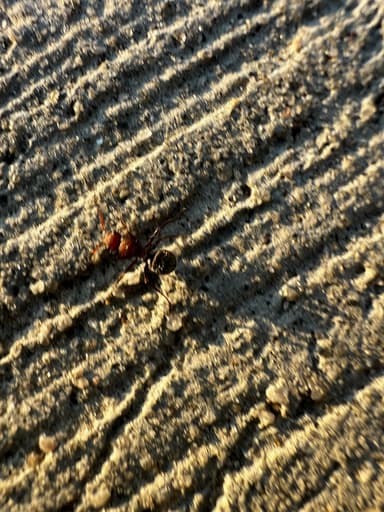
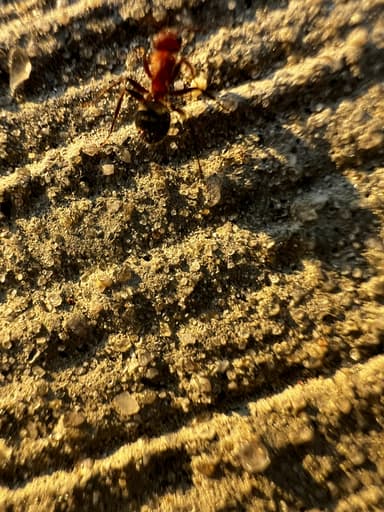
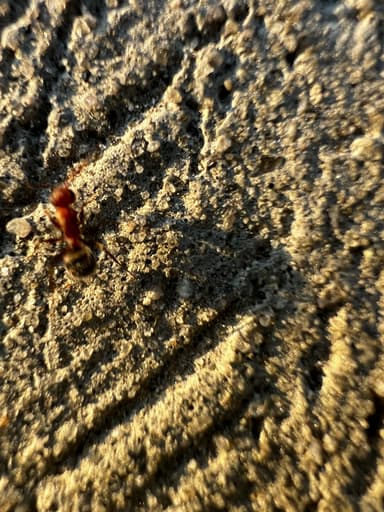
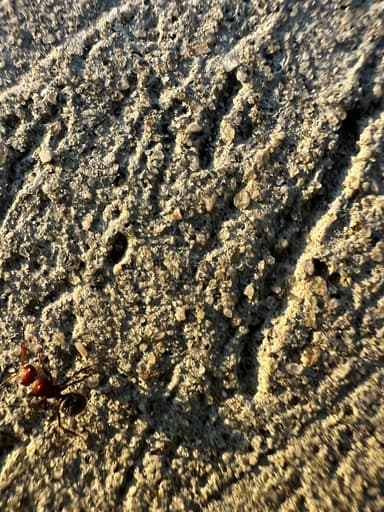
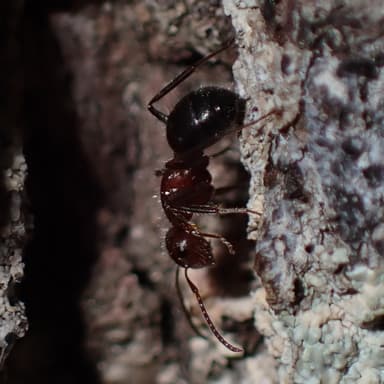
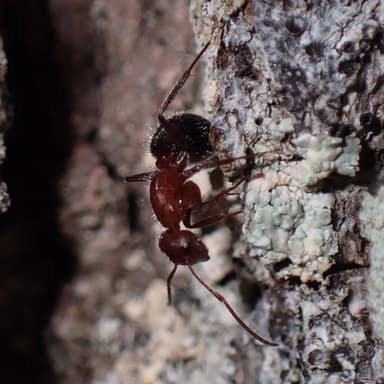
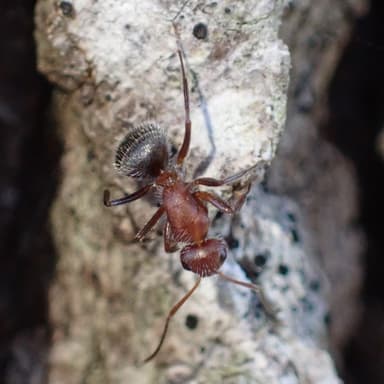
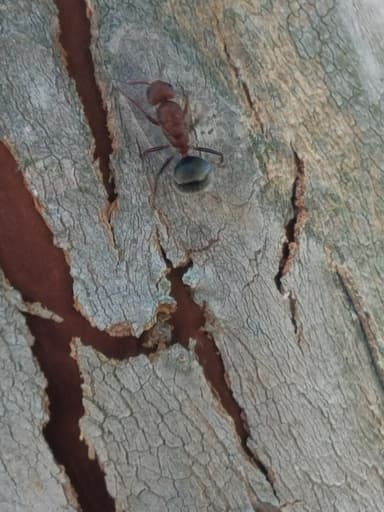
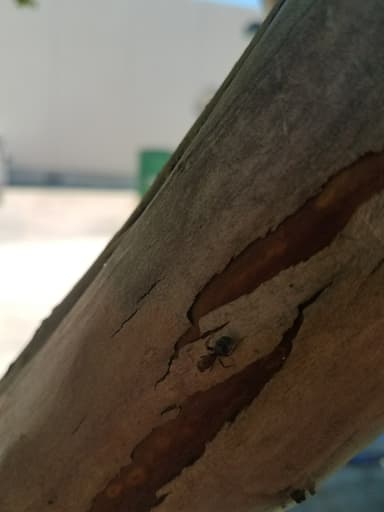
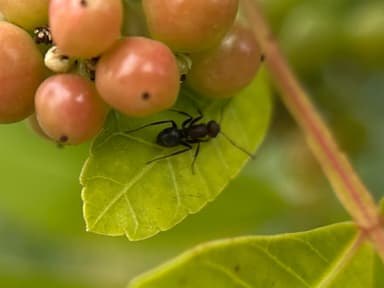
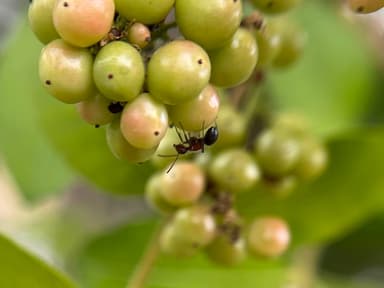
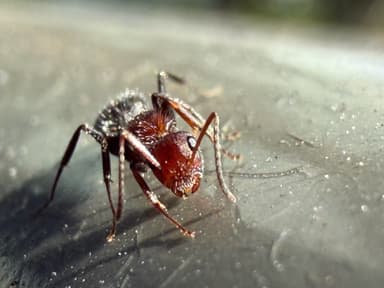
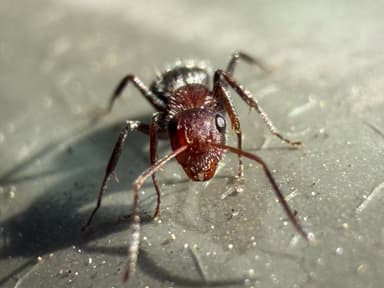
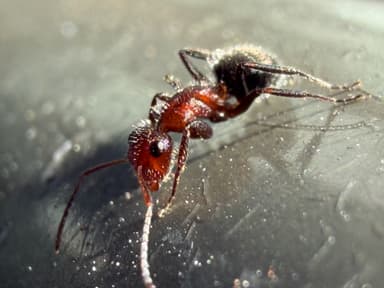
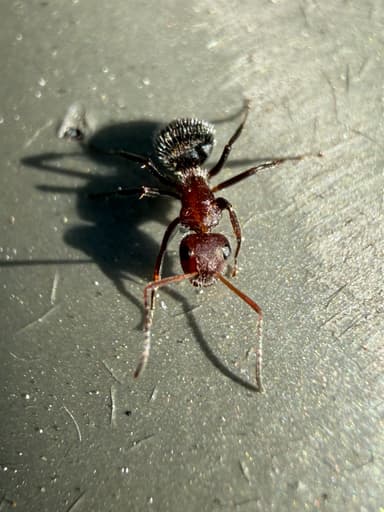
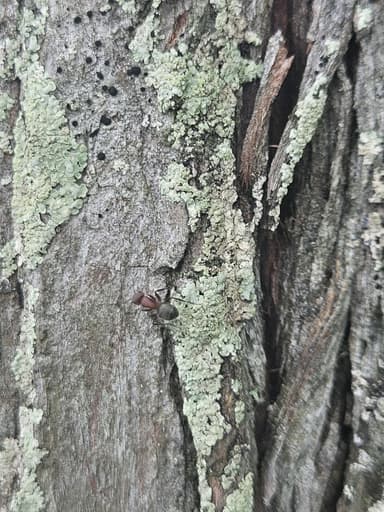
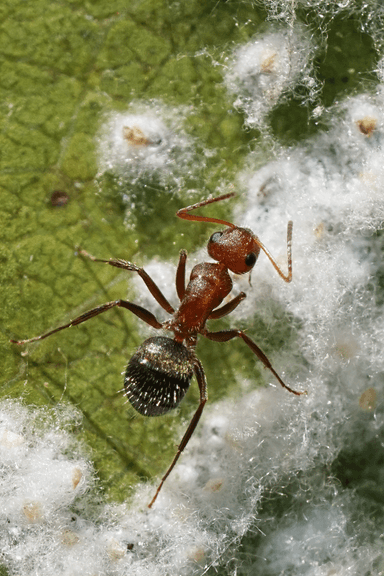
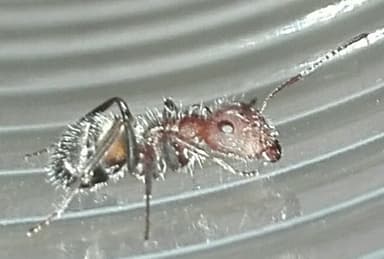
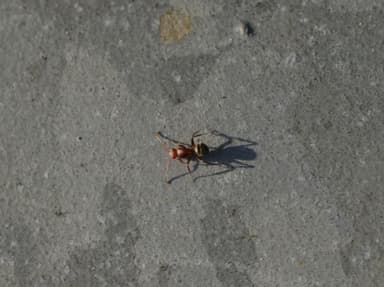
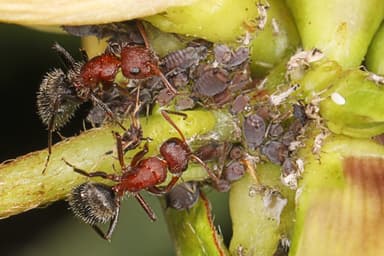
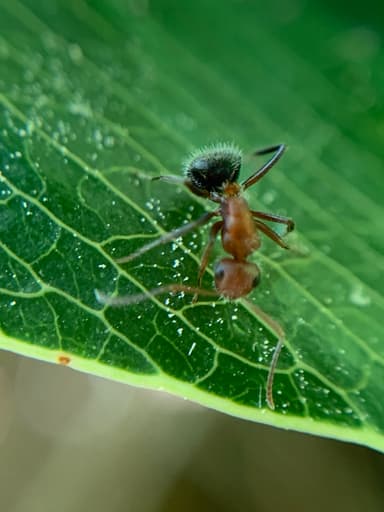
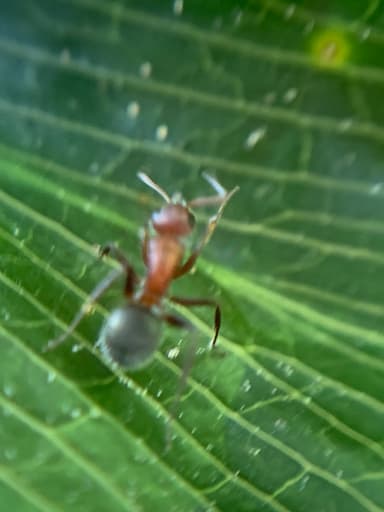
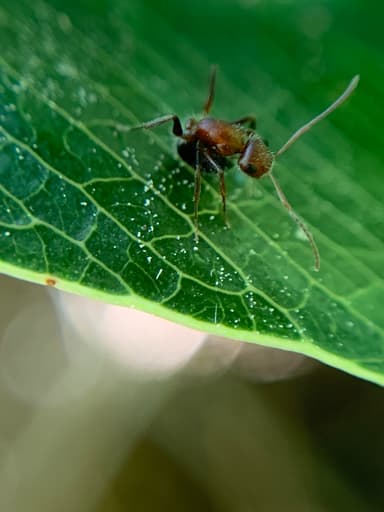
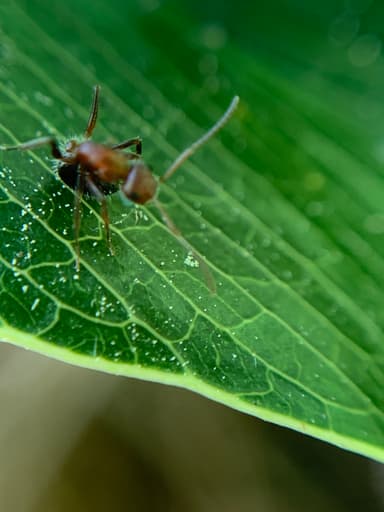
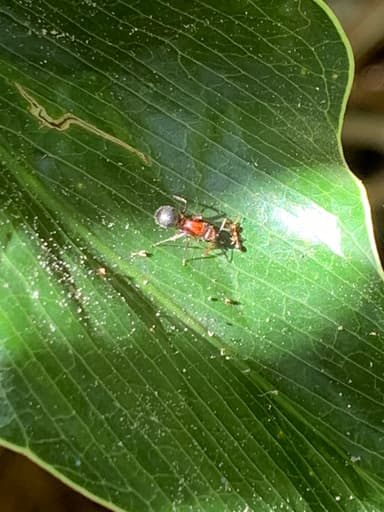
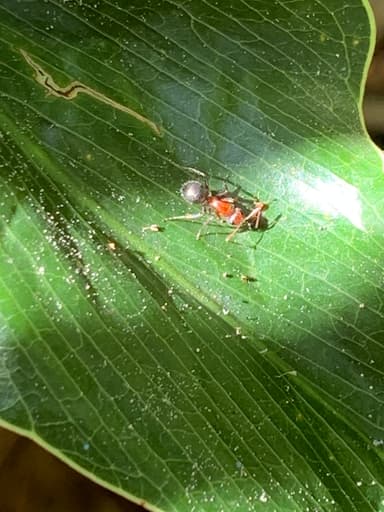
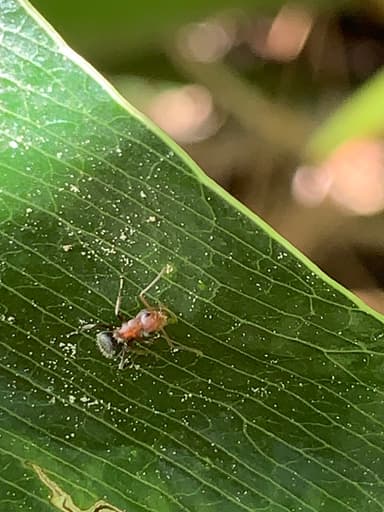
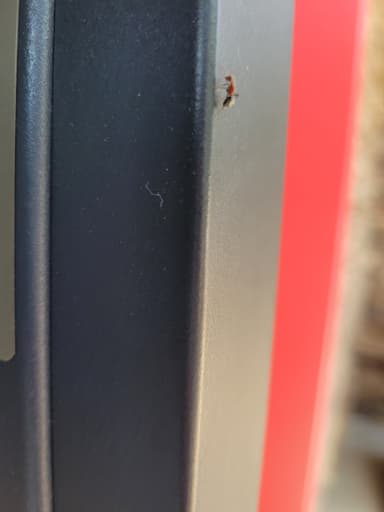
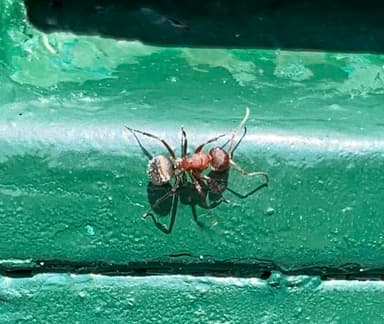
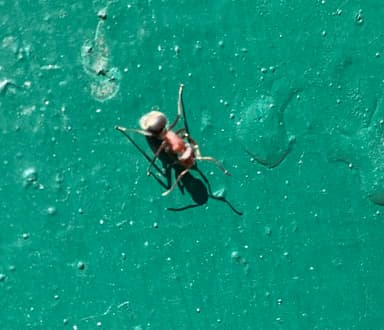
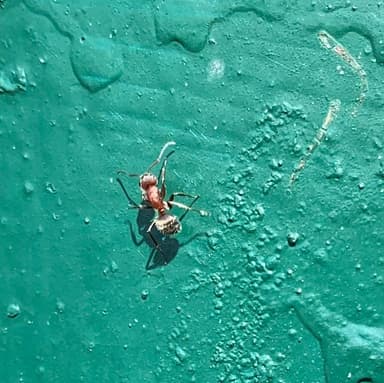
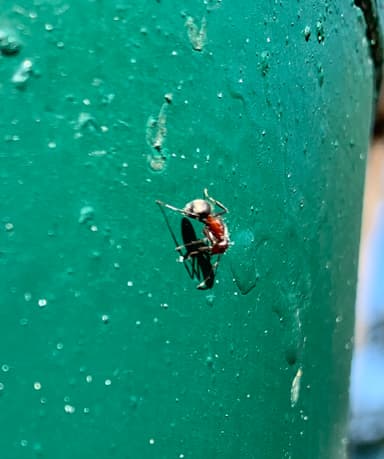
Camponotus planatus, often referred to as the compact carpenter ant, is a small but captivating species that brings a touch of the tropics to the ant-keeping hobby. Queens range from 9 to 11 millimeters, while workers display a clear size polymorphism of 4 to 7 millimeters, with two distinct castes: sleek minor workers and robust majors with noticeably enlarged heads (Wheeler 1905). Their coloration is one of their most striking features — a ferruginous red to brownish-red head and mesosoma contrast vividly with a deep black gaster, and the legs are a pale yellowish-brown. Native to the Neotropical regions of Mexico, Central America, and the Caribbean, this species has also established itself in southern Florida (Deyrup 2003). A mature colony can number up to 10,000 individuals, and their active, diurnal foraging behavior coupled with a complete lack of a hibernation requirement makes them endlessly entertaining. Because founding queens are fully claustral, they require no food during the initial brood-raising phase, which simplifies those delicate early weeks enormously.
The care difficulty of Camponotus planatus firmly places it in the beginner category, making it an excellent choice for those new to ant keeping or anyone who wants a low-maintenance yet visually rewarding tropical species. Its forgiving nature stems from a broad tolerance of temperature and humidity, and it does not demand the careful dormancy manipulations that many temperate ants require. The visible polymorphism appears early in colony development, often producing majors when the colony has just a few dozen workers, which allows keepers to observe the divergence of task allocation and physical form without waiting years. This ant is particularly suited to hobbyists who live in warmer homes or prefer not to manage a refrigerated hibernation period. Colonies grow at a steady clip, provided they are fed regularly, and their claustral foundation means that a newly mated queen can be raised in a simple test tube setup from the very start. All these traits combine to create a species that is both engaging and robust, capable of withstanding minor husbandry mistakes that might derail more delicate ants.
Housing a Camponotus planatus colony thrives on simplicity and stability. Because they are a small carpenter ant, they naturally nest in dead wood, but they adapt readily to artificial nests made of ytong, plaster, or acrylic, as well as to cork-lined tubes. The ideal temperature range is 22 to 28 degrees Celsius, while a relative humidity of 50 to 70 percent mimics their tropical and subtropical origins (GBIF occurrence data). A useful setup provides a humidity gradient within the nest, allowing the ants to move brood to their preferred microclimate. A foraging arena, or outworld, should be connected once the colony outgrows a single tube, and this area must be thoroughly escape-proofed because the workers are agile and will explore every gap. Substrate is not strictly necessary inside the nest, but a thin layer of sand or a sand-clay mix in the outworld gives adults and larvae a firm footing and helps maintain humidity. A gentle heat source, such as a heat mat placed under one end of the nest, can ensure the correct temperature without desiccating the air too quickly. No specialized lighting is needed, and the nest itself should be kept dark; red foil or an opaque cover will keep the colony feeling secure.
A balanced diet is the engine behind a thriving colony, and Camponotus planatus eagerly accepts both carbohydrate and protein sources. Sugars fuel the energetic adult workers, which can be offered as small droplets of sugar water, diluted honey, or slices of fresh fruit like apple or melon — always in tiny, easily replaceable amounts to prevent spoilage. Protein in the form of freshly killed insects such as fruit flies, small crickets, or pieces of mealworm is essential for the queen’s egg production and for larval growth. In practice, feeding carbohydrates every other day and providing protein two to three times per week works well, with the frequency tweaked according to the colony’s appetite; a large, egg-laden queen with piles of larvae will consume considerably more. Fresh water must be available at all times, typically via a test tube water reservoir plugged with cotton, a drinking fountain in the outworld, or a small soaked sponge. For founding queens and very small colonies, the first prey items should be crushed or pre-killed to eliminate any risk of injury, and the food should be placed close to the brood chamber to minimize stress.
One of the greatest appeals of this species is that hibernation is not required at all. Being a purely tropical ant, Camponotus planatus operates year-round without any need for a cooling period, so you can enjoy their constant activity through every season. Temperatures should simply be maintained within the 22 to 28 degrees Celsius band; a slight nighttime drop is natural but not essential. The absence of diapause does mean the colony will never pause its feeding demands, so continuous access to water and a steady supply of sugars and protein are necessary. When you first receive a queen or a small founding colony, the transition period is critical. Place the tube in a quiet, dark location for a full 24 to 48 hours without any disturbance — no feeding, no peeking. After this settling window, you may gently offer a minuscule dab of honey on a slip of paper and a single crushed fruit fly, then retreat again. Look for signs of acclimation: the queen should be calmly tending her eggs or small larvae, and workers, if present, will begin to explore. Avoid strong vibrations, bright light, and the temptation to check too frequently. Once the first workers are consistently foraging, you can connect a small outworld, and within a few weeks you will witness the full rhythm of colony life unfolding, from dedicated brood care to the first major workers proudly standing guard.