Myrmecocystus
Myrmecocystus mendax
Nuptial Flight Calendar
Flight months: Jul, Aug
Care Guide
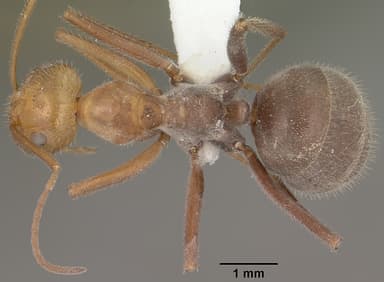
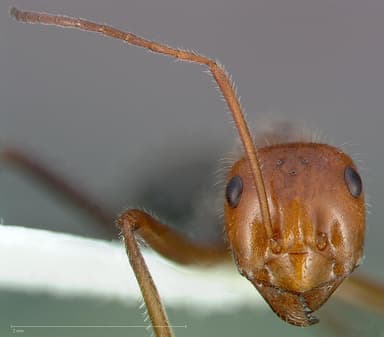
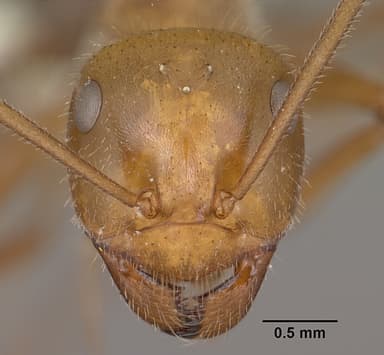
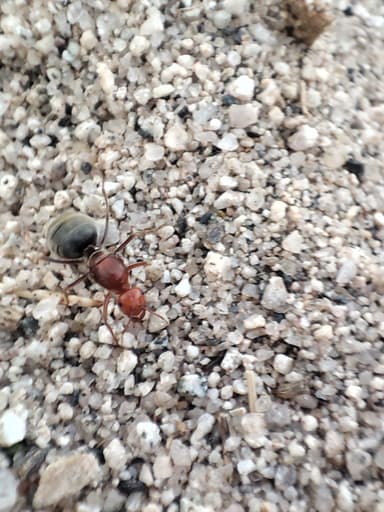
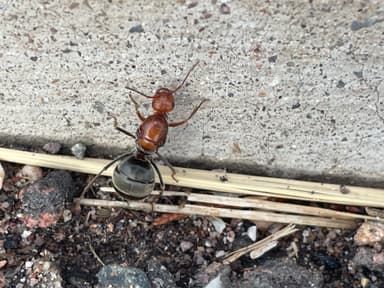
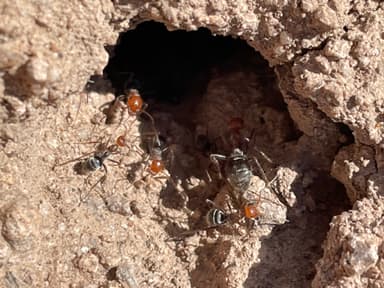
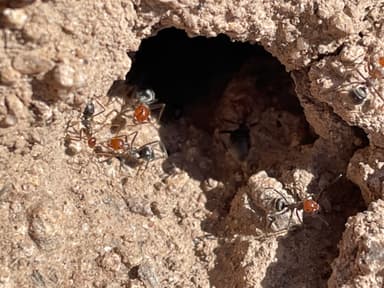
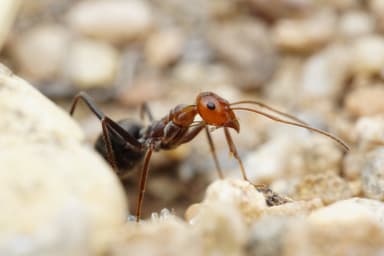
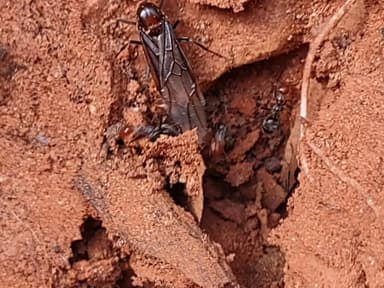
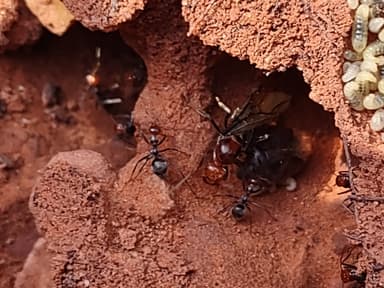
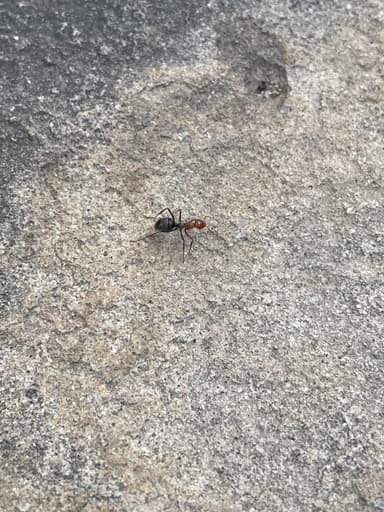
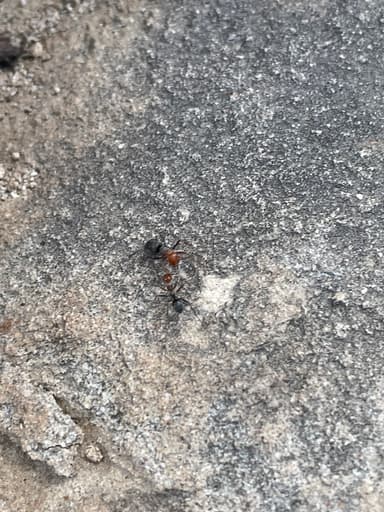
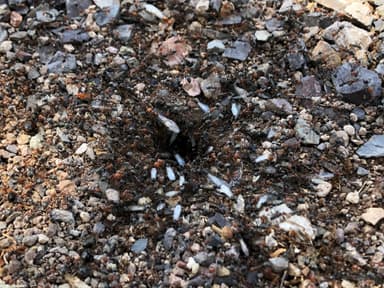
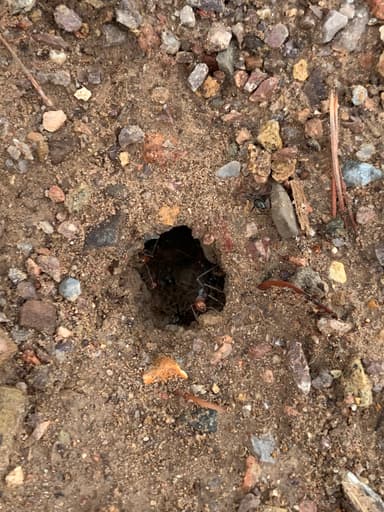
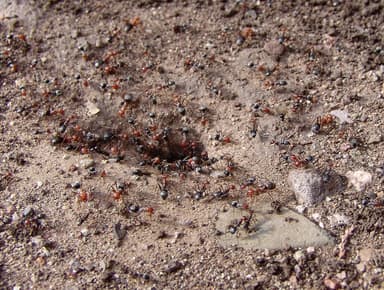
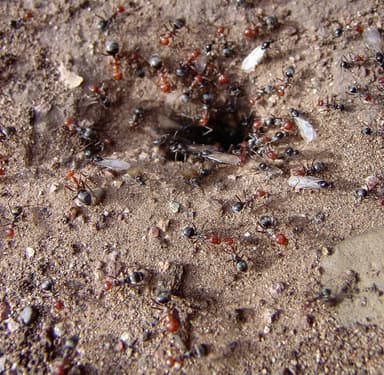
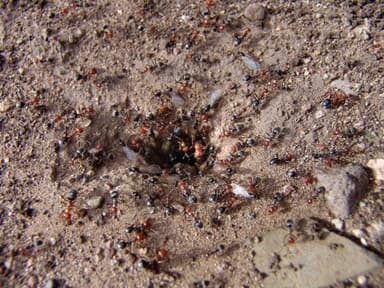
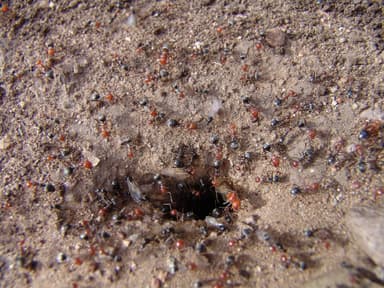
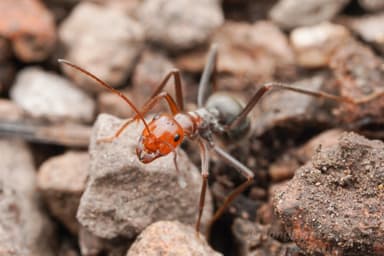
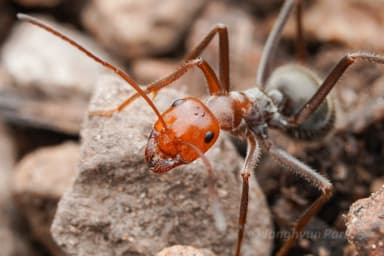
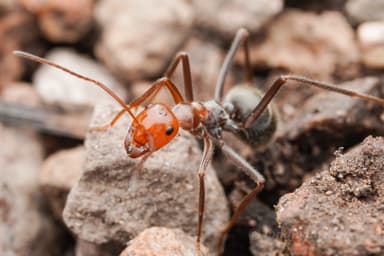
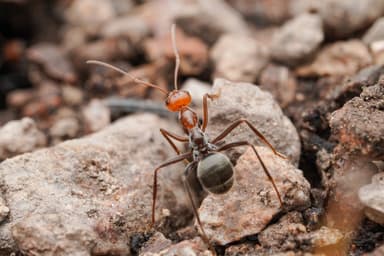
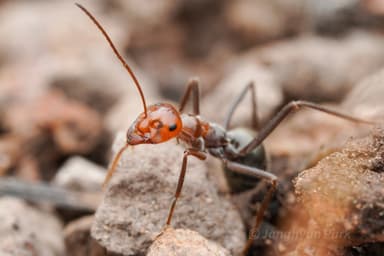
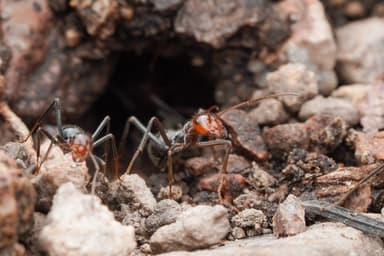
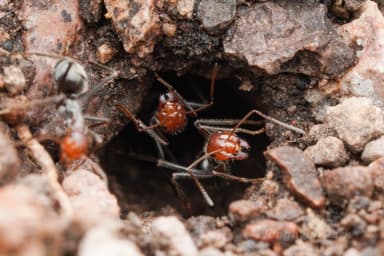
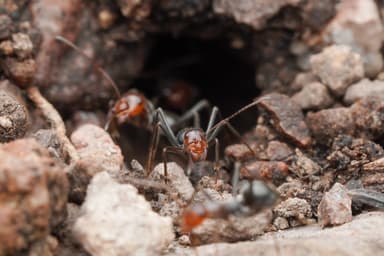
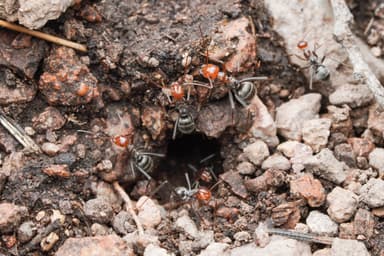
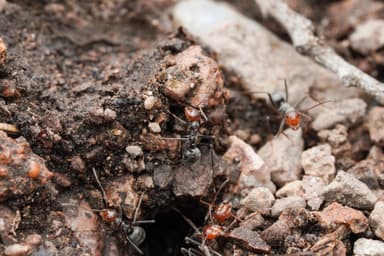
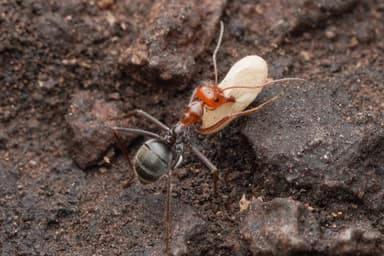
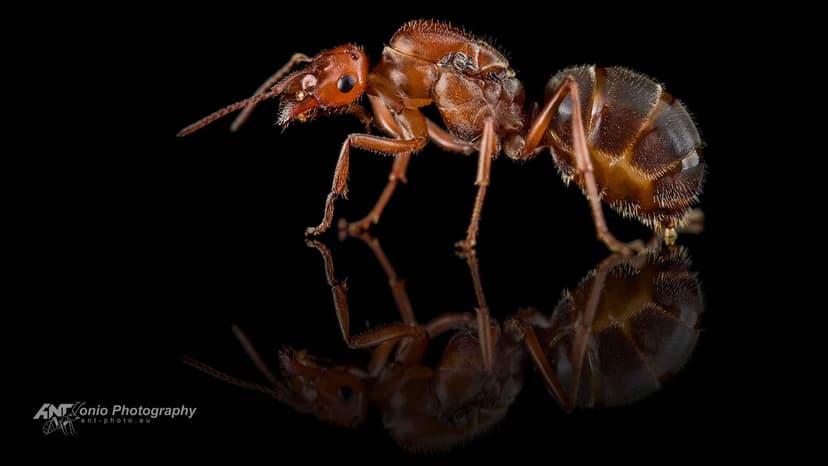
Among the honey ants of the American Southwest, Myrmecocystus mendax stands out as a truly captivating species for the intermediate keeper. Like its close relatives, it is famed for its living larders — the repletes — but this species adds a dash of personality with its relatively large, polymorphic workers that range from bustling 5 mm minors to formidable 9 mm majors with impressive mandibles, all serving a single claustral queen who measures a regal 11 to 14 mm. In the wild, colonies nest deep in the arid soils of a vast region roughly bounded by the 28th and 42nd parallels north and spread from the California coast to the central plains, and mature societies can swell to an impressive 15,000 individuals. The caste system is tripartite, encompassing minors, majors, and the celebrated repletes, whose abdomens swell to translucent amber orbs as they hang from the ceilings of specially constructed chambers, storing sugary liquid for lean times — a behaviour that has made honey ants a source of fascination since Conway’s classic summary of their biology (Conway 1986). In captivity, observing the development of the first replete is a milestone that rewards patience and careful husbandry.
*Myrmecocystus mendax is best suited to hobbyists who have already kept easier claustral species and are comfortable managing seasonal cycles. The ants themselves are relatively hardy, but their deserts demand a distinct dry period and a controlled winter rest, making the care difficulty intermediate. First-time ant keepers may find the precise environmental gradients and the commitment to hibernation a little daunting, yet for anyone who has successfully overwintered Camponotus or Formica*, this species will feel like a natural next step. The queen is fully claustral, founding on her own fat reserves — a delight to watch in a test tube setup — and she tends to be less skittish than some smaller honeypot ant royalty. That said, the colony’s output does hinge on a reliable protein supply once workers arrive, so one must be ready to offer a steady diet during the growing season.
Housing must emulate the warm, well-drained microhabitats of the arid Southwest. A formicarium with excellent ventilation and a deep nesting area works best; many keepers favour horizontal plaster or ytong nests with a visible replete chamber, as the ants themselves will decorate the ceiling with suspended storage specialists. Provide a temperature gradient from a warm area around 30 °C at one end down to about 22 °C at the other, allowing the workers to choose. Humidity should be maintained between 30% and 60%, but the nest itself must not become sodden — a tiny water source in one corner or periodic misting of a side chamber will suffice, as these ants derive much of their moisture from their liquid diet. Avoid loose, fine sand as a substrate in foraging areas because it can entangle legs; instead, use a thin layer of fine gravel or simply a bare, easily cleaned surface. In nature, M. mendax digs deep, so offering a deep, damp medium like clean sand-loam in a separate excavation chamber can encourage natural digging and replete attachment, but this is optional if you can observe them through glass.
Feeding requires a dual approach: protein for the developing brood and carbohydrates to build the replete stores. Offer insect prey — small crickets, mealworms, or fruit flies — twice a week, always removing uneaten remains after a day to prevent mould. The liquid provisions should be a weak sugar-water solution or diluted honey, presented on a small feeding dish or a cotton wick, taking care not to flood the foraging area. Fresh water is essential; a small, regularly refilled water feeder or a moist cotton plug attached to the nest entrance gives them a safe drinking station. Watch for the moment when a young worker takes a long drink and becomes noticeably distended: this is the beginning of a repletes’s career. The colony will regulate how many repletes to maintain, so do not overprovide sugars in an attempt to force more — let them self-manage, as excessive liquid carbohydrates can lead to fermentation inside the nest.
Hibernation is mandatory for long‑term colony health, mirroring the cooler winter months across their native range. The ants require a slow cool‑down to a steady 12 °C over a few weeks, followed by a rest period of three to four months. You can achieve this in a wine cooler or a dedicated cool room, but avoid temperature fluctuations. During this time, the colony will cluster tightly, activity ceases, and the queen stops laying. Do not feed; only ensure that one tiny source of moisture remains available, such as a damp cotton tip in the nest. Gradually rewarm the colony to summer temperatures in early spring, and you will often be rewarded with a surge of egg‑laying and the visible replenishment of repletes. Many keepers report that a proper diapause triggers the development of large repletes, as the colony restocks its pantries for the coming season.
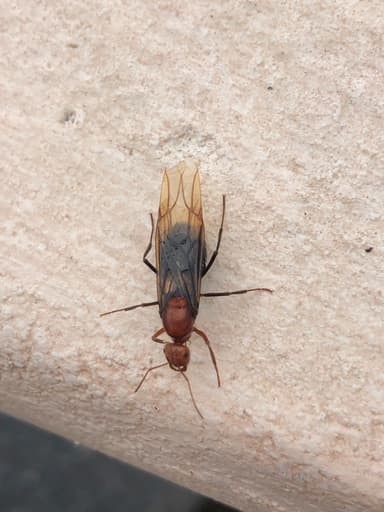
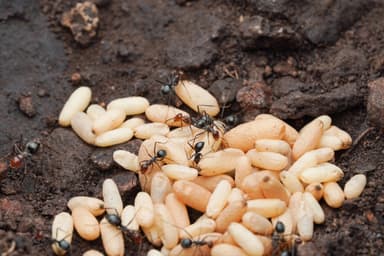
When your M. mendax queen arrives, she will likely be in a test tube with water and a cotton plug, having been recently captured during a nuptial flight, which in the wild occurs on warm, humid evenings after the summer monsoon rains in July or August (Snelling 1976). Place the tube in a warm spot around 27 °C, completely dark and vibration‑free, and resist the urge to peek for at least two weeks. Once the first tiny workers emerge — often after six to eight weeks — you can offer a micro drop of sugar water at the tube entrance. Do not be alarmed if they ignore protein for a while; early workers focus on carbohydrate collection to prepare the first replete. Only introduce a killed fruit fly or a crumb of cricket once you see a handful of foragers regularly moving about. At this fragile stage, patience is everything: keep disturbance minimal, maintain a gentle warmth, and watch for the subtle signs of success when a minor worker, belly full of gold, finds a spot on the tube ceiling and hangs motionless, marking the true beginning of your honey ant colony.