Messor
Messor ibericus
Nuptial Flight Calendar
Flight months: Jun, Jul, Aug, Sep
Care Guide
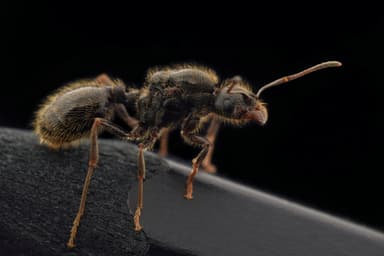
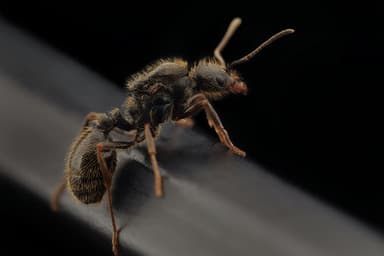
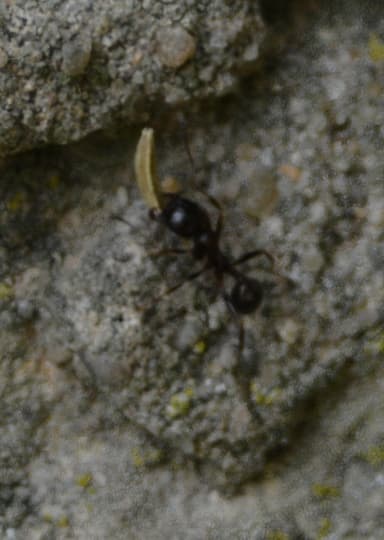
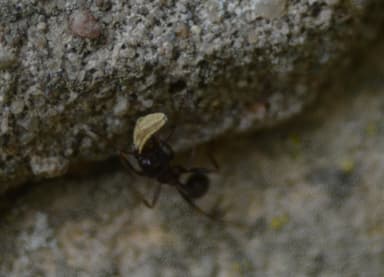
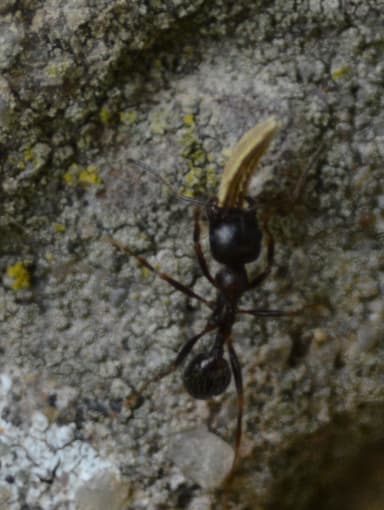
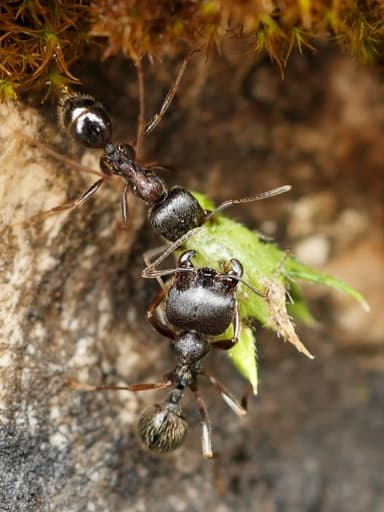
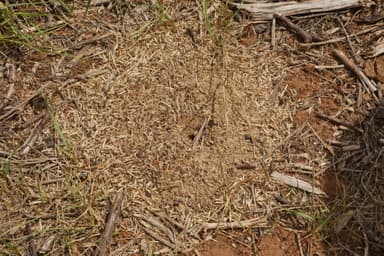
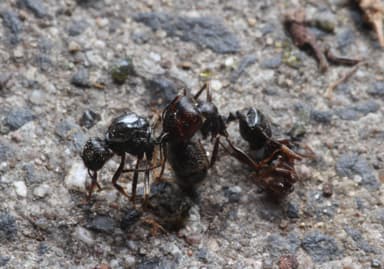
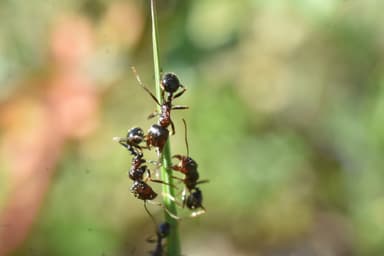
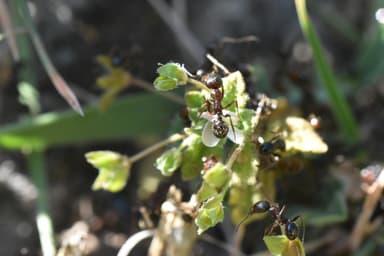
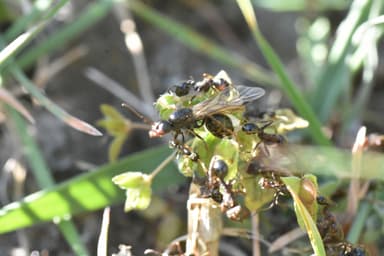
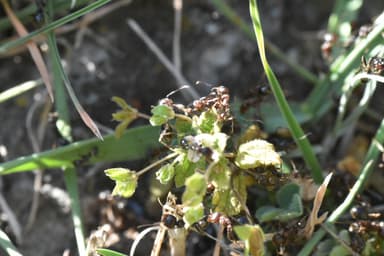
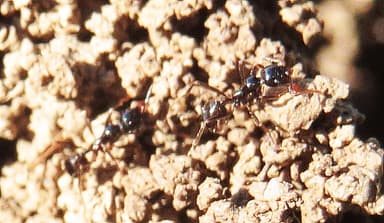
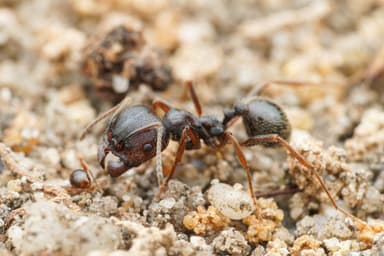
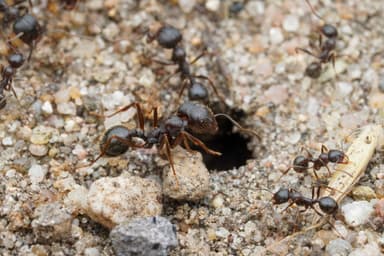
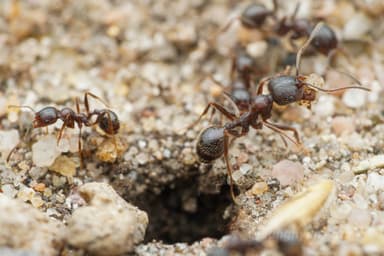
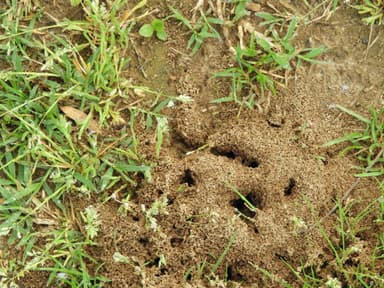
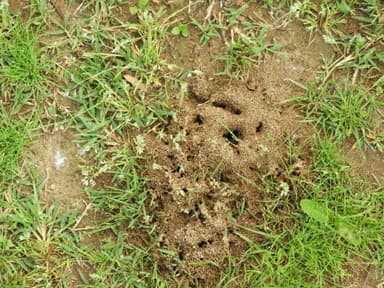
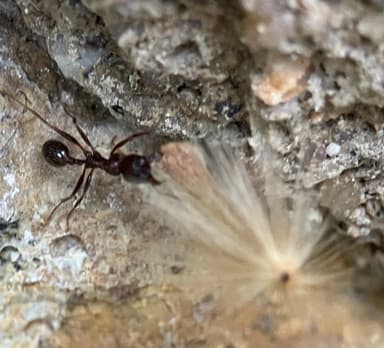
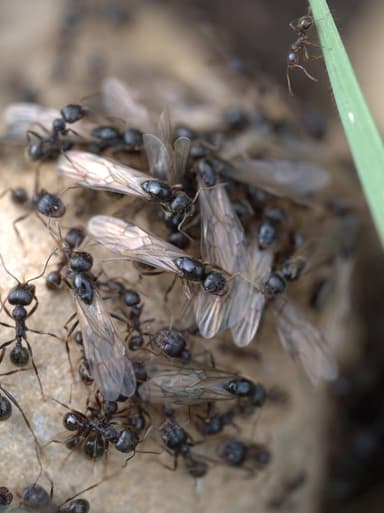
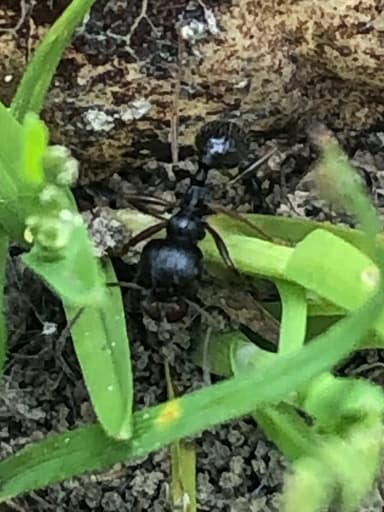
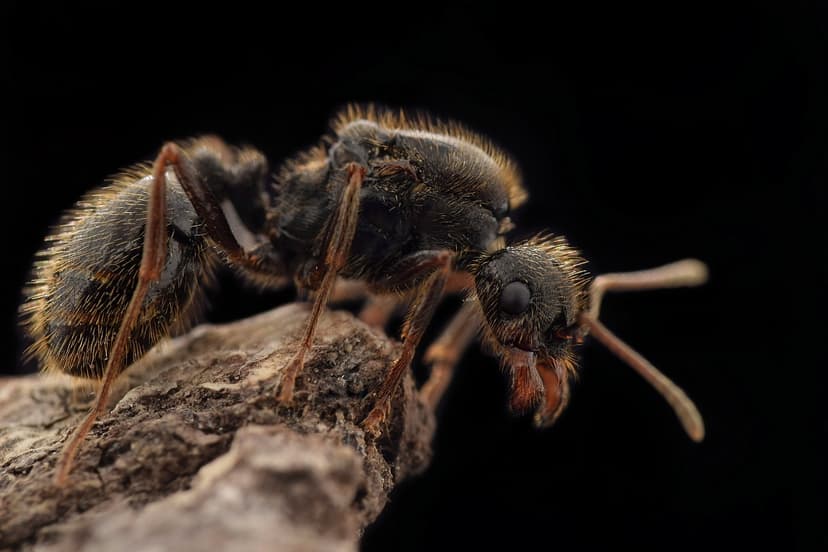
Messor ibericus is a highly rewarding harvester ant native to the sun‑baked landscapes of the Iberian Peninsula and the wider western Mediterranean, where it thrives in open grasslands and scrubby, semi‑arid habitats (Santschi 1931; GBIF occurrence data). This species immediately captivates with its striking caste polymorphism: a single colony contains three distinct worker sizes – minor, media and major – that range from just 4 mm up to an impressive 12 mm in length. The major workers, in particular, draw attention with their disproportionately large, muscle‑packed heads and powerful mandibles, perfectly adapted for cracking and milling even the toughest seeds. Queens are substantially larger, measuring 14–17 mm, and their robust, dark reddish‑brown to black bodies gleam subtly under light. A fully mature colony can reach around 10,000 individuals, creating a busy, dynamic microcosm in the formicarium. What truly sets Messor ibericus apart is its granivorous lifestyle: unlike many ants that depend heavily on liquid sugars, these ants are specialist seed harvesters. Foragers collect seeds and store them in dry granary chambers, where workers later process them into a nutritious, paste‑like “ant bread” by chewing the contents into a soft mash. This unique behaviour, coupled with the visible polymorphism, makes watching a Messor ibericus colony endlessly fascinating.
With its undemanding nature and forgiving environmental tolerances, Messor ibericus is classified as a beginner‑level species and suits anyone eager to witness complex social behaviours without the steep learning curve of more delicate ants. The ants are robust and relatively slow‑moving, making them easy to observe and manage. Beginners will appreciate their predictable annual rhythm, while experienced keepers often find the colony’s seed‑processing chain and the sheer variety of worker forms a constant source of study. Their moderate growth rate gives the keeper time to gradually upgrade nest systems as the colony expands, and they rarely panic or attempt escape if handled gently. That said, even a beginner must be committed to providing the right long‑term conditions, particularly a quality hibernation period, to keep the colony healthy for years.
Housing these harvesters correctly means recreating the dry, well‑ventilated conditions of their native Mediterranean zone. A temperature range of 21–30°C suits them perfectly, with the warmer end of that spectrum encouraging faster brood development and more active foraging. Humidity inside the nest should be kept low, between 40% and 60%, as they are highly prone to mould and fungal issues if moisture accumulates. The best nest types are those that mimic natural soil cavities: ytong (aerated concrete), plaster, or 3D‑printed nests with a large, dry interior and only a very small water port to maintain a gentle gradient – never direct, constant moisture. A separate, larger outworld is essential for foraging and seed storage. Line the outworld with a sand‑loam mix or fine gravel to give the ants natural footing and to allow them to dump waste and discarded seed husks tidily. Within the nest, do not add substrate; instead, let the ants arrange the chambers themselves. One crucial design tip: include a few slightly larger, flat‑bottomed chambers where the major workers can comfortably mill seeds, as they will dedicate certain areas to this task (Steiner et al. 2018).
Diet is where Messor ibericus truly specialises. Their primary food is seeds, and offering a diverse seed mix is the foundation of good nutrition. Suitable choices include seeds of amaranth, chia, various grasses, dandelion, and millet, as well as small nuts and crushed hemp seeds. Avoid fatty, oily seeds and never give roasted or salted products. The ants will carry seeds into the nest and store them in a dry granary; then, over the following days, you will see soft white piles of chewed grain appear – their ant bread – which is fed to larvae and the queen. Protein is still required, but sparingly: a small piece of freshly killed insect (fruit fly, cricket leg, mealworm) once or twice a week is plenty, with any uneaten remains promptly removed to prevent spoilage. A separate pure water source, such as a test tube with a cotton plug, must be available at all times in the outworld, but do not spray the nest directly, as Messor species gain most of their moisture from the humidity gradient and from the water they process while chewing seeds. Interestingly, they will occasionally accept dilute sugar water or honey, but it is not essential; a colony can thrive on seeds and occasional insect protein alone.
A true hibernation, lasting three to four months at a steady 12°C, is non‑negotiable for Messor ibericus and is one of the few ways a keeper could undermine their health if neglected. In their natural range, winter temperatures drop, and the colony enters a dormant state during which brood production halts and the workers cluster. Without this chilling period, the queen’s egg‑laying cycle becomes erratic and the colony may slowly decline. Begin the cooling process in late autumn by gradually reducing the temperature over two to three weeks until it reaches 12°C. A wine cooler, a temperature‑controlled basement or a dedicated ant‑fridge all work well. The ants will need no food during hibernation, but a small water source should remain; check it monthly. In early spring, reverse the process slowly, warming them over several days, and offer a light sprinkle of tiny seeds as soon as you see activity resume.
After purchasing a queen or a small founding colony, the first few days set the tone for a successful partnership. Most Messor ibericus queens are sold singly in a test tube with a water reservoir – the classic “test tube setup”. Immediately place the tube in a dark, quiet area and maintain the temperature at a gentle 24–26°C. Leave her completely undisturbed for at least two to three weeks. Messor ibericus queens are fully claustral, meaning she will not need food until her first workers have eclosed and are old enough to forage. Resist the urge to check on her daily; a brief, gentle inspection once a week using a red light is sufficient to confirm she is alive and that the water supply is intact. Once the first tiny minor workers (nanitics) appear and begin to move around the tube, you can connect a small outworld and offer a pinch of the smallest seeds, such as amaranth or finely crushed millet, along with a tiny drop of sugar water on a piece of foil. Watch for the workers to carry seeds back into the tube – the moment you see that celebrated “first seed” being rolled towards the nest is when you’ll know your colony is ready to step into its fascinating life under your care.