Leptogenys
Leptogenys falcigera
Care Guide
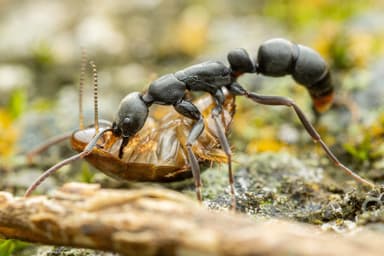
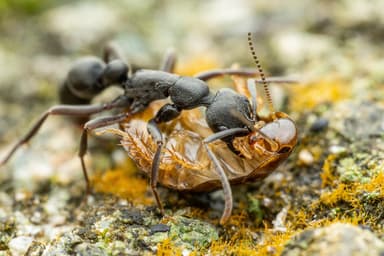
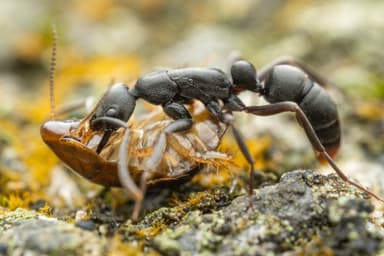
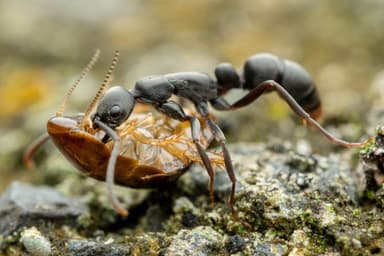
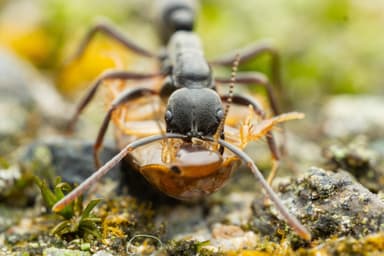
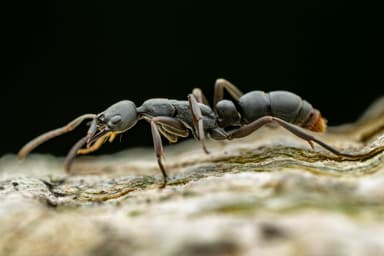
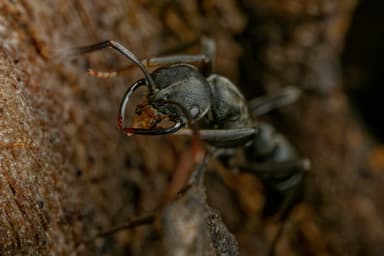
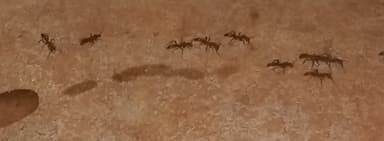
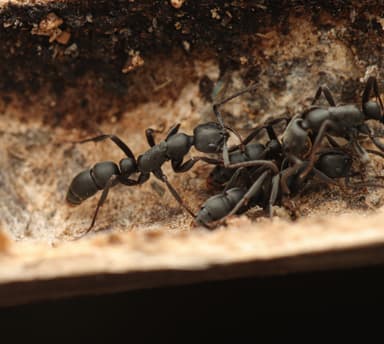
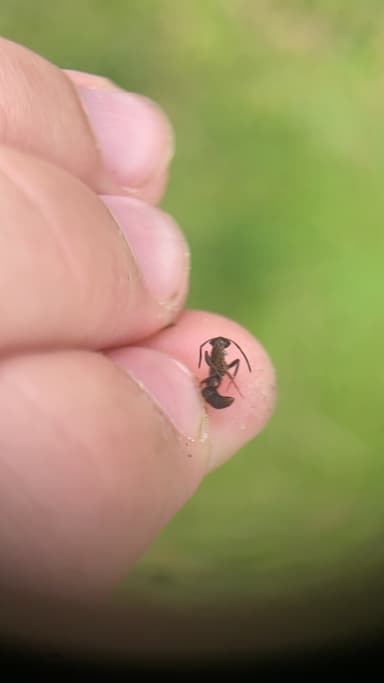
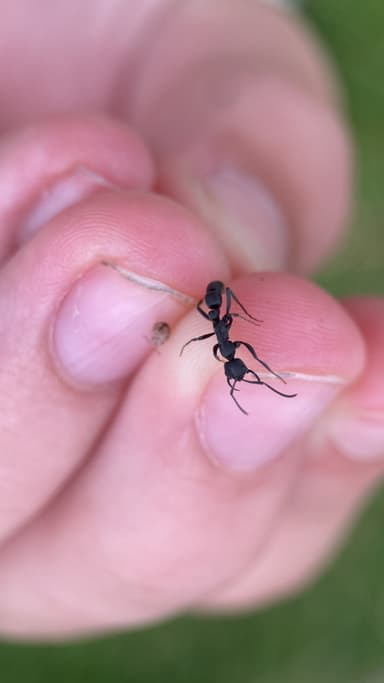
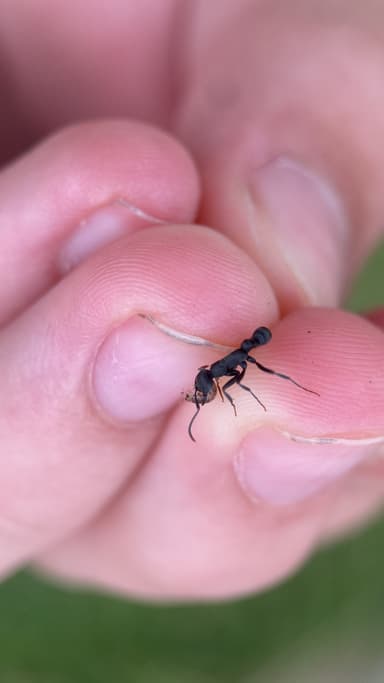
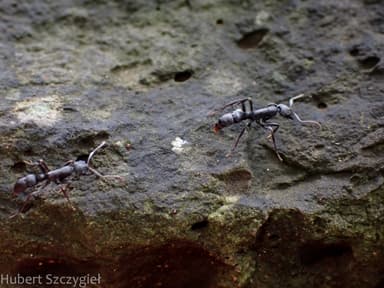
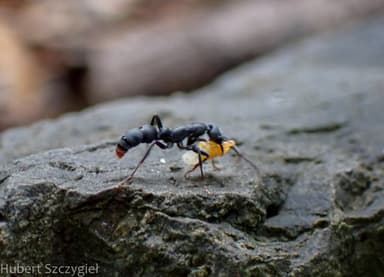
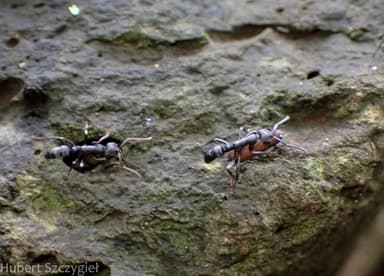
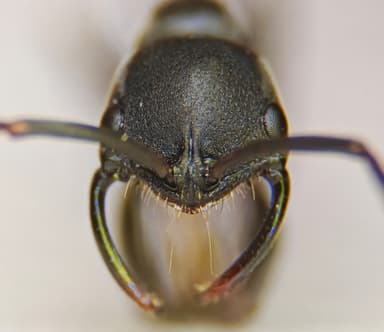
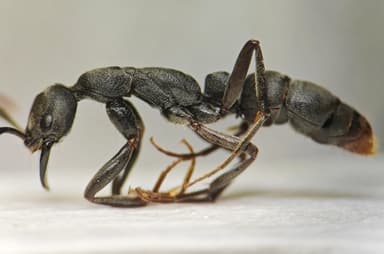
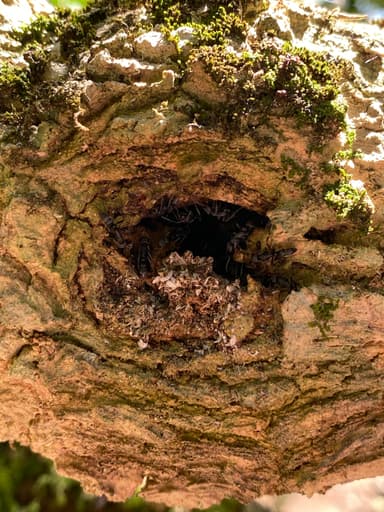
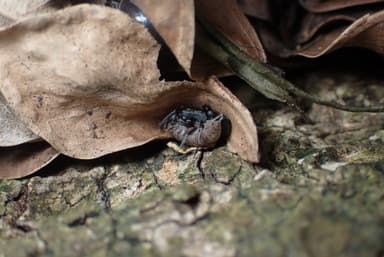
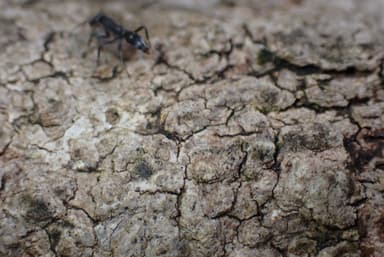
Leptogenys falcigera is a slender, swift ponerine ant whose common name, the sickle-jawed ant, perfectly captures its most striking feature: long, curved mandibles that snap open like a pair of forceps to seize prey. Workers are monomorphic, measuring 6 to 7.5 mm, with a glossy black or dark reddish-brown exoskeleton and long, agile legs that allow them to sprint across the substrate. Colonies can grow surprisingly large for the genus, reaching up to 5,000 individuals, and are headed not by a typical winged queen but by ergatoids — wingless, worker-like reproductives that are almost identical to their sisters. This species has a pantropical distribution, originally described from the Indo-Pacific but now found in warm regions across the globe (GBIF occurrence data), a testament to its tramp-like dispersal through human trade. What makes L. falcigera especially fascinating is its highly cooperative hunting behavior: workers form raiding columns to overwhelm woodlice, their almost exclusive natural prey, and colonies reproduce by budding, with one or more ergatoid queens departing alongside a retinue of workers to establish a new home. This combination of visual elegance, complex social dynamics, and a specialist diet places them among the most captivating yet demanding ants a keeper can maintain.
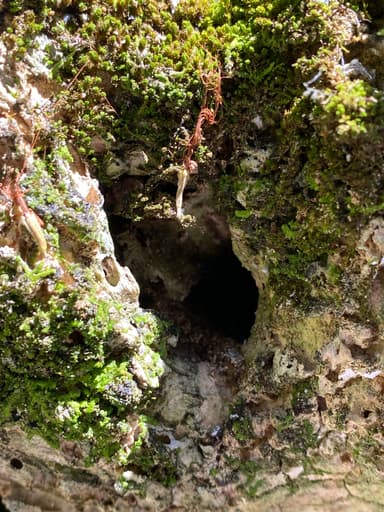
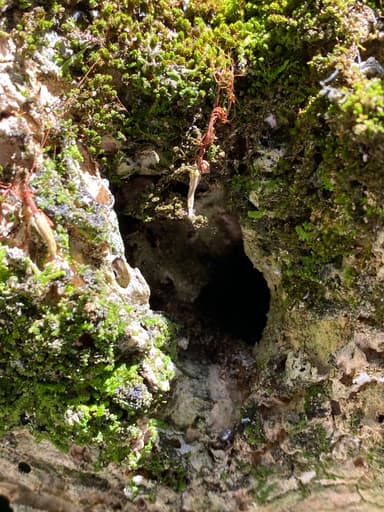
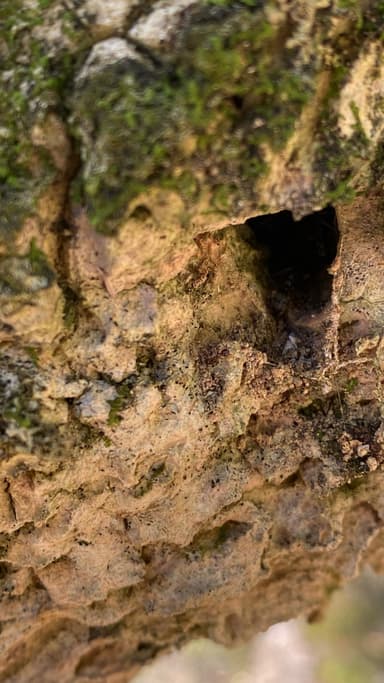
With a care difficulty rated as expert, L. falcigera is unequivocally suited to keepers who already have mastered the fundamentals of ant husbandry, particularly with tropical species and live-prey management. The primary challenge is dietary: these ants require a steady supply of live isopods (woodlice) and will often ignore dead insects, making a thriving feeder culture a prerequisite. They are also exceptional escape artists; their speed, small size, and ability to squeeze through minute gaps mean that a perfectly sealed, escape-proof setup is non-negotiable. Furthermore, the colony’s nomadic tendencies — in nature they frequently relocate their temporary nest sites under leaf litter and fallen logs — demand a carefully structured environment that mimics this transience without causing stress. This species should not be attempted by beginners, nor by intermediate keepers unaccustomed to high humidity maintenance. It rewards the dedicated hobbyist with active, diurnal foraging and intricate prey-retrieval behaviors, but will rapidly decline if conditions falter.
Housing L. falcigera successfully requires recreating the warm, perpetually moist microclimate of their tropical origins. A temperature range between 22°C and 28°C is ideal, achievable with a gentle under-tank heater or a warm ambient room, but sharp fluctuations must be avoided. Humidity must stay between 70% and 90% — high enough to keep the substrate damp but not waterlogged, as poor ventilation can encourage fungal growth. A naturalistic terrarium setup works best: a glass tank with a deep layer (at least 5 cm) of moisture-retentive substrate such as coco coir mixed with clay or fine sand, topped with a generous cover of leaf litter and bark pieces. Since the ants do not excavate permanent chambers, providing several pre-formed nest sites is crucial — half-buried plaster or cork nests with a humid internal chamber work well, and offering three or more allows the colony to choose its preferred spot. The foraging area should be connected to the nest via small entrances but kept slightly drier to prevent mold. A tight-fitting lid with a fine mesh or a Fluon-coated rim is necessary to contain these highly mobile ants, and always keep a small ventilation patch to ensure air exchange without dropping humidity.
Diet is the defining aspect of L. falcigera care. In the wild, these ants are specialized predators of isopods, hunting them in coordinated raids where workers use their sickle-like mandibles to pin the crustaceans’ armored bodies, then sting them into paralysis (Wilson 1958). In captivity, they must be provided with live woodlice — species such as dwarf white isopods (Trichorhina tomentosa) are ideal for smaller colonies, while larger Porcellio or Armadillidium species can be offered as the colony grows. Feeding should occur two to three times a week, with the amount adjusted to ensure all prey is consumed within a few hours; uneaten dead isopods should be removed to prevent decay. While some keepers report success with freshly killed insect larvae or termites, live isopods remain the staple, and colonies deprived of them often dwindle and cease brood production. Carbohydrate sources are taken only sporadically — a tiny droplet of diluted honey or sugar water can be offered every other week, but it is rarely the main attraction. Water must always be available via a plaster-filled test tube or a shallow insect drinker with pebbles to prevent drowning, as the high humidity alone does not provide drinking water.
A welcome relief for keepers in temperate climates is that L. falcigera requires no hibernation period. Originating from tropical latitudes and now established across the equatorial belt, these ants maintain activity year-round as long as temperature and humidity are upheld. Simply keep the setup within the recommended range throughout the year; there is no need to adjust photoperiod or temperature cycles. This constant activity is one of the species’ great joys, as a well-maintained colony will forage daily, providing endless observation opportunities without the long seasonal pauses demanded by many native species.
The first days after receiving your L. falcigera colony are critical. The ants will likely arrive in a plastic tube with a damp substrate and a few workers clustered around the ergatoid queen. Resist the urge to move them immediately; instead, place the transport container directly into the prepared foraging area, open it, and allow them to emerge at their own pace over several hours. This reduces stress and prevents scattering. Do not feed for the first 24 hours, but ensure a humidity gradient is already established so they can find a moist retreat. When the colony has settled into one of the provided nest sites — often indicated by workers carrying brood to the chosen chamber — offer a single, small live isopod. Observe from a distance: if it is quickly dispatched and dragged to the nest, the colony is adapting well. Watch closely for signs of excessive restlessness, such as constant patrolling of the lid edges, which may indicate inadequate humidity or a nest site that is too dry. Because ergatoid queens blend seamlessly with workers, note that if you cannot find the queen, do not disturb the nest to search; the presence of eggs and larvae in the coming days is your confirmation of her health. With patience and precise environmental control, your colony will soon embark on the raiding expeditions that make this species a true highlight of any expert collection.