Lasius
Lasius fuliginosus
Nuptial Flight Calendar
Flight months: Jun, Jul, Aug, Sep
Care Guide
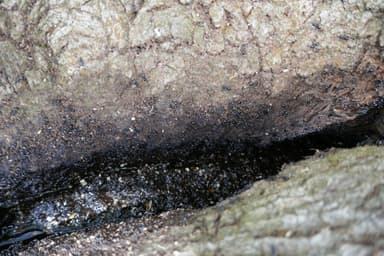
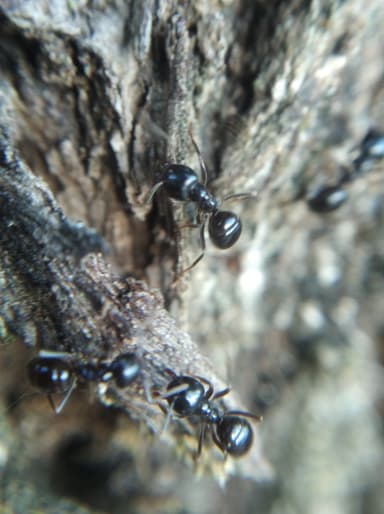
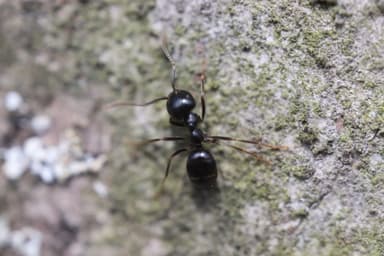
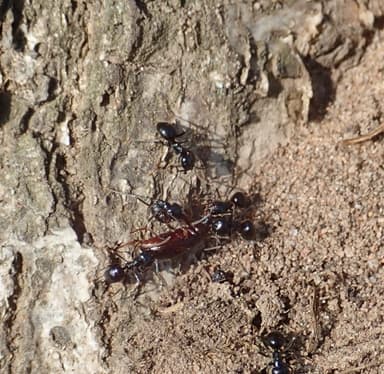
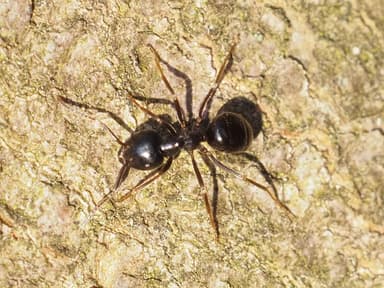
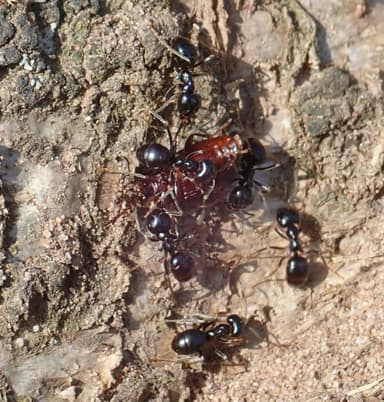
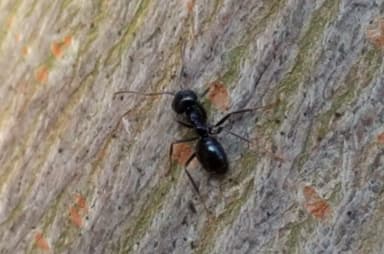
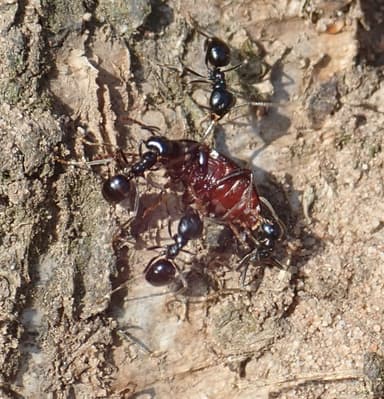
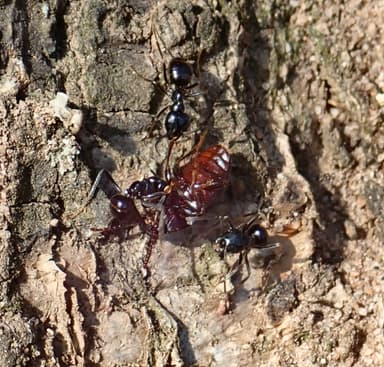
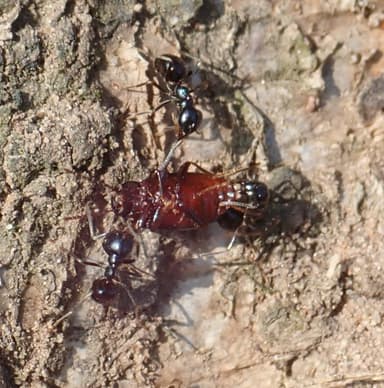
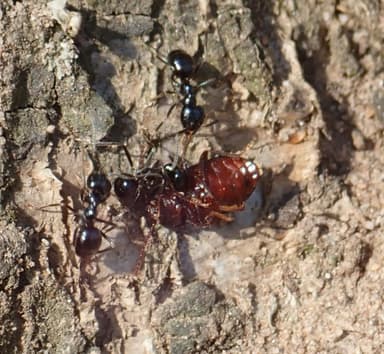
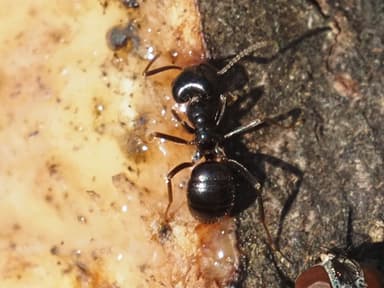
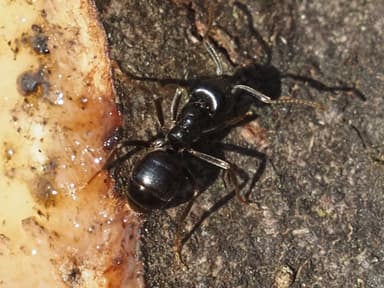
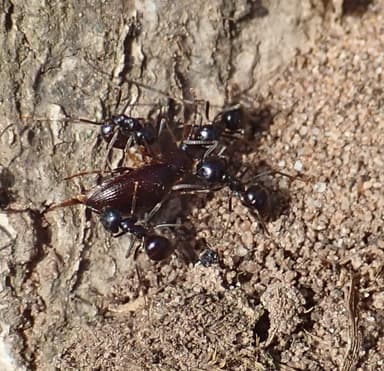
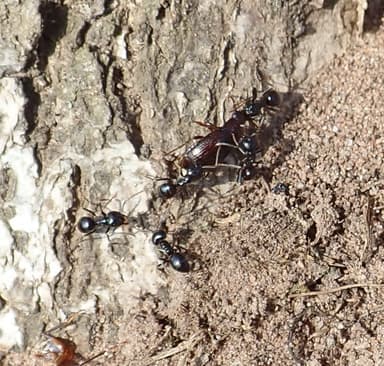
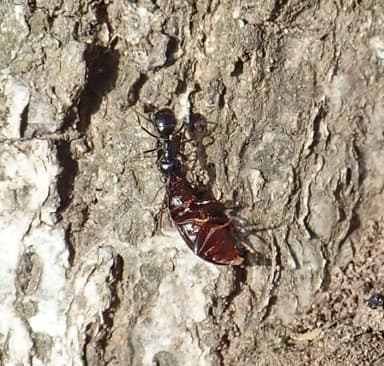
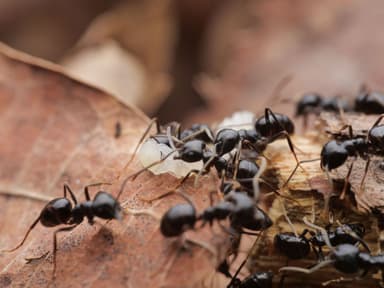
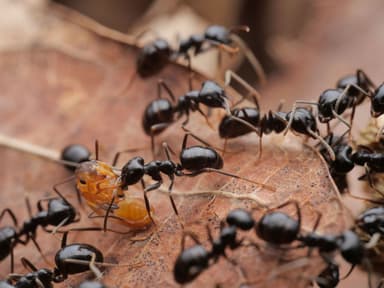
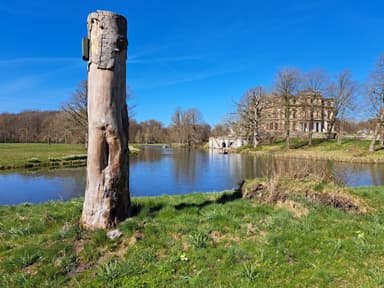
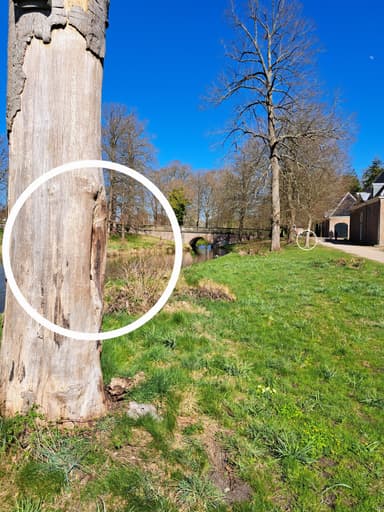
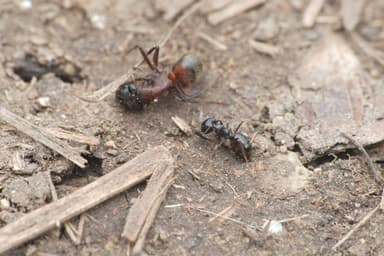
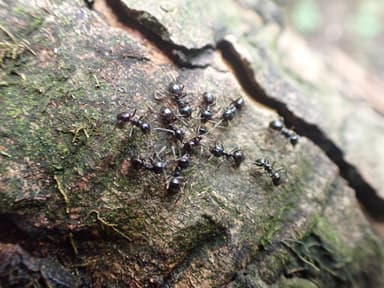
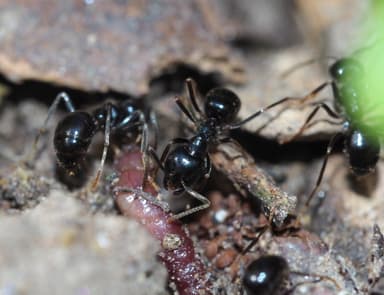
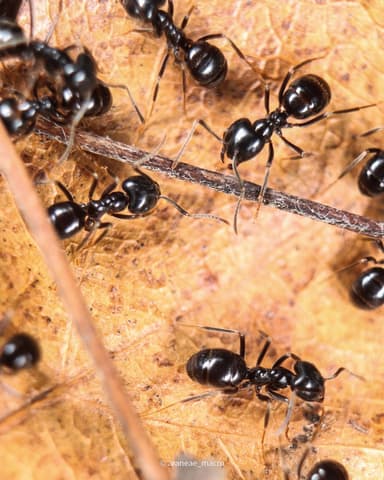
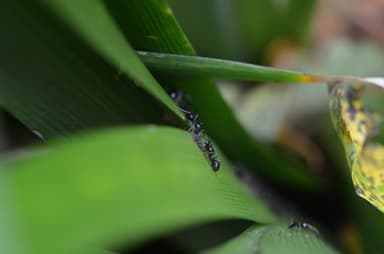
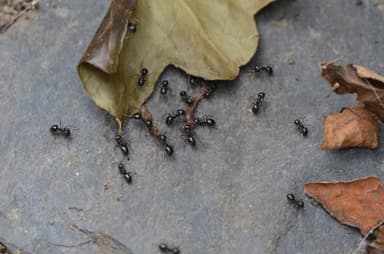
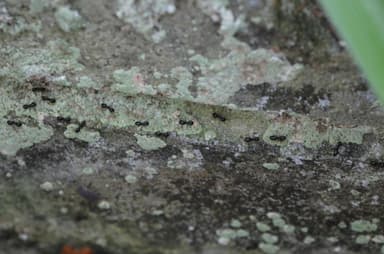
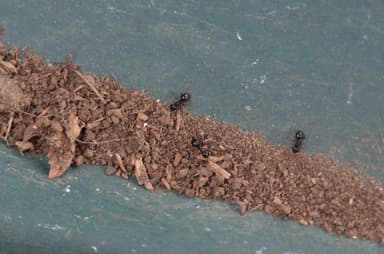
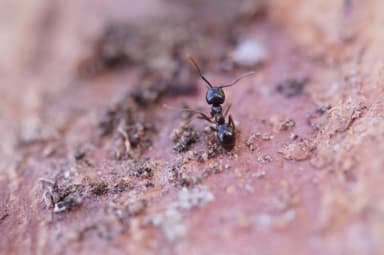
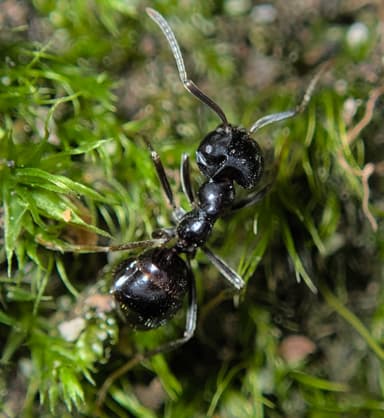
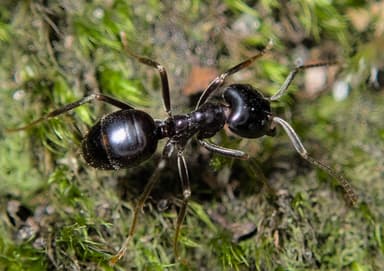
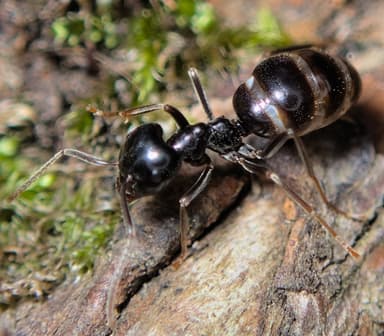
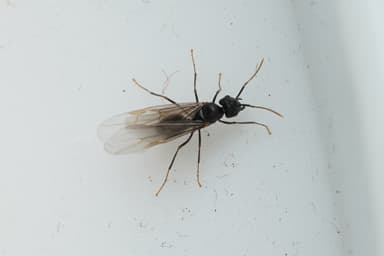
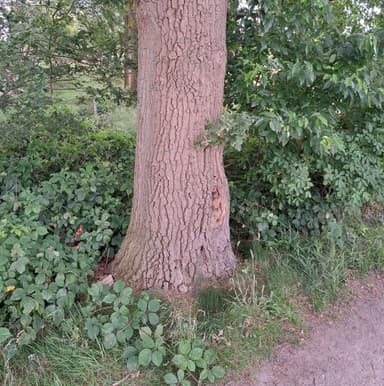
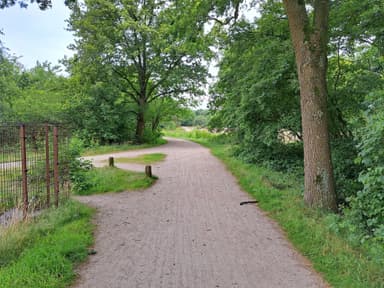
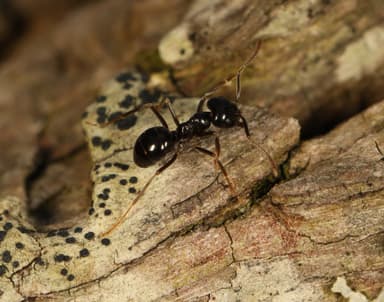
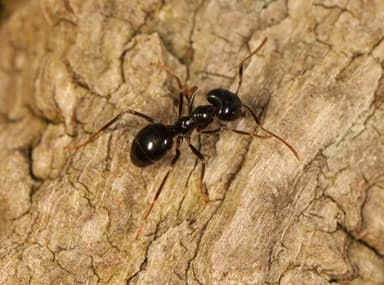
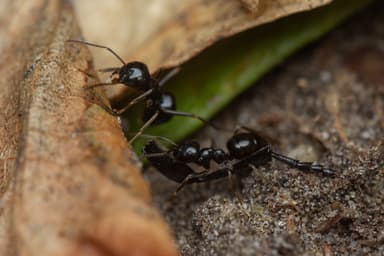
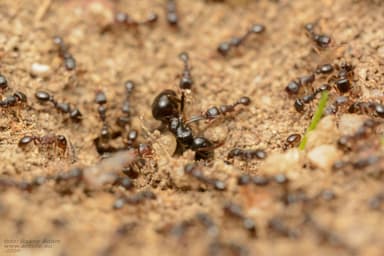
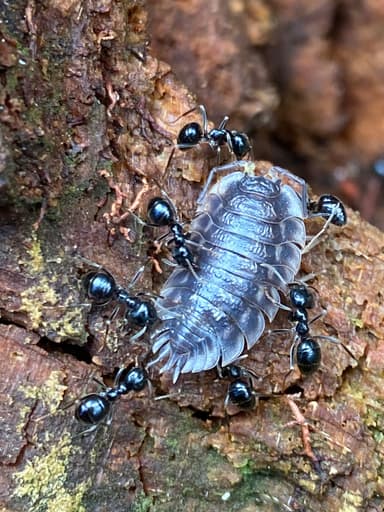
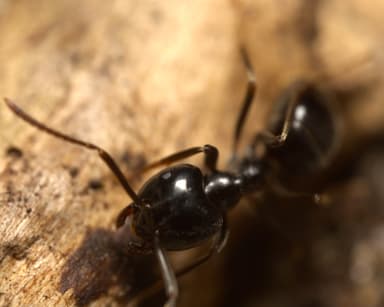
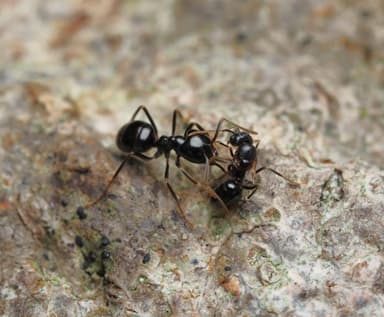
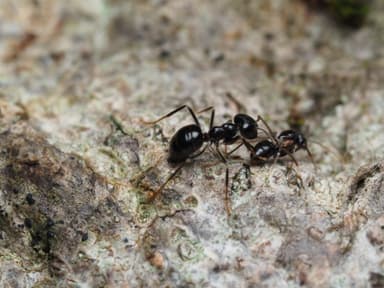
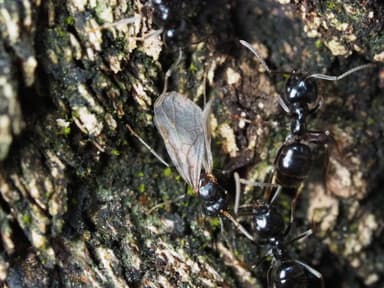
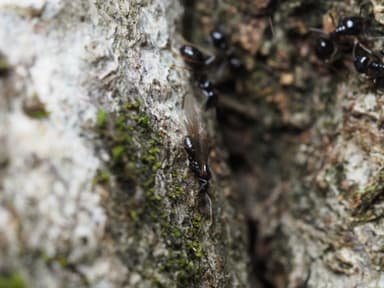
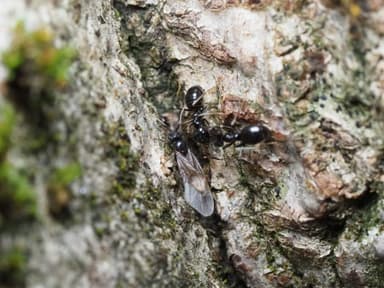
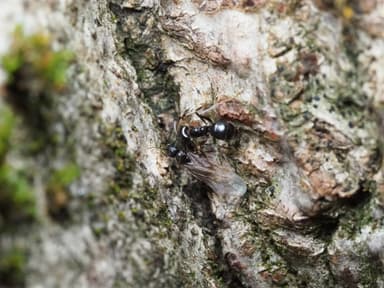
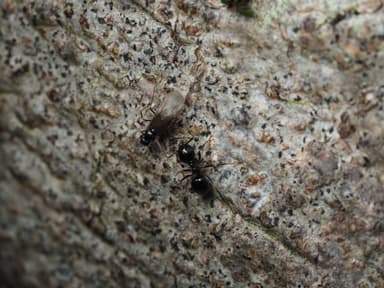
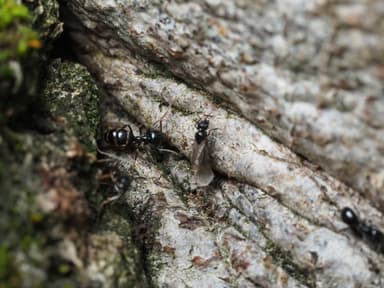
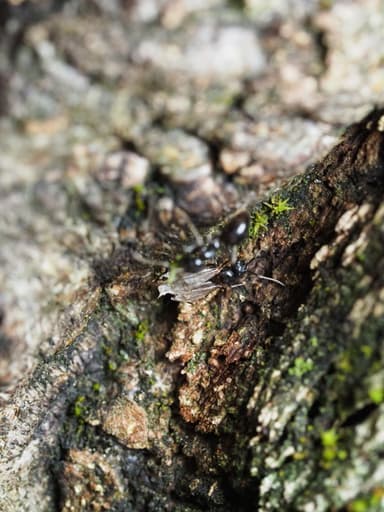
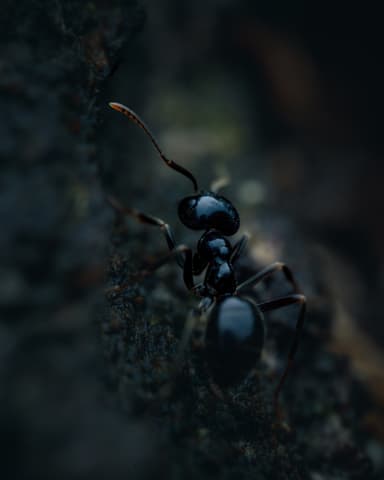
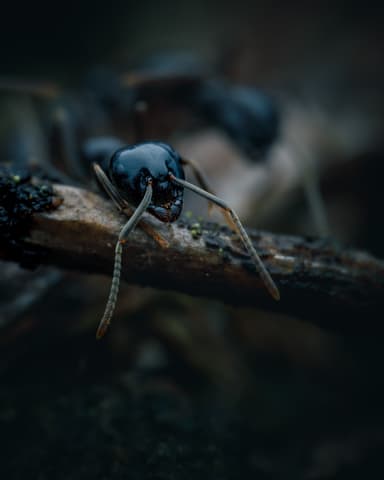
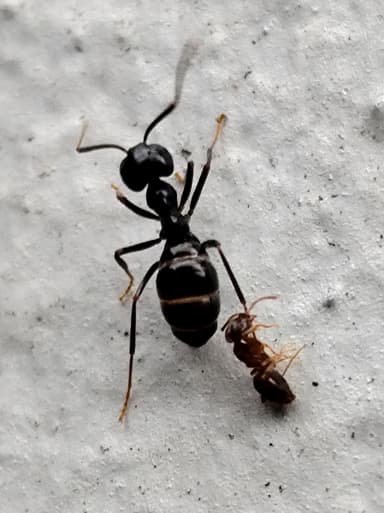
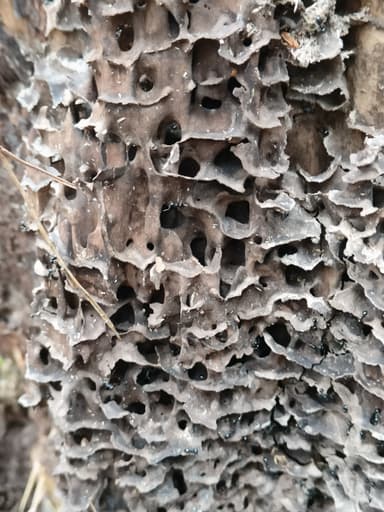
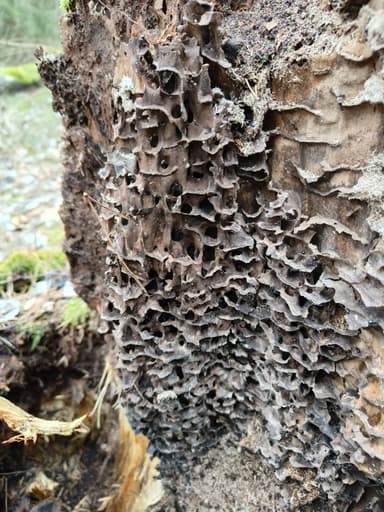
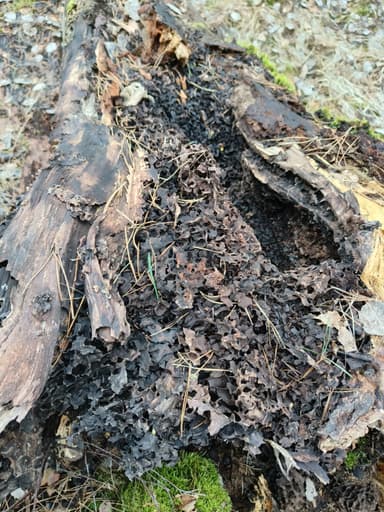
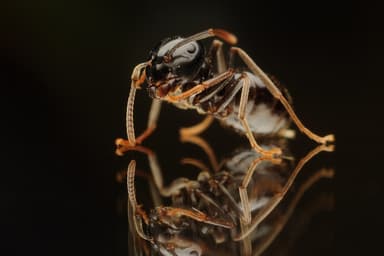
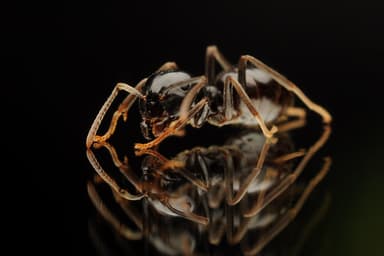
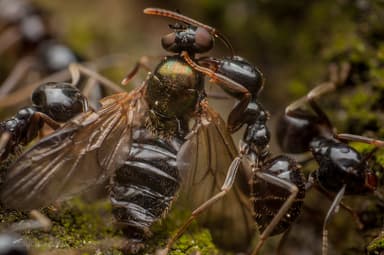
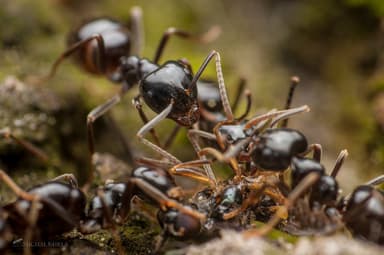
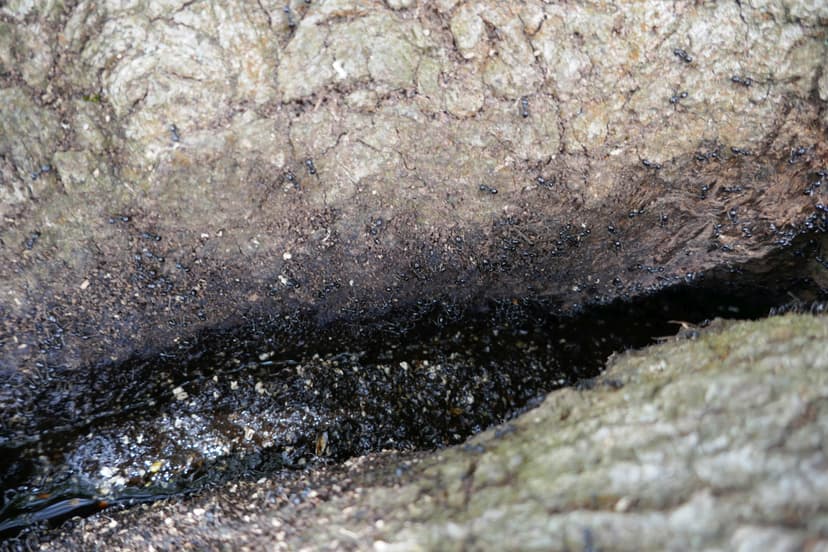
Lasius fuliginosus, the jet ant or jet black ant, is one of Europe’s most visually striking formicines, cloaked in a glossy black exoskeleton that glistens under light and bears a distinctive, heart-shaped head. Queens measure 4.5 to 6 mm, while monomorphic workers range from 4 to 6 mm, all sharing a sleek, uniformly dark appearance that makes them unmistakable among native Lasius species. Mature colonies can become immense, at times exceeding two million workers (Seifert 2018), and in the wild they inhabit a vast Palearctic range stretching from the Iberian Peninsula eastward across Europe and deep into Asia, as far as Japan. What truly sets this species apart is its lifestyle: colonies are social parasites during founding, with a queen infiltrating a nest of a closely related Lasius (Chthonolasius) host, such as L. umbratus, eliminating the resident queen and gradually replacing the workforce with her own brood. Equally fascinating is their architectural ingenuity — workers construct elaborate carton nests from chewed wood, soil particles and honeydew, often in tree hollows or at the base of old trunks, creating a dark, sponge-like fortress that they defend fiercely with formic acid sprays.
Caring for Lasius fuliginosus is a challenge reserved for expert keepers who have previous experience with socially parasitic ants and a willingness to replicate a complex, arboreal-like microhabitat. Because queens cannot start a colony without a host workforce, obtaining a founding queen is exceptionally difficult, and most ant keepers will acquire a young colony that has already transitioned to a self-sufficient fuliginosus worker population. Even then, they demand precise environmental control and a stress-free setup; any disturbance can lead to defensive spraying that, in a confined formicarium, may harm the colony itself. This species is not for beginners, nor for those seeking a low-maintenance display. It rewards the dedicated, observation-oriented keeper who delights in the slow, deliberate rhythm of a carton nest builder and who can commit to a long-lived colony that may persist for decades with proper care.
A successful housing setup must mimic the humid, sheltered cavities this ant prefers in nature. Choose a formicarium with a large nesting area that can accommodate carton construction, such as a plaster, ytong, or cork-lined setup where the ants will expand the walls with their own chewed substrate. Provide a mix of fine sand, clay powder, and tiny wood fibres as building material, keeping it slightly damp but never waterlogged. Temperature should be maintained between 18 and 26°C, with a gentle gradient so the colony can self-regulate brood development. Humidity is critical: aim for 50–70% in the nest, but ensure good ventilation to prevent stagnant air and mould, which can devastate carton structures. A naturalistic outworld with vertical climbing surfaces, branches, and a water source will encourage foraging and honeydew collection behaviour — indeed, these ants are avid tenders of aphids and scale insects in the wild, and some keepers provide small, easily controlled root aphid colonies as a supplementary carbohydrate source (Czechowski et al. 2012).
Feeding Lasius fuliginosus is straightforward once the colony settles. They require a balanced diet of insect protein and sugars. Offer small, freshly killed or frozen-thawed invertebrates — fruit flies, small crickets, roach nymphs — two to three times per week, adjusting the quantity to match brood demand. For carbohydrates, a sugar-water solution, honey, or diluted maple syrup is readily accepted, but keep liquid feeders shallow or use a feeding tower to prevent drowning. The ants will also eagerly collect droplets of honeydew from aphids if you choose to maintain a micro-ecosystem. Always provide a permanent supply of fresh water in a test-tube setup or a plaster-filled water dish, because carton nests can dry out quickly under artificial lighting, and dehydration is a common cause of colony decline.
Hibernation is obligatory for this temperate species and must not be skipped. In the wild, colonies endure a prolonged winter rest, and in captivity they require a chilling period of at least three to four months at a stable temperature around 5°C (Seifert 2018). Begin reducing temperatures gradually in late autumn, ensuring the nest is moist and that the ants have ceased to rear brood. A wine cooler, a dedicated fridge with temperature control, or an unheated basement can work well, provided the environment remains dark and disturbance is minimal. During diapause, check monthly for moisture levels, but do not feed. In early spring, warm the colony slowly back to room temperature over a few days, after which foraging and egg-laying will resume.
When your colony arrives, give it a period of profound quiet. Lasius fuliginosus is notoriously skittish during the first weeks, and any vibration or bright light may trigger alarm behaviour and formic acid release. Place the formicarium in a dim, low-traffic area and keep the nest covered. Wait at least 48 hours before offering a tiny droplet of sugar water and a pre-killed fruit fly, placed near the nest entrance; if the ants ignore the food, remove it after 24 hours and try again later. Watch for signs of workers beginning to shape carton — this is a positive indicator that they feel secure. Avoid the temptation to peek too often, and only increase observation time once the ants are foraging regularly. With patience, the colony will slowly reveal its intricate social life and mesmerising carton artistry, a living testament to one of the ant world’s most sophisticated builders.