Formica
Formica sanguinea
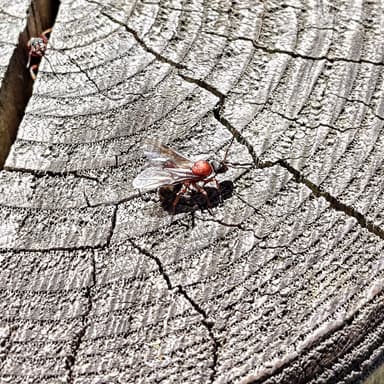
Nuptial Flight Calendar
Flight months: May, Jun, Jul, Aug, Sep
Care Guide
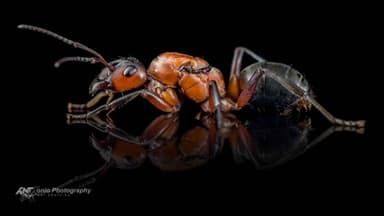
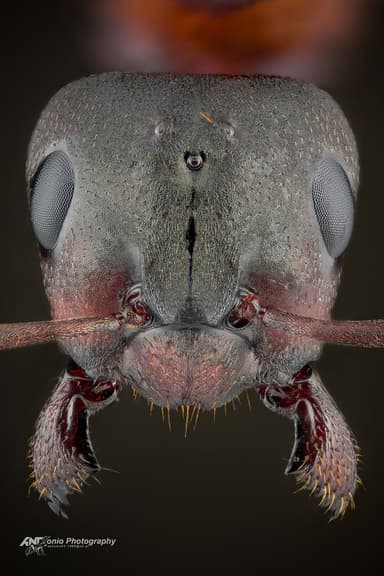
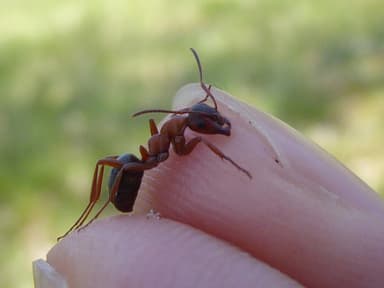
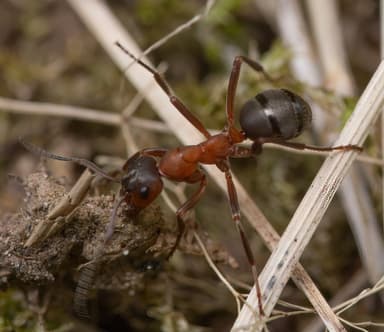
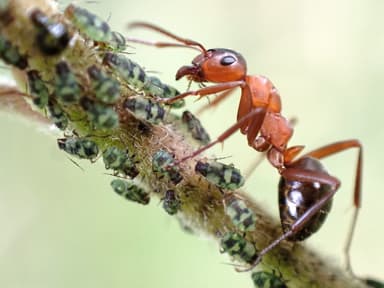
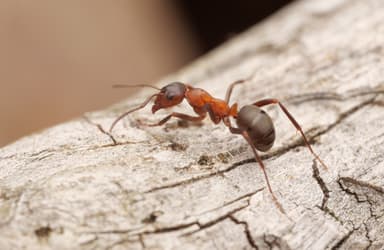
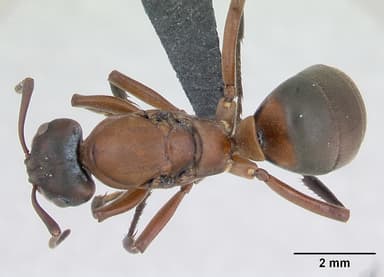
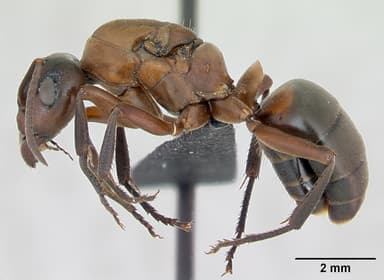
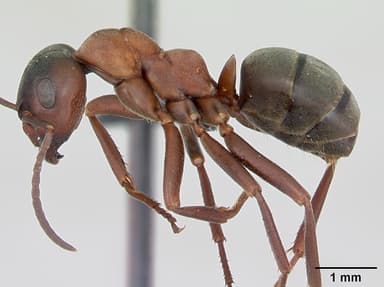
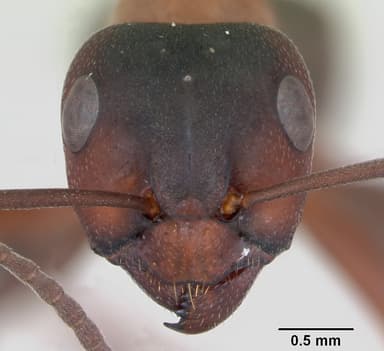
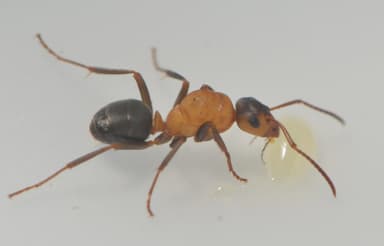
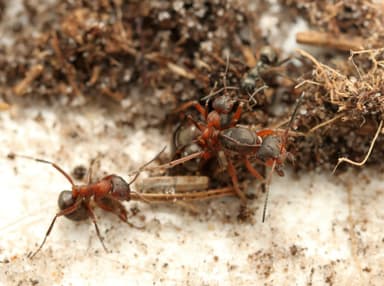
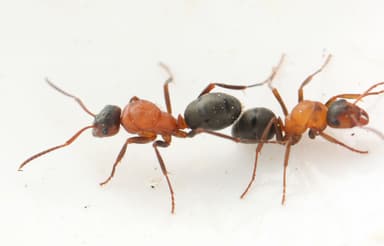
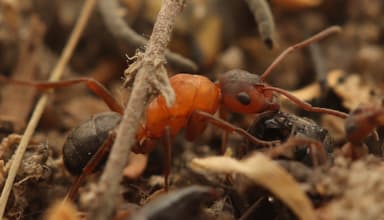
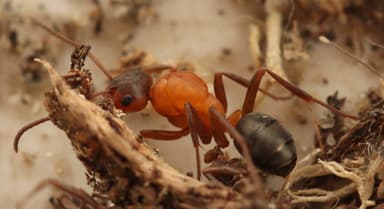
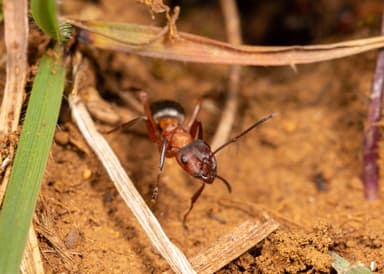
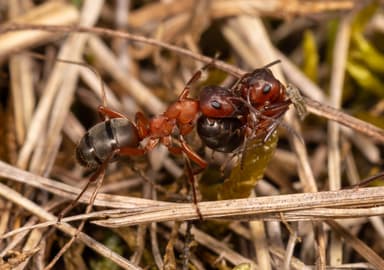
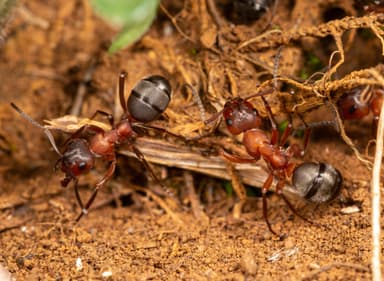
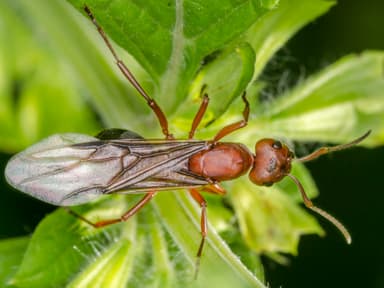
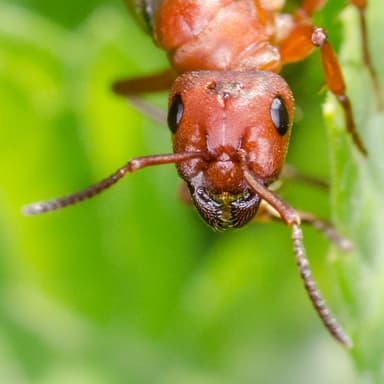
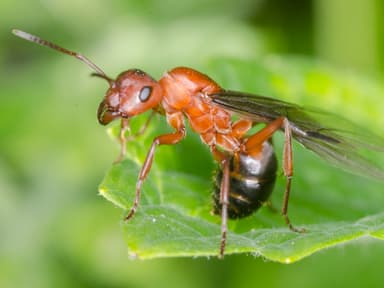
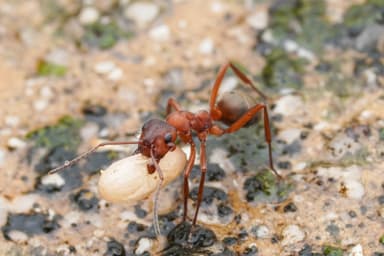
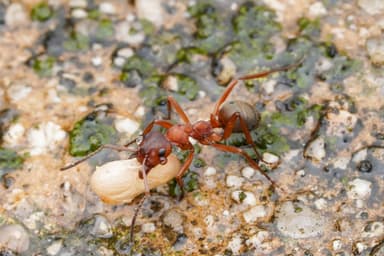
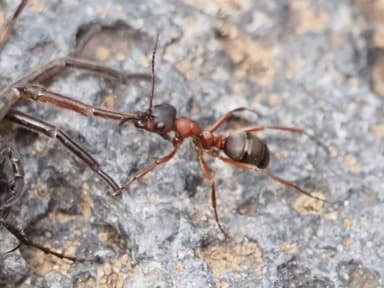
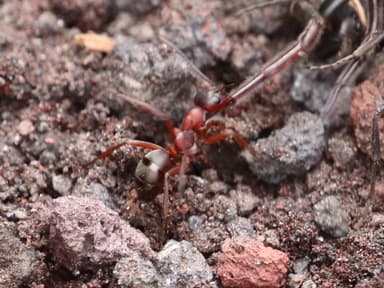
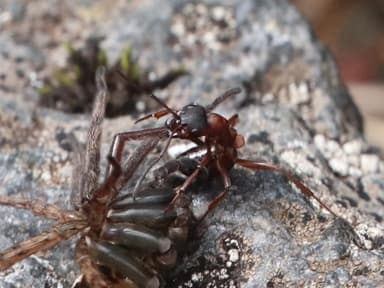
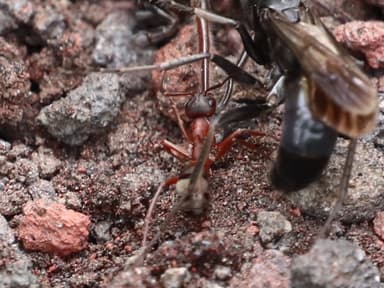
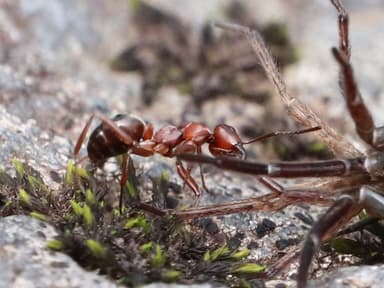
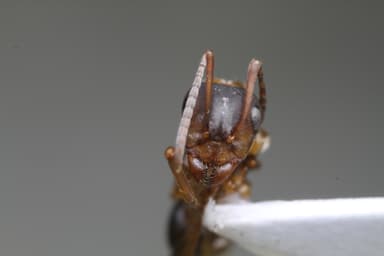
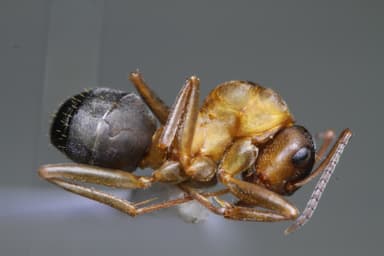
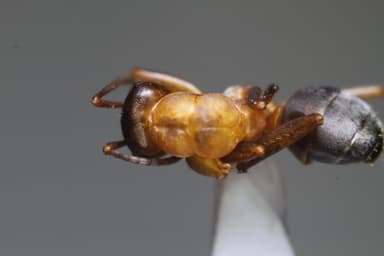
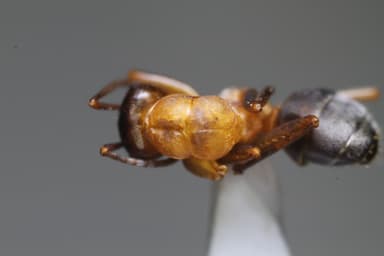
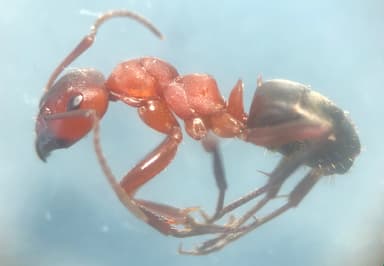
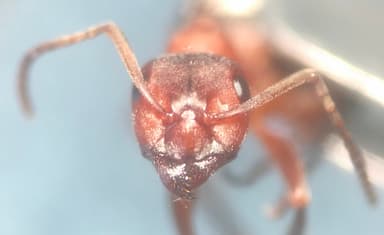
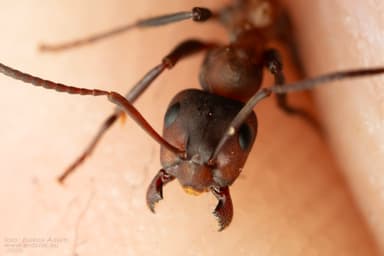
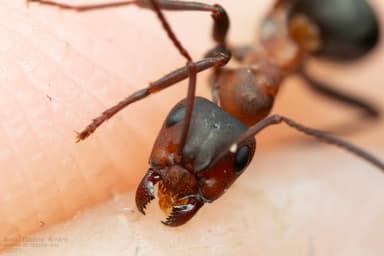
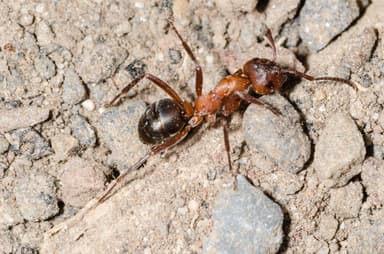
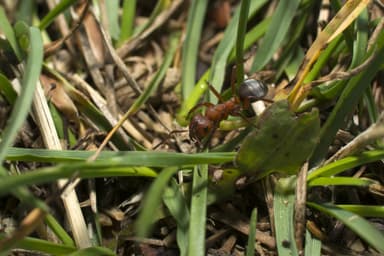
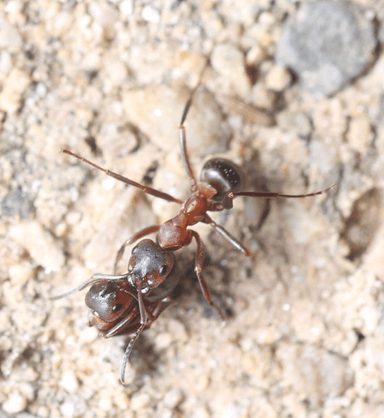
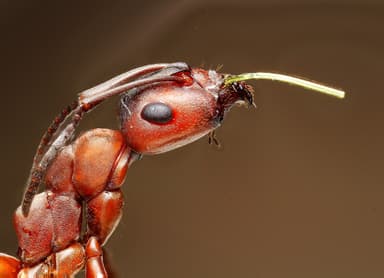
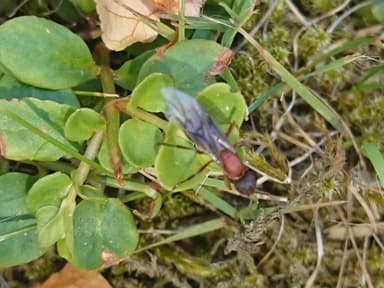
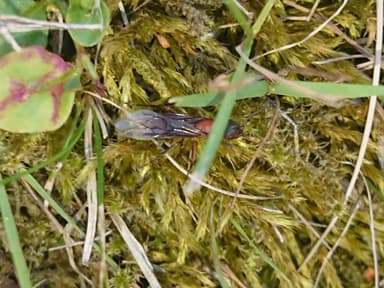
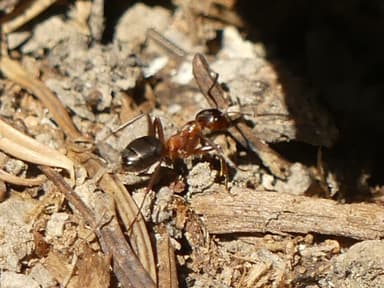
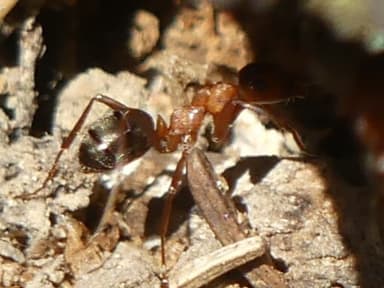
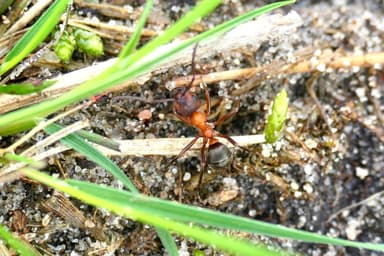
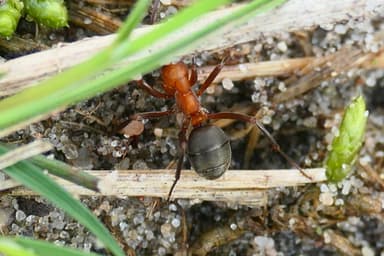
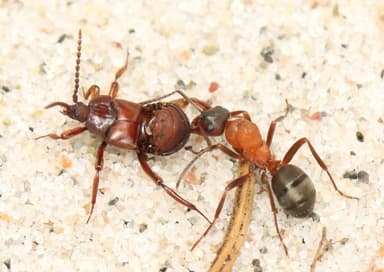
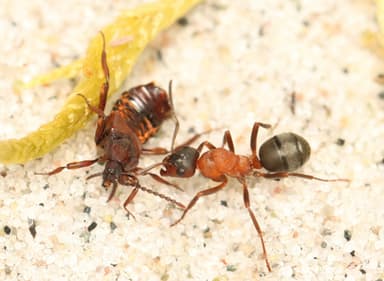
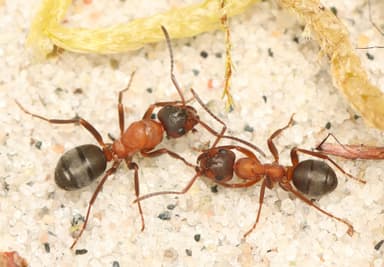
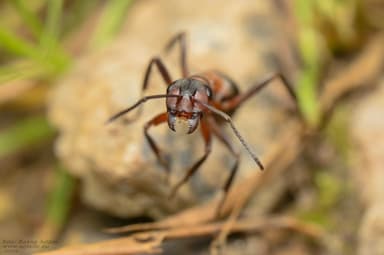
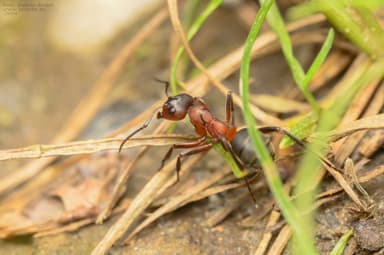
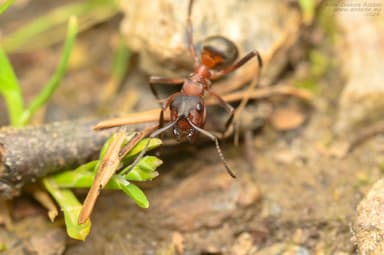
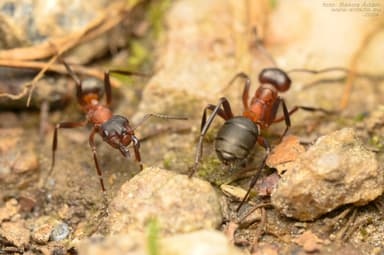
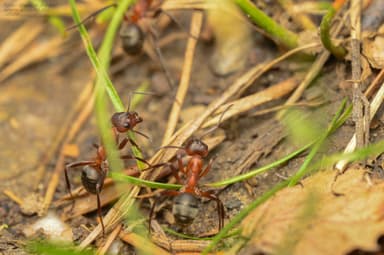
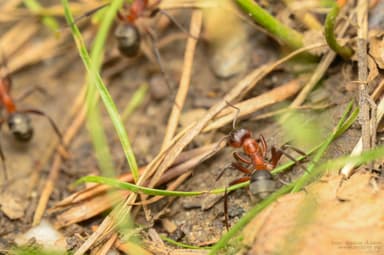
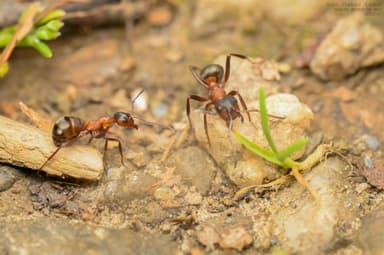
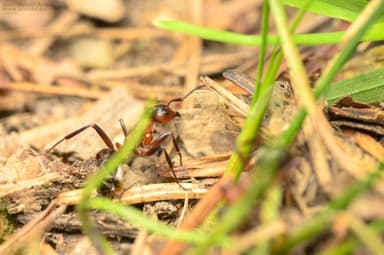
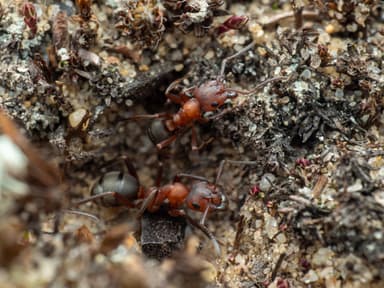
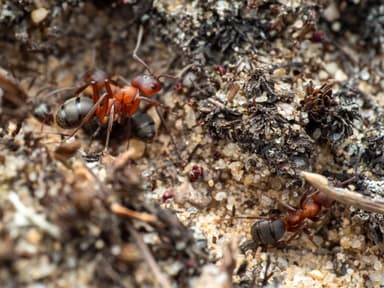
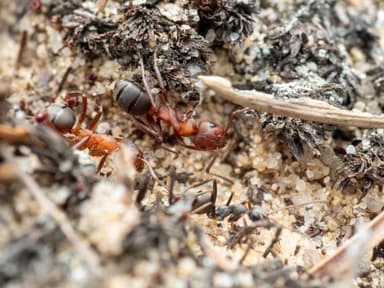
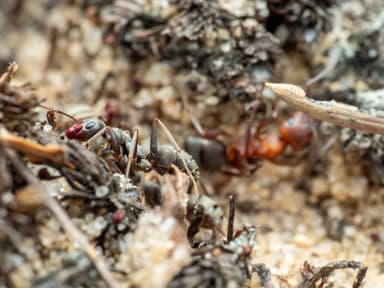
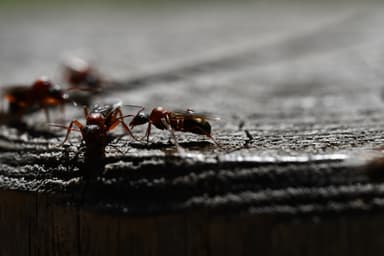
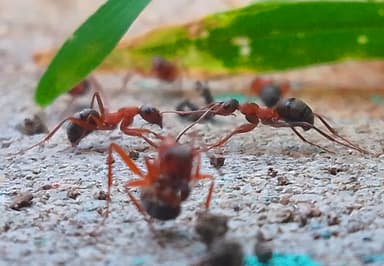
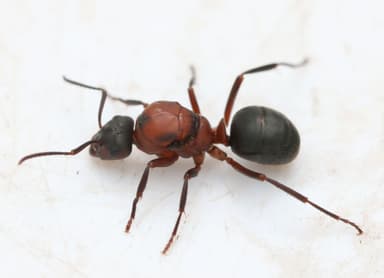
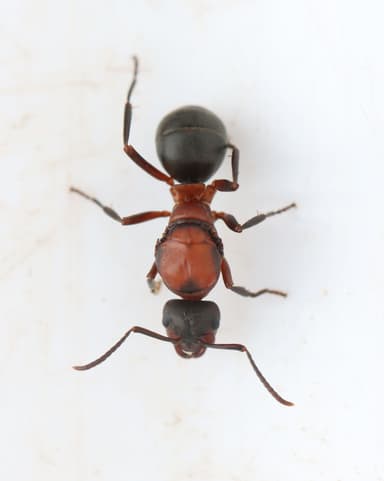
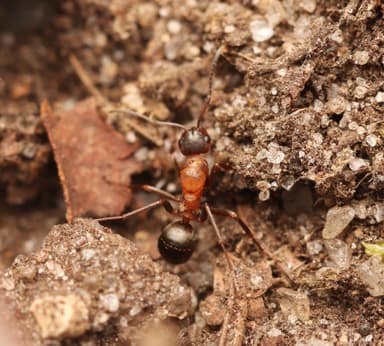
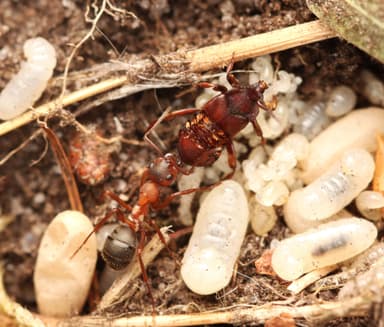
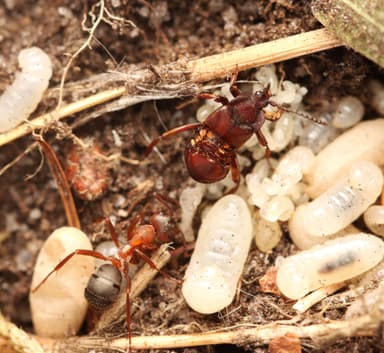
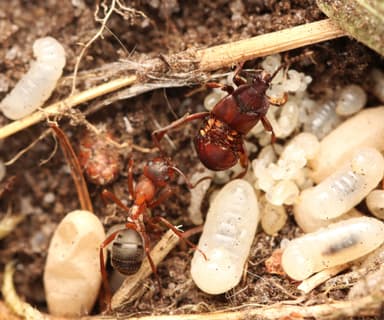
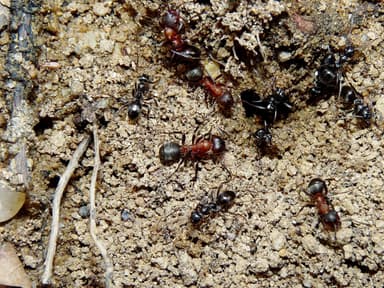
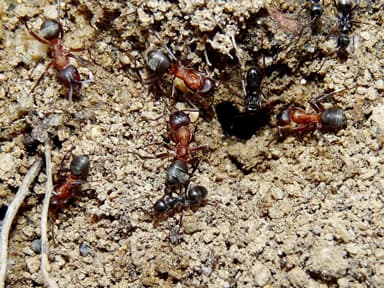
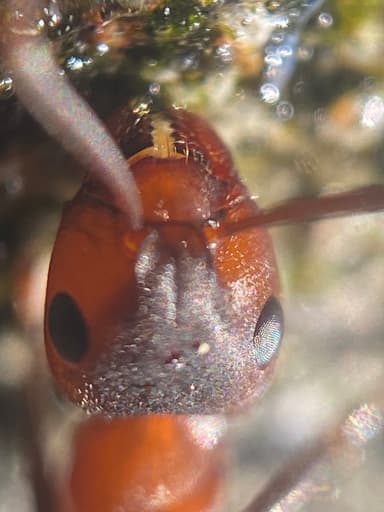
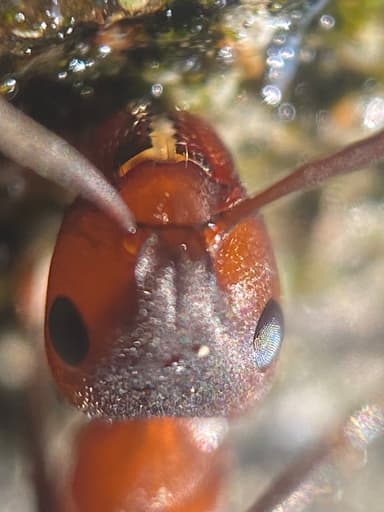
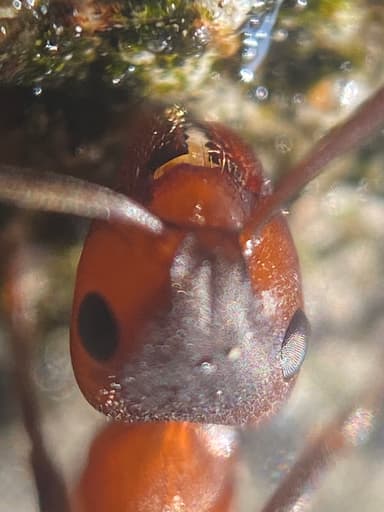
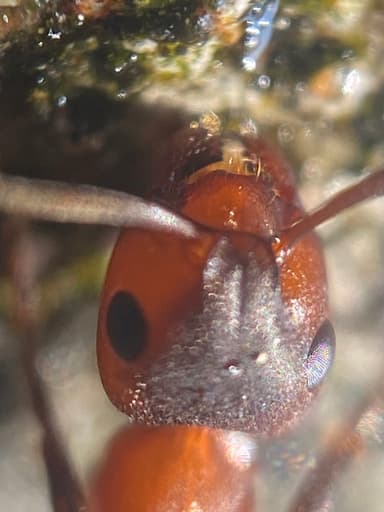
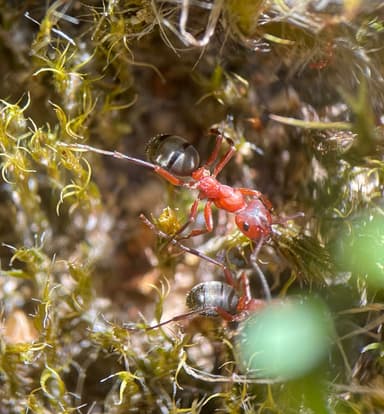
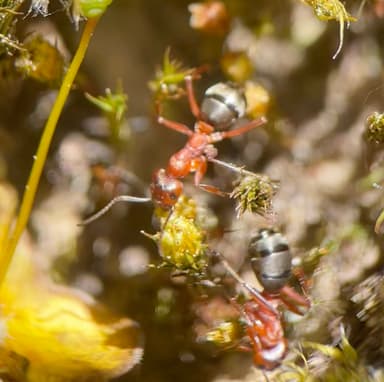
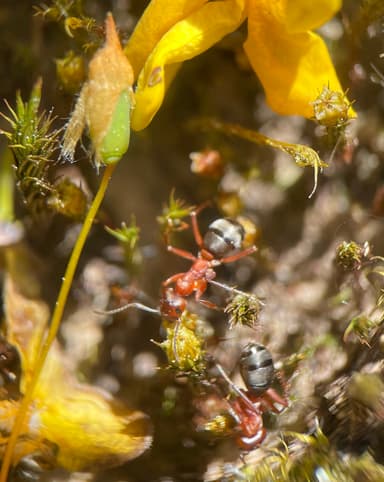
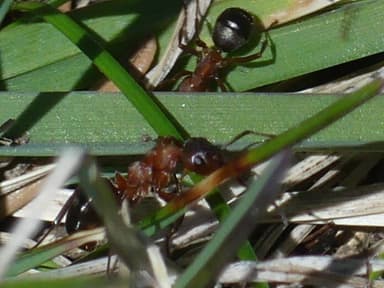
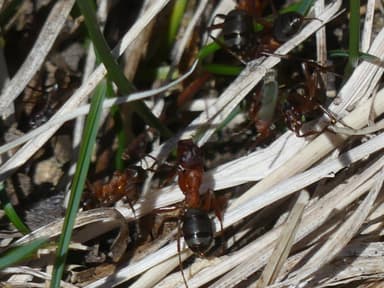
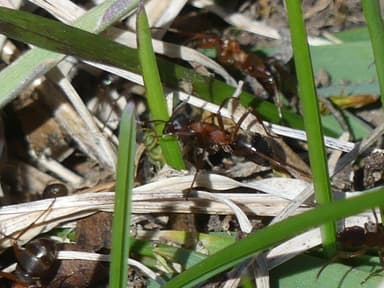
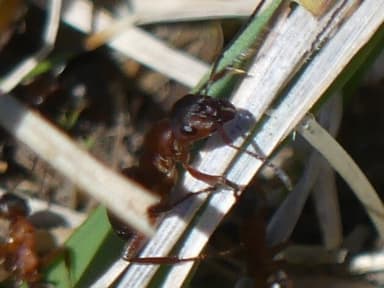
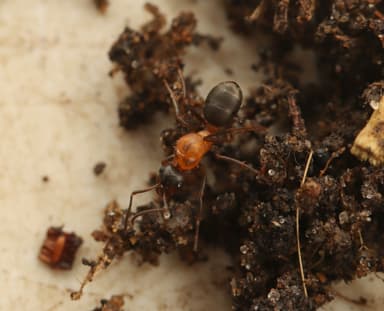
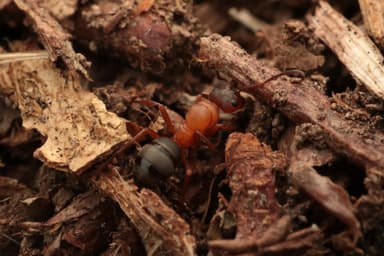
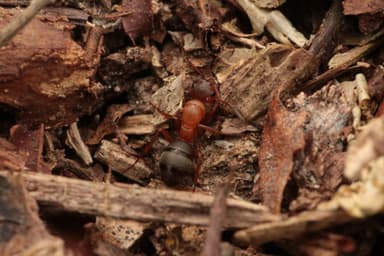
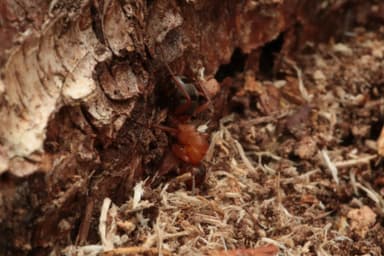
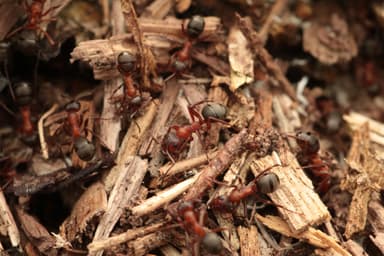
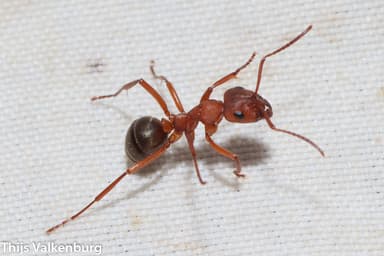
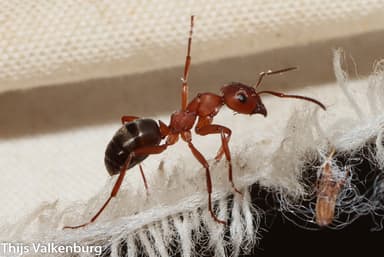
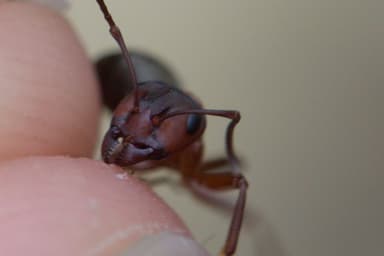
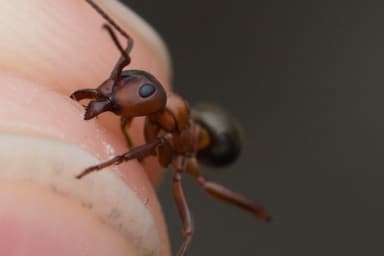
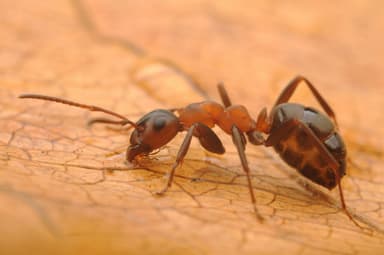
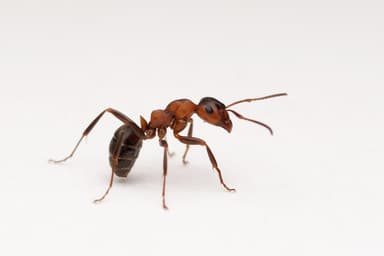
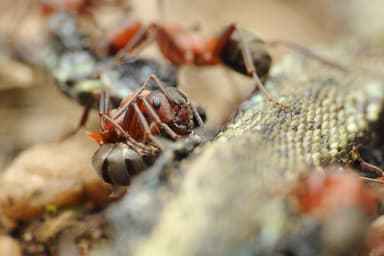
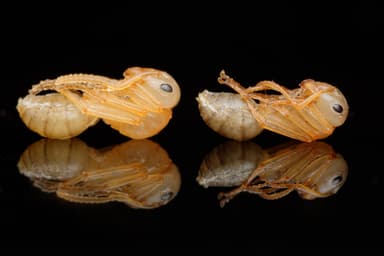
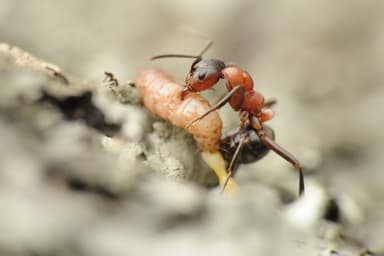
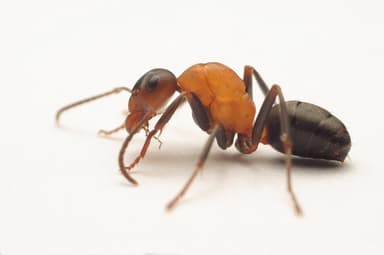
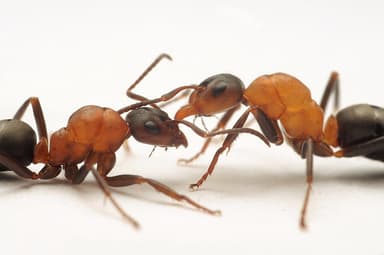
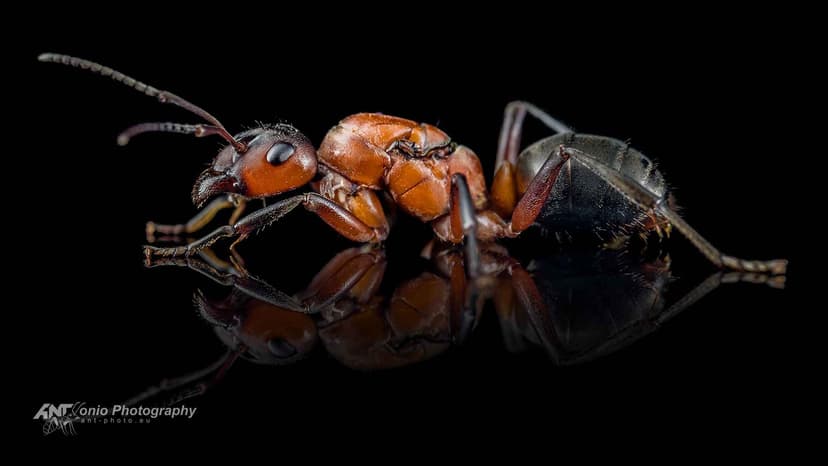
Formica sanguinea, the blood-red slave-maker ant, is one of the most charismatic and behaviorally complex ants in the Holarctic region. Its name derives from the striking crimson and reddish-brown coloration of the head and thorax, which contrasts vividly with a darker gaster, though workers rather than queens display the namesake hue. Queens measure between 9 and 11 mm, while the monomorphic workers span 6 to 9 mm, all sharing that bicoloured pattern and a robust, swift-moving build. Mature colonies can grow to around 5,000 individuals, a respectable size for a Formica species. What truly sets F. sanguinea apart is its facultative slave-raiding habit: workers periodically raid colonies of other Formica species—chiefly the F. fusca group—to steal brood. The captured pupae emerge as workers that integrate into the raiding colony, performing routine tasks alongside their captors. Some colonies rely heavily on these enslaved auxiliaries, while others function with very few, a variability that has fascinated myrmecologists since the days of Pierre Huber (Czechowski et al. 2012). Foundresses are social parasites. A newly mated queen cannot start a colony alone; she must infiltrate a host nest, usurp or coexist with the host queen, and gradually replace the native workers with her own, a delicate process that demands an intimate understanding of host biology (Seifert 2018).
Given this demanding life history, Formica sanguinea is strictly a species for expert keepers. The social-parasitic foundation is fraught with challenges, often requiring the keeper to provide a small, queenless host colony of something like Formica fusca or F. cunicularia and carefully introduce the F. sanguinea queen under controlled conditions. Even after successful founding, maintaining a thriving slave-making colony requires provisioning host brood periodically if natural raiding isn’t possible, and mismanaging host interactions can cause colony collapse. Consequently, this ant is suited only to those who have mastered more straightforward claustral-founding species and who relish the intricate behavioural observation that comes with socially parasitic ants. The reward is a front-row seat to one of nature’s most dramatic social strategies, but do not underestimate the commitment: colonies can live for many years, and their needs are unrelenting.
Housing a F. sanguinea colony successfully means replicating the warm, moderately humid conditions of its native Eurasian range, which stretches from the British Isles to Japan and from the Mediterranean up to Fennoscandia (GBIF occurrence data). A well-ventilated yet humidity-retentive nest is essential. Many keepers choose a ytong or plaster nest with a glass cover, offering a combination of humidified chambers and a dry foraging arena. Temperature should be maintained between 20 and 28°C, with a warm spot of around 26–28°C during the day, as these ants are thermophilic and need warmth to raise brood efficiently. Humidity in the nest chambers should stay in the 50–70% range; too dry and brood desiccates, too wet and mould flourishes. A substrate layer in the outworld of sand mixed with a little clay allows workers to perform natural digging behaviours. Always provide a water source—a test tube with a cotton plug or a small water feeder—and keep the outworld securely lidded, for F. sanguinea is a fast, aggressive, and escape-prone ant.
Diet needs to be rich and varied to support both the native predators and their host workers. Protein is paramount: offer a steady supply of small, freshly killed insects such as fruit flies, crickets, and mealworms, dusted lightly with a calcium supplement if feeding captive-bred insects. Workers will also readily accept chopped lean meat or fish, but live insect prey is far more stimulating. Carbohydrates should come in the form of organic honey, sugar water, or an ant-specific nectar mix, always served in a shallow dish or soaked into a cotton pad to prevent drowning. Because ravenous colonies can quickly deplete resources, feed small portions daily and remove uneaten food promptly to avoid spoilage. A special note: if the colony relies on host workers, ensure the diet matches the host species’ preferences; F. fusca group ants tend to be less aggressive hunters, so softer-bodied prey may be accepted more readily.
A rigorous hibernation is compulsory—this is not a species that can skip its winter rest. In the wild, F. sanguinea experiences a pronounced cold season, and captive colonies must be cooled to approximately 5°C for a minimum of three to four months, typically from November to late February. Prepare the colony by gradually reducing temperatures and ceasing feeding about a week before the dormant period. The hibernation space, usually a refrigerator or a cool cellar, must be stable and free of vibrations. During dormancy, workers will cluster around the queen, movement ceases almost entirely, and metabolic rate drops. Check them briefly every few weeks to ensure the nest medium is not desiccating, but avoid disturbance. A proper, uninterrupted chill triggers the physiological reset needed for the queen to commence laying and for workers to rear brood the following spring.
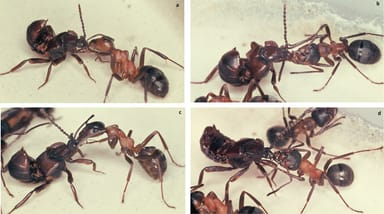
The first days after acquiring a F. sanguinea queen or a young colony are a critical window. If you’ve received a newly mated queen, she will likely arrive alone or with a small host worker retinue. Immediately place her in a quiet, darkened setup at around 25°C, with a humid nest chamber and a small sugar-water source. Do not offer protein on the first day; she needs calm to settle. If she comes with host workers, watch for signs of aggression—a little initial antennal boxing is normal, but prolonged biting or stinging means the introduction is failing, and you may need to add more host pupae to buffer the acceptance. For a small functioning colony, provide a drop of sugar water in the outworld and, after 24 hours, a single freshly killed small insect. Observe from a distance: the workers should drink greedily and dismember the prey. Frequent disturbance in these early days can cause the queen to stop laying or trigger the workers to become chronically stressed, which often manifests as frantic running along the walls of the outworld. Keep the nest covered, maintain perfect humidity, and resist the urge to peek more than once daily. With patience, the colony will settle into a rhythm of foraging, brood care, and, eventually, the thrilling moment when you can offer them host cocoons and watch the intricate, ancient ritual of brood theft unfold.