Formica
Formica pressilabris
Nuptial Flight Calendar
Flight months: Jun, Jul, Aug
Care Guide
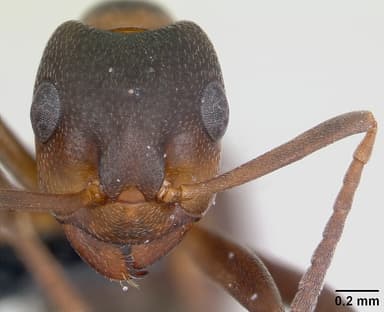
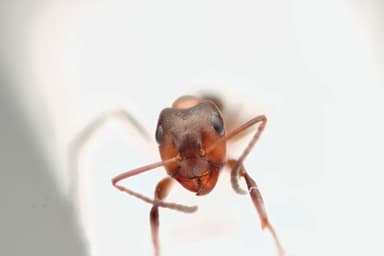
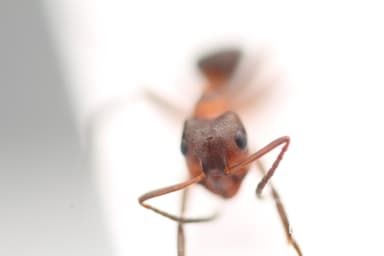
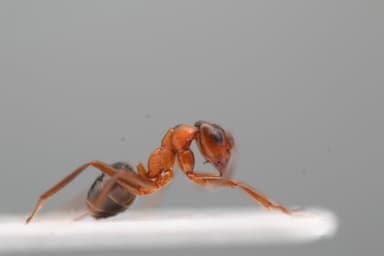
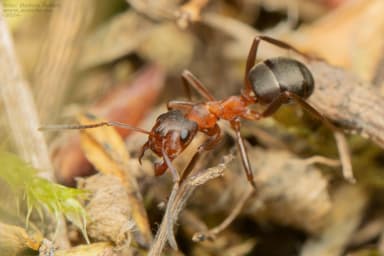
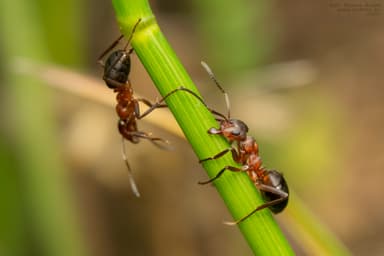
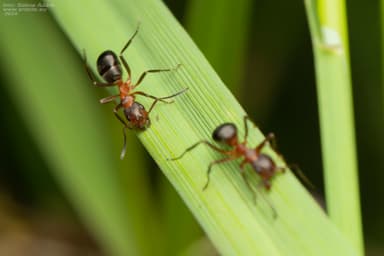
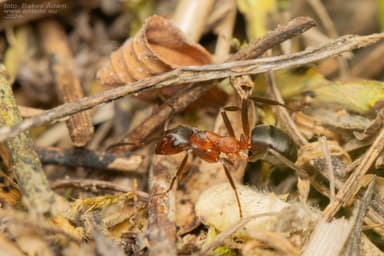
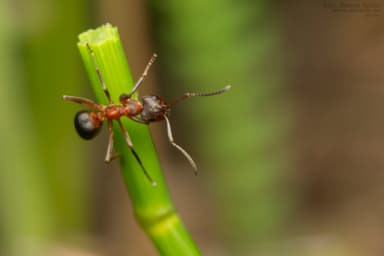
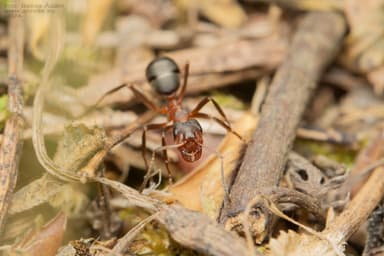
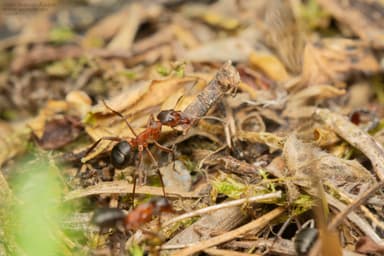
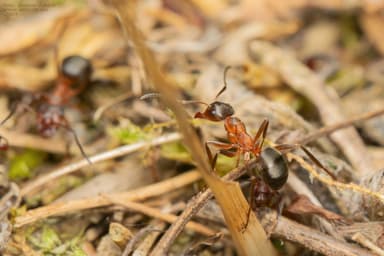
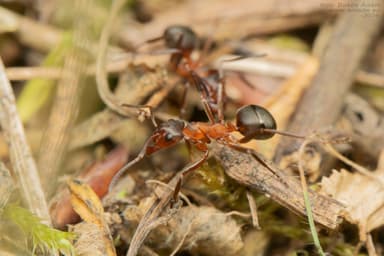
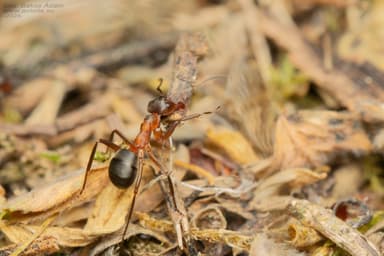
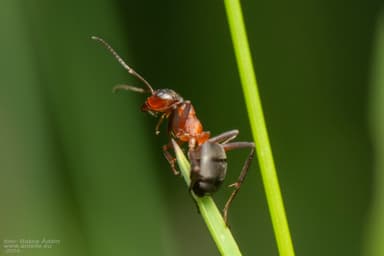
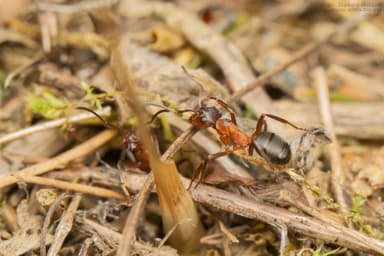
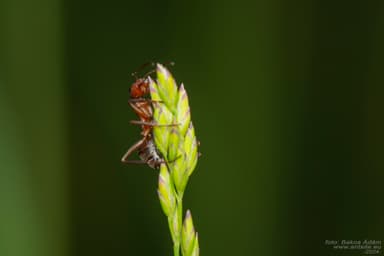
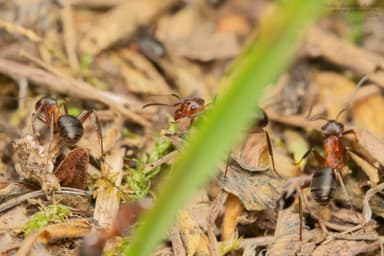
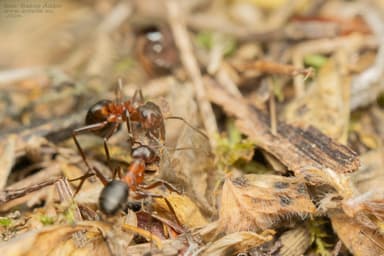
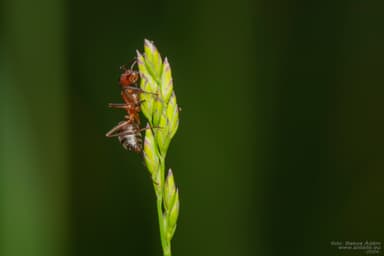
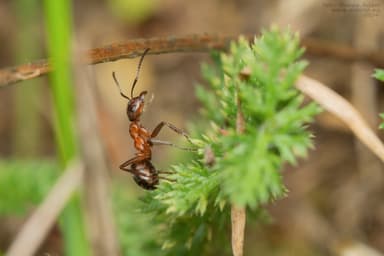
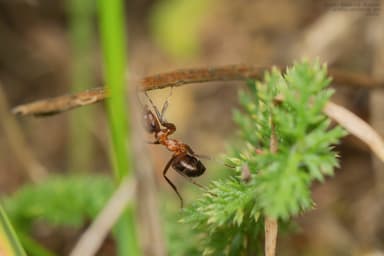
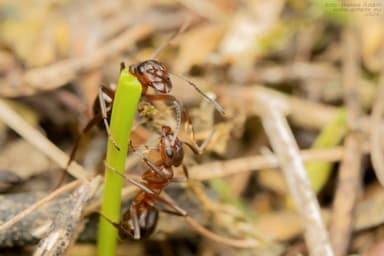
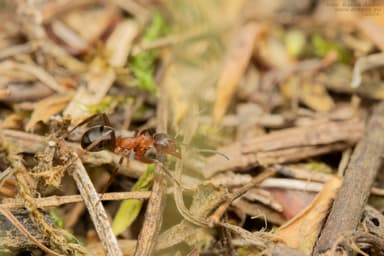
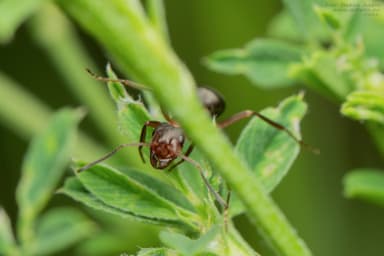
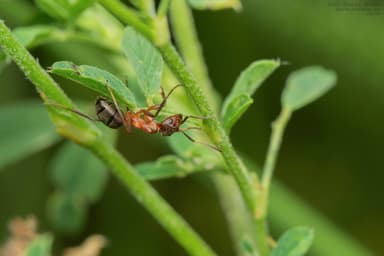
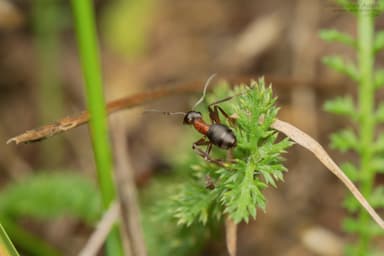
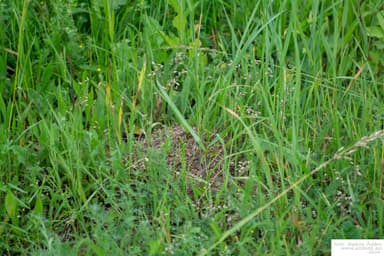
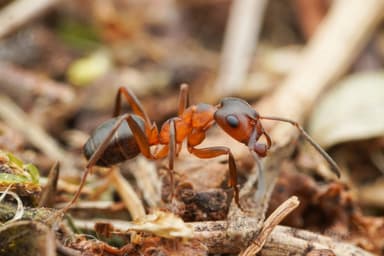
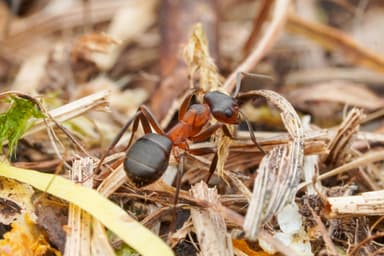
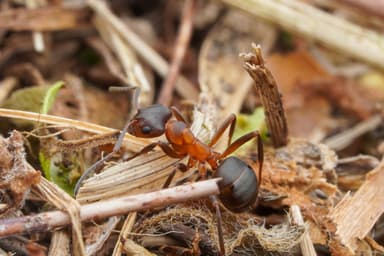
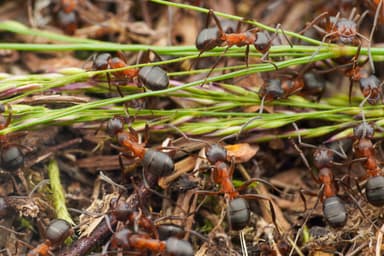
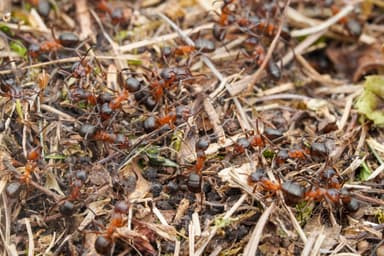
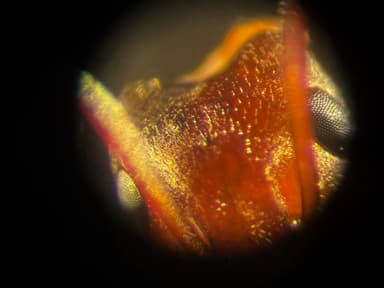
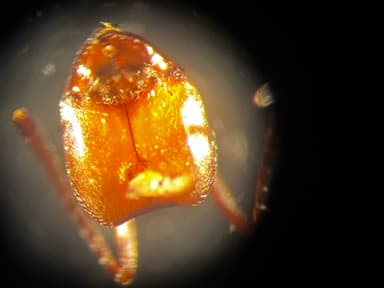
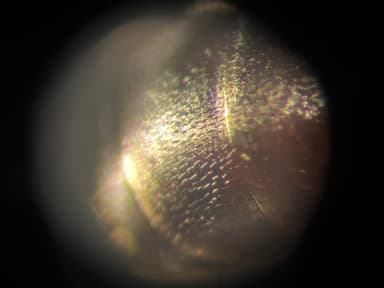
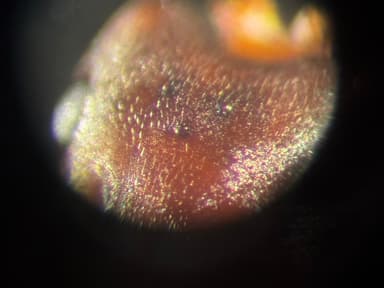
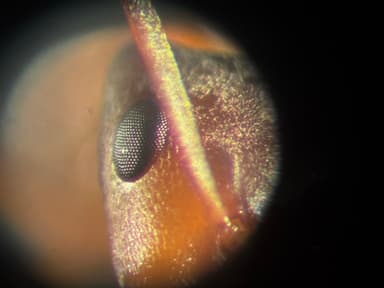
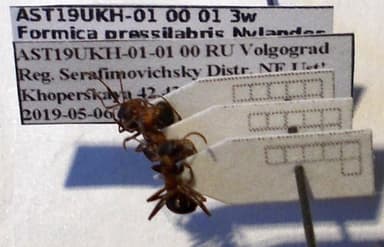
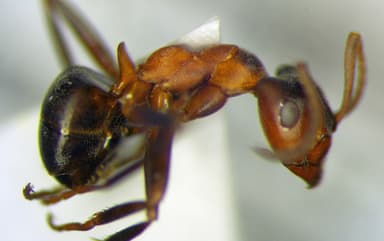
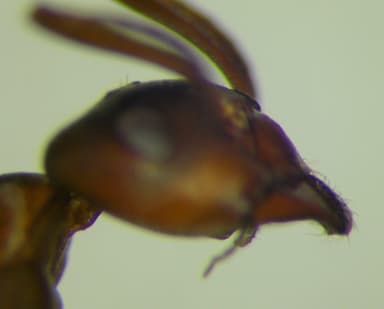
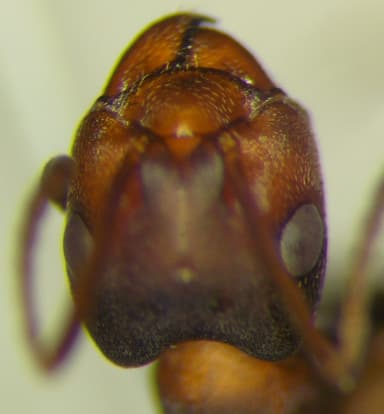
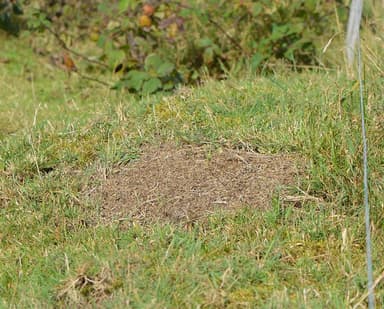
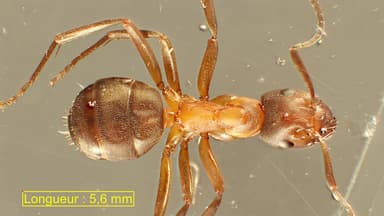
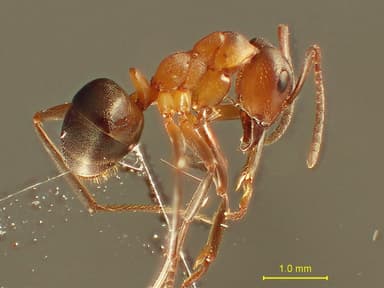
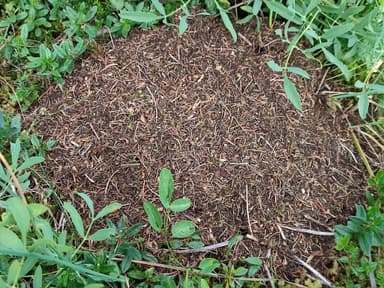
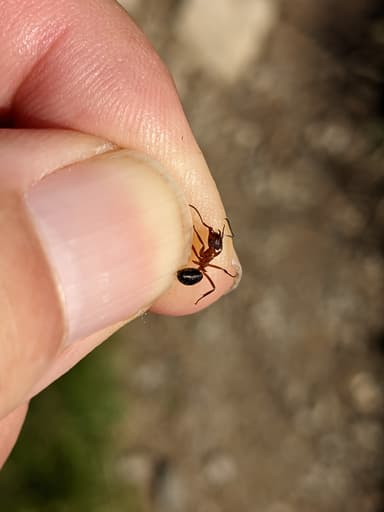
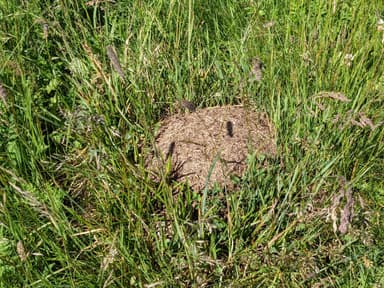
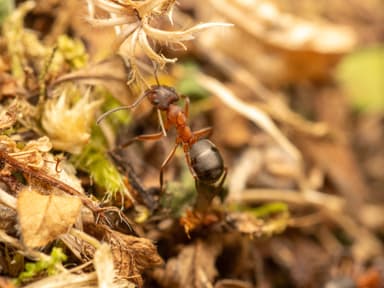
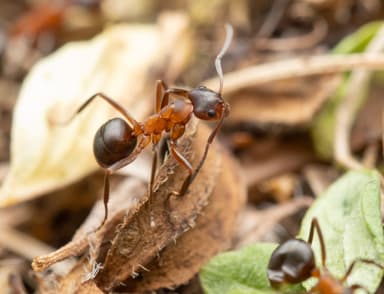
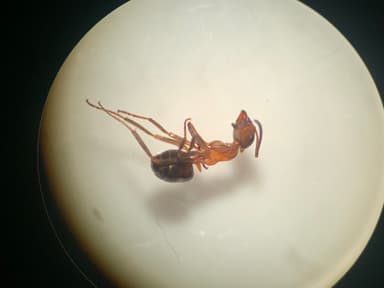
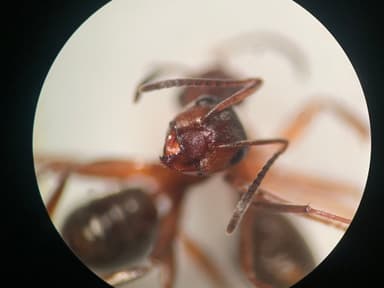
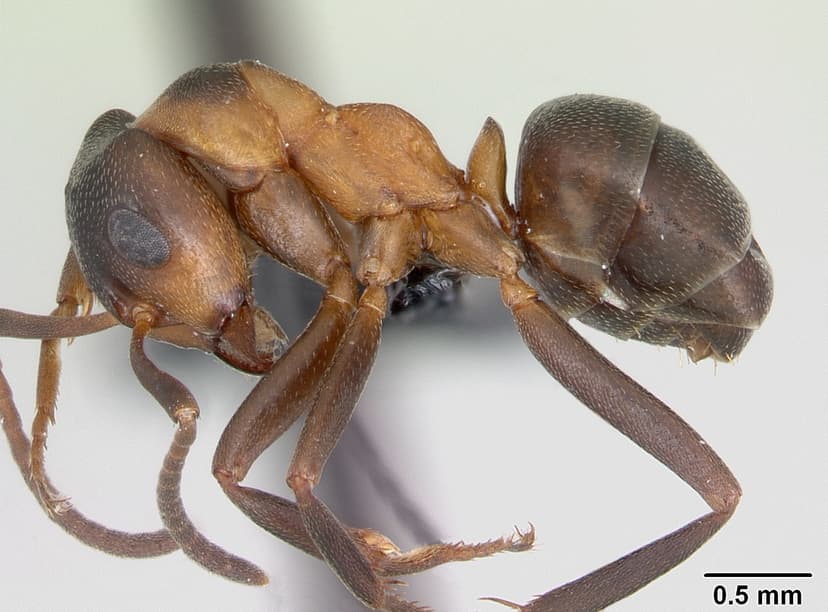
Formica pressilabris is a fascinating yet demanding ant species that embodies the classic Formica mold, with queens measuring 6.5 to 8 mm and monomorphic workers ranging from 3.5 to 6 mm. Typical coloration presents a bicolored scheme: a reddish-brown face and thorax contrasting with a darker, often blackish gaster, though some workers show more uniform dark hues (Seifert 2018). These ants are temporary social parasites, meaning a newly mated queen must infiltrate a nest of a different, closely related species—most commonly Formica fusca or Formica lemani—eliminate the resident queen, and co-opt the host workers to rear her first brood. Once established, colonies can swell to an impressive 50,000 individuals, constructing small soil mounds in open, sun-warmed habitats across their vast range, which stretches from western Europe to eastern Asia. Their complex social strategy and eventual colony might make them a thrilling challenge for the seasoned keeper, but their needs should not be underestimated.
This species is unequivocally suited for expert myrmecologists only. The parasitic founding process is the primary hurdle: unless you purchase an already-boosted colony with host workers, you will need to supply a receptive host workforce yourself, a task that requires robust experience with social parasites. Even with a small established queenright unit, the colony remains sensitive to humidity and temperature swings, and the sheer eventual size demands a spacious, secure formicarium and a long-term commitment. Beginners and intermediates will find far more forgiving species in the Formica fusca group. If you have successfully raised temporary social parasites such as Formica sanguinea and have the space for a large colony, F. pressilabris can be a rewarding display of complex ant behavior.
For housing, imitate the species’ native dry heathland or meadow microclimate. The core nest should offer a humidity gradient, ideally within a plaster or ytong block that stays around 55–70% relative humidity, connected to a foraging arena floored with a sand-clay mixture that allows light digging. Maintain ambient temperatures between 18°C and 26°C, with a local basking spot up to 28°C during the day; at night a mild drop is natural. Good ventilation prevents stale air and excessive mold, a common pitfall in high-humidity setups. As the colony grows, they will appreciate larger soil-based nests that accommodate their mound-building instinct, but always ensure escape-proof barriers because Formica workers are agile and determined climbers.
In the wild, F. pressilabris workers are opportunistic hunters and enthusiastic gatherers of hemipteran honeydew (Czechowski et al. 2012). A captive diet should mirror this: provide small insect prey—fruit flies, chopped mealworms, or crickets—two to three times weekly, always pre-killed or disabled to prevent injury to the queen or young workers. Carbohydrates come from a dilute honey-water mixture or commercial ant nectar, refreshed frequently to avoid fermentation. A constant supply of plain water in a test-tube drinker or cotton-filled tube is non-negotiable. Pay close attention to removing uneaten food within 24–48 hours, as the warm, moist nest conditions can rapidly foster harmful mold.
A long, cold hibernation is compulsory. As autumn approaches, stop feeding proteins and gradually lower the colony’s temperature over a few weeks until they reach a steady 5°C (a wine chiller or a frost-free fridge with a thermostat works well). Keep the nest slightly damp but never wet, and check every few weeks for desiccation. The diapause should last at least three, ideally four months, mimicking the December-to-March dormancy observed in the northern parts of their range. A proper winter rest triggers the queen’s full egg-laying cycle and sustains colony vigor; skipping it will almost certainly lead to dwindling worker populations and eventual collapse.
The first days after receiving your F. pressilabris are critical and depend entirely on what you have purchased. If you are acquiring a freshly mated queen, she will be in desperate need of host workers. Prepare a small founding chamber with twenty to thirty healthy Formica fusca group workers and at least a dozen pupae, ideally several days in advance, and introduce the queen under red light while monitoring for aggression. The parasites typically are proficient at subduing host workers through a combination of chemical mimicry and physical dominance, but the process may take hours. Once she is accepted, offer a droplet of sugar water immediately, and wait a day before providing the first small insect. If your purchase is an already integrated queen with a handful of host workers and her own first brood, keep the setup mostly dark and undisturbed for 24 hours, then feed as above. Watch closely for signs of host worker die-off; in the initial weeks you may need to supplement with a few additional host workers or pupae if the parasitic founding seems weak. Over the following months, the queen’s own darker, slightly more robust daughters will gradually replace the paler host force, and the colony will begin its path to that magnificent 50,000-worker society that makes this ant such a gem for the dedicated specialist.