Dolichoderus
Dolichoderus cuspidatus
Nuptial Flight Calendar
Flight months: Mar, Apr, May, Jun, Sep, Oct
Care Guide
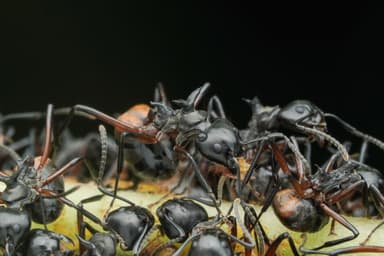
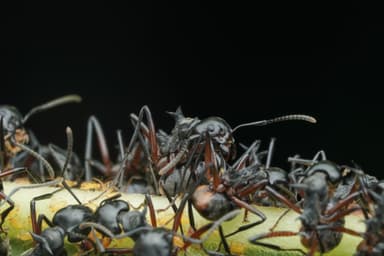
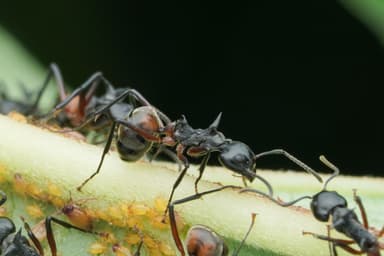
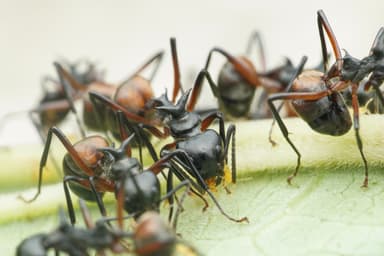
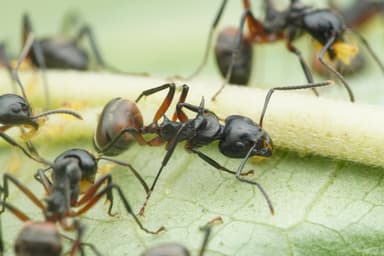
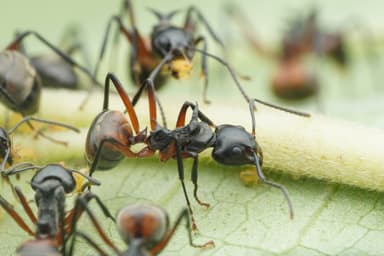
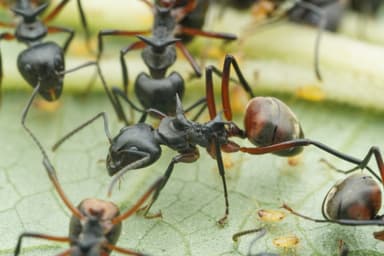
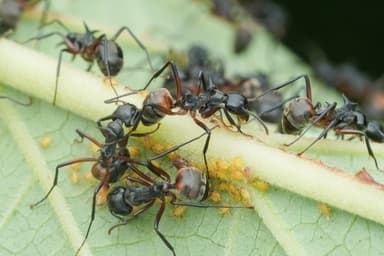
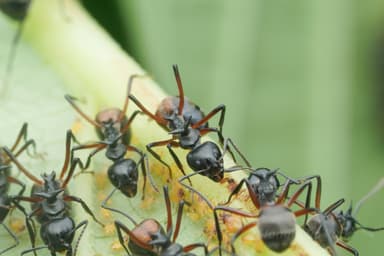
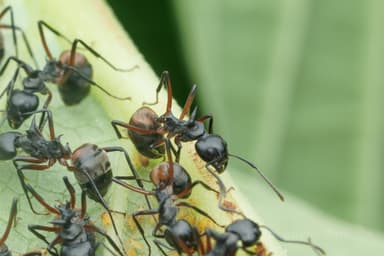
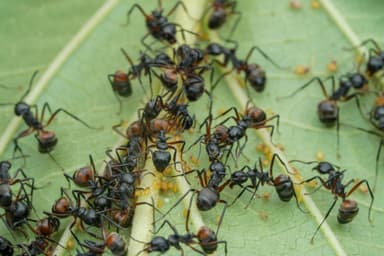
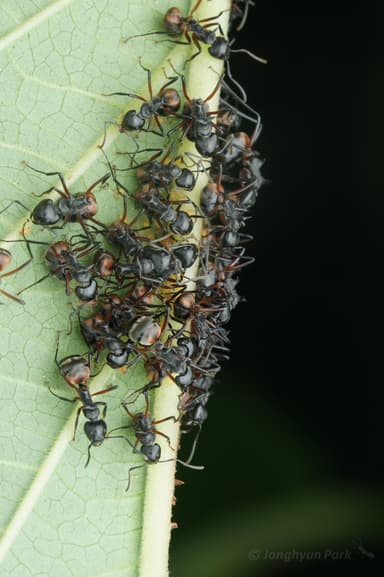
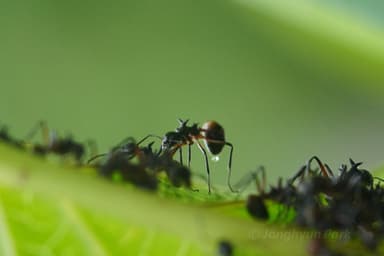
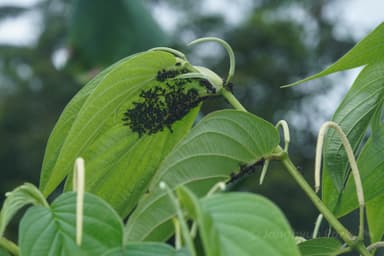
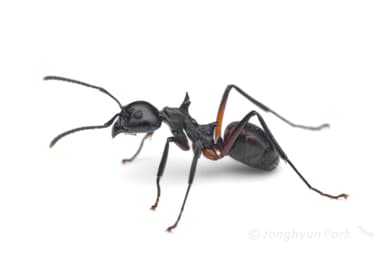
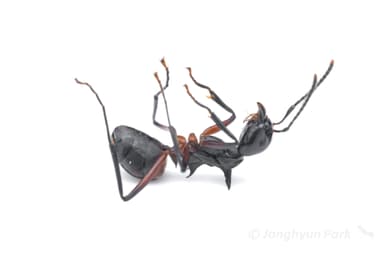
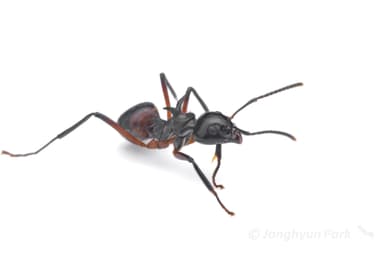
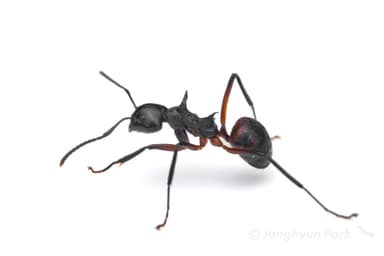
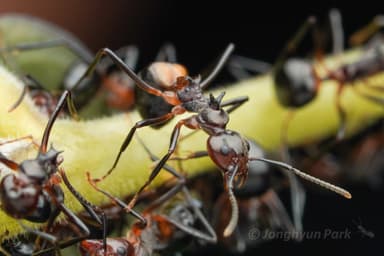
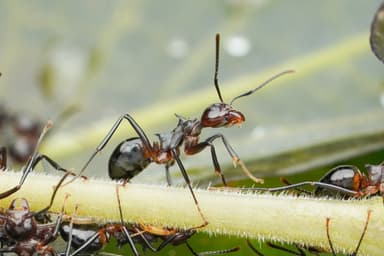
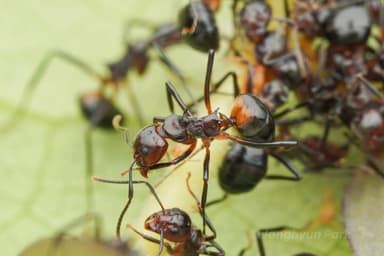
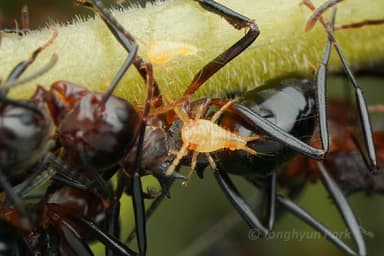
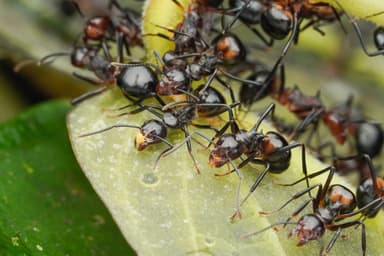
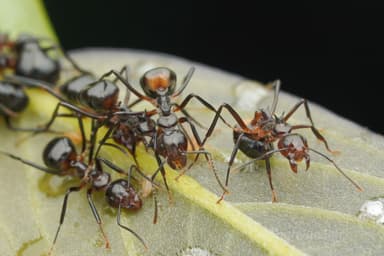
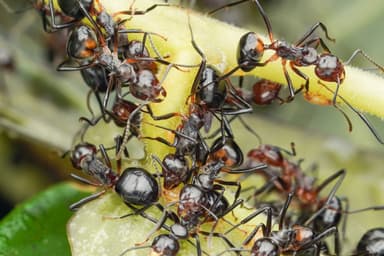
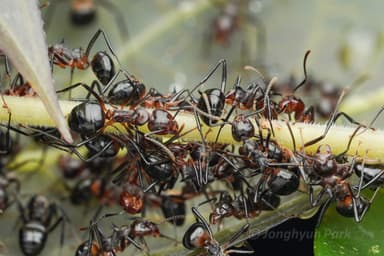
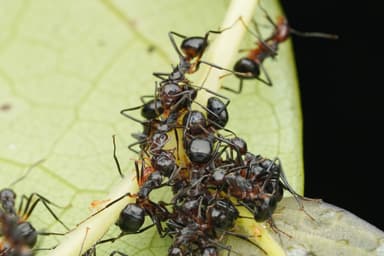
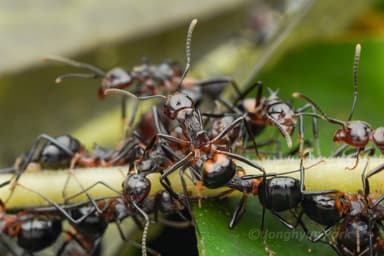
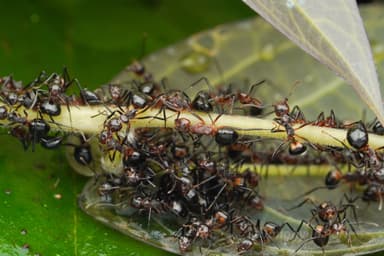
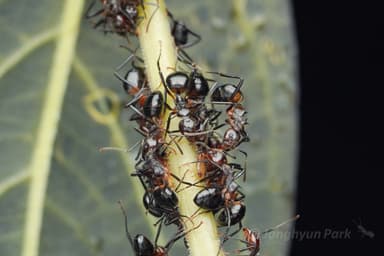
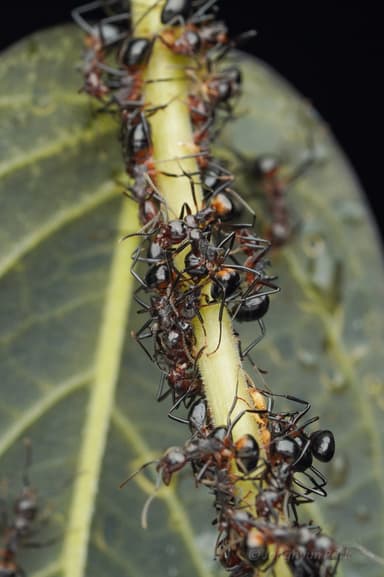
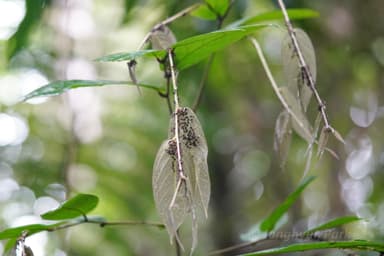
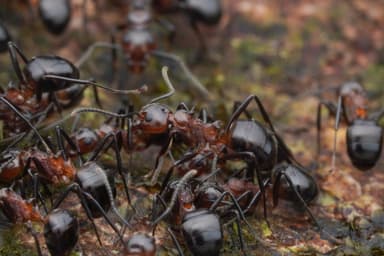
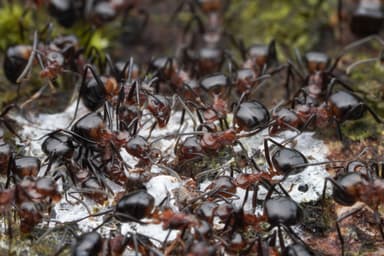
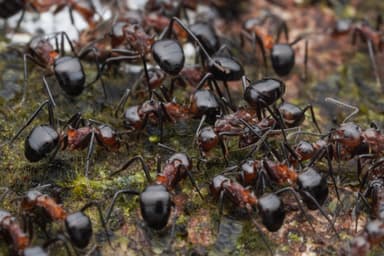
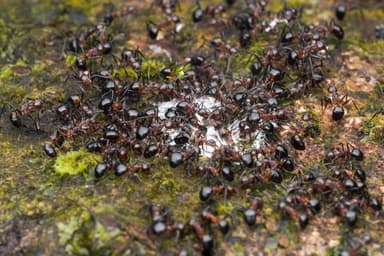
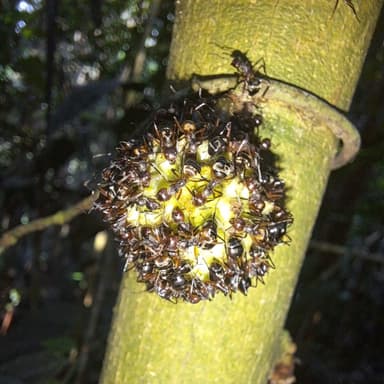
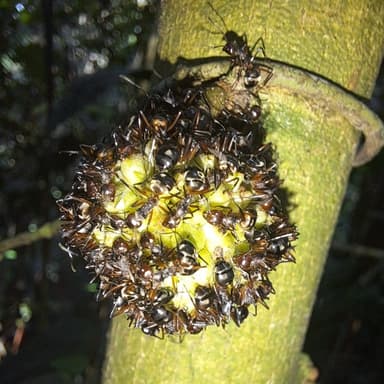
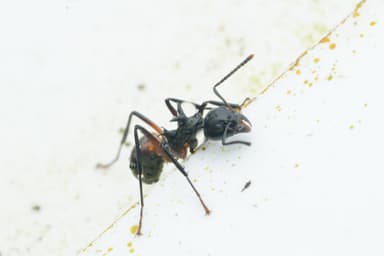
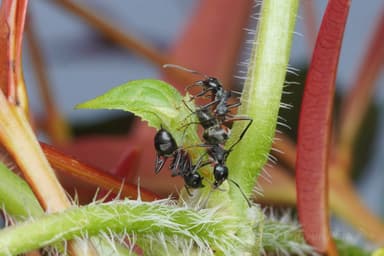
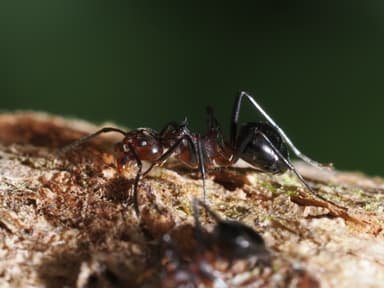
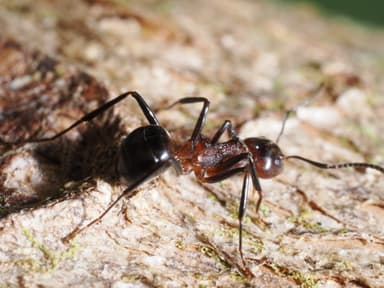
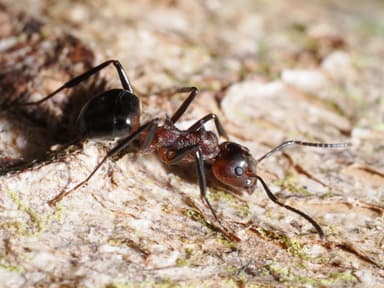
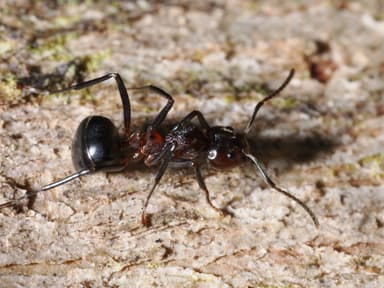
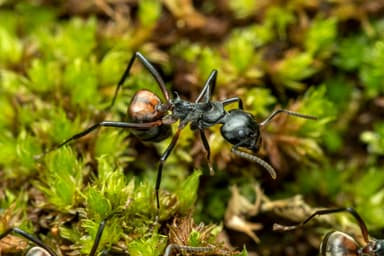
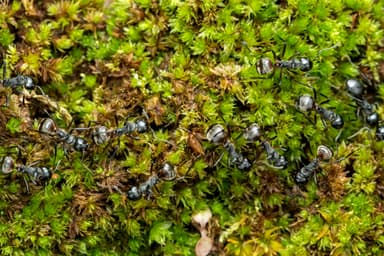
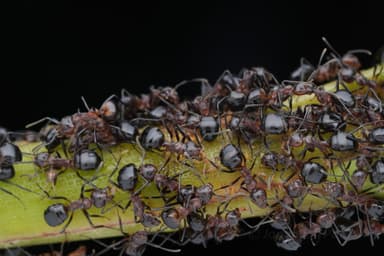
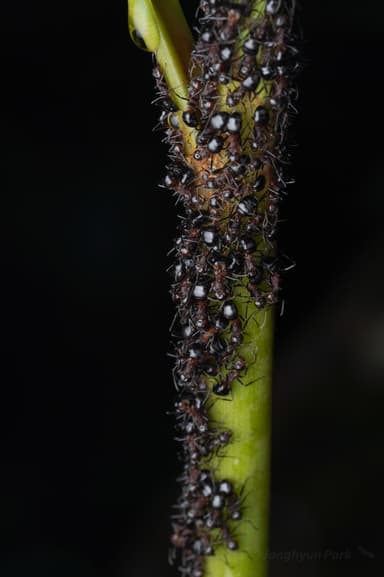
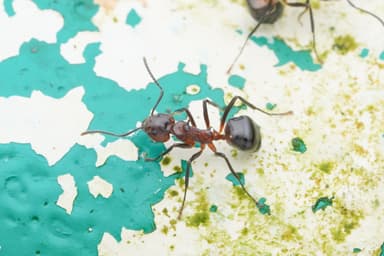
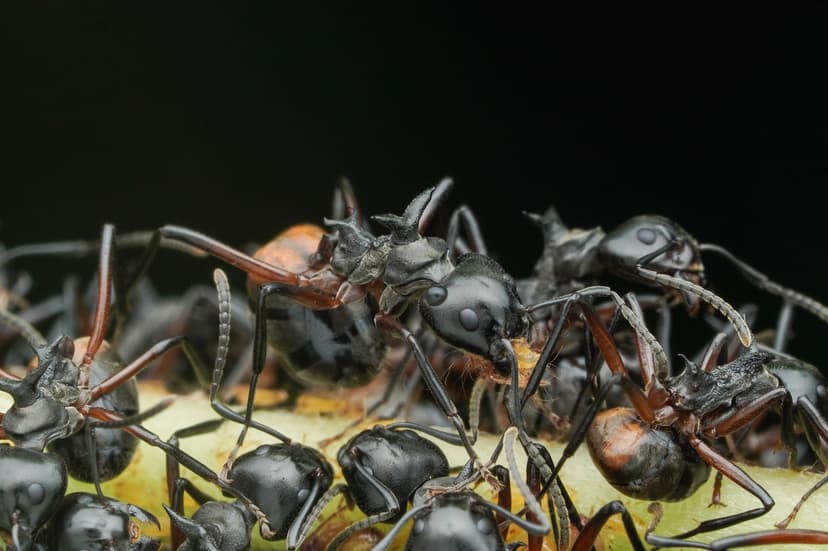
Dolichoderus cuspidatus, known colloquially as the herdsman ant, is one of the most extraordinary myrmicines ever studied. The workers are slender, dark‑bodied, and monomorphic, measuring 3.5–5 mm, while the queen is noticeably larger at 6–7.5 mm. Colonies can swell to around 10,000 individuals, but the real fascination lies not in their size but in their wholly unique lifestyle. These ants are obligate nomadic herdsmen that tend and depend upon specific mealybugs in the genus Malaicoccus. As Maschwitz and Hänel (1985) first documented, a colony will not simply attend stationary trophobionts; it packs up brood, queens, workers, and its entire herd of mealybugs and moves as a single mobile entity to new feeding grounds, setting up bivouacs along the way. New colonies are founded exclusively by budding, never by solitary queens, because a young queen must leave her mother colony with a retinue of workers and a vital starter culture of her mealybug partners (Dill et al. 2002). Without the mealybugs, the ants cannot obtain their carbohydrate‑rich honeydew, and without the ants, the mealybugs lose their protection and transport. This intricate symbiosis, combined with their bivouacking nomadic habit, makes D. cuspidatus a species that rewrites the rules of ant keeping, but it also demands an unprecedented level of commitment from the keeper.
Unsurprisingly, this ant is categorised as an expert‑only species. It is wholly unsuitable for beginners or even intermediate keepers who lack experience with highly specialised, tropical ants. The core challenge is not aggression or venom—these ants are not particularly dangerous—but rather the need to maintain a living, reproducing population of the correct mealybug species on a suitable host plant within the formicarium. Without a thriving mealybug culture, the colony will rapidly collapse. Additionally, the nomadic instinct means that a static nest set‑up must be designed to accommodate frequent movement; the colony may refuse to settle permanently in one chamber, instead treating the entire enclosure as a temporary camp. A keeper must be prepared for a dynamic system where the ants decide where to cluster with their brood and herd. Only those with deep experience in live‑food culturing and a fascination with complex symbioses should attempt this species, and even then success is far from guaranteed.
Housing must mimic the warm, humid forests of the native Southeast Asian range, extending from southern Thailand and Peninsular Malaysia down to Sumatra and Borneo (AntWeb; AntWiki). A large, well‑ventilated terrarium with a temperature gradient of 22–28°C and a relative humidity of 70–90% is essential. Because the ants do not hibernate and require constant tropical conditions, a heating cable or mat placed on one side of the enclosure, controlled by a thermostat, is the most reliable method. The nest area itself should be a multi‑chamber, vertically oriented set‑up with a moist plaster or Ytong base that can hold high humidity without flooding. However, do not expect the colony to stay in these chambers long‑term; they will frequently bivouac in the outworld. The outworld must be large enough to house one or more potted host plants—young citrus or hibiscus often work well—on which the mealybug cultures will feed. A deep, 10‑cm layer of a tropical soil mix, kept evenly moist, will help maintain ambient humidity and allow the ants to move soil particles to form temporary shelters. Automatic misting systems are highly recommended, as any sudden drop in humidity can be fatal. Provide numerous twigs, bark pieces, and cork hollows where the ants can cluster with their brood, recreating the sheltered bivouac sites they choose in the wild.
Diet is the most critical husbandry element and the one most likely to cause failure. In nature, D. cuspidatus derives almost all its carbohydrates from the honeydew of its Malaicoccus mealybugs. In captivity, the keeper must therefore establish a healthy, self‑sustaining mealybug colony on the provided plants well before the ants arrive. The ants will actively tend, defend, and even carry the mealybugs, so the plant must be robust enough to withstand constant ant traffic. While the honeydew will supply sugars, the ants also require protein, which they obtain by scavenging small, pre‑killed insects. Offer tiny pieces of freshly killed feeder cricket, fruit fly, or mealworm once or twice a week, but remove any uneaten remains promptly to prevent mould in the high‑humidity environment. A small water source, such as a test tube filled with water and plugged with cotton, should be placed in the outworld; however, the ants will often drink from water droplets on leaves and walls after misting. Never substitute the living mealybugs with artificial honeydew for more than a few days, as the colony’s health is intimately tied to the act of tending the herd, and the mealybugs themselves require constant care on a living plant.
Hibernation is not required for this strictly tropical species. The ants must be kept at their active temperature range year‑round, with no seasonal cooling. Any attempt to induce a winter rest would be catastrophic, as it would not only stress the ants but likely kill the mealybug population and the host plant. The photoperiod can remain at a steady 12‑hour light‑dark cycle, or follow your local tropical regime; the ants are not strongly influenced by day length.
When you receive your founding budding group, everything must be ready: the planted terrarium with a robust mealybug culture, stable temperature, and high humidity. Gently introduce the ants into the outworld by placing their transport container open within the enclosure, allowing them to exit on their own. Resist the urge to move them into a nest chamber manually — they will find a suitable bivouac site, often under a piece of bark or among the plant stems, and immediately begin tending any mealybugs they encounter. For the first feeding, offer a tiny drop of diluted honey or sugar water on a small piece of foil near the cluster, but do not be alarmed if they ignore it; their priority will be to bond with the mealybugs. Place one or two pre‑killed fruit flies nearby. During the first week, watch for signs of stress: continuous frantic movement, failure to cluster with the mealybugs, or visibly desiccating ants are all red flags that humidity is too low. If the colony settles and workers begin moving mealybugs to the plant’s new growth, you have cleared the first hurdle in what will be a demanding but deeply rewarding ant‑keeping experience.