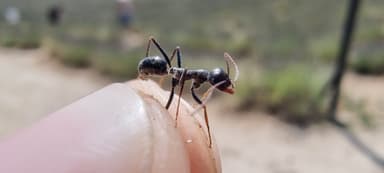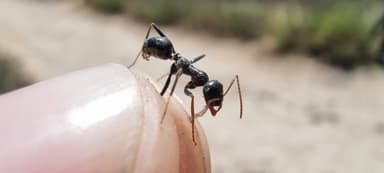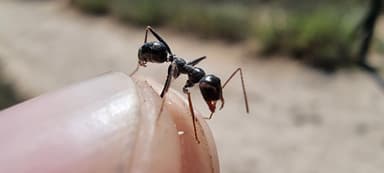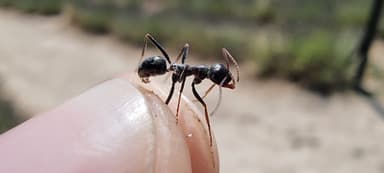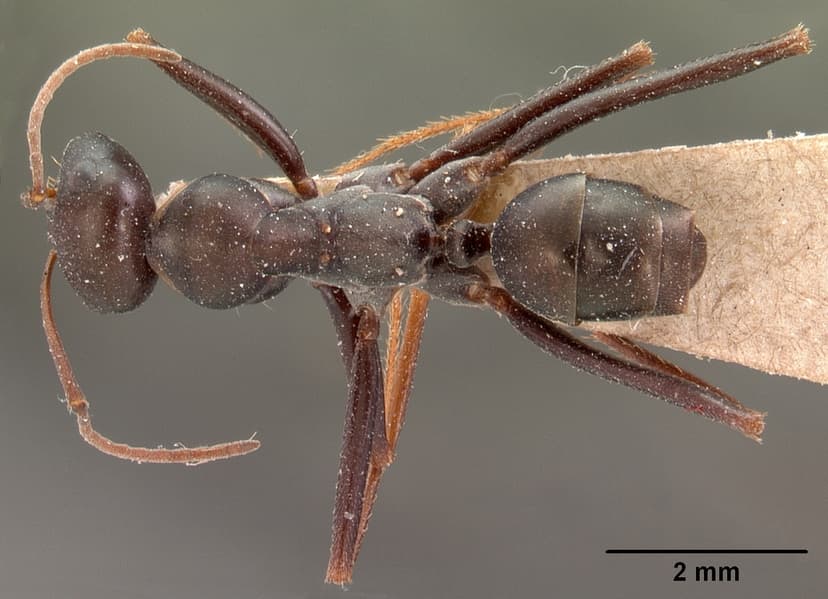
Cataglyphis
Cataglyphis cursor
Nuptial Flight Calendar
Flight months: May, Jun, Jul, Aug, Sep
Care Guide
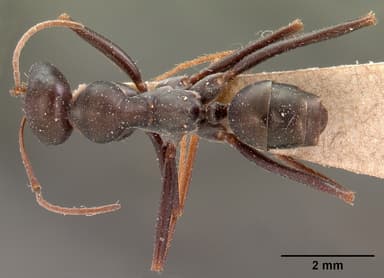
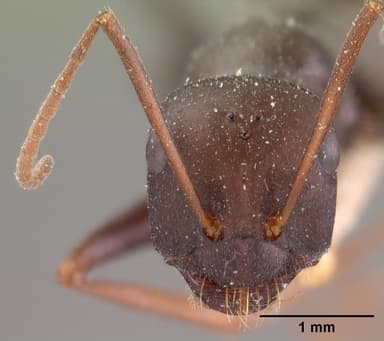
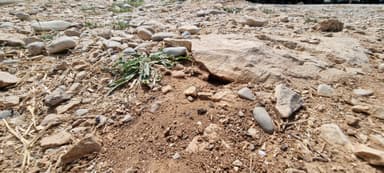
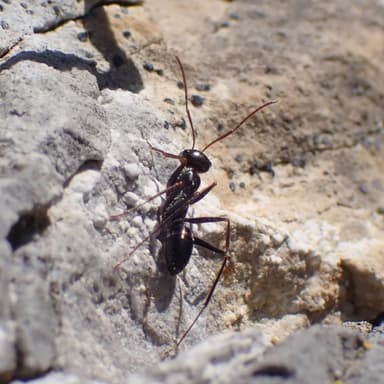
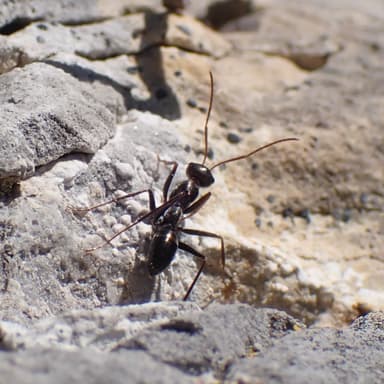
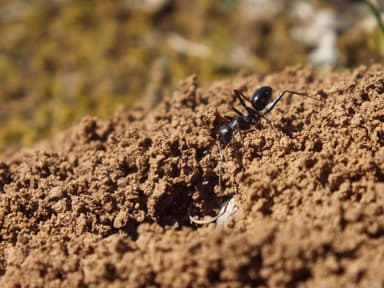
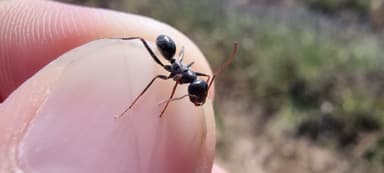
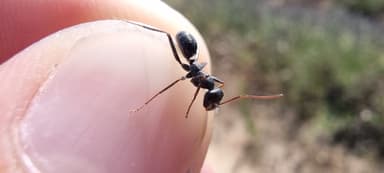
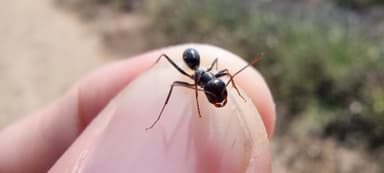
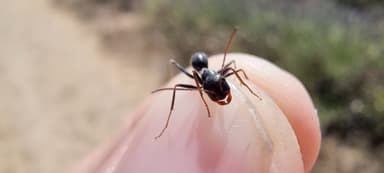
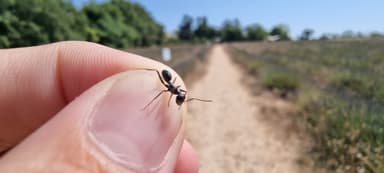
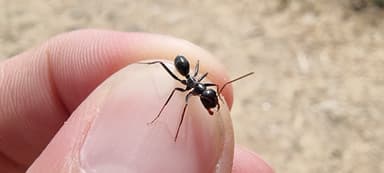
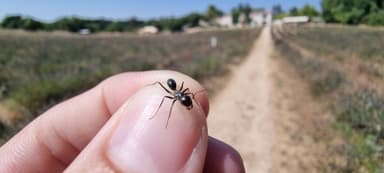
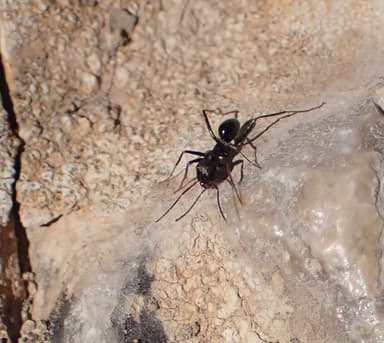
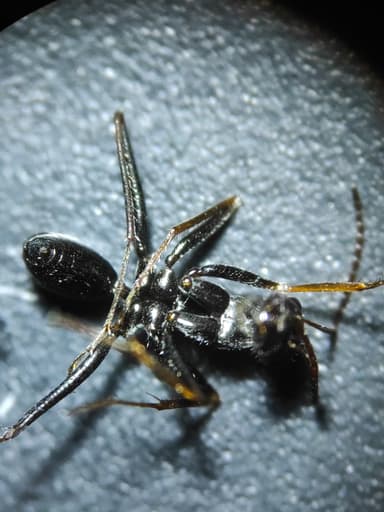
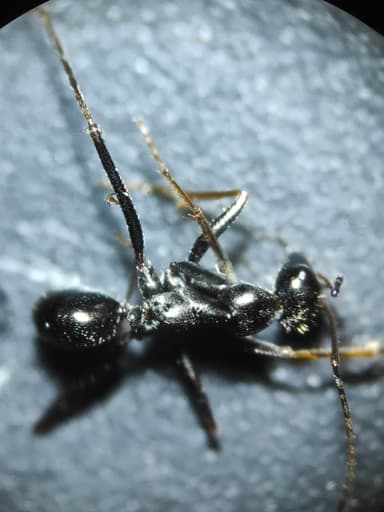
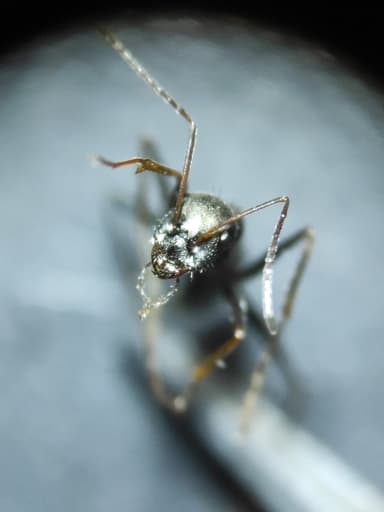
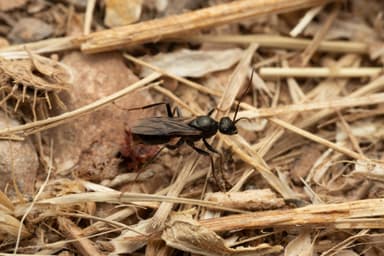
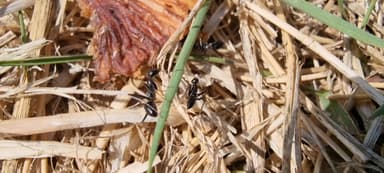
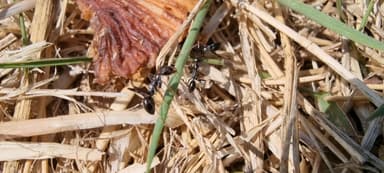
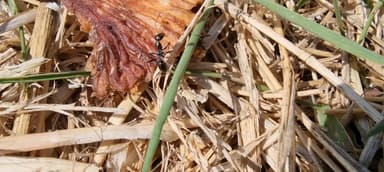
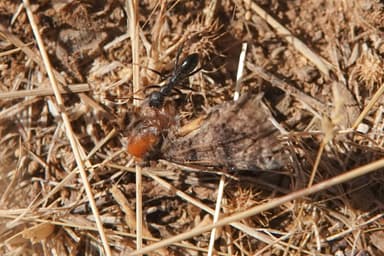
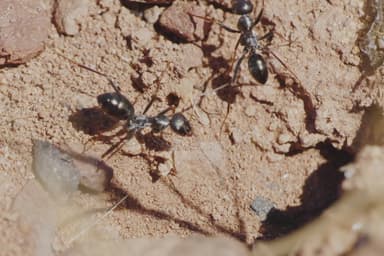
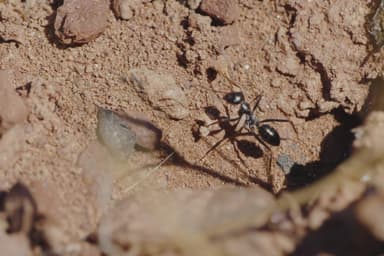
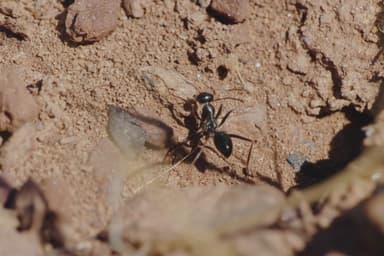
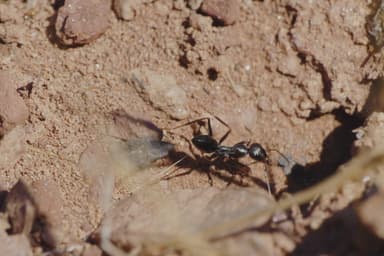
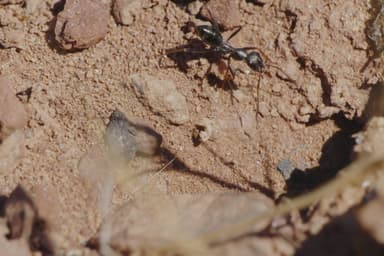
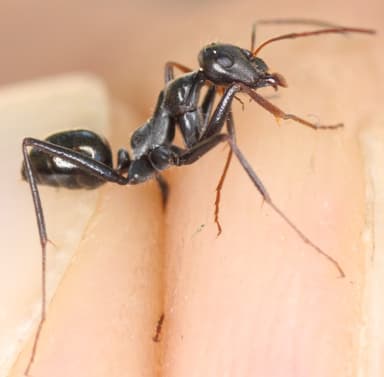
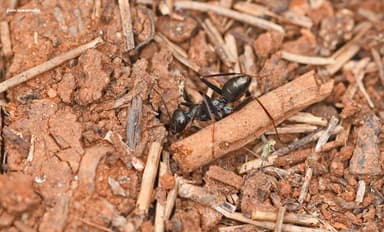
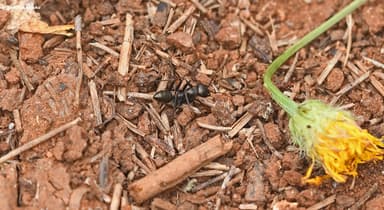
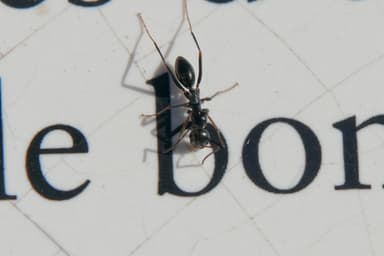
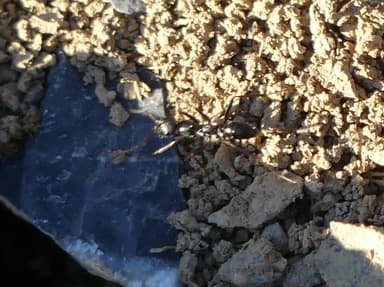
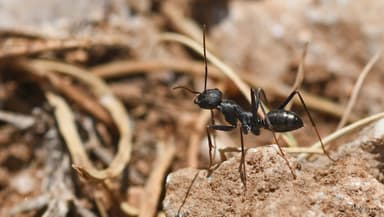
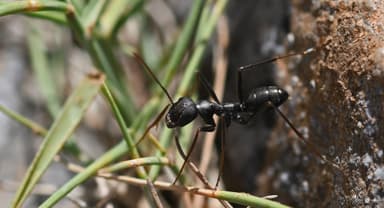
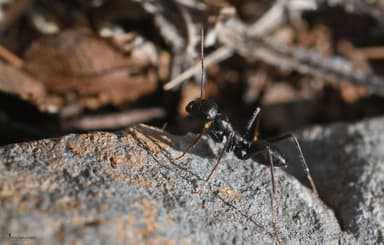
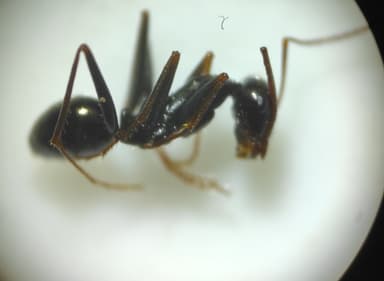
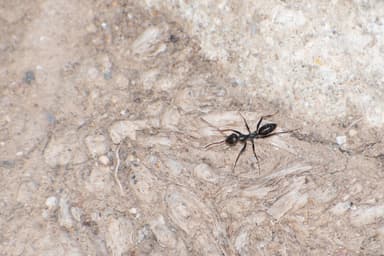
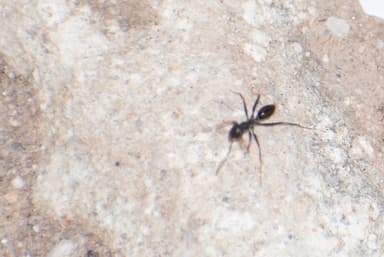
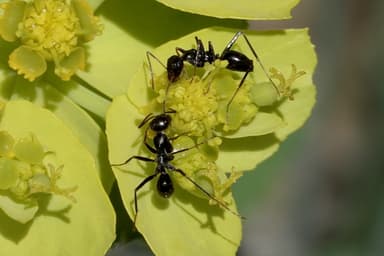
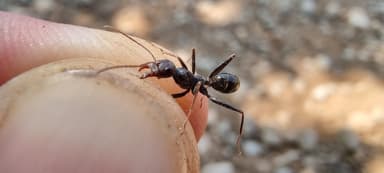
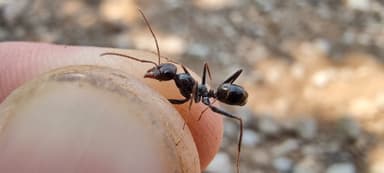
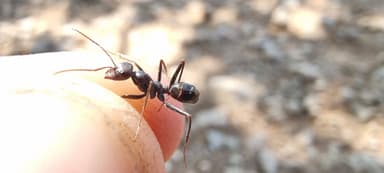
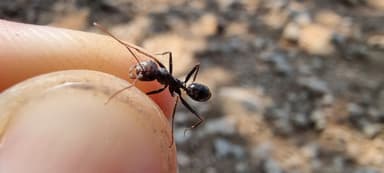
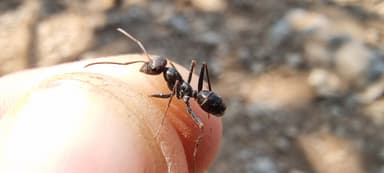
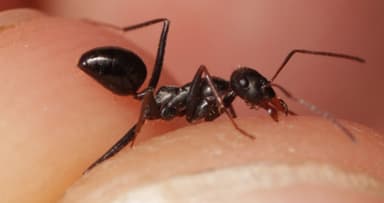
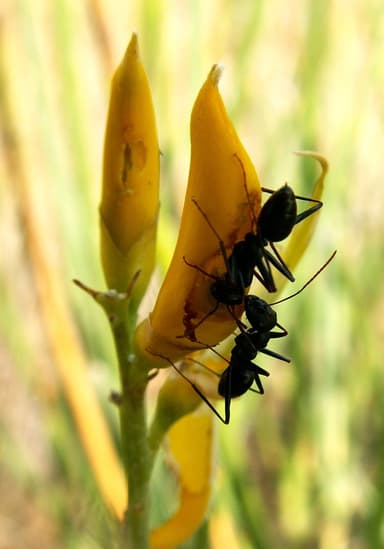
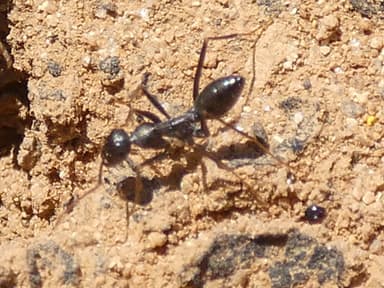
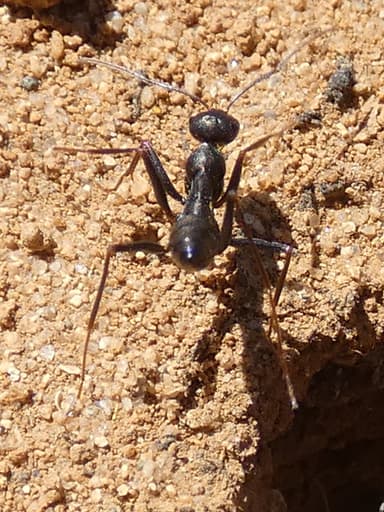
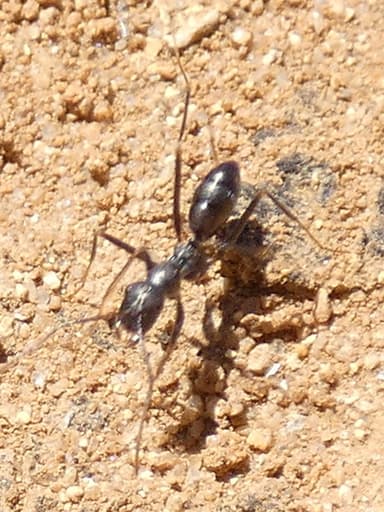
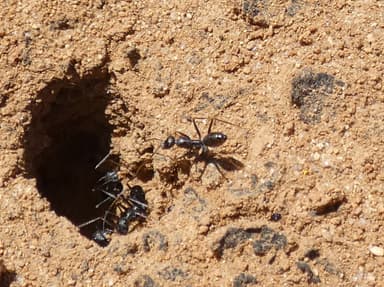
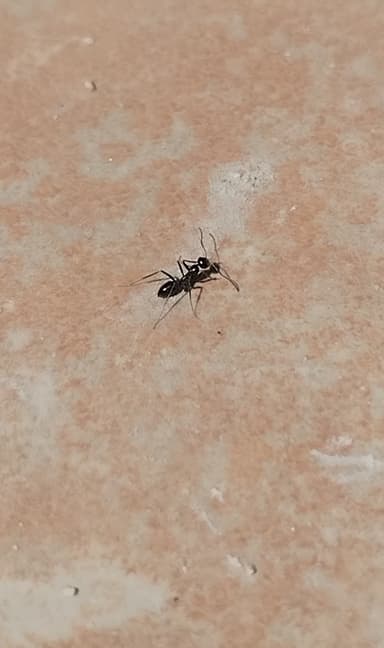
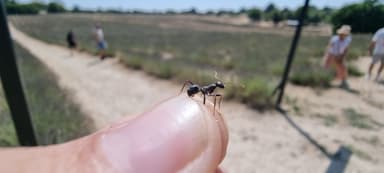
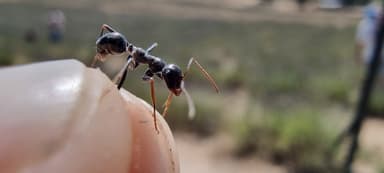
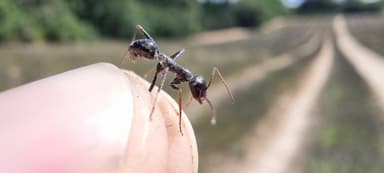
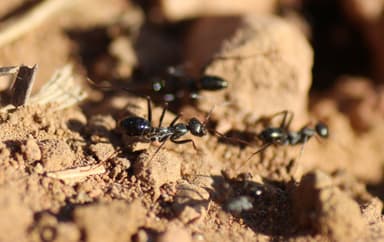
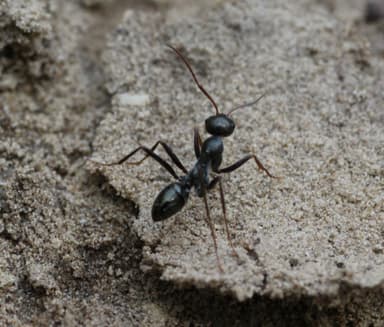
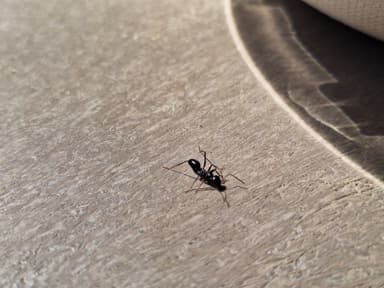
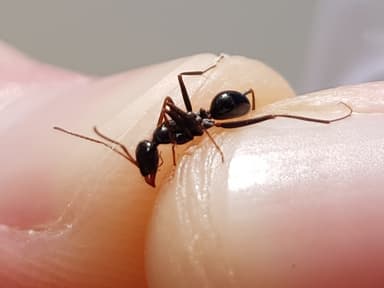
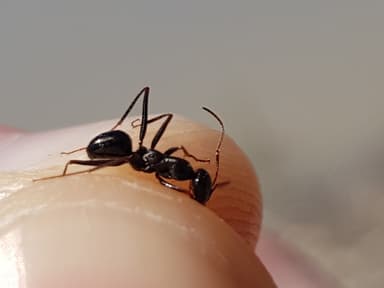
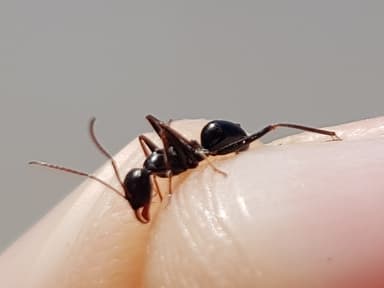
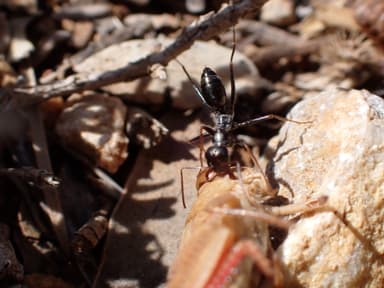
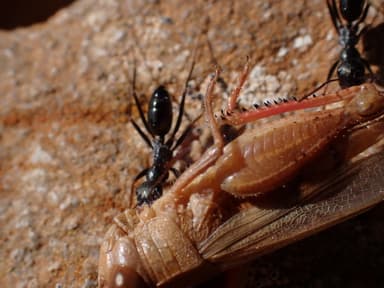
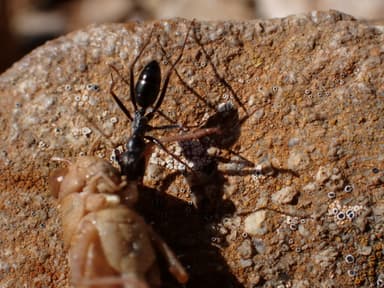
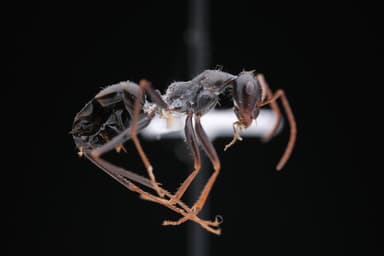
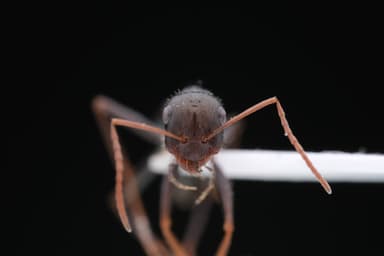
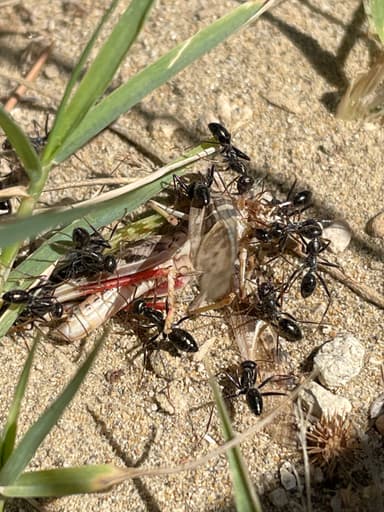
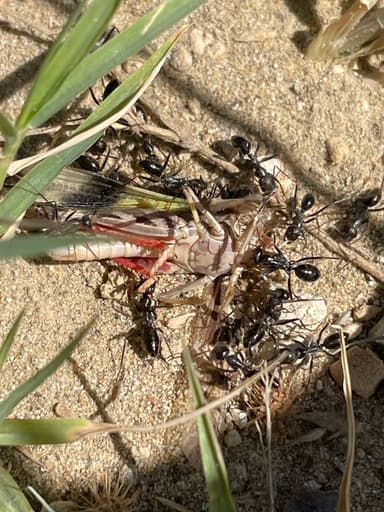
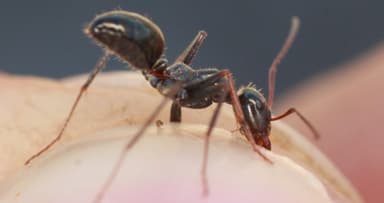
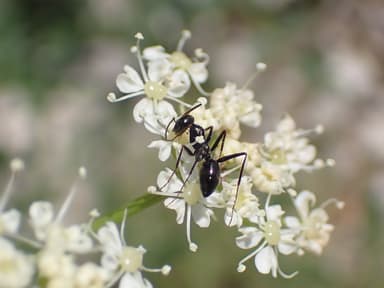
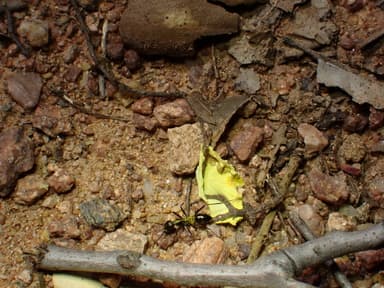
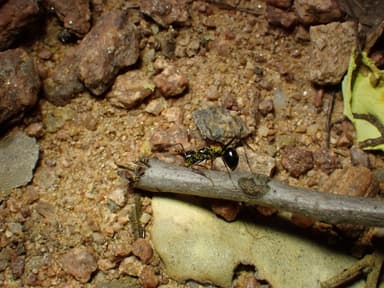
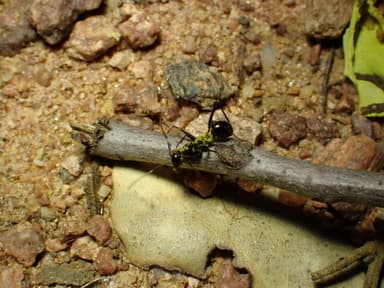
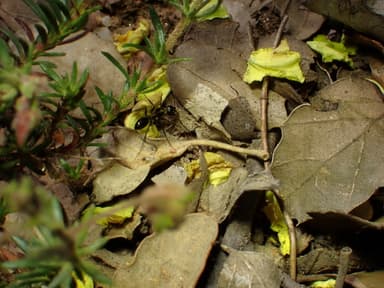
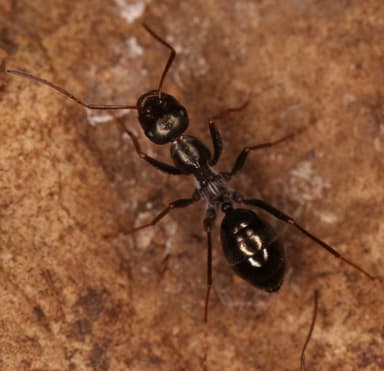
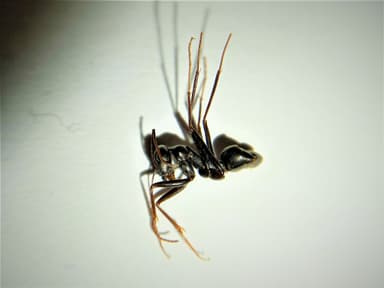
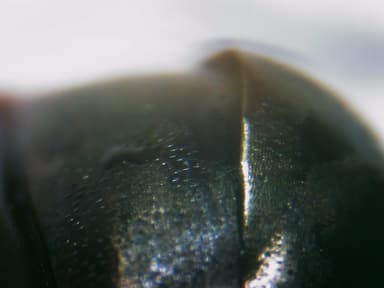
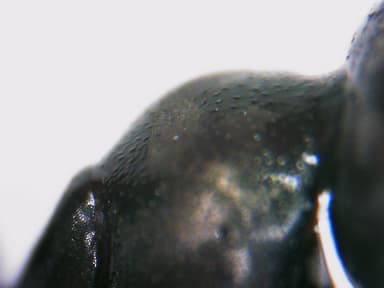
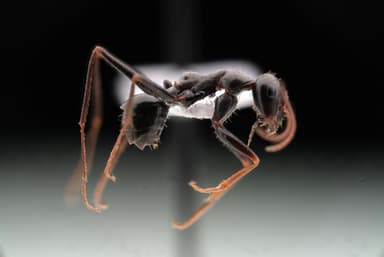
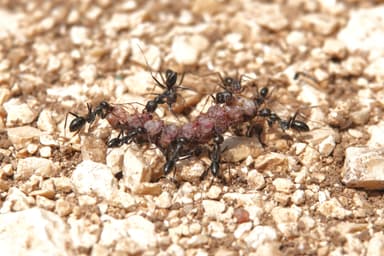
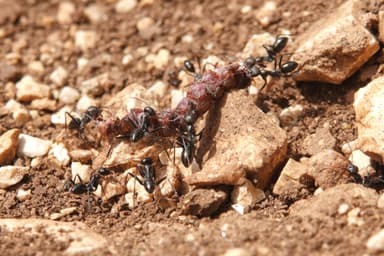
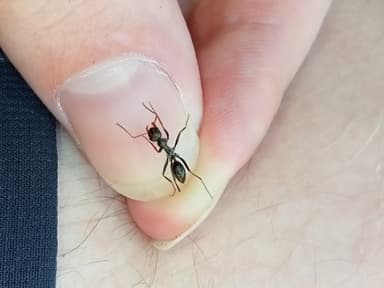
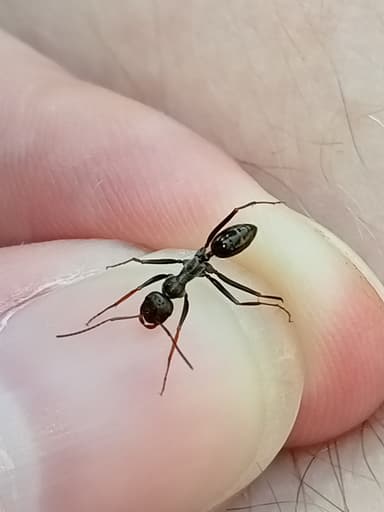
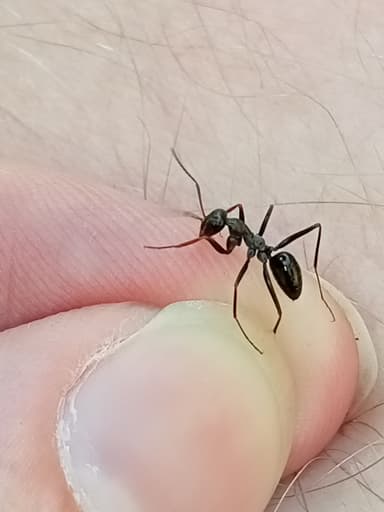
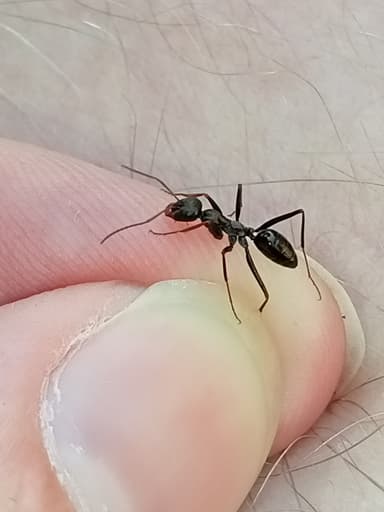
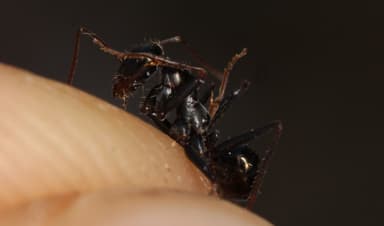
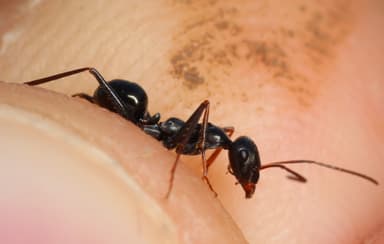
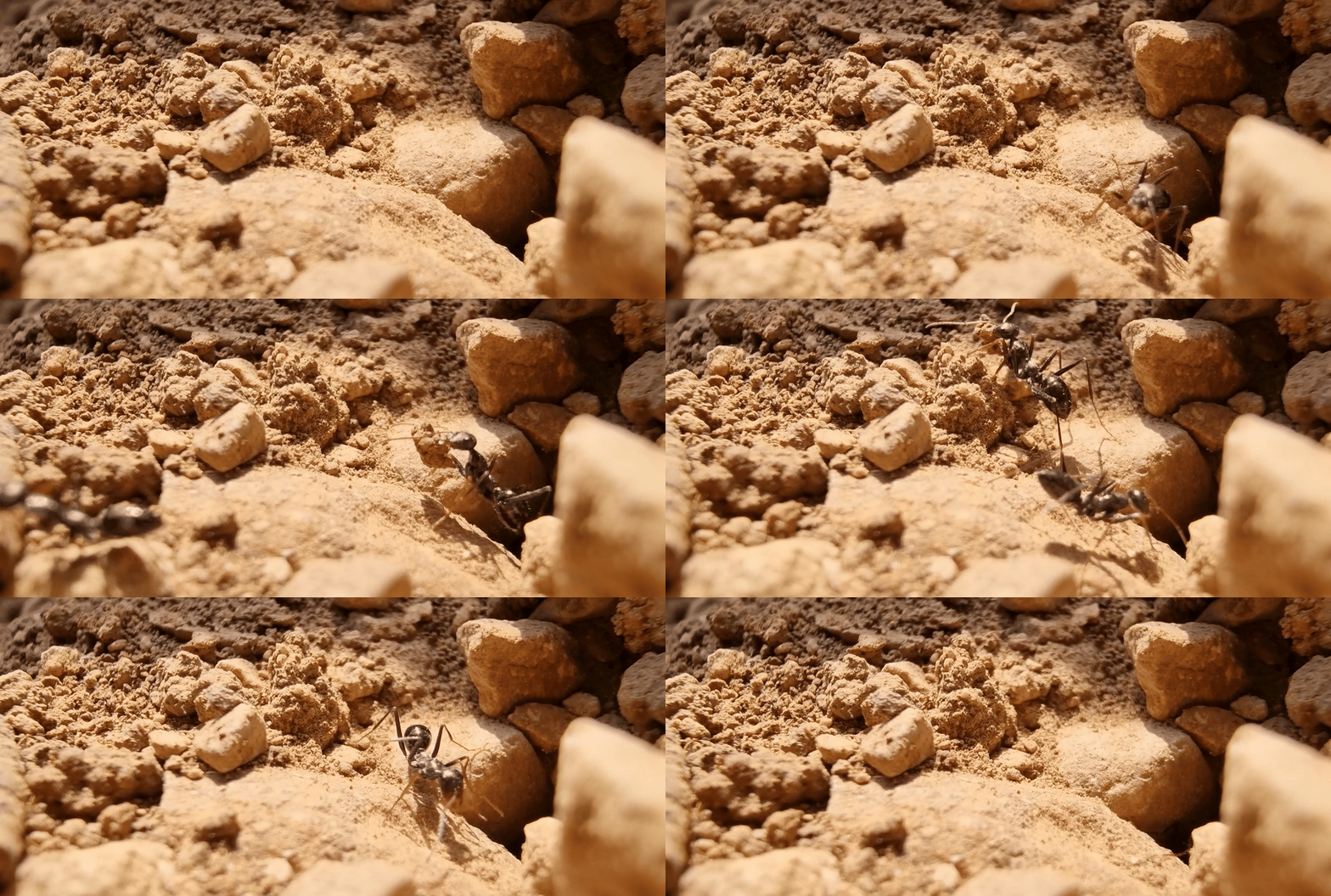
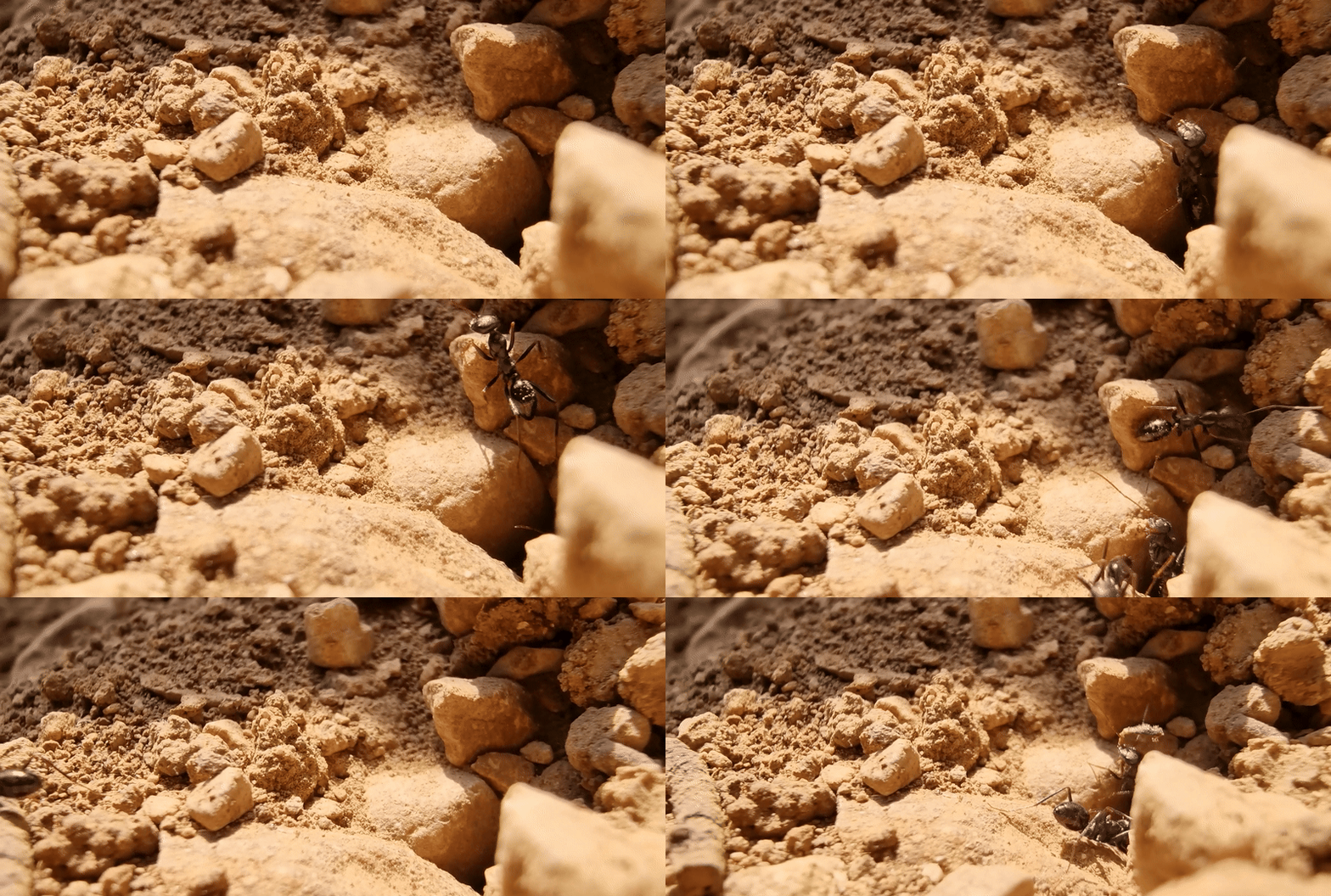
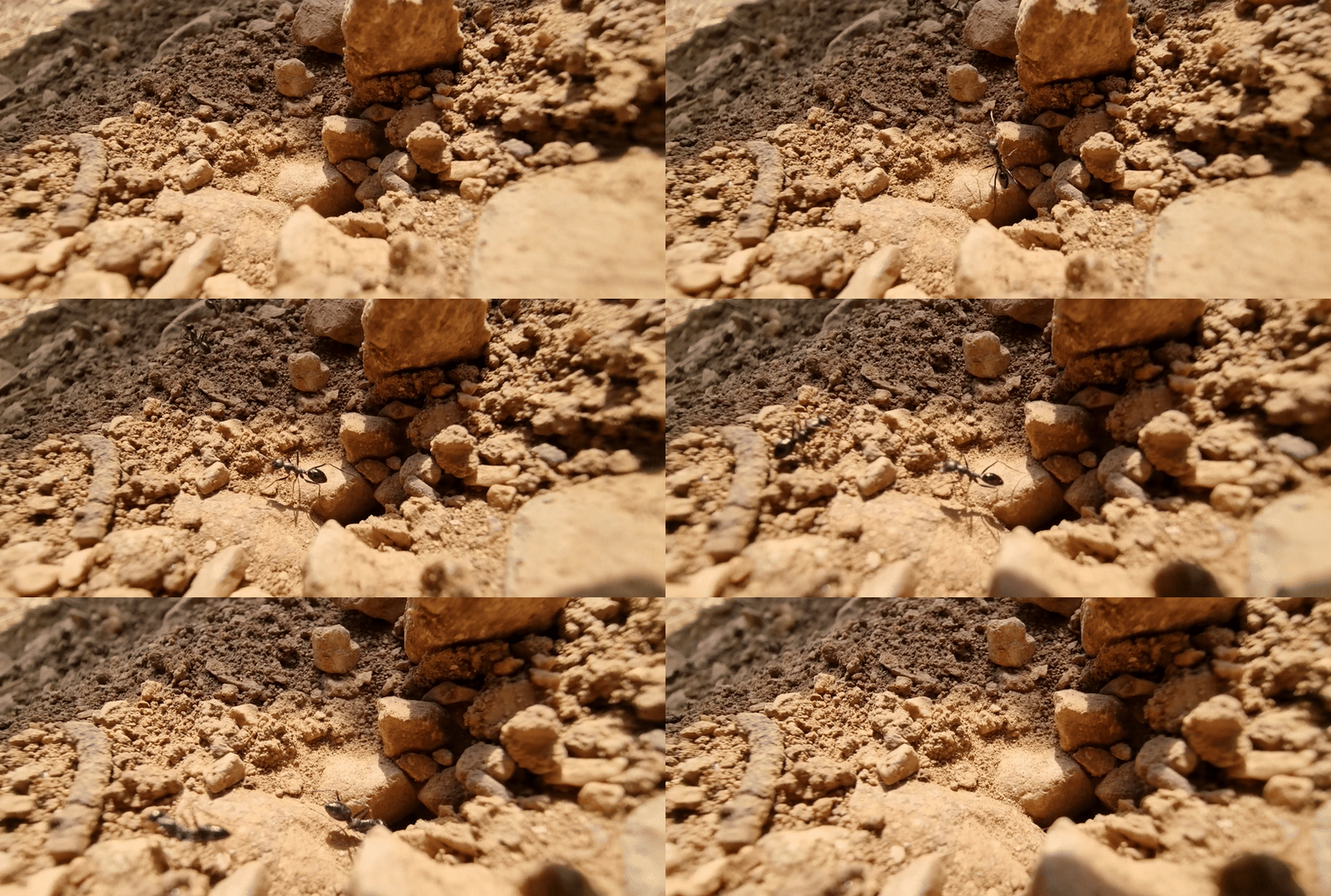
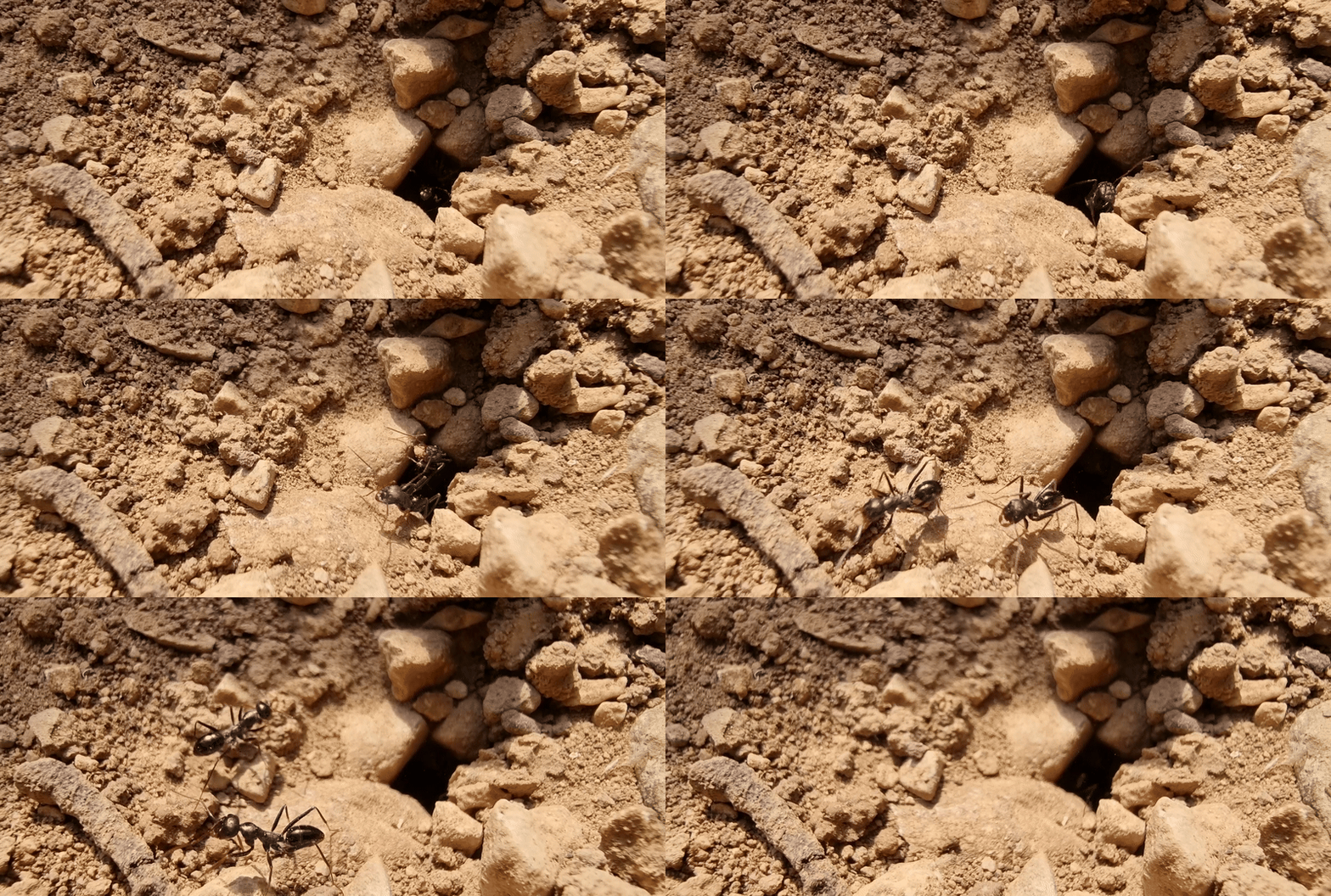
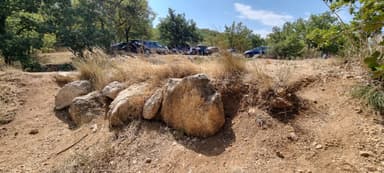
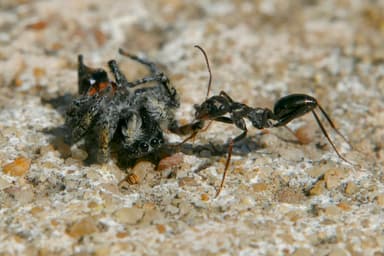
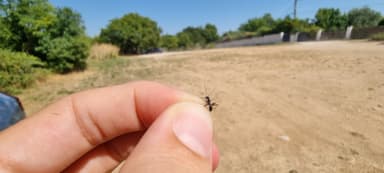
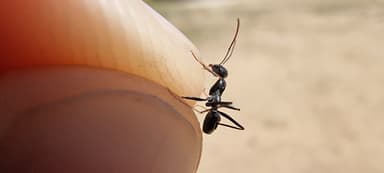
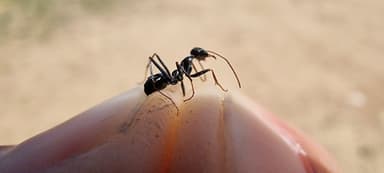
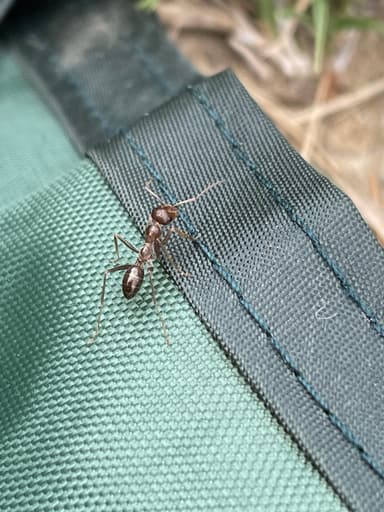
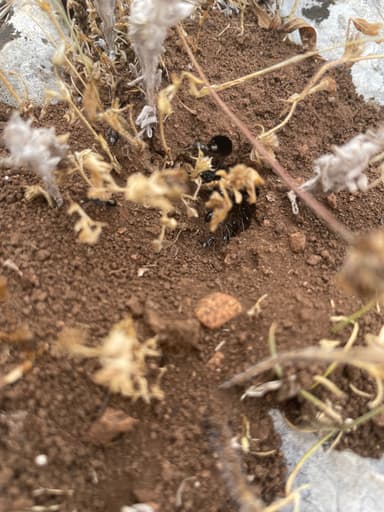
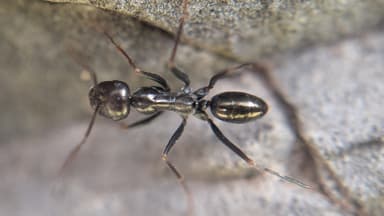
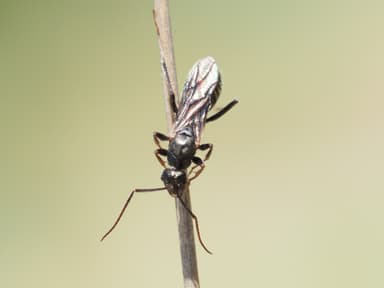
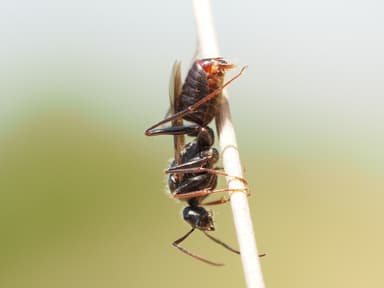
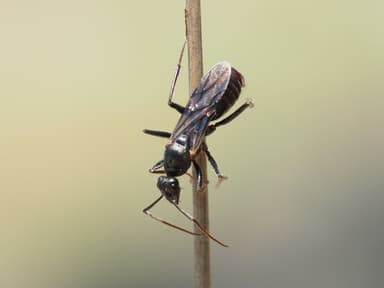
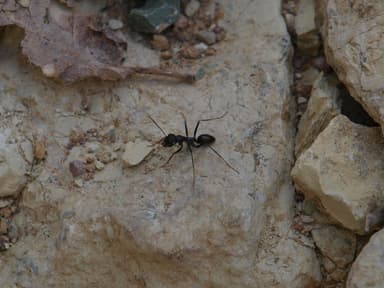
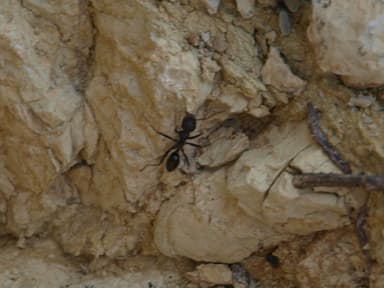
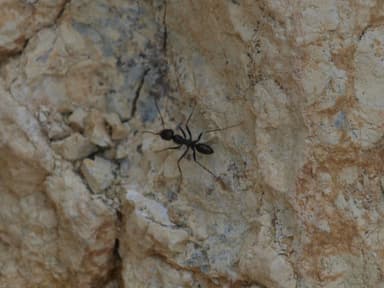
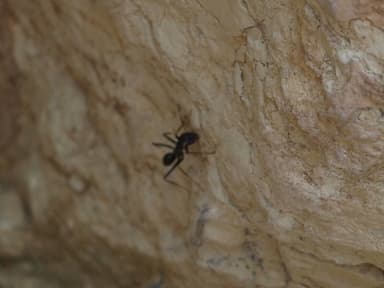
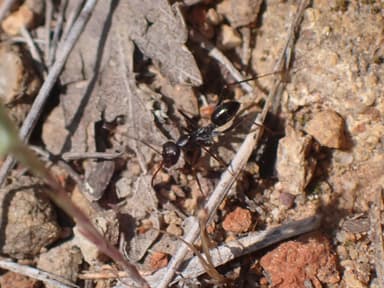
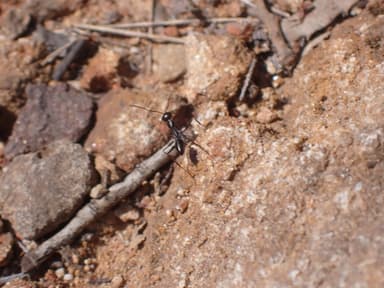
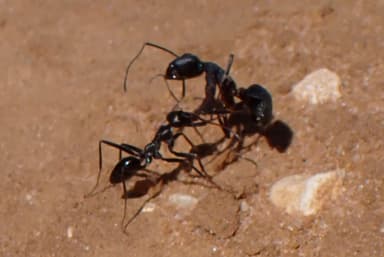
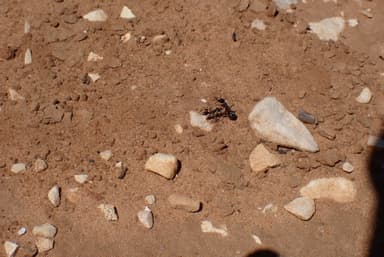
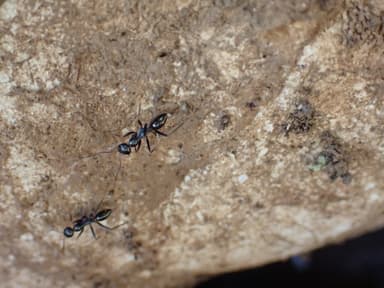
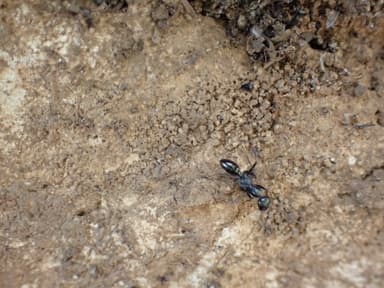
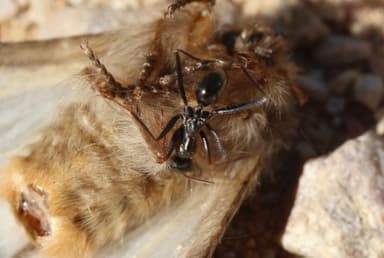
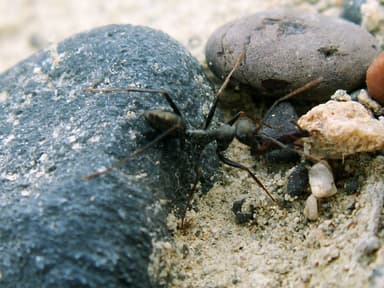
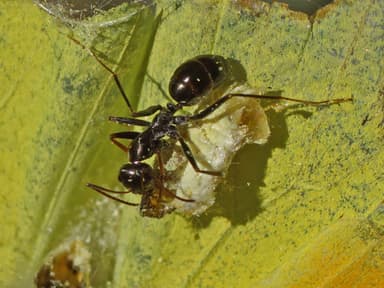
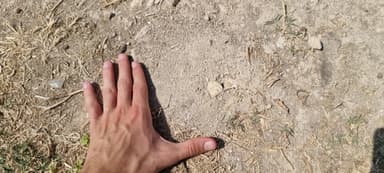
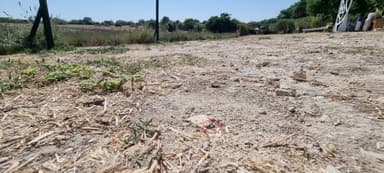
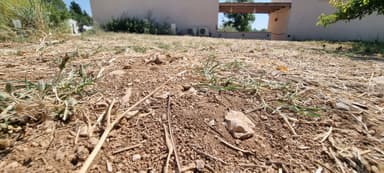
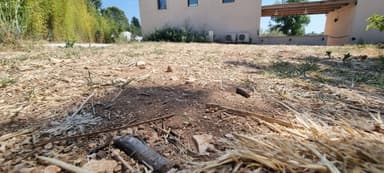
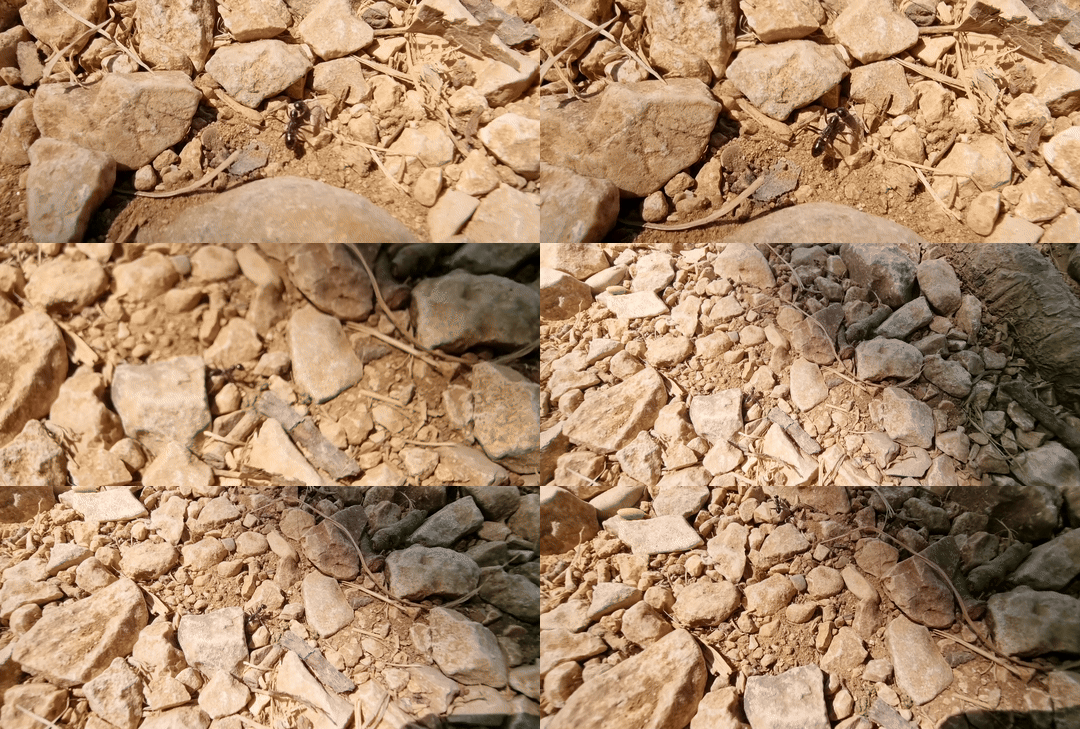
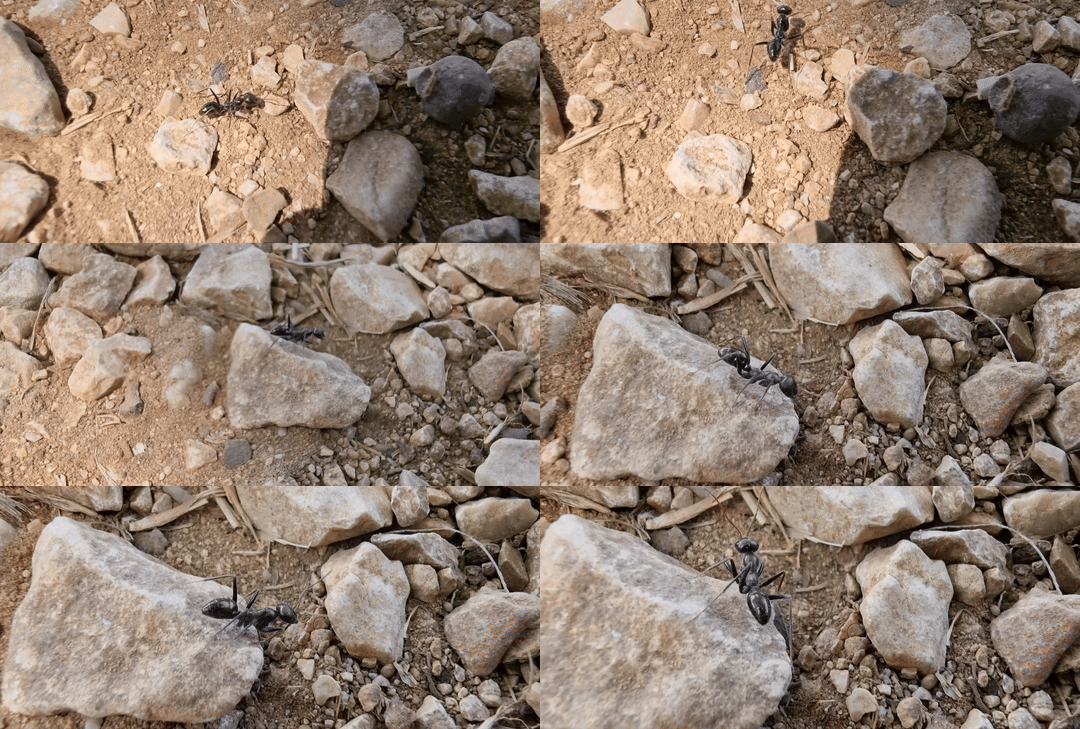
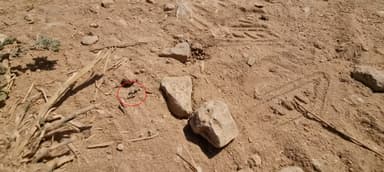
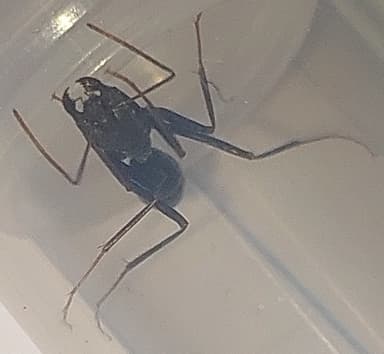
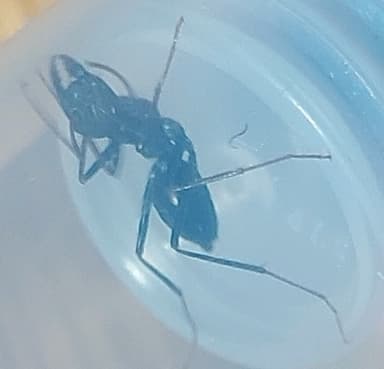
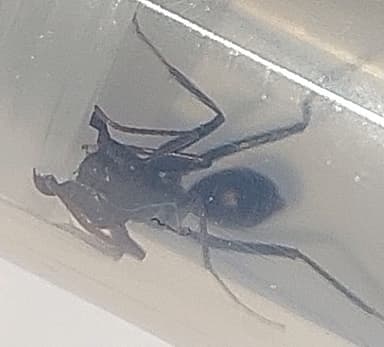
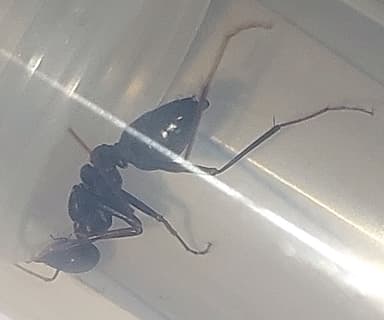
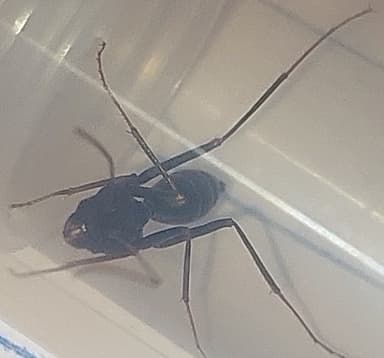
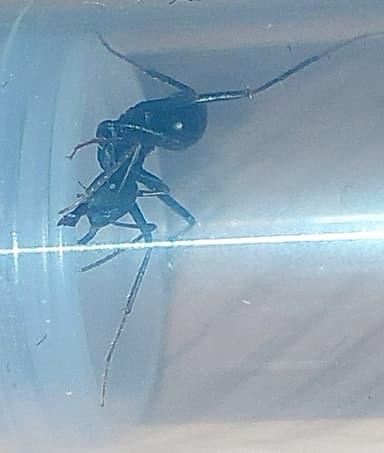
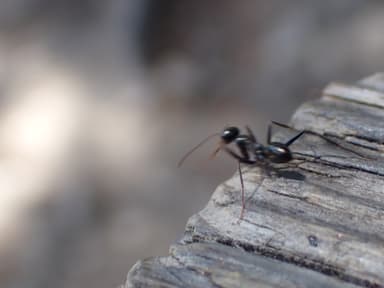
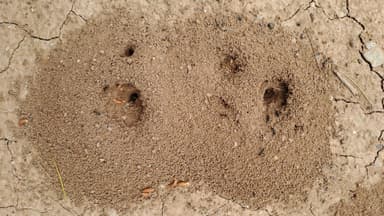
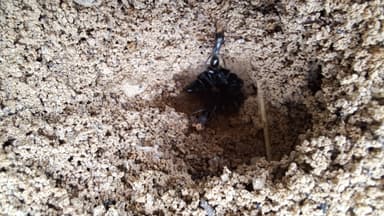
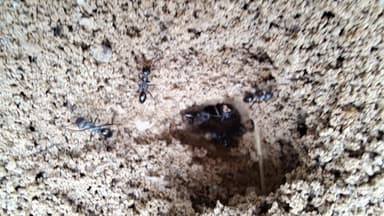
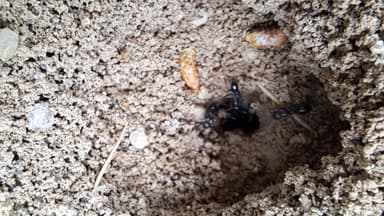
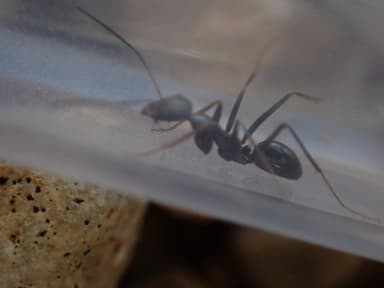
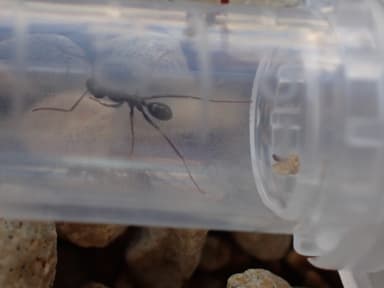
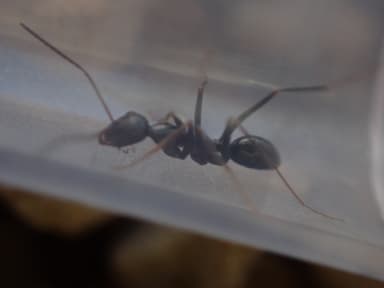
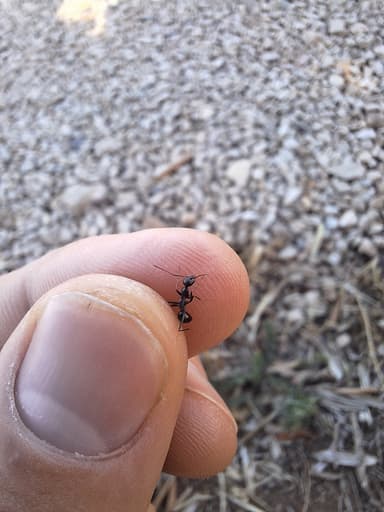
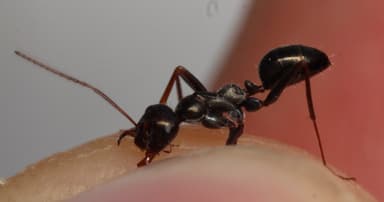
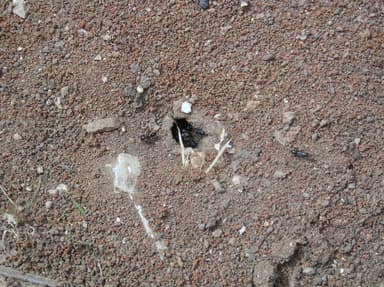
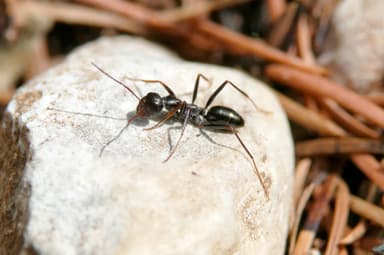
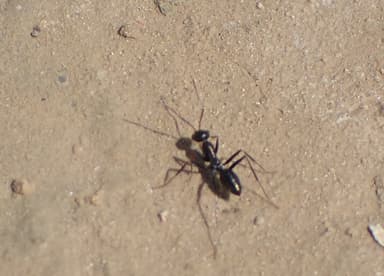
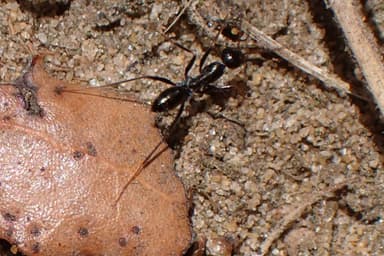
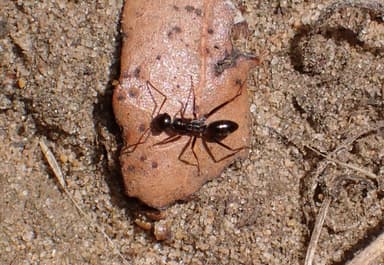
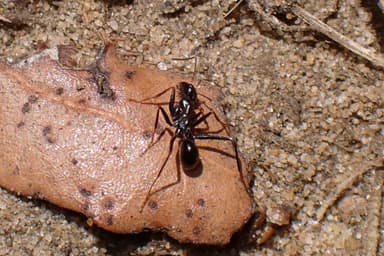
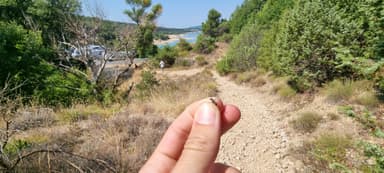
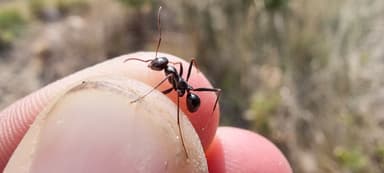
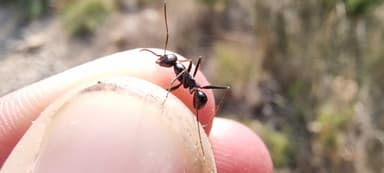
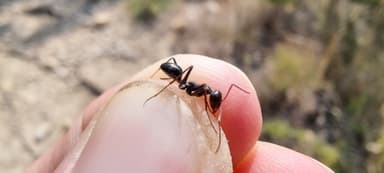
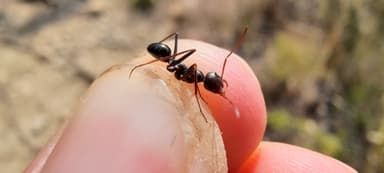
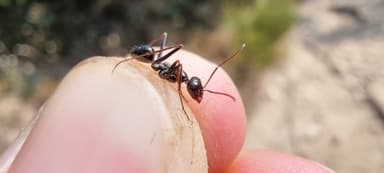
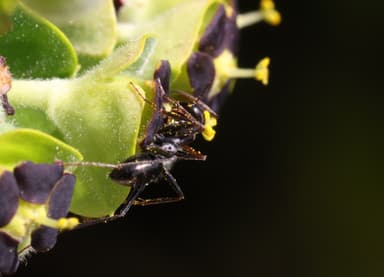
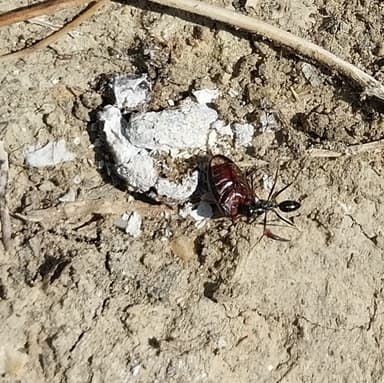
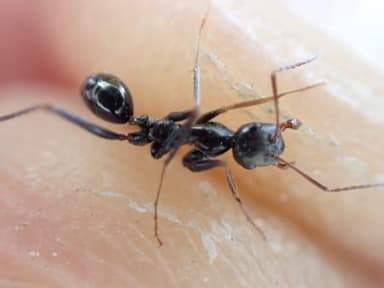
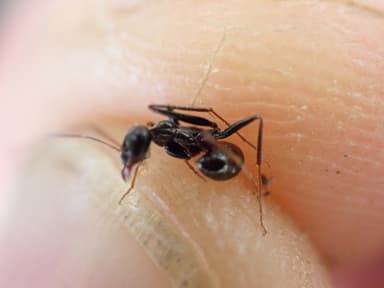
Cataglyphis cursor is a remarkable Mediterranean ant whose biology reads like science fiction made miniature. Workers display clear polymorphism, with a size spectrum from diminutive 4 mm minors to robust 10 mm majors, while queens measure a stately 10–13 mm. Colonies can mature to around 10,000 individuals, though field studies suggest nest populations fluctuate substantially with local habitat conditions (Clémencet & Doums 2007). What truly sets this species apart, however, is its reproductive strategy: queens produce workers via thelytokous parthenogenesis, meaning new workers arise from unfertilised diploid eggs, yet they still mate to generate future queens and males through sexual reproduction — a conditional use of sex that challenges conventional ant life histories (Pearcy et al. 2004). Native to the Mediterranean basin, from the Iberian Peninsula eastward, these ants are consummate heat‑lovers, foraging in the full glare of the afternoon sun when surface temperatures soar above 40°C. Nuptial flights occur during late spring and summer (May through July) on warm, sunny afternoons following rainfall, with air temperatures exceeding 25°C, a window that reflects their dependence on dry, heated soils. In the wild, C. cursor serves as both scavenger and agile predator, playing a significant role in nutrient cycling across arid shrublands (Lenoir et al. 2009).
This is an intermediate‑level species, best suited to keepers who already have experience managing temperature‑sensitive ants and preventing escapes. Because workers are swift, alert, and unhesitatingly willing to skitter up vertical smooth surfaces if given the slightest moisture film, secure housing is non‑negotiable. Beginners will likely find the combination of high heat requirements, tight humidity control, and a mandatory winter diapause overwhelming. However, for the intermediate hobbyist fascinated by desert adaptation and unique social biology, Cataglyphis cursor offers an endlessly rewarding husbandry challenge that rewards patient observation with glimpses of a truly unconventional colony life.
Creating a suitable home for this thermophilic ant starts with understanding its environmental envelope. A well‑ventilated nest is essential, ideally a thin, horizontally oriented formicarium (plaster, ytong, or 3D‑printed gypsum designs work well) that allows a steep thermal gradient. The warmest zone of the nest should be maintained at around 35–40°C using a heat mat or overhead ceramic lamp, while the cooler end stays at a minimum of 24°C; this mimics the sun‑baked patches the ants seek for brood development. Ambient humidity must stay low, between 30% and 60%, to replicate the arid Mediterranean air — excessive moisture leads to fungal issues and brood mortality. A shallow layer of sand or a sand‑loam mix in the foraging arena gives workers a familiar substrate to patrol and may stimulate digging, though they rarely excavate elaborate nests in captivity. As with all desert ants, the outworld should be completely bone‑dry except for a small, refillable water source (a cotton‑plugged tube or a micromoistened sponge). Because workers can range widely in size, all tubing and entry ports must be sufficiently large to accommodate a bulky major, yet also escape‑proof against the slenderest minor. Day‑night lighting cycles are beneficial, and a basking lamp over the arena will encourage natural above‑ground activity even at the upper temperature limit of 40°C.
Feeding Cataglyphis cursor is straightforward, provided protein and carbohydrates are offered regularly and adjusted to colony size. Offer small, soft‑bodied insects such as fruit flies, pinhead crickets, or chopped mealworms as protein sources; these should be lightly pre‑killed to reduce stress and prevent injury to workers. Carbohydrates can be supplied as diluted honey, maple syrup, or commercial ant nectar, always in a shallow feeding tray to avoid drowning. A constant supply of fresh water is critical — desert ants rapidly dehydrate if water is only intermittently available — but it must be presented so that it never raises the nest humidity. During the peak foraging season, you may see workers darting to the protein first, then eagerly lapping sugars after returning from the outworld; they have remarkable navigational abilities and will quickly learn the location of food and water. Overfeeding should be avoided, as leftover insect fragments spoil rapidly in the warm, dry nest environment and can fuel mite outbreaks.
Winter dormancy is not optional. In the wild, this species experiences a Mediterranean winter that, while mild, still brings cool soil temperatures and reduced photoperiod. In captivity, a hibernation period of two to three months at a steady 12°C is required for colony health and sustained queen fertility. Gradually lower the temperature over two weeks beginning in late autumn, ensuring the colony has had ample time to slow down and seal part of the nest. During diapause, the ants will cluster tightly and activity will cease almost entirely; at this point, remove all fresh food to prevent mould, but provide a small water source in case they briefly rouse. Gently raise the temperature back to the active range in early spring, and within days you will see egg‑laying resume.
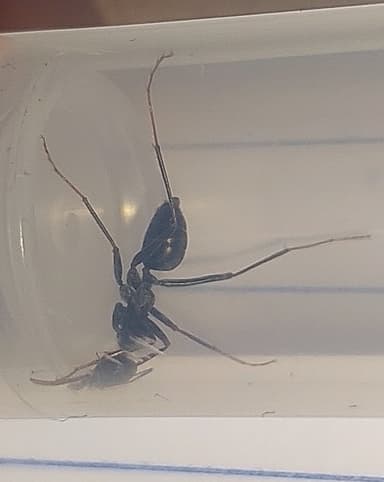
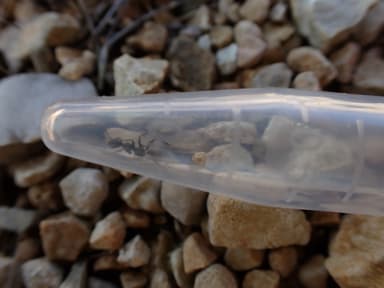
When your queen and her small founding colony arrive, patience is key. Keep them in the sealed shipping tube for at least 24 hours in a dim, quiet spot at room temperature to recover from transit stress. Then, connect the tube to your prepared nest, ensuring the temperature at the connection is around 24–26°C so the ants are not shocked by extreme heat immediately. After the workers venture out and explore, offer a minuscule drop of sugar water on a toothpick tip, and a day later, a tiny piece of pre‑killed fruit fly. Watch carefully for signs of normal behaviour: the queen should begin grooming her brood, and minor workers should start foraging tentatively. It is not unusual for colonies to remain secretive for the first week; resist the urge to disturb them further. Common early pitfalls are drowning in overly large water droplets, overheating from an unregulated heat source, or escapes from gaps you thought were sealed. Monitor the nest daily, but keep handling to a minimum — once they settle in, Cataglyphis cursor will reveal its extraordinary world of swift foragers, cooperative brood care, and a reproductive system that continues to fascinate myrmecologists (Pearcy et al. 2004; Clémencet & Doums 2007).