Aphaenogaster
Aphaenogaster spinosa
Nuptial Flight Calendar
Flight months: Sep, Oct, Nov
Care Guide
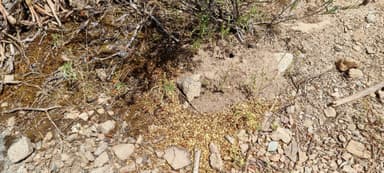
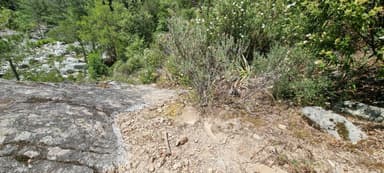
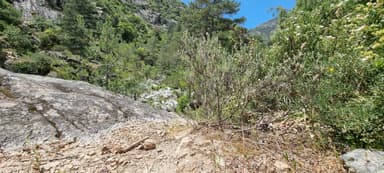
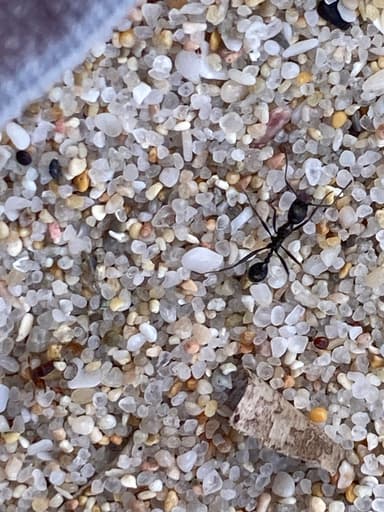
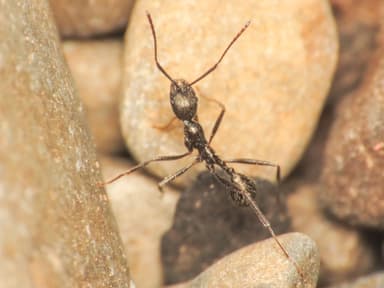
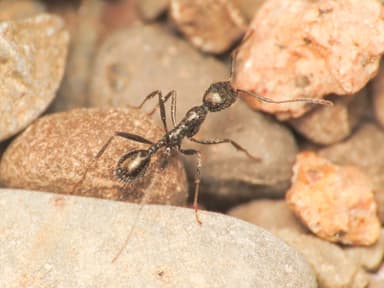
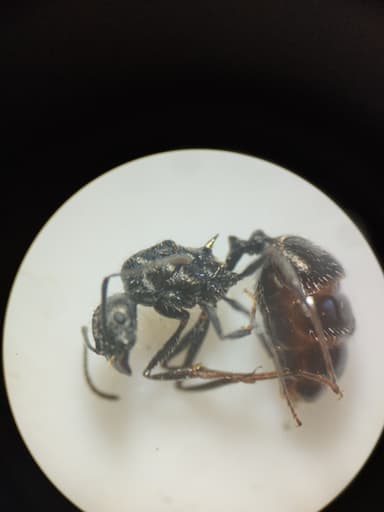
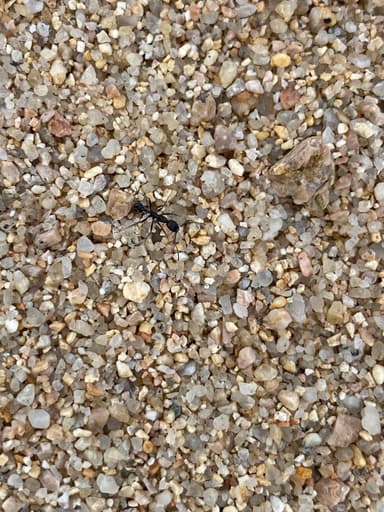
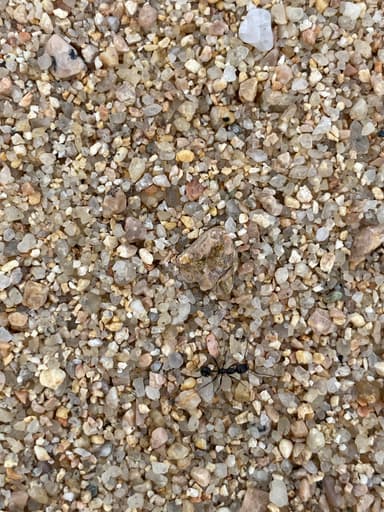
Aphaenogaster spinosa is a graceful, medium-sized ant whose slender silhouette and lively demeanor make it a captivating subject for the observant keeper. Queens measure a striking 11 to 13 mm, while workers range from 6 to 9 mm, all monomorphic and distinguished by a long-legged, spiny profile that lends their movements a distinctly spider-like quality (AntWeb). This species is native to the eastern Mediterranean, with a distribution centered on Greece and the Balkans, extending eastwards into western Anatolia (Borowiec 2014; GBIF). A mature colony can house up to 5,000 individuals, founded claustrally by a single queen. In their natural haunts, nuptial flights occur during warm autumn afternoons from September to November, often following rain, a detail that hints at the seasonal rhythms a keeper must respect. What draws many enthusiasts to A. spinosa is its industrious foraging on the surface and its instinct to excavate elaborate subterranean galleries, behaviors that when replicated in a well-designed setup offer a constant, window-like view into the hidden life of a Mediterranean soil ant.
Aphaenogaster spinosa is best described as an intermediate species, sitting just beyond the comfort zone of a novice but well within reach of any keeper who has successfully overwintered a couple of temperate ant colonies. The challenge lies not in aggressive defense or finicky feeding, but in faithfully recreating a seasonal cycle and maintaining a stable, slightly humid burrowing environment. Beginners who overlook the mandatory hibernation or struggle to balance nest humidity may see their colony languish. Yet for the patient hobbyist who enjoys crafting naturalistic vivaria and observing nuanced behaviors, this ant is a gem. Its moderate colony size means it won’t quickly outgrow a modest formicarium, and its daily foraging marches provide endless entertainment without the overwhelming numbers of some larger species.
Providing the right home for A. spinosa starts with understanding its powerful drive to dig. A plaster or gypsum nest with a textured, unfinished cavity can work, but the ants truly shine in a bioactive, soil-based setup containing a mix of sand and clay or coco coir that allows them to sculpt their own chambers. This should be paired with a spacious foraging arena decorated with leaf litter, stones, and twigs to encourage their natural scavenging. Temperature should be maintained between 20 and 28°C, ideally with a gentle daytime gradient created by a heat mat placed at one end. Humidity is crucial: keep the nest at 50 to 70%, achieved by lightly moistening a corner of the substrate or offering a gradient in a plaster nest, and always ensure good ventilation to prevent stagnation. A small water source in the foraging area, such as a test tube with cotton, is essential, as these ants can dehydrate if denied access to free water.
The diet of Aphaenogaster spinosa in the wild is a mix of insect prey and sweet secretions. In captivity, offer protein in the form of small, pre-killed prey such as fruit flies, pinhead crickets, or chopped mealworms two or three times per week. They will readily accept these and carry them back to the brood. Carbohydrates are equally important; a tiny dab of sugar water, honey, or a commercial ant nectar placed on a small dish or a piece of paper will fuel the workers’ energetic foraging and support the queen’s egg production. Remove any uneaten food after 24 hours to avoid mold, and always keep fresh, pure water available. As the colony grows, scale up the portions, but never overfeed to the point of leaving rotting debris.
A cool winter diapause is non-negotiable for this species. In their native range, temperatures drop significantly, and the colony requires a resting period at around 12°C to reset its biological clock and ensure long-term health. Begin reducing temperatures gradually in late November, and maintain hibernation for a minimum of three months, using a wine cooler, a cold basement, or a dedicated temperature-controlled space. During this time the ants will cluster around the queen, movement will cease almost entirely, and food demand will plummet—offer only a tiny amount of sugar water and ensure the nest remains just slightly damp. In early March, warm them slowly back up to active temperatures, and you will typically be rewarded with a vigorous burst of egg-laying and foraging. Skipping this step leads inevitably to a weakened, short-lived colony.
When your newly arrived Aphaenogaster spinosa queen is still in her test tube, the first priority is to give her complete darkness and quiet at a steady 24°C for at least 24 hours. After this initial settling period, offer a miniscule droplet of sugar water and a freshly killed fruit fly, but do not be concerned if she ignores it for a few days; a claustral queen carries ample reserves within her wing muscles. Once the first tiny workers appear, begin regular but cautious feeding. The most common early mistake is moving a small founding colony into a large nest too soon—wait until you have at least 15 to 20 workers before connecting a small plaster chamber or a portion of soil. During these delicate first weeks, watch for the queen to settle into a calm egg-laying rhythm and for the workers to show interest in the foraging arena. Any signs of restlessness or refusal to eat should prompt a quick check of temperature and hydration. With gentle, informed care, your colony will steadily unfold into a vibrant miniature society, revealing day by day why A. spinosa is such a treasured addition to the Mediterranean ant keeper’s collection.