Anoplolepis
Anoplolepis custodiens
Nuptial Flight Calendar
Flight months: Jan, Feb, Oct, Nov, Dec
Care Guide
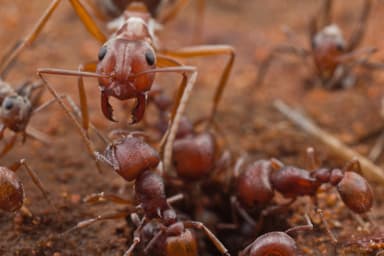
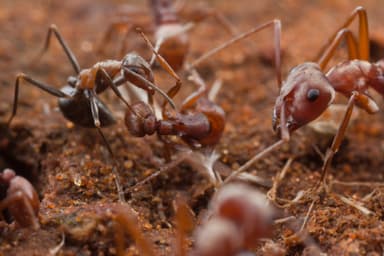
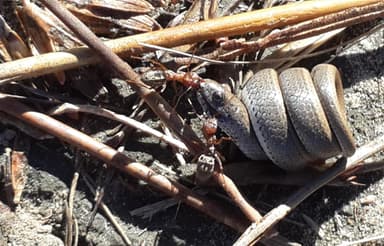
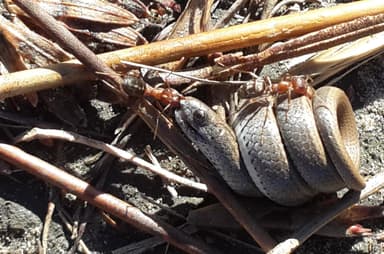
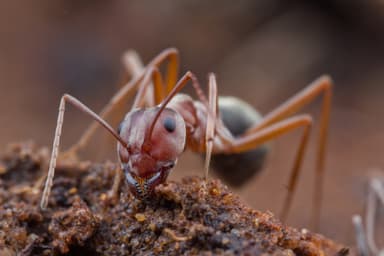
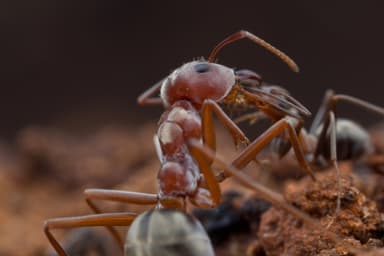
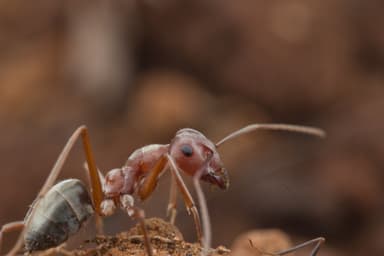
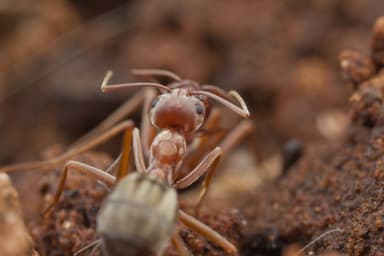
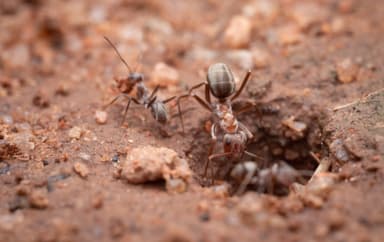
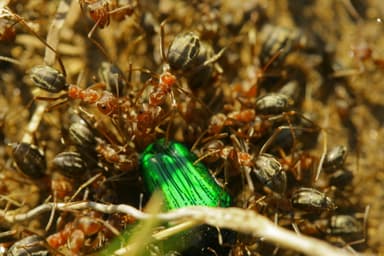
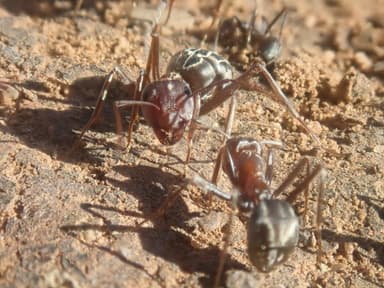
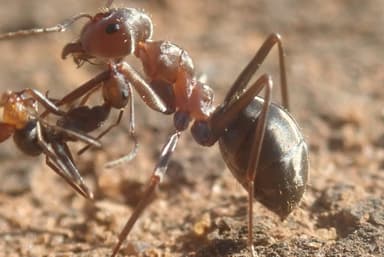
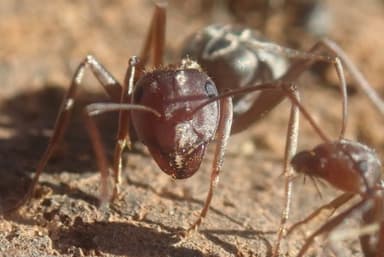
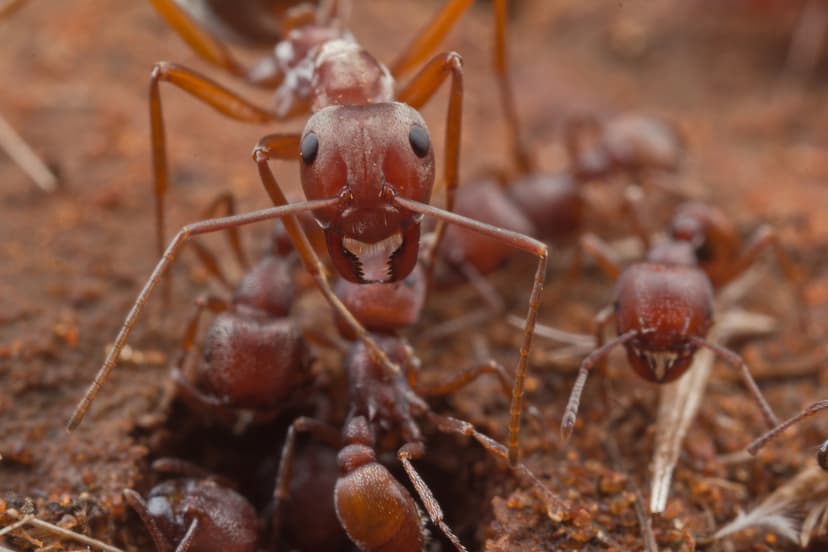
Anoplolepis custodiens, commonly known as the pugnacious ant, is a dynamic and rewarding species for the intermediate keeper who appreciates a bit of fire in their formicarium. This African native is a master of aggression and adaptability, traits that have earned it both notoriety in its natural range and admiration in the hobby. Queens are robust, measuring 13 to 16 mm, while workers display a clear dimorphic caste system, with minor workers ranging from 4 mm and majors reaching up to 7 mm in length. The majors, in particular, are a spectacle: larger heads and powerful mandibles that they wield in colony defense and prey dismemberment. In the wild, mature colonies can swell to extraordinary sizes—up to a million individuals (Steyn 1954)—making them one of the dominant ant forces in sub-Saharan Africa. Their surface activity is constant and their recruitment swift, a behavior famously harnessed in citrus orchards for biological pest control (Steyn 1954). For the hobbyist, this translates to a colony that is always on the move, always hungry, and endlessly fascinating to observe.
This species is best suited to keepers who have successfully maintained a few beginner colonies and are ready to manage rapid growth and formidable escape artistry. With a care rating of intermediate, Anoplolepis custodiens demands attention to enclosure security, consistent feeding, and climate control. They are not a species that forgives neglect; their high metabolism and large population potential mean a missed feeding can lead to restlessness and heightened escape attempts. Their pugnacity, while entertaining, also extends to their keepers—disturbance within the nest often triggers a cascade of major workers rushing out to bite, and while their venom is mild, the experience can be startling. Yet for those who enjoy a colony that behaves more like a miniature mammal in its alertness and voracity, the reward is immense. I recommend them to keepers with at least a year of experience, particularly those comfortable with explosive brood cycles and the logistics of expanding habitats.
Housing should prioritise security and environmental stability. These ants are escape artists par excellence; a tight-fitting lid with a PTFE barrier or a well-designed fluon-coated moat is non-negotiable. They thrive in a temperature range of 22 to 32°C, with an optimal band around 26–28°C for maximal brood development. A heat mat attached to one side of the nest is ideal, creating a thermal gradient. Humidity should be maintained between 40% and 70%, with a slight moisture gradient inside the nest—a dry side for seed and corpse storage, and a moist side for brood rearing. Many successful keepers use a ytong or plaster nest for its capillary water retention, as it allows the ants to self-regulate humidity within the chambers. Substrate in the outworld can be a simple sand-loam mix, which mimics the savannah soils of their native range; they will use it to craft a fine layer of debris that helps them grip surfaces. Outworld size is critical: plan for rapid expansion, as these ants can easily consume a small arena with their sheer numbers. A 30x30 cm outworld is a reasonable starting point for a young colony, but be prepared to upgrade repeatedly.
Diet for Anoplolepis custodiens is straightforward but demanding in quantity. They are aggressively omnivorous, with a strong predilection for insect protein. Offer live or freshly frozen prey such as crickets, mealworms, and small roaches several times a week; majors will efficiently dismember and distribute the soft tissues. Carbohydrates are equally vital and can be provided via honeydew substitutes—a small dish of sugar water or diluted honey, replenished daily, will fuel the frenetic workers. They also readily accept fruit slices, which serve as both sugar and moisture sources. A constant water source is mandatory, best provided by a test tube setup or a water tower with cotton to prevent drowning. Feeding frequency should increase with colony size: a small founding queen just needs a tiny drop of sugar water and a fruit fly once a week, but a colony of a few thousand will require daily carbohydrate and large protein portions. Monitor their consumption and adjust; empty larders signal a colony that may soon start looking for a way out.
One significant advantage for hobbyists in temperate regions is that A. custodiens requires no hibernation period. This is a tropical species from latitudes between roughly 5°N and 35°S, where winters are mild and foraging continues year-round. You can maintain their active regime through all seasons, which suits those who dislike the dormancy management of temperate ants. No cooling is required, and any attempts to force a hibernation-like state could be fatal. In fact, during the Southern Hemisphere’s summer months (October through February), they perform their nuptial flights after warm, humid afternoons following rains, though captive breeding remains rare (AntWiki). This continuous activity does mean your heating and feeding schedules run all year, so factor that into your maintenance routine.
The first days after purchasing a queen or small colony are a delicate period. Your Anoplolepis custodiens will arrive stressed, typically with a founding queen (she is claustral, meaning she requires no food during initial egg-laying) and a few workers. Place the test tube or small nest setup directly into your prepared outworld, and resist the urge to feed immediately. Allow them to settle for 24 hours in warmth and darkness; you may cover the nest with a cloth to reduce stress. After this period, offer a tiny droplet of sugar water near the nest entrance. Watch for the first workers to emerge and drink—a sign they are acclimating. Wait another day before introducing a very small pre-killed protein item, such as a pinhead cricket. Crucially, avoid flooding them with food; leftover prey can rot and cause harmful bacterial blooms. Observe their foraging rhythm: a steady trickle of workers leaving the nest is healthy, while frantic, disoriented activity often signals stress or poor microclimate. Keep the outworld lit, the nest dark, and maintain stable temperature and humidity. With patience, you'll soon witness the rapid brood piles that herald this species’ true potential.