Tapinoma
Tapinoma magnum
Nuptial Flight Calendar
Care Guide
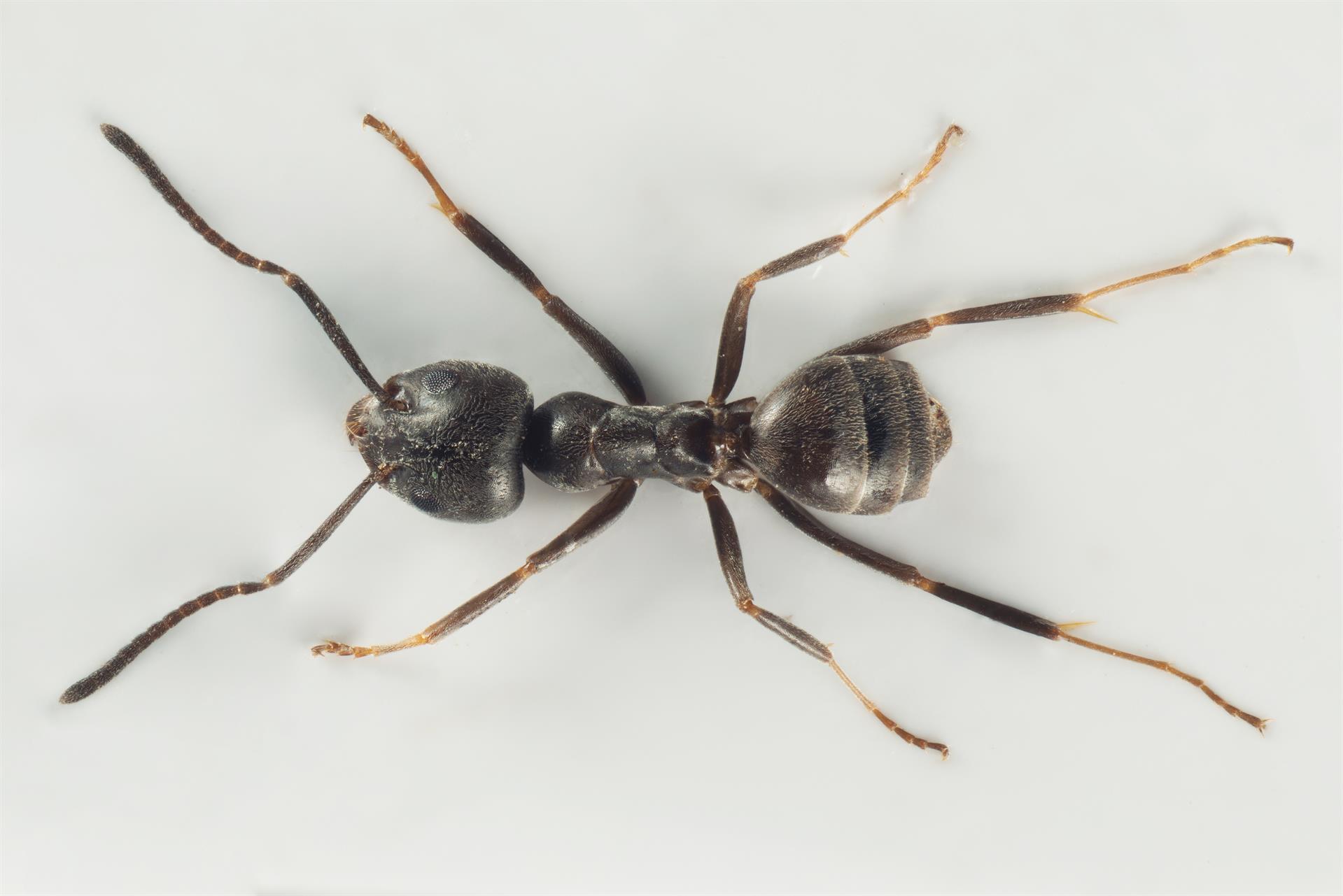
Tapinoma magnum is a fast-growing, highly adaptable species known for its impressive colony size and relentless foraging energy. Workers are uniformly small at 2–3 mm, while the queen reaches 4–5 mm, and there is no pronounced polymorphism — all workers look alike, yet they work together with remarkable efficiency. What sets Tapinoma magnum apart is their sheer determination and speed. A well‑established colony can number between 20,000 and 200,000 workers, turning even a modest setup into a bustling metropolis within a single season.
These ants have a sweet tooth that borders on obsession. Their diet in the wild leans heavily on honeydew from aphids and scale insects, which they actively tend and protect. In captivity, they thrive on a mix of sugar water or honey water, supplemented with protein sources like small insects (fruit flies, mealworms, or roach nymphs). They will happily scavenge any available insect matter, but regular access to sugary liquids is essential for keeping the colony vigorous and the queen well‑fed. This love for sweets makes them particularly fascinating to watch during feeding, as they form dense, shimmering crowds around a drop of nectar.
Care difficulty
Keeping Tapinoma magnum is best suited for intermediate keepers. While they are not fussy about humidity or temperature and accept a wide range of foods, their explosive growth rate can quickly overwhelm a beginner. They are escape artists by nature, and their small size means they can squeeze through the tiniest gaps if the setup isn’t perfectly sealed. A well‑prepared keeper who plans ahead for expansion will find them rewarding and endlessly entertaining.
Housing
A formicarium for Tapinoma magnum must be secure above all else. Use a smooth, tall outworld with tight lids and sealed tubing connections. Because colonies grow so fast, plan for modular expansion from the start — a small nest will be outgrown within months. They prefer a warm nest area (22–28°C) and moderate humidity (50–70%). Regular moistening of the nesting chamber is needed, but they are quite tolerant of slight fluctuations. Hibernation is mandatory: from late autumn until early spring, lower the temperature to around 14°C. Without this cool rest, the queen may stop laying and the colony’s long‑term health will decline.
First days after purchase
When your Tapinoma magnum colony arrives, transfer them into their new home in a quiet, dimly lit room. Minimize vibrations and avoid opening the nest box unnecessarily during the first week. Provide a small drop of sugar water and a tiny insect piece near the entrance — they will find it quickly. Watch for signs of carrying brood or exploring; if they seem stressed, cover the nest area with a dark cloth. Once they settle, you’ll soon witness the relentless, joyful activity that makes this species a favorite among ant keepers who love a little speed in their lives.