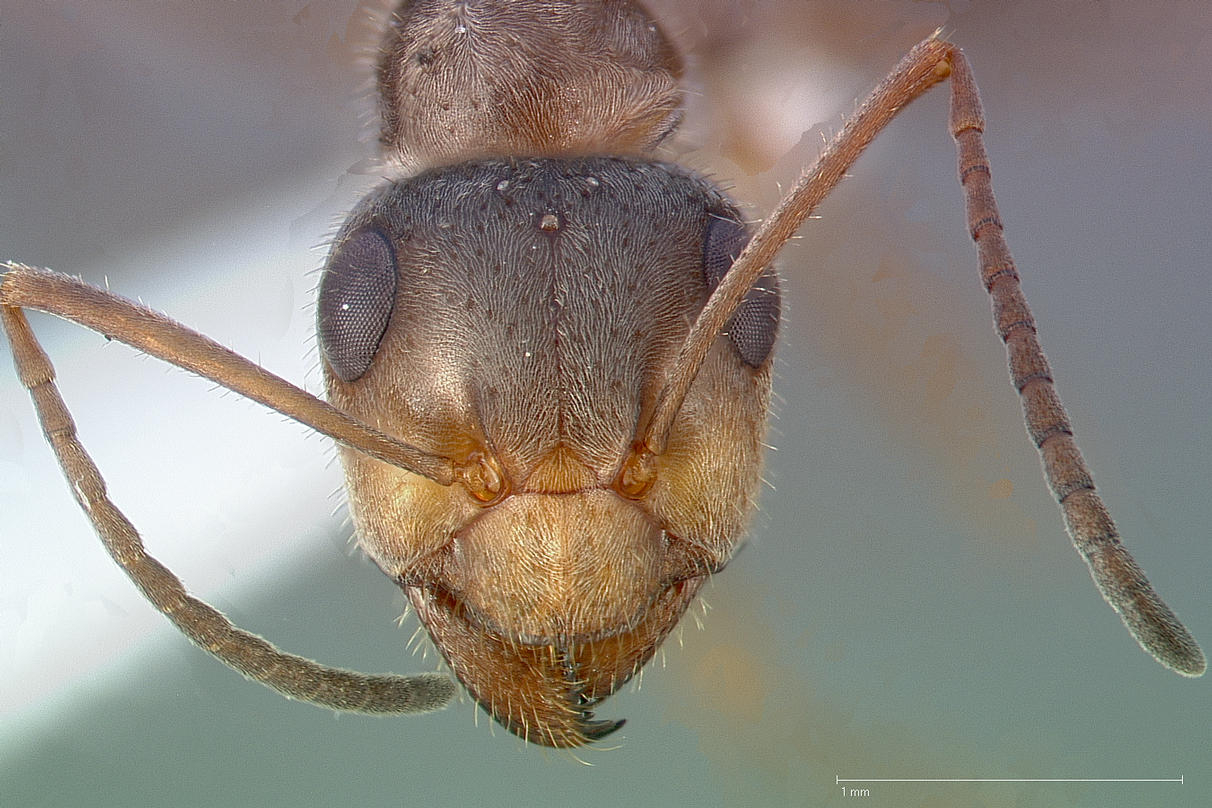
Formica
Formica francoeuri
Nuptial Flight Calendar
Care Guide
Formica francoeuri is a classic example of a truly temperate woodland ant, combining the energetic foraging behaviour typical of the genus with a modest colony size that makes them a rewarding species for the intermediate keeper. Queens measure between seven and nine millimetres, while workers are slightly smaller at four to six millimetres, with no pronounced polymorphism – all workers look similar and work together in a well‑coordinated social structure. Colonies grow to between one and five thousand individuals, which is large enough to be spectacular during peak foraging season yet manageable in a reasonably sized formicarium.
One of the most interesting aspects of Formica francoeuri is their diet. In the wild, they are adept honeydew farmers, tending aphids or scale insects on plants and collecting the sugary secretions. In captivity, they thrive on a combination of sugar water and a reliable source of protein – live insects such as fruit flies, small crickets, or mealworms are eagerly accepted. They will also take honey or diluted honeydew if you can source it, but a simple sugar water solution works perfectly well. This species does not hoard seeds; their nutritional needs are straightforward, but they do require regular feeding to maintain colony growth.
Care difficulty
Formica francoeuri is rated as intermediate primarily because of their specific hibernation requirement. They absolutely need a cooler winter rest period at around ten degrees Celsius for several months, without which the queen may stop laying and the colony may decline. Additionally, they are sensitive to overheating and desiccation, so maintaining a stable temperature between 22 and 30°C and a humidity level of 40 to 60% is essential. Beginners who have already kept a more forgiving species will find these ants manageable as long as they are prepared to provide a seasonal cooling phase.
Housing
A formicarium with moderate space works well for Formica francoeuri. They are active foragers and appreciate a foraging arena with enough room to explore. The nest itself can be a naturalistic setup with soil or sand mixed with clay, as they enjoy digging chambers and galleries. It is important to provide a humidity gradient: moisten one part of the nest while keeping another part drier, so the ants can self‑regulate. These ants can release formic acid when disturbed, so avoid using materials that might react with the acid – acrylic or glass formicariums with a non‑porous surface are ideal. A clean water source in the outworld is also crucial.
First days after purchase
Upon receiving your colony, place the transporation tube directly into a prepared outworld with a small drop of sugar water and a tiny piece of protein. Allow the ants to acclimatize in a quiet, dimly lit area for at least 24 hours without disturbance. After that, you can gently offer them a test tube with water plugged with cotton. Do not try to transfer them forcibly – let them move into their new nest on their own terms, which may take several days. Observe their drinking and feeding behaviour; if they are ignoring the food, give them more time to settle. With patience and proper hibernation planning, Formica francoeuri will reward you with lively, industrious colonies that truly capture the spirit of a European woodland ant.