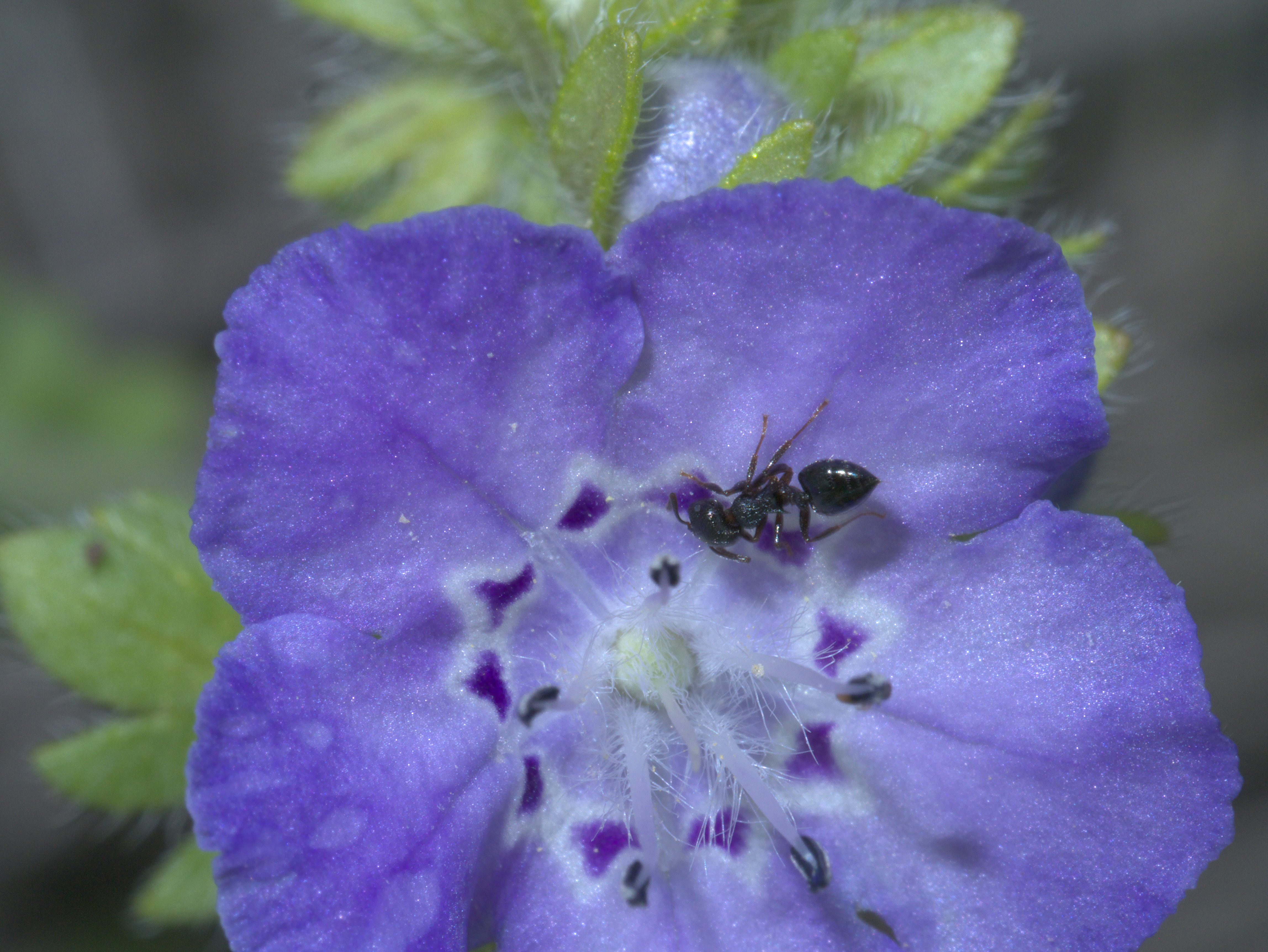
Crematogaster
Crematogaster lineolata
Nuptial Flight Calendar
Care Guide
Crematogaster lineolata, commonly known as the acrobat ant, is a striking and lively species that will quickly become the centerpiece of any formicarium. These ants are named for their characteristic habit of raising their heart-shaped abdomen over their head and thorax when disturbed—a defensive posture that makes them as entertaining to watch as they are beautiful. The queen measures between 6 and 8 mm, modest in size but commanding a colony that can grow to several thousand workers. The workers are smaller, ranging from 3 to 4 mm, and are uniformly dark with a subtle reddish tint. Despite their small stature, they are agile climbers and adept foragers, often seen patrolling with their gasters tilted upward.
One of the most fascinating aspects of Crematogaster lineolata is their diet. These ants are generalist feeders with a clear preference for sweet liquids. In the wild, they tend aphids and scale insects for honeydew, and in captivity they readily accept sugar water or honey water. However, protein is essential for brood development. Offer them small insects such as fruit flies, mealworms, or freshly killed crickets. They will also scavenge for dead insects, making feeding relatively straightforward. The key is to provide a balanced diet—insects for growth, sugars for energy, and a constant supply of clean water.
Care difficulty
Keeping Crematogaster lineolata is best suited for intermediate ant keepers. While they are not overly demanding, their need for a consistent protein supply and a proper hibernation period means they require a bit more attention than a beginner species. They are also sensitive to sudden changes in temperature and humidity, so maintaining stable conditions is important. Their claustral founding method makes starting a colony straightforward—the queen seals herself in a chamber and raises her first brood without feeding, relying on her stored reserves. Once workers appear, growth accelerates, and the colony becomes more resilient.
Housing
These ants thrive in a formicarium that offers a mix of dry and humid zones. A naturalistic setup with cork bark, twigs, or a clay nest works well, as they appreciate snug chambers where they can cluster together. Humidity should be maintained between 50 and 70% inside the nest, while the outworld can be drier. Temperature can range from 20 to 26°C—room temperature is generally fine, though a gentle heat mat on one side can encourage brood development. Hibernation is necessary: from late autumn to early spring, gradually reduce the temperature to around 8°C for three to four months. A fridge or cool cellar works for this; make sure the ants have moisture during the dormant period.
First days after purchase
Upon receiving your Crematogaster lineolata colony, allow them to settle in a quiet, dimly lit location. Avoid disturbing them for at least the first 24 to 48 hours. Provide a small drop of sugar water and a tiny piece of insect protein near the entrance of their nest. Check that the humidity is adequate but not soaking. Observe from a distance—these ants are quick to explore, and soon you will see them performing their signature acrobatic maneuvers. Regular gentle observation will reward you with a front-row seat to one of the most dynamic and charming ant species you can keep.