Camponotus
Camponotus mississippiensis
Nuptial Flight Calendar
Care Guide
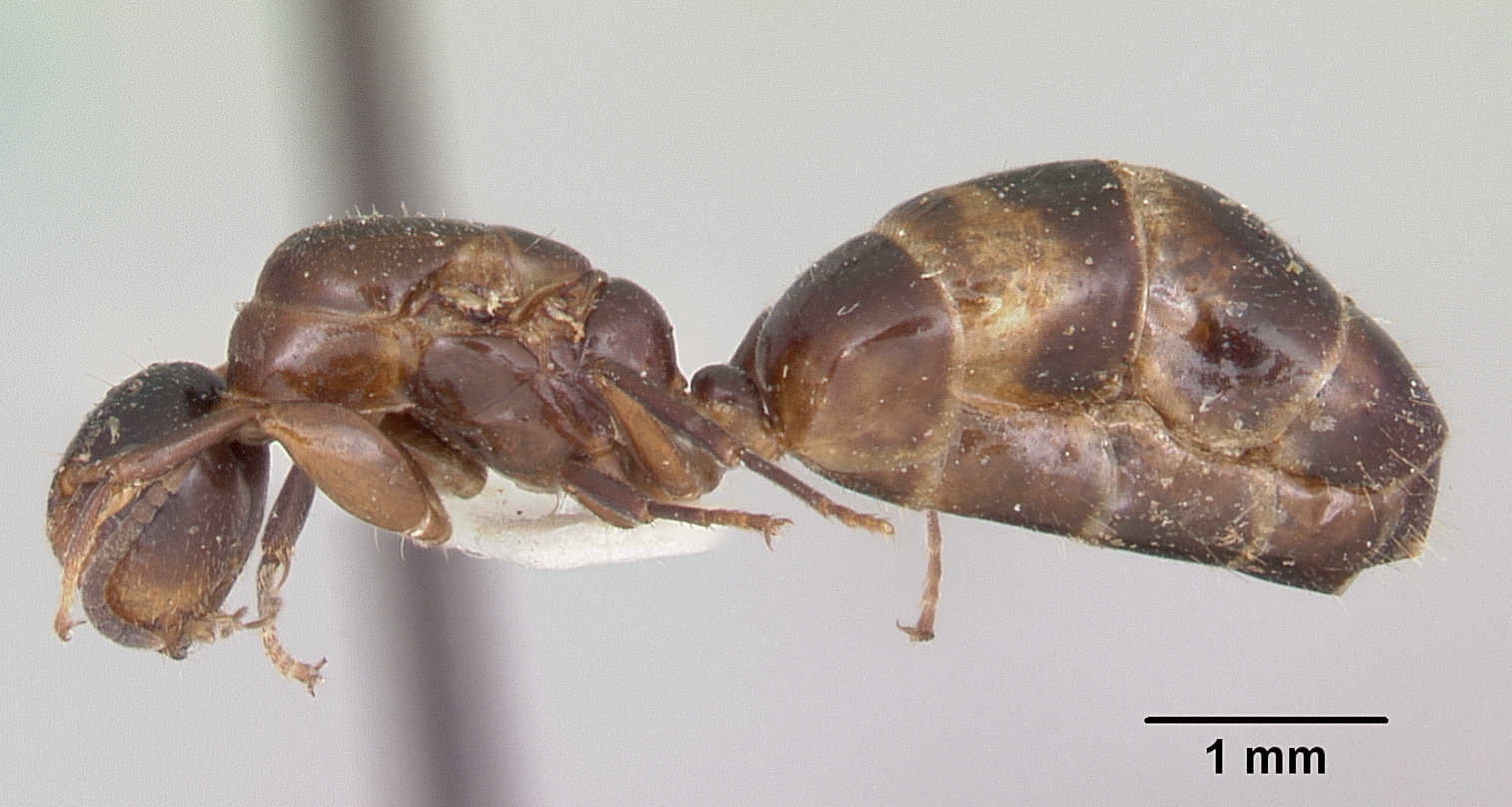
Camponotus mississippiensis is a classic American carpenter ant species, beloved by keepers for its resilient nature and impressive size polymorphism. Colonies exhibit a clear size difference between workers, with the queen measuring 11–13 mm and workers ranging from 5 mm minors up to 10 mm majors. Majors are larger, with robust heads and stronger mandibles, taking on roles such as defense and breaking down larger food items. The queen founds her colony claustrally, sealing herself in a chamber and raising the first generation of workers solely on her stored energy reserves, a process that requires patience from the keeper.
These ants are primarily nocturnal foragers, active in the warm hours of the evening and night, though they may venture out during the day in stable conditions. Their diet is varied and protein-dependent: they eagerly accept feeder insects such as crickets, mealworms, or fruit flies, alongside sugar water and honeydew. A balanced diet with a steady supply of insect protein is crucial for steady brood development. In nature, they also tend aphids for honeydew, and you can replicate this with artificial sugar sources.
Care difficulty
Keeping Camponotus mississippiensis is best suited for intermediate ant keepers. While their claustral founding and straightforward diet make them less demanding than some species, they require careful attention to humidity and a mandatory hibernation period. The colony may take a few seasons to reach full size, but once established, they are hardy and rewarding to observe.
Housing
A formicarium with moderate humidity levels between 50–70% is ideal. The nest should have areas that can be kept slightly moist but not wet, as excessive condensation can harm the brood. Temperature should be maintained between 22–27°C during the active season. Camponotus mississippiensis is sensitive to sudden temperature swings and vibrations, so place the setup in a stable, quiet location. They are less sensitive to light than some other species, but a dark nest area is still recommended. Provide an outworld with a water source and feeding dish. As the colony grows, a larger foraging area will help accommodate their activity.
First days after purchase
Upon receiving your colony, allow it to settle in a dimly lit, quiet spot for at least 24 hours. Resist the urge to disturb the nest or feed immediately. After acclimation, offer a small drop of sugar water and a small, defrosted insect. If the colony is still in a test tube, you can connect it to a formicarium gradually. Monitor the humidity level inside the tube—if condensation builds up, gently ventilate it. With time and calm handling, your Camponotus mississippiensis will thrive, transforming from a modest founding queen into a bustling, polymorphic colony that showcases the very best of native ant keeping.