Aphaenogaster
Aphaenogaster spinosa
Care Guide
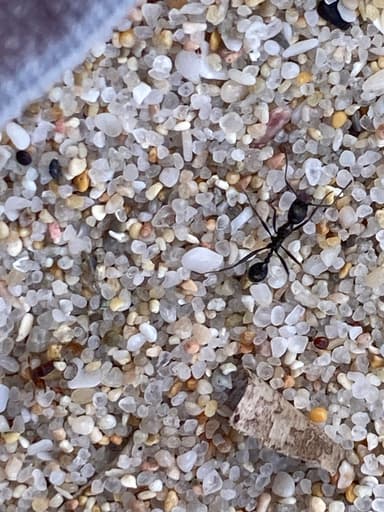
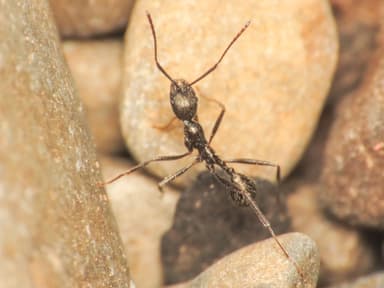
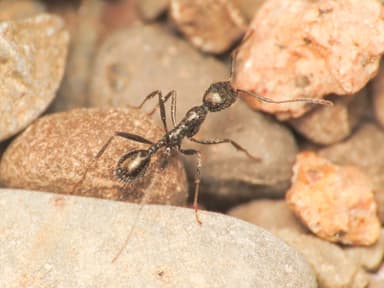
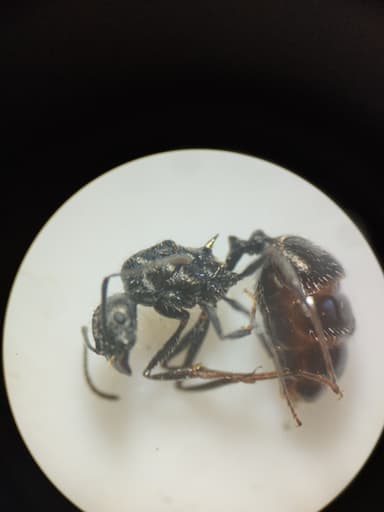
Aphaenogaster spinosa is a fascinating species that captivates keepers with its unique appearance and engaging behavior. Named for the small spines on its thorax, these medium-sized ants display a subtle elegance in their slender build and swift, purposeful movements. The queen, measuring 8 to 10 mm, is the largest individual in the colony, while workers range from 4 to 6 mm. Colony size typically settles between 200 and 2,000 workers, making them a manageable yet active species for the intermediate hobbyist.
One of the most interesting aspects of Aphaenogaster spinosa is its founding method. Unlike fully claustral species that seal themselves in a chamber, the queen is semi-claustral, meaning she must leave the nest regularly to forage for food during the founding stage. This requires a bit more care and observation from the keeper, as the queen needs insect protein and sugar sources right from the start. Once the colony is established, these ants are enthusiastic foragers, collecting a varied diet of small insects (such as fruit flies or cricket pieces), sugar water, and honeydew. They are known to be efficient scavengers, often carrying food items back to the nest in a coordinated manner.
Care difficulty
Keeping Aphaenogaster spinosa is considered intermediate. The semi-claustral founding adds an extra layer of responsibility, as the queen must be fed regularly in the early weeks. However, once the first workers arrive, the colony becomes hardier and easier to maintain. Their moderate colony size means they do not require enormous enclosures, but they do appreciate consistent conditions.
Housing
A formicarium with a variable humidity gradient works best. Aim for a nest humidity between forty and sixty percent, with one side slightly moister and the other drier, allowing the ants to choose their preferred microclimate. Temperature should be kept between twenty-two and twenty-eight degrees Celsius. These ants are not overly sensitive to light or vibration once settled, but during the founding phase, a quiet, dark spot is advisable. They require a hibernation period over winter; gradually lower the temperature to around eight degrees Celsius for two to three months. During this time, reduce feeding but ensure they still have access to water.
First days after purchase
When your Aphaenogaster spinosa colony arrives, transfer them into a clean, pre-moistened nest setup, ideally a test tube setup for small colonies. Place the formicarium in a calm, dim location. For a newly mated queen, offer a small drop of sugar water and a tiny piece of insect (like a cricket leg) every few days. Observe her hunting behavior — it can be quite rewarding to watch her venture out and return with prey. Avoid disturbing her too much; simply check that she is feeding and that the nest remains clean. With patience and consistent care, your colony will soon produce its first workers, marking the start of an enjoyable keeping experience.