Leptothorax
Leptothorax acervorum
Nuptial Flight Calendar
Flight months: Jun, Jul, Aug, Sep
Care Guide
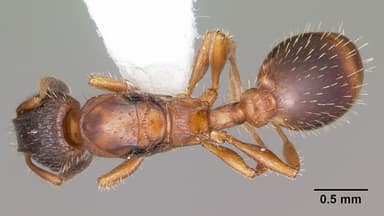
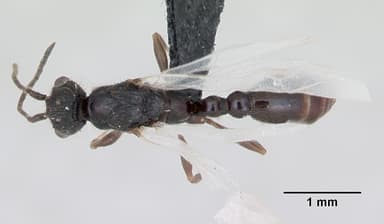
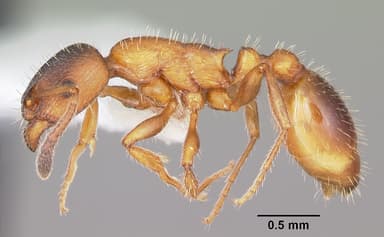
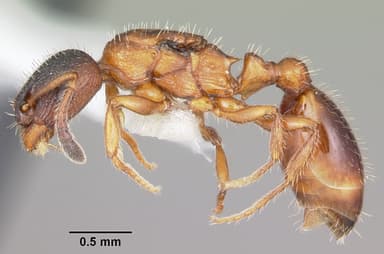
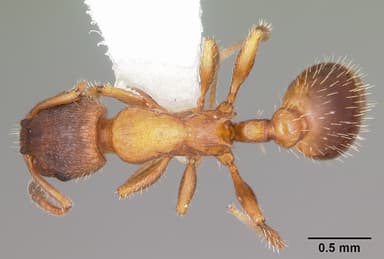
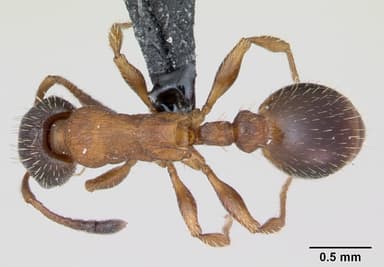
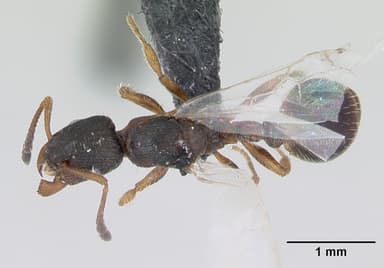
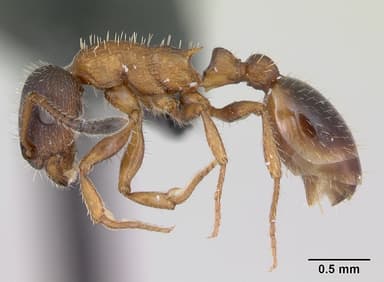
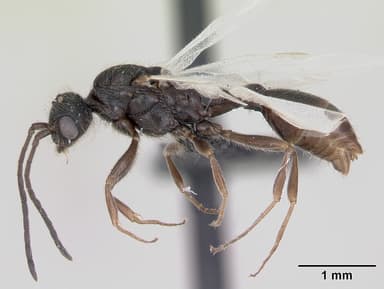
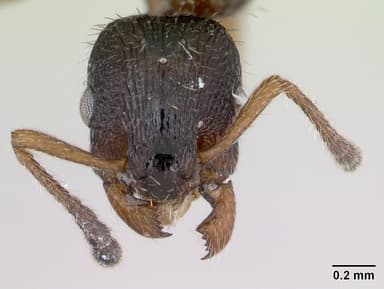
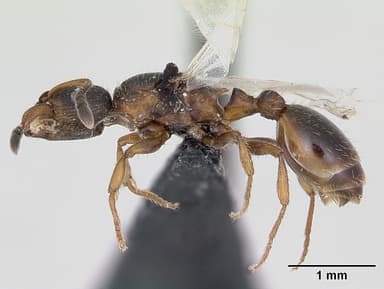
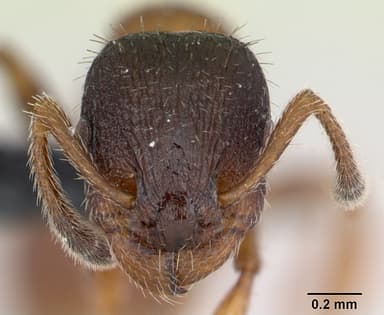
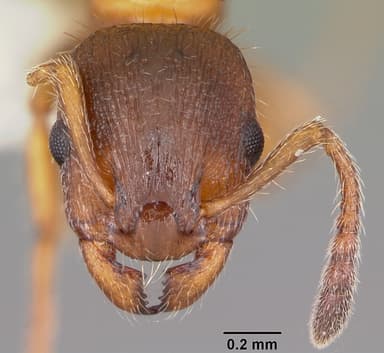
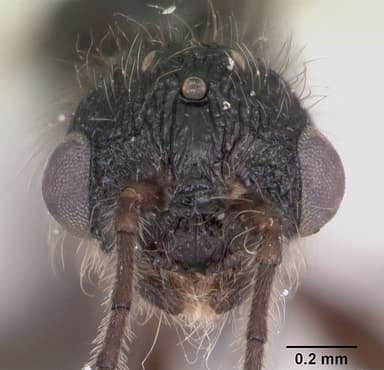
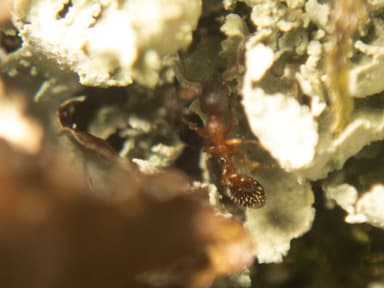
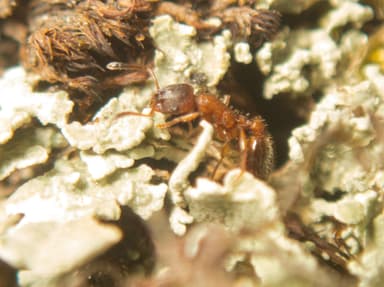
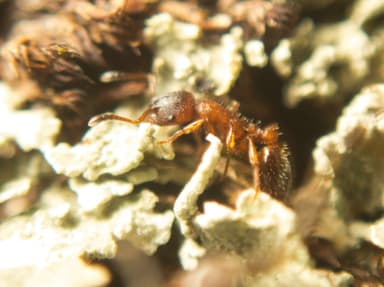
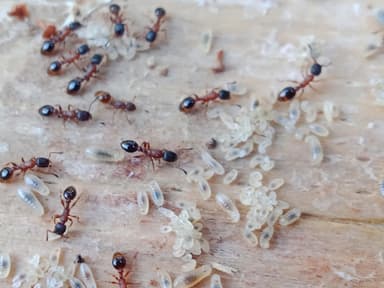
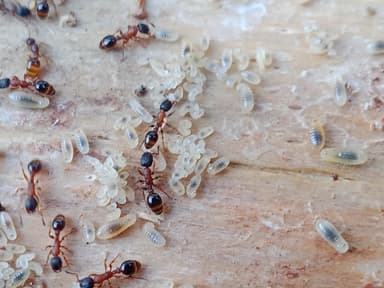
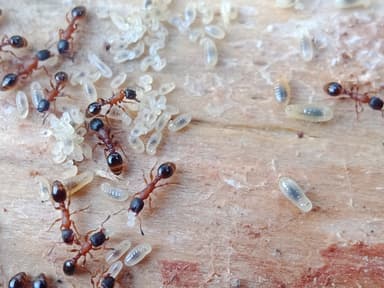
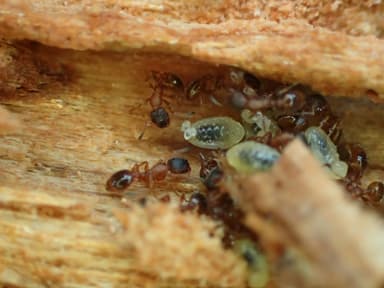
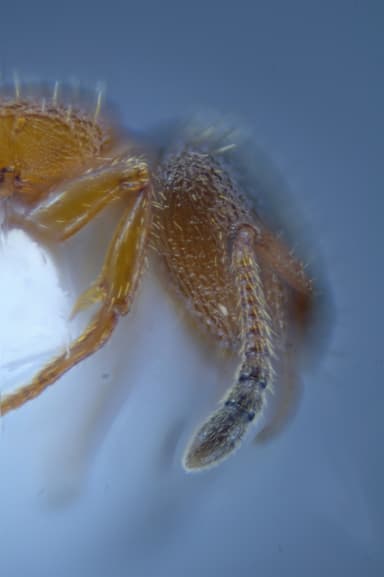
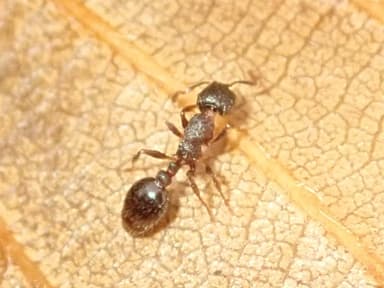
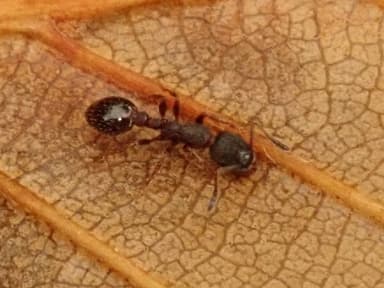
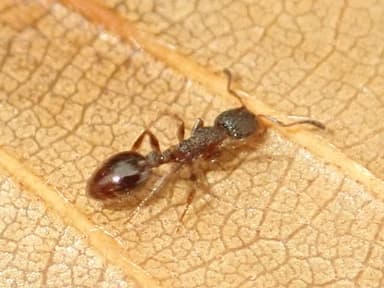
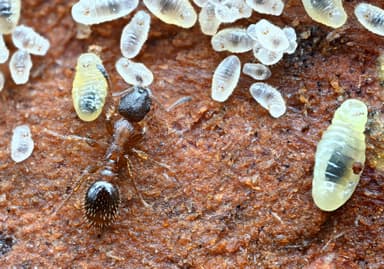
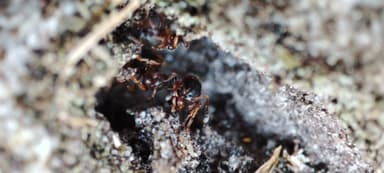
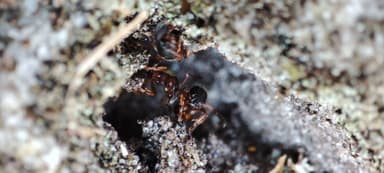
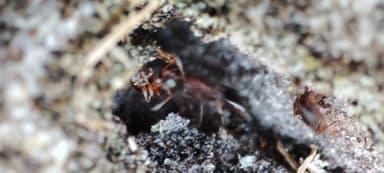
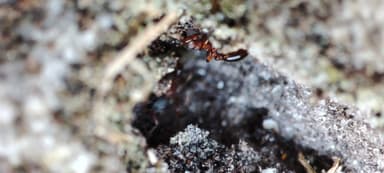
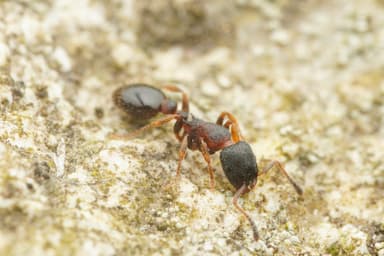
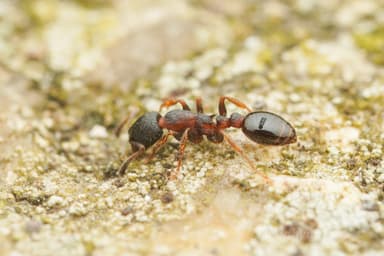
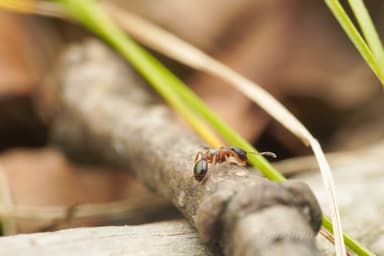
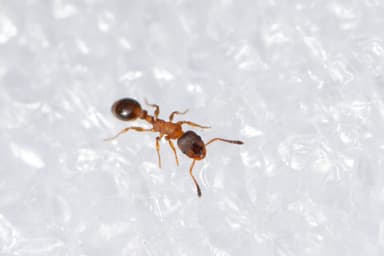
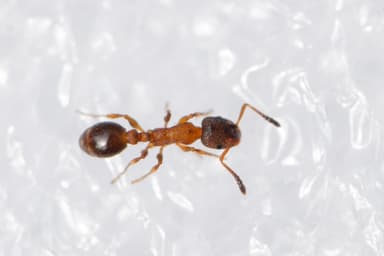
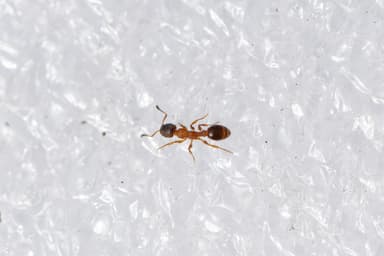
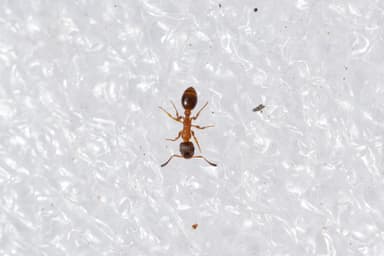
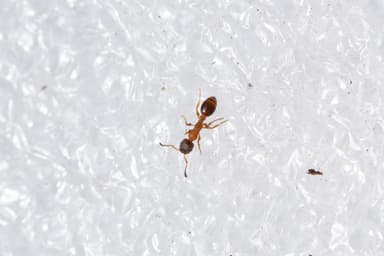
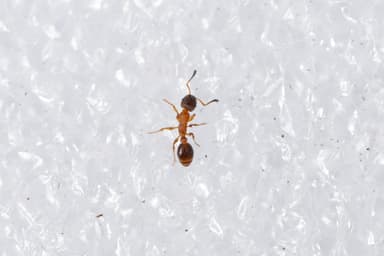
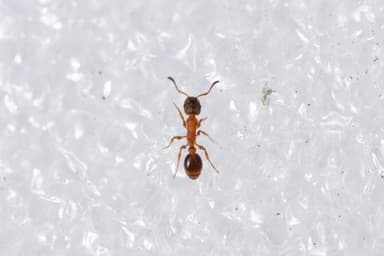
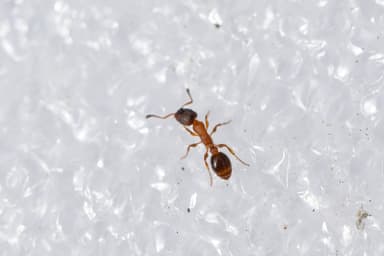
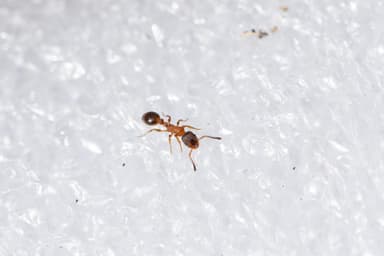
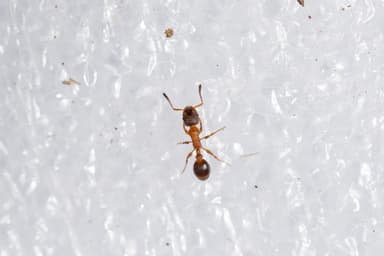
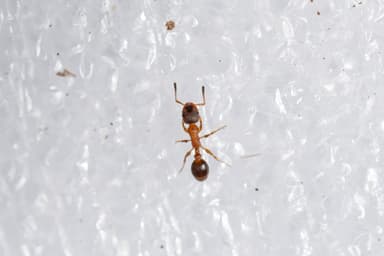
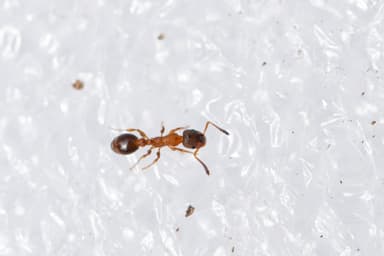
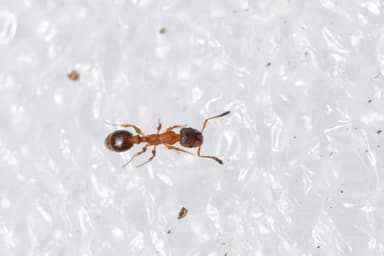
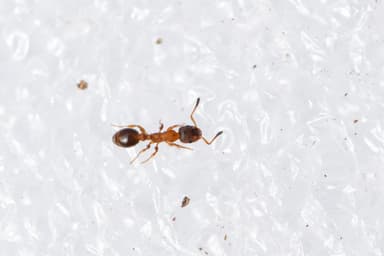
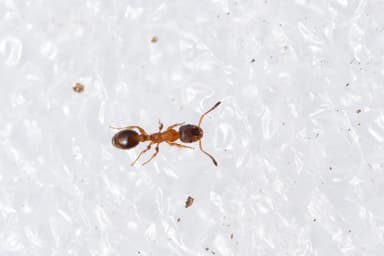
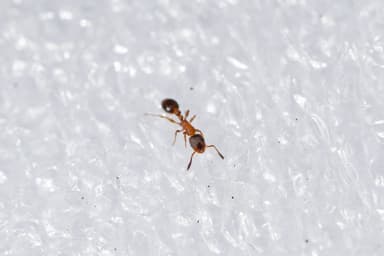
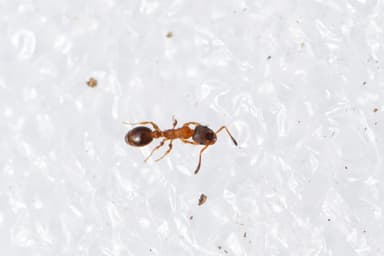
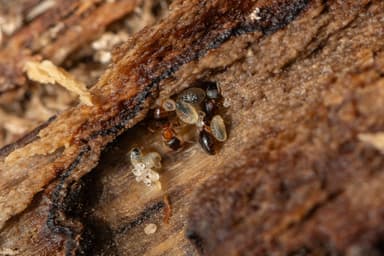
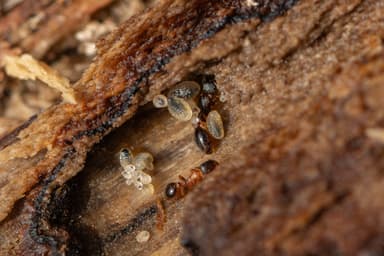
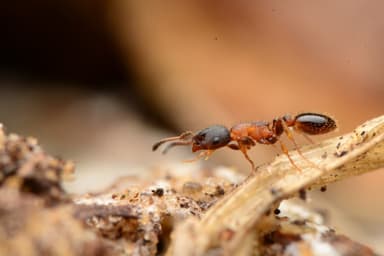
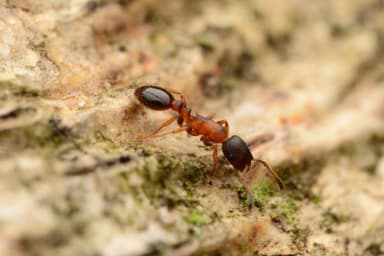
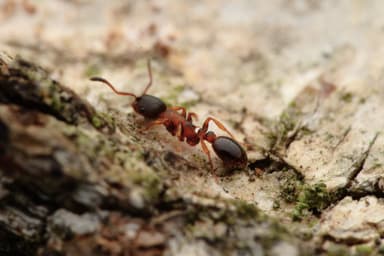
Leptothorax acervorum is a small yet endlessly fascinating ant that dwells across a vast swath of the Northern Hemisphere, from the British Isles eastward into Siberia and as far north as Scandinavia, often in coniferous or mixed woodlands. The workers measure a mere 2.5 to 3.5 millimetres, with queens only slightly larger at 4 to 5 millimetres, making them one of the more diminutive species kept in captivity. Their colour is typically a glossy dark brown to black, with lighter antennae and legs, and they move with a deliberate, almost hesitating gait that distinguishes them from the frantic bustle of many larger ants. What truly sets this species apart, however, is its extraordinary social flexibility: colonies may be monogynous (single-queen) or polygynous (multiple queens), and in some populations a peculiar reproductive strategy called functional monogyny occurs, where several queens may be present but only one actually lays fertile eggs, the others being suppressed or acting as workers (Buschinger 1968; Heinze & Ortius 1991). Mature colonies seldom exceed 500 individuals, and in the wild they nest opportunistically in preformed cavities, often beneath the bark of rotting logs, in abandoned beetle burrows, or within rock crevices. The nuptial flights take place on warm, sunny afternoons in late summer, usually from July through September, following rain and in calm air, when the minuscule sexuals ascend to mate. For the keeper, this ant offers an intimate view of a temperate woodland society that relies heavily on subtle chemical communication and brood-care rhythms, and its tolerance of cool conditions makes it a rewarding species for those who appreciate the understated elegance of slow-paced, contemplative myrmecology.
With an intermediate care difficulty, Leptothorax acervorum is best suited to hobbyists who have moved beyond introductory species and are keen to engage with a hibernation-requiring ant from cooler climates. It is not especially demanding in terms of feeding or humidity, but it does insist on a pronounced winter rest and is sensitive to excessive heat. The colony’s small stature demands careful attention to escape-proofing; workers can exploit the tiniest gaps, and a formicarium must be chosen with their Lilliputian dimensions in mind. Because colonies remain modest, they are ideal for keepers with limited space, yet their slow growth and the need for a reliable cooling period mean they are less forgiving of neglect than some tropical species. Anyone who can provide a consistent temperature regime between 18 and 24 °C, a dedicated hibernation space that holds steadily around 5 °C, and the patience to observe a species that does not erupt in frantic activity will find this ant deeply satisfying. The ability to witness and even manipulate the queen number—observing how supernumerary queens are tolerated or rejected—adds a layer of behavioural sophistication that rewards the attentive naturalist.
Housing should mimic the insulated, moisture-retentive microhabitats these ants favour. Nesting arrangements that work beautifully include small plaster or ytong nests with a thin internal nest area, soil-filled test-tube setups with a cork or wooden entrance, or even a flat piece of bark pressed against a moistened substrate. The key is offering a snug, dark cavity no larger than a few centimetres across, as the ants will cluster tightly under the queen’s pheromonal influence. Temperature must be kept between 18 and 24 °C, with an optimum around 21 °C; sustained temperatures above 26 °C cause restlessness, brood failure, and queen death. A gentle gradient is acceptable, allowing workers to self-regulate. Humidity should be maintained in the 50–70% range, which is easily achieved by providing a water source within the nest or by lightly misting one side of the outworld every few days. The substrate can be a simple mix of sand and coco peat, or even a piece of rotting hardwood if you wish to encourage natural nesting behaviour; just ensure it is free of mould and pests. Good ventilation is crucial to prevent stagnation, so drill tiny air holes or use a fine-mesh lid. Because these ants do not excavate extensively, a shallow foraging arena with a thin layer of substrate, a few pebbles, and a water feeder suffices.
Dietary needs are easily met with a combination of tiny protein items and carbohydrate-rich fluids. Given the workers’ small size, the best protein sources are freshly killed fruit flies (Drosophila hydei or D. melanogaster), chopped mealworm segments, pinhead crickets, or springtails. Feed small amounts two or three times a week, removing uneaten remains after a day to prevent spoilage. For carbohydrates, offer a drop of sugar water, diluted honey, or a commercial formicarian nectar in a shallow feeding tray that prevents drowning. The ants will also eagerly drink from a water-soaked cotton wick or a micro-feeder. Never allow the nest to become dry; a constant supply of fresh water is essential, and it is prudent to provide water in at least two separate locations to avoid catastrophic dehydration if one fails. The workers’ foraging range is tiny, so place food items directly in the outworld or even gently near the nest entrance until the colony establishes a steady foraging pattern.
Hibernation is not optional for Leptothorax acervorum; it is a physiological necessity that governs the annual cycle of brood production and queen fecundity. Without a proper cold period of three to four months, colonies dwindle and eventually perish. Keepers should plan to place the entire formicarium in a dedicated hibernation space—a wine cooler, a cold basement, or a specialised refrigerator—at a steady 5 °C. The cooling process should be gradual: over two to three weeks in late autumn, lower the temperature by a few degrees every few days, while simultaneously reducing feeding until the ants cease foraging and cluster immobile. During hibernation the nest must not dry out; provide a small, sealed water reservoir inside the outworld or maintain high ambient humidity. Check the colony every few weeks only for visible condensation or mould, and give a single tiny droplet of sugar water if the ants show signs of early stirring in late winter. Equally crucial is a slow, gentle warming in spring, returning the ants to room temperature over a week or so before resuming normal feeding.
The first days after acquiring a founding queen or small colony are a delicate settling-in period that can determine long-term success. Upon arrival, place the transport tube or container in a quiet, dimly lit room and allow the ants to recover from shipping stress for several hours. Prepare the intended nest in advance, ensuring stable temperature and humidity. If you have a queen only, a standard test-tube setup with a water reservoir and a small cotton plug is often the safest home for the first few months; she is fully claustral and will not need food until her first workers emerge. For a colony, gently connect the tube to the new formicarium and let them move at their own pace, which may take a day or two. Offer a minuscule drop of sugar water immediately and a small, pre-killed fruit fly, but do not be alarmed if it is ignored at first; the ants will feed once they feel secure. Watch for signs of undue stress, such as the queen frantically dragging brood or workers staying persistently outside the nest. Darkness, quiet, and stable conditions are your best tools; resist the temptation to check more than once daily. Within a week, the colony should settle and begin modest foraging, and from that point on your careful husbandry will be rewarded with the quiet, methodical industry of one of the ant world’s most charming temperate societies.