Formica
Formica glacialis
Nuptial Flight Calendar
Flight months: Jul, Aug
Care Guide
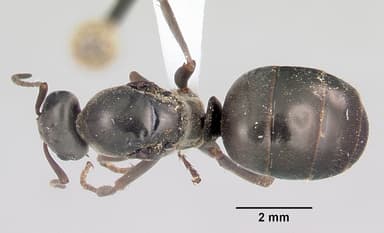
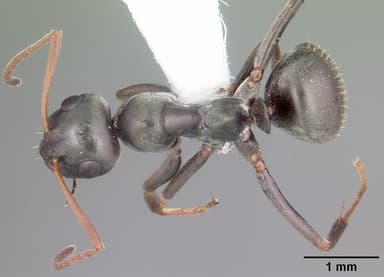
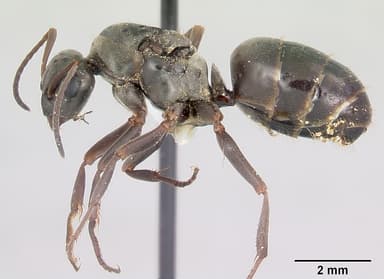
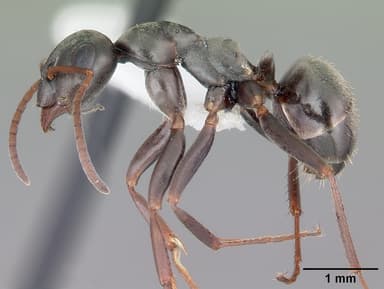
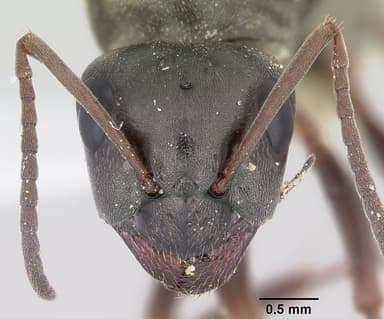
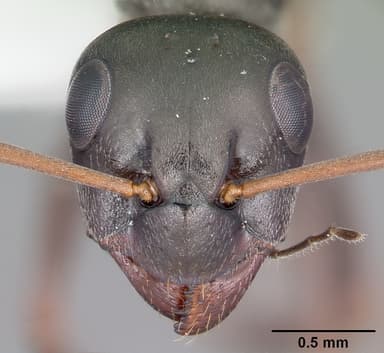
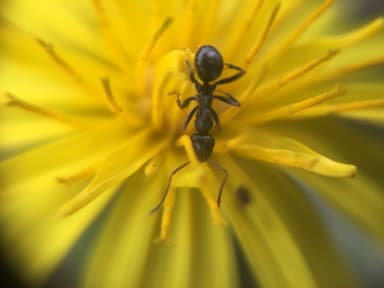
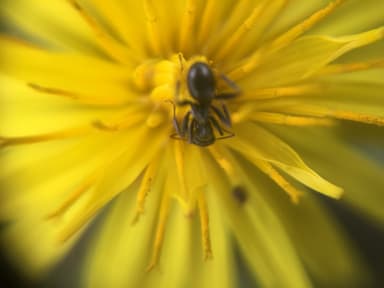
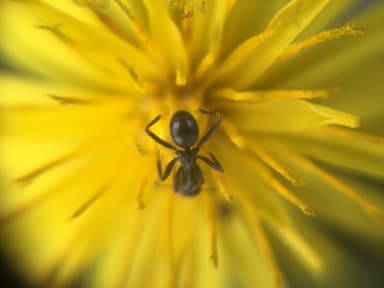
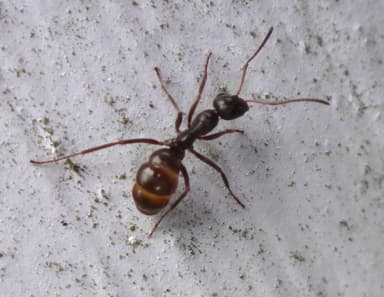
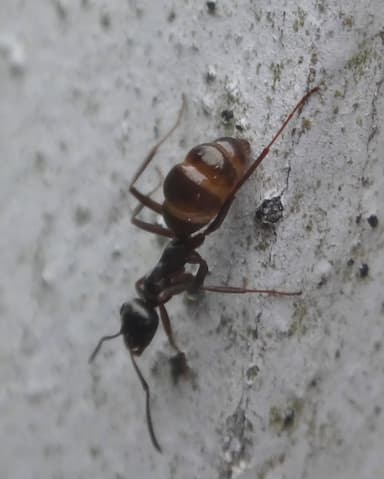
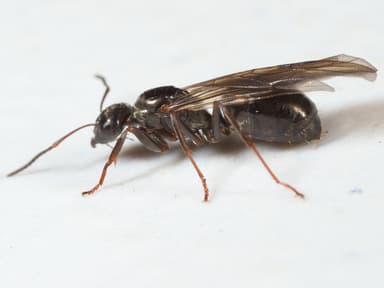
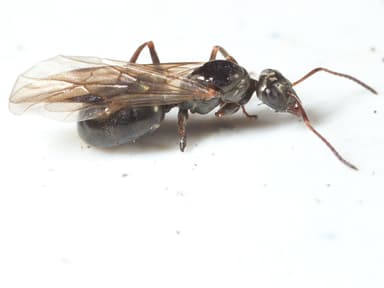
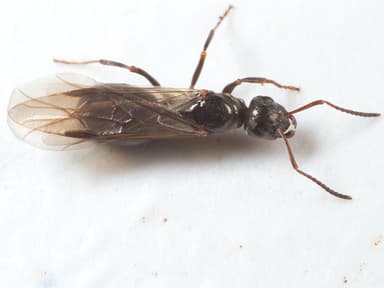
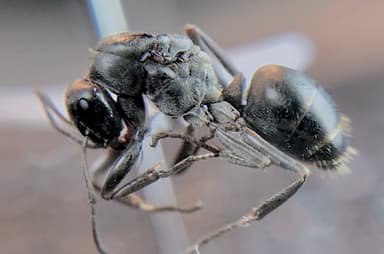
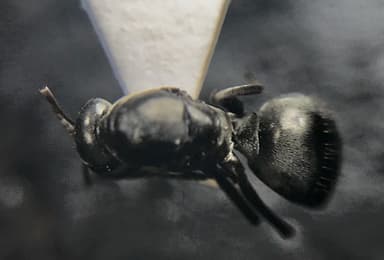
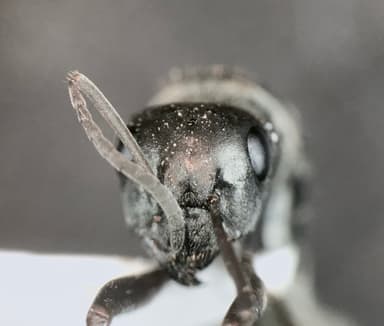
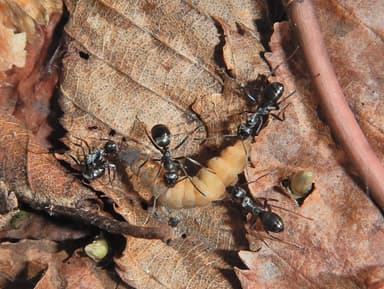
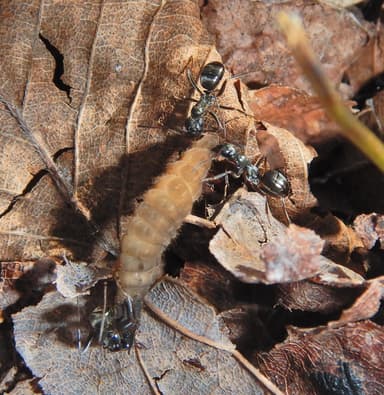
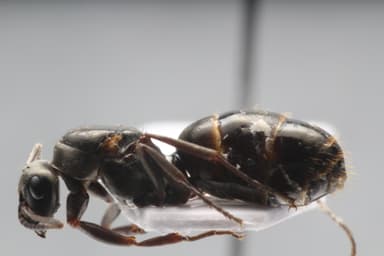
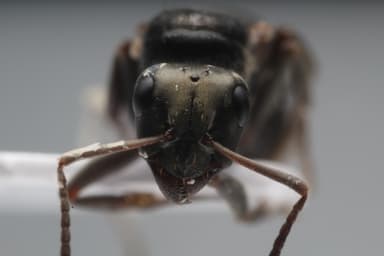
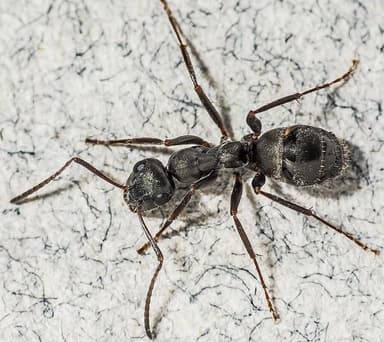
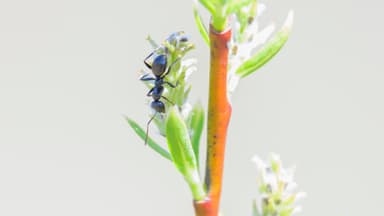
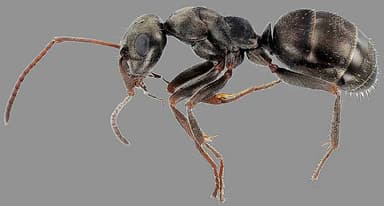
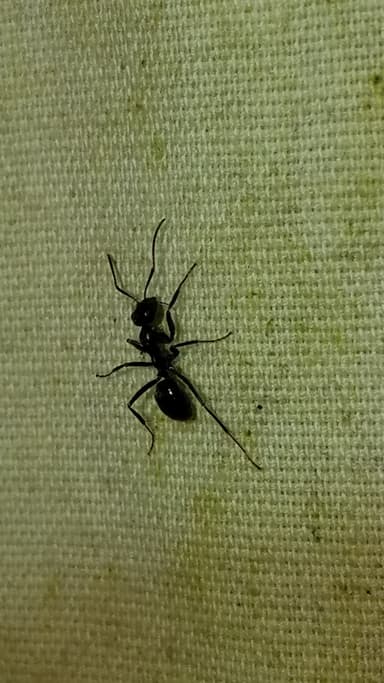
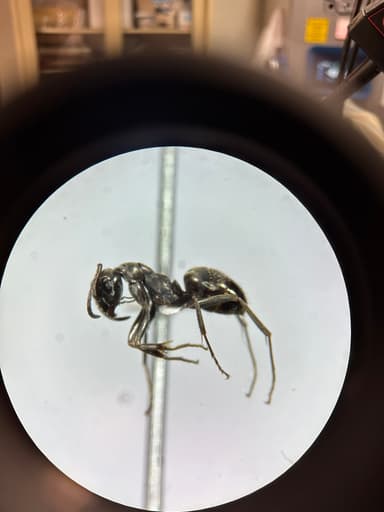
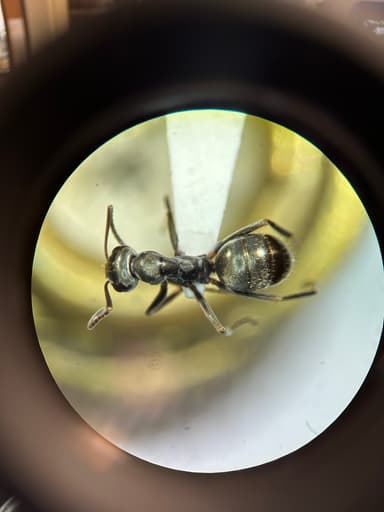
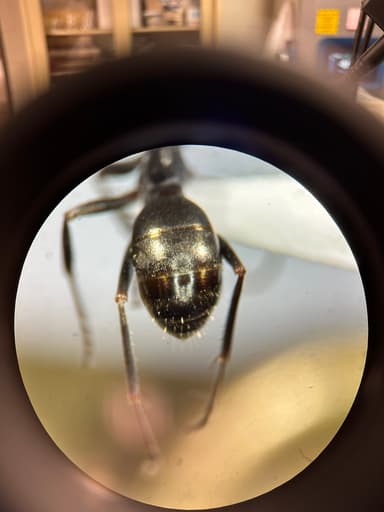
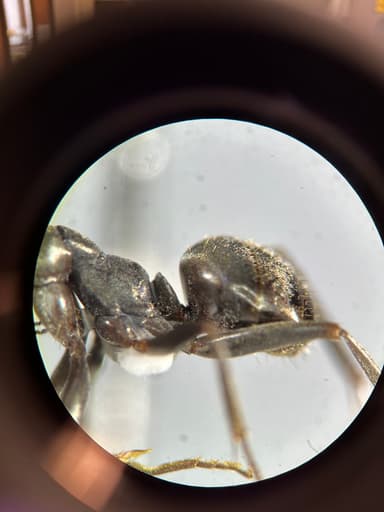
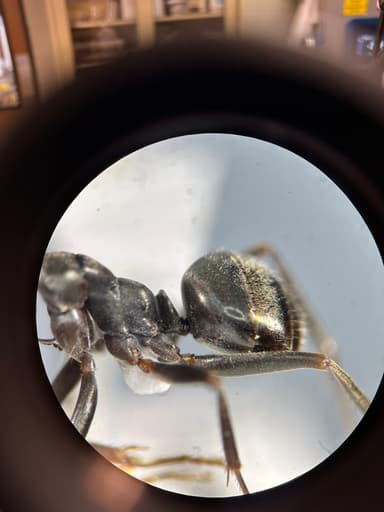
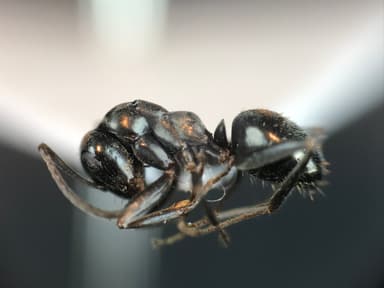
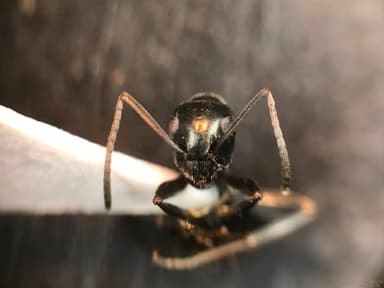
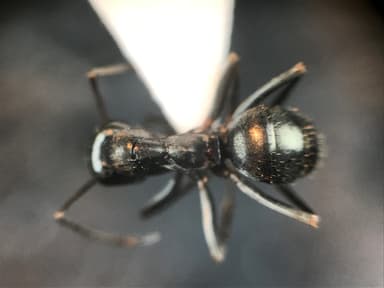
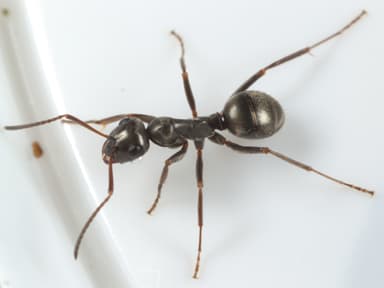
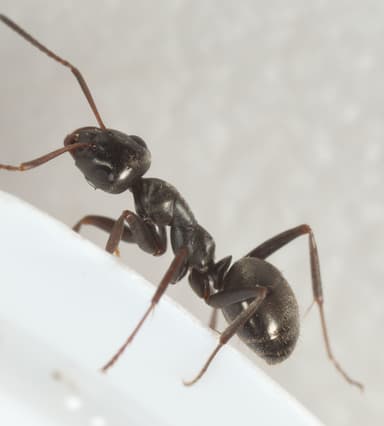
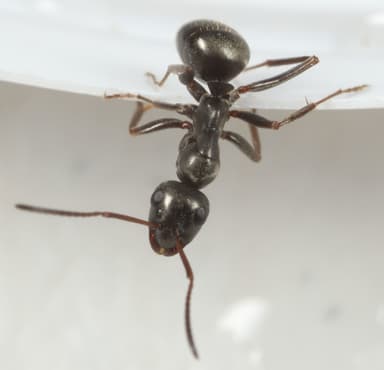
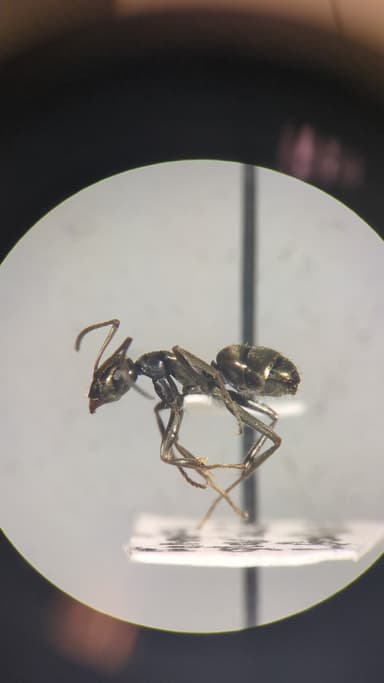
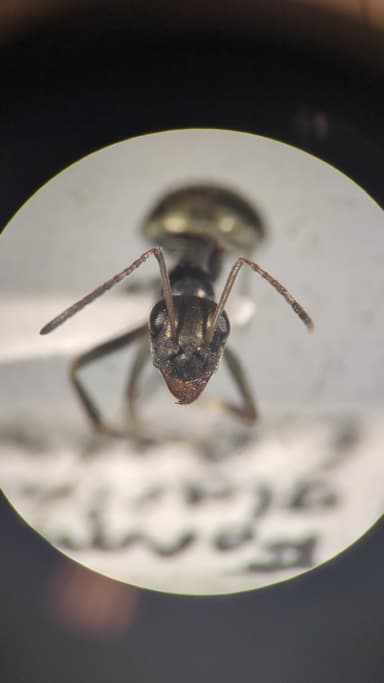
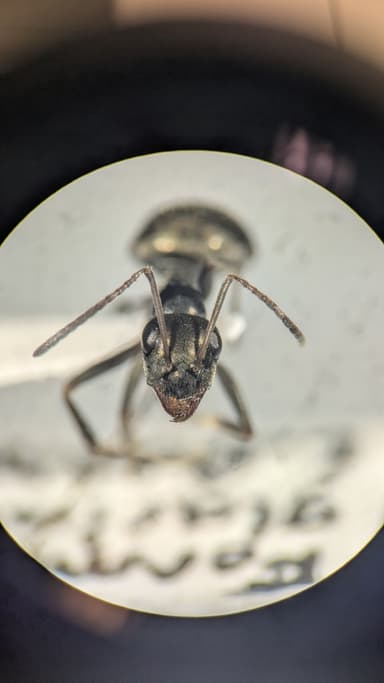
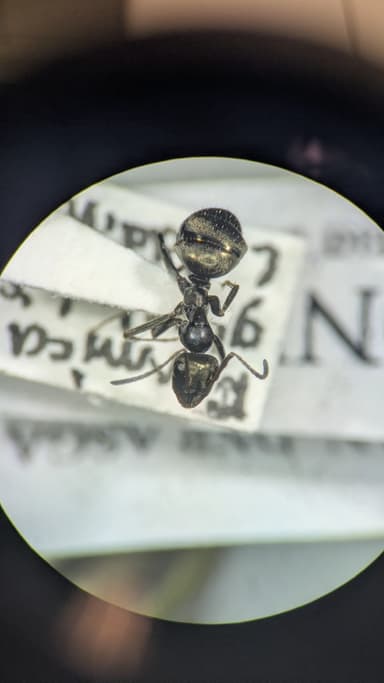
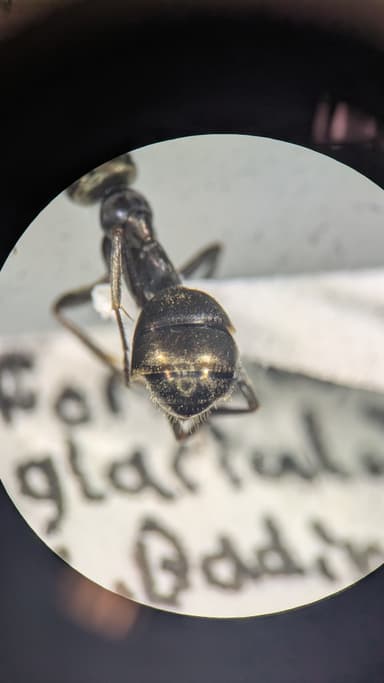
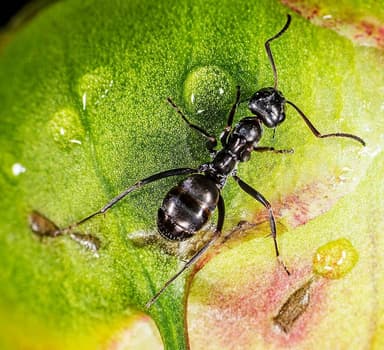
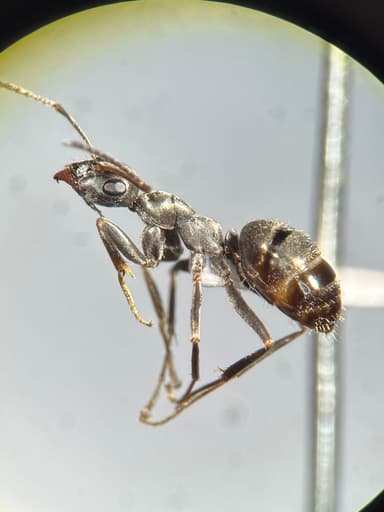
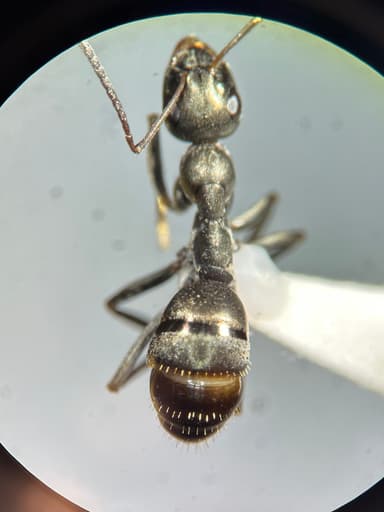
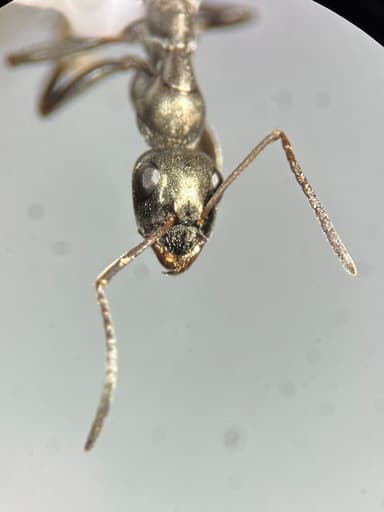
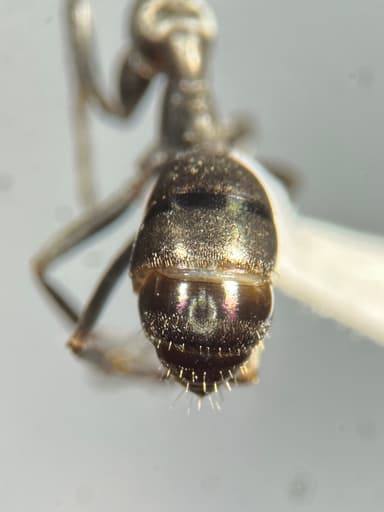
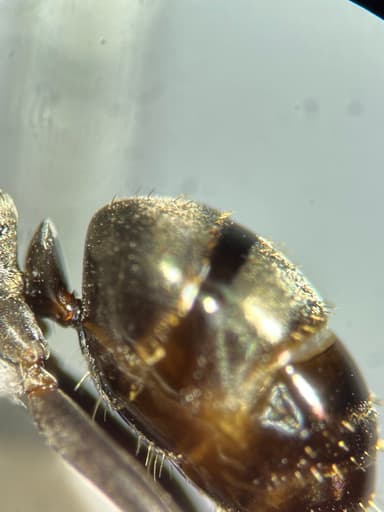
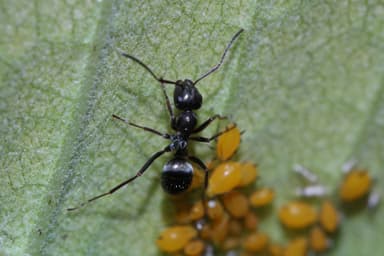
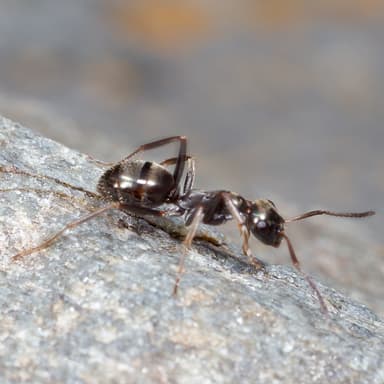
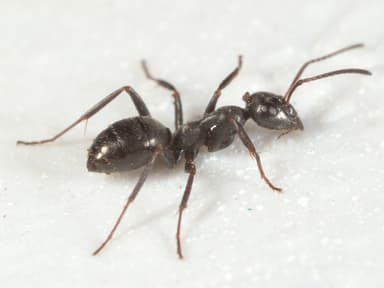
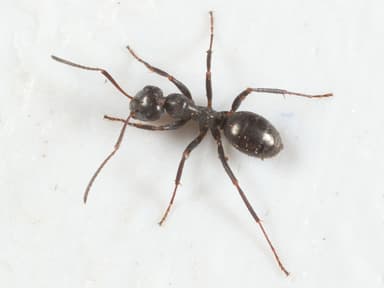
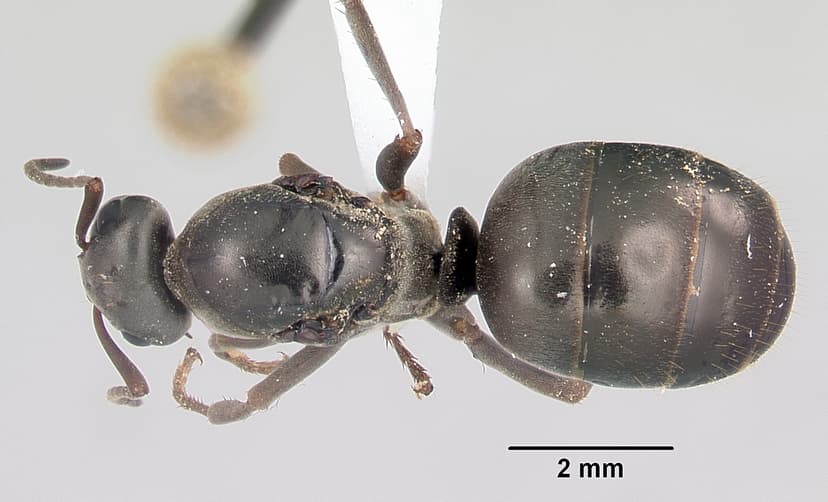
Formica glacialis is a discreet jewel of the boreal ant fauna, occupying a broad swathe of northern North America from Alaska to the Atlantic coast. Workers range from a modest 4 to 7 millimetres in length, while the queens measure a more robust 7 to 9 millimetres, placing them squarely among the mid-sized Formica. Coloration is a sombre, lustrous brownish-black over the entire body, with no contrasting bicolour pattern; the cuticle is smooth and faintly shining, giving the ants a clean, elegant appearance under magnification. This species is a temporary social parasite: newly mated queens must infiltrate the nest of a related fusca-group host, such as Formica subsericea or Formica fusca, eliminate the resident queen, and co-opt the host workers to raise her first brood. Mature colonies are monogynous and can grow to around five thousand individuals, though such sizes are achieved only after several years. What makes F. glacialis especially captivating to the advanced keeper is this parasitic founding strategy—a dramatic, high-stakes life history that unfolds in a test tube—combined with its adaptation to chilly, short summers and long winter dormancy. The nuptial flights, reported to occur in July and August on warm, sun-drenched afternoons just after rain (AntWiki, Trager et al. 2007), reinforce the species’ northern rhythm.
Given its parasitic foundation and exacting environmental needs, Formica glacialis is unambiguously a species for the expert keeper. The founding stage alone requires a deft touch: the queen must be introduced to host cocoons or callow workers at precisely the right moment, and failure rates are high even for experienced myrmeculturists. Moreover, maintaining a stable cool-moderate climate and enforcing a strict hibernation period demands equipment such as wine coolers or programmable incubators. If you have successfully reared other socially parasitic Formica, or have a solid background with the fusca group and a willingness to monitor temperature and humidity diligently, you may find this a deeply rewarding challenge. Novices should look instead to easier Formica species such as F. fusca before contemplating this northern specialist.
Housing should mimic the cool, dry-to-moderate conditions of the boreal forest floor. A nest consisting of a plaster or ytong block with a few shallow chambers, connected to a foraging arena, works well; the nest portion should be kept slightly damp to maintain humidity between 40 and 60 percent, with good ventilation to prevent condensation and mould. Substrate in the arena can be a simple sand–loam mixture, and leaf litter or a piece of bark offers them cover and naturalistic foraging surfaces. Temperature is best maintained as a gradient, with a warm end of 24–26°C and a cooler retreat around 18–20°C; however, the ants will remain active and brood production steady within the whole 18–26°C range. Because these ants are ground-nesters and not tree-dwellers, they appreciate a more horizontal, sprawling nest layout rather than tall, vertical structures. As with all Formica, they are prodigious escape artists, so a tight-fitting lid and a PTFE- or talcum-based barrier are essential.
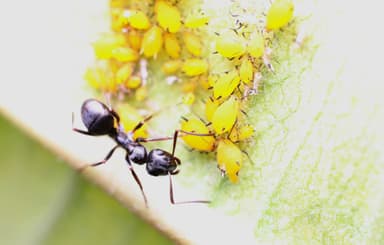
The dietary needs of Formica glacialis are typical of the genus: they are avid generalists with a pronounced sweet tooth. Protein should be offered in the form of freshly killed or frozen-thawed insects—fruit flies, small crickets, and chopped mealworms are all accepted—two to three times per week, adjusted to colony size. Carbohydrates can be provided as dilute honey, sugar water, or a commercial ant nectar; these fluid feeders also serve as water stations, though a separate gravity waterer or a test-tube water source should always be available. In the wild they tend aphids and scale insects, and the colony will eagerly gather honeydew substitutes. Remove uneaten prey after two days to avoid spoilage, and never leave an open dish of liquid sweets deep enough to drown workers.
A long, cold hibernation is not optional for this species—it is a biological imperative. In their native range, winters are severe and prolonged, and in captivity they require a chilling period of three to four months at a stable 4°C. Prepare the colony in late autumn by gradually reducing temperature over several weeks and withholding protein so the ants can empty their guts. The nest should be moved into a dark, insulated container inside a refrigerator or wine cooler dedicated to ant keeping. Maintain a slightly damp, not wet, nest medium to prevent desiccation. In spring, reverse the process, allowing the temperature to rise slowly to room values before offering food. Colonies that are not hibernated will invariably decline after a year or two, with queens ceasing egg-laying and workers dying prematurely.
When you first receive your Formica glacialis queen or founding unit, the critical priority is to give her absolute quiet and the right social environment. If she arrives alone, without host workers, you will need to supply her with cocoons or newly eclosed callow workers from a compatible fusca-group donor colony; many breeders send her already attached to a small host worker retinue, which simplifies matters. Place the queen and any host workers into a standard test-tube setup with a fresh water reservoir, then wrap the tube in red film or keep it in a dark, undisturbed space at around 20–22°C. Do not offer food for the first 24 to 48 hours; after that, present a minuscule drop of sugar water on a foil slip and, if host workers are present, a tiny piece of freshly killed fruit fly. Watch for signs of acceptance: the queen should be fed and groomed by the workers, not attacked. If she has not yet laid eggs, patience is vital—it can take weeks for the first tiny batch of eggs to appear. Once the initial brood develops, you can gradually move the colony into a small nest. Monitor closely for mites, mould, and any sudden worker die-offs, which may signal stress or disease. With meticulous care and a respect for its demanding seasonal clock, Formica glacialis will slowly build into a captivating, cold-woods microcosm that few keepers ever master.