Formica
Formica cinerea
Nuptial Flight Calendar
Flight months: Jun, Jul, Aug
Care Guide
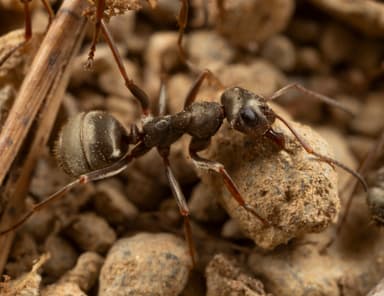
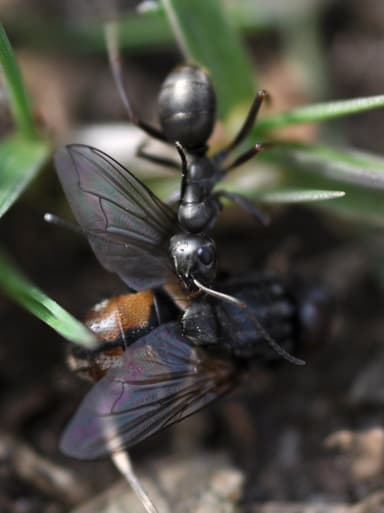
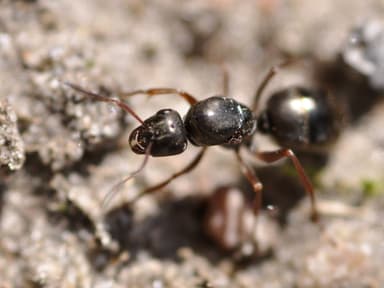
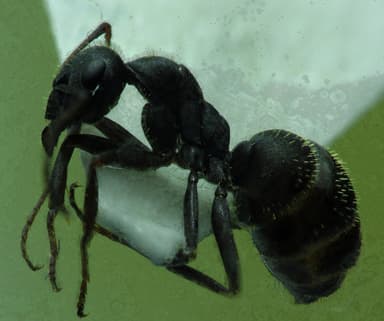
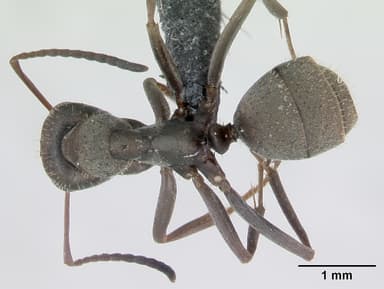
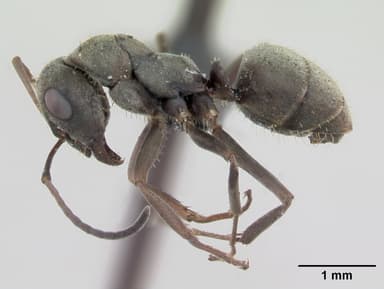
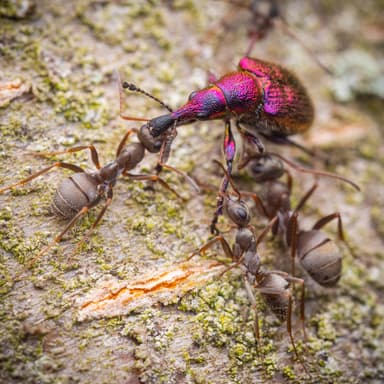
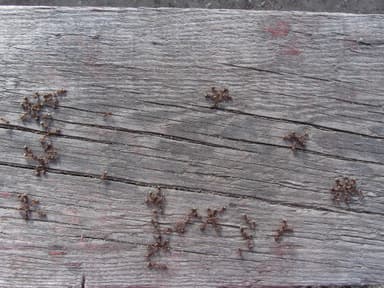
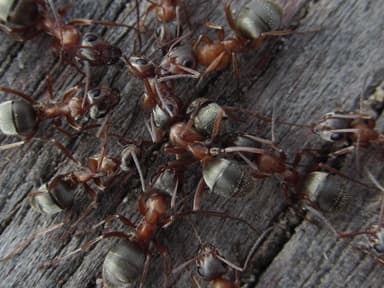
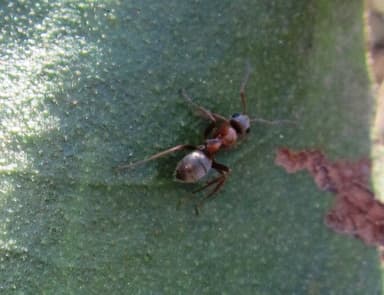
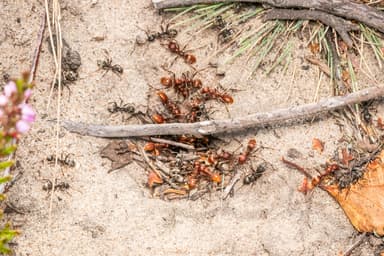
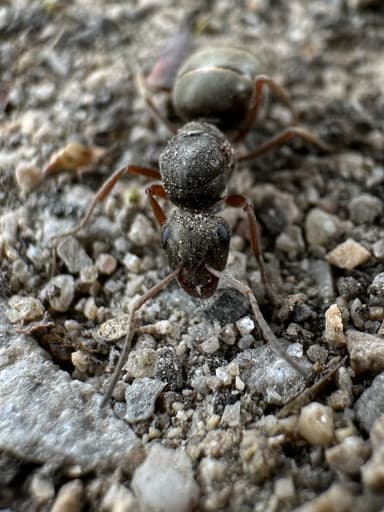
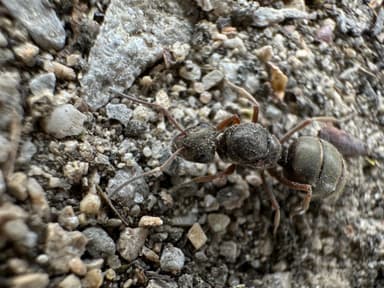
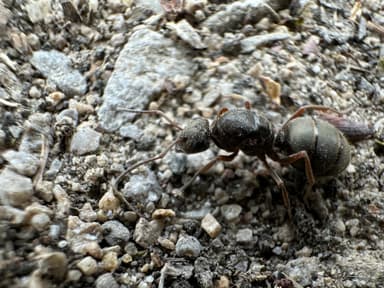
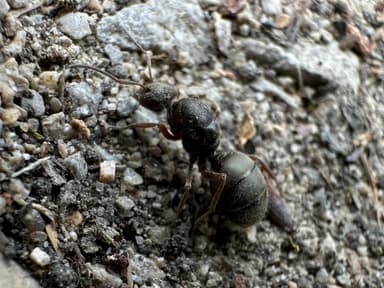
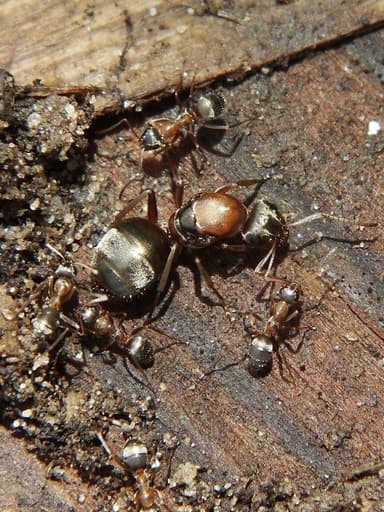
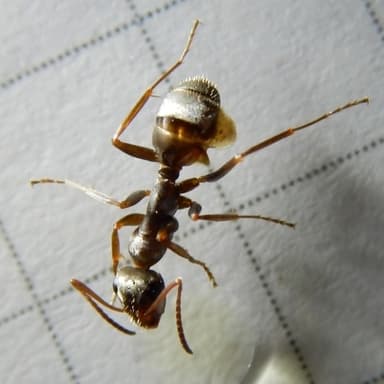
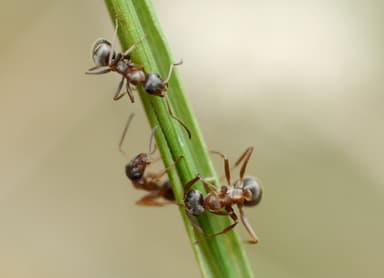
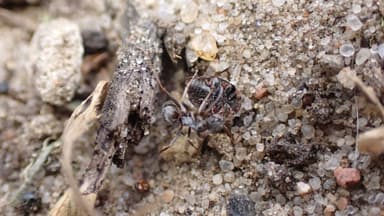
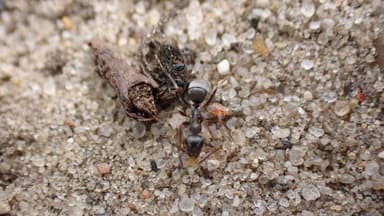
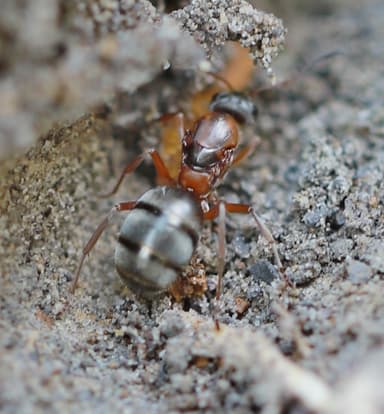
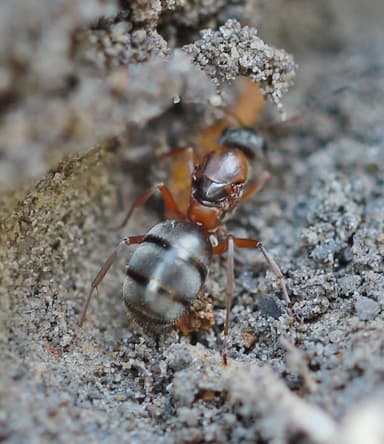
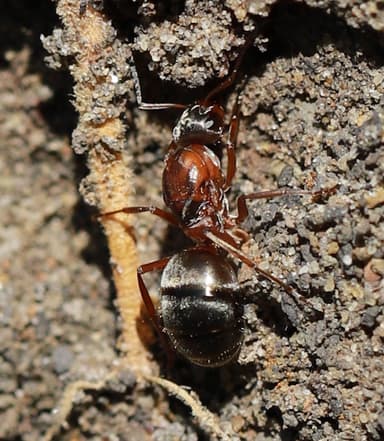
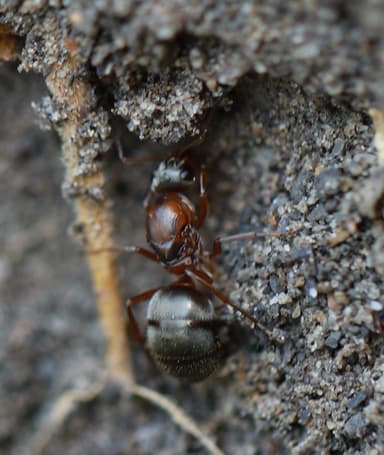
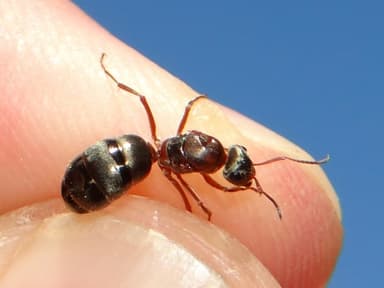
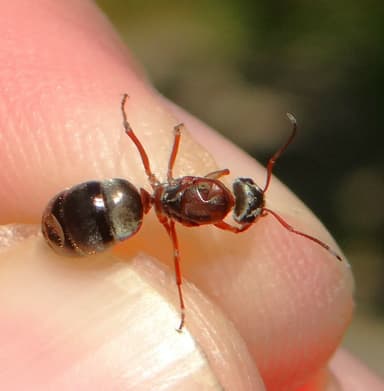
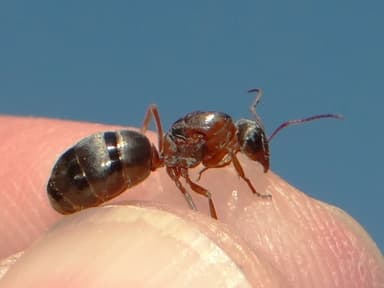
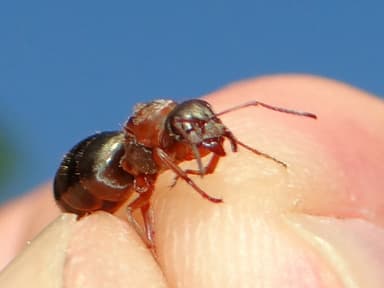
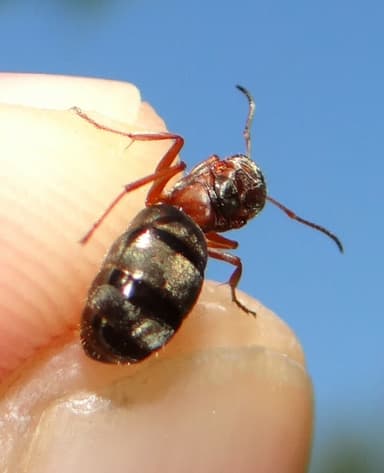
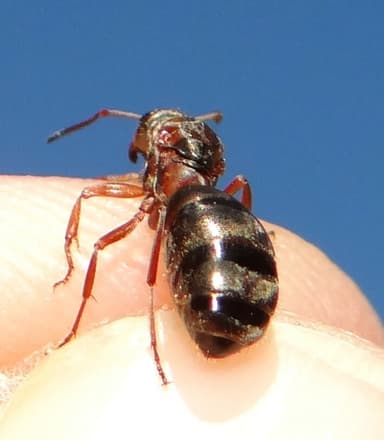
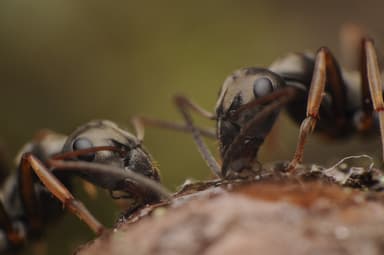
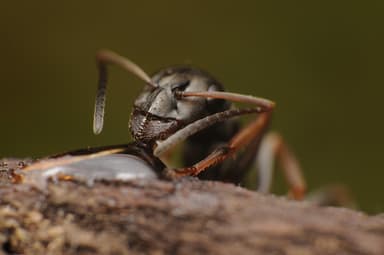
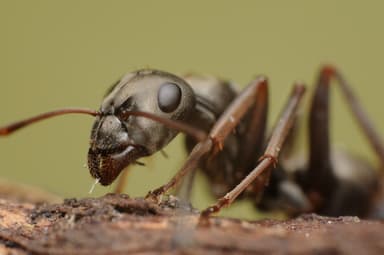
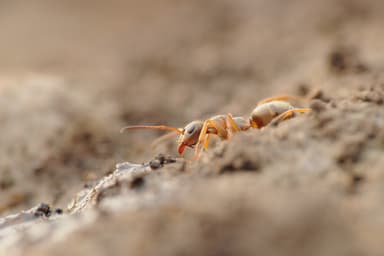
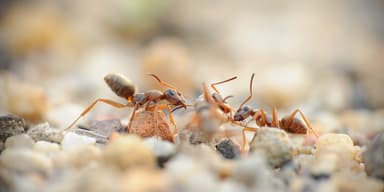
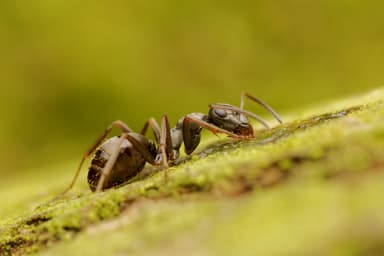
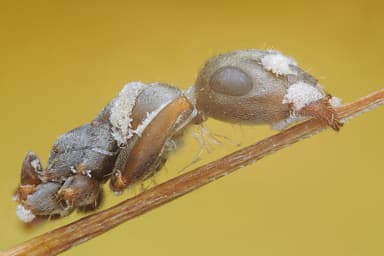
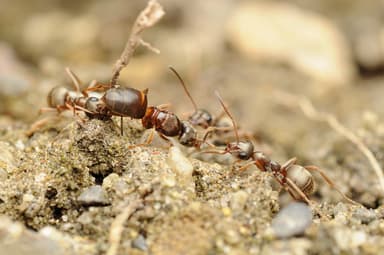
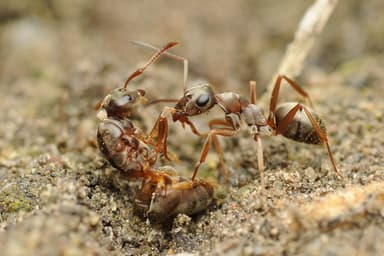
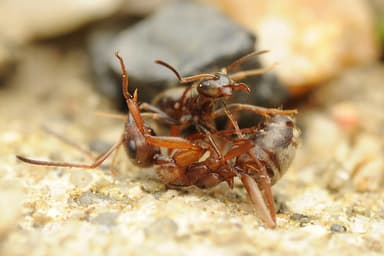
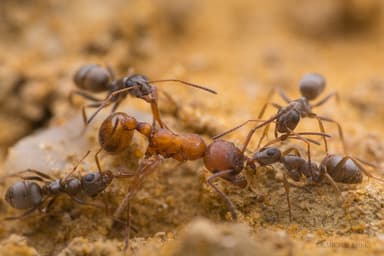
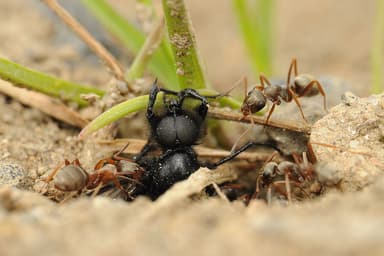
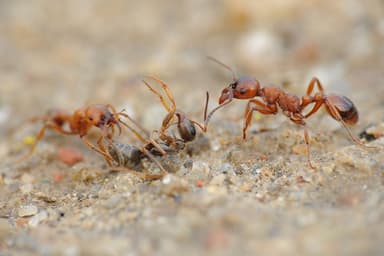
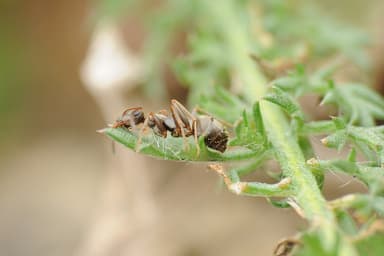
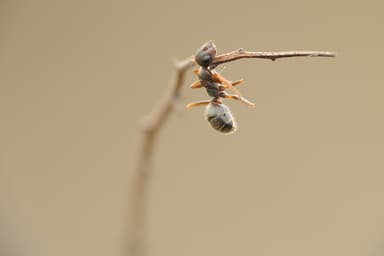
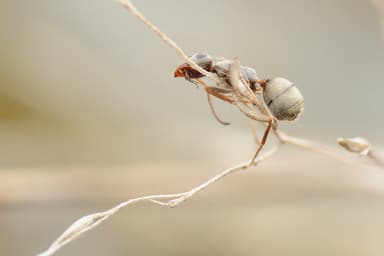
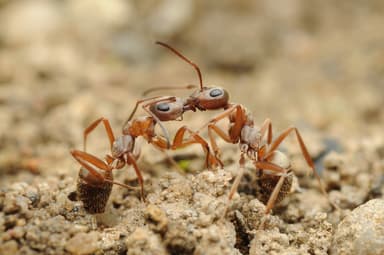
Formica cinerea is a captivating, medium-sized ant whose ash-grey to silvery workers lend it the common name “silver field ant.” Queens measure 8–10 mm, while the polymorphic worker force spans 4–7 mm, divided into minor and major castes that cooperate in colonies potentially numbering up to half a million individuals (AntWiki; Seifert, 2007). This species ranges across a vast swath of the Palearctic, from western Europe into East Asia, occurring primarily in open, sandy habitats such as dunes and heaths (GBIF; Czechowski et al., 2002). What makes F. cinerea especially interesting is its combination of a semi-claustral founding strategy, formidable formic acid defenses, and the sheer spectacle of a mature colony’s ceaseless activity. Nuptial flights take place on warm, sunny afternoons in June through August, often after rainfall and with temperatures above 22°C, when winged reproductives pour from nests in synchrony (AntWeb). The species is rated as intermediate in care difficulty, suiting keepers who have successfully maintained a few species and are ready for the challenges of escape-proof housing, precise humidity control, and a mandatory hibernation period.
Housing must reflect the ant’s natural affinity for well-drained, sandy soils. An ideal setup pairs a medium-moisture nest — such as a ytong or plaster formicarium — with a larger foraging arena that contains a deep layer of sand or sandy loam. This substrate not only allows workers to engage in their instinctive digging behaviors but also helps maintain the preferred humidity band of 40–60%. Temperature should be regulated with a heat mat or cable to create a gradient, keeping the warm side between 26 and 28°C while the rest of the nest can drop to a comfortable 20°C; the ants will thermoregulate by moving brood to the optimal zone. Ventilation is critical, as stagnant, overly moist air promotes fungal growth. Escape prevention must be meticulous: a tight-fitting lid, a PTFE-coated upper rim of the arena, and a secure barrier are non-negotiable, because these agile ants can easily climb smooth surfaces and their alarm response involves spraying formic acid, which can irritate skin.
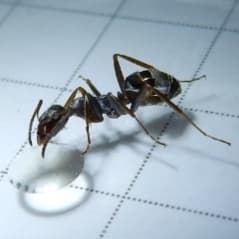
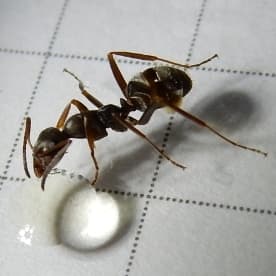
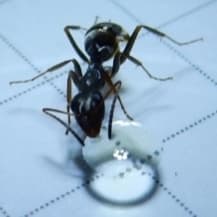
Feeding F. cinerea is straightforward but demanding during the active season. Protein is best supplied in the form of freshly killed or disabled small insects — fruit flies, pinhead crickets, and chopped mealworms are all excellent choices — offered two to three times per week. Carbohydrates should be available almost constantly; a small droplet of honey or sugar water presented on a clean dish or a soaked cotton ball will be visited frequently. Always provide a fresh water source, such as a test tube setup or a water feeder. Because queens are semi-claustral, a founding queen must be given both protein and sugars from the very first day, as she will periodically leave her brood to forage in the arena. Mature colonies can consume surprisingly large quantities, but overfeeding leads to waste and mold; remove uneaten food after two days.
Hibernation is non-negotiable for Formica cinerea, a temperate ant that has evolved to require a cold dormancy of roughly 5°C for three to five months, typically from late autumn through early spring (Seifert, 2007). The colony should be prepared by ensuring they have full social stomachs and a clean nest, then cooled gradually over two to three weeks to prevent shock. A wine cooler, a programmable refrigerator, or a naturally cold basement can all work if temperature is stable and the nest is kept slightly moist to prevent desiccation. In spring, warm them back up with the same slow gradient. Skipping or shortening hibernation nearly always results in a failure to resume robust egg-laying, and the colony will decline.
In the first days after acquiring a queen or a small colony, quiet acclimation is paramount. For a newly mated, semi-claustral queen, set her up in a small founding chamber connected to a miniature outworld with a thin sand floor; place a tiny drop of honey and a fragment of pre-killed fruit fly right away, then leave her undisturbed for 24 hours. You will likely observe her foraging — a behaviour that confirms her health. For a colony with workers, attach their shipping test tube to a prepared outworld, allow a day to settle, and then offer sugar water and a small protein item. Watch for the colony to move into the nest area if you provided one, but avoid the temptation to prod them. Keep the setup dim and vibration-free for the first week. Expect a defensive response to sudden movements: workers will raise their abdomens and may spray formic acid, so handle tools with care and keep the habitat away from the face. As the queen begins to lay and workers acclimate to their new surroundings, you will soon witness the foundation of a dynamic, long-lived colony that rewards attentive husbandry with a captivating display of social insect cooperation.