Dolichoderus
Dolichoderus bispinosus
Care Guide
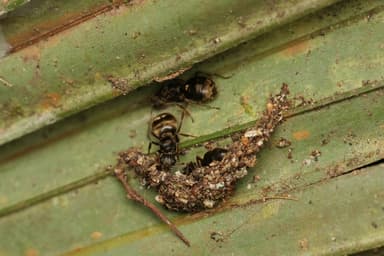
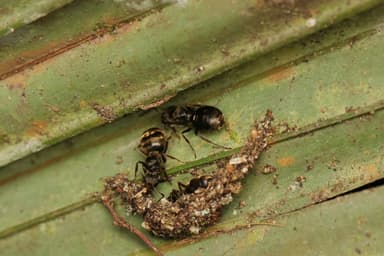
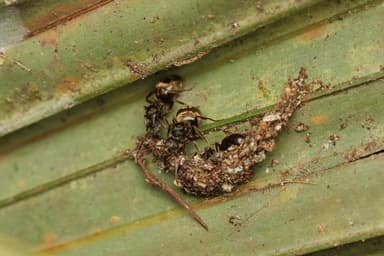
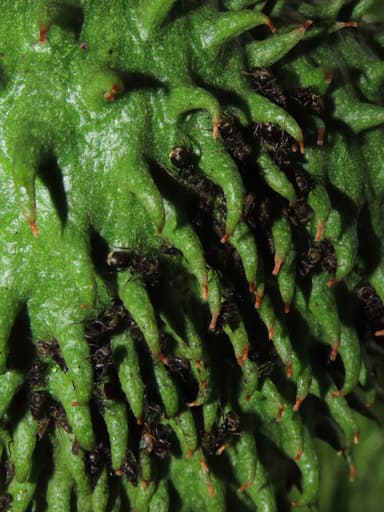
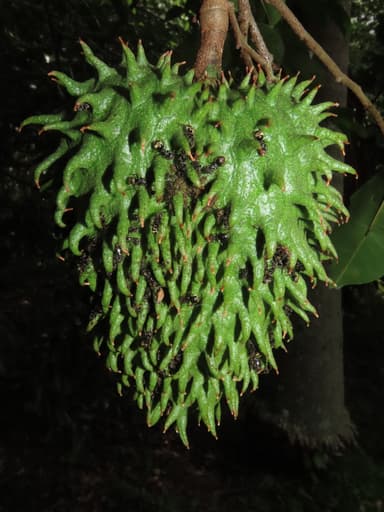
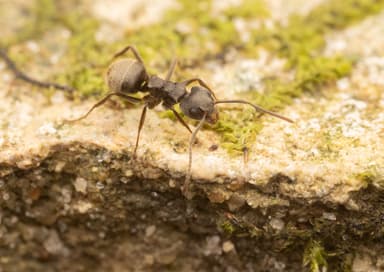
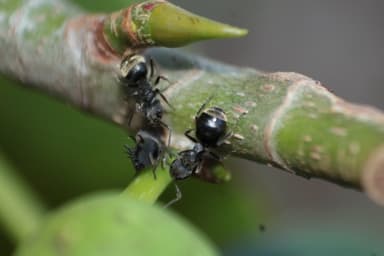
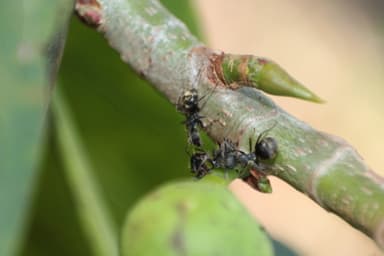
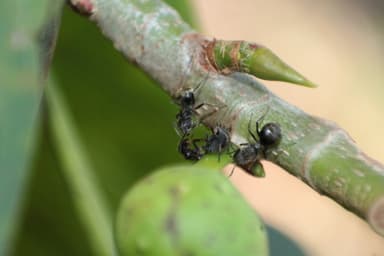
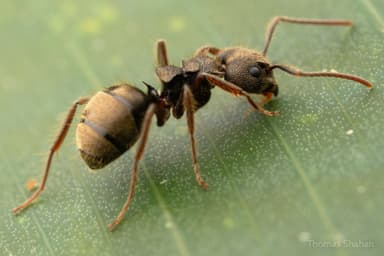
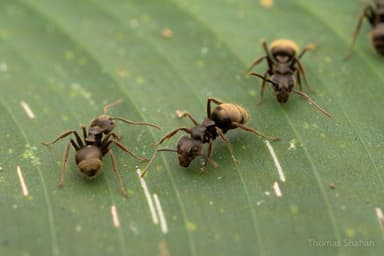
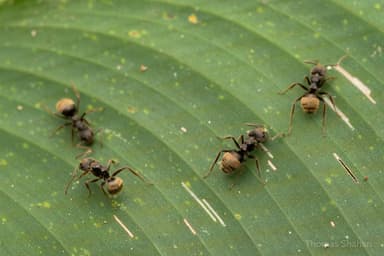
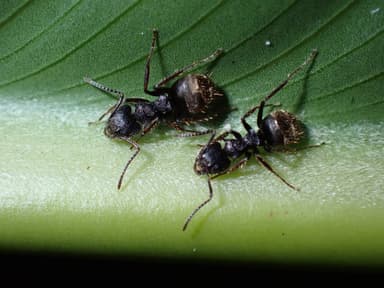
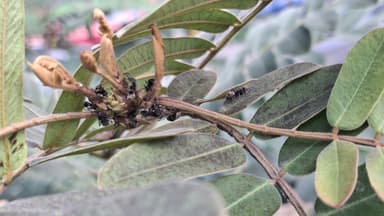
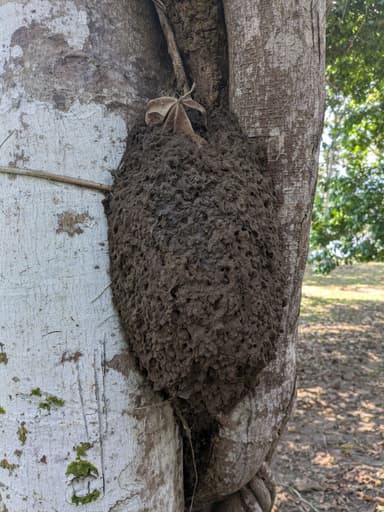
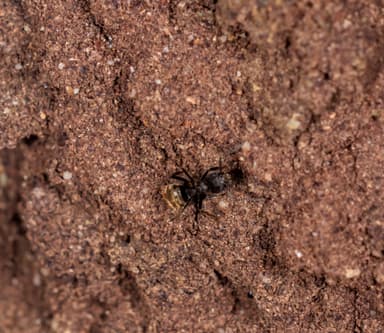
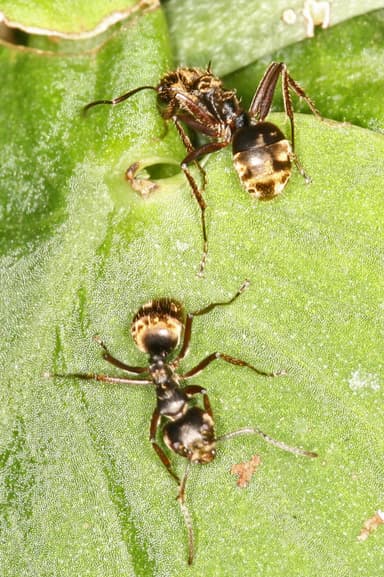
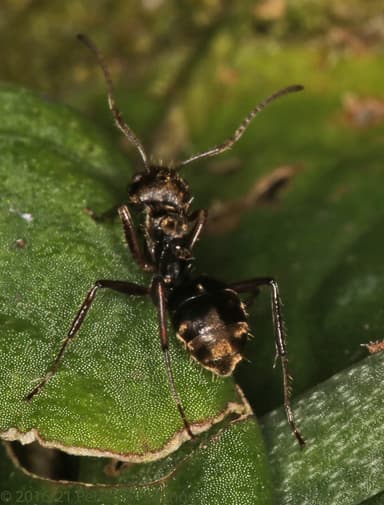
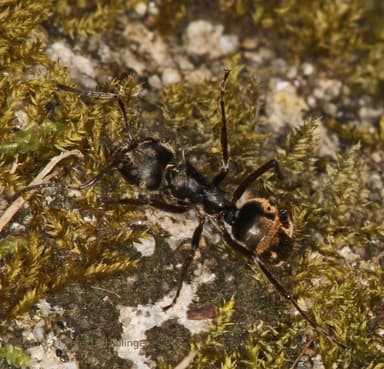
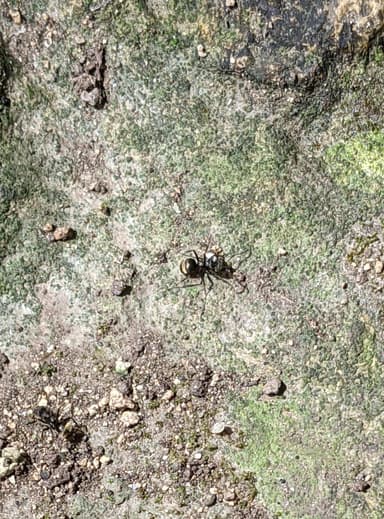
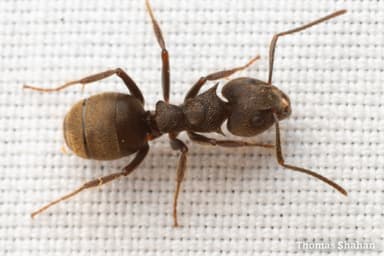
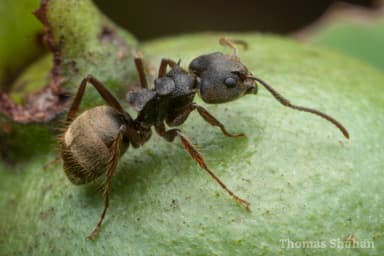
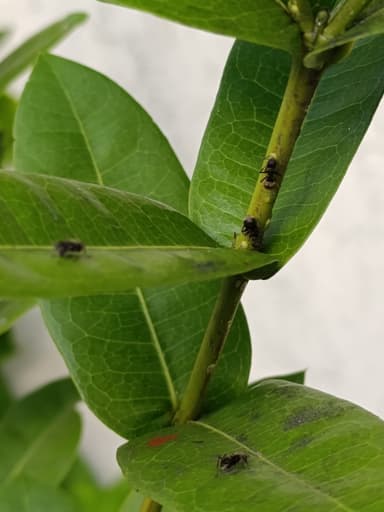
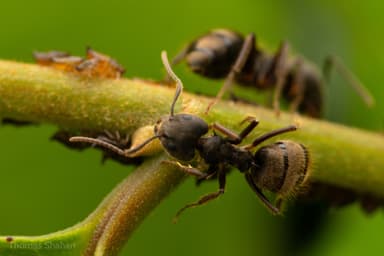
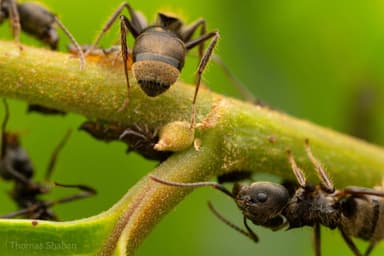
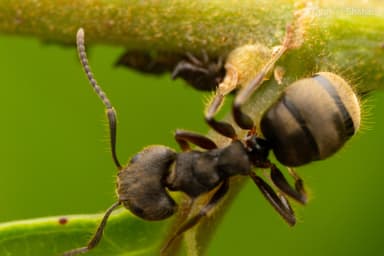
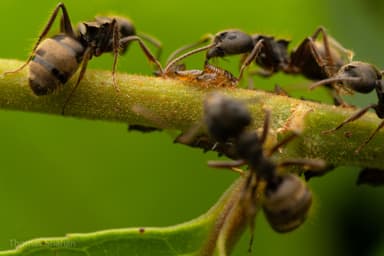
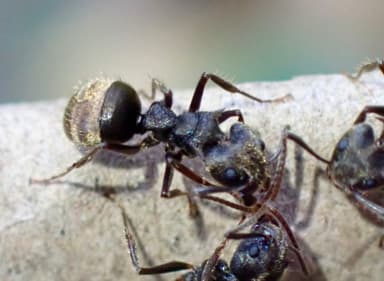
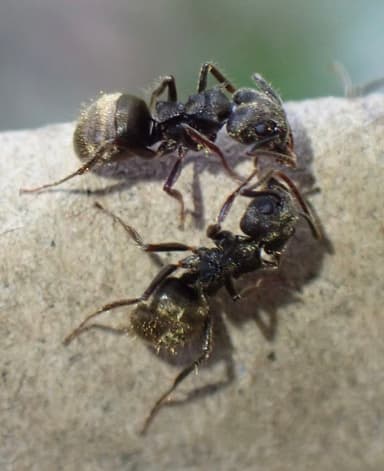
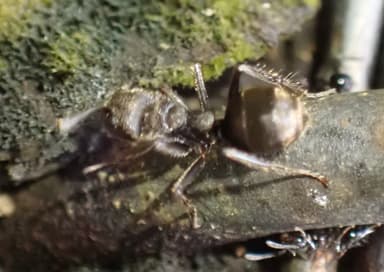
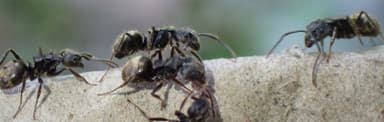
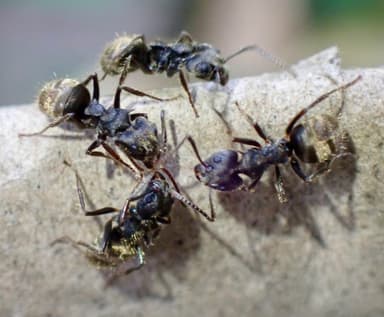
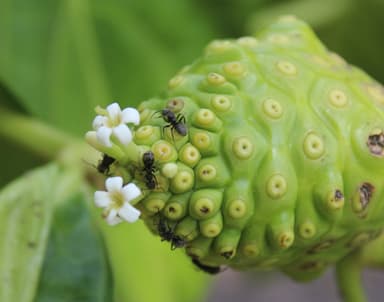
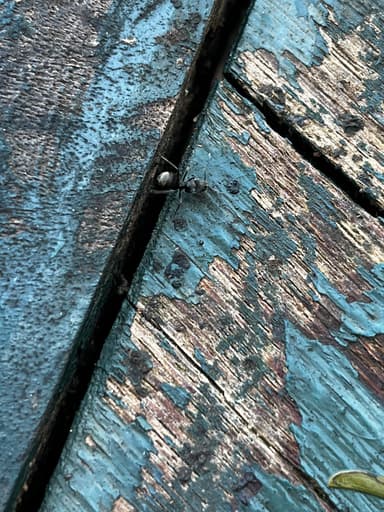
Dolichoderus bispinosus is a striking species that immediately catches the eye with its glossy, dark exoskeleton and the pair of small but distinct spines on the petiole from which it takes its name. The queen, measuring between 7 and 9 mm, is noticeably larger than the workers, which range from 3 to 5 mm. While the colony does not exhibit extreme polymorphism, a well-established nest will contain a clear size gradient among workers. These ants are agile, fast-moving foragers that thrive in warm, humid conditions and are often found nesting in dead branches or under bark in their natural habitat. They are also known for emitting a characteristic, somewhat pungent odor when alarmed—a defense mechanism common among Dolichoderus species.
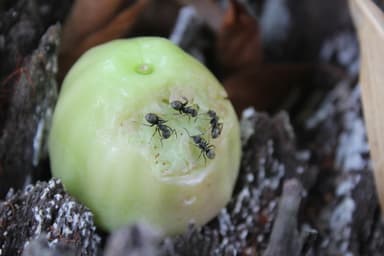
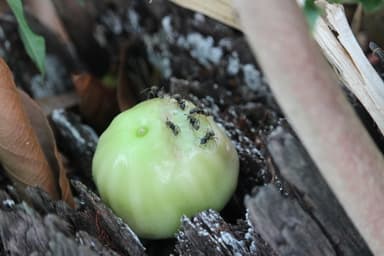
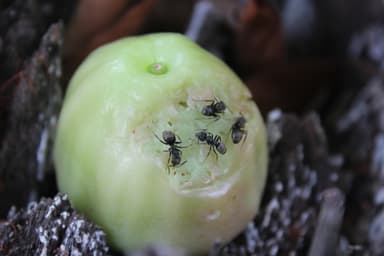
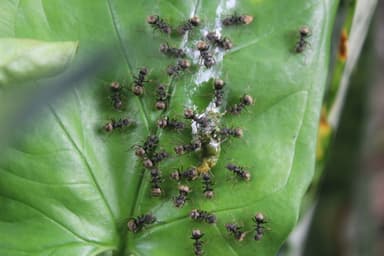
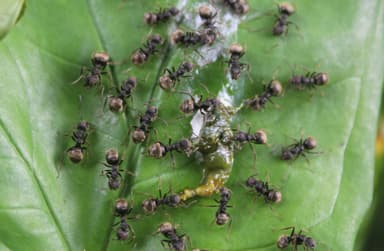
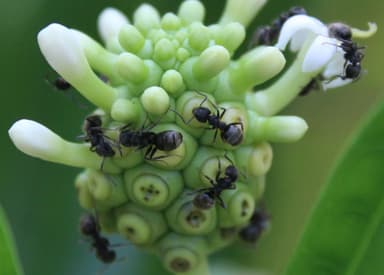
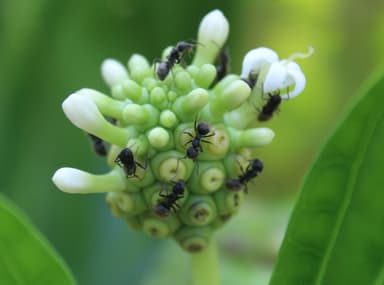
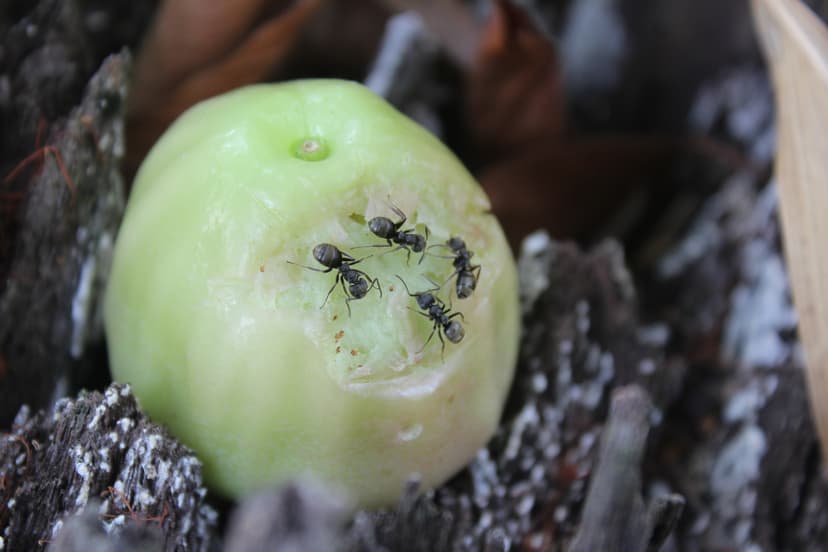
In terms of diet, Dolichoderus bispinosus is a generalist but shows a clear preference for sweet foods. A balanced menu of sugar water or honeydew, supplemented with small insects such as fruit flies, crickets, or mealworms, will keep the colony healthy and active. They also eagerly accept soft, ripe fruit, which provides both moisture and natural sugars. Protein is especially important during brood rearing, so offering insect prey regularly will support strong larval development. Unlike seed-harvesting species, there is no need to worry about grain storage—this colony’s pantry is built around liquid and soft foods.
Care difficulty
Keeping Dolichoderus bispinosus is best suited to intermediate keepers. While the founding process is claustral and relatively straightforward—the queen seals herself in and raises the first workers without needing feeding—the colony's sensitivity to humidity and temperature requires consistent management. They are not a beginner species but are highly rewarding once their needs are met.
Housing
A formicarium with good ventilation and high moisture retention is essential. Aim for a constant humidity level between 70 and 80% and a temperature range of 24 to 30°C. A heated cable or mat placed under part of the nest can create a thermal gradient that allows the ants to choose their preferred zone. The nest should offer multiple chambers, as these ants like to spread out and may store liquid food in small "honey pots" within the brood chambers. An outworld with a water source and feeding area completes the setup. Note that Dolichoderus bispinosus can be somewhat skittish and may retreat from sudden movements or bright light, so a calm, shaded location is best.
First days after purchase
Upon receiving your colony, transfer the ants into their prepared formicarium without delay. Place the setup in a quiet, dim area and leave them undisturbed for at least 24 to 48 hours. During this time, ensure that the nest is moist and that a drop of sugar water is available near the entrance. Resist the urge to check on them frequently—these ants need peace to settle. After the initial acclimation period, you can begin offering small insects and observe the colony as it gradually expands its territory. With patience and stable conditions, your Dolichoderus bispinosus colony will grow into a lively, fascinating miniature world.