Cerapachys
Cerapachys biroi
Care Guide
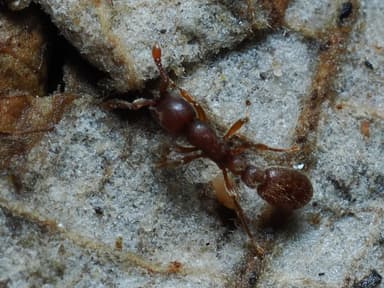
Cerapachys biroi, often called the “raider ant,” is a small but formidable species that lives and hunts in organized groups. Both queens and workers measure just two to three millimeters, making them some of the tiniest yet most fascinating ants in the hobby. Unlike the polymorphic seed harvesters, Cerapachys biroi is monomorphic — all workers look alike, yet their behaviour is anything but ordinary. These ants are obligate predators, specializing in raiding the nests of other ant species, particularly small myrmicine and ponerine ants. A single colony, numbering from fifty to five hundred workers, can coordinate swift, silent attacks, overwhelming prey with sheer numbers and powerful stingers. The queen is indistinguishable from workers in size and must forage during founding, as this species is semi-claustral. Founding queens start alone, hunting small insects to feed their first brood, which makes early colony development a delicate and rewarding challenge.
Care difficulty
Keeping Cerapachys biroi is an advanced undertaking, best suited for experienced keepers who understand the nuances of predatory ant husbandry. The main difficulty lies in providing a constant supply of live insect prey — preferably other ant brood or small soft‑bodied insects like fruit flies, termites, or small roaches. They rarely accept dead prey, and a specialized diet is essential for colony growth. Additionally, their high humidity requirements and sensitivity to disturbance demand careful environmental control and patience.
Housing
A formicarium for Cerapachys biroi must maintain stable humidity between seventy and ninety percent, as these ants originate from tropical regions. Use a substrate that retains moisture well, such as coconut fibre or a soil‑sand mix, and ensure the nest has good ventilation to prevent mold. Temperature should be kept between twenty‑four and thirty degrees Celsius — a heat cable or mat on a thermostat works well. Because they do not hibernate, you can keep them active year‑round. Provide a small, dimly lit outworld for foraging, but note that these ants are shy when disturbed and may retreat into the nest. A test tube setup with a dark cover can be ideal for smaller colonies, while larger groups benefit from a connected nest with multiple chambers. Regular moistening of the nesting area is critical — dry conditions can quickly lead to desiccation of brood and queens.
First days after purchase
Upon receiving your Cerapachys biroi colony, transfer them gently into a pre‑moistened, darkened nest setup. Place the formicarium in a quiet, vibration‑free spot and allow the ants at least a day to acclimate. During the first few days, offer small live prey items — freshly killed pinhead crickets or Drosophila — placed near the nest entrance. Avoid opening the nest or shining bright lights; these ants rely on chemical cues and are easily stressed by visual disturbances. Monitor humidity daily and ensure water is available via a wet cotton ball or a small watering system. If the colony is newly founded, resist the urge to feed too frequently — a single small prey item every two to three days suffices. With patience and attention, you will witness the electrifying sight of a coordinated raid unfolding right in your own formicarium.