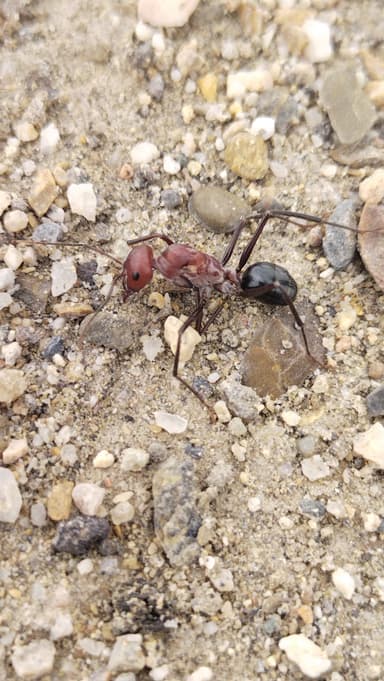
Cataglyphis
Cataglyphis setipes
Care Guide
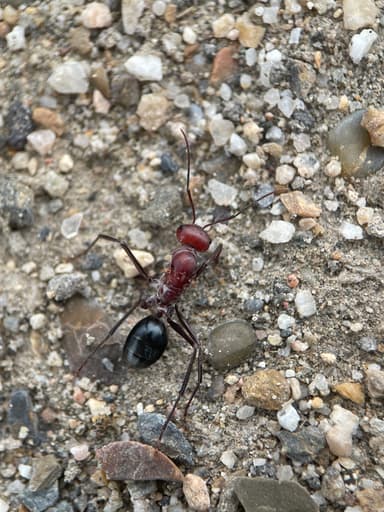
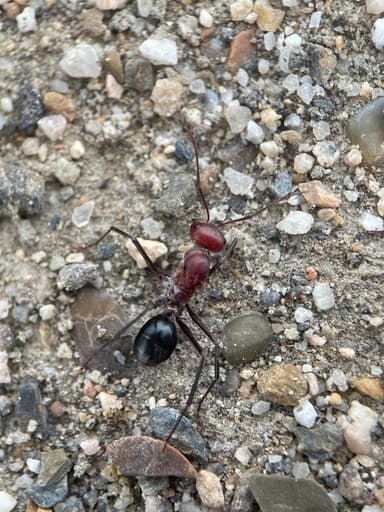
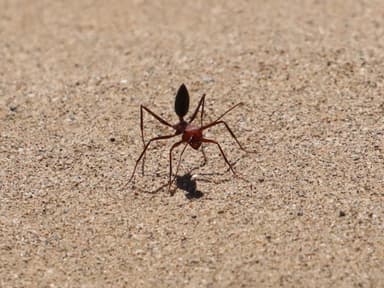
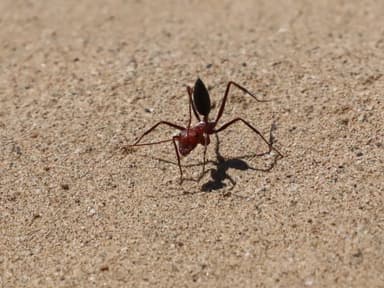
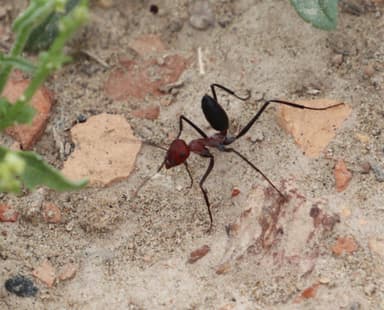
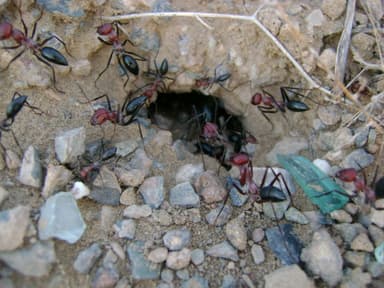
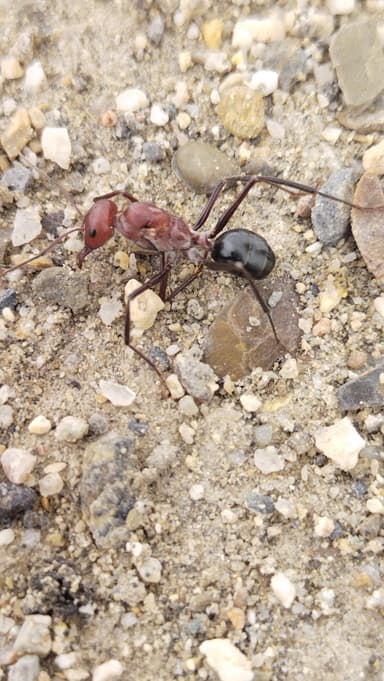
Cataglyphis setipes, commonly known as the desert runner ant, is a true specialist of arid, scorching environments. These ants are famed for their incredible heat tolerance and extraordinary running speed — workers can sprint across blistering sand at temperatures that would prove fatal to most other species. The queen measures 10–12 mm, while workers range from 4 to 8 mm in length and are slender, long-legged, and remarkably agile. Colony size typically stabilizes between 500 and 3,000 workers, forming a moderately large but very active society.
One of the most remarkable aspects of Cataglyphis setipes is their relationship with heat. These ants are diurnal foragers that become most active when the ground temperature soars above 40°C, a time when predators and competitors retreat to shade. Their diet consists primarily of small insects and sugar water — they are efficient scavengers and hunters, capable of covering large distances in search of prey. Inside the nest, the colony is founded claustrally, meaning the queen seals herself in a chamber and rears the first workers from her own fat reserves and wing muscles. This makes the initial stage relatively straightforward compared to parasitic species, but the real challenge begins once the colony grows and demands extreme thermal conditions.
Care difficulty
Keeping Cataglyphis setipes is best suited for experienced ant keepers. The primary challenge lies in providing and maintaining the high temperatures they require — a steady daytime range of 30–40°C is essential, with localized hot spots reaching even higher. Humidity must be kept very low, between 20 and 50%, mimicking their native desert habitat. High humidity can quickly lead to stress or fatalities. Additionally, these ants undergo a mandatory winter diapause at around 8°C for several months; failing to provide this cooling period can disrupt their annual cycle and shorten colony lifespan.
Housing
A formicarium for Cataglyphis setipes should be constructed with materials that retain little moisture and allow for effective heating, such as sand-clay mixes or porous stone. The nesting area must include a dry zone with a heat source — a heating cable or mat under one section works well. The outworld should be spacious and well-ventilated, with a shallow water source available (e.g., a test tube with cotton or a gravity feeder) to prevent drowning. Avoid any condensation in the nest. Lighting is not a concern, but strong vibrations and handling should be minimized, especially when the colony is small. Provide a heat gradient so ants can regulate their own temperature.
First days after purchase
Upon receiving your Cataglyphis setipes colony, transfer them into a pre-heated, dry formicarium immediately. Place the setup in a quiet, vibration-free area with the designated heat source activated. Allow the ants several days to acclimatize without disturbance. Offer a small amount of sugar water on a cotton pad and a few fruit flies or pinhead crickets, but do not overfeed. Watch for signs of stress, such as clustering in the coolest corner or refusing to enter the heated nest. If the colony is small, you may keep them in a test tube setup with a heat gradient until they reach about 20 workers. Remember that patience is key — these ants thrive when their specific thermal and arid demands are met consistently.