Camponotus
Camponotus cruentatus
Nuptial Flight Calendar
Care Guide
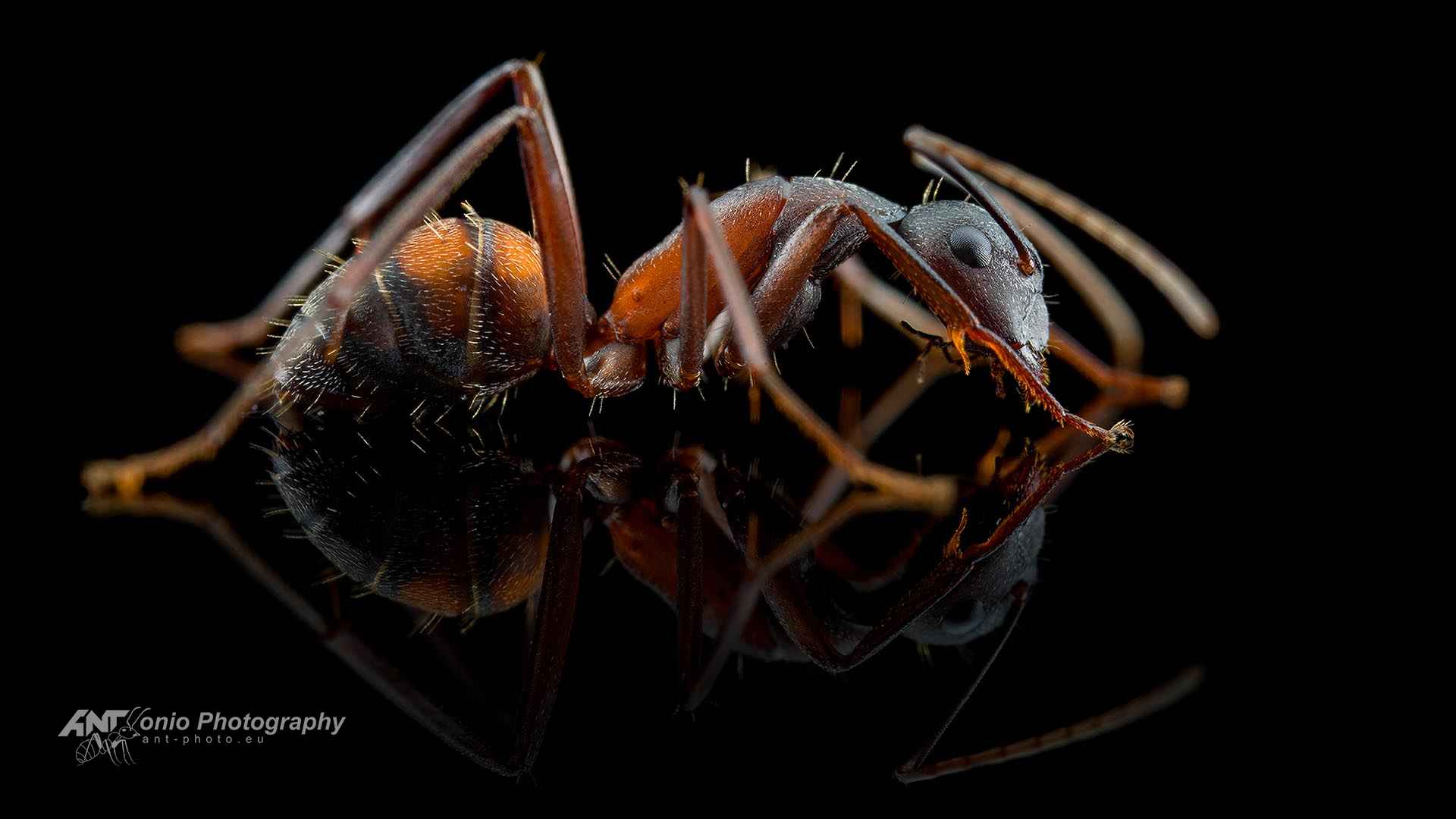
Camponotus cruentatus is a striking and robust species of carpenter ant, known for its impressive size and vivid coloration. The queen, measuring between 14 and 17 mm, is a commanding presence in the colony, while workers display a moderate range of sizes from 6 to 14 mm. Although not as dramatically polymorphic as some seed-harvesters, colonies contain both minor and major workers, with the larger individuals often taking on defensive and foraging roles. Their deep red and black bodies make them a visual standout in any ant collection.
Founding is claustral, meaning the young queen does not need to leave the nest to forage after mating — she rears her first brood entirely from her own metabolic reserves. This makes early colony establishment relatively straightforward, but keepers should note that Camponotus cruentatus is a species that requires patience. Colony growth is steady rather than explosive, and a mature nest can eventually house several thousand workers, creating a bustling yet orderly society.
Care difficulty
Keeping Camponotus cruentatus is rated as intermediate. While claustral founding simplifies the first weeks, these ants have specific environmental needs that require attention. They thrive in a temperature range of 22 to 28°C, with a humidity level between 50 and 70%. A humidity gradient within the nest — with one side moister and the other drier — allows workers to regulate conditions for brood and themselves. Perhaps the most important requirement is a proper winter hibernation: from late autumn through early spring, the colony should be kept at a steady 12°C for two to three months. Skipping this dormancy can weaken the colony and reduce longevity of the queen.
Housing
A formicarium with ample space is essential, as Camponotus cruentatus colonies can reach several thousand workers. They appreciate a nest with multiple chambers and a clean, well-ventilated outworld for foraging. Escape prevention is critical — these ants are capable climbers and can squeeze through small gaps. Regular feeding is straightforward: offer a balanced diet of live or frozen insects (crickets, roaches, mealworms) for protein, alongside sugar water or honeydew for carbohydrates. They are enthusiastic feeders and will readily accept these offerings. The moisture level in the nest should be maintained by regularly moistening the substrate or using a humidified nesting chamber, but avoid waterlogging.
First days after purchase
Upon arrival, place the colony in a quiet, dimly lit area and allow them to settle without disturbance. For the first few days, observe from a distance — avoid vibrations, bright light, or sudden temperature changes. Ensure access to fresh water (a small test tube with a cotton plug works well) and a drop of sugar water. If the colony includes brood, provide a small piece of protein, but do not overfeed. Patience is key: these ants will gradually explore their new home once they feel secure. Over the following weeks, you can slowly introduce a more varied diet and begin to monitor their activity. With proper care, your Camponotus cruentatus colony will reward you with years of fascinating, large-scale ant keeping.