Polyergus
Polyergus mexicanus
Nuptial Flight Calendar
Flight months: Jul, Aug
Care Guide
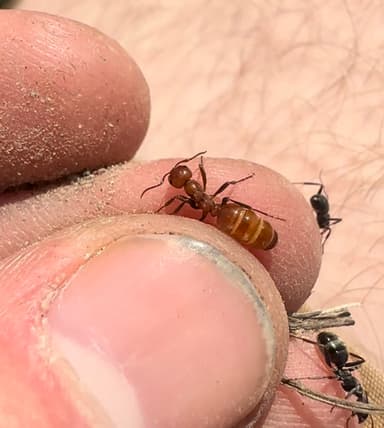
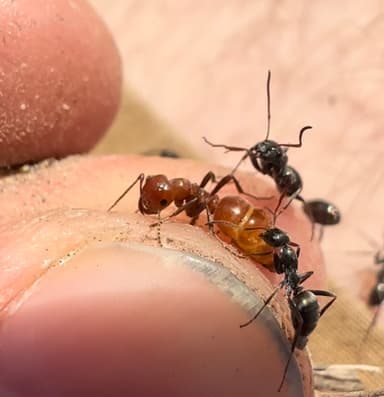
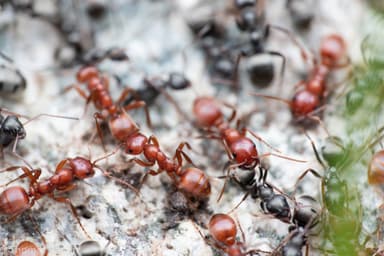
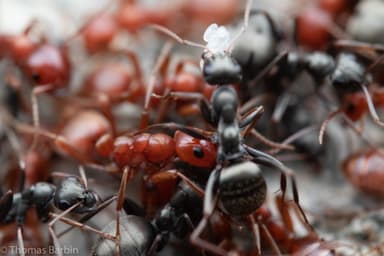
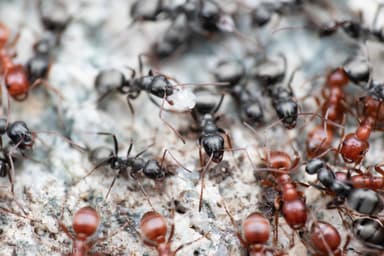
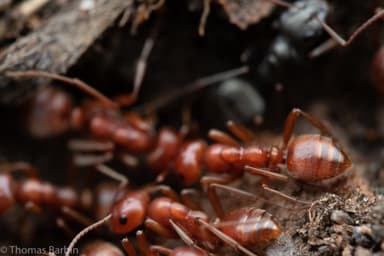
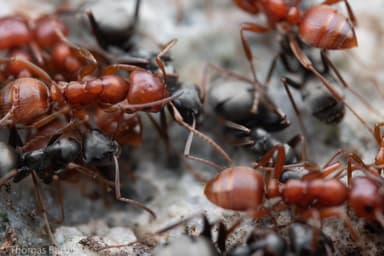
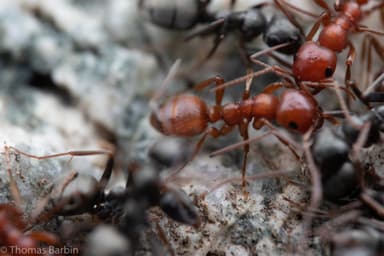
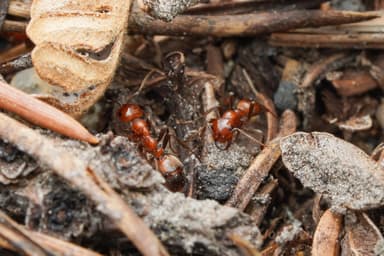
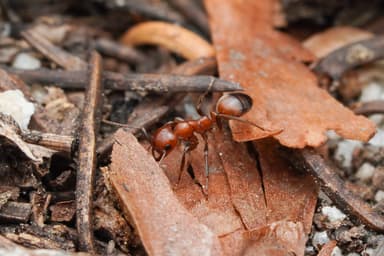
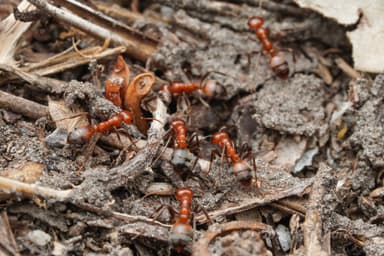
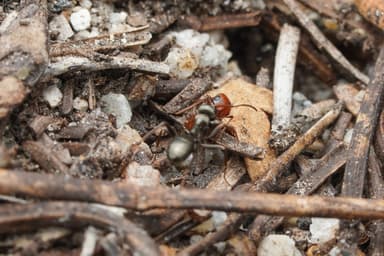
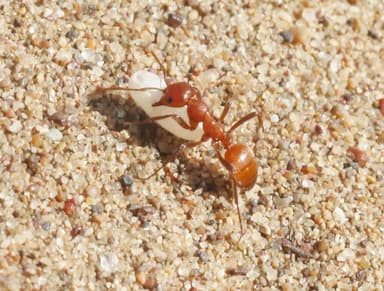
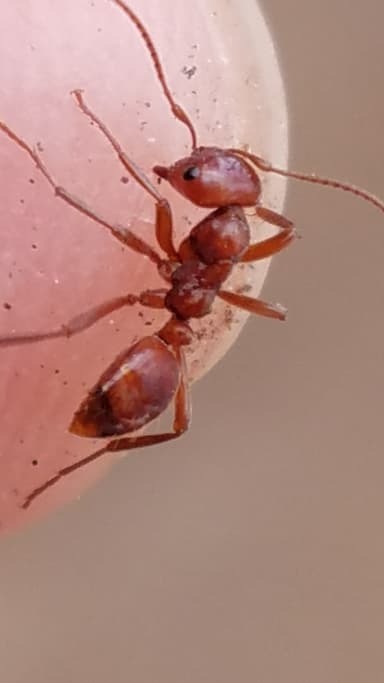
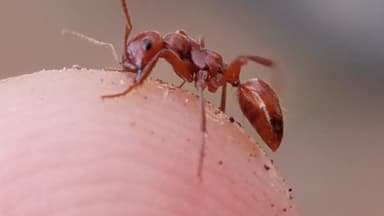
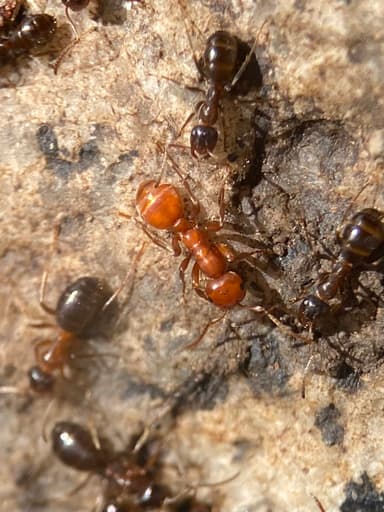
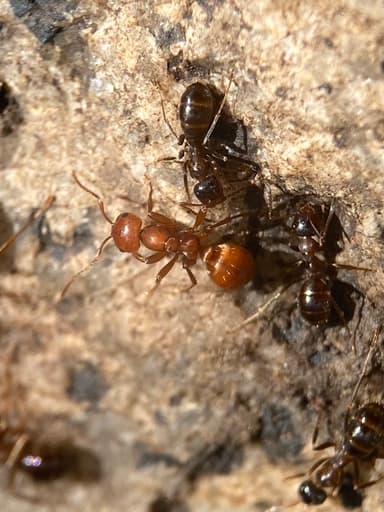
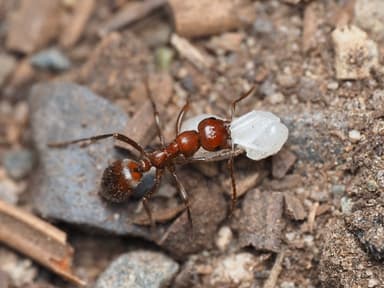
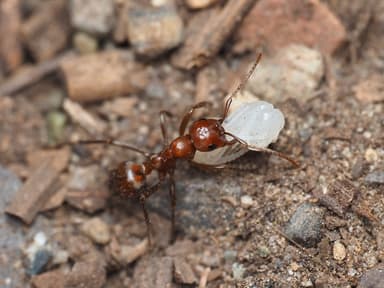
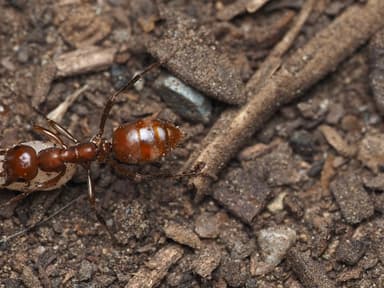
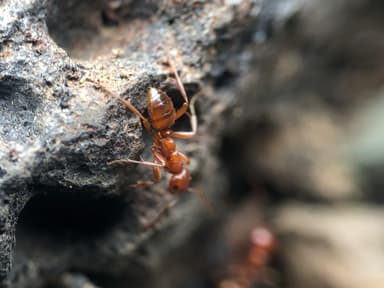
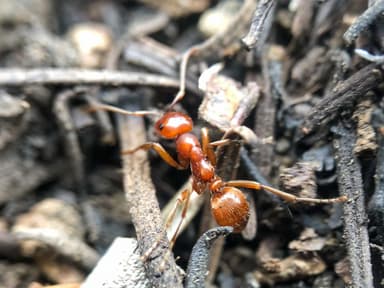
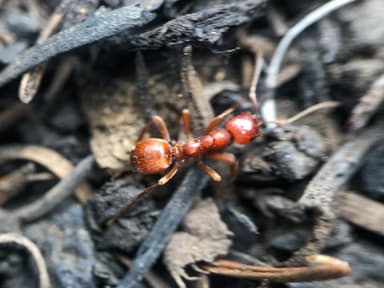
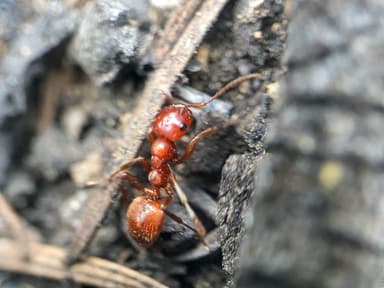
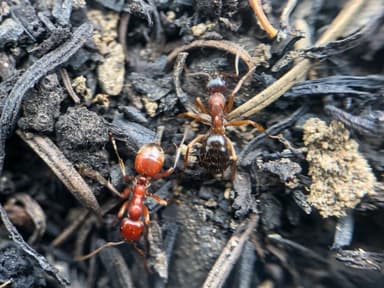
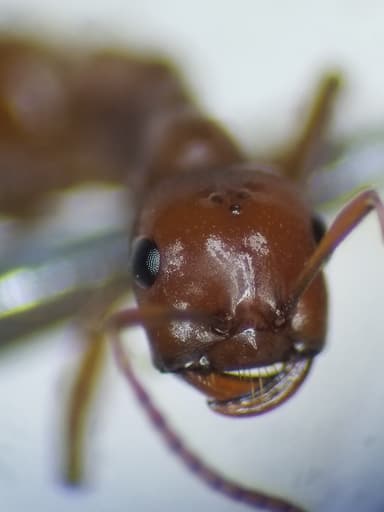
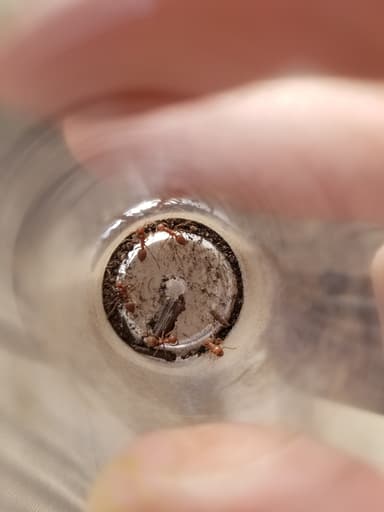
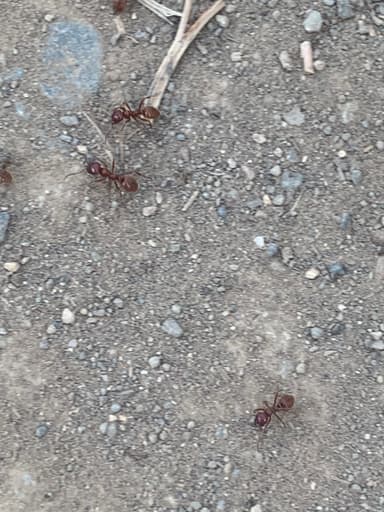
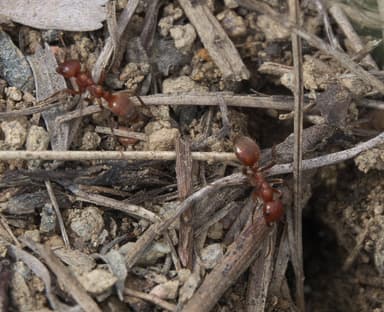
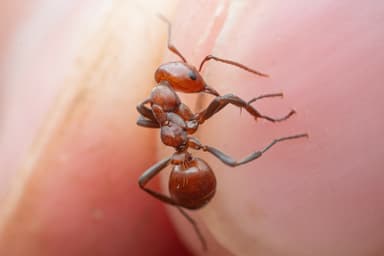
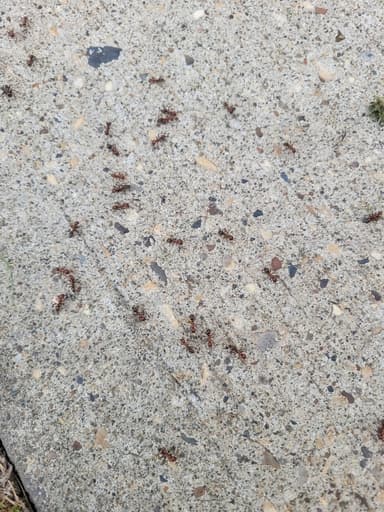
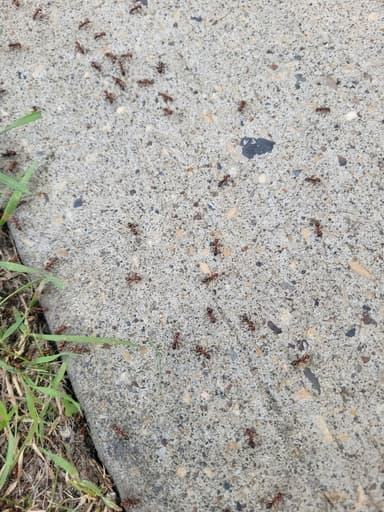
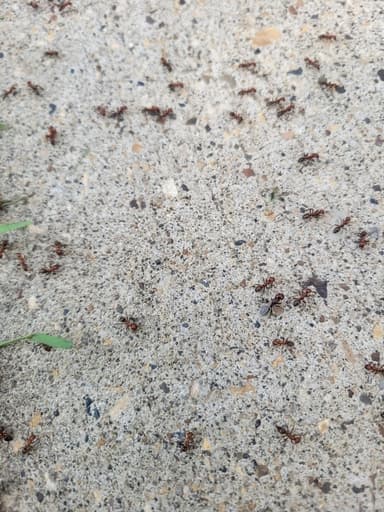
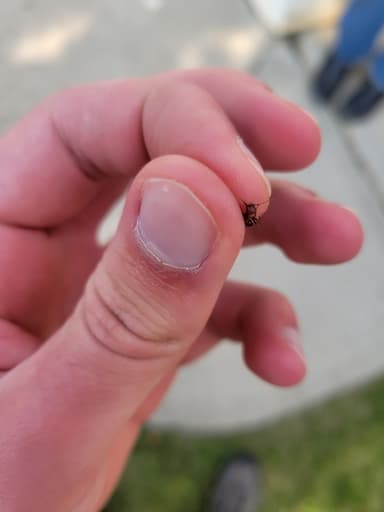
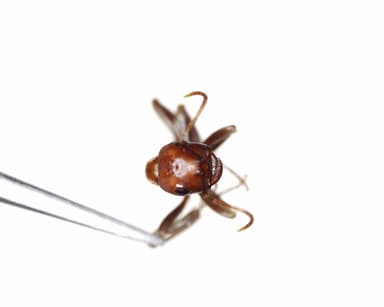
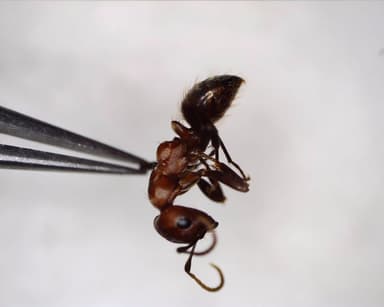
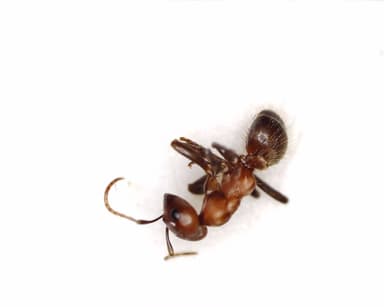
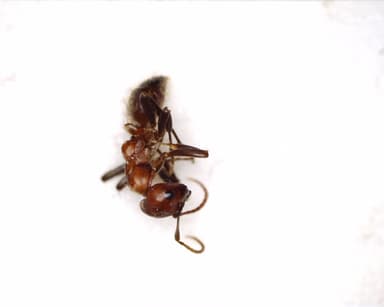
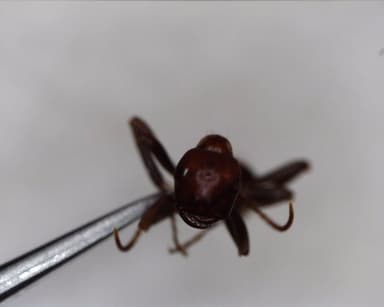
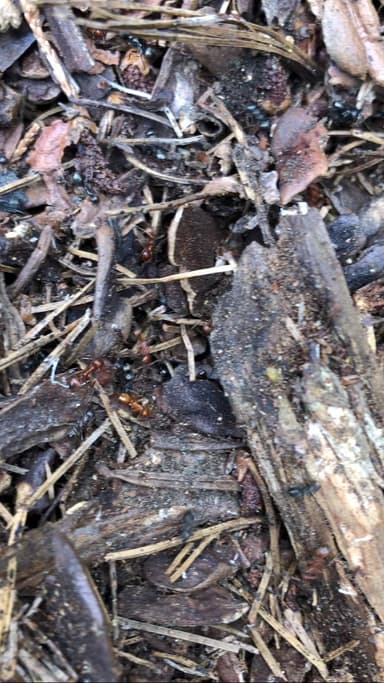
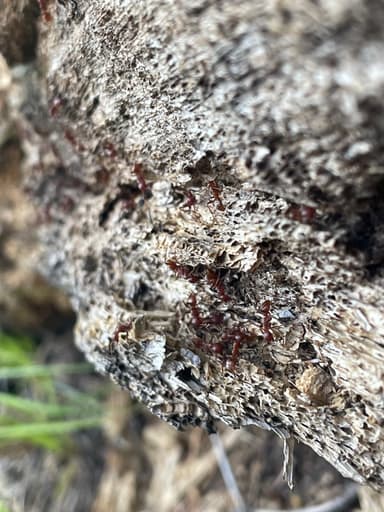
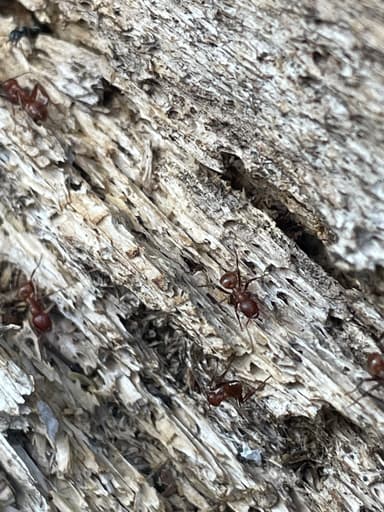
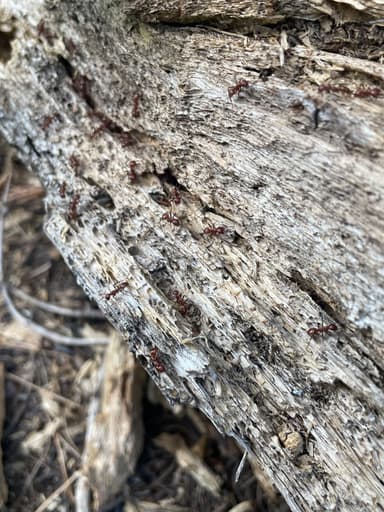
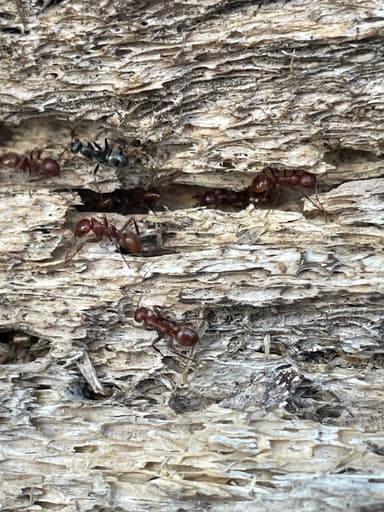
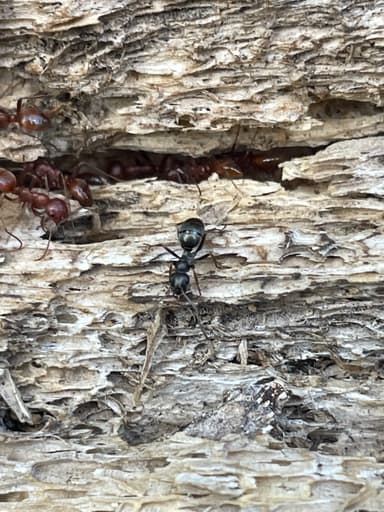
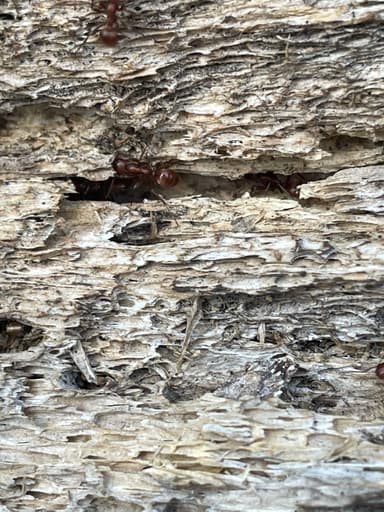
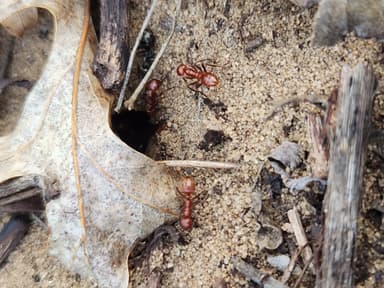
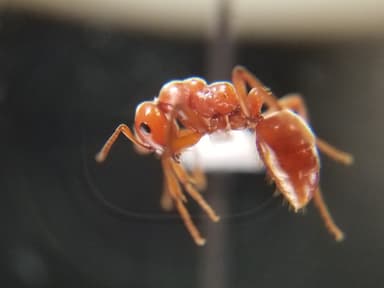
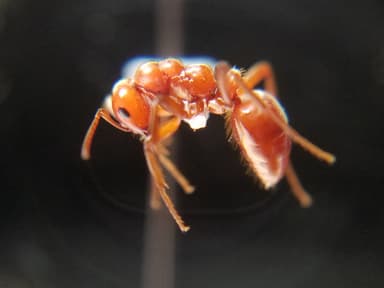
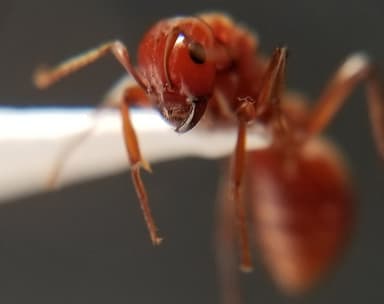
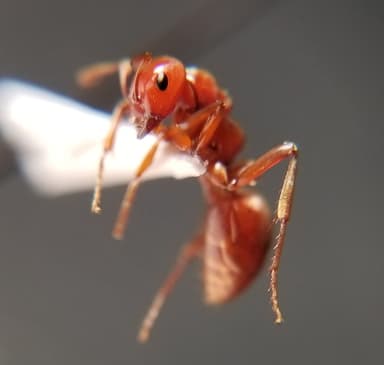
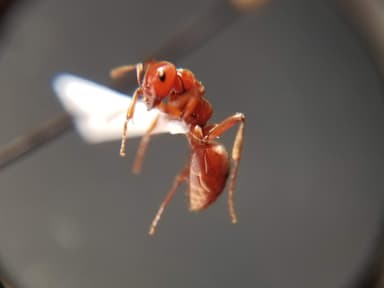
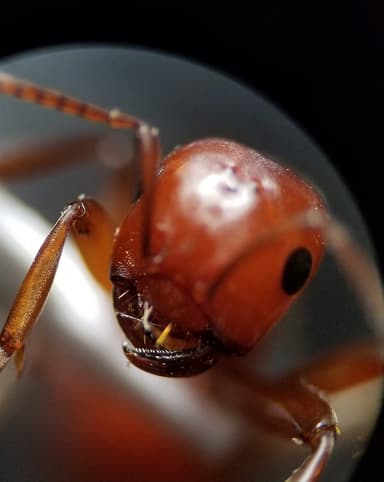
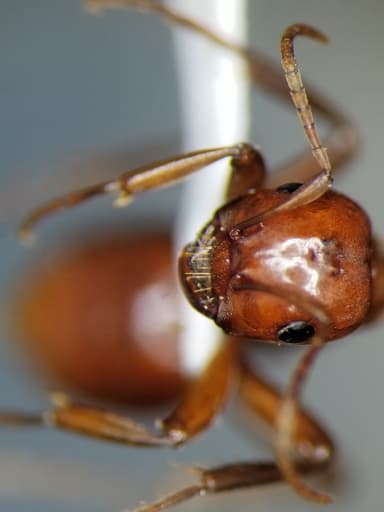
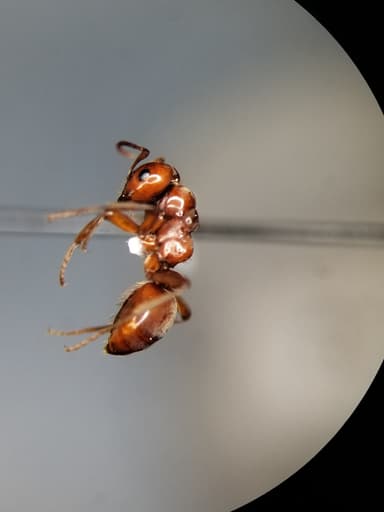
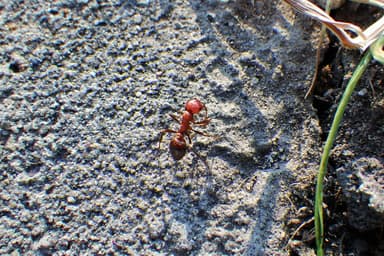
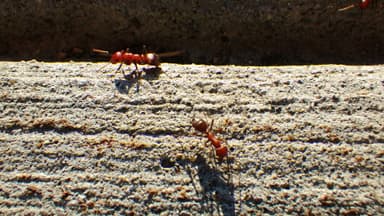
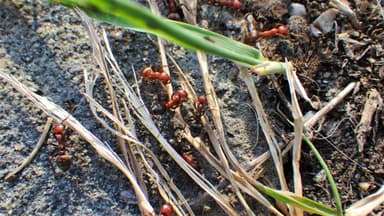
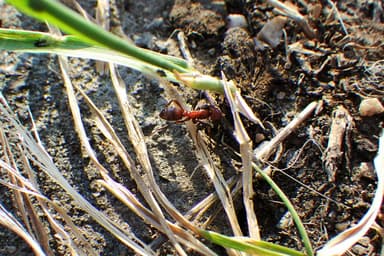
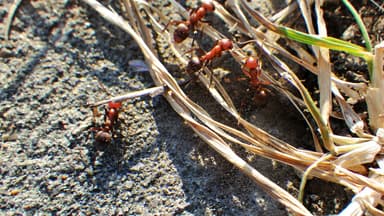
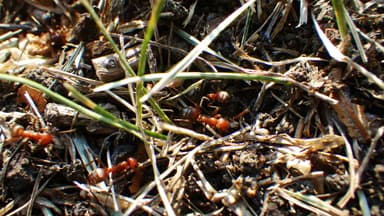
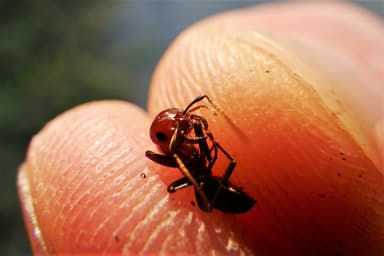
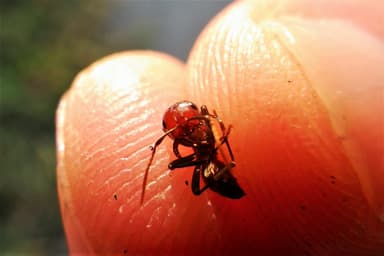
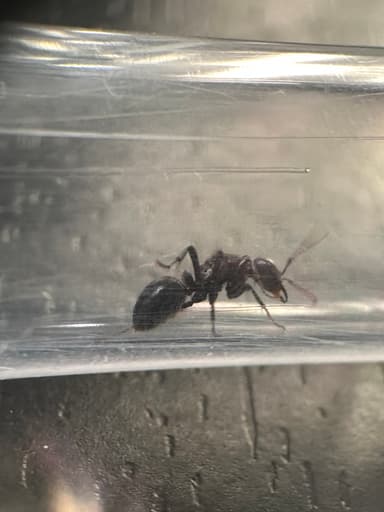
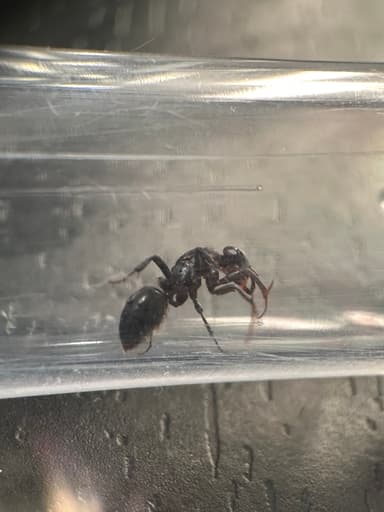
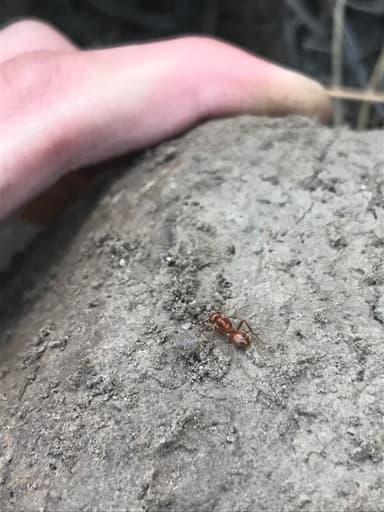
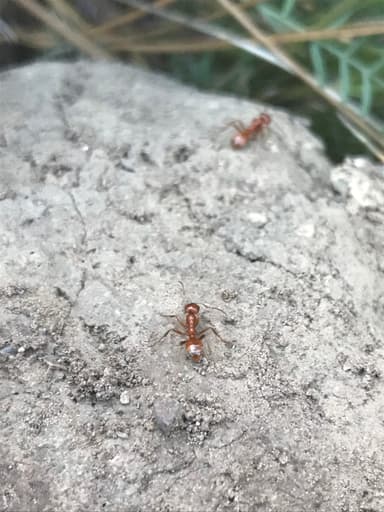
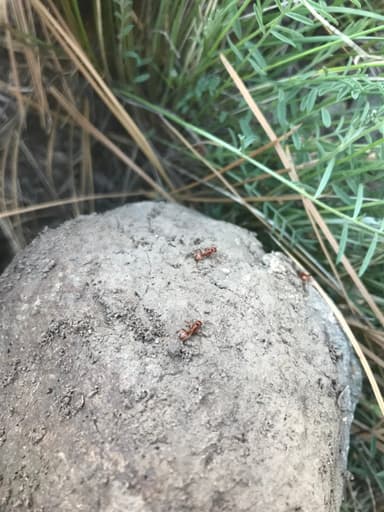
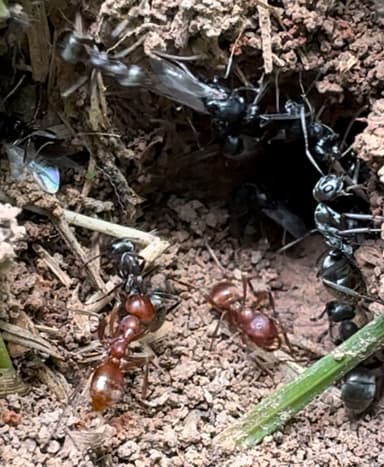
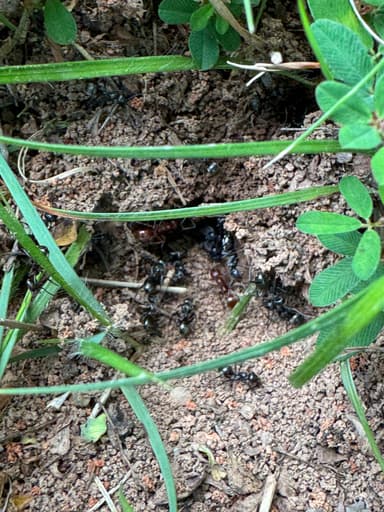
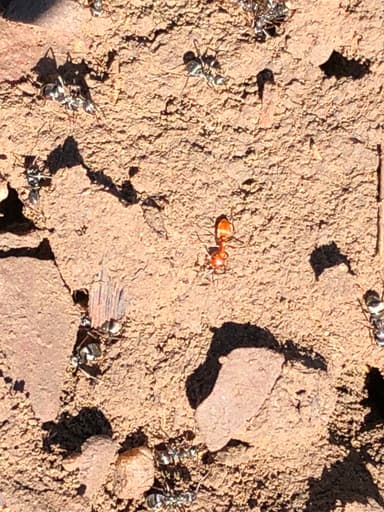
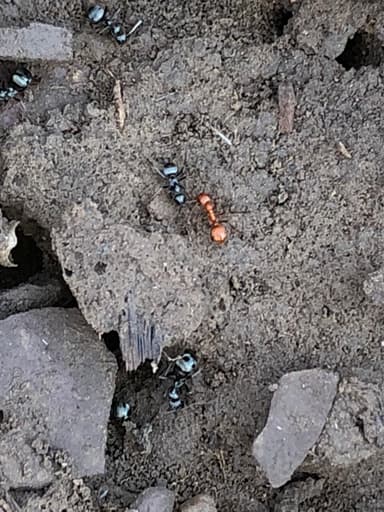
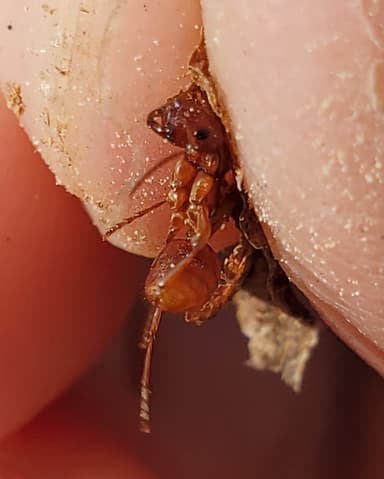
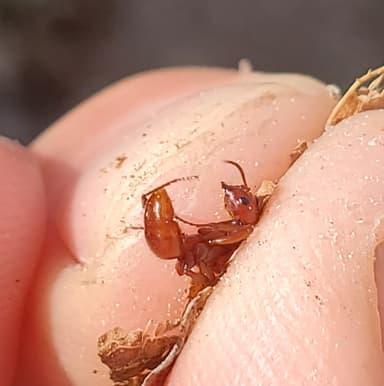
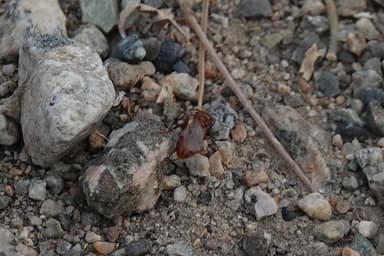
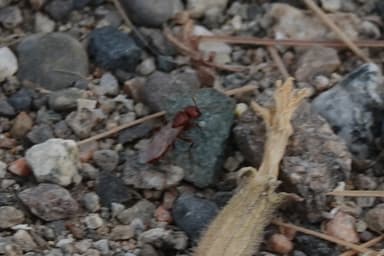
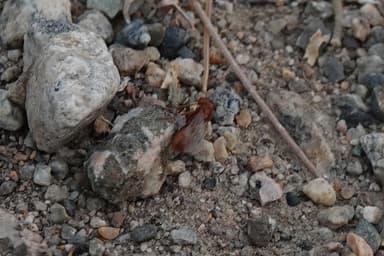
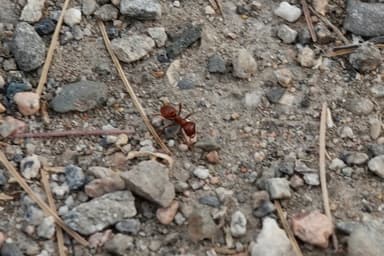
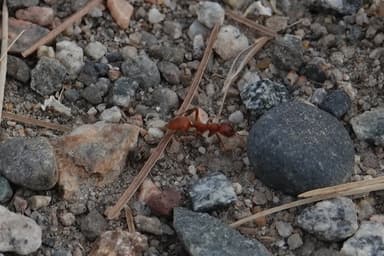
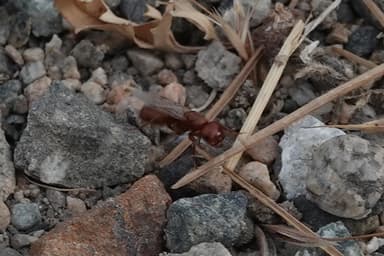
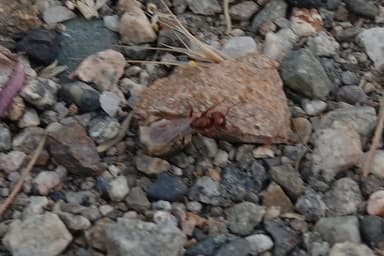
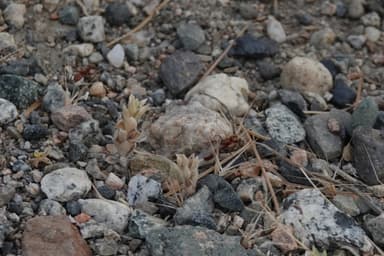
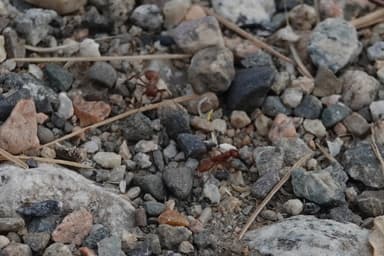
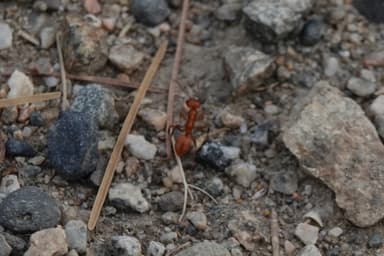
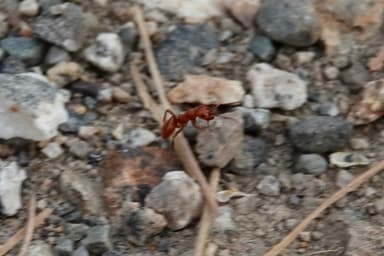
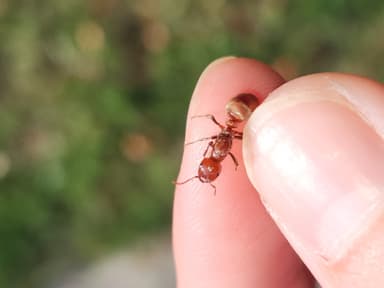
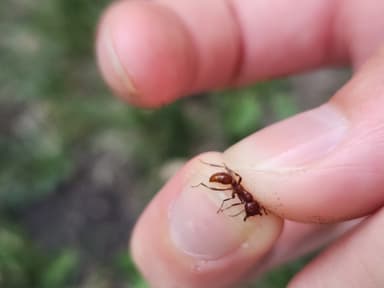
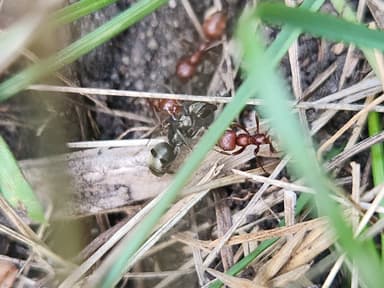
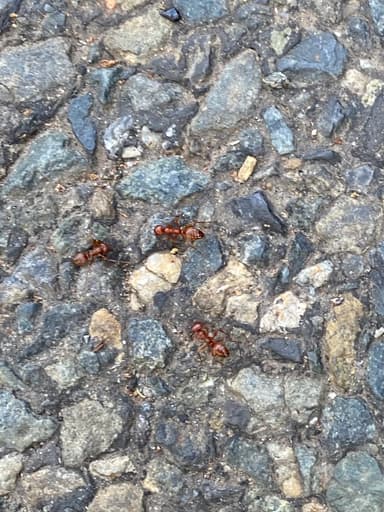
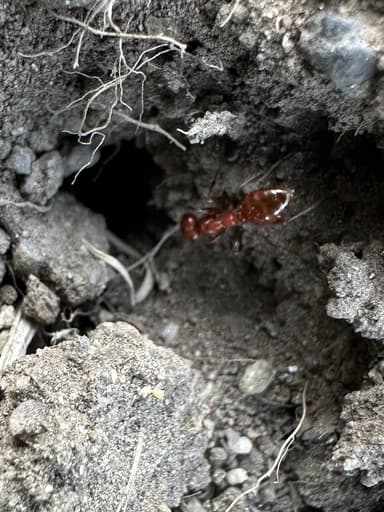
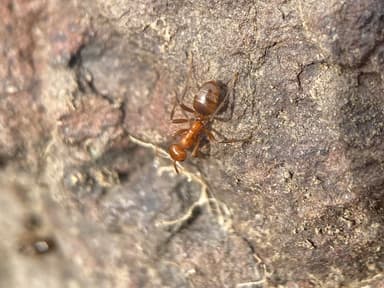
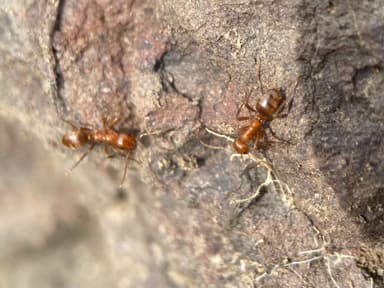
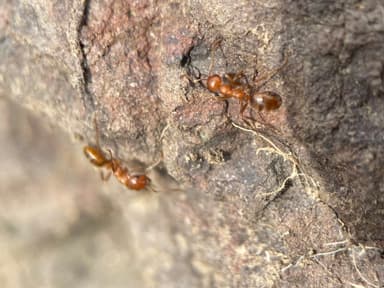
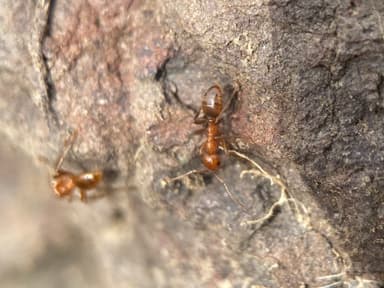
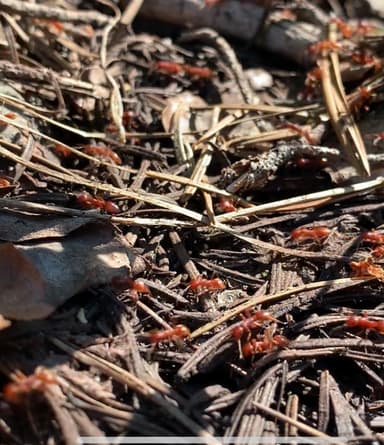
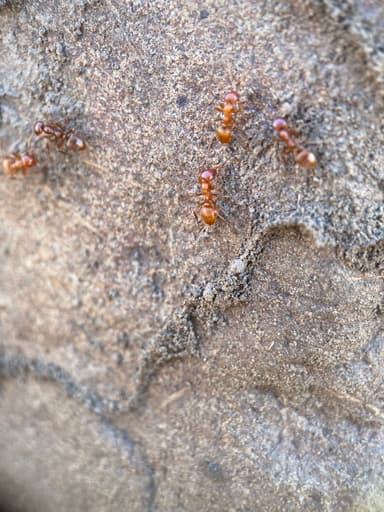
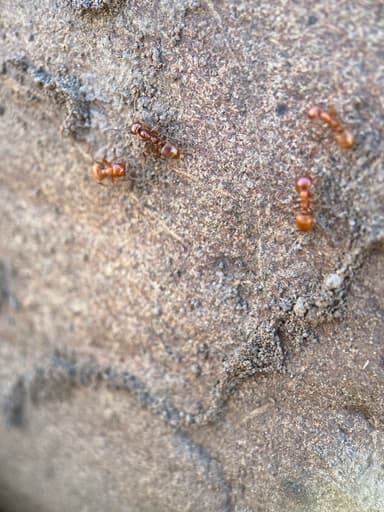
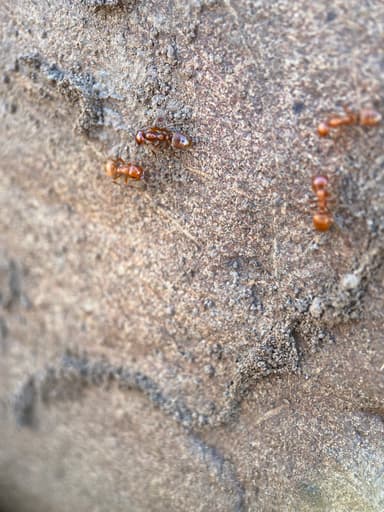
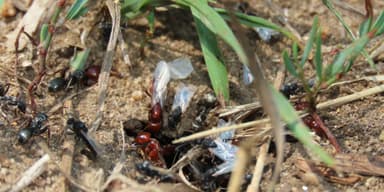
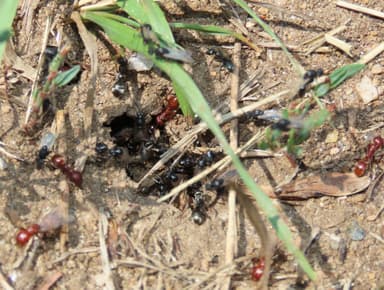
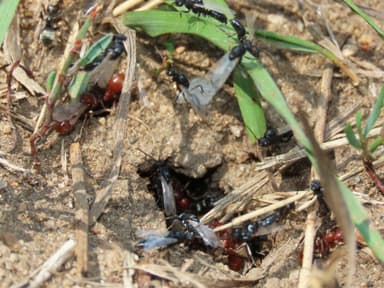
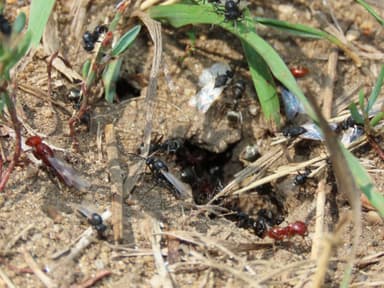
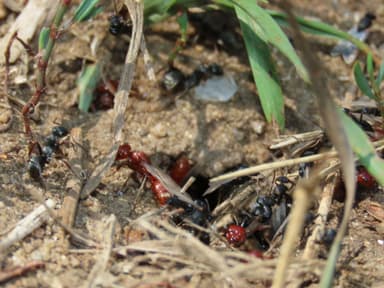
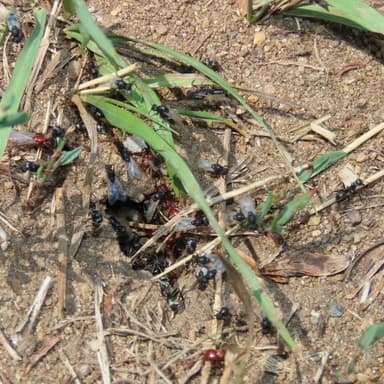
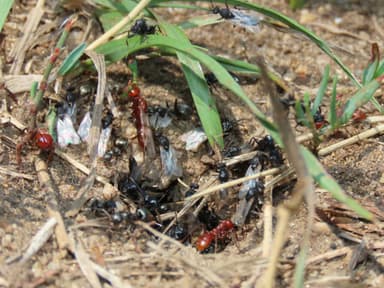
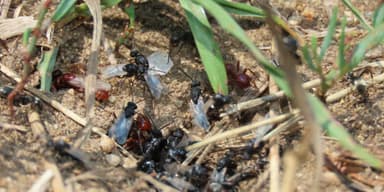
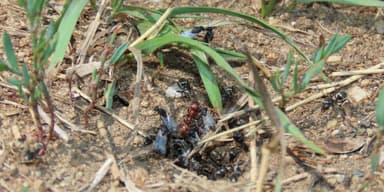
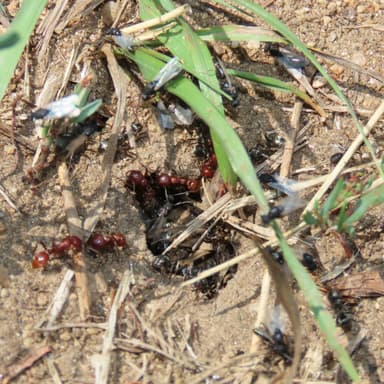
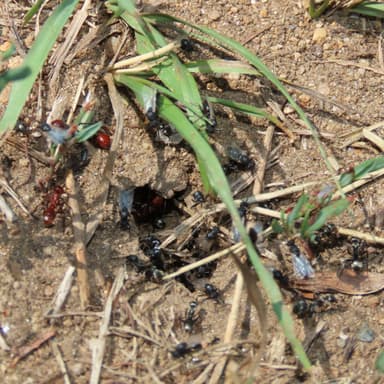
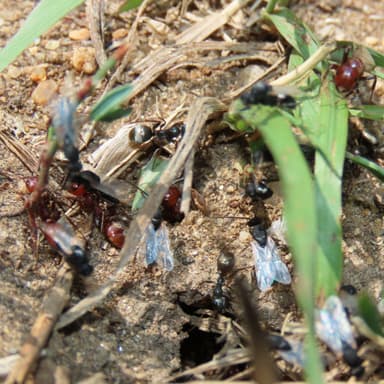
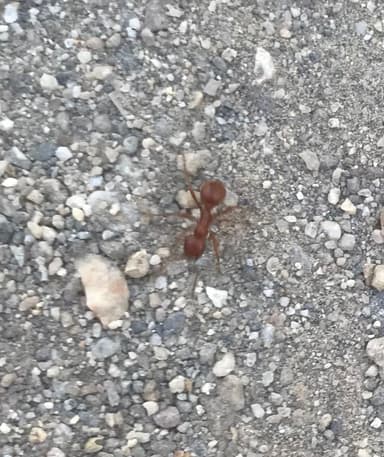
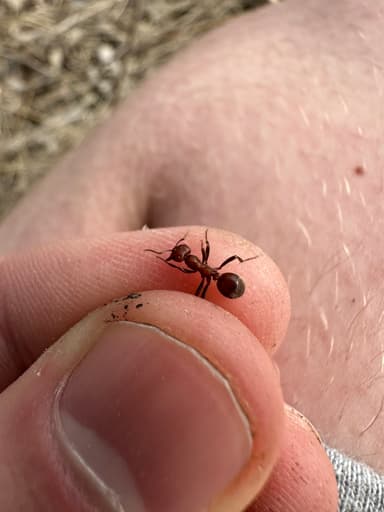
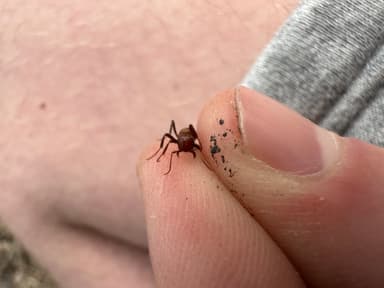
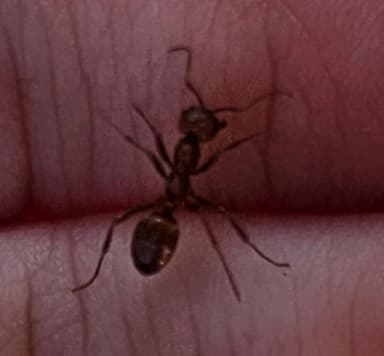
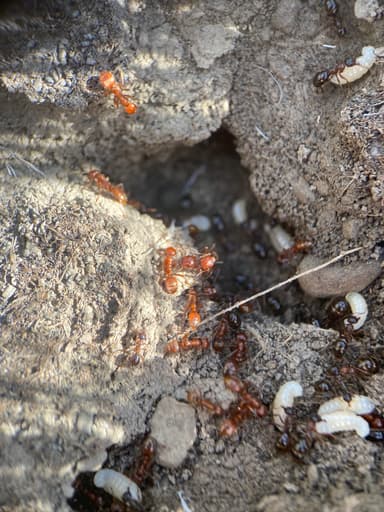
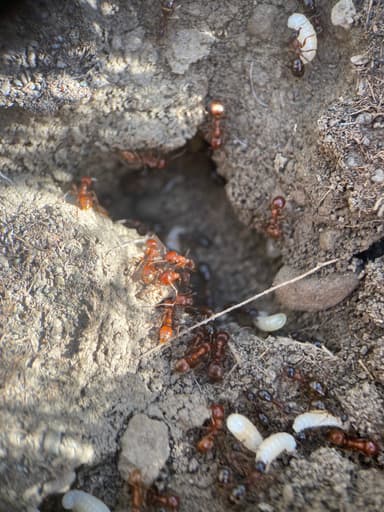
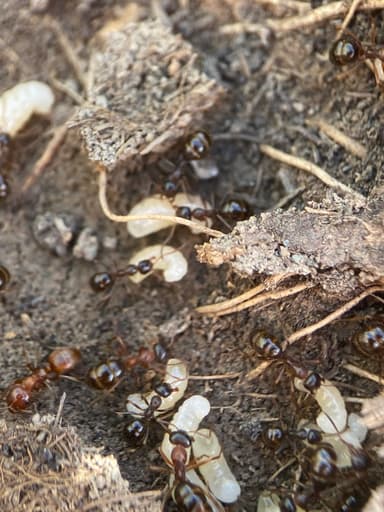
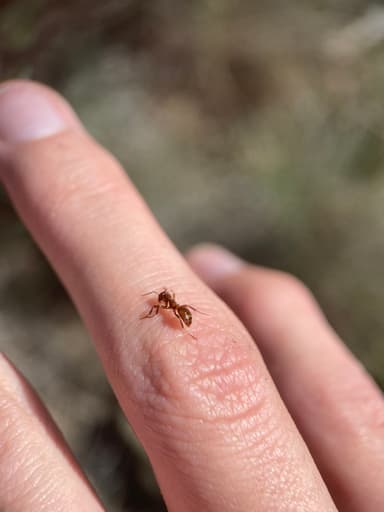
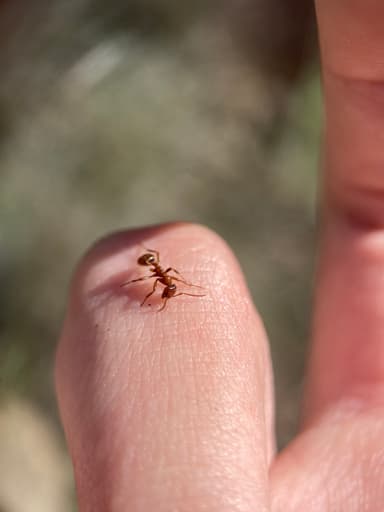
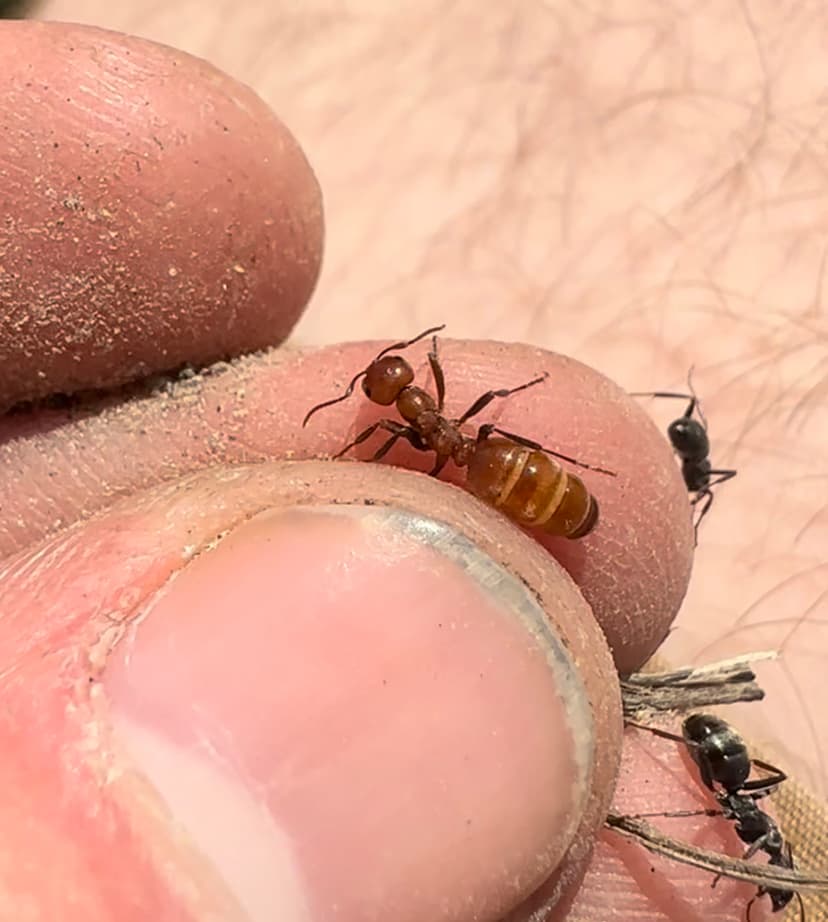
Polyergus mexicanus, the western Amazon ant, is a strikingly beautiful and behaviorally fascinating species that embodies the drama of obligate social parasitism. Workers range from 5.5 to 7.5 mm, with a sleek, monomorphic build and the typical amber-red hue of their genus, while queens are more robust at 7 to 9 mm. Colonies are relatively modest in size, maxing out around 3,000 individuals, but their lifestyle is anything but ordinary. This ant does not forage, nurse brood, or even feed itself—instead, it depends entirely on enslaved workers of Formica species, which it acquires through highly coordinated, pheromone-driven raids. Found across western North America from the southern Canadian provinces down into Mexico, P. mexicanus exhibits classic dulotic behavior, a trait that has captivated myrmecologists for decades and is the subject of extensive research, including Trager’s (2013) definitive revision of the genus. For the ant keeper, it offers a rare window into one of evolution’s most extreme specializations, but this comes with exceptional demands.
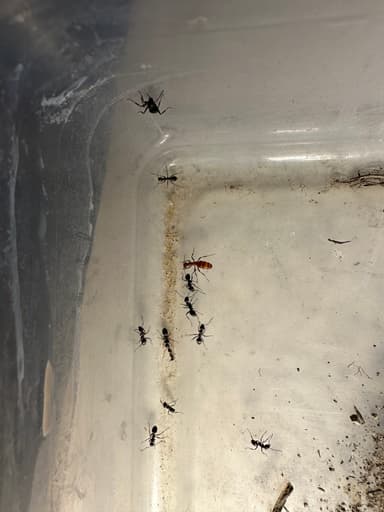
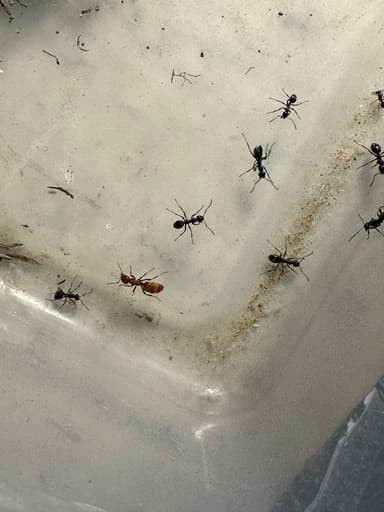
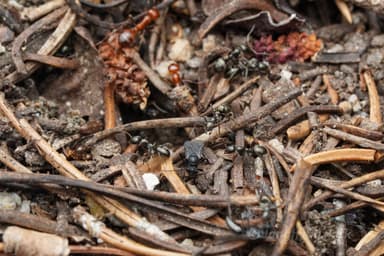
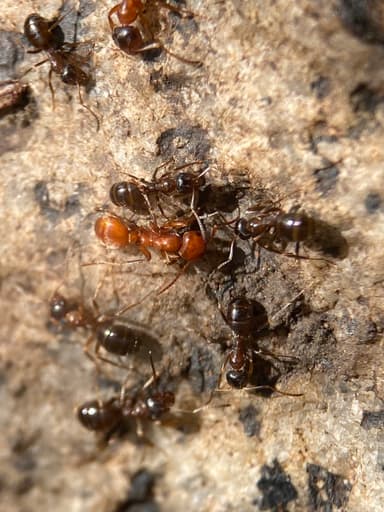
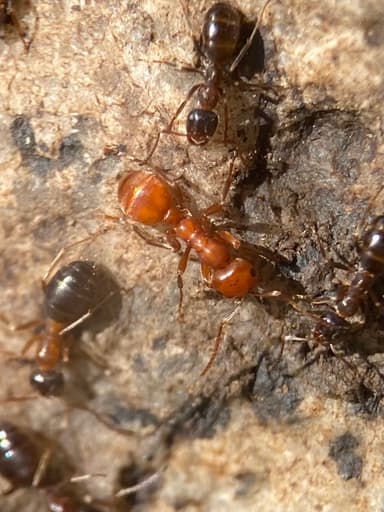
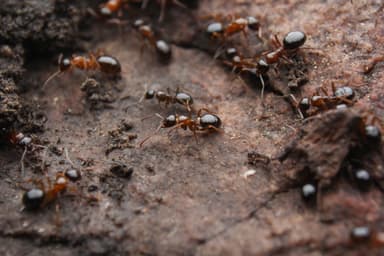
Given its parasitic nature, Polyergus mexicanus is unambiguously an expert-level species that should only be attempted by keepers with a thorough grasp of ant husbandry and, ideally, prior experience maintaining socially parasitic ants. The core challenge lies in its inability to survive without a robust, well-established population of host workers, typically drawn from the Formica fusca group, which must be continuously replenished via raiding or manual introduction of pupae. Founding is the first major hurdle: a newly mated queen cannot start a colony on her own. She must invade a Formica nest, kill the resident queen, and be adopted by the adult workers, a process documented in detail for related species by Topoff and Zimmerli (1993). In captivity, this means a keeper must either provide a mature queen with a ready-made host fragment or simulate the takeover, a delicate and often unpredictable procedure. Even after establishment, the captive colony requires a sprawling setup that allows both the Polyergus raiders and their Formica workforce to coexist, with the constant need to supplement the slave population as older workers die off. This species is not suited for casual observation; it demands a keeper’s proactive engagement and a resource-rich environment.
Housing for this dual-species system must prioritize security and ample space, as well as stable physical parameters. The core nest area can be a naturalistic soil or sand-clay mixture, or a modular formicarium with medium-sized chambers, kept at a steady temperature between 18 and 28°C, with a humidity gradient of 50 to 70 percent. Because Polyergus workers are specialized raiders and will not perform routine tasks, the foraging arena must be large and complex enough to permit raids and to house the Formica slaves, which will do all the garbage disposal, brood care, and food distribution. A deep layer of substrate in the outworld allows the host ants to dig minor galleries and feel secure. In practice, many successful keepers house the colony in a large terrarium-style setup with a plaster or ytong nest block connected to a spacious foraging tank. Crucially, all barriers must be absolutely escape-proof; a slave revolt or a breakout during a raid attempt can swiftly lead to the colony’s collapse.
Feeding a Polyergus colony is an exercise in understanding trophic dependency. Neither the queen nor her warriors can consume solid food or imbibe liquids on their own—they lack the motor patterns to manipulate prey or even drink from a drop of honeywater. Instead, all nutrition is mediated through the Formica slaves, which must be offered a varied diet of insect protein (such as fruit flies, crickets, or mealworms) and a carbohydrate source like diluted honey or sugar water. The host workers will feed their masters via trophallaxis, mirroring the natural cycle in which slave-makers obtain regurgitated meals from slaves that have foraged on aphid honeydew and scavenged arthropods. Fresh water should always be available in a test tube or a small dish with a cotton stopper, positioned so the host workers can access it easily. Observant keepers will notice that Polyergus rarely approach food directly; instead, they solicit food from passing slaves, a ritual that reinforces their complete behavioral reliance.
A mandatory hibernation period is non-negotiable for the long-term health of the colony. Both the parasite and its hosts require a cool dormancy, as their biology is deeply tied to the seasonal rhythms of western North America. The colony should be gradually cooled in autumn until it reaches a stable 8°C, and kept at that temperature for at least three to four months. This can be achieved in a wine cooler, a dedicated insect fridge, or an unheated cellar that does not freeze. During diapause, activity ceases almost entirely, and the ants cluster in a tight mass. Neglecting to hibernate will disrupt the annual cycle, leading to reduced queen fecundity, worker die-off, and eventual colony failure. When warming the colony in spring, do so gradually over a week or two, and resume feeding as soon as the Formica workers become active again.
The initial days after acquiring a Polyergus mexicanus queen or a small founder colony are critical and fraught with risk. If you have received a recently mated queen, she must be introduced to a host colony fragment without delay. The most reliable method is to provide her with a batch of Formica pupae plucked from a thriving donor colony, along with a handful of callow (newly eclosed) workers that are more easily imprinted. Placing the queen in a darkened tube with damp cotton and these resources, and minimizing disturbance, gives her the best chance to establish an adoption pheromone signal. If you have purchased an already founded unit, focus on settling the entire group into the prepared formicarium with minimal vibration or light stress. Offer a small dab of honeywater and a pre-killed insect within an hour of installation, but do not be alarmed if the Polyergus themselves ignore it; watch instead that the host workers begin to feed and tend to the queen. Avoid the temptation to peek for the first 24 hours, and thereafter monitor only briefly each day for signs of aggression between the two species. Once the slaves are foraging and trophallaxis is observed, you can gently increase feeding frequency and begin to plan for the colony’s long-term stability, always with the knowledge that you are maintaining a finely balanced social partnership forged by millions of years of evolution.