Odontomachus
Odontomachus clarus
Nuptial Flight Calendar
Flight months: Jun, Jul, Aug, Sep
Care Guide
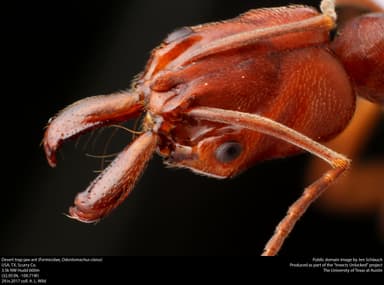
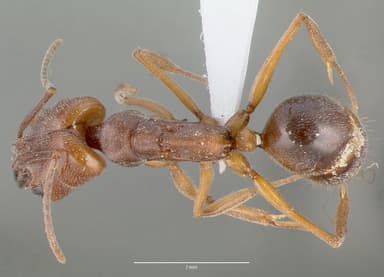
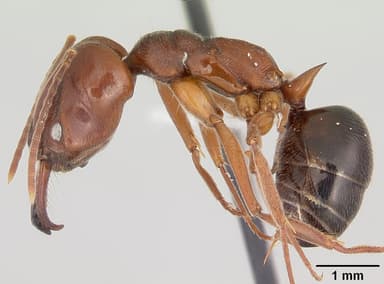
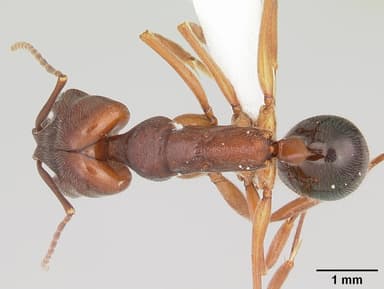
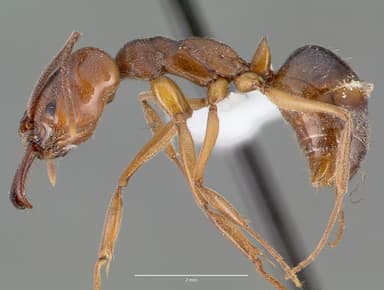
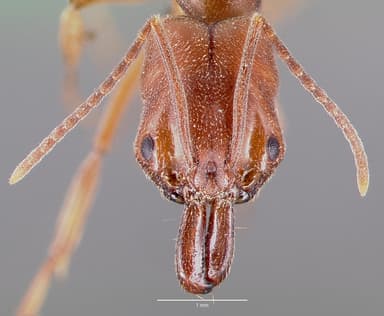
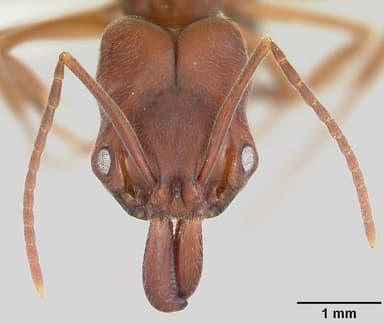
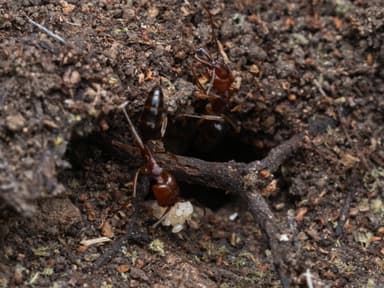
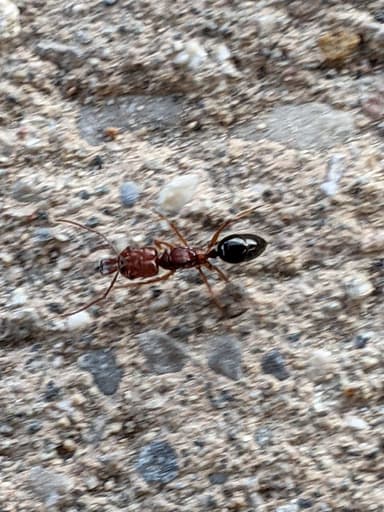
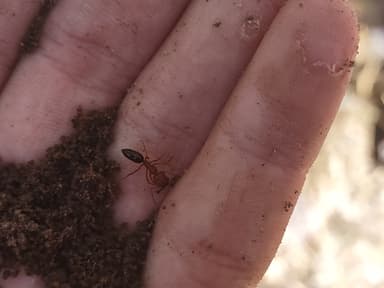
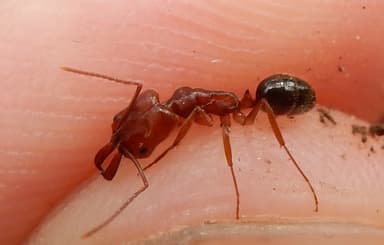
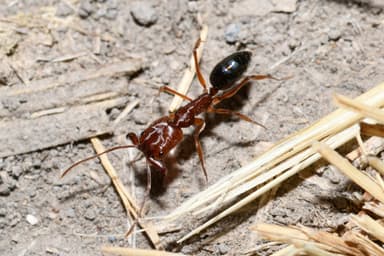
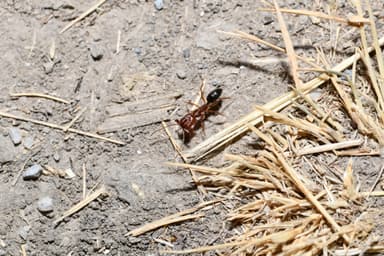
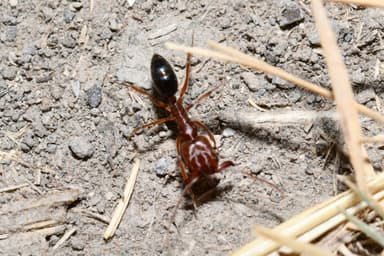
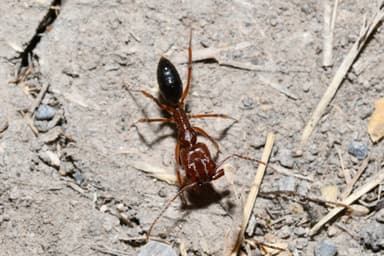
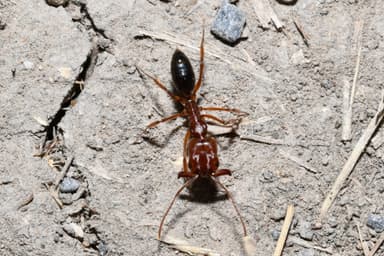
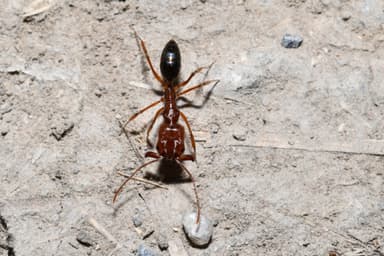
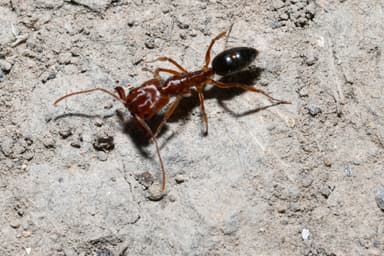
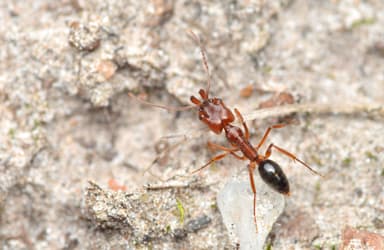
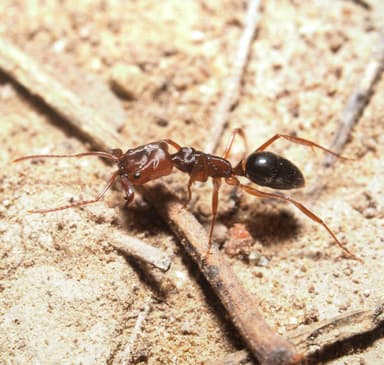
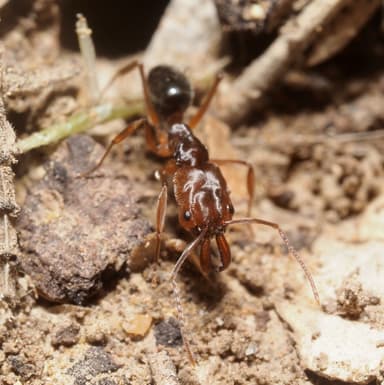
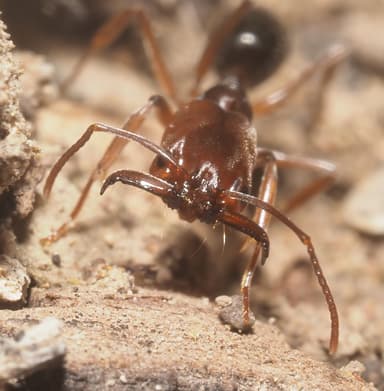
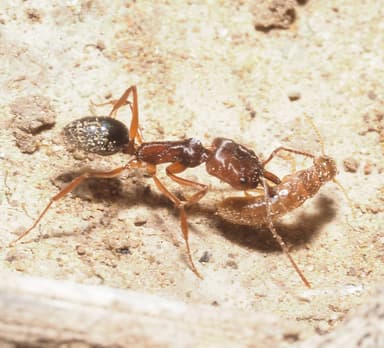
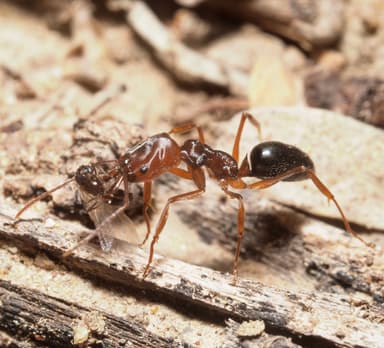
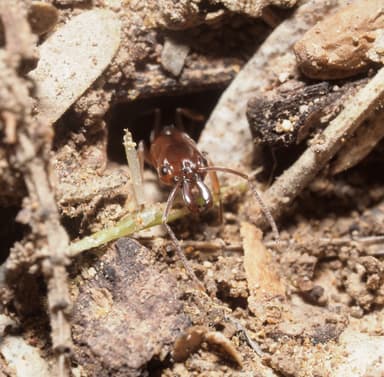
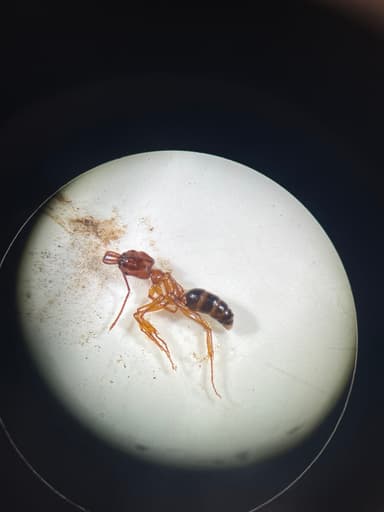
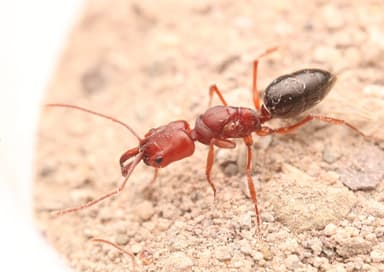
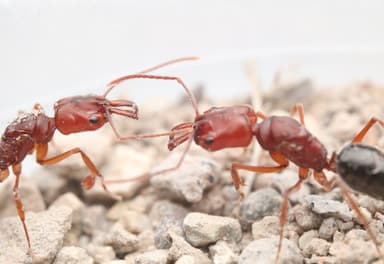
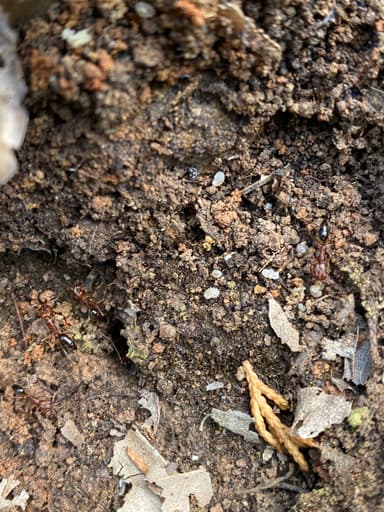
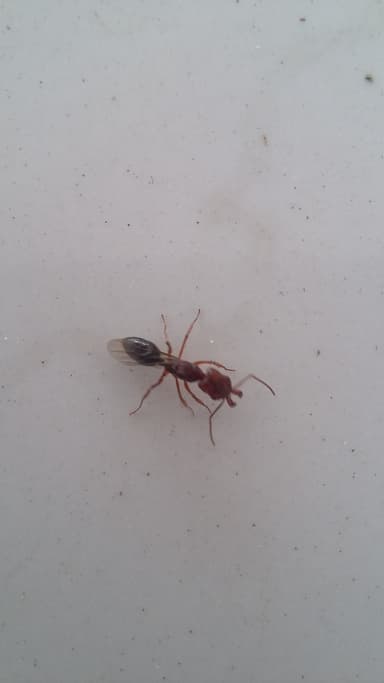
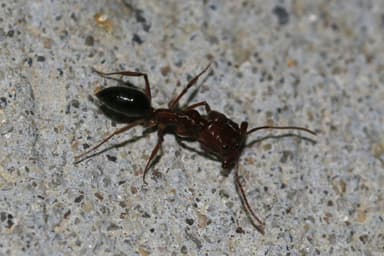
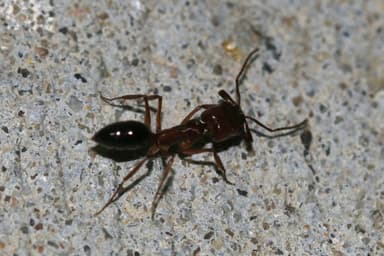
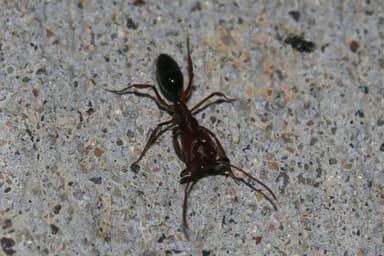
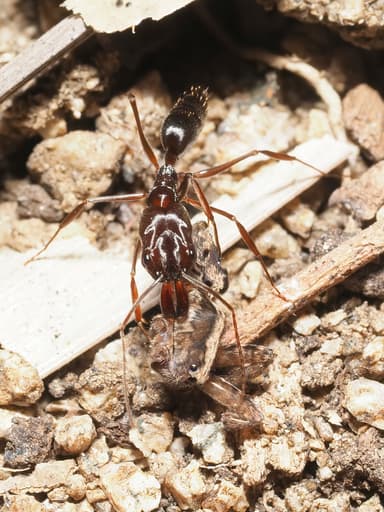
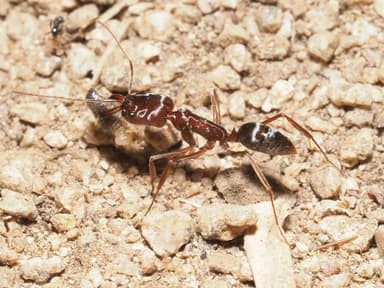
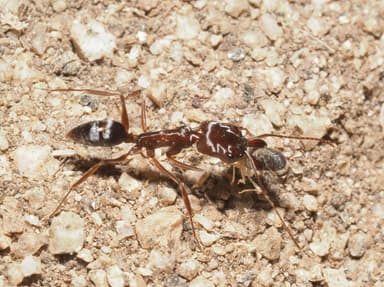
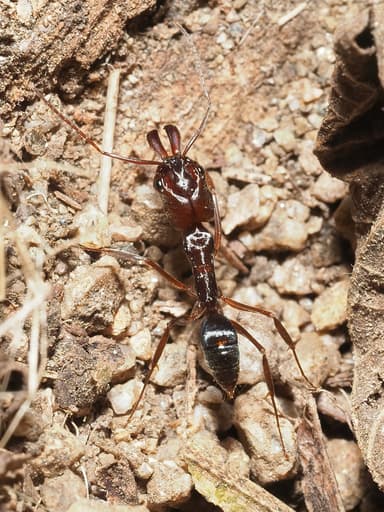
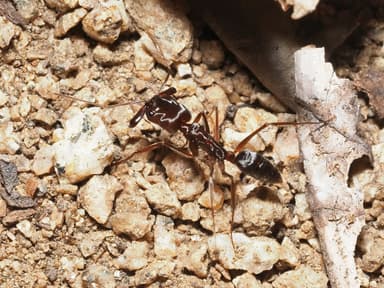
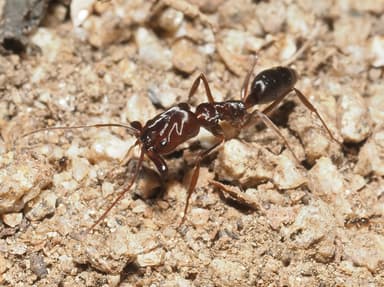
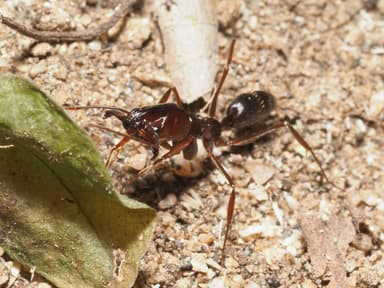
Odontomachus clarus, a striking member of the trap-jaw ant clan, commands immediate attention with its elongated mandibles and sleek, mahogany-colored body. Queens measure a robust 14 to 16 millimeters, while the uniformly sized workers range from 11 to 13 millimeters, lacking any polymorphism or distinct castes beyond the single minor worker form. Colonies remain modest by ponerine standards, reaching up to around 400 individuals at maturity. The defining feature, of course, is the pair of highly specialized jaws held agape at 180 degrees, capable of snapping shut at over 60 meters per second — among the fastest animal movements ever recorded (Spangler & Taber 1970). This ballistic strike, powered by a latch-spring mechanism, can be deployed lethally against prey or defensively to launch the ant backwards in a prodigious leap, a behavior that doubles as both a startle tactic and a rapid escape. In the wild, these ants inhabit arid scrublands and thorn forests from the southwestern United States south into northern Mexico, where their claustral founding and nocturnal foraging rhythms align with the monsoon cycle.
This species earns an intermediate care grade, making it best suited for keepers who have successfully maintained a few beginner colonies and are ready for a more responsive, escape-prone challenge. While Odontomachus clarus is not as demanding as some tropical ponerines, its lightning-fast movements and powerful sting demand respect and deliberate, escape-proof housing. The workers are keenly visual and will react to shadows or vibrations with hair-trigger jumps, so a calm handling environment and a well-secured outworld are non-negotiable. The sting, though not medically significant to most, delivers a sharp, memorable burn. For the hobbyist who relishes observing dramatic predatory behaviors and appreciates a colony with a bit of spunk, the rewards far outweigh the extra precautions. These ants are active hunters, not shy recluse, and they will readily display their jaw-snapping prowess during feeding, providing endless fascination.
Housing must prioritize security, generous foraging space, and a reliable moisture gradient. Given their leaping ability, the outworld lid should form a tight seal; a layer of fluon or a similar barrier alone is often insufficient, as startled workers can clear several centimeters in a standing jump. A naturalistic glass or acrylic nest with a hydration chamber works beautifully, with temperatures maintained between 22 and 30 degrees Celsius and relative humidity hovering between 50 and 70 percent. A temperature gradient within the nest — warm and drier near one end, cooler and moister near the other — allows the colony to self-regulate brood development. For substrate, a mix of sandy soil and clay mimics their native bajada soils; keepers have also found success with grout nests or ytong, provided the humidity levels are monitored with a hygrometer. Provide ample hiding spots, such as cork bark or small clay shards, as the colony prefers to retreat into tight crevices after hunting expeditions. A red film over the nest area helps observe their crepuscular and nocturnal activities without disturbance, as they are especially active during twilight hours.
Feeding these voracious insectivores is straightforward and deeply entertaining. Protein should form the bulk of their diet: live or freshly killed crickets, roaches, mealworms, and fruit flies are all eagerly accepted. The workers will track prey using their keen eyesight, then lunge forward with those arresting jaws, often stunning larger insects with the impact alone. Prey items should be sized appropriately — no larger than the workers themselves — to avoid injury. Supplement protein with a small carbohydrate source: a dilute honey-water solution, a drop of pure maple syrup, or seasonal fruit scraps like melon rind. Water is essential and must be available at all times, either through a water tube, a saturated cotton ball, or the nest’s hydration system. Avoid open water dishes in the outworld, as workers can easily become trapped; instead, use a test-tube setup or a cotton-plugged feeding dish. Feed twice weekly for small colonies, increasing to three or four times as they grow, and remove any uneaten prey after 24 hours to prevent mold.
One welcome relief is that Odontomachus clarus does not require a cooling hibernation period. Originating from a subtropical climate where winters are mild and brief, these ants remain active year-round when kept indoors at stable room temperatures. There is no need to dial down the thermostat or move them into a cold room; doing so can stress the colony and stall brood production. The absence of a dormancy requirement simplifies care and makes them a lively presence even in the depths of winter, as long as the ambient temperature doesn’t dip below 22 degrees Celsius for extended periods.
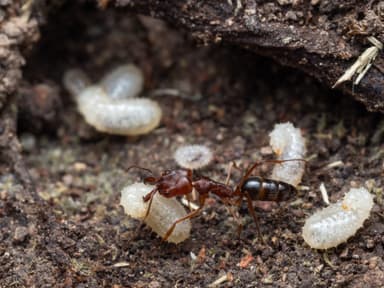
The initial days following acquisition are critical for a newly mated queen or a young colony. If you’ve purchased a founding queen, place her in a standard test-tube setup with a water reservoir and keep her in a dark, vibration-free location at about 25 degrees Celsius. She will not need food until her first workers eclose — this is the hallmark of claustral founding. Resist the urge to check on her more than once a week, as stress can cause brood consumption. Once the first pale callows darken and begin exploring the tube, you may offer a tiny drop of honey and a pre-killed fruit fly at the tube entrance. For a small colony with a few workers, connect the tube to a modest outworld and provide a small insect within a day. Expect some initial skittishness; the workers may jump erratically for the first week. Minimize vibrations and use dim red light for observations. Watch closely for signs of foraging activity and consistent brood care — both indicators that they are settling in well. With steady warmth, gentle acclimation, and a respectful hand, your Odontomachus clarus colony will soon reveal the full spectacle of its primitive elegance.