Neoponera
Neoponera villosa
Nuptial Flight Calendar
Flight months: Jan, May, Jun, Jul, Aug
Care Guide
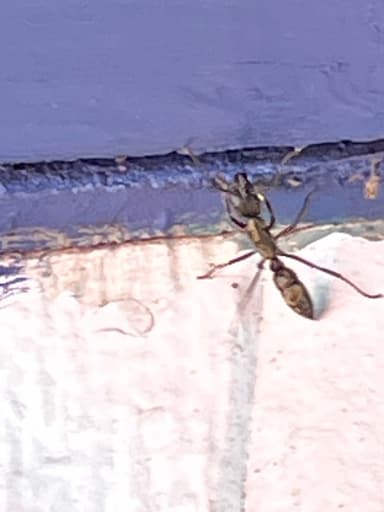
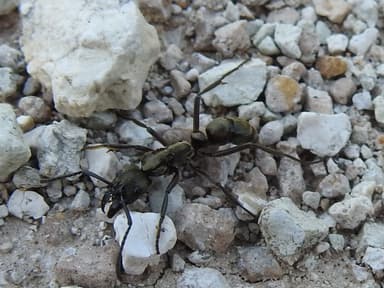
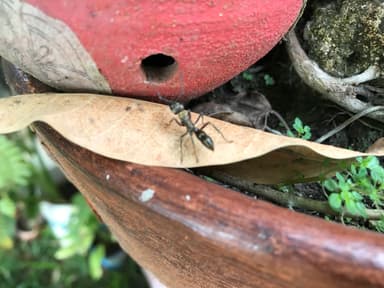
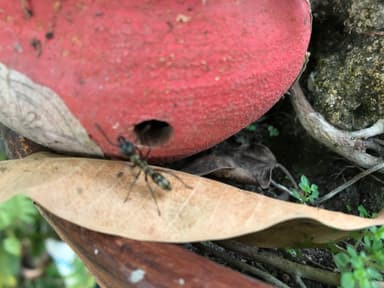
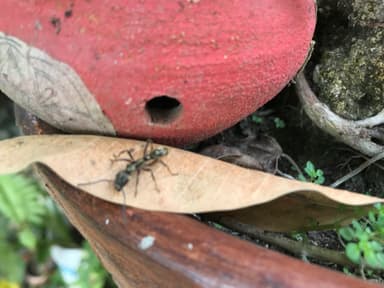
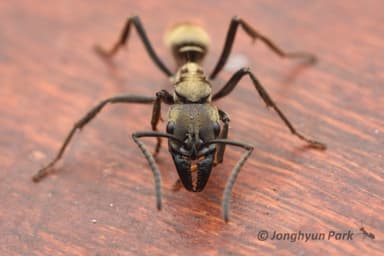
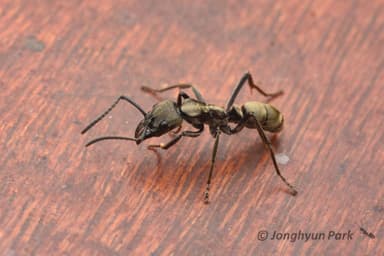
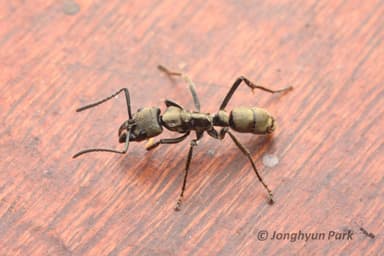
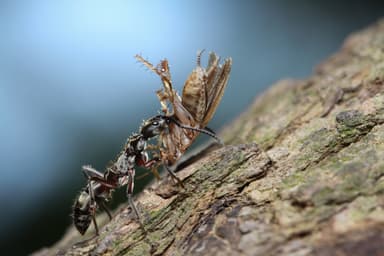
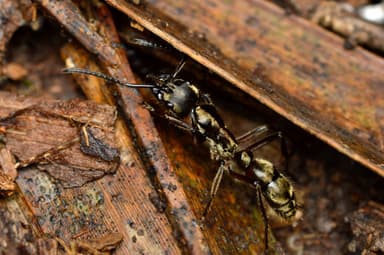
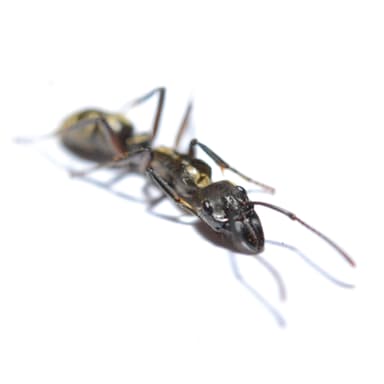
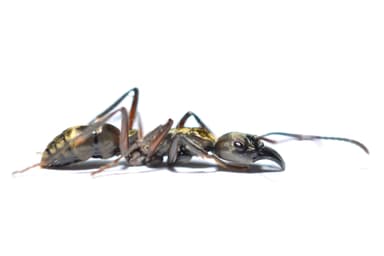
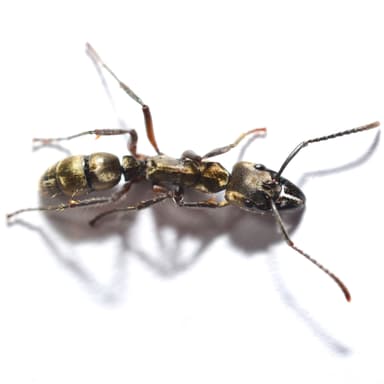
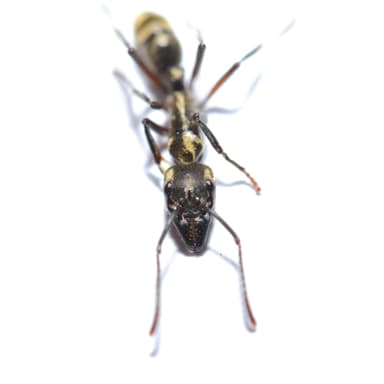
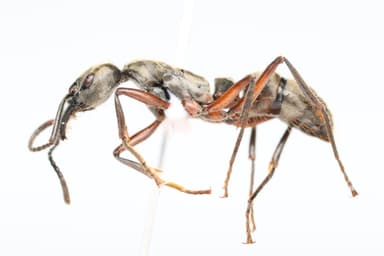
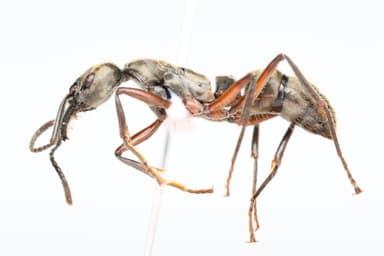
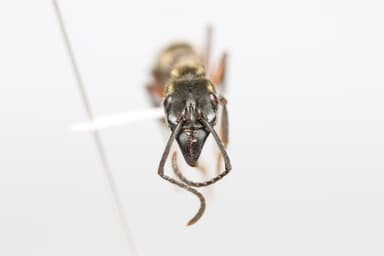
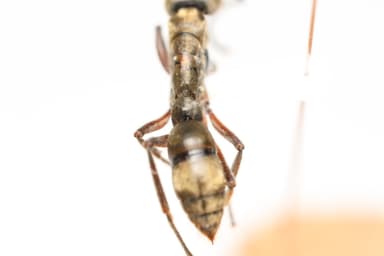
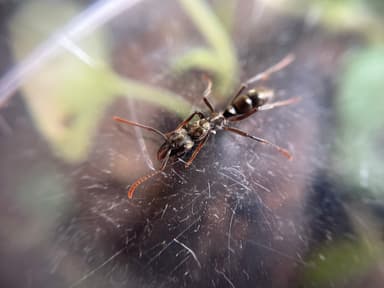
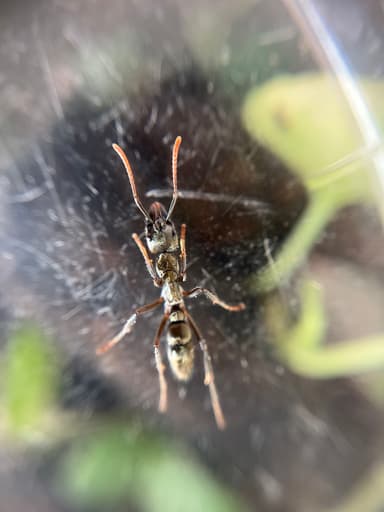
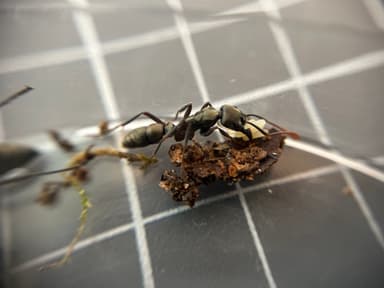
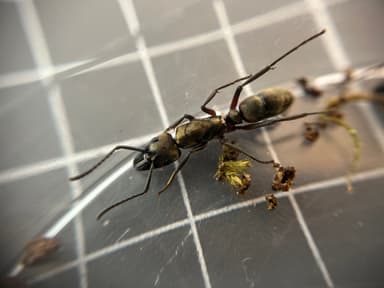
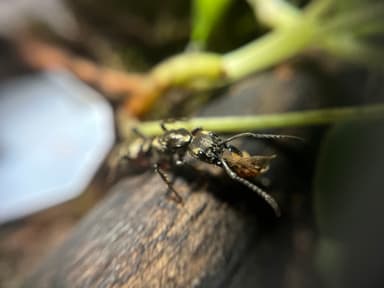
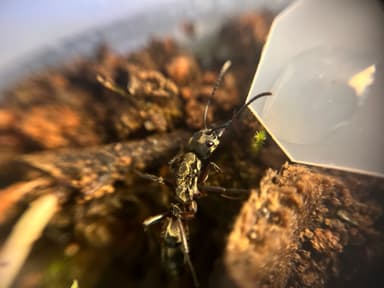
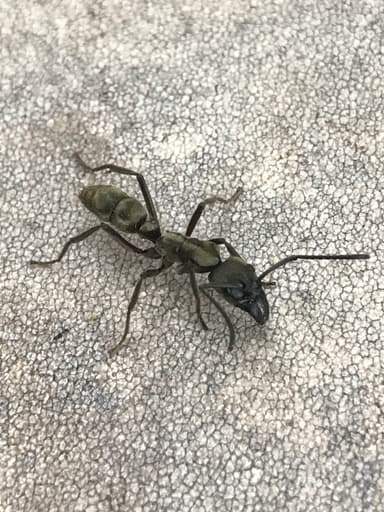
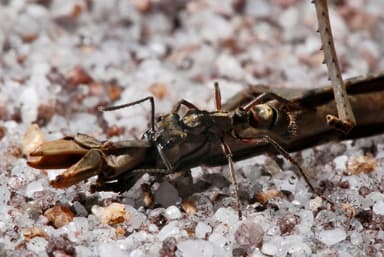
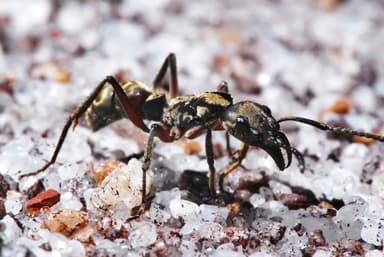
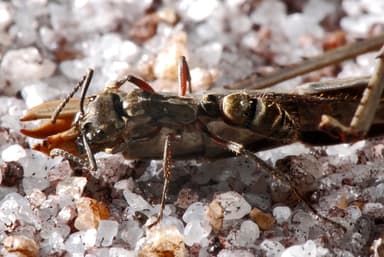
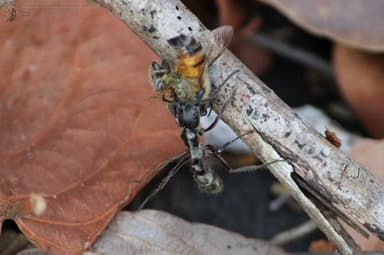
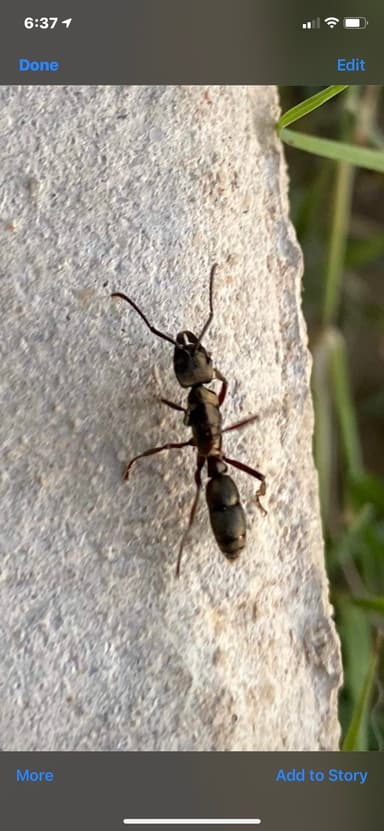
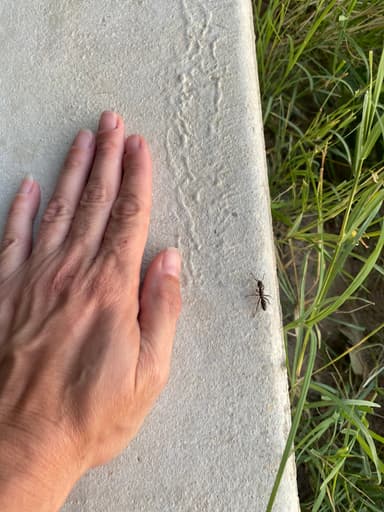
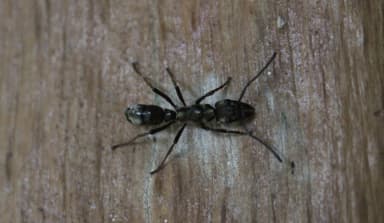
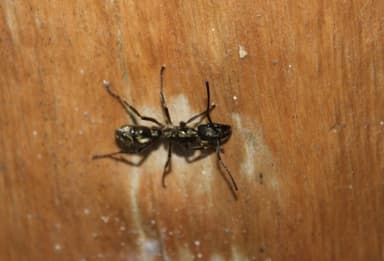
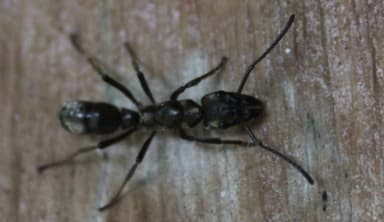
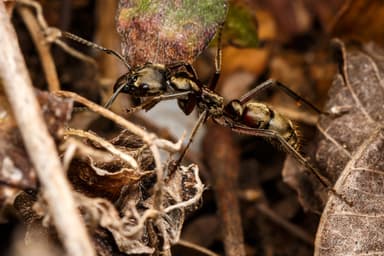
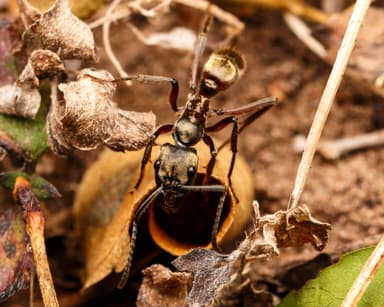
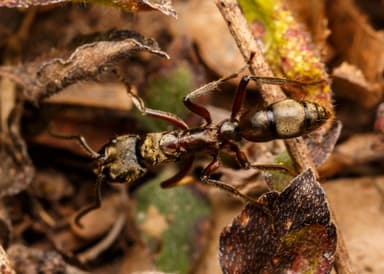
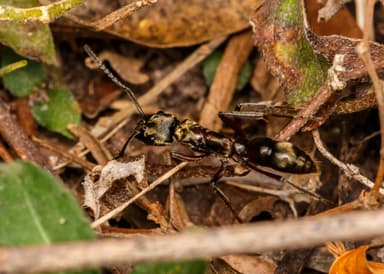
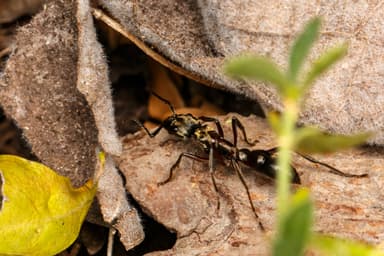
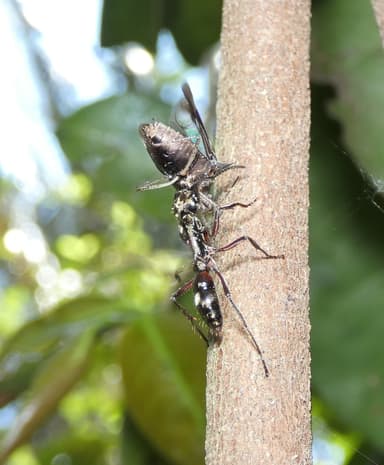
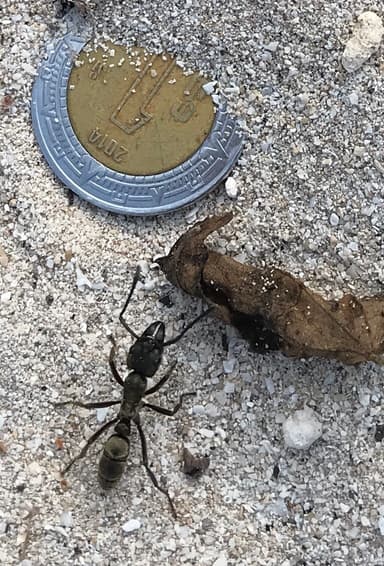
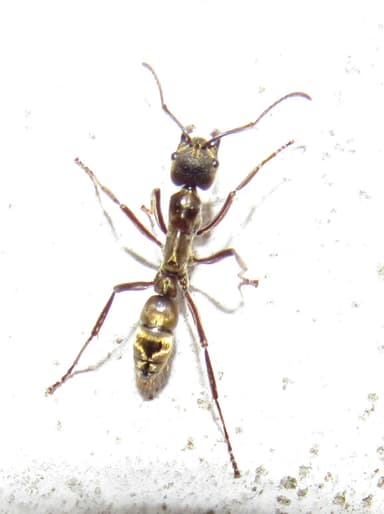
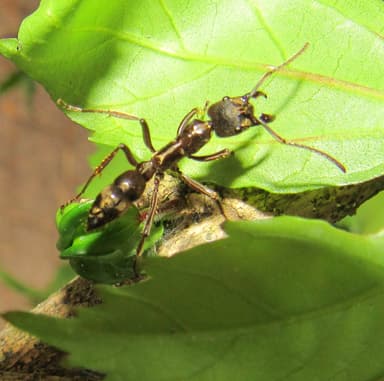
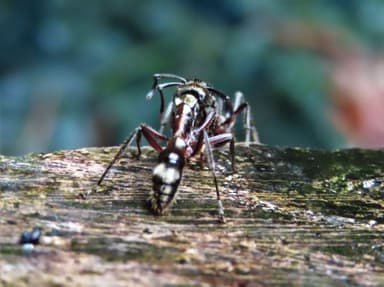
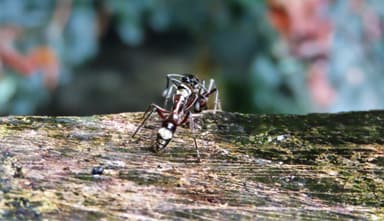
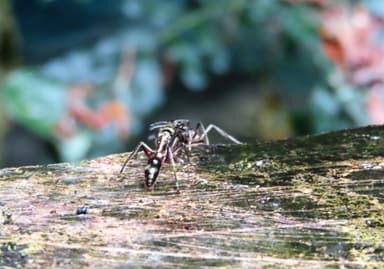
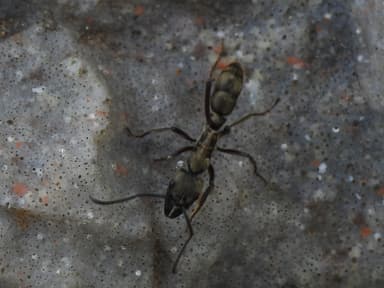
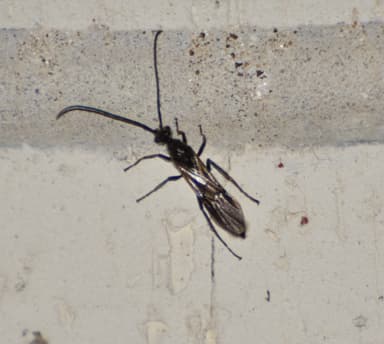
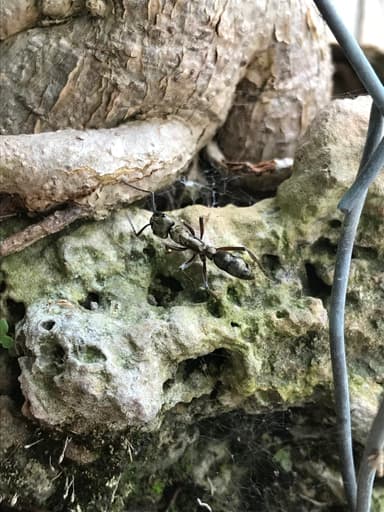
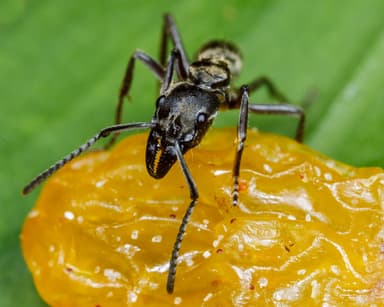
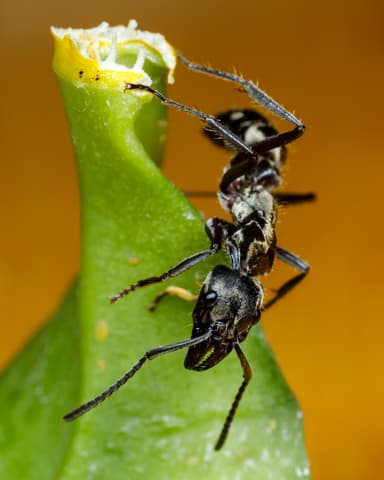
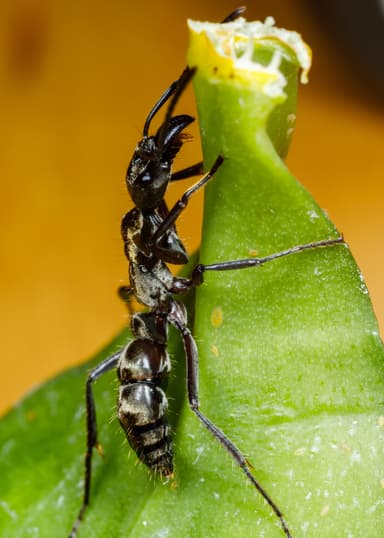
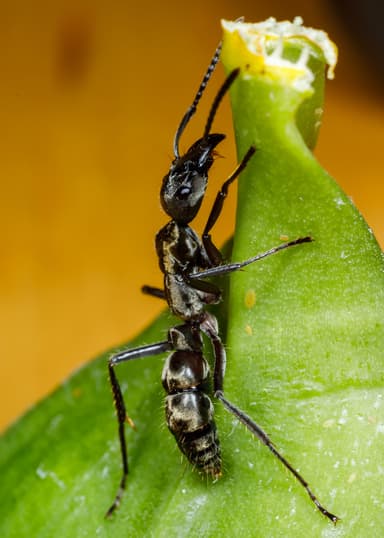
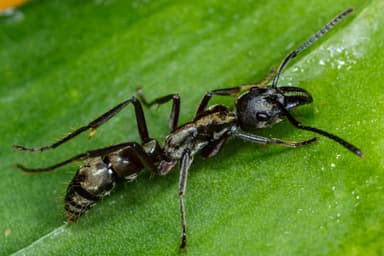
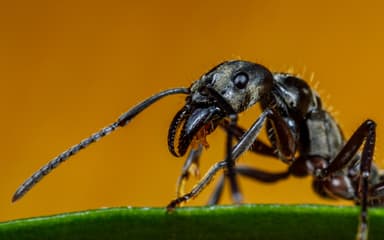
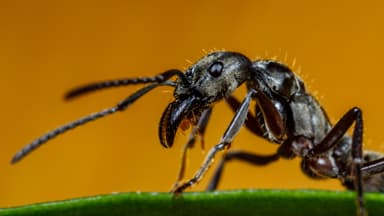
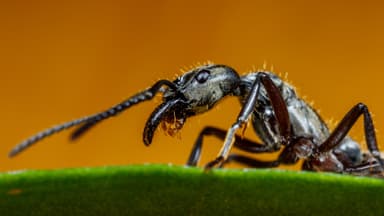
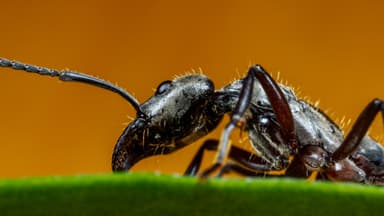
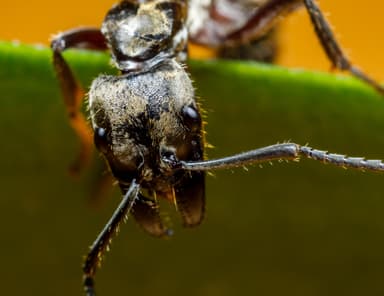
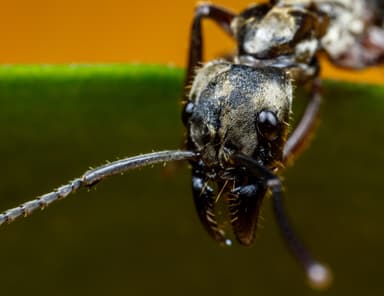
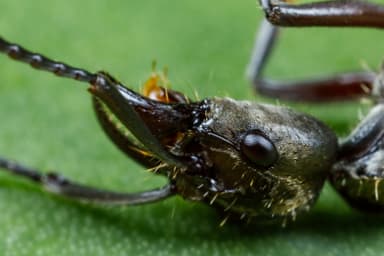
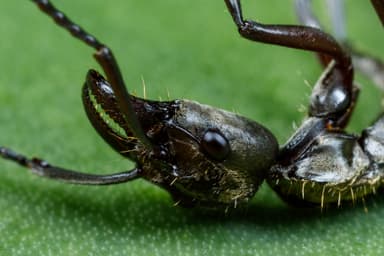
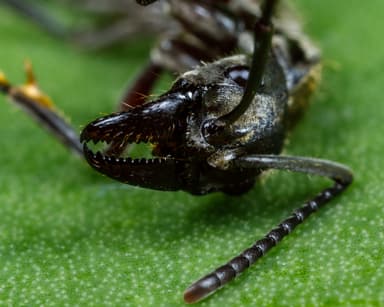
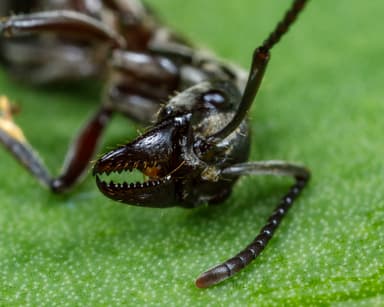
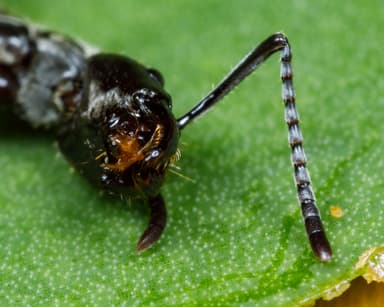
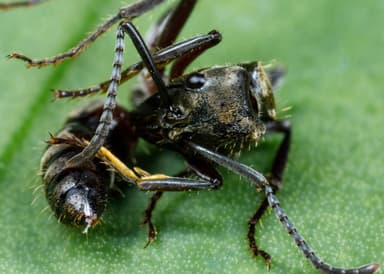
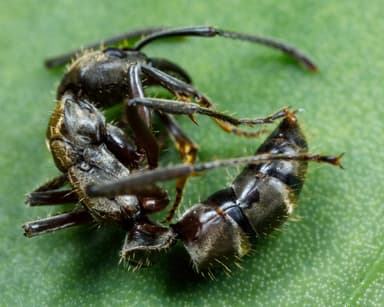
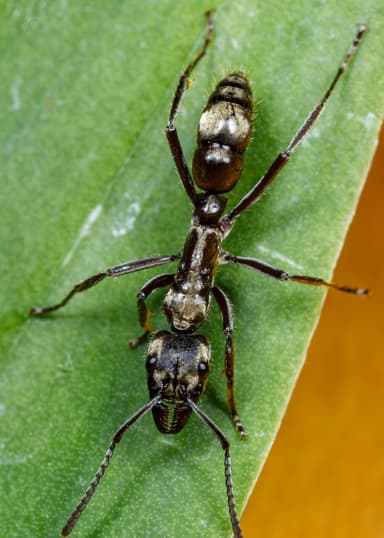
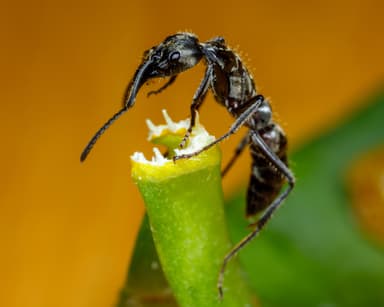
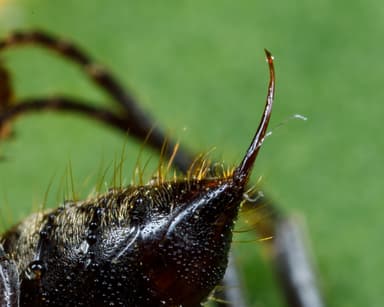
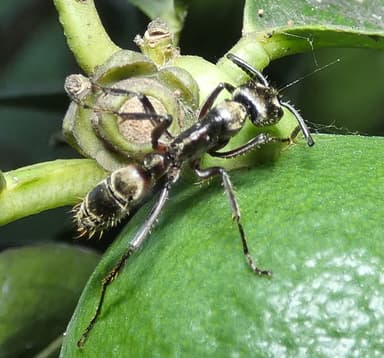
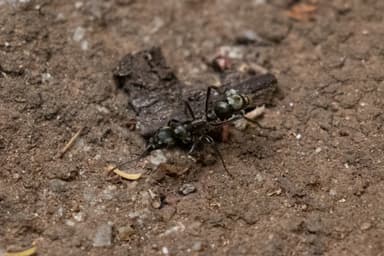
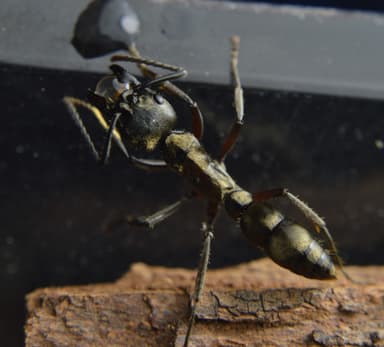
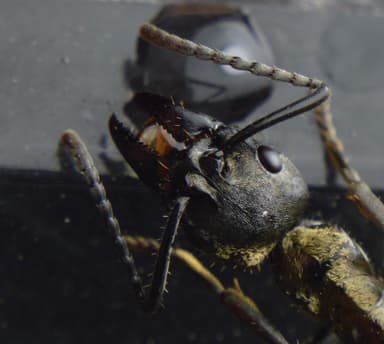
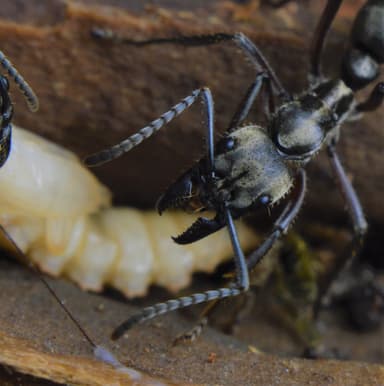
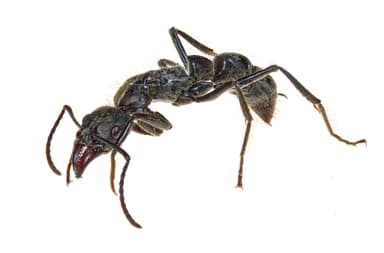
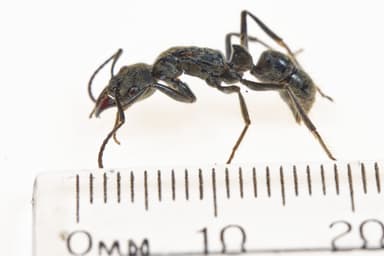
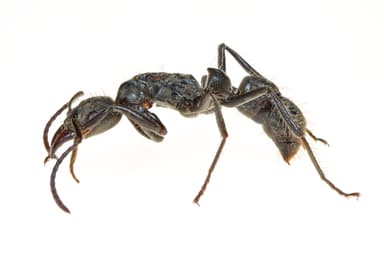
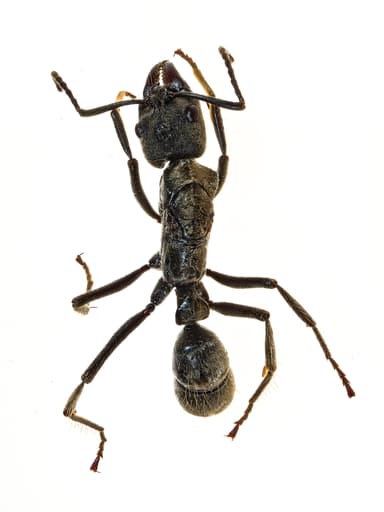
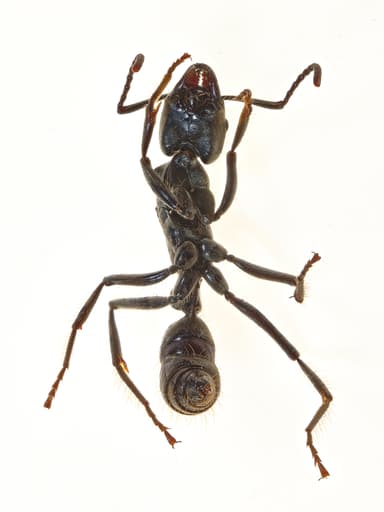
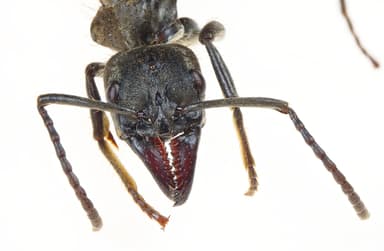
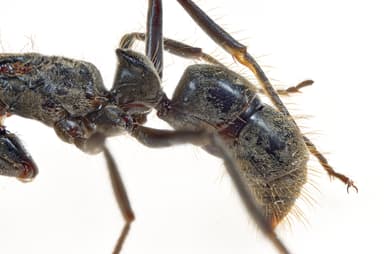
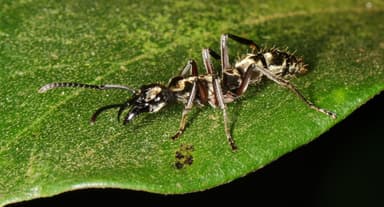
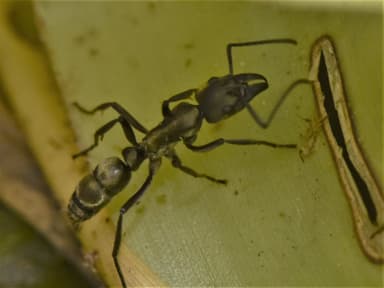
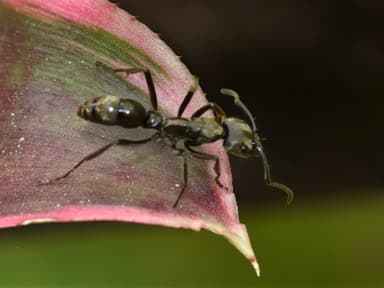
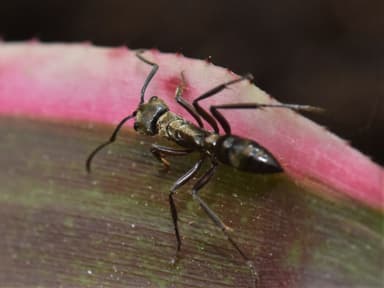
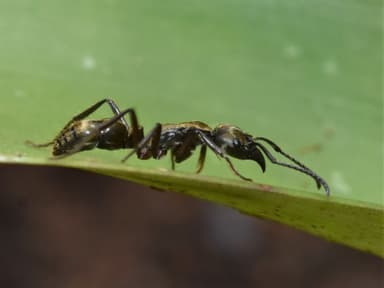
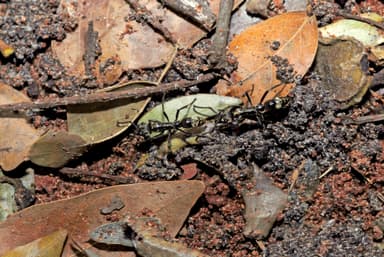
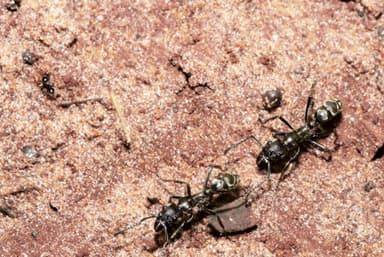
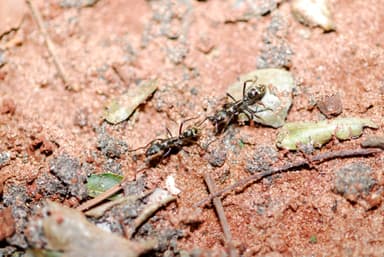
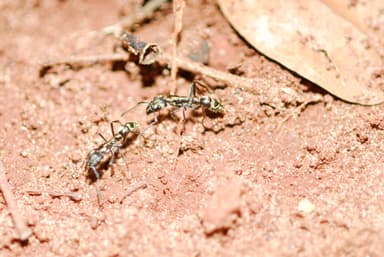
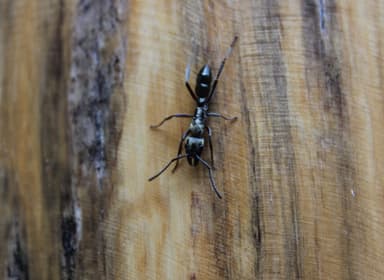
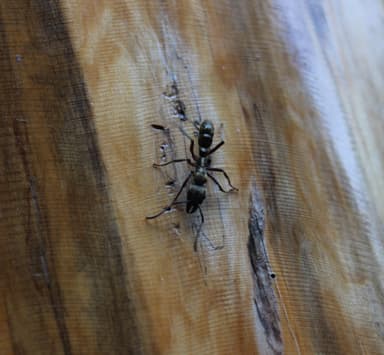
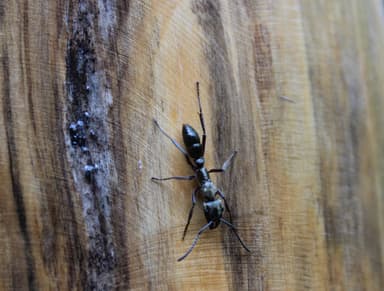
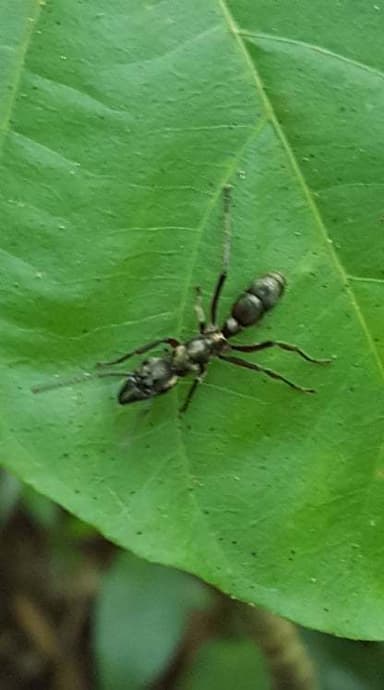
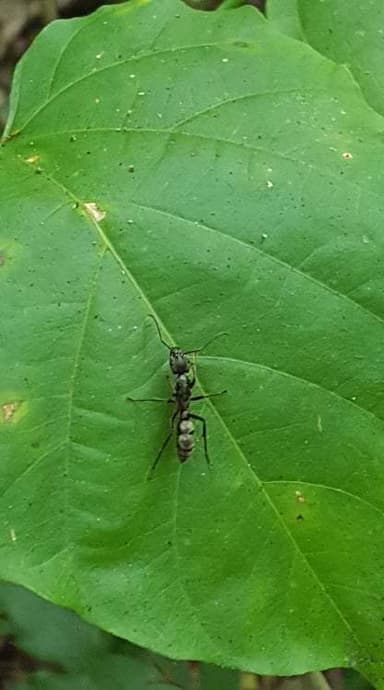
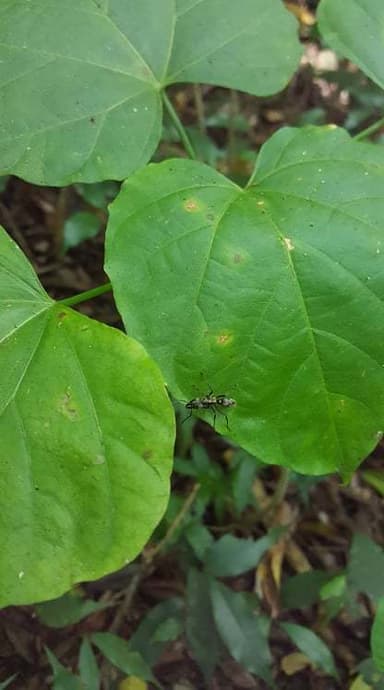
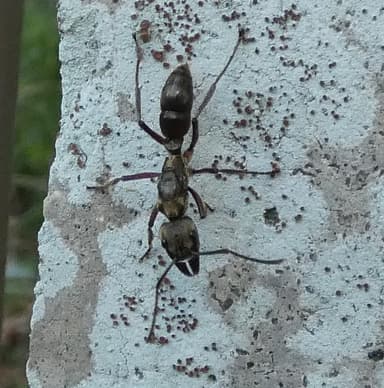
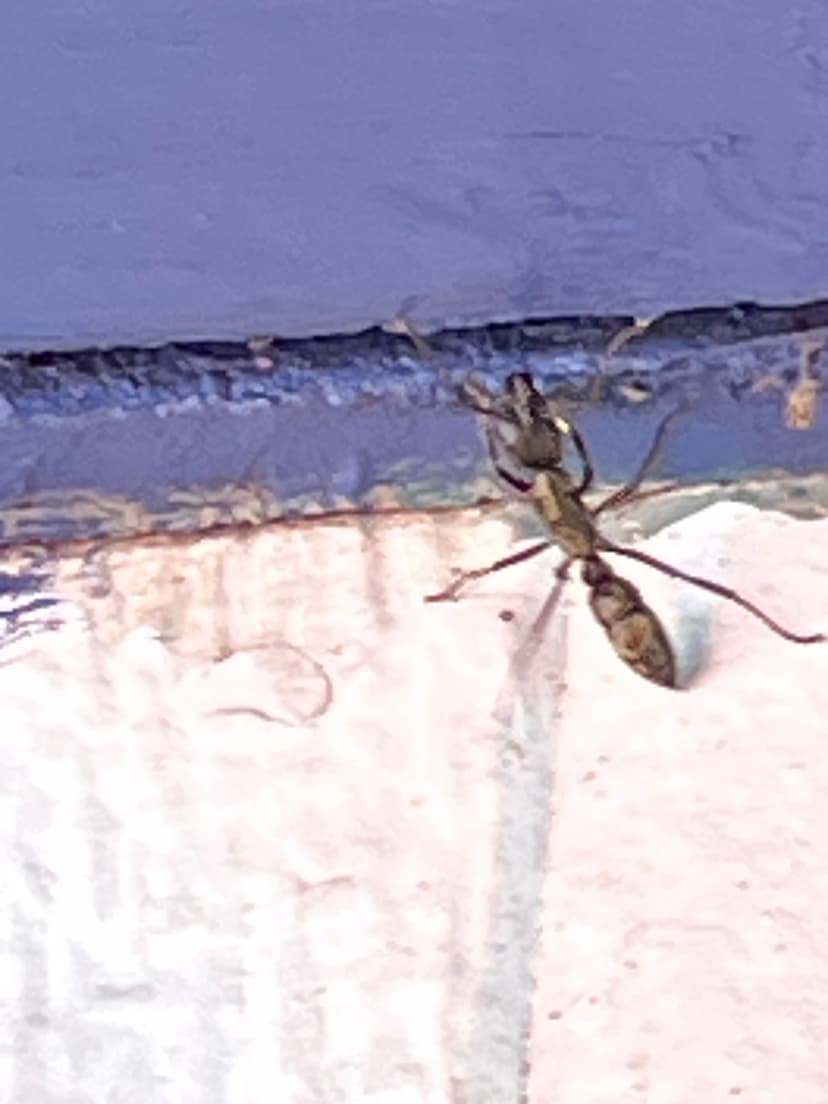
Neoponera villosa is a commanding presence in any collection, a large ponerine ant whose jet‑black body and golden pubescence immediately set it apart. Queens measure an impressive 14 to 17 millimeters, while workers range from 11 to 14 millimeters (Mackay & Mackay 2010). Unlike many ants that rely on sheer numbers, colonies of this species top out at a modest 2,000 individuals, but what they lack in population they more than compensate for in personality. These ants are bold, visually responsive hunters that actively stalk prey across the arboreal highways of their Neotropical home, which stretches from Mexico down to northern Argentina (AntWeb). They are fully claustral founders, meaning a new queen seals herself away to rear her first brood using nothing but her own metabolic reserves, a reassuringly straightforward start for the keeper who acquires a founding queen. Watching a worker deftly paralyze a cricket with a calculated sting and then carry it back to the nest is a dramatic reminder of the predatory prowess described by Dejean and Corbara (1990), and it’s this blend of primitive elegance and striking behavior that makes Neoponera villosa a jewel for the intermediate keeper.
That intermediate difficulty rating is well‑earned. This is not an ant for complete beginners, as the workers possess a notoriously painful sting, and they are not shy about using it if they feel their nest is under threat. A keen sense of vibration will send them into defensive posture, and their size means they can scale smooth surfaces with relative ease, so an escape‑proof setup is non‑negotiable. I recommend Neoponera villosa to keepers who already have experience maintaining stable humidity gradients and who can exercise a calm, respectful husbandry style. If you are the sort who enjoys watching natural behaviors unfold through a glass pane rather than constantly tinkering with the colony, these ants will reward you. The colony’s slow growth from a lone queen to a bustling clan of committed hunters offers a deeply satisfying arc for the patient enthusiast.
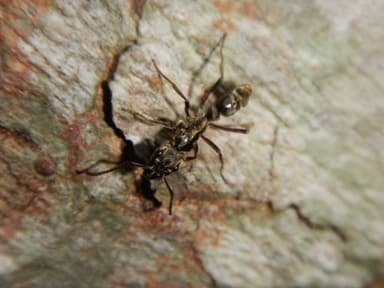
Housing must mirror the warm, humid forests this species inhabits. A temperature range of 22 to 30 degrees Celsius suits them, with the upper end encouraging brood development. Humidity needs careful attention; aim for 60 to 85 percent inside the nest chamber, which can be achieved with a naturalistic setup incorporating a moisture‑retentive substrate such as a sand‑clay mix or decomposed bark over a drainage layer. Neoponera villosa is predominantly arboreal, nesting in pre‑existing cavities in trees and rotting logs (Wild 2005), so a vertical cork‑lined formicarium or a large piece of bark leaning against the glass allows them to exhibit their natural thigmotactic preferences. They will readily accept a gypsum or 3D‑printed nest as long as hydration is meticulously maintained, but I have found that a bioactive vivarium with springtails and a living plant encourages far more exploratory foraging and reduces mold issues. The outworld should be spacious, with twigs and dried leaves to replicate the leaf‑litter highways they patrol; their large eyes mean they benefit from a clear viewing pane, and subdued lighting will make them less skittish.
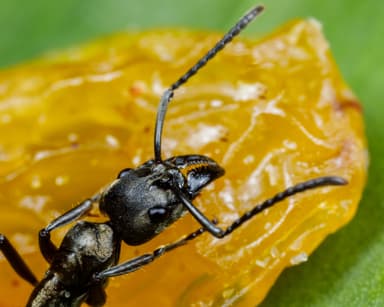
Their dietary needs are straightforward but should not be underestimated. Neoponera villosa is a voracious predator, and in the wild their prey spectrum includes a wide range of arthropods (Dejean & Corbara 1990). In captivity, offer live or freshly killed crickets, mealworms, roach nymphs, and even the occasional wax moth caterpillar. Workers will subdue prey with a precise sting and may recruit nestmates to larger items. Protein is essential for larval growth, so feed them two to three times a week, adjusting quantity based on brood volume. Carbohydrates are equally important; a dilute honey‑water solution, sugar water, or a slice of organic apple placed on a feeding platform will be greedily accepted. Always provide a water source, either through a test‑tube setup with a cotton plug or a small water tower in the outworld, but be mindful that they can easily drown in open droplets, so a capillary drinker is safer. Remove uneaten food within a day to prevent mites.
One of the great comforts of keeping this species is that it requires no hibernation. Neoponera villosa hails from regions where seasonal temperature swings are mild, and it does not undergo a diapause period. You can therefore enjoy their active rhythms year‑round. Colony growth will naturally slow if room temperatures dip slightly during winter months in temperate homes, but there is no need to artificially chill them. Maintaining a steady thermal gradient all year will keep brood production consistent, and the lack of a dormancy period means you never face the anxiety of a hibernation loss.
When your queen arrives, she will likely be sealed inside a claustral test‑tube setup. Place the tube in a dark, vibration‑free spot within the intended temperature zone and resist the urge to check on her for at least a week. Her first workers will appear as small minims, and it is only once a handful are active that you should offer the colony’s first meal: a pre‑killed fruit fly or a tiny piece of cricket leg placed just outside the tube opening. Watch for signs that the workers are expanding their foraging radius before you connect the tube to a small outworld. In these first days, any sudden disturbance can cause the queen to become stressed and cease egg‑laying, so patience is everything. Once you see workers confidently exploring and taking food, you can gradually introduce them to their permanent home, using a gentle temperature or light gradient to encourage a voluntary move. With calm, consistent care, your Neoponera villosa colony will settle into a fascinating rhythm of stalk‑and‑ambush predation that few other captive ants can match.