Lasius
Lasius latipes
Nuptial Flight Calendar
Flight months: Jun, Jul, Aug, Sep
Care Guide
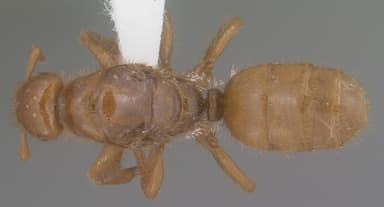
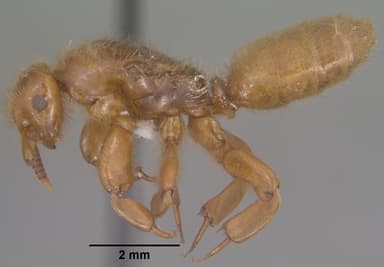
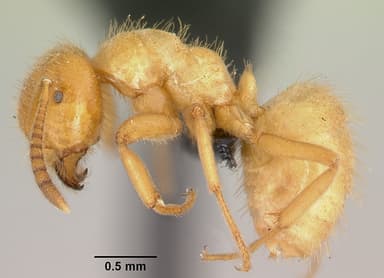
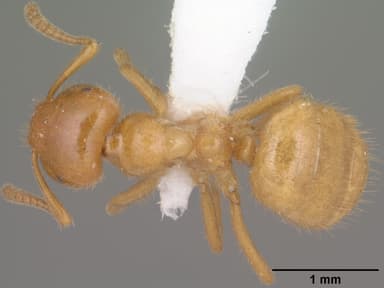
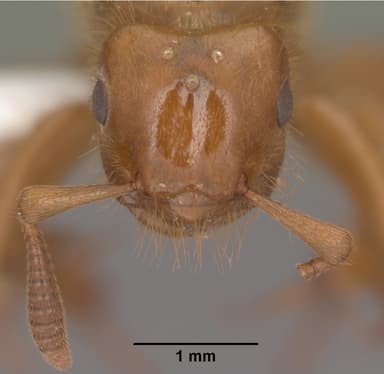
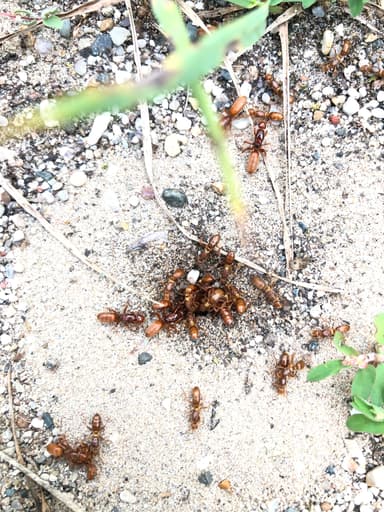
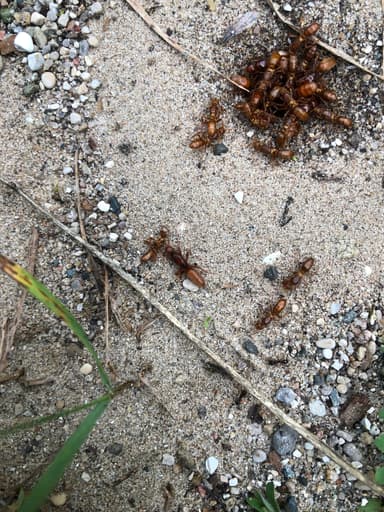
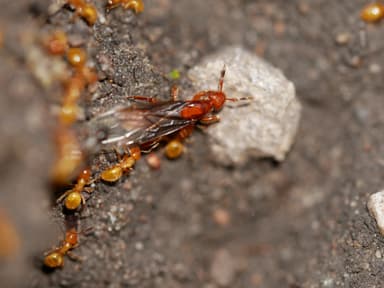
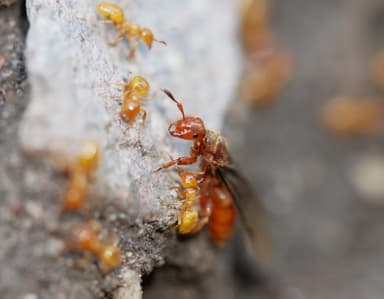
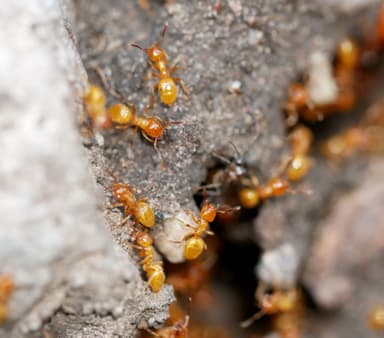
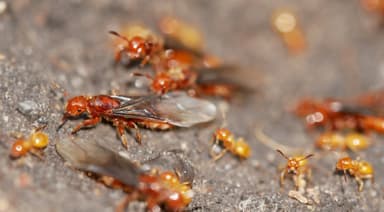
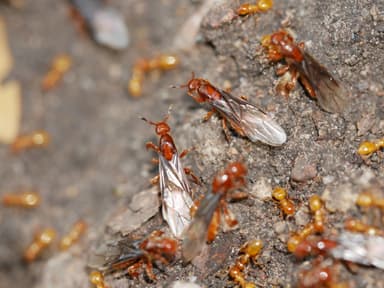
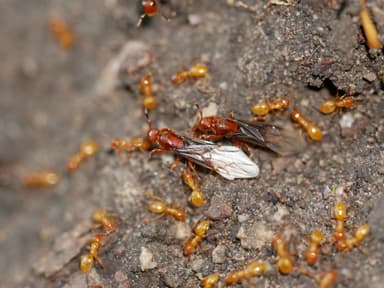
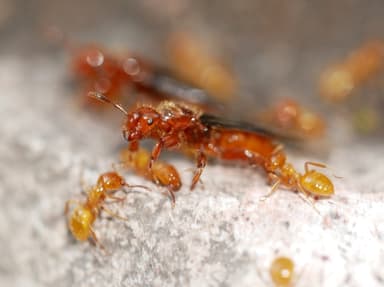
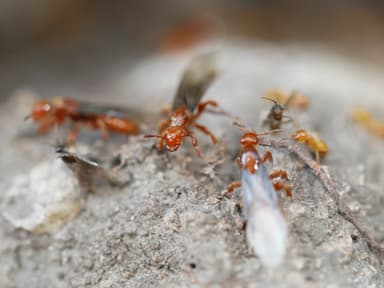
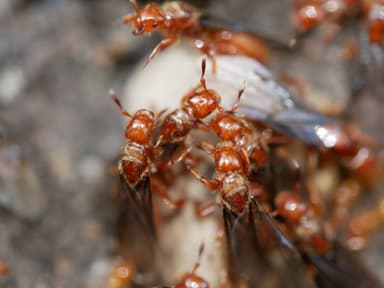
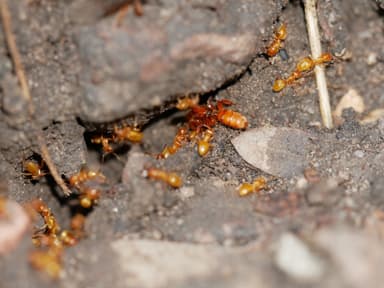
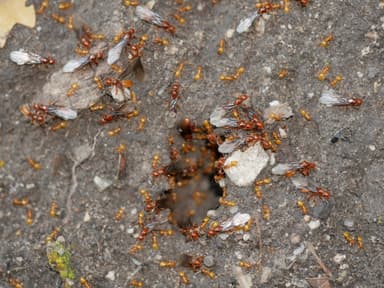
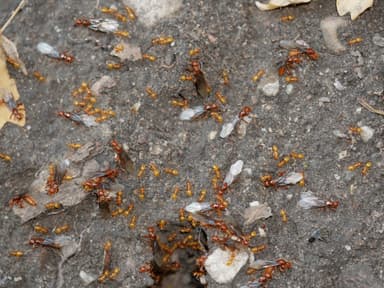
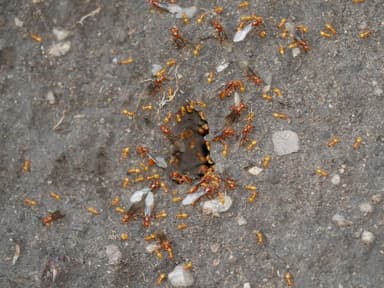
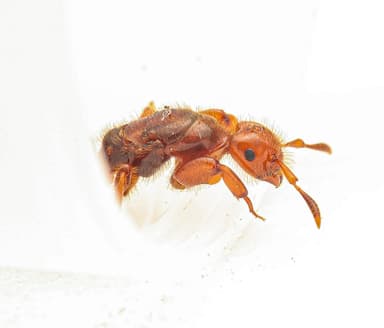
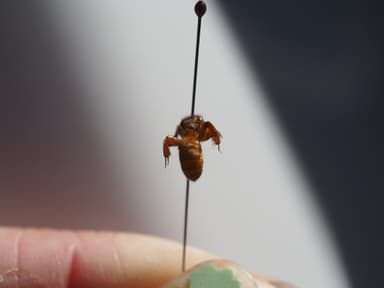
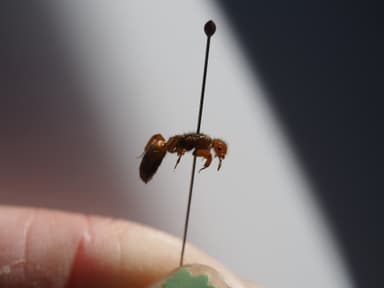
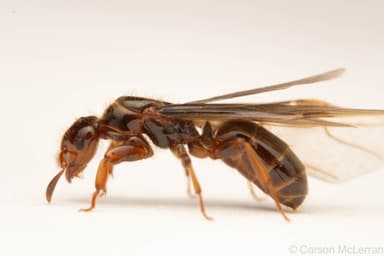
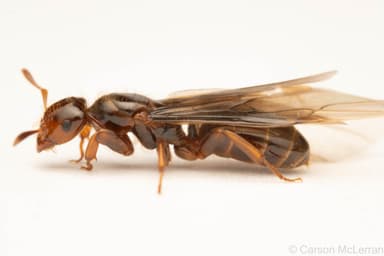
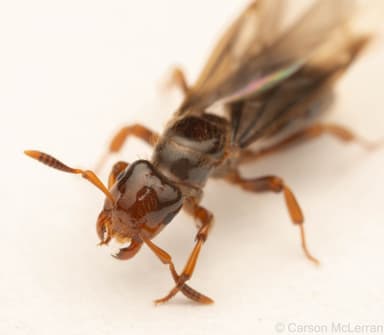
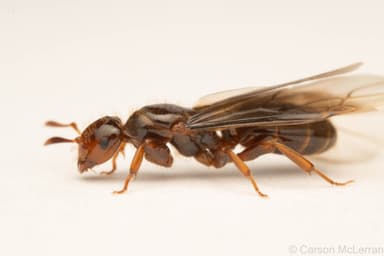
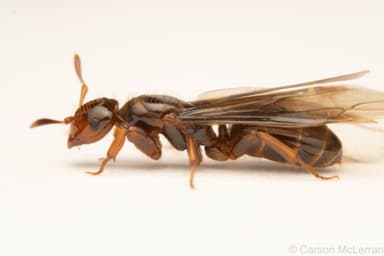
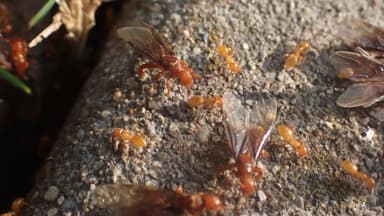
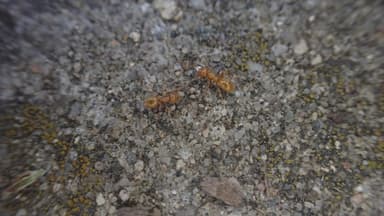
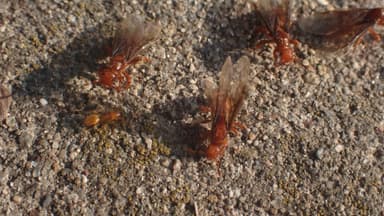
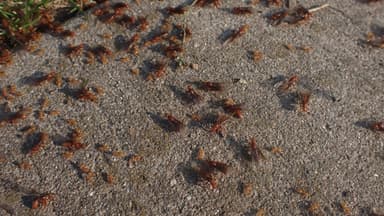
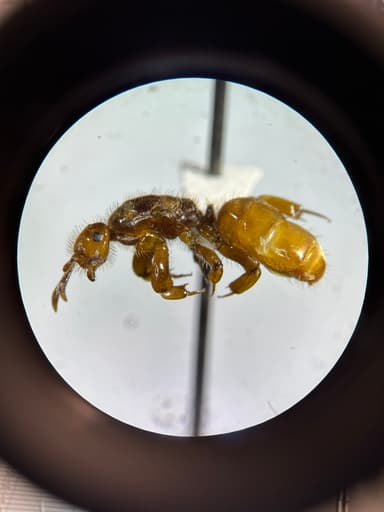
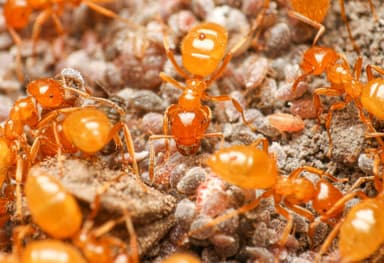
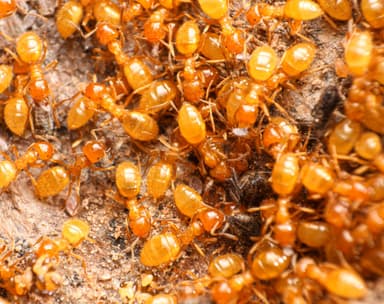
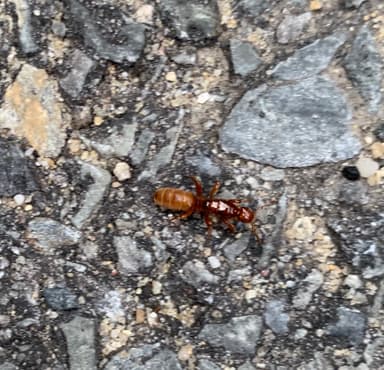
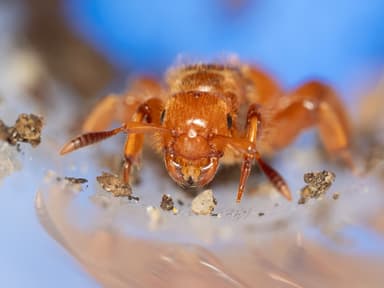
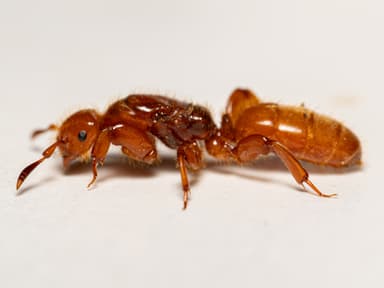
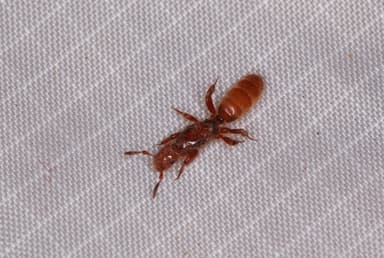
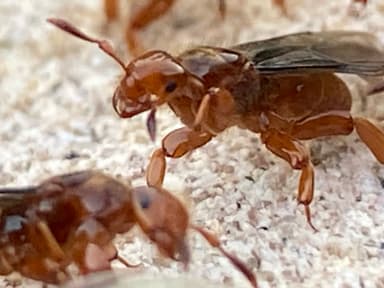
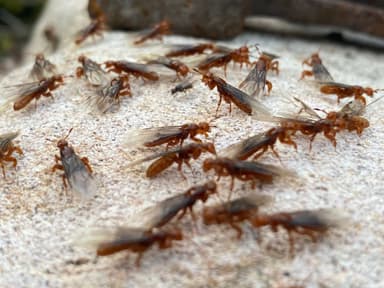
Lasius latipes, sometimes called the yellow-haired citronella ant, is a subterranean gem among North American ants. The queens are strikingly large, measuring 8 to 10 millimeters, while the workers are a modest 3.5 to 5 millimeters and lack any physical polymorphism — there is only a single worker caste. Colonies can grow to impressive sizes of up to 10,000 individuals, a considerable community for a species that spends almost its entire life hidden beneath the soil. What makes this ant truly fascinating, however, is its mode of founding. Lasius latipes is a temporary social parasite, a trait meticulously documented in Wilson’s (1955) revision of the genus. A newly mated queen cannot start a colony on her own; instead she must infiltrate a host nest, typically of another Lasius species such as Lasius neoniger, kill or incapacitate the host queen, and trick the orphaned workers into rearing her own brood. This delicate, almost dramatic beginning sets the stage for a colony that eventually becomes independent, with the dark host workers gradually replaced by the pale, amber-yellow latipes workers. In the wild, nuptial flights occur across a broad swath of North America, from about 32° to 49° latitude, during the warm, humid afternoons of August and September, often after summer rains.
Given this life history, Lasius latipes is unequivocally a species for expert keepers. The parasitic founding stage demands precise technique, patience, and a reliable source of host workers and brood. One misstep during the introduction — a rejected queen, aggressive host workers, or incorrect environmental cues — can doom the entire effort. Even after a successful founding, the colony remains sensitive to disturbances and requires a steady, experienced hand to manage humidity, nutrition, and hibernation. This is not a beginner ant; rather, it rewards advanced hobbyists who have already mastered raising independent-founding Lasius species and who are prepared to delve into the intricate world of social parasites. The challenge is part of the appeal, and a thriving latipes colony is a testament to the keeper’s skill and understanding of myrmecological nuance.
Housing must mimic the deep, moisture-graded soil they inhabit in nature. A soil-based or grouted nest is ideal, as it holds a stable humidity between 50 and 70 percent and allows the ants to create their own chambers. Many keepers successfully use a ytong or plaster nest with a natural soil overlay, while a simple test tube setup with a sand/clay mixture can suffice for young colonies after they have transitioned away from their host workers. Temperature should be maintained between 18 and 26°C, with a gentle gradient if possible, and the nest should be kept dark — Lasius latipes workers are shy and forage primarily below ground. Outworlds need tight-fitting lids and a generous barrier of fluon or talc, as these ants are proficient escapers. A layer of fine sand or coconut coir in the foraging area helps them feel secure, and they will often drag food beneath it to eat in privacy.
Diet is straightforward once the colony is independent. Protein can come from small pieces of freshly killed insects such as fruit flies, crickets, or mealworms, offered two to three times a week. These ants are particularly fond of sugary carbohydrates, and in the wild they tend root aphids, harvesting honeydew (Wing 1968). Provide a constant source of sugar water, honey water, or a commercial nectar substitute in a small, spill-resistant feeder. Clean water must always be available, preferably through a test tube waterer or a moistened plaster block that also boosts humidity. Avoid overfeeding during the early stages; remove uneaten prey after 24 hours to prevent mold. As the colony swells, you can increase both the quantity and frequency of meals.
Hibernation is mandatory and a cornerstone of long-term success. Lasius latipes colonies require a cool rest period at around 5°C for three to four months, typically from November through February. Gradual cooling over a couple of weeks will help them naturally wind down. A wine cooler or a secure spot in a cold basement works well, provided the nest does not freeze and retains a touch of moisture so the ants don’t desiccate. During this time they will cluster semi-dormantly. Do not feed them, but check monthly that the water supply is still available. In spring, warm them up slowly; a well-hibernated colony will resume vigorous brood production and foraging with renewed energy.
If you receive a newly mated queen just after her nuptial flight, the first days are the most critical. She must be kept in a small, dark, humid container and offered a few host workers of a compatible Lasius species along with a small pile of their brood. The classic method, described by Wing (1968) in the related Acanthomyops, involves introducing the queen to a group of callow (newly eclosed) host workers, which are less aggressive, and holding them together for several days in a tightly controlled environment. If you have acquired an already-established colony, settle it in its new housing with as little disturbance as possible. Wait a full day before offering the first meal: a drop of sugar water and a single small insect. Watch for the ants to recruit to the food; a lack of interest, huddled posture, or frantic pacing can signal stress, often from light, vibrations, or incorrect humidity. Keep the setup in a quiet, dim place and resist the urge to check more than once a day. With a light touch and careful observation, a Lasius latipes colony will gradually reveal its mesmerizing underground world, a rewarding spectacle for the dedicated myrmecophile.