Formica
Formica integra
Nuptial Flight Calendar
Flight months: May, Jul, Aug, Sep
Care Guide
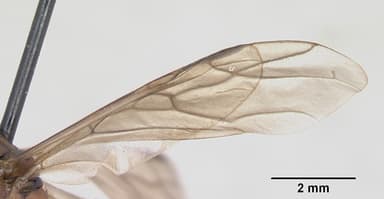
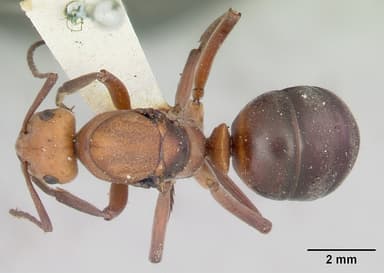
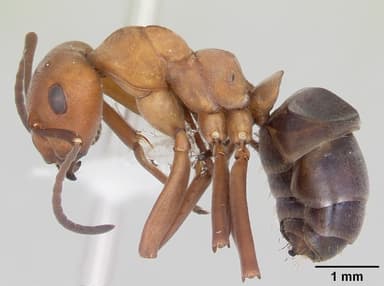
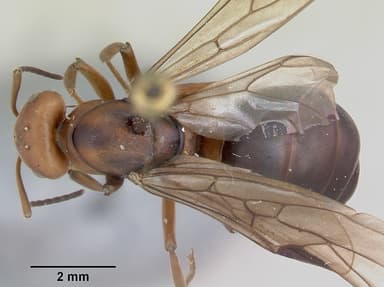
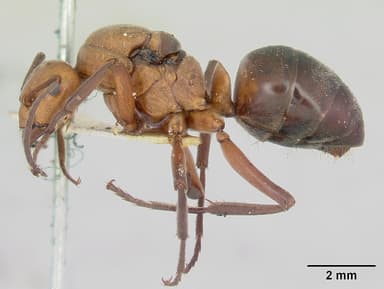
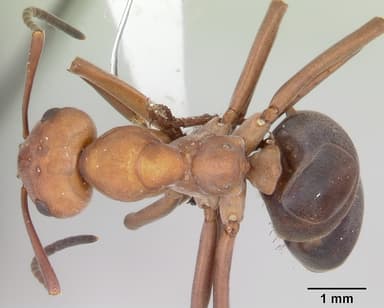
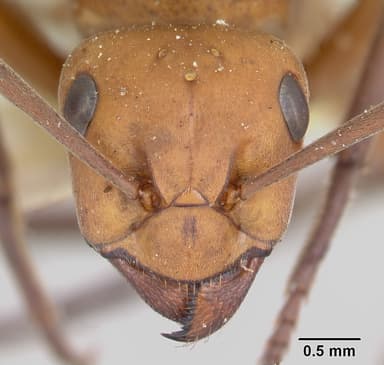
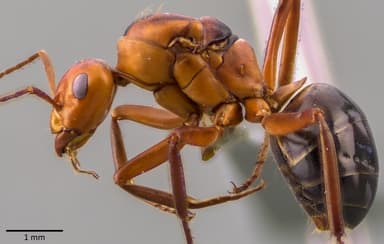
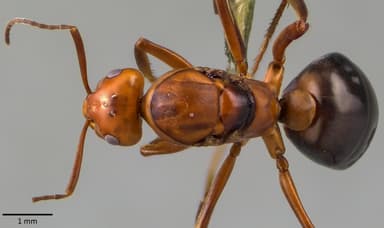
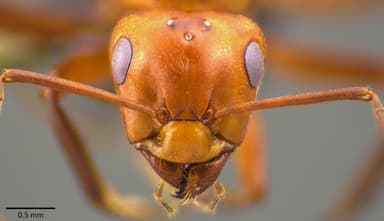
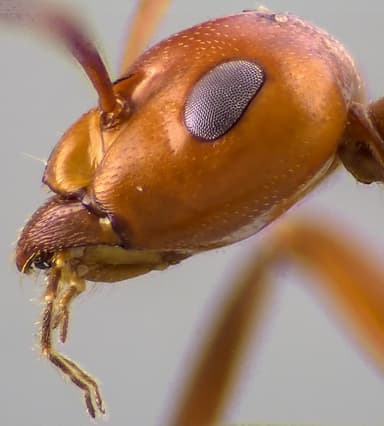
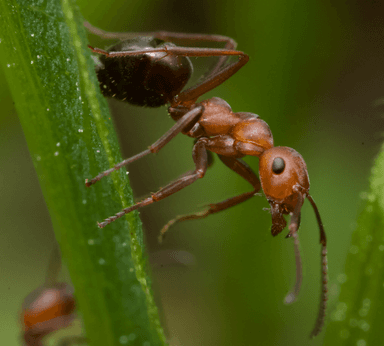
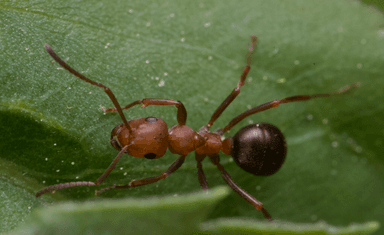
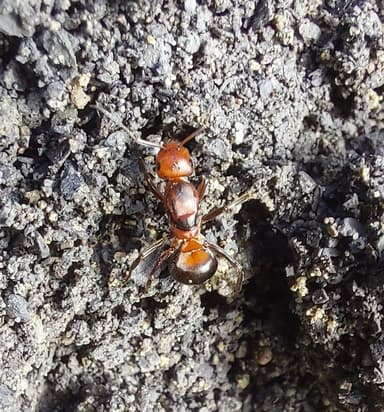
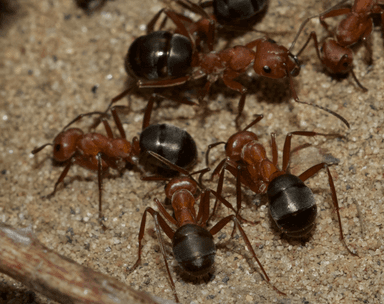
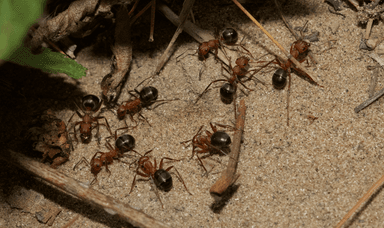
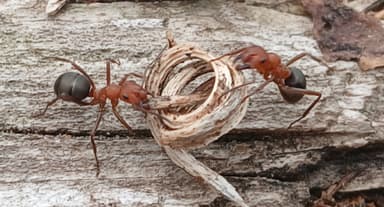
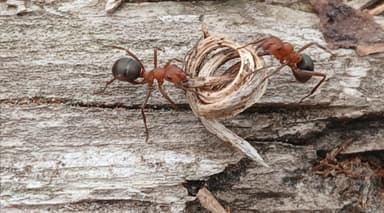
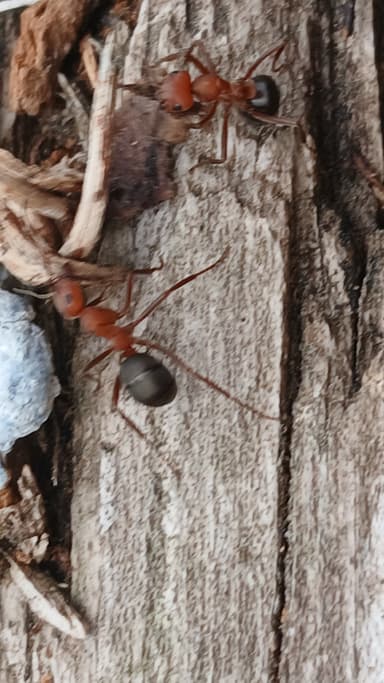
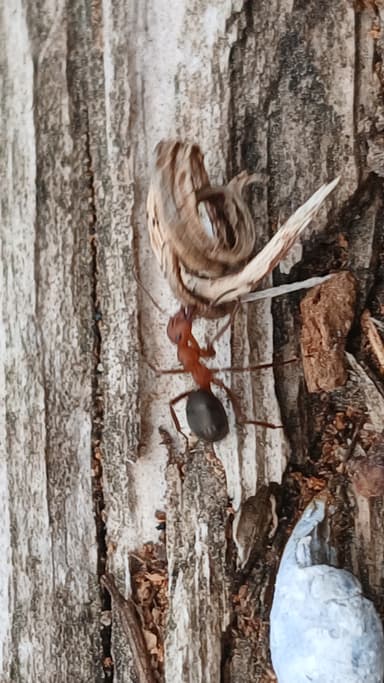
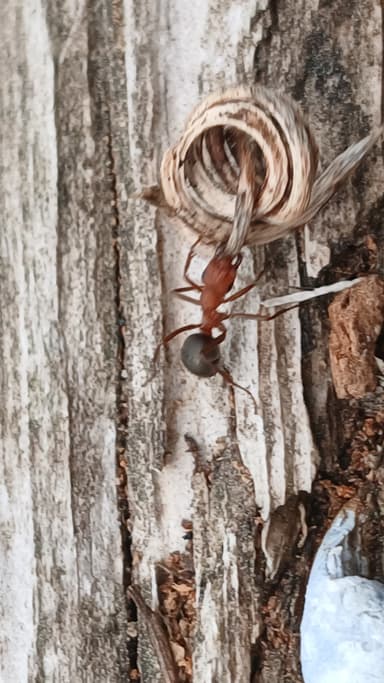
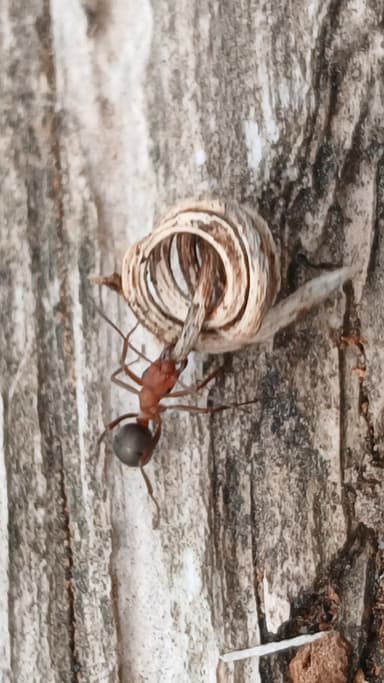
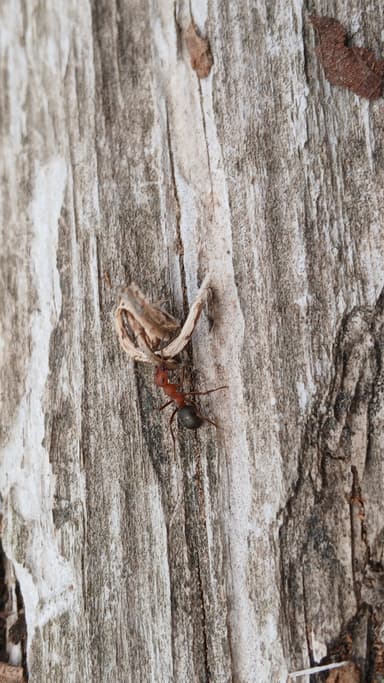
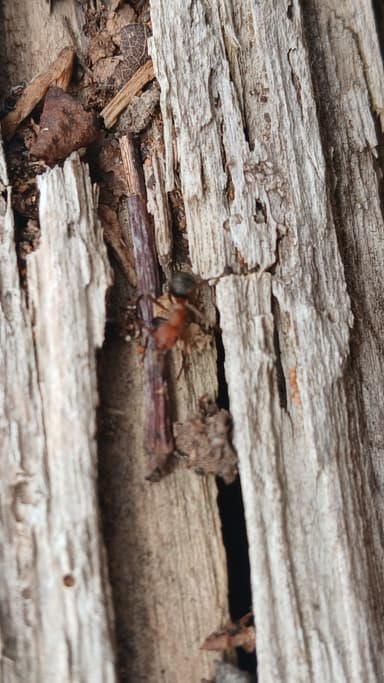
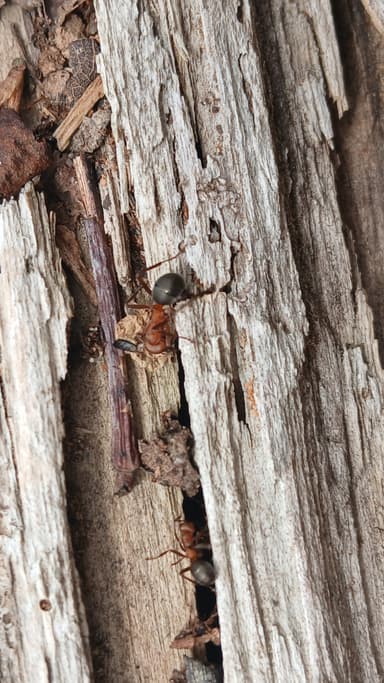
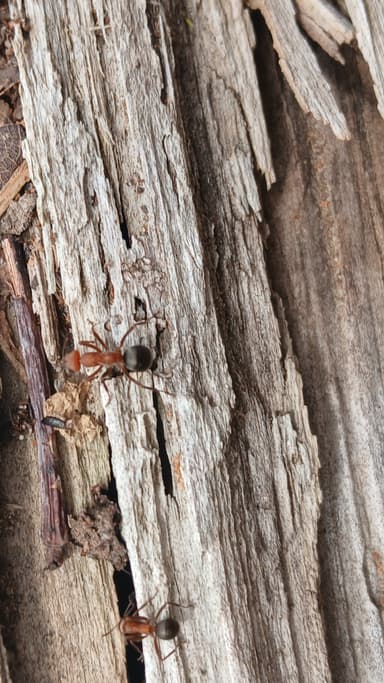
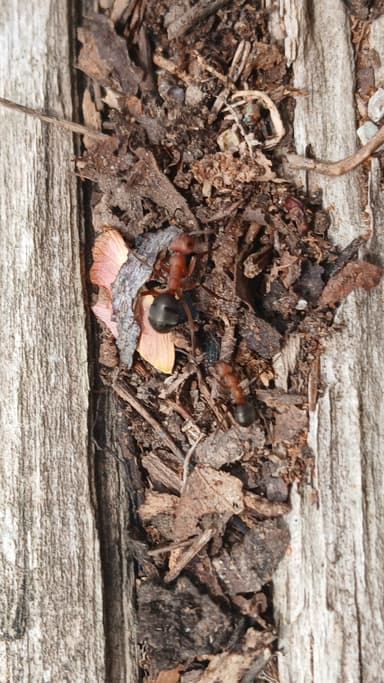
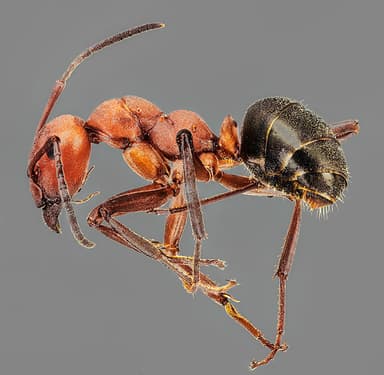
Formica integra, sometimes called the jet-black field ant, is a striking and behaviorally complex species that commands immediate respect among seasoned ant keepers. Queens are robust, measuring 8 to 10 millimeters, while workers present a textbook case of continuous polymorphism, with minors as small as 4.5 millimeters and broad-headed majors reaching a full 8 millimeters in length (Creighton 1950). The entire colony gleams a deep, uniform black, a sleekness that sets them apart from many of their formicine relatives. Mature colonies can swell to an impressive 40,000 individuals, functioning with a single ergatoid or dealate queen and a clear division of labor between the two worker castes. What makes this ant truly captivating, however, is its founding strategy: F. integra is an obligate social parasite. Newly mated queens cannot raise a first brood alone; they must infiltrate a nest of a closely related Formica species, typically within the fusca group, assassinate or subdue the host queen, and trick the orphaned workers into rearing her offspring until the colony becomes pure integra. This precarious, high-stakes beginning makes every established colony a small miracle.
This species is unequivocally rated for expert keepers, and it is not a choice to be taken lightly. The social parasitic founding phase is the highest hurdle, demanding that you source a compatible host species, master the delicate timing of introductions, and accept a significant probability of failure even with perfect technique. Once a colony is successfully established on its own workers, the challenge shifts from acute crisis to long-term management of a large, active, and often aggressive population. They require constant attention to foraging demands, escape-proof housing, and a strictly controlled seasonal rhythm. For the keeper who has already cut their teeth on claustral-founding Camponotus or Lasius and who relishes a hands-on, high-maintenance project, Formica integra offers a peerless window into the upper echelons of ant social evolution. Beginners should admire from a distance and build their skills with more forgiving species first.
Housing must accommodate a large, fast-growing colony with polymorphic workers. A spacious, modular formicarium is essential, ideally combining a plaster or Ytong nest block with multiple hydration ports to maintain the required 50–70% humidity gradient, as workers will move the brood constantly to find the perfect microclimate. Temperature should be kept in a comfortable band between 18 and 28°C; a gentle heat cable under one corner of the nest will create a thermal mosaic that the ants can exploit for brood acceleration. The foraging arena must be equally generous, as these ants are relentless hunters and will test every seam. A fine layer of sand or a sand-clay mix works well as a substrate, facilitating natural digging tendencies and providing a gripping surface. Secure, tight-fitting lids and a fluon or talcum barrier are non-negotiable, because Formica workers are escape artists, especially the smaller minors. Given the colony’s eventual size, many keepers eventually transition them into a dedicated terrarium with a large outworld planted with robust, non-toxic greenery to buffer humidity and provide cover.
In the wild, Formica integra are voracious generalists, and their diet in captivity must mirror this. Protein should come daily in the form of freshly killed or pre-frozen insects: crickets, mealworms, roaches, and fruit flies are all excellent staples, chopped into pieces appropriate to the worker sizes present. They have a particularly strong taste for sugary carbohydrates, so provide a constant source of diluted honey, sugar water, or a commercial ant nectar in a feeding dish or on a cotton wick, refreshed every other day to prevent spoilage. Hydration is equally critical; always have a water feeder filled with fresh, clean water, as colonies of this size will drain a small tube rapidly. During the larval growth phase, protein demand spikes, and underfeeding can trigger a devastating retreat from brood production, so monitor consumption closely. A light dusting of powdered insect supplement on their protein once a week can help cover trace mineral needs.
Hibernation is not optional; it is a hardwired physiological requirement that the colony must complete to reset its annual cycle and for the queen to resume egg-laying. The data clearly prescribe a cold rest at around 5°C for a minimum of three to four months. As autumn approaches and the colony’s activity visibly wanes, gradually reduce the temperature over a few weeks. Once they are clustered and still, move the entire formicarium, now watered but not sopping wet, into a dedicated refrigerator or wine cooler calibrated to that 5°C mark. Check monthly only for signs of desiccation or condensation. Withdraw them from the cold in early spring by slowly raising the temperature back to 20°C over a week; an abrupt shift can shock the queen. Skipping hibernation will invariably lead to a dwindling, dysfunctional colony that collapses within a year or two.
The initial days after acquiring a mated queen or a small founding fragment are a period of maximal fragility. For a newly captured queen, she must be introduced to host workers and brood almost immediately, following a protocol you have researched and rehearsed. Darkness, quiet, and minimal vibrations are paramount; check her only once after 48 hours to confirm she has integrated or to remove her if combat persists. For a small already-parasitic colony, place them directly into their prepared nest and offer a tiny drop of honey and a single pre-killed fruit fly. Then, leave them strictly alone for five days. Resist the temptation to peek constantly; stress-induced brood cannibalism is common at this stage. Watch through a red light if you must. The first signs of success will be calm, deliberate foraging and the queen’s abdomen gently expanding as she begins to lay. Any persistent agitation, workers dragging the queen, or refusal to feed signals that conditions are not right, and you must intervene with careful adjustments to humidity or host-worker ratios based on your experience (Mackay & Mackay 2002). With patience and a touch of luck, you will witness the remarkable transition to a thriving, self-sustaining colony.