Dolichoderus
Dolichoderus plagiatus
Nuptial Flight Calendar
Flight months: Jan, May, Jun, Jul, Aug
Care Guide
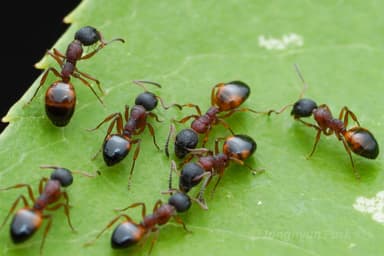
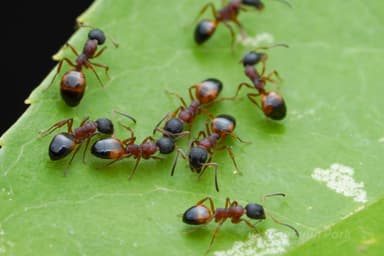
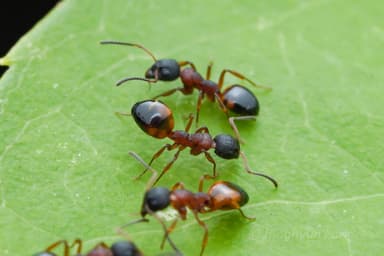
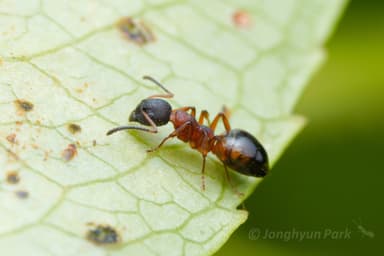
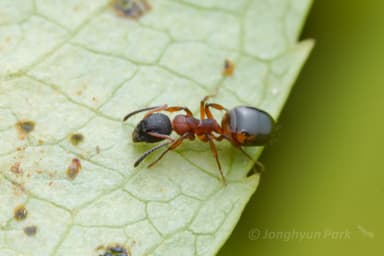
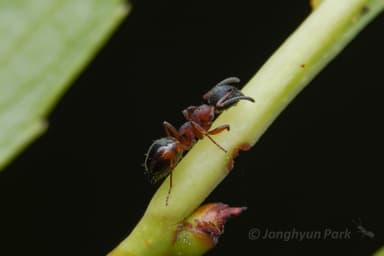
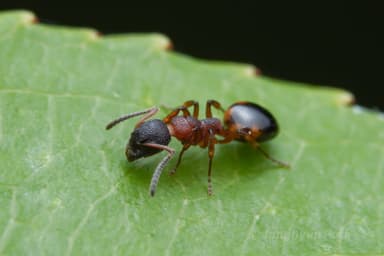
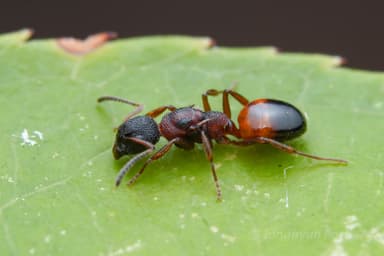
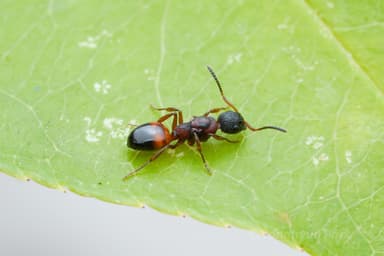
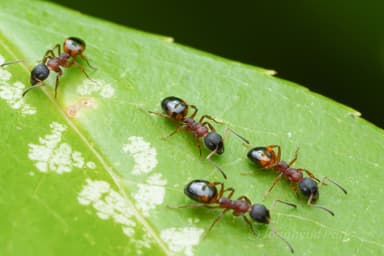
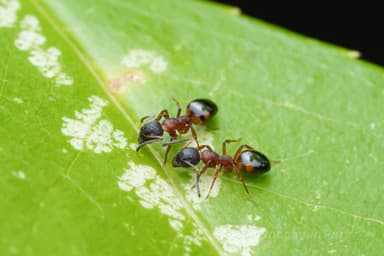
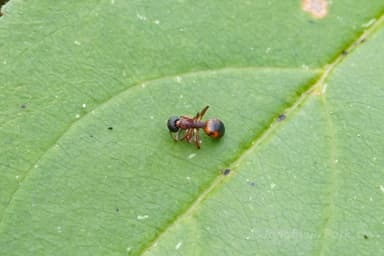
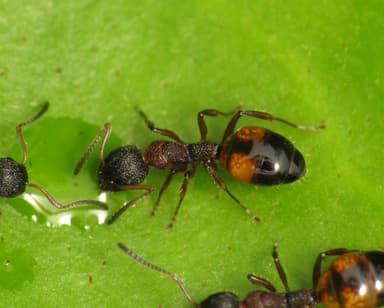
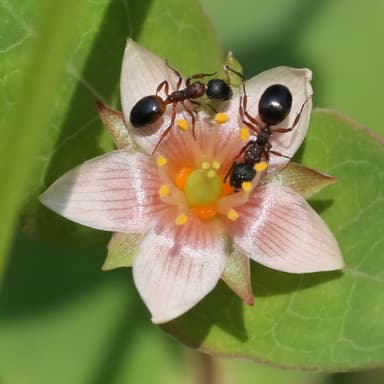
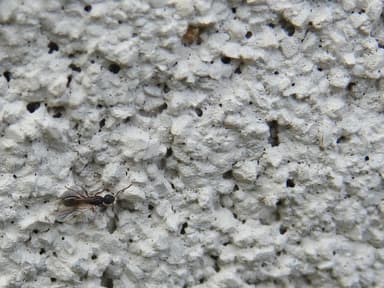
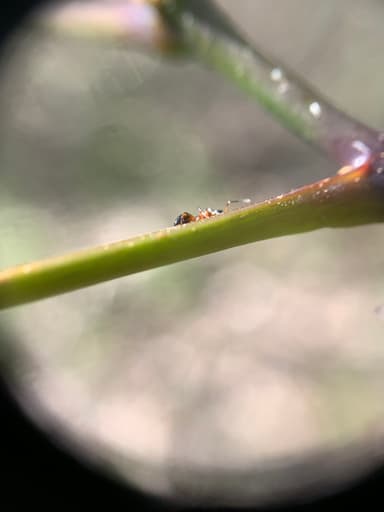
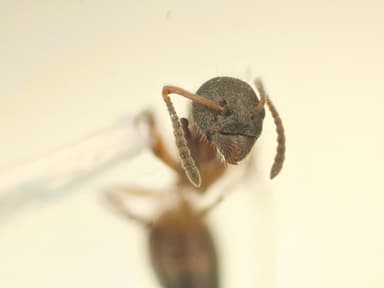
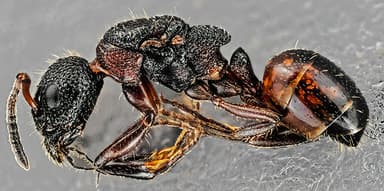
Dolichoderus plagiatus is a lively and engaging ant species native to eastern North America, with a distribution spanning from the southern United States up into the Great Lakes region and southern Canada, bounded roughly by the 28th and 47th parallels north and from 95°W to 70°W longitude (Coovert, 2005; Mackay, 1993). Queens measure between 5.5 and 6.5 millimeters in length, while their monomorphic minor workers are a sleek 3 to 4 millimeters, all clothed in a dark, often almost black integument that gleams under light. Colonies are founded claustrally by a single queen and can grow to a vigorous 3,000 workers, though in the wild they often settle for smaller, well‑coordinated bands. What sets this species apart is its rapid, almost frenetic foraging style and the distinctive, pungent defensive secretion from its anal glands—a trait typical of the genus Dolichoderus that functions both as an alarm signal and a deterrent (Mackay, 1993). Their nuptial flights occur in the heat of summer, primarily from June through August, on warm, humid afternoons following rainfall, though observations remain somewhat anecdotal, with a low confidence in regional patterns. For the keeper, this means you acquire a piece of North American soil life that rewards attentive observation with spirited activity and a fascinating glimpse into chemical communication.
This ant is best suited for keepers with some prior experience, meriting an intermediate care rating. While not as delicate as many exotic tropical species, D. plagiatus demands careful attention to temperature, humidity, and a disciplined hibernation cycle. Beginners may find the colony’s swift movements and tendency to scale barrier‑fluon with startling agility a challenge, and the occasional odor from stressed workers can be off‑putting to the unprepared. That said, for the hobbyist who has successfully maintained a couple of beginner colonies and is ready to experiment with environmental control, this species is remarkably hardy once its core needs are met. Patience and consistency are the keys; a slight lapse in moisture or an overly disturbed nest can stress the colony, but a well‑established setup will thrive and provide months of engrossing behavior.
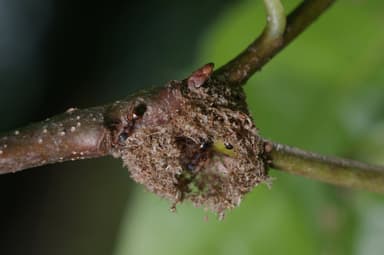
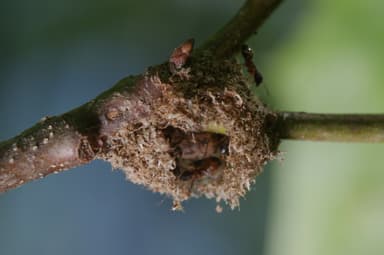
Housing needs are straightforward but non‑negotiable. Maintain a temperature gradient between 20°C and 26°C, while humidity must stay within a 50–70% range—too dry and the brood will shrivel, too wet and you risk fungal outbreaks. A ventilated plaster or ytong nest, hydrated via a reservoir or regular misting, works beautifully; the material holds moisture evenly without saturation. Many keepers add a thin layer of sandy soil or excavatable clay to a foraging area, mimicking the soil‑nesting or log‑inhabiting preference seen in the wild (Coovert, 2005). Because workers are tiny and exploit every micro‑gap, ensure your outworld is perfectly sealed with a tight‑fitting lid and a fresh coating of fluon or olive oil along the upper rim. The nest itself should have a dark cover, removed briefly for observation, as these ants are naturally photophobic. A connected tube or water tower will allow workers to drink without drowning; this is essential, as they will readily accept free‑standing water droplets.
Feeding D. plagiatus is where you can see their cooperative hunting behavior shine. Protein should come in the form of small, freshly‑killed or live‑disabled insects: fruit flies, pinhead crickets, chopped mealworms, or termites. Offer protein two to three times a week, removing uneaten remains after 24 hours to prevent spoilage. Carbohydrates are equally important; a tiny dab of honey, a soaked cotton ball of sugar water, or a commercial ant jelly provided daily gives the workers quick energy for their ceaseless patrolling. Watch how they carry droplets of sugar‑rich fluid back to the nest via social stomachs, trophallaxis happening in plain view. Always provide a clean source of water, either through the nest’s hydration system or a separate test‑tube waterer. As the colony grows above a few dozen workers, you can gradually increase prey size and feeding frequency, but it is wise to scatter food in several small piles to avoid squabbling and ensure all foragers have access.
This species requires a true cold hibernation to reset its annual biological clock. Come late autumn, typically when the ambient temperature naturally dips, gradually lower the nest temperature over two weeks until it stabilizes at around 8°C. A wine cooler, garage, or basement that reliably holds this temperature is ideal; do not allow freezing. The queen will cease egg‑laying, workers will cluster tightly, and movement will all but cease. Keep the nest humid but not wet, checking every few weeks for condensation or mold. Duration should be three to four months, after which you slowly warm them back to springtime levels. Skipping or shortening hibernation often results in a weak, brood‑poor colony that dwindles, so this step is not optional for long‑term health (Mackay, 1993).
Upon arrival, your newly purchased queen or founding colony will likely be housed in a glass test tube with a water reservoir and cotton plug—keep them there initially. Place the tube in a dark, quiet, vibration‑free room at 22–24°C and leave completely undisturbed for the first two days. This settling period reduces the cortisol‑like stress of transport. On day three, offer a minuscule drop of sugar water on a slip of wax paper placed just inside the tube’s entrance, and a single pre‑killed fruit fly. Do not force any interaction; if the queen ignores the food, remove it after 12–24 hours. Watch for frantic pacing, which signals the need for more darkness or a slight humidity boost. Once you see a few nanitic workers eclose and begin to explore, you can attach a small foraging arena and gradually introduce the colony to their permanent nest, always providing a bridging tube and allowing them to move at their own pace. A gentle, patient start will lay the foundation for a thriving, odorant‑rich micro‑society in your care.