Camponotus
Camponotus sylvaticus
Nuptial Flight Calendar
Flight months: Jun, Jul, Aug, Sep
Care Guide
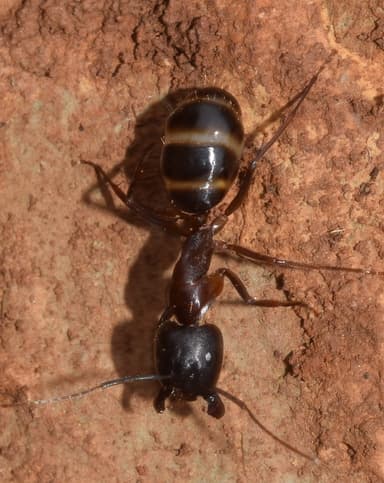
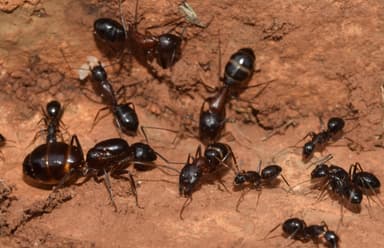
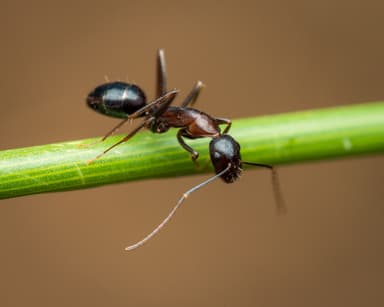
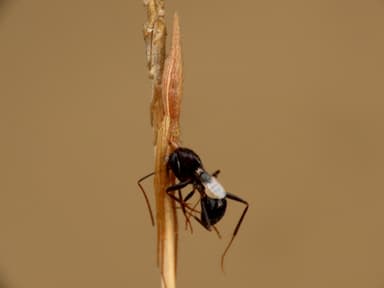
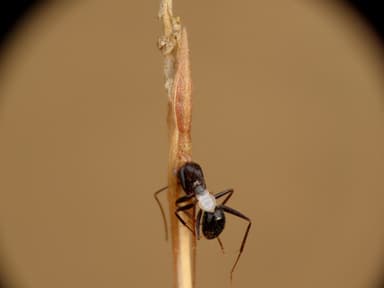
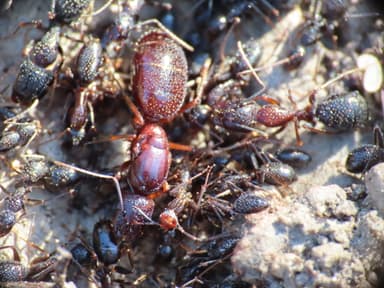
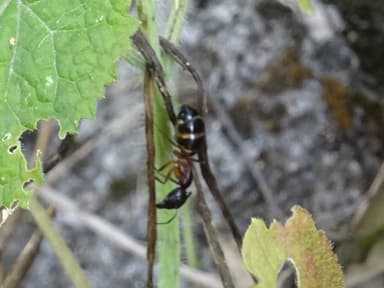
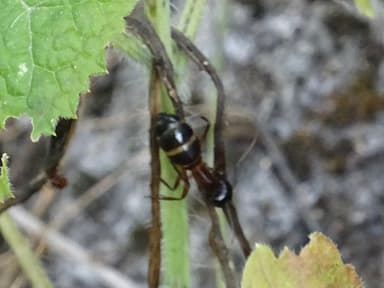
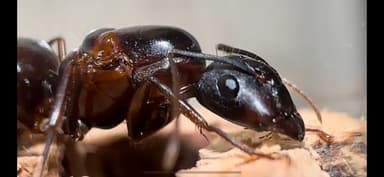
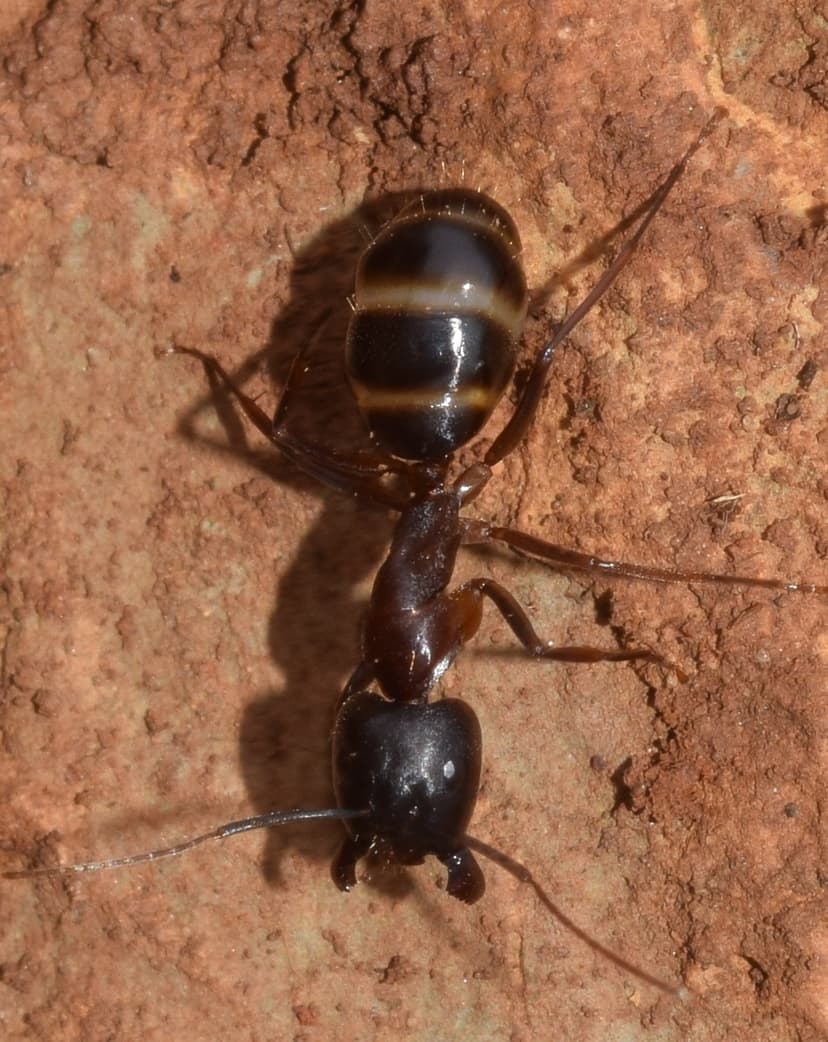
Camponotus sylvaticus is a robust and charismatic carpenter ant native to the warm Mediterranean region, its range stretching from the Iberian Peninsula across southern Europe, as reflected in occurrence data bounded by latitudes 30° to 47°N and longitudes -10° to 35°E (GBIF). Queens measure an impressive 14 to 17 mm, while workers display pronounced polymorphism with a distinctive two‑caste system: minor workers as small as 6 mm and major workers reaching up to 12 mm, endowed with large, muscular heads that function as living seed‑crackers and colony defenders (Seifert 2018). Mature colonies can number up to 10,000 individuals, though they typically grow more modestly in captivity. This species is entirely claustral, meaning a newly mated queen seals herself away and rears her first brood on internal fat reserves alone. Nuptial flights occur on warm, humid afternoons from June through September, often triggered by summer rains, making them a familiar sight across Mediterranean scrublands (AntWiki). What makes C. sylvaticus particularly appealing is its accessible combination of substantial size, active foraging behaviour, and clear caste differentiation, all wrapped in a relatively undemanding husbandry profile.
For the beginner ant keeper, few species offer a more forgiving introduction to the genus Camponotus. Its care difficulty is rated as beginner precisely because it tolerates minor fluctuations in temperature and humidity, does not demand live founding feeding, and grows slowly enough that management remains relaxed. The large size of both queens and workers makes observation effortless, and the gentle disposition of minor workers reduces the anxiety often associated with handling escape-prone ants. While all ants require diligence, C. sylvaticus rewards a methodical keeper without punishing small mistakes, making it an excellent choice for those new to the hobby or anyone wishing to experience the full carpenter ant life cycle without the high demands of more sensitive, moisture‑dependent species.
Housing should emulate the dry, well‑ventilated microhabitats this ant favours in nature. A temperature gradient from 22 to 28 °C mimics the sun‑warmed soil and stone nests of southern Europe, with the warmer end promoting brood development. Humidity between 50% and 70% is sufficient; excessive moisture must be avoided as it encourages fungal problems, especially in closed nest designs. A nest constructed from aerated concrete (Ytong), plaster, or a thin soil‑clay mixture works well, ideally offering multiple chambers so the colony can self‑regulate microclimate. An attached outworld foraging arena should be escape‑proofed with a PTFE or olive oil barrier, and a layer of sand or fine gravel provides a naturalistic footing. Lighting is best kept subdued, as these ants tend toward crepuscular activity, becoming most active during dawn and dusk hours.
Diet for C. sylvaticus follows the standard carpenter ant formula: protein for larval growth and sugars for worker energy. Offer small, freshly killed insects such as crickets, fruit flies, or mealworm pieces two to three times per week, adjusting quantity to colony size and appetite. Major workers often process larger prey items, which is fascinating to observe. Carbohydrates can be supplied as diluted honey, sugar water, or slices of ripe fruit; replace sweet offerings frequently to prevent spoilage. Always provide a clean water source, either via a test tube setup with cotton plug or a small, shallow drinking vessel in the outworld. Adequate hydration helps maintain the nest’s humidity gradient and supports overall colony vigour.
A proper hibernation period is non‑negotiable for the long‑term health of this species. In the wild, C. sylvaticus experiences cooler winters at the northern edge of its range, and captive colonies must be exposed to a stable temperature around 10 °C for three to four months. Begin preparations in late autumn by gradually reducing temperatures over two to three weeks and ceasing all feeding to allow workers to clear their guts. The colony should be placed in a dark, cold cellar, wine cooler, or refrigerator with precise temperature control, ensuring the nest does not dry out completely. Monitor humidity; a slight residual moisture is acceptable. In early spring, reverse the process, slowly warming the colony back to room temperature before offering the first sugary meal.
When your C. sylvaticus colony first arrives, whether as a single founding queen or a small young colony, patience is paramount. If you receive a queen in a test tube, simply store her in a quiet, dark space at around 24 °C and resist the urge to check more than once a week. She will not eat; all her energy comes from her wing muscles. After the first tiny workers (nanitics) emerge, place a tiny drop of sugar water on a foil tray just inside the tube opening, then begin offering protein a day later. For a small colony already with workers, minimize disturbance during the first week, provide a pre‑configured nest, and wait until you see ants calmly exploring the outworld before offering food. Watch for the queen’s steady egg‑laying and the workers’ willingness to forage, signs of a settled and thriving colony. With consistent, modest care, your Camponotus sylvaticus will develop into a fascinating microcosm of Mediterranean ecology right on your desk.