Acromyrmex
Acromyrmex heyeri
Nuptial Flight Calendar
Flight months: Oct, Nov, Dec
Care Guide
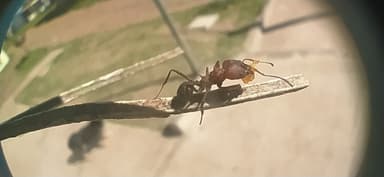
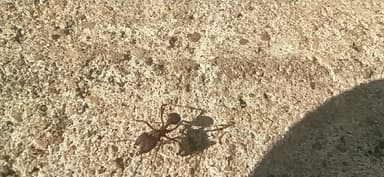
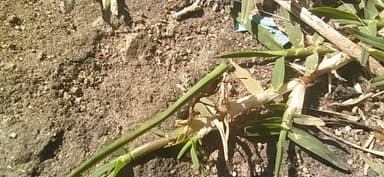
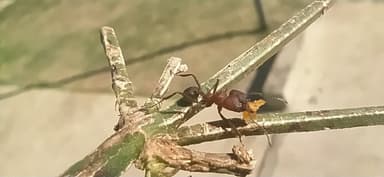
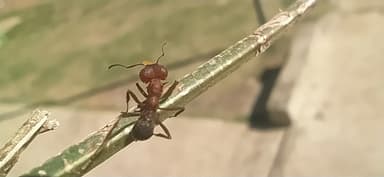
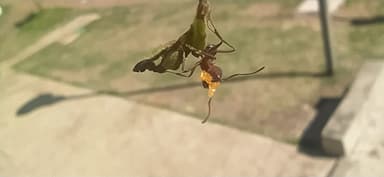
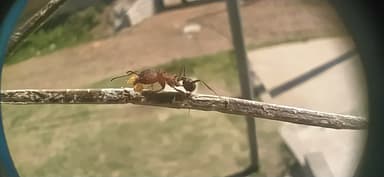
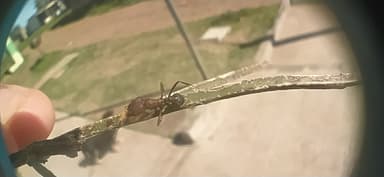
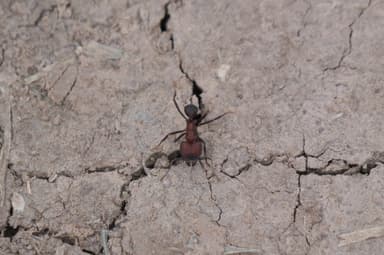
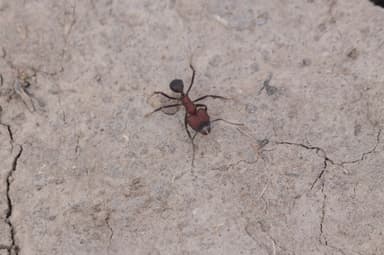
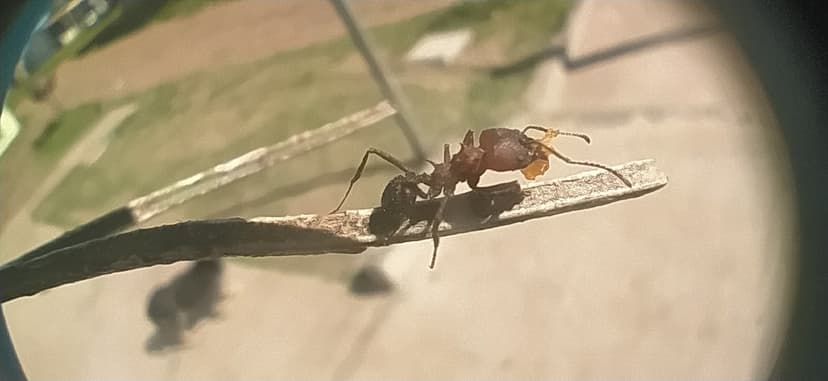
Acromyrmex heyeri, described by Forel in 1899, is a captivating leaf-cutting ant that embodies the industrious spirit of the southern cone of South America. Found across southern Brazil, Uruguay, Argentina, and Paraguay, these ants are renowned for their polymorphic worker caste, which ranges dramatically in size from just 2.5 mm for the smallest minor workers up to 9 mm for the robust majors, while the queen herself is a substantial 13 to 16 mm long. Mature colonies can swell to around 30,000 individuals, organized into three distinct castes—minors, medias, and majors—that collaborate in the intricate choreography of foraging, leaf processing, and fungus garden maintenance. What truly sets Acromyrmex heyeri apart is their obligate mutualism with a symbiotic fungus; the ants meticulously cultivate this fungus on a substrate of freshly cut plant material, and in return the fungus produces specialized nutrient-rich structures called gongylidia that serve as the colony’s primary food source. This living, breathing agricultural system makes them endlessly fascinating to observe, as workers of different sizes cooperate to strip leaves, defend foraging trails, and regulate the microscopic environment of their garden (Bollazzi & Roces 2010).
This species is unequivocally suited to expert-level keepers, and for good reason. The relentless demands of a thriving fungus garden leave little room for error; maintaining the delicate balance of temperature, humidity, and substrate quality requires constant vigilance and a deep understanding of the ants’ ethology. Beginners will almost certainly struggle, as even minor lapses can lead to garden collapse and colony death. Acromyrmex heyeri is best kept by those who have successfully managed simpler ant species for several years and are now drawn to the ultimate challenge of a living, dynamic ecosystem. The reward is a front-row seat to one of nature’s most sophisticated societies, but it comes with a steep learning curve and a daily commitment to fresh leaf provision. Keepers must be prepared for the colony’s sheer biomass; a mature fungus garden can fill a large setup and consume surprising quantities of vegetation, so access to a reliable, pesticide-free year-round source of suitable leaves is non-negotiable.
Housing must replicate the warm, humid conditions of the subtropical and temperate lowlands these ants inhabit. A temperature range of 20 to 28°C is ideal, and while the fungus garden itself generates metabolic heat, most setups will require a gentle external heat source to avoid chilling, especially in cooler months. Humidity is the more critical parameter, demanding 70% to 90% relative humidity at all times within the fungus chamber; if the garden dries, it will quickly perish. Large, custom-built formicaria with generous internal volume work best, as they allow the ants to structure their garden naturally. Many expert keepers use a deep plastic or glass container with a tight-fitting, fine-mesh lid for ventilation, partly filled with a moist, inert substrate like clay pebbles or plaster that holds water without molding. The ants will construct their fungus garden directly on the floor or on a provided platform, and the setup must be completely escape-proof—Acromyrmex workers are resourceful climbers and can chew through weaker materials. A separate foraging arena connected by tubing is advisable for messy leaf provisioning and easy cleaning. Crucially, avoid any substrate or decoration that may harbor mites or molds that could contaminate the garden, and never use chemical cleaners near the nest.
Feeding an Acromyrmex heyeri colony means feeding the fungus, not the ants directly. The workers will eagerly cut a wide variety of fresh, tender leaves, flower petals, and occasionally fruit, but all plant material must be thoroughly washed and confirmed free of insecticides, herbicides, or pollutants. In their native range, they utilize plants from families such as Myrtaceae, Fabaceae, and grasses, but in captivity they readily accept common offerings like bramble, rose, privet, dandelion, and citrus leaves. Provide small, fresh portions daily and remove any dry or moldy scraps promptly, as decomposing vegetation will foul the nest and invite pathogens. Water is primarily supplied through the high humidity; the fungus garden will absorb moisture from the air and the damp substrate. However, it is wise to offer a small test tube of water plugged with cotton in the foraging area, or to lightly mist the foraging arena occasionally—but never spray directly onto the fungus, as droplets can drown hyphae. The ants themselves may drink from droplets on surfaces, but they receive most of their hydration and all their nutrition from consuming the gongylidia. Supplemental feeding with sugar water or protein is unnecessary and can actually harm the garden’s microbial balance, so simplicity is key: a continuous buffet of fresh, clean leaves.
Unlike ants from temperate zones, Acromyrmex heyeri does not require a winter dormancy period. Their native habitat experiences mild winters but no prolonged freezing, and the colony remains active year-round, constantly tending its garden. Keepers should maintain the same temperature and humidity regime throughout the year, though a slight seasonal fluctuation within the 20–28°C range is well tolerated and may even mimic natural cycles. Nuptial flights occur in the austral late spring to early summer, typically October through December, on warm, humid afternoons following rain (Diehl-Fleig 1995). While captive breeding is extremely challenging, this timing is useful knowledge if you ever hope to catch a founding queen for a new colony, though responsible keepers must ensure any collection is legal and sustainable.
The first days after acquiring a small founding colony or a queen with her incipient fungus garden are a delicate period. Immediately upon arrival, place the ants in their permanent nest setup, ensuring that temperature and humidity are already stable. Minimize all disturbance for at least 48 hours; the queen and workers will need time to transfer their fungus to the new substrate and settle. Do not offer leaves during the first day—the colony may still be stressed and a premature feeding can lead to unwanted mold if the cut leaves are left unused. Instead, after a day or two, gently place a tiny, moistened fresh leaf or a few dandelion petals near the garden entrance. Watch carefully: healthy workers will rapidly recruit and begin cutting. During these early days, your primary focus should be observing the fungus garden. It should appear plump, white to grayish, and spongy with a slightly sweet, earthy smell. Any signs of browning, shriveling, or a sour odor may indicate humidity issues or contamination, demanding immediate adjustment of moisture and ventilation. The queen may remain hidden within the garden mass; this is normal. Resist the urge to poke or probe, as chronic stress can cause the queen to cease egg-laying. With patience and meticulous environmental control, the colony will gradually expand its garden and worker force, rewarding your care with the mesmerizing spectacle of leaf-cutting activity in miniature (AntWiki; Bollazzi & Roces 2010).