Pheidole
Pheidole desertorum
Nuptial Flight Calendar
Flight months: Jun, Jul, Aug, Sep
Care Guide
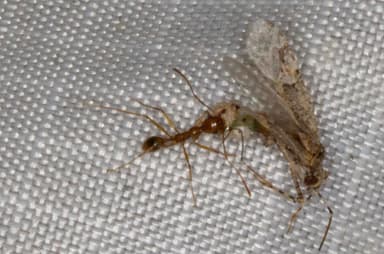
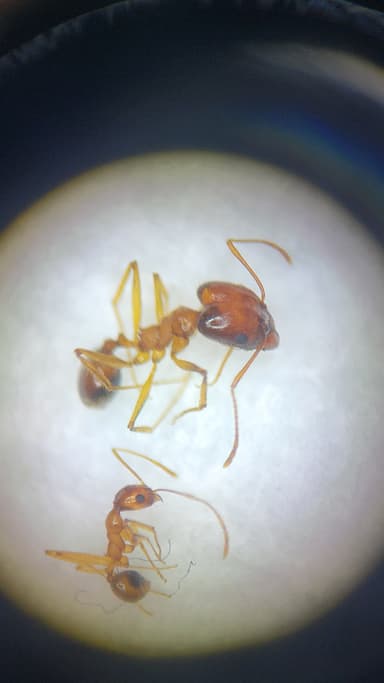
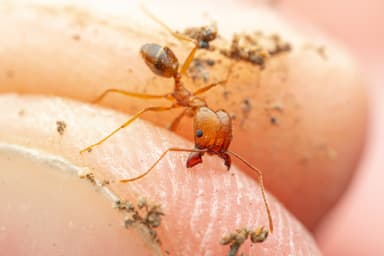
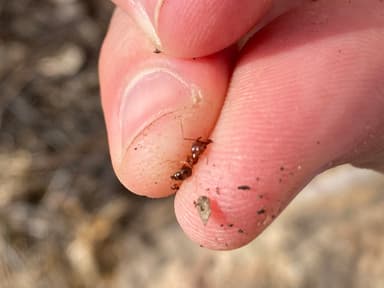
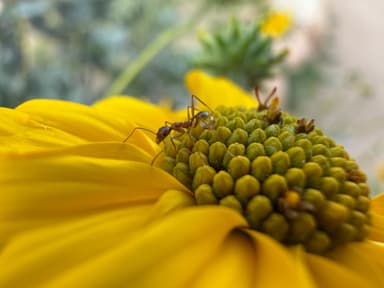
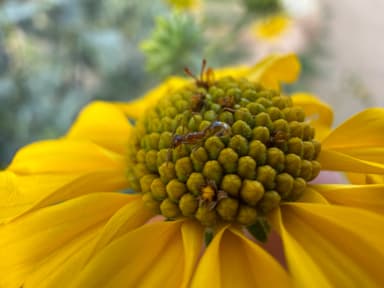
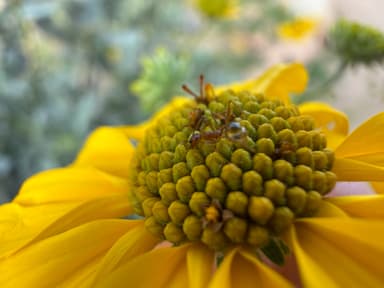
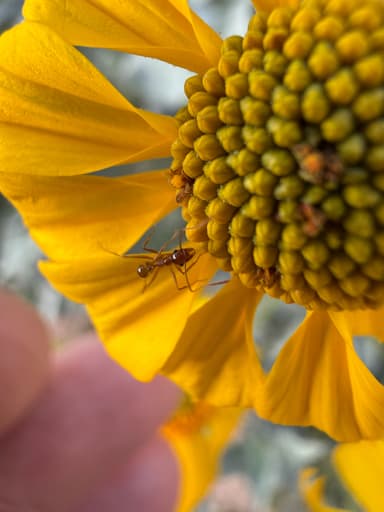
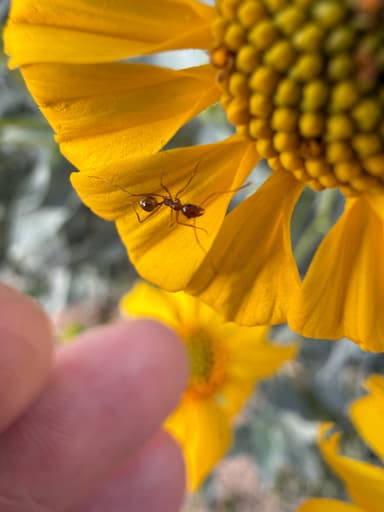
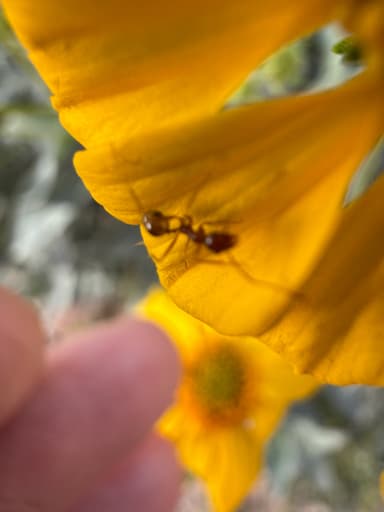
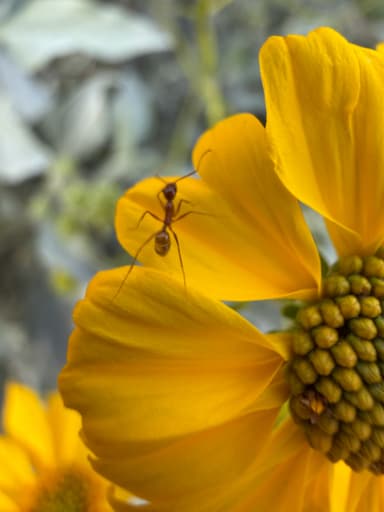
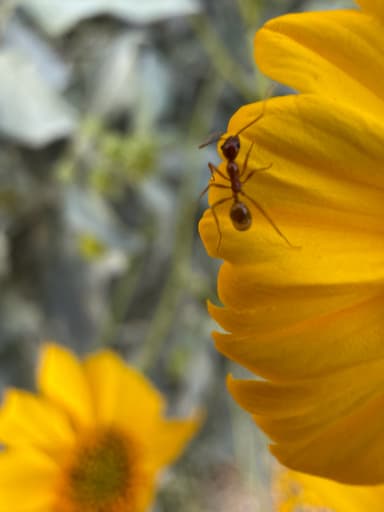
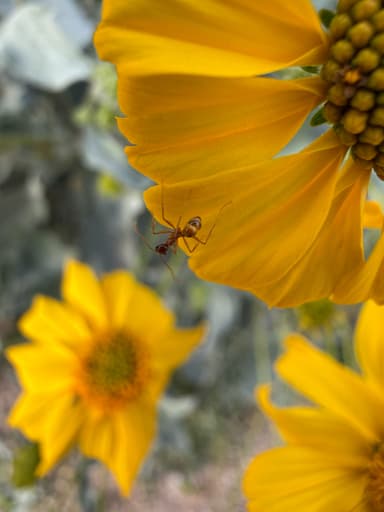
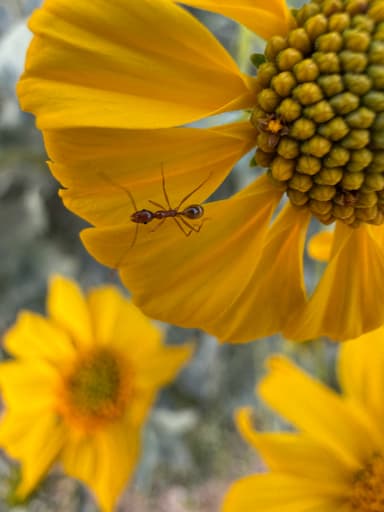
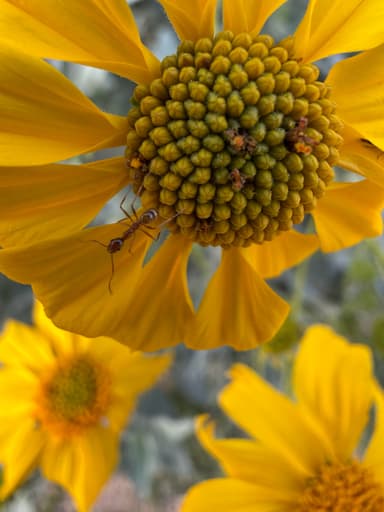
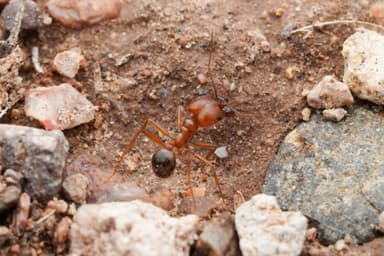
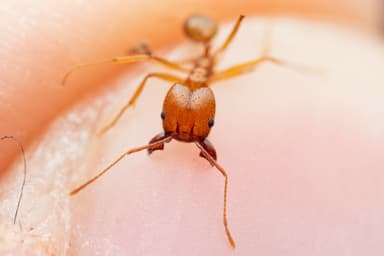
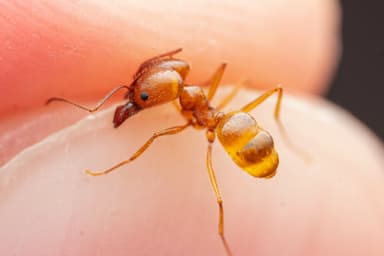
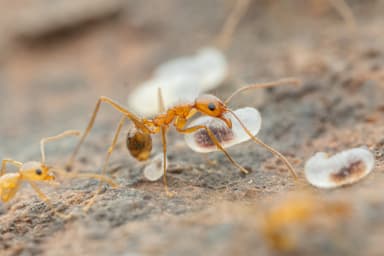
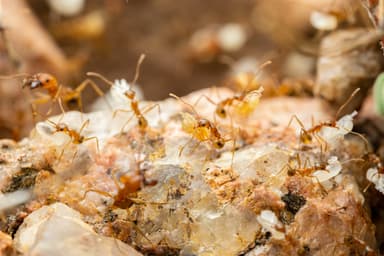
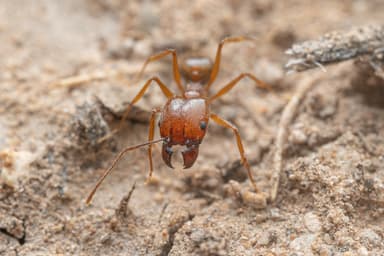
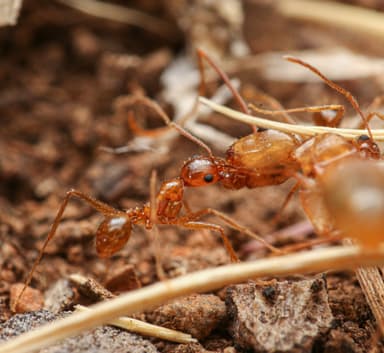
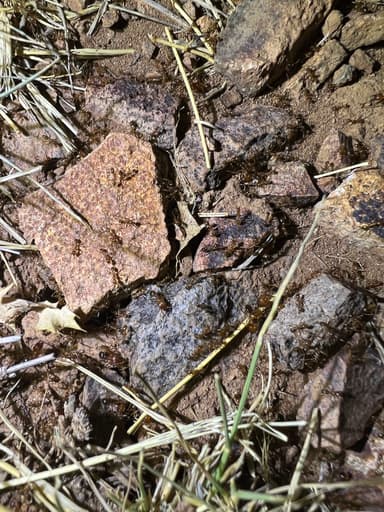
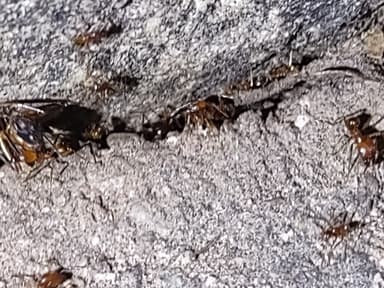
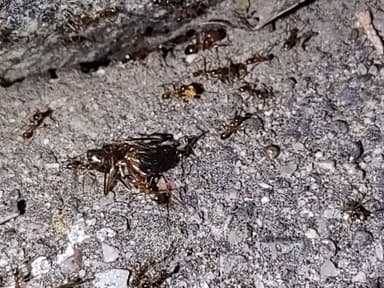
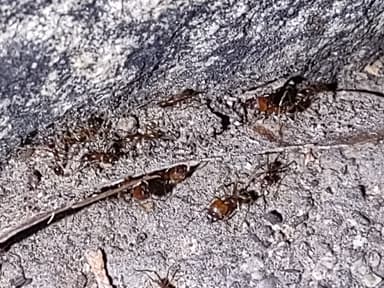
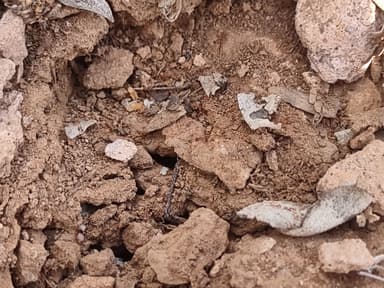
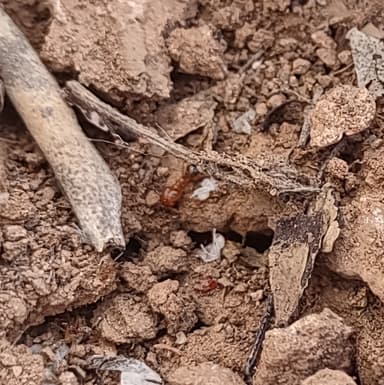
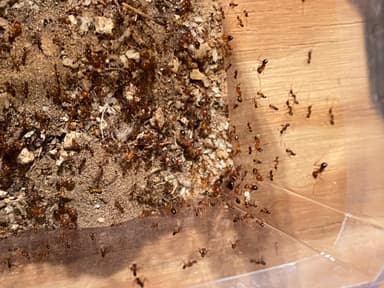
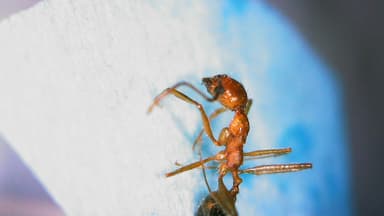
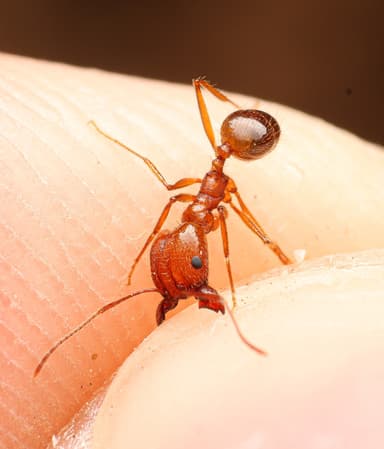
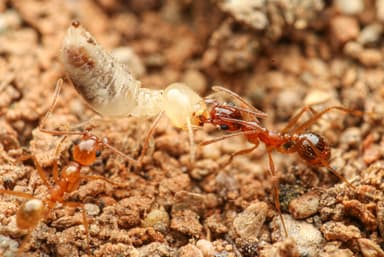
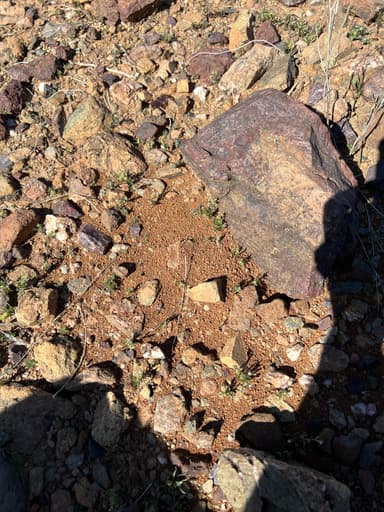
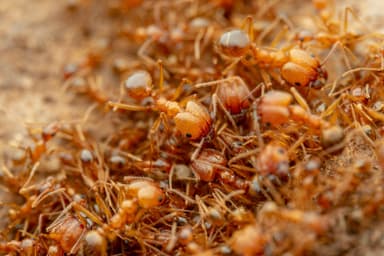
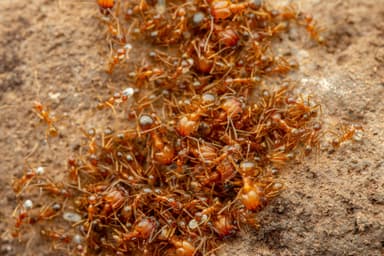
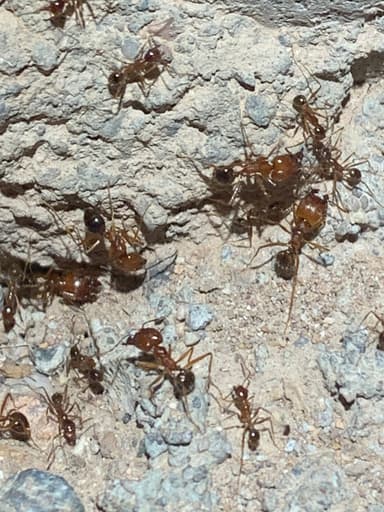
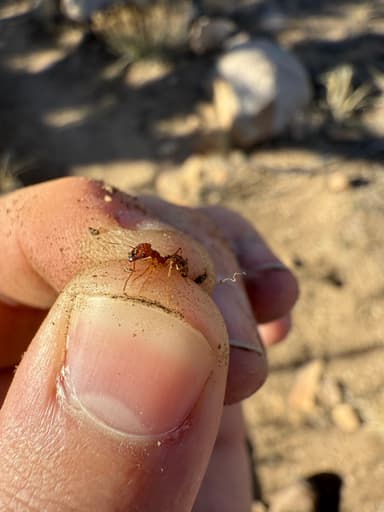
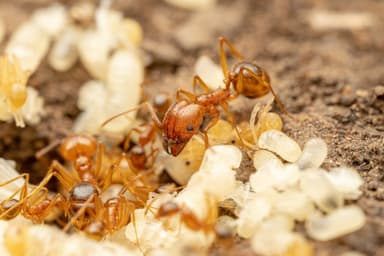
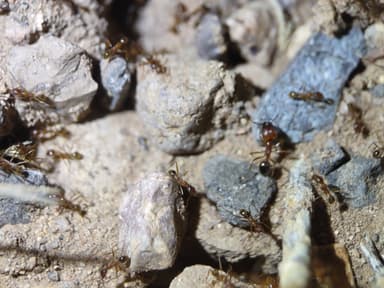
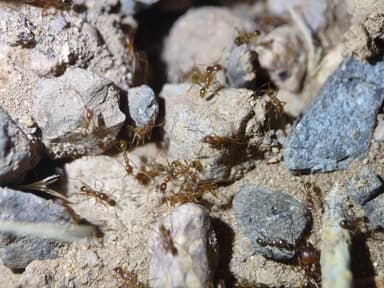
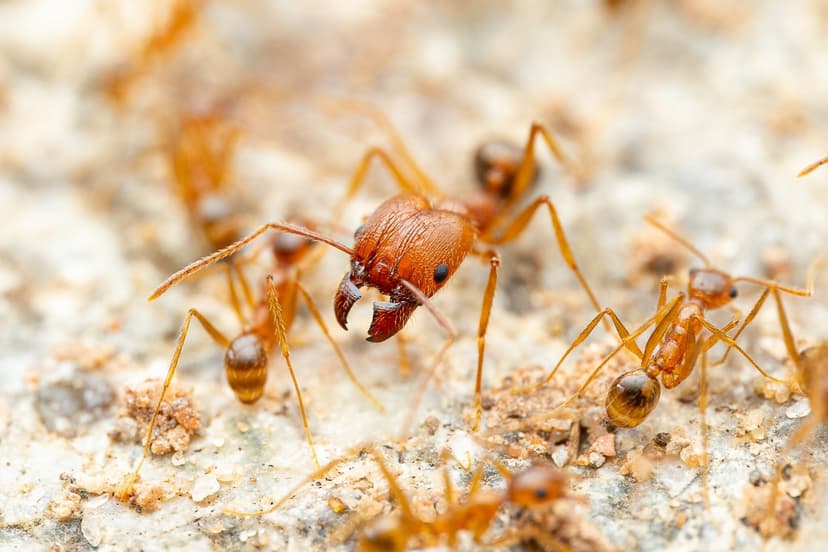
Pheidole desertorum is a captivating desert-dwelling ant with a characteristic dimorphic worker caste that exemplifies the genus’s renowned division of labor. Native to the arid landscapes of the southwestern United States and northern Mexico, this species thrives in a broad band stretching roughly from the Mojave to the Chihuahuan Desert, as its occurrence records between 19° and 40° north latitude indicate. Queens are robust, measuring 5.5 to 6.5 mm, while the minor workers are petite at just 2 mm to 3.5 mm, a size contrast that becomes even more striking once the large-headed majors (soldiers) make their appearance. Mature colonies can swell to an impressive 15,000 individuals, a population that demands ample foraging space and attentive management. What makes P. desertorum particularly interesting to keepers is its behavioral repertoire: the majors are not merely oversized defenders but also serve as living seed mills, using their powerful mandibles to crack open hard seeds, while minors handle brood care, nest maintenance, and the bulk of foraging. This ecological role as a harvester ant in desert grassland habitats has been well documented (Wilson 2003), and their anti-predator responses – including the dramatic recruitment of majors when a nest is disturbed – have been studied in detail (Droual 1984). For the hobbyist, a colony offers a window into a highly social, adaptable species that balances a classic desert lifestyle with the complexity of a physically differentiated worker force.
This species is best suited to keepers with some prior ant-keeping experience, earning its intermediate care difficulty rating. While P. desertorum is not as demanding as tropical fungus-growers or strict social parasites, it does require a careful hand with environmental controls – especially humidity and hibernation. Beginners may find the dry nesting conditions and prolonged winter rest a challenge, but an attentive intermediate keeper who enjoys replicating desert microclimates will find the colony vigorous and rewarding. The ants are monogynous and claustral, meaning a single newly mated queen will seal herself away to found the colony without feeding, a straightforward process for the keeper as long as she is left undisturbed. Nuptial flights occur during the warm, humid nights of July through September, following the arrival of summer monsoon rains in regions like Arizona and New Mexico; this timing allows local collectors to secure a queen after a thrilling nocturnal emergence.
Housing P. desertorum demands a formicarium that mimics the well-drained, temperature-moderating soil of a desert floor. A ytong or plaster nest offers excellent humidity regulation and allows for a visible chamber complex, while a naturalistic setup with a sand-clay mixture provides an aesthetically pleasing and diggable substrate. The nest should be kept decidedly dry, with an overall humidity range of 30% to 60% – typical of desert air but a stark contrast to the tropical conditions many beginners assume ants require. A slight moisture gradient can be provided by a small water source at one end, but the main living quarters must never become damp, as prolonged moisture invites fungal outbreaks and brood mortality. Temperature is equally crucial: maintain a steady range of 22°C to 32°C, ideally with a heat gradient so the colony can self-regulate. An external heat mat or cable placed against one side of the nest, regulated by a thermostat, does the trick. The outworld should be escape-proof and spacious, furnished with a thin layer of dry sand, small pebbles, and a hide or two, all of which encourage natural foraging behavior and waste disposal.
Pheidole desertorum is an omnivorous harvester with a strong granivorous lean, and its diet must reflect this. Minors eagerly accept small insect prey – fruit flies, pinhead crickets, or chopped mealworm pieces – which supply essential protein for brood development. Majors will readily process seeds, so offering a mix of tiny seeds such as chia, poppy, or finely crushed canary grass seed allows the colony to exhibit its full behavioral repertoire. Carbohydrates should come in the form of diluted honey, sugar water, or a commercial ant nectar, served in a small liquid feeder that prevents drowning. Fresh water must always be available, either via a water tube or a moist cotton pad in the outworld. Be mindful that these ants are adapted to a resource-pulse environment; feed them twice a week during the active season, but adjust quantities to what is consumed within 24 to 48 hours to prevent spoilage. A polished source (Hölldobler & Wilson 1990) makes clear that Pheidole species in arid lands store seeds in granary chambers, so a moderate surplus is not a problem – but avoid overfeeding, which invites mites.
A genuine hibernation period is not optional for this species – it is required. In the wild, P. desertorum endures a winter cool-down that brings activity to a near halt. Replicate this by gradually lowering the temperature to a constant 15°C over a couple of weeks in late autumn, using a wine cooler, a cool basement, or a temperature-controlled chamber. The colony should remain at this resting temperature for two to three months, typically December through February, during which foraging will cease and the queen will stop laying eggs. The nest should be kept just barely dry; a tiny water source can remain to prevent desiccation, but avoid moisture spikes. After the dormancy, slowly warm the colony back to the active range. Skipping hibernation leads to a sluggish spring, reduced queen fecundity, and an overall shortened colony lifespan.
When your P. desertorum queen and her first small clutch of workers arrive after purchase, restraint is your greatest tool. Place the test tube or starter formicarium in a dim, quiet area, connect to the outworld only after a few days of acclimation, and resist all temptation to check on her frequently. The first feeding should be tiny: a single pre-killed fruit fly or a minuscule drop of sugar water placed near the tube entrance, offered only after the queen has had 24 to 48 hours to settle. Expect the small founding colony to be skittish, and workers may initially stack brood near the queen and limit foraging to brief, twitchy bursts – this is normal anti-predator behavior (Droual 1984). Watch for the first batch of pale callows; their emergence signals that the colony is accepting its new environment. Only then should you gradually introduce a richer diet and increase observation frequency. With patience and precision, these diminutive desert architects will build a thriving metropolis that captures the essence of the arid Southwest right on your shelf.