Lepisiota
Lepisiota frauenfeldi
Nuptial Flight Calendar
Flight months: May, Jun, Jul, Aug, Sep
Care Guide
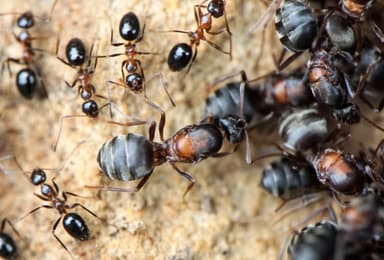
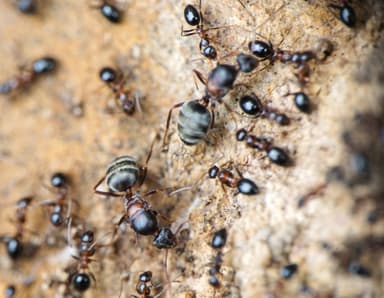
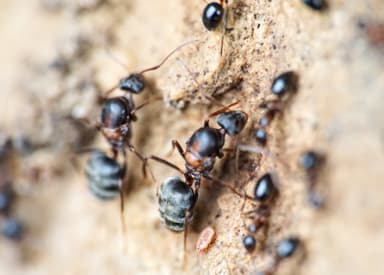
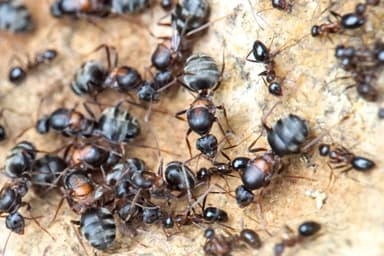
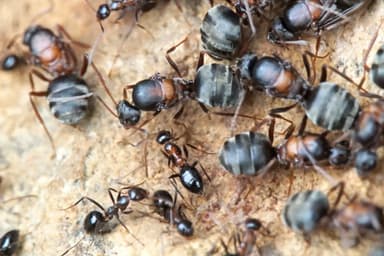
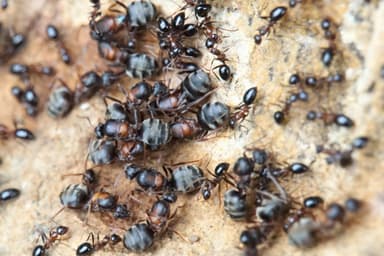
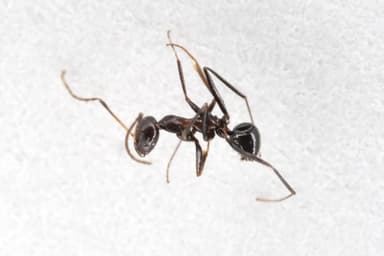
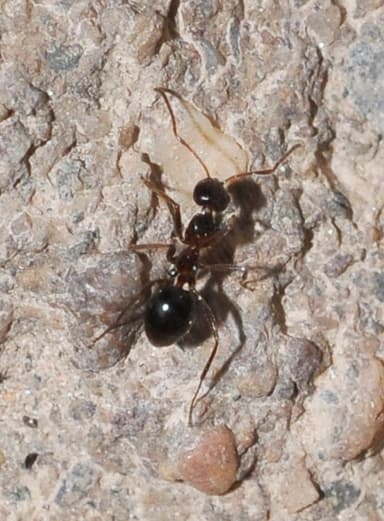
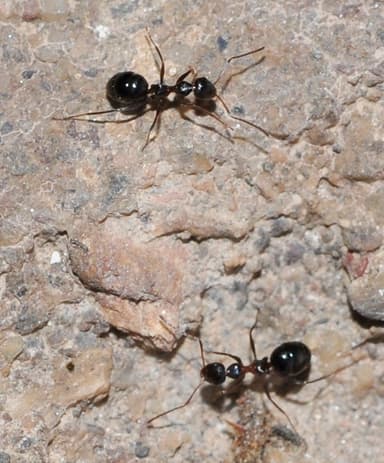
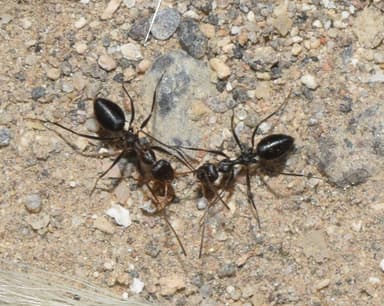
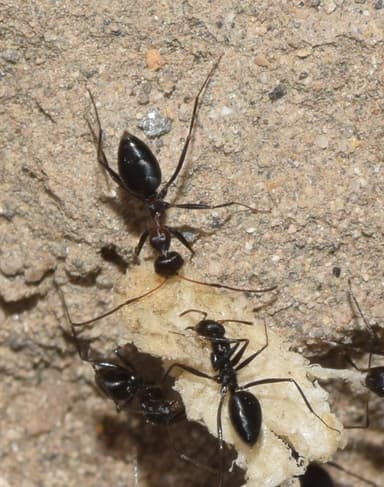
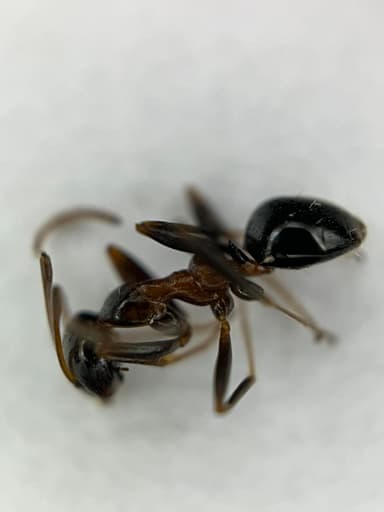
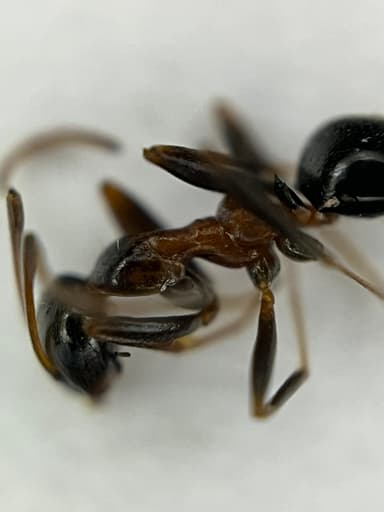
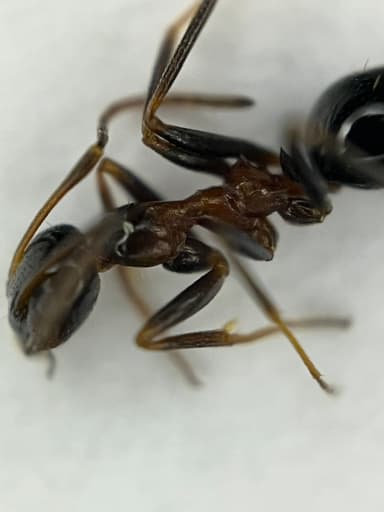
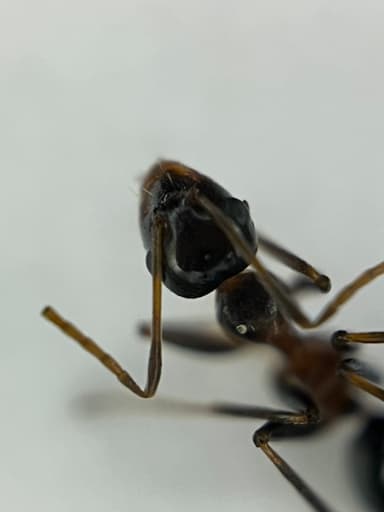
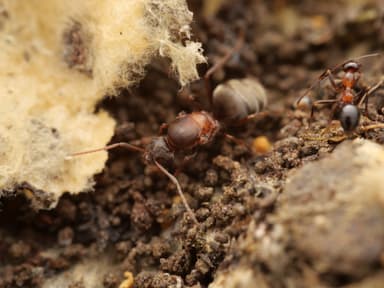
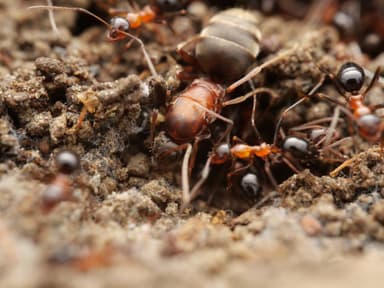
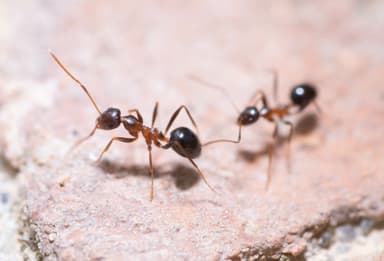
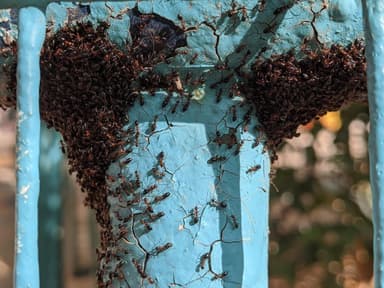
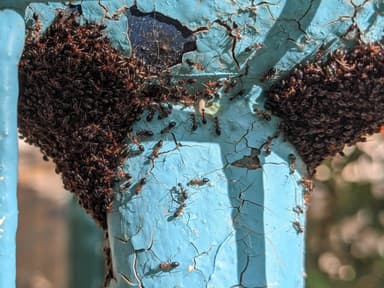
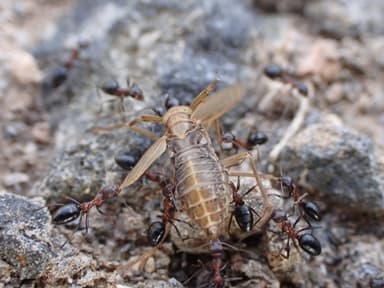
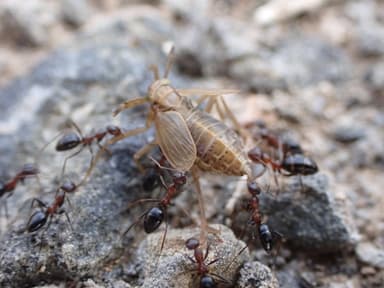
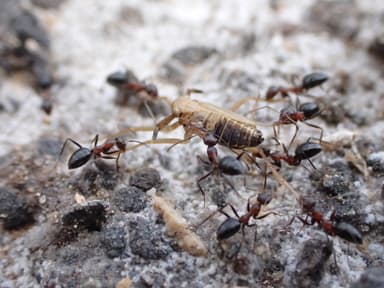
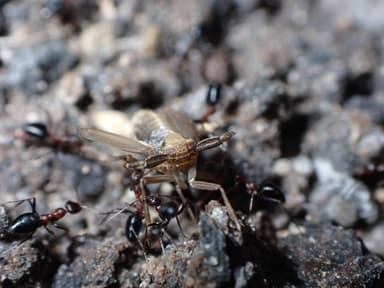
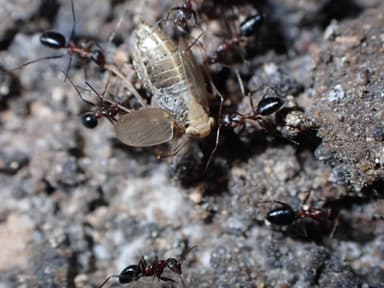
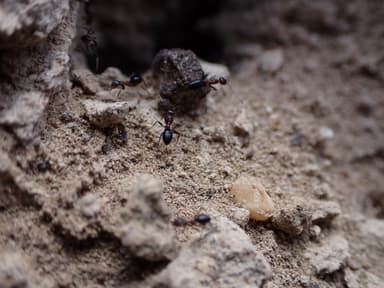
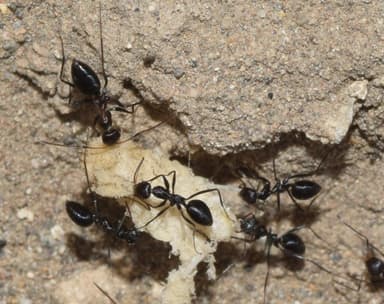
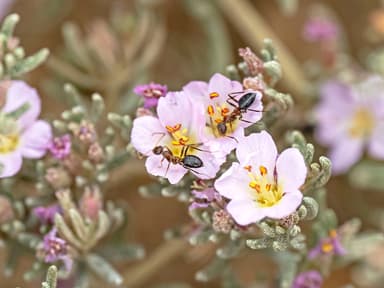
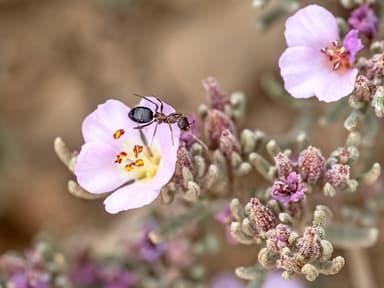
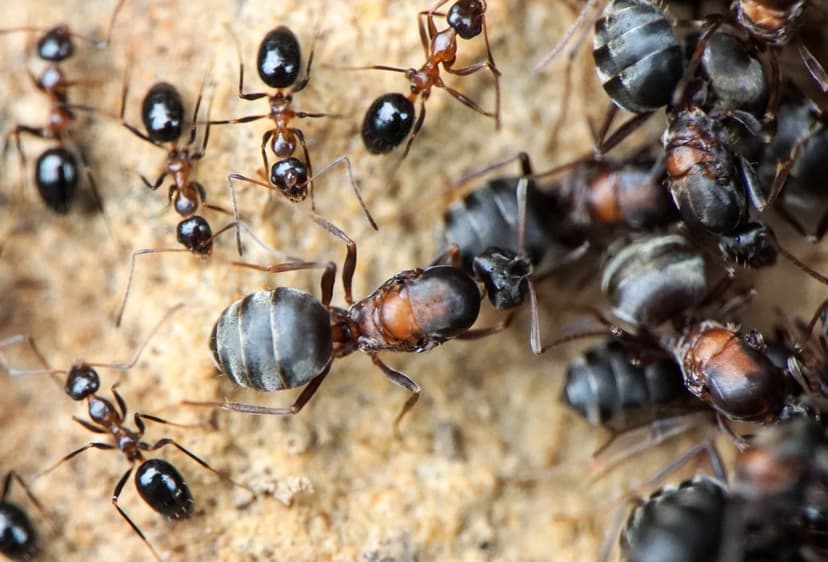
Renowned among ant keepers for its boundless energy and remarkable colony dynamics, Lepisiota frauenfeldi is a small but formidable formicine ant native to the warm, sun‑scrubbed landscapes of the Mediterranean basin and the Middle East, though it has since hitchhiked to many other corners of the globe (Wetterer & Hita Garcia, 2015). Workers measure a mere 2.5 to 3.5 millimetres in length and present a uniform, monomorphic worker caste—no large soldiers, just a single sleek “minor worker” morph. The queens, at 4.5 to 5.5 millimetres, are only slightly more robust. Their integument is typically a deep, polished brown to black, and they move with a rapid, jerky gait that makes them mesmerising to watch. What truly sets this species apart is its mode of reproduction: Lepisiota frauenfeldi does not rely on solitary queen founding. Instead, it expands via budding, a process in which a mated queen departs her home nest accompanied by a sizable retinue of workers to establish a new colony nearby. This cooperative strategy, combined with a staggering potential colony size of up to 100,000 workers, allows them to carpet a foraging area with fearless, fast‑moving scouts. In the wild, they form extensive supercolonies that can dominate local ant communities, and for the hobbyist, this translates into a ceaselessly active exhibit that demands both respect and meticulous attention.
Given its exceptional speed, minuscule head‑width, and propensity for explosive growth, Lepisiota frauenfeldi is undeniably an intermediate‑level species. It is not a suitable choice for a first‑time keeper. Success here hinges on flawless escape‑proofing, because a worker barely 2.5 millimetres across can slip through gaps that are invisible to the careless eye. Moreover, the budding habit means that if conditions are favourable, the colony may attempt to fracture and send offshoots into any connected tubing or unsecured secondary containers, creating a management headache. I recommend this ant to enthusiasts who have already kept fast, highly populous genera such as Pheidole or Linepithema and who enjoy the thrill of a high‑stakes setup. In return, you will be rewarded with a feverishly busy colony that forages around the clock, displays intricate social interactions, and, with proper care, quickly reaches an impressively large population.
Housing must prioritise security and the warm, dry conditions these ants favour. Choose a formicarium with extremely fine ventilation mesh—stainless steel micromesh of 0.2 millimetre aperture is advisable—and ensure all joints, lid edges, and tubing connections are sealed with PTFE or a tight‑fitting, non‑toxic barrier. Acrylic or 3D‑printed nests with narrow chambers work beautifully, as do aerated concrete (Ytong) nests that can be sculpted with tiny tunnels to suit their small size. Maintain the nest at a steady 22 to 30°C; a gentle heat gradient is ideal, so affix a small heat mat to one side of the nest, giving the ants the freedom to choose their preferred microclimate. Humidity should sit between 40% and 60%, reflecting the Mediterranean‑type environment they are adapted to. This can be achieved by providing a water‑filled test tube or a small drinking fountain in the outworld and by lightly misting a corner of the foraging area once or twice a week, but take care not to create perpetually damp corners, as persistent high humidity invites mould and mite issues. The outworld itself should hold a layer of dry sand or sandy loam, perhaps with a few small rocks and bits of cork bark, offering both a naturalistic look and plenty of foraging surface for their non‑stop explorations.
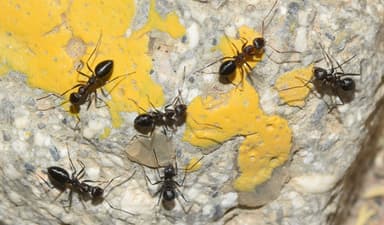
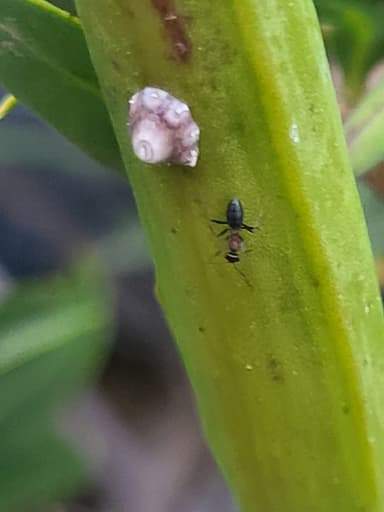
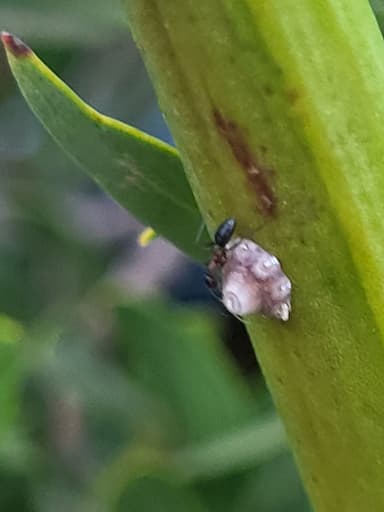
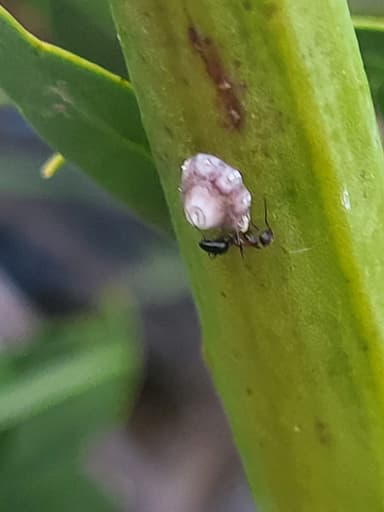
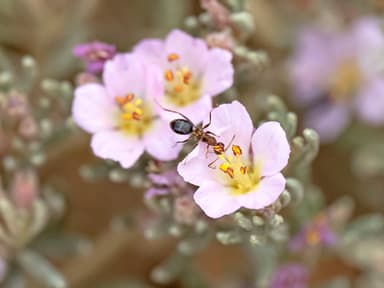
In the wild, Lepisiota frauenfeldi is an avid tender of aphids and scale insects for honeydew, and their dietary needs in captivity mirror this generalist, carbohydrate‑rich lifestyle. For the protein necessary to rear abundant brood, provide freshly killed fruit flies (Drosophila), pinhead crickets, or chopped‑up mealworms two to three times a week. Remove any uneaten insect fragments after twenty‑four hours to keep the outworld clean. The real feast, however, is the sugary food: offer a small, shallow droplet of diluted honey, maple syrup, or a simple sugar‑water solution on a piece of foil every day or every other day. Workers will swarm to it, ballooning their gasters to an almost translucent fullness—a sure sign of good health. Always keep a fresh supply of drinking water available via a gravity‑fed ant drinker, because despite their love of drier surroundings, they must have constant access to moisture. Since colonies can number in the tens of thousands, be prepared to scale up food portions as the population booms, and consider using a feeding dish with a low‑profile ramp to prevent workers from drowning.
One of the practical joys of keeping Lepisiota frauenfeldi is the complete absence of a required hibernation period. These ants originate from regions with mild, rainy winters and hot summers, and they have no seasonal diapause. Simply maintain them within the 22–30°C range all year, and the queen will continue laying eggs without interruption. Brood development will proceed at its natural pace, and you can enjoy an active, bustling colony even in the depths of December. Should you ever observe a slight slowdown in foraging or brood production, it is almost certainly due to a temperature drop or a food shortage rather than an internal biological clock, so a quick check of the heating and a fresh droplet of honey usually restores full activity within hours.
When your new Lepisiota frauenfeldi colony arrives, patience is your most important tool. They will likely be housed in a small travel tube with a handful of workers attending the queen. Connect this tube directly to your prepared formicarium, darken the nest area with a cloth or a red acetate sheet, and let them discover the new chambers on their own schedule. Resist the urge to tap or prod them into moving. After twenty‑four hours of quiet acclimatisation, offer a tiny drop of sugar water at the entrance of the tube or just inside the outworld; this first feeding will help them recover from shipping stress. A day later, introduce a single, very small prey item to gauge their appetite. Watch closely for any signs that they are exploring the outworld and carting minute specks of food back toward the queen—this is the signal that the colony is settling in. The most critical task during these first days is to scrutinise every seam and join for escaping workers; a single scout vanishing into your room is a warning that the containment is not yet foolproof. Once you are confident the fortress is secure and they are feeding well, you can gradually increase the light and begin the rich, long‑term adventure of keeping one of the ant world’s most dynamic pioneers.