Lasius
Lasius platythorax
Nuptial Flight Calendar
Flight months: Jun, Jul, Aug
Care Guide
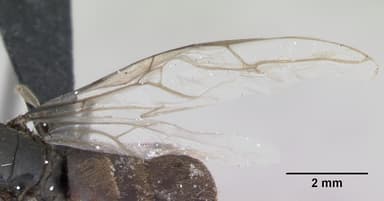
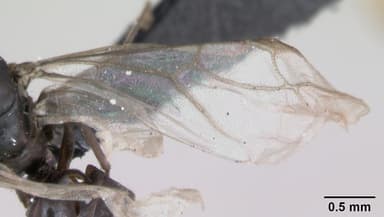
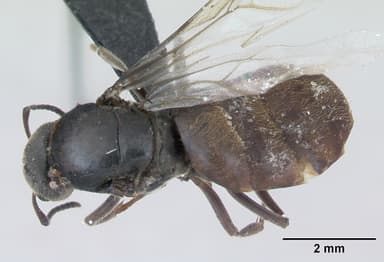
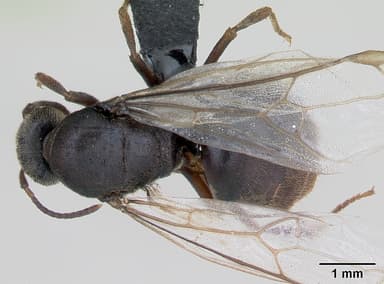
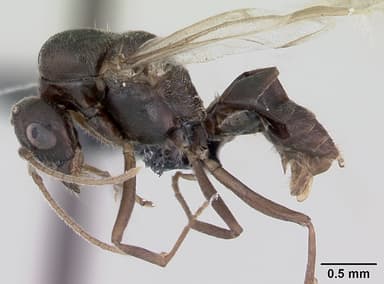
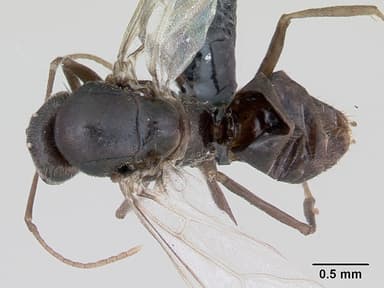
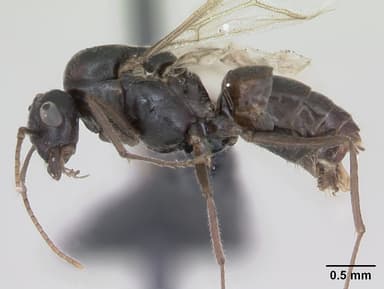
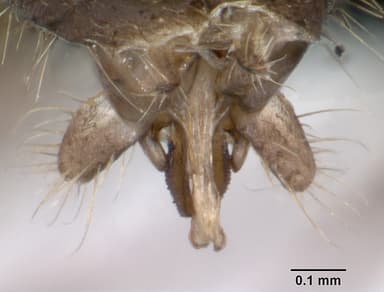
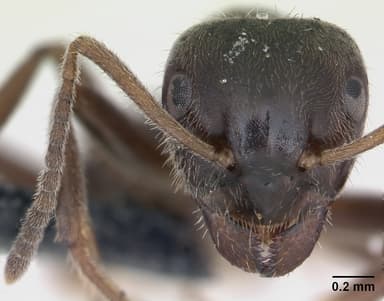
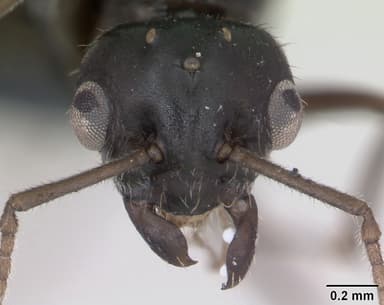
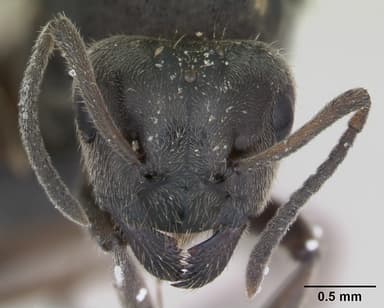
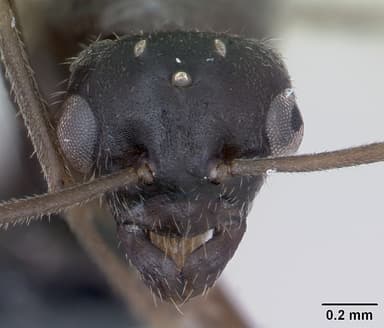
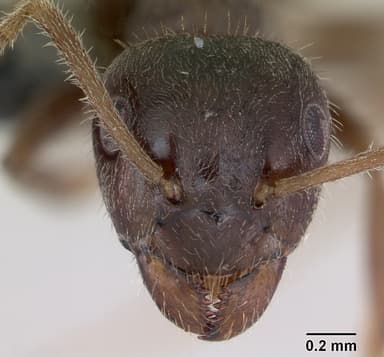
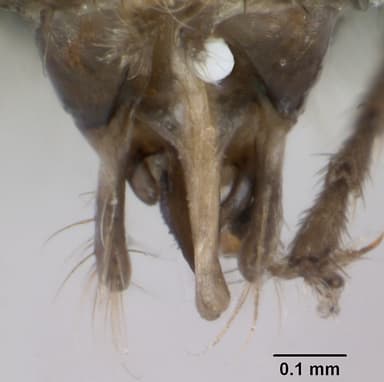
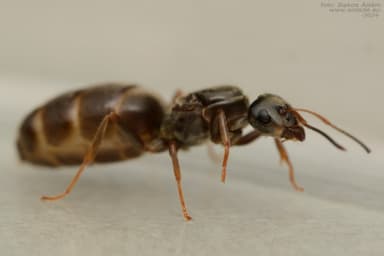
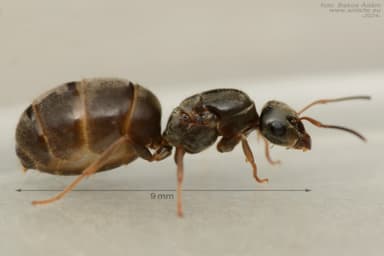
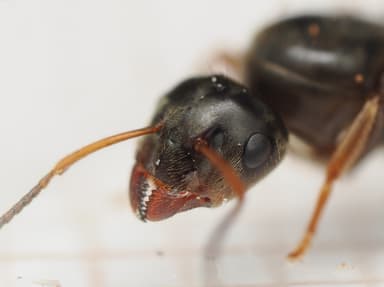
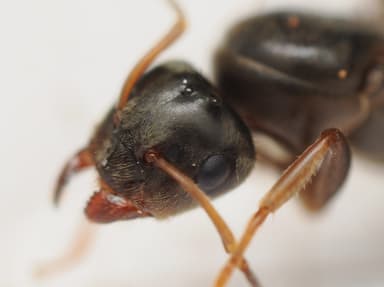
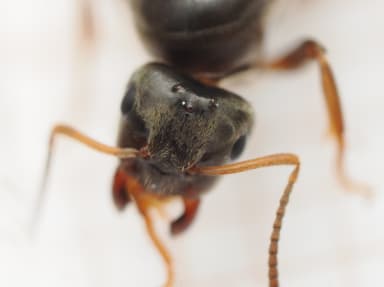
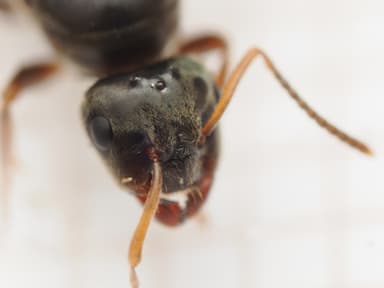
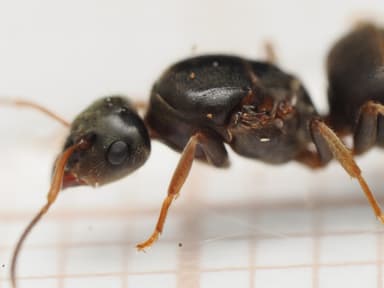
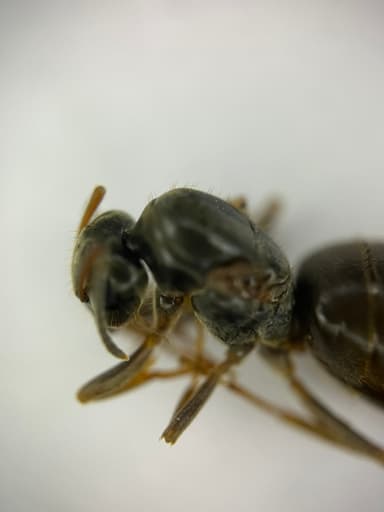
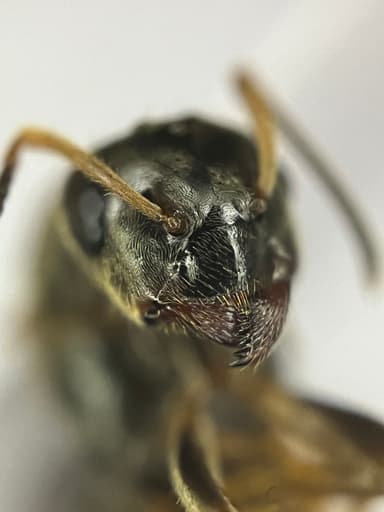
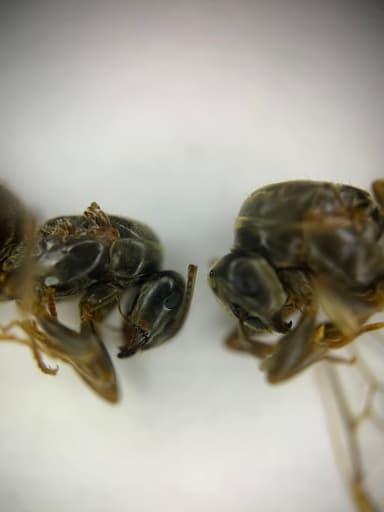
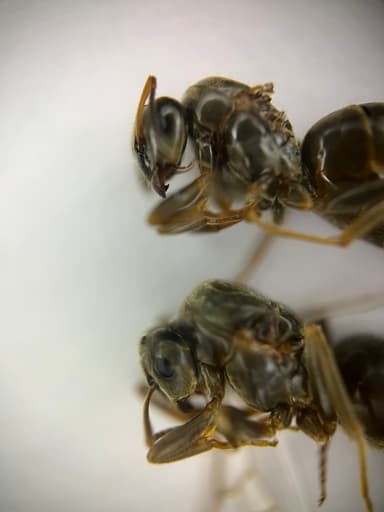
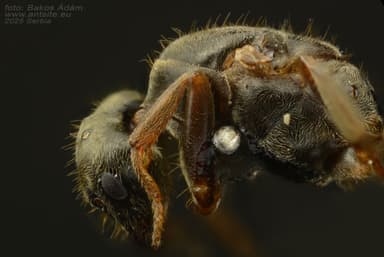
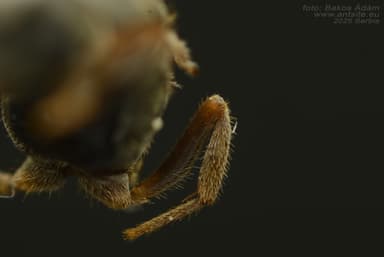
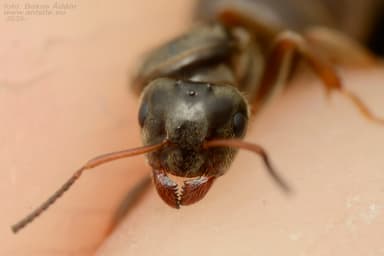
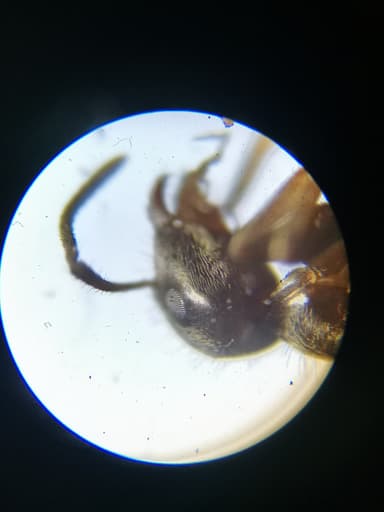
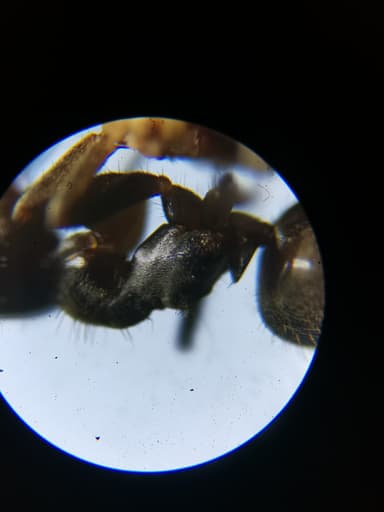
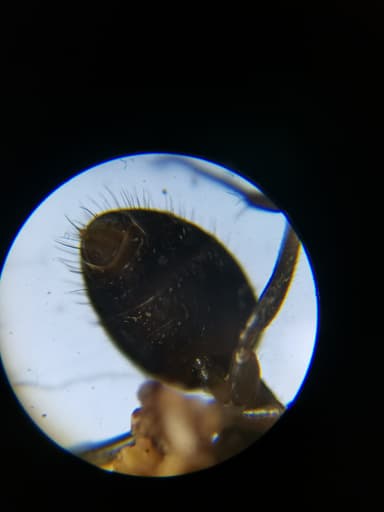
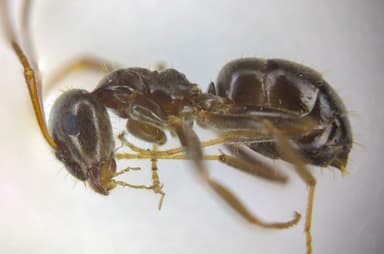
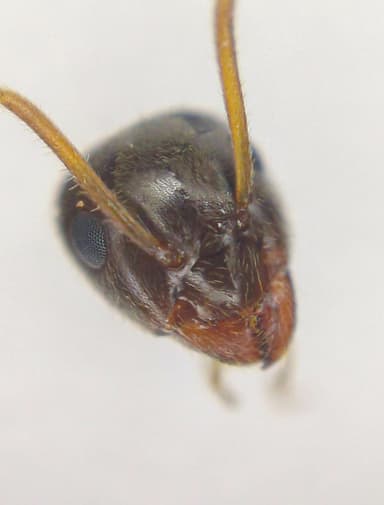
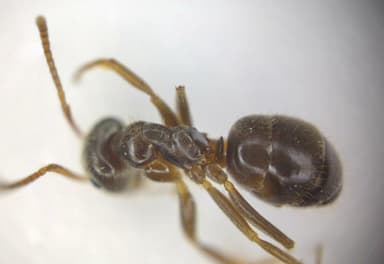
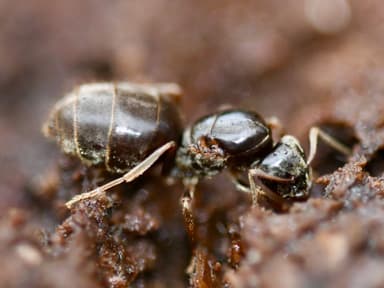
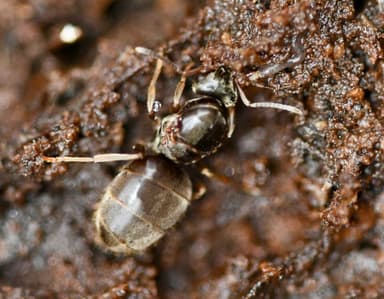
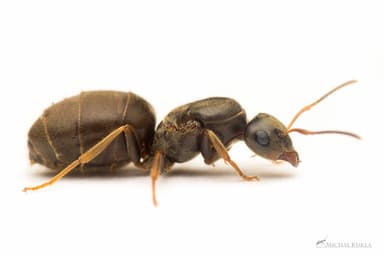
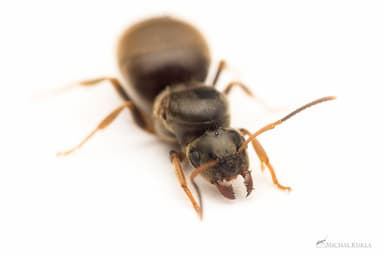
Lasius platythorax is a sleek, dark brown to blackish ant that belongs to the subgenus Lasius s.str., a group dominated by the ubiquitous black garden ant Lasius niger. In fact, for decades this species was hidden in plain sight, mistaken for its more famous relative until the myrmecologist Bernhard Seifert formally described it in 1991 (Seifert 1991). The queens are a robust 7 to 9 millimetres long, while the monomorphic workers range from 3 to 5 millimetres and lack the distinct setae or shininess that help specialists tell them apart from L. niger under a microscope. Colonies are monogynous and can grow to a substantial size, easily reaching 20,000 individuals at maturity. What makes L. platythorax particularly interesting is its ecological niche: while L. niger thrives in dry, open habitats, this sibling species is decidedly more hygrophilic, favouring damp woodlands, peat bogs, and the humid margins of lakes and rivers. Its nuptial flights occur reliably across Central Europe from June through August on warm, humid afternoons following rainfall, when the air temperature climbs above 20°C and winds are low. For the ant keeper who has already experienced the straightforward nature of L. niger, cultivating L. platythorax offers a subtly different window into the evolution of habitat partitioning among closely related ants.
Care difficulty is firmly in the beginner category, though that label comes with a few gentle caveats. Anyone who has successfully kept L. niger will find the rhythm familiar: claustral founding, steady brood development, and a resilient colony that tolerates minor mistakes. However, L. platythorax has a reputation for being somewhat less forgiving of dry conditions than its ubiquitous cousin. This means that the keeper must pay consistent attention to nest hydration, particularly during the warm summer months. Its need for a pronounced, cold hibernation also demands that the keeper have access to a reliably cool space for several months—something not everyone can provide in a modern heated home. Thus, while the species is ideally suited to novices, it rewards those who are willing to engage thoughtfully with its environmental preferences rather than simply treating it as a plug‐and‐play pet.
A suitable housing setup should mimic the cool, humid microclimates these ants favour in the wild. For founding queens, a standard glass test tube with a water reservoir plugged by cotton will suffice for the first year, allowing the queen to rear her first batch of workers without disturbance. Once the colony outgrows the tube, a formicarium with a plaster or Ytong nest block becomes the heart of the setup. These materials wick moisture effectively, making it easy to maintain a relative humidity of 50 to 70 percent inside the nest—a range that keeps brood plump and workers active. The ambient temperature should be kept between 18°C and 26°C, though a steady 22–24°C is ideal for brisk brood development; higher temperatures will dry out the nest faster, so more frequent misting or refilling of water chambers will be required. In the outworld, a thin layer of sand or coconut coir offers a natural substrate for waste disposal and foraging, and a small piece of partially bark-covered rotting wood can be added as an enrichment feature that echoes their natural nesting sites. While L. platythorax does not chew fresh wood, they readily nest under moss and in well-rotted logs, so a wooden element helps express their full behavioral repertoire.
Feeding L. platythorax is straightforward. They require a steady supply of carbohydrates to fuel the adult workforce and protein for their developing larvae. Liquid carbohydrates can be offered daily in the form of organic honey diluted with water, maple syrup, or a veterinarian-approved ant nectar; to prevent workers from drowning, always present these on a small cotton pad or in a micro feeder with a sponge. Protein should be supplied two to three times a week in the form of small, freshly killed or frozen-thawed insects—Drosophila fruit flies, pinhead crickets, and chopped mealworms all work well. Remove any uneaten protein after 24 hours to prevent mold, which can be especially problematic in the higher humidity environment this species enjoys. A permanent water source, either within the nest via a hydrated plaster block or from a water feeder in the outworld, must always be available.
Hibernation is not optional for L. platythorax; it is a deeply ingrained physiological necessity. In the wild, colonies experience a distinct cold season, and without it, queens often stop laying eggs and workers die off prematurely. Hibernation should be timed to match the natural cycle: as October fades into November, gradually reduce the temperature over a week until the colony rests at a stable 5°C (a range of 2–8°C is acceptable). A wine cooler, a cold basement, or a dedicated refrigerator with a thermostat all serve well. The colony must remain in complete darkness and have access to water throughout, though no food is required. A typical hibernation lasts three to four months; in March, slowly warm the ants back to room temperature over several days. A successful hibernation is usually followed within weeks by a surge in egg laying, signalling the start of a vigorous new season.
When you first receive your Lasius platythorax queen or small colony, give them stillness and darkness above all else. After unpacking, place the test tube or formicarium in a quiet, dimly lit spot and leave it undisturbed for at least 24 hours to allow the ants to recover from shipping stress. If workers are present, you may offer a tiny dab of honey on a slip of baking paper on the second day, but avoid introducing live insects initially; a pre-killed fruit fly is more appropriate after the colony has settled and the queen’s first eggs have been laid. Resist the urge to watch them constantly—a single daily check is ample. Keep the nest hydrated and at room temperature. Within a few weeks, a healthy queen will begin laying a small clutch of eggs, and once the first darkening pupae appear, the colony will soon enter its most rewarding phase: the steady, patient growth from a handful of nervous nanitics to a bustling society of thousands.