Lasius
Lasius murphyi
Nuptial Flight Calendar
Flight months: Mar, Aug, Sep
Care Guide
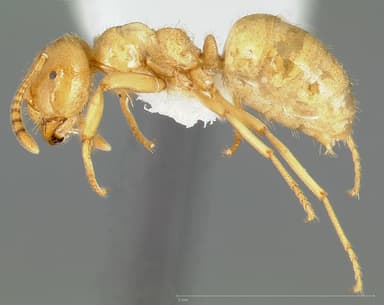
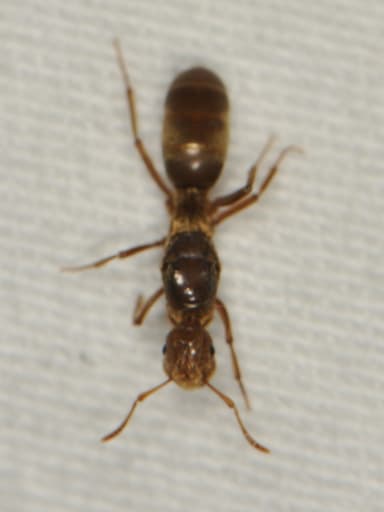
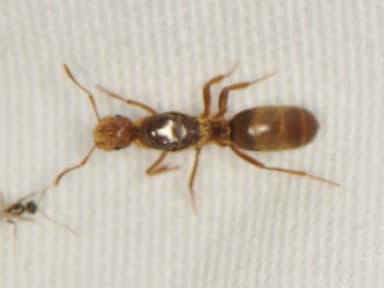
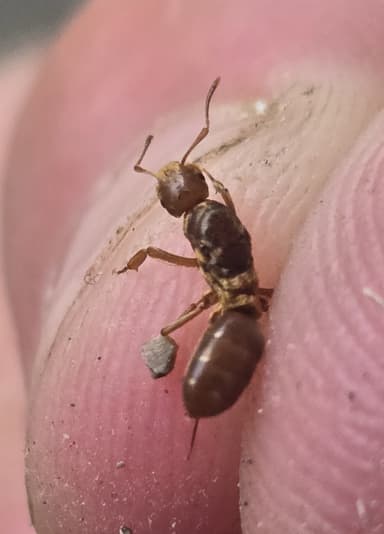
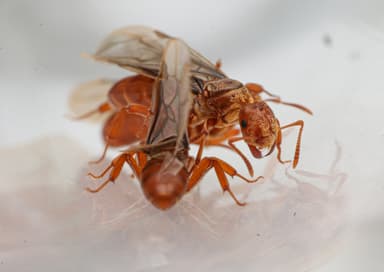
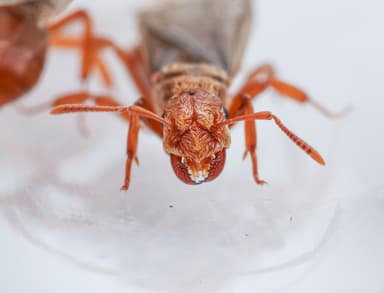
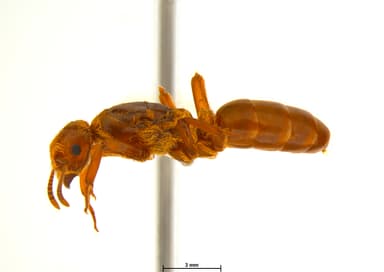
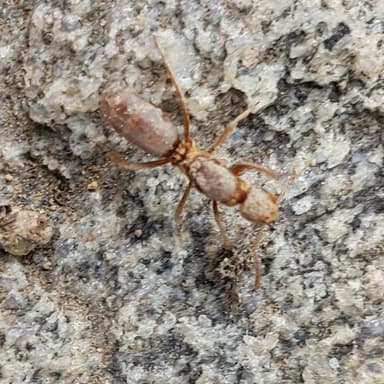
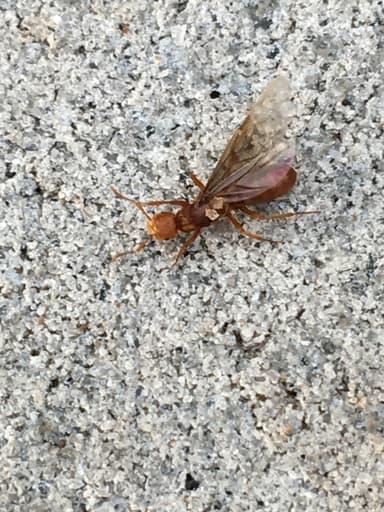
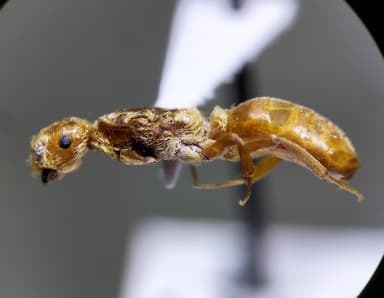
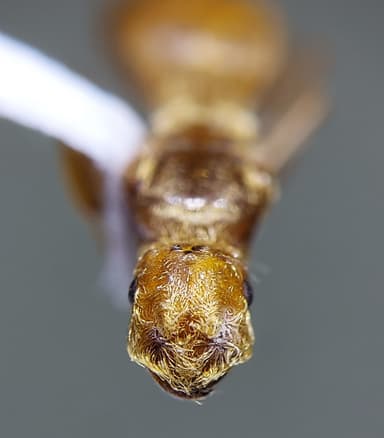
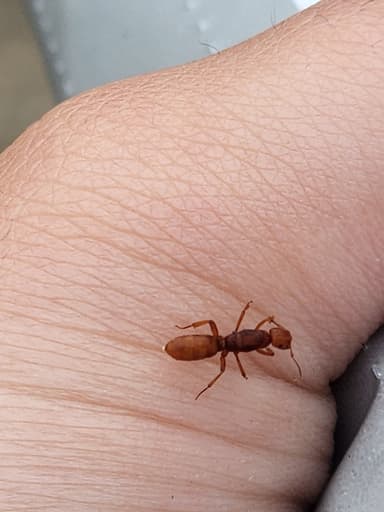
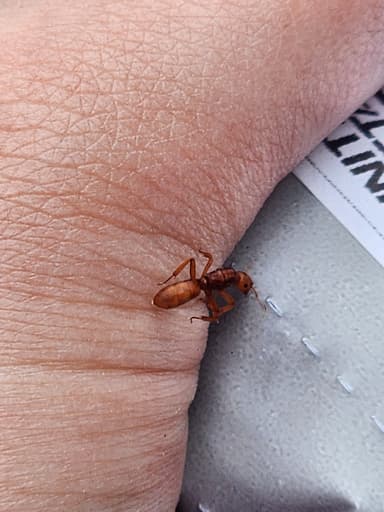
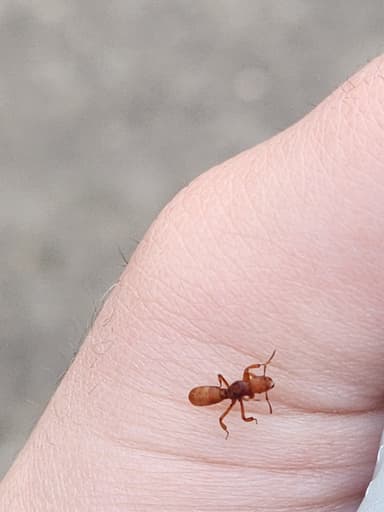
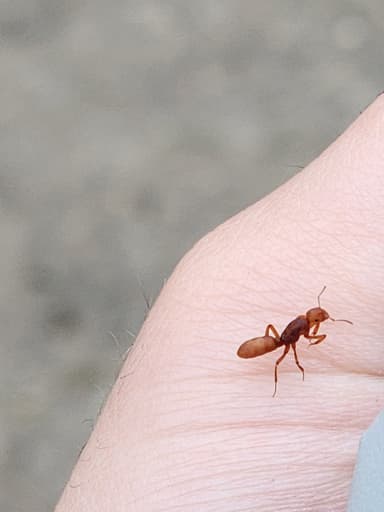
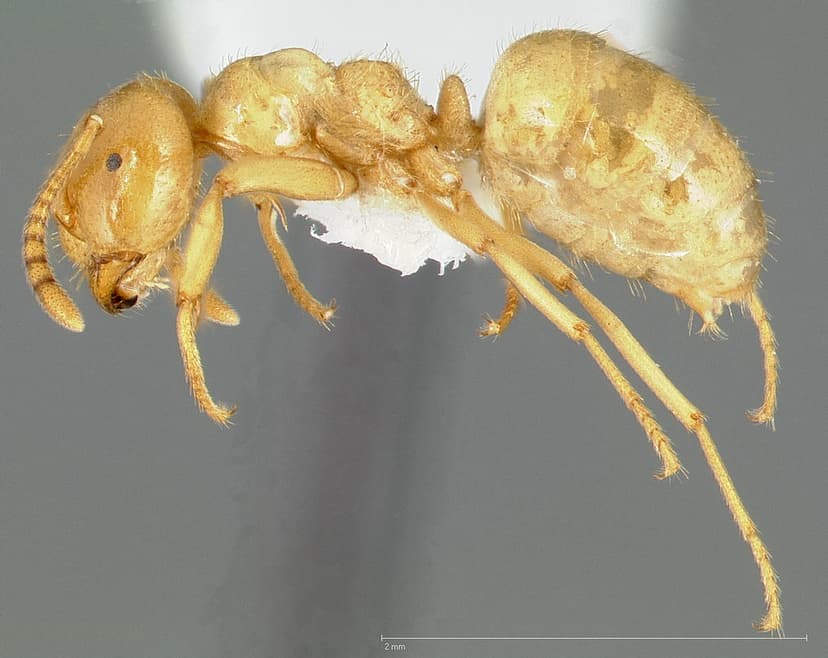
Native to the seasonally dry foothills and valleys of coastal and inland California, with records extending into southern Oregon and western Nevada (AntWeb), Lasius murphyi is a discreet but rewarding species for the temperate ant enthusiast. First described in Wilson’s monographic revision of the genus (Wilson 1955), this ant belongs to the subgenus Lasius and shares the glabrous, amber-to-reddish-brown sheen common to many of its close relatives. Queens are robust and measure 8 to 10 millimeters, while the monomorphic minor workers range from 3.5 to 5 millimeters, forming colonies that can eventually grow to around 10,000 individuals. Their founding strategy is entirely claustral, with a newly mated queen sealing herself away to raise her first brood on internal wing-muscle reserves. What makes Lasius murphyi particularly interesting is its adaptation to a Mediterranean climate with cool, moist winters and hot, dry summers — a departure from the mesic woodland habitats typical of many Lasius species. Their underground nests, often situated beneath stones or logs in oak-chaparral and grassland, lend them a certain cryptic charm, and observing them respond to the rhythmic pulse of the seasons gives a keeper an intimate window into the ecology of western North America.
This species is rated as intermediate in care difficulty, making it most suitable for hobbyists who have already had success with easier temperate ants and are ready to respect a firm annual cycle. The primary reason for this designation is the obligate hibernation requirement, which if skipped or poorly managed can lead the colony into a steady decline. They are not particularly shy or aggressive, but they are quick and adept at escaping through the smallest gaps, so meticulous attention to barrier fluids or tightly fitted lids is a must. Because the colony grows at a moderate pace and remains a manageable size, Lasius murphyi does not demand an ever-expanding nest setup, a trait that will appeal to keepers with limited space. Beginner keepers might still succeed if they are diligent about research, but the stakes of a failed winter rest tilt the balance toward someone with a bit of practical experience in diapause management.
When designing housing, aim for a temperature gradient of 18 to 26 degrees Celsius (65 to 79 degrees Fahrenheit) and a relative humidity range of 50 to 70 percent. Lasius murphyi does well in ytong or plaster nests that provide a moisture gradient, with one end kept damp and the other allowed to dry out, mimicking the natural micro-environments they seek beneath rocks. A naturalistic substrate of sandy loam or a sand-and-clay mix in the outworld gives them a familiar foraging ground and can even encourage subtle digging behavior if you offer a deeper substrate layer. Ventilation is crucial to prevent mold in the humid areas, so choose a nest design with ample airflow. While these ants will patiently occupy a simple test tube setup for months, they truly thrive once given a stable, partitioned nest that lets the colony thermoregulate and shift brood between microclimates as needed.
Feeding Lasius murphyi follows the standard myrmecine pattern: a protein base supplemented with carbohydrates. Offer small, freshly killed or pre-frozen insects such as fruit flies, pinhead crickets, or cut-up mealworms two to three times a week, adjusting frequency according to brood volume. Carbohydrate sources can be provided as a shallow droplet of diluted honey, sugar water, or a dedicated byFormica-style feeder; these ants will avidly recruit to sweets. As with all ants, a permanent freshwater source — a water tube plugged with cotton or a small water tower — is non-negotiable. In the wild they likely tend root aphids for honeydew, but in captivity they accept artificial substitutes with no fuss. Remove any uneaten protein after 24 hours to avoid mite and mold issues, and never place sugary liquids directly on the substrate where workers might drown.
Hibernation is the cornerstone of Lasius murphyi husbandry and must be observed every year to maintain colony health. Begin the process in late autumn by gradually lowering the temperature over a week or two until they reach a steady 8 degrees Celsius (46 degrees Fahrenheit). This can be achieved in a dedicated wine cooler, a basement cold room, or a temperature-regulated refrigerator, always ensuring the nest remains dark and vibration-free. The colony will slow to near-immobility, clustering together without foraging or brood production. Maintain a slight moisture in the nest — not wet, but enough to prevent desiccation — and check on them biweekly. A hibernation period of three to four months, from November through February or early March, mimics the cool winter rains of their native range. Failure to give this prolonged rest disrupts the queen’s reproductive cycle, leading to scattered brood timing and a shortened lifespan, a pattern well-documented in other obligate hibernators (Wilson 1955 noted the seasonal abundance of these ants at higher elevations, consistent with a strong diapause signal).
The first days after your Lasius murphyi colony arrives are a delicate transition period. Remove the packaging gently and slide the test tube into a small outworld, providing a hiding spot such as a piece of curved cork bark or a red-tinted cover to minimize stress from light. Do not attempt to move them into a larger nest immediately; a tube with a water reservoir and the queen inside is the safest home for now. Wait at least 48 hours before offering a tiny dab of honey on a slip of parchment and a single pre-killed fruit fly. Observe from a distance: if workers emerge to collect the food within a few hours, you can begin a gentle feeding schedule; if the food is ignored, remove it within a day to prevent spoilage. Keep the setup in a quiet, dimly lit area, resisting the urge to check more than once a day. Within the first few weeks, you should see the first batches of eggs and larvae, and eventually the pale nanitics that will kickstart the colony’s forward momentum.