Camponotus
Camponotus lateralis
Nuptial Flight Calendar
Flight months: Apr, Jun, Jul, Aug
Care Guide
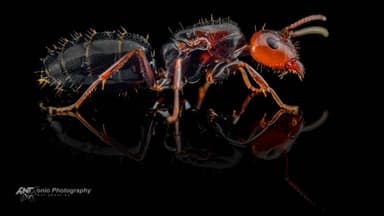
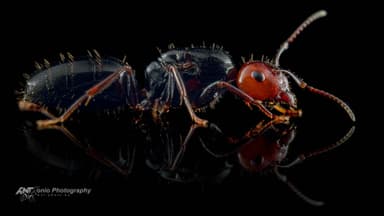
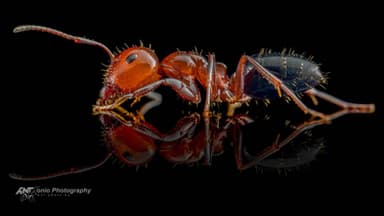
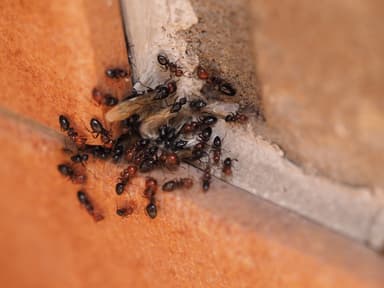
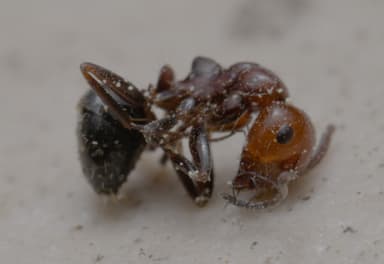
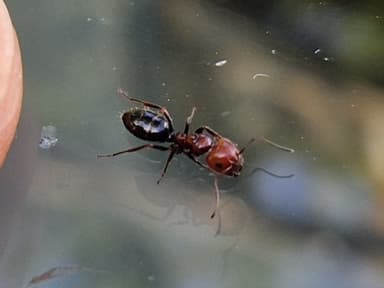
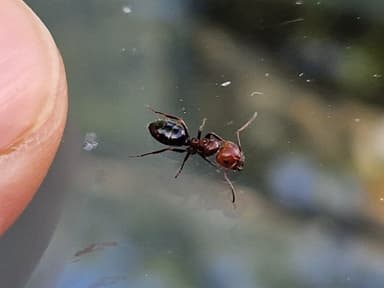
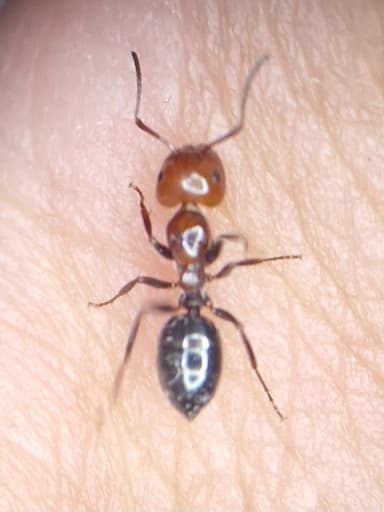
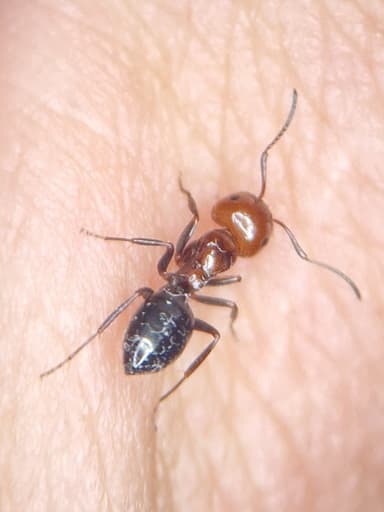
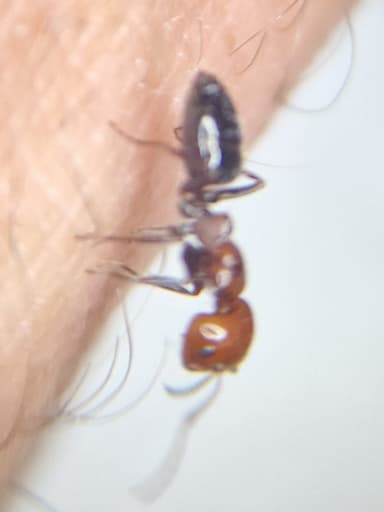
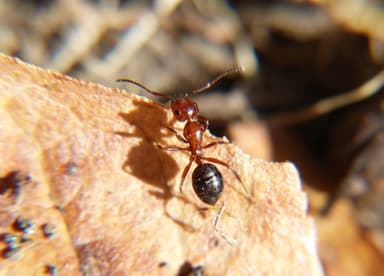
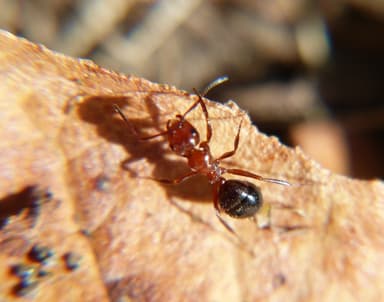
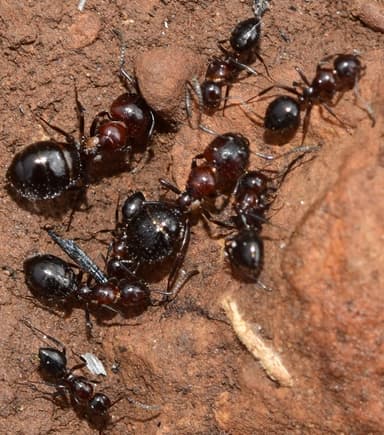
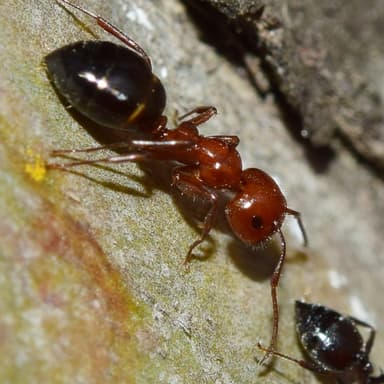
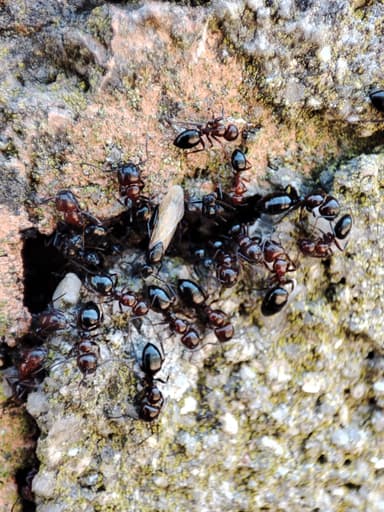
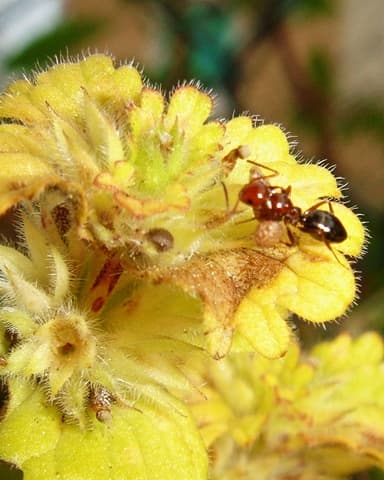
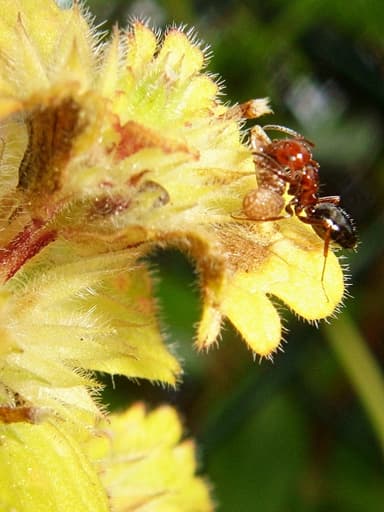
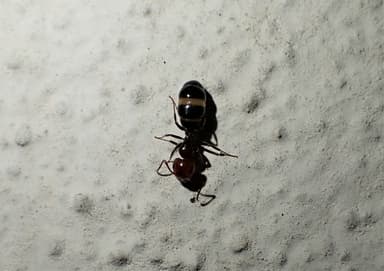
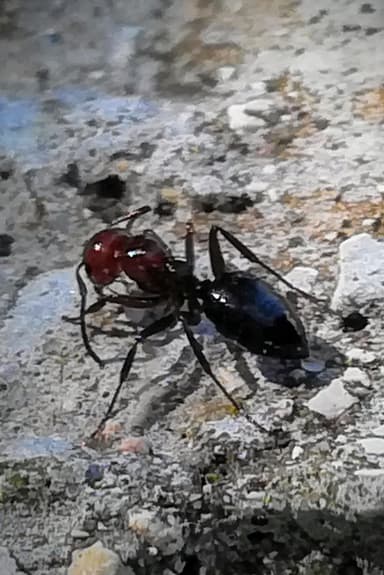
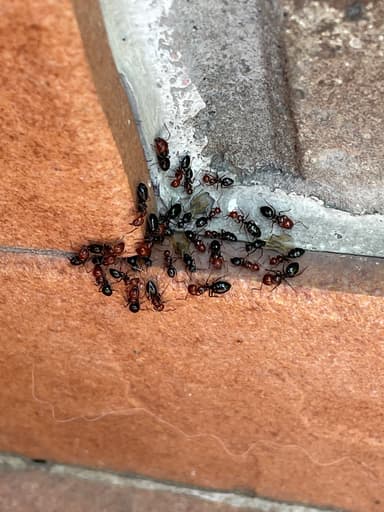
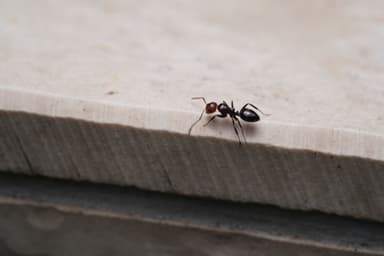
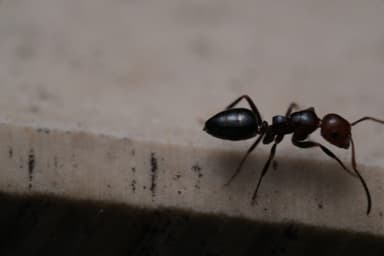
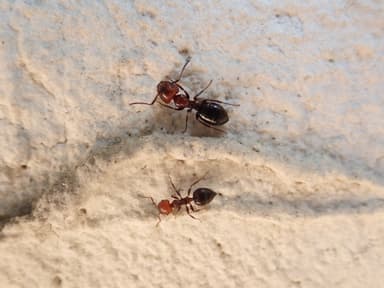
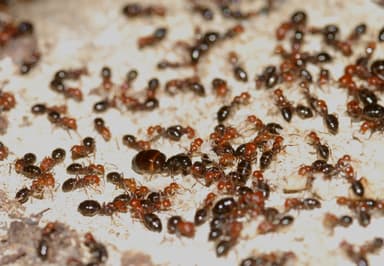
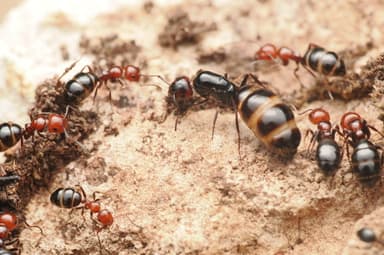
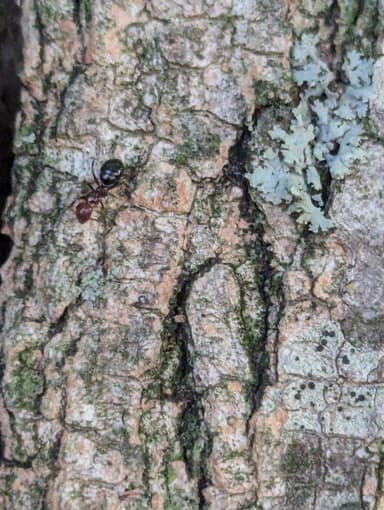
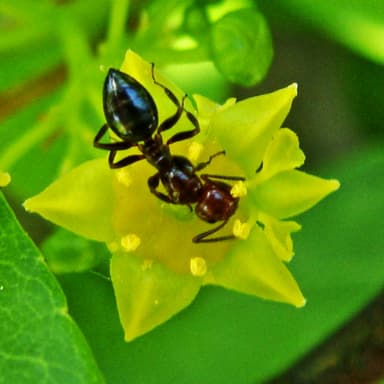
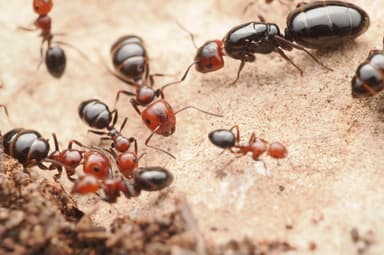
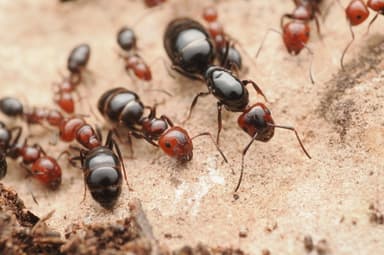
Camponotus lateralis, often known as the Mediterranean carpenter ant, is a captivating species that embodies the charm of southern Europe’s sun-drenched landscapes. Queens measure a modest 8 to 10 millimeters, while the polymorphic workers range from just 4 millimeters for the nimble minors up to 7 millimeters for the robust, broad-headed majors. This two-caste system creates a visible division of labour as colonies mature, and with a maximum size of around 3,000 individuals, they offer a rewarding display without the overwhelming scale of some larger Camponotus. The ants are predominantly a glossy black with subtle reddish-brown highlights on the legs and mandibles, giving them a sleek, polished look under magnification. Found across the Mediterranean basin from Portugal to Turkey and north into central Europe (Seifert 2018), they are claustral founders, meaning newly mated queens seal themselves away in a small chamber, relying solely on their wing muscle reserves to raise their first brood—a process that feels almost magical to witness. Nuptial flights occur during the warm, still afternoons of June through August, often after a rain shower, when the air is heavy with the promise of new beginnings.
This species is best suited to keepers with some prior experience, as its care level sits at intermediate. The challenges are not extreme, but they do demand attention to detail, particularly around moisture balance and the rigid hibernation requirement. A beginner who is dedicated and well-read could succeed, but someone who has already cared for a Lasius or Formica species will find the transition smooth and the rewards plentiful. The ants are relatively calm and not prone to panicked escapes, and their modest colony size means they can thrive in smaller, aesthetically pleasing setups without demanding an entire cabinet of nested tanks. The chief pitfall lies in their sensitivity to overly damp conditions, which can lead to fungal outbreaks or brood die-off, making careful nest selection and monitoring essential.
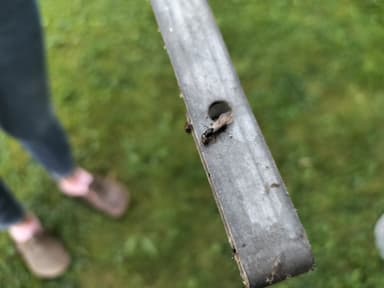
Housing a Camponotus lateralis colony revolves around providing a warm, well-ventilated nest that stays predominantly dry. They naturally inhabit dead wood, hollow stems, or under bark, so artificial nests made of cork, gypsum, or aerated concrete (Ytong) with a built-in humidity gradient work brilliantly. Maintain a temperature range of 21 to 28 degrees Celsius, with a gentle heat source at one end of the nest to allow self-regulation. Humidity is where many keepers accidentally go wrong; these ants thrive at a relatively low 40 to 60 percent relative humidity, which is drier than what many tropical species demand. The trick is to keep the nest itself dry, offering a small, external water feeder or a moistened cotton ball for drinking, while providing a slightly more humid chamber via a thin layer of moist substrate in a foraging arena if needed. A sandy loam mixture or even simple dry sand in the outworld mimics their natural Mediterranean soils and supports their excellent climbing abilities, though a fluon barrier on the sides remains a wise precaution.
Diet for these carpenter ants should be varied and nutrient-rich. Like all ants, they require both protein for larval growth and carbohydrates for adult energy. Offer small, freshly killed insects such as fruit flies, mealworms, or crickets two to three times a week, taking care to remove uneaten prey after a day to prevent mould. For sugars, a delicate drop of diluted honey, maple syrup, or sugar water on a tiny feeder dish is welcomed eagerly—majors may even act as repletes, storing liquid in their crops. Fresh water must be available at all times, ideally via a test tube setup or a small, stoppered water dispenser that cannot flood. Avoid overfeeding, as Camponotus lateralis colonies grow steadily rather than explosively, and uneaten food quickly spoils in the warm enclosure.
A dedicated hibernation period is non-negotiable for the long-term health of this temperate species. From late autumn, gradually reduce the temperature over several weeks until the colony rests at around 10 degrees Celsius. This cool, dormant phase should last approximately three to four months, mimicking the milder Mediterranean winter. During hibernation, keep the ants in a dark, quiet place—a refrigerator set to the correct temperature, an unheated cellar, or a cool garage works well—while ensuring the nest does not dry out completely. Check monthly for a slight moisture level, but do not feed them or disturb them. In early spring, slowly increase the temperature again, and the queen will resume egg-laying as the workers tentatively emerge, often with a renewed burst of activity.
When your Camponotus lateralis colony arrives, the first few days are a delicate settling-in period. Place the test tube or small founding chamber in the formicarium without connecting it to a larger foraging arena immediately, allowing the queen and workers to recover from shipping shock in a darkened, quiet space. After about 24 hours, gently offer a micro-drop of sugar water at the tube entrance and observe if they drink; this rehydration is critical. A day later, introduce a tiny, pre-killed fruit fly. During the first week, watch for signs of stress such as workers dragging brood towards the water source or excessive clustering at the tube exit, which may indicate the nesting chamber is too dry or too warm. Resist the urge to check constantly—give them calm, and you will be rewarded with a resilient, fascinating colony that, over time, will patrol its outworld with the unhurried purposefulness of ants that know their place under the Mediterranean sun (AntWiki; Ameisenwiki keeping reports).