Camponotus
Camponotus japonicus
Nuptial Flight Calendar
Flight months: May, Jun, Jul, Aug
Care Guide
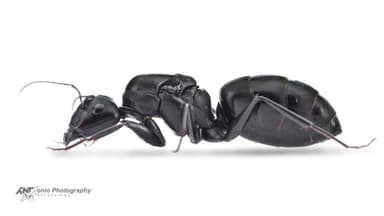
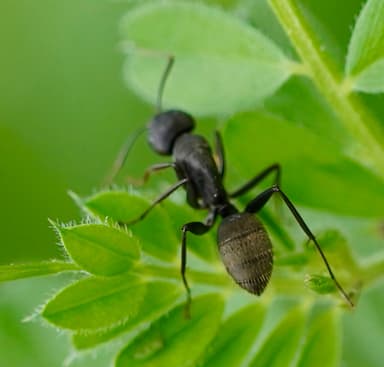
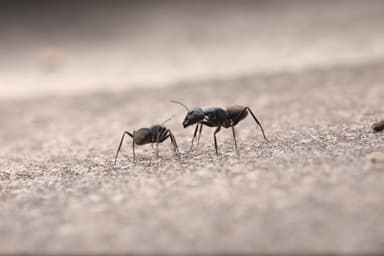
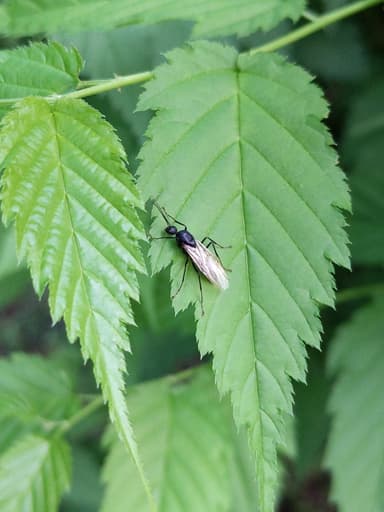
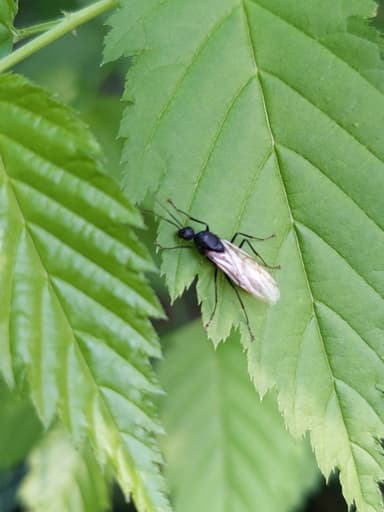
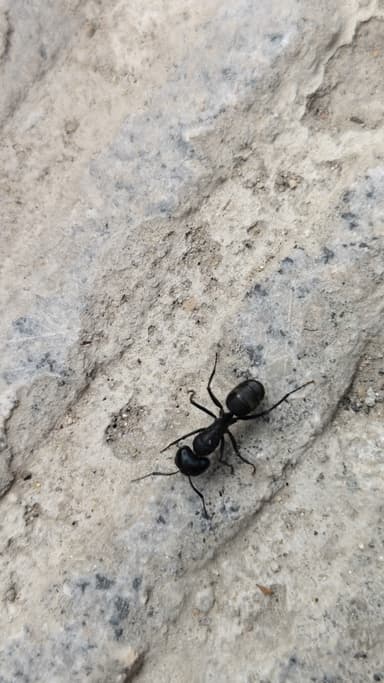
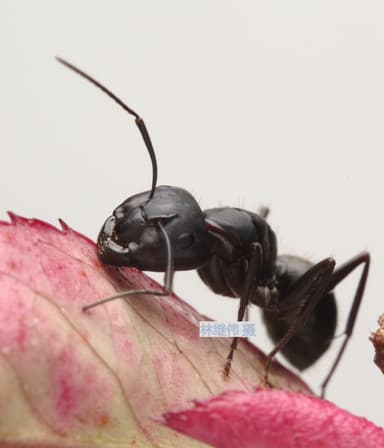
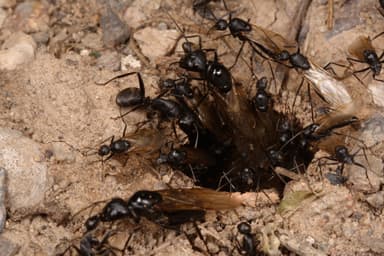
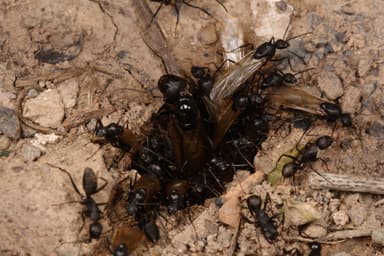
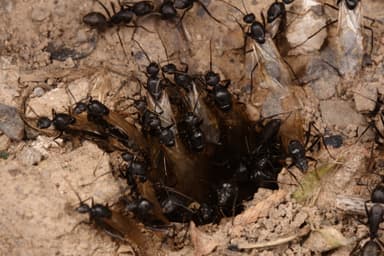
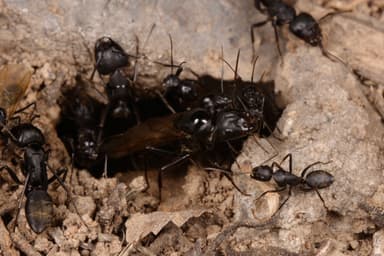
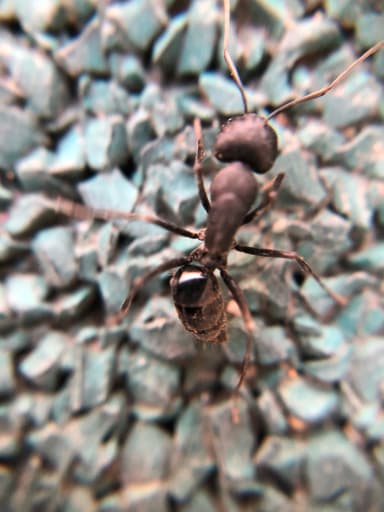
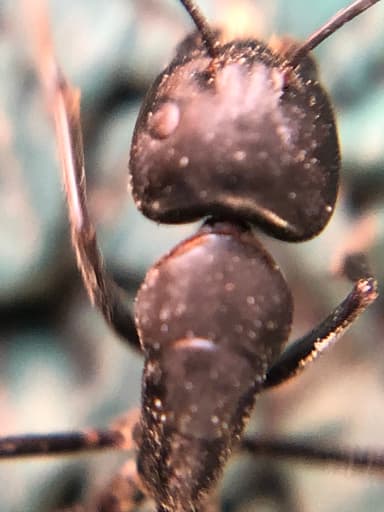
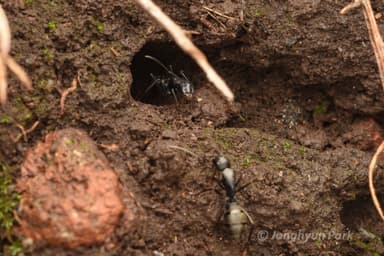
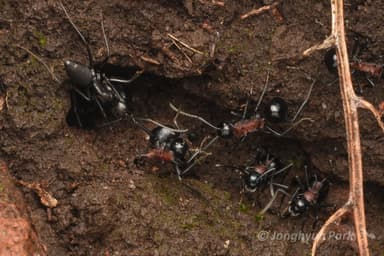
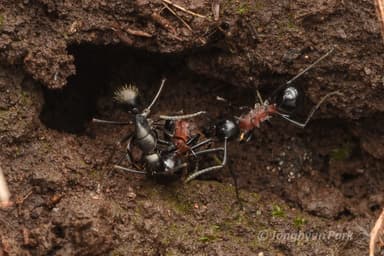
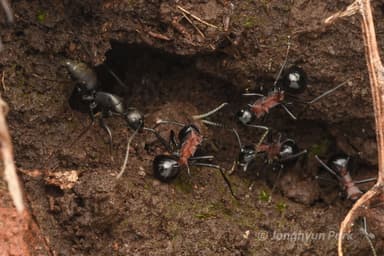
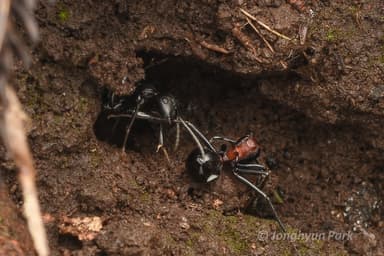
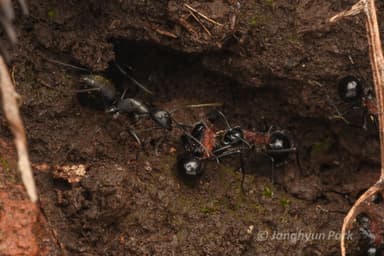
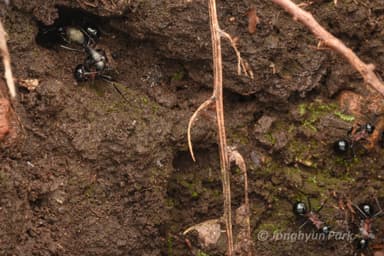
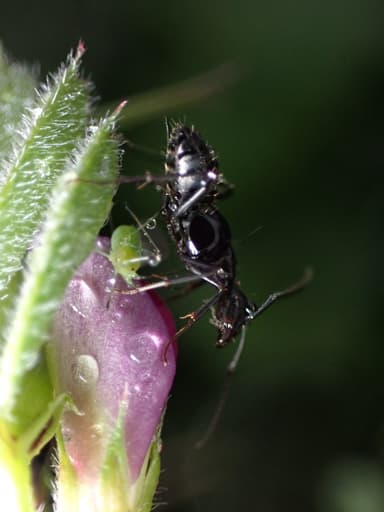
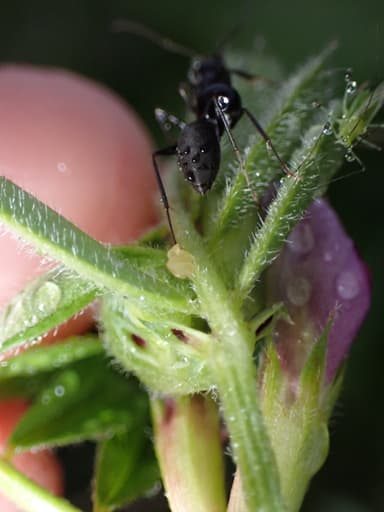
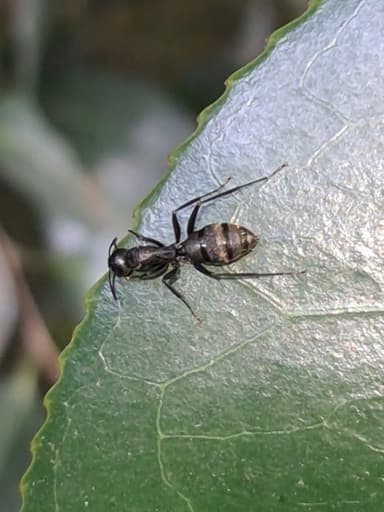
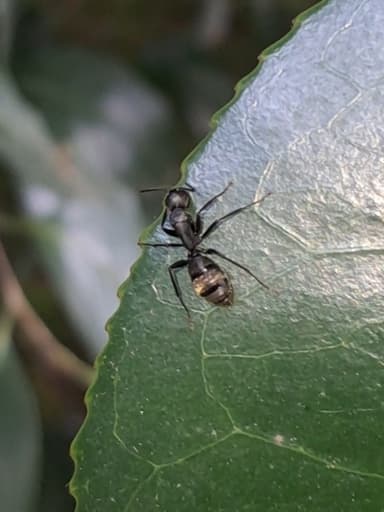
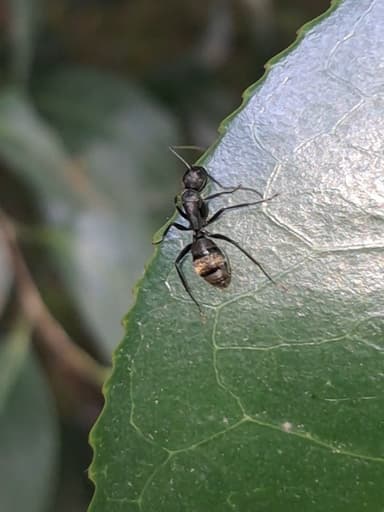
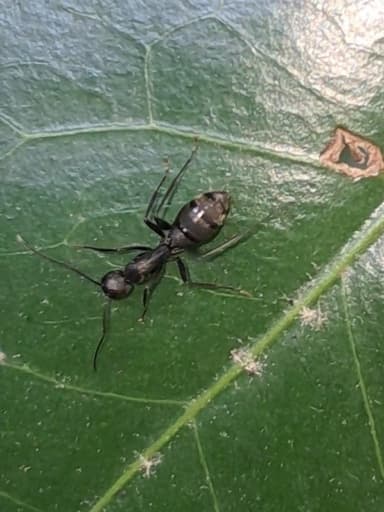
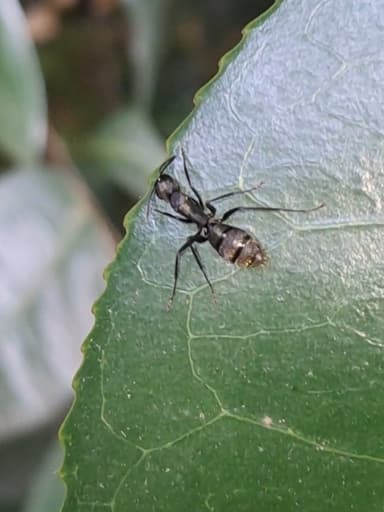
Camponotus japonicus, commonly known as the Japanese carpenter ant, is a large and striking species native to East Asia, with a distribution spanning Japan, the Korean Peninsula, and much of China (Japanese Ant Database Group; Terayama, 2009). Queens measure an impressive 15 to 18 millimeters, while the polymorphic worker caste ranges from 7 to 12 millimeters, with distinct minor and major subcastes. Majors possess robust, heavily sclerotized heads and powerful mandibles, lending them a formidable appearance. Colonies are monogynous and founded claustrally by a single queen who seals herself away to rear her first brood without foraging. At maturity, a thriving colony can reach up to 10,000 individuals, exhibiting the highly organized and dynamic foraging trails typical of the genus. Their diurnal activity, combined with their size and the stark size dimorphism between minors and majors, makes them a captivating display species that offers constant visual interest. Nuptial flights occur on warm, humid afternoons following rain, primarily from May through July across their native range, providing keepers in those regions with an opportunity to witness this annual spectacle (GBIF occurrence data).
This species is decidedly beginner-friendly, making it an excellent entry point for new ant keepers, while still engaging for seasoned hobbyists. Its hardiness and straightforward requirements forgive minor husbandry mistakes, yet it rewards careful observation with rapid colony growth and fascinating behavioral displays. Because of its eventual large colony size, it is best suited for keepers who have the space to accommodate a nest and outworld of appropriate dimensions. The primary consideration is the necessity of a true hibernation period; anyone considering C. japonicus must be able to provide a consistently cool winter rest. For those prepared to meet this requirement, the species offers an exceptionally rewarding long-term keeping experience with minimal fuss.
Providing suitable accommodation for C. japonicus means replicating the warm, moderately humid conditions of its native temperate woodland margins. A temperature range of 22° to 28°C during the active season encourages brood development and foraging activity. Humidity within the nest should be maintained between 50 and 70 percent, which is easily achieved with a plaster, ytong, or acrylic nest incorporating a regular watering routine. In the wild, these ants nest in soil, under stones, and in rotting wood, so a substrate of sand and loam or a cork-lined nest replicates their natural preferences and provides a textured surface the ants find comfortable. Always pair the nest with a spacious outworld for foraging, equipped with a barrier to prevent escapes. Gentle bottom heating applied to a portion of the nest helps create a thermal gradient, allowing the ants to self-regulate.
C. japonicus is an omnivorous forager with a hearty appetite. A balanced diet consists of insect protein, such as small crickets, mealworms, or dubia roaches, which is essential for larval growth and egg production by the queen. Carbohydrates power the workers and should be supplied in the form of diluted honey, maple syrup, or cut fruit, always provided on a small dish or slab to prevent mess. Fresh water must be available at all times, either through a water-filled test tube sealed with cotton or via the nest’s hydration system. Offer protein two to three times a week and a constant, small supply of sugars, removing uneaten food promptly to prevent mold. As the colony increases in size, the quantity and frequency of feeding should scale accordingly; a mature colony will consume an impressive amount of food each week.
A reliable hibernation cycle is non-negotiable for the long-term health of C. japonicus. In their natural habitat, winter temperatures drop significantly, and this seasonal chill serves as an essential physiological reset. Hibernation should occur at a stable temperature of around 8°C for a duration of three to four months, typically from late November to early March. Begin the process gradually by ceasing protein feeding and reducing temperatures over a couple of weeks. During diapause, the queen stops laying eggs, the workers cluster together, and activity dwindles. Keep the nest slightly moist and provide a small water source, but do not disturb them with food or vibrations. Waking them is equally gradual; bring temperatures back up to the active range over one to two weeks. Skipping or poorly executing hibernation can lead to a failure to resume brood production, shortened queen lifespan, and general colony decline, so it must be treated with diligence.
Upon receiving your newly purchased colony — typically a queen with her first few workers in a test tube — it is critical to prioritize minimal disturbance. Place the tube in a dark, quiet area within the target temperature range and leave the ants undisturbed for at least 24 to 48 hours, allowing them to recover from shipping stress. For the first feeding, offer a tiny drop of sugar water on a slip of paper inserted near the cotton plug, and a day later, a freshly killed small insect such as a fruit fly or pinhead cricket. Watch for the queen to feed and for workers to accept the food; if they ignore it or seem agitated, remove the offering and try again the next day. Avoid temptation to move them into a larger nest too early. A common mistake is rushing the transfer — wait until the test tube is visibly dirty, the water runs dry, or the colony clearly outgrows the space (generally around 20 to 30 workers). When the time comes, connect their tube to a small starter nest and let the ants migrate at their own pace. Monitor for any signs of excessive stress, such as persistent clustering outside the nest or a high worker death rate, and adjust conditions accordingly. With patient, gentle start-up care, your C. japonicus colony will soon settle and launch into the vigorous growth phase that makes this species such a delight to keep.